
Reviewed · MUSEUMS
Third Man Museum Admission Ticket Vienna
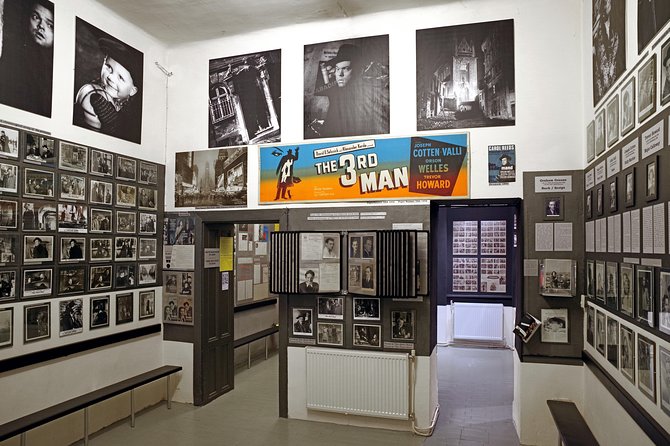
A zither, film scripts, and postwar Vienna await. The Third Man Museum gives you a close look at the making of the classic film, with original objects rather than only photographs and reproductions. I especially like the original zither used by Anton Karas and the film crew’s cameras, since both connect the movie to real production work. The original scripts, from early draft to final release, add another useful layer.
I also like how the museum places the film beside Vienna’s difficult years from 1945 to 1955. You are not simply looking at movie souvenirs. You are also seeing how occupied Vienna shaped the setting and mood of the film. The main drawback is the limited schedule: the museum is open only on Saturdays from 2 to 6 p.m., so you need to plan your day around it.
The ticket costs about $20 and includes admission, with a mobile ticket for easy booking. I would allow one to two hours. That is enough time for a careful visit, though serious film fans may want to use the full afternoon window.
In This Review
- Key points about the Third Man Museum
- Why The Third Man Museum feels different
- Starting with the film’s original objects
- Reading the film through its scripts
- Posters, lobby cards, and the film’s international reach
- Thirteen rooms, sixteen rooms, and how long to allow
- Occupied Vienna from 1945 to 1955
- The value of the $20 admission
- A Saturday visit requires careful planning
- Who will enjoy this museum most
- What to know before you book
- Should you book the Third Man Museum?
- FAQ
- What does the Third Man Museum ticket include?
- How much does admission cost?
- How long does a visit take?
- When is the museum open?
- Is the museum near public transportation?
- Is this a private activity?
- Can I cancel for a full refund?
Key points about the Third Man Museum
- Original Anton Karas zither: See the instrument used when the famous film music was recorded in London.
- Scripts from first draft to final version: Follow how the film changed before reaching the screen.
- Two cameras from the Vienna production: The equipment was rented for special-effects work.
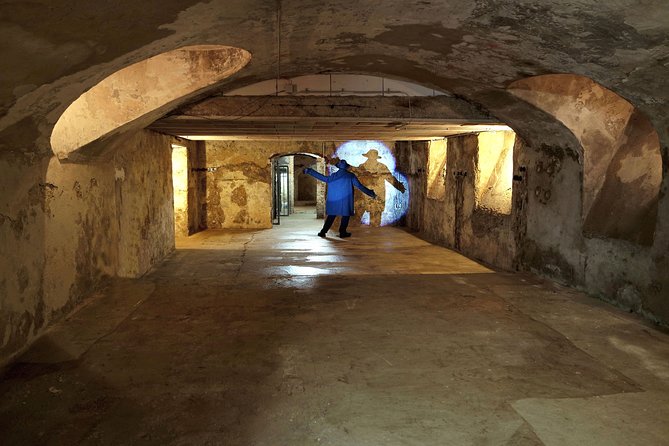
- Occupied Vienna from 1945 to 1955: The museum connects the movie to the city’s postwar daily life.
- More than 3,000 original objects: Posters, cinema programs, props, documents, and equipment fill the exhibition.
- Saturday-only opening: Plan carefully, since the stated hours are 2 to 6 p.m.
Why The Third Man Museum feels different
Many film museums rely on large photographs, costumes, and wall text. This one takes a more personal approach. The collection contains more than 3,000 original items gathered from around the world, giving you a sense of both the film’s international success and the work behind it.
That focus matters because The Third Man is closely tied to Vienna. The film is not presented as an isolated Hollywood production. The displays also explain the city’s prewar and postwar setting, including the period when Vienna was occupied from 1945 to 1955.
I like this combination. You can come for the movie, then leave with a better sense of the city that helped give it its distinctive atmosphere. The museum connects cinema, music, equipment, printed material, and local history without reducing everything to a simple fan display.
The collection was assembled with clear care. A rating of 4.9 out of 5 from 43 ratings, with 100 percent recommending the experience, supports the impression of a small museum made with unusual dedication. The strongest praise focuses on the sheer range of the collection, the careful detail, and the friendly museum managers and staff.
More Museum Tours in Vienna:
- Vienna: Skip-the-Line Sisi Museum, Hofburg and Gardens Tour
★ 4.8 · 5,918 reviews - Vienna Kunsthistorisches Museum Day Admission Ticket
★ 4.6 · 3,690 reviews - Tickets for the Albertina Exhibitions
★ 4.7 · 2,126 reviews
Starting with the film’s original objects
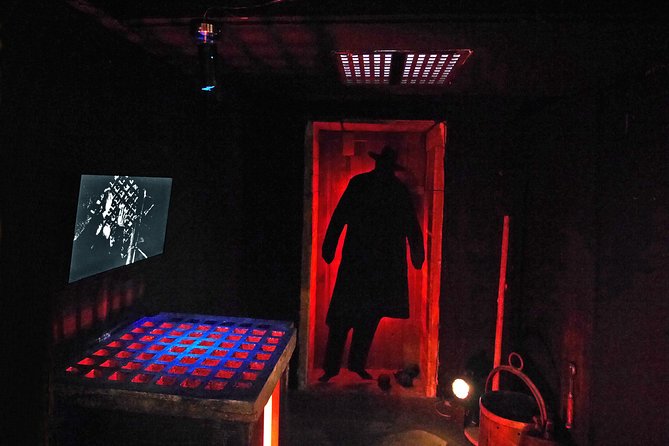
The most appealing part of the visit is the chance to see objects with a direct link to the production. The original zither associated with Anton Karas is the star piece for many film fans. Karas recorded the film music in London, and seeing the instrument gives the music a physical place in the story.
You can also see two cameras rented by the film crew in Vienna for special effects. They are not just generic old cameras. Their connection to the Vienna production makes them useful evidence of how much technical work went into creating the film’s visual style.
Another small but memorable object is the original cap belonging to Little Hansel. A prop like this can seem modest beside a camera or musical instrument, but it helps turn a famous production into something tangible. You are looking at an item tied to a character rather than an abstract piece of film history.
The museum also displays a fully working Ernemann VIIb projector dating from 1936. Its working condition is an important detail. You are not only seeing an old machine behind glass. You are seeing the sort of equipment that explains how films were shown and handled during the period.
Reading the film through its scripts
The collection includes original film scripts, beginning with the first draft and continuing to the final release script. This is one of the best features for anyone interested in writing, directing, or the practical process of making a movie.
A finished film can look inevitable. The scripts remind you that it was not. Comparing early and later versions lets you think about changes in scenes, structure, and wording, even if you are not a film scholar. The material shows that a celebrated movie developed through stages rather than appearing fully formed.
Give this section time instead of rushing past it. You may find that the script material explains more about the movie’s construction than a row of publicity photographs would. It also adds value for repeat viewers who already know the film well.
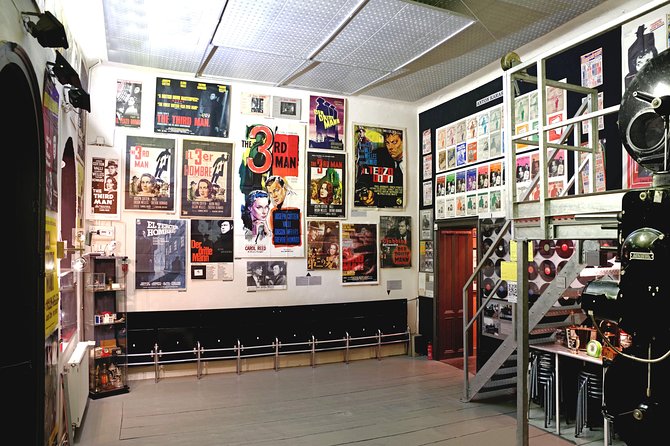
The museum’s international collection supports this story. Posters, cinema programs, and lobby cards show how The Third Man reached audiences in different places. These printed items are also useful reminders of how films were marketed before digital advertising took over.
Posters, lobby cards, and the film’s international reach
Historic film posters can be attractive, but here they serve a larger purpose. Along with lobby cards and cinema programs, they show how the film was presented to audiences around the world.
I would pay attention to the changes in design and presentation as you move through the displays. Even without detailed knowledge of international film marketing, you can see that the movie had a life beyond its original production. The printed material gives the museum an international scope while the local history sections keep the focus on Vienna.
The objects also help explain the difference between watching a film and understanding its place in popular culture. A cinema program shows how the movie was packaged for an audience. A poster shows what its distributors thought would draw people through the door. Together, such items tell you how the film traveled.
This is a particularly good stop for anyone who enjoys old cinemas, printed ephemera, or the history of moviegoing. It is less about a large visual spectacle and more about examining details at close range.
A few more options to weigh up in Vienna
- Vienna: Vivaldi’s Four Seasons Concert in Karlskirche
★ 4.7 · 14,951 reviews - Vienna: Spanish Riding School Training
★ 3.9 · 9,281 reviews - Vienna: Schönbrunn Palace & Gardens Skip-the-Line Tour
★ 4.7 · 7,739 reviews - Vienna: Light of Creation Votive Church Immersive Light Show
★ 4.8 · 6,779 reviews
Thirteen rooms, sixteen rooms, and how long to allow
The supplied information describes the exhibition in both thirteen rooms and sixteen rooms. That small difference is worth noting when you plan your visit. In either case, the museum is spread across multiple rooms rather than being one compact display.
The expected visit lasts about one to two hours. If you only want the main props and equipment, you may finish closer to the shorter estimate. If you read the scripts, study the historical material, and take your time with the posters and documents, plan for the full two hours.
The Saturday opening window runs from 2 to 6 p.m. That gives you enough time for a relaxed visit, but it does not provide much flexibility if you arrive in Vienna on a different day. I would check the current schedule before buying a timed travel plan, especially since the supplied operating dates run from March 29, 2025, through June 13, 2026.
The information also lists a closure from January 5 to March 28, 2024. Those dates are in the past relative to the stated 2025 to 2026 operating period, so treat the current Saturday schedule as the useful planning detail and confirm it before setting out.
Occupied Vienna from 1945 to 1955
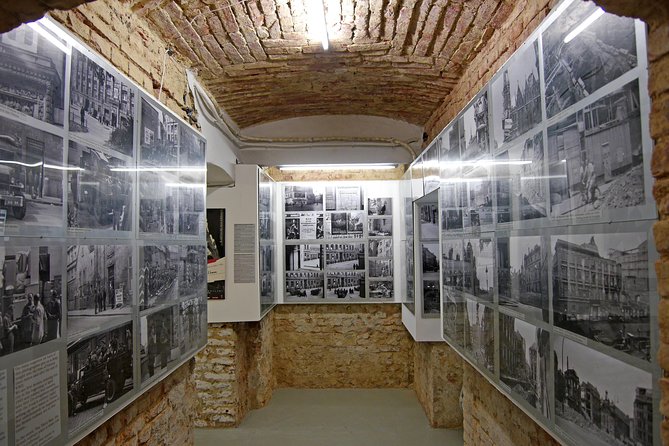
The museum’s historical material is a major reason to visit even if you are only moderately interested in movie equipment. It gives an impression of daily life in occupied Vienna from 1945 to 1955, a period that forms an important backdrop to the film.
That context changes how you look at the exhibition. Posters and scripts become part of a larger story about a city recovering from war and living under occupation. The film’s setting is not simply decorative. Vienna’s political and social situation helps explain why the movie continues to feel so closely tied to place.
You should not expect a general museum of all Austrian history. The historical displays are connected to the film and its prewar and postwar setting. That focused approach is useful because it keeps the visit manageable, but it also means you may want a broader city-history museum if you are seeking a full account of Vienna during the twentieth century.
For World War II buffs and visitors interested in the years immediately after the war, this background adds real weight. It keeps the museum from becoming only a celebration of a famous title.
The value of the $20 admission
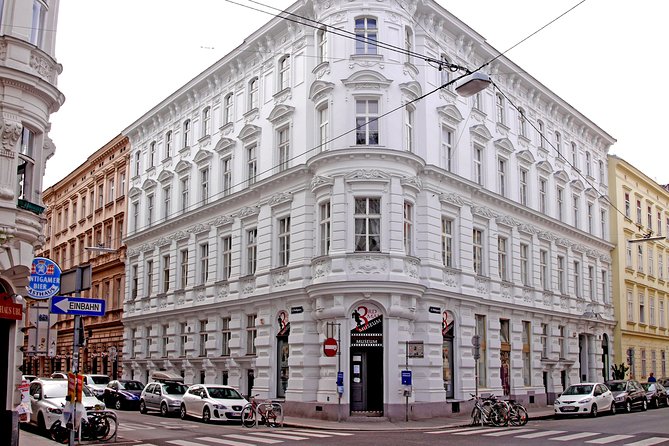
At about $20, this is not a bargain-priced walk-in attraction for a quick ten-minute look. The value depends on how much you care about the film, film history, or occupied Vienna.
For a fan of The Third Man, the admission makes sense because the collection offers original scripts, the zither linked to Anton Karas, production cameras, a historic projector, props, and international publicity material. Buying access to several thousand original objects is more satisfying than paying to see one famous prop and a few enlarged stills.
For a casual filmgoer, the value is less certain. You may enjoy the historical setting and the unusual objects, but the museum’s appeal is specific. It is not designed as a broad entertainment attraction with interactive rides or a long guided program.
The length helps the calculation. A one to two hour visit gives you enough content for a serious look, especially if you read the displays. Since transportation to and from the museum, food, and drinks are not included, add those costs to your Vienna budget. The ticket itself covers the entrance fee only.
I would consider it good value for someone already planning a film-focused day in Vienna. I would be more selective if you have only one day in the city and no strong interest in the movie.
A Saturday visit requires careful planning
The practical issue is not the mobile ticket. That part is simple. The real issue is the narrow opening schedule.
The museum is listed as open Saturdays from 2 to 6 p.m. It is near public transportation, which makes the location practical once you decide to go, but the data does not specify the exact transit stop or the best route. Use your preferred route planner and allow enough time to arrive before the afternoon window gets too short.
You can visit independently with your admission ticket. The activity is described as private, meaning only your group participates, but no guide’s name or separate guided commentary is provided. Do not book this expecting a scheduled walking tour or a large group presentation. The attraction is the museum itself and its collection.
A mobile ticket should also help you keep the booking details on your phone. I would save the confirmation before leaving your hotel, since a museum with only four opening hours each Saturday is not the place to risk confusion.
Who will enjoy this museum most
I would put this near the top of the list for:
- Fans of The Third Man who want original production material
- Film students, writers, and anyone curious about script development
- Visitors interested in historic cameras, projectors, and movie technology
- World War II buffs studying Vienna’s occupied and postwar years
- People who enjoy posters, lobby cards, cinema programs, and printed archives
- Couples or small groups looking for a focused indoor stop lasting one to two hours
You do not need to be an expert to appreciate the museum. The original objects provide an easy starting point, while the historical displays add more for anyone willing to read closely.
I would be less likely to recommend it to someone who has never heard of the film and wants a broad introduction to Vienna. The museum’s subject is narrow by design. That is a strength for the right audience, but a limitation if your sightseeing time is tight.
What to know before you book
The ticket includes admission only. Food and drinks are not included, and transportation to and from the attraction is your responsibility. Most people can participate, and the museum is near public transportation.
The booking confirmation is issued at the time of booking. Free cancellation is available if you cancel at least 24 hours before the local start time. Within 24 hours, you should expect no refund, and changes made during that period are not accepted.
The most important tip is simple: verify the Saturday hours before you commit. A four-hour afternoon opening is workable, but missing it could mean losing the chance to visit during your stay.
Should you book the Third Man Museum?
Book it if The Third Man means something to you, or if you enjoy film-making artifacts and Vienna’s postwar story. The original zither, scripts, cameras, projector, props, and printed material give you plenty to examine, while the occupied-Vienna context makes the visit more than a fan shrine.
Skip it if your Vienna schedule is already packed and you have little interest in the film. The Saturday-only hours demand planning, and the $20 admission is harder to justify for a casual stop.
My call: film fans and history-minded visitors should book, especially if Saturday afternoon fits your itinerary. Arrive with one to two hours available, read the script material, and do not rush past the smaller objects. They are where the museum’s care and personality show most clearly.
FAQ
What does the Third Man Museum ticket include?
The ticket includes the entrance fee to the Third Man Museum. Food, drinks, and transportation to and from the attraction are not included.
How much does admission cost?
The listed price is about $20.
How long does a visit take?
The estimated visit lasts one to two hours.
When is the museum open?
The stated opening hours are Saturdays from 2 p.m. to 6 p.m. The listed operating period runs from March 29, 2025, through June 13, 2026.
Is the museum near public transportation?
Yes. The museum is listed as being near public transportation.
Is this a private activity?
Yes. The activity is described as private, with only your group participating.
Can I cancel for a full refund?
Yes, if you cancel at least 24 hours before the experience start time. Cancellations made within 24 hours are not refunded, and changes during that period are not accepted.
Just added in Vienna
- Vienna: Austrian Wine Tasting Experience★ 4.2 · 2 reviews
- World War II History Vienna Old Town Private Walking Tour★ 4.8 · 9 reviews
- Vienna_ Meet Beethoven Life Private Guided Walking Tour★ 5.0 · 1 review
- Vienna: Wine Tasting Tour★ 4.8 · 61 reviews
- Vienna: Wine Tasting E-Bike Tour★ 4.9 · 46 reviews
- Vienna: Wine Tasting at Schönbrunn Palace★ 4.3 · 71 reviews
- Vienna: Winery and Wine Tasting Tour with a Wine Expert★ 5.0 · 5 reviews
- Vienna: Concert by the Vienna Baroque Orchestra★ 4.6 · 56 reviews
Museums, compared.

Skip-the-Line Sisi Museum, Hofburg and Gardens Tour
Read our review →
Vienna Kunsthistorisches Museum Day Admission Ticket
Read our review →

Chocolate Workshop in Chocolate Museum w/ Tasting
Read our review →
St. Stephen’s Cathedral & Dom Museum Wien Tickets
Read our review →
Browse the lists this tour appears in