
Reviewed · MUSEUMS
Sigmund Freud Museum Ticket
Some addresses carry an entire century. Berggasse 19 is one of them, the Vienna home and practice of Sigmund Freud, where he developed psychoanalysis and worked with patients who helped shape modern thinking about the human mind. I like the museum’s mix of personal family history and serious medical theory, and I especially enjoy the rare recordings of Freud and Anna Freud, plus the clever phone-based couch installation.
The $18 admission feels fair if you read the displays carefully and allow at least 90 minutes. The main drawback is that Freud’s famous original couch is not here, and some rooms can feel dim, warm, or slightly hard to follow in chronological order.
In This Review
- Key points to know before you go
- Entering Berggasse 19, Freud’s most famous address
- Freud’s rooms: work, family, and the missing couch
- Hear Freud and Anna Freud in their own voices
- The house after Freud: a darker Vienna story
- Freud’s former office and the contemporary art display
- How long you need, and when the visit works best
- Is $18 good value?
- Who will get the most from this museum?
- Practical details for planning your visit
- Should you book the Sigmund Freud Museum?
- FAQ
- Where is the Sigmund Freud Museum located?
- How much does the museum ticket cost?
- How long is the ticket valid?
- How long should I plan for the museum?
- Can I see Freud’s original couch?
- Can I hear Sigmund Freud speak?
- Is the museum wheelchair accessible?
- Can I take photographs inside?
Key points to know before you go
- Enter through Freud’s historic doorway: You use the same main entrance and staircase once used by Freud and his patients.
- See the private family rooms: The mezzanine shows where Freud, Anna, and the wider Freud family lived.
- Hear Freud’s actual voice: Audio recordings of Sigmund and Anna Freud add a rare human touch.
- Use your phone for the AR couch: The augmented-reality installation shows where the famous couch once stood and explains what happened to it.
- Allow more time than expected: Most people need about 1.5 hours, while careful readers may spend two or three hours.
- Expect a serious final chapter: The museum documents Freud’s escape to London, the fate of his sisters, and Nazi persecution at Berggasse 19.
Entering Berggasse 19, Freud’s most famous address
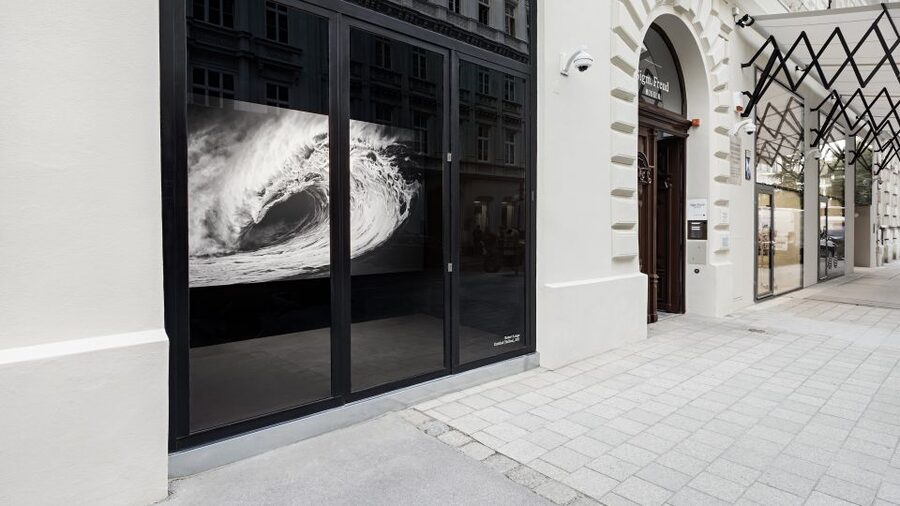
The museum begins with a simple act: you walk into the house through the main entrance Freud and his patients used. That detail matters. You are not entering a reconstructed set or a grand public palace. You are stepping into an ordinary Vienna apartment building with an extraordinary past.
Historic stairs lead to the mezzanine, where the Freud family lived. The route gives the visit a useful human scale. Before you reach the theories, books, and professional milestones, you see the domestic setting behind them. Freud was not only a physician and intellectual figure. He was also a husband, father, brother, collector, and friend.
This personal angle is one of the museum’s strongest features. If you know only the famous names associated with psychoanalysis, the displays help fill in the family story. Anna Freud’s childhood and later work receive attention, making the museum appealing to anyone interested in how ideas develop inside a family as well as inside a clinic.
The building itself is not filled with Freud’s original furniture. Freud and his close family fled Vienna in 1938, and many important belongings left with them. That absence can disappoint anyone expecting a fully furnished period apartment, but it also tells an important story. The empty or altered rooms are part of the museum’s meaning.
More Museum Tours in Vienna:
- Vienna: Skip-the-Line Sisi Museum, Hofburg and Gardens Tour
★ 4.8 · 5,918 reviews - Vienna Kunsthistorisches Museum Day Admission Ticket
★ 4.6 · 3,690 reviews - Tickets for the Albertina Exhibitions
★ 4.7 · 2,126 reviews
Freud’s rooms: work, family, and the missing couch
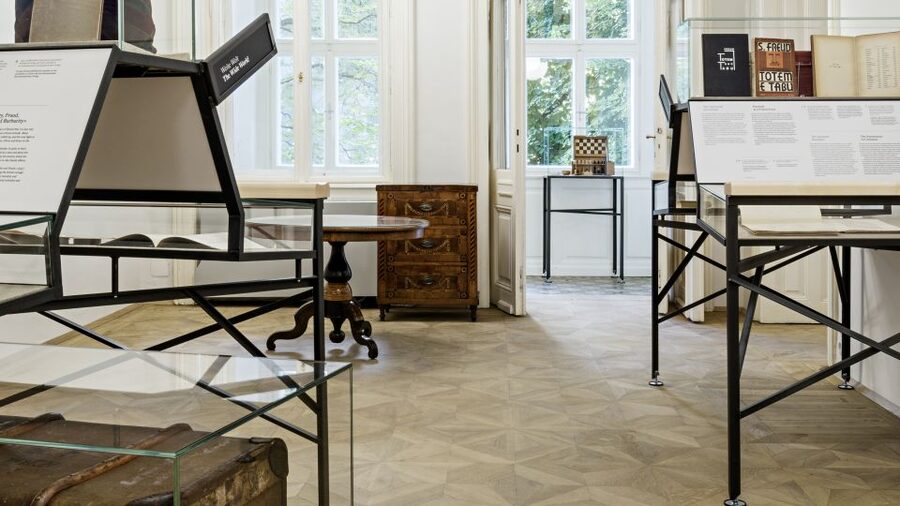
You move through the private rooms and professional spaces where Freud lived and worked. Displays explain his medical training, his family life, his travels, and the development of psychoanalysis. The museum does not treat his ideas as isolated discoveries. Instead, it places them within his career and the social world of turn-of-the-century Vienna.
The professional material includes rare first editions, special printings, offprints, presentation copies, notes, images, and other objects linked to Freud’s writing. You can follow how his theoretical work took shape, although the amount of reading is substantial. If you want only a quick celebrity-house visit, this museum may feel text-heavy.
I recommend reading the short explanations first, then choosing the subjects that interest you most. The displays cover a lot of ground, from his medical practice to the five major developments of psychoanalysis highlighted in the exhibition. A psychiatrist or psychologist could spend far longer with the material, but you do not need professional training to follow the broad story.
One useful criticism is the lack of a clear chronological route. You might read about Freud’s medical studies and then enter a room focused on later work. The flexible layout lets you move at your own pace, but you may need to build the timeline yourself.
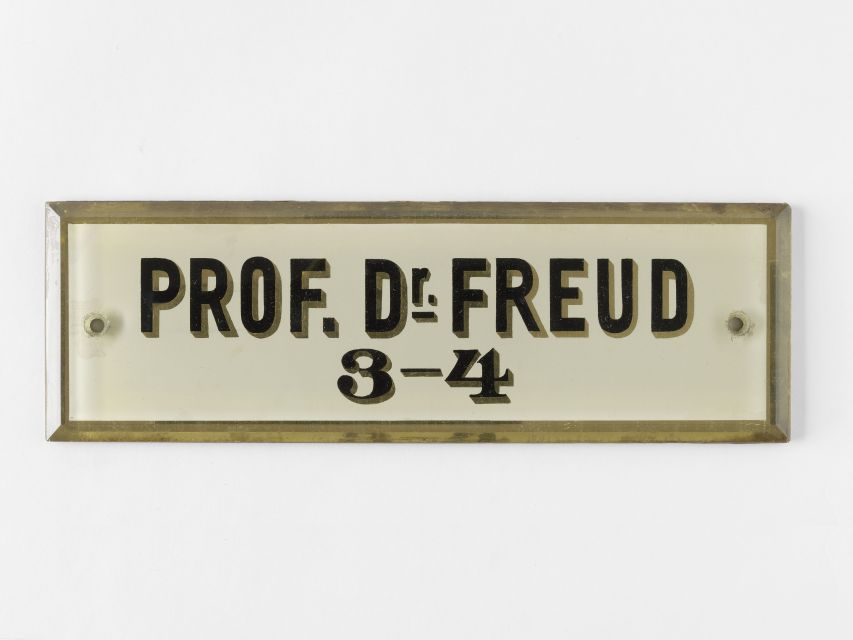
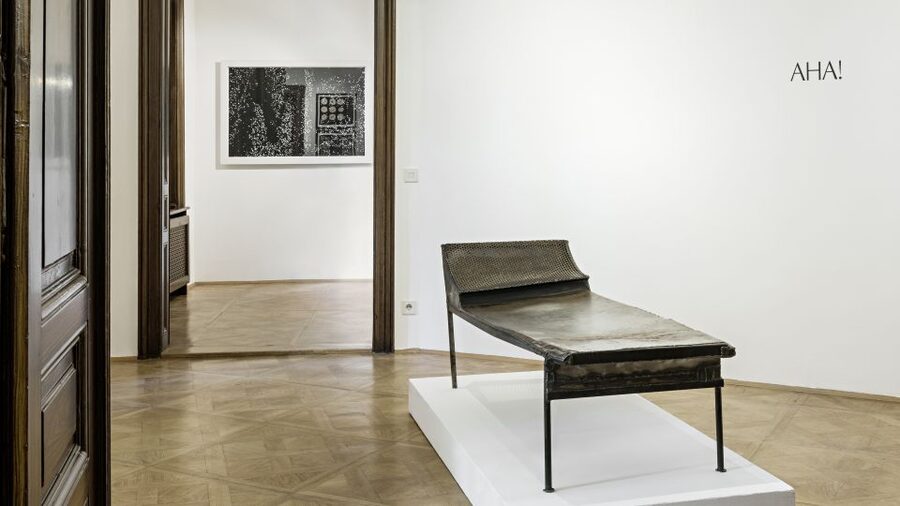
The former office is especially important. It connects the private residence to Freud’s professional identity and gives you a sense of the place where his patients came to speak, listen, and be analyzed. Yet you should adjust your expectations. The famous couch is not physically displayed here.
Instead, use your phone to activate Sigmund Freud’s Couch, an augmented-reality installation positioned where the couch once stood. The experience explains the furniture’s later whereabouts while letting you picture the room as it might have functioned. It is a smart response to an unavoidable gap in the collection, though it works best if your phone is ready and you are comfortable using an interactive display.
Hear Freud and Anna Freud in their own voices
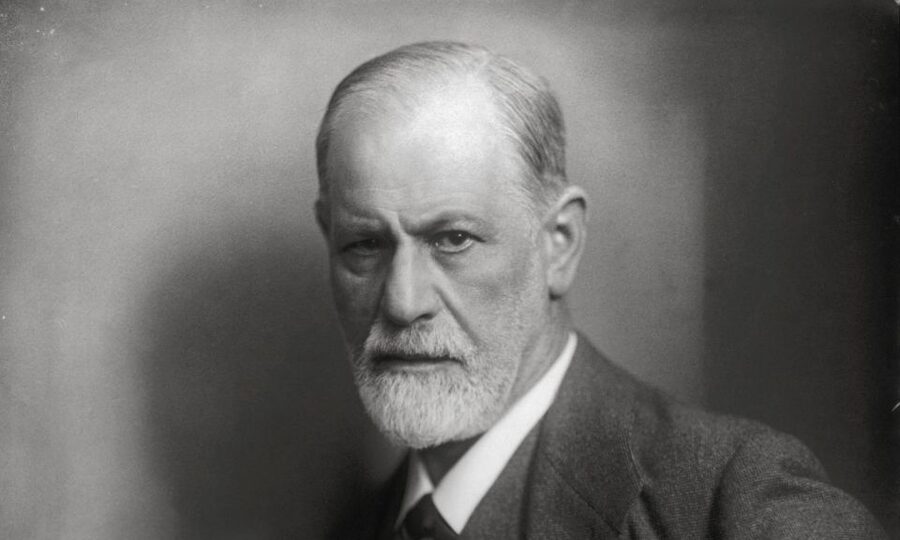
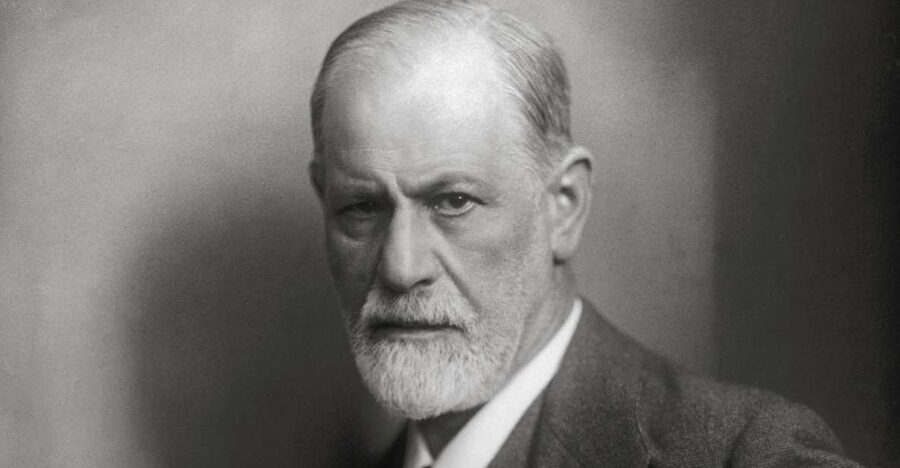
The recordings of Sigmund Freud and Anna Freud are among the most memorable parts of the museum. Objects and printed explanations tell you what Freud did. A real voice gives you a stronger sense of the person behind the name.
Hearing Freud speak can feel surprisingly intimate, especially after reading about his work and family. Anna’s voice adds another layer because she connects the domestic story with the later continuation of psychoanalytic thinking.
Audio exhibits are central enough to plan around, but some equipment has occasionally been out of order. If one recording does not work, do not assume you have missed the whole section. The displays still provide plenty of material, though the audio is worth trying again if staff can help.
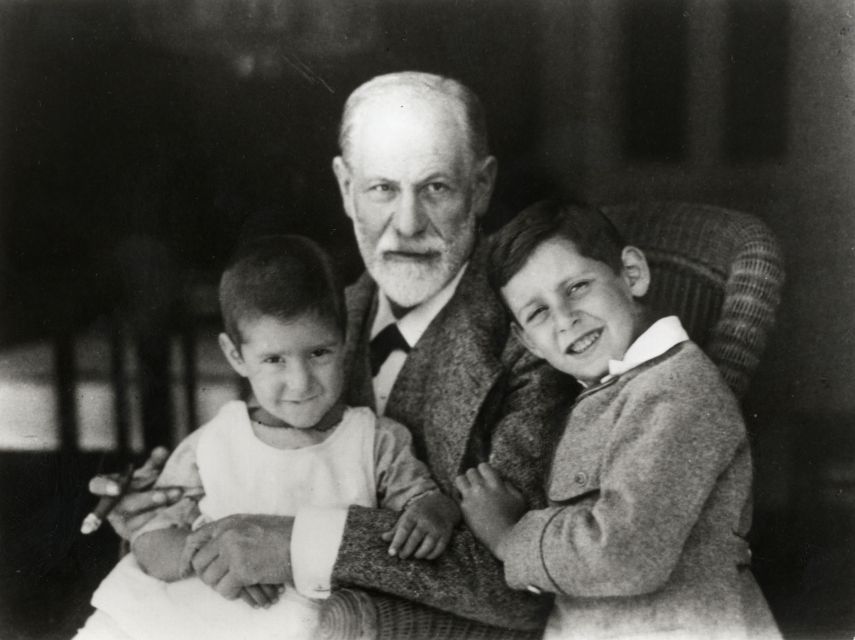
The museum also shows rare family film from the 1930s. These moving images are valuable because they shift Freud from a portrait on a wall into a living person surrounded by family. They also make the final part of the visit more powerful, since you know that this apparently private world was about to be shattered by political violence.
The house after Freud: a darker Vienna story
The newly built staircase connecting the museum’s floors does more than solve a circulation problem. It tells the story of Berggasse 19 and the people who occupied the building after Freud left.
This section deals directly with Nazi violence and the persecution of Jewish residents. The museum documents the period when Jews were collected at Berggasse 19, a phrase that turns the address from a place of intellectual achievement into a site of fear and forced displacement.
The account of Freud’s family is particularly painful. Freud escaped to London with his closest family, including Anna, while his brother Alexander also fled. His sisters Rosa, Marie, Pauline, and Adolfine did not survive. They were murdered in Nazi extermination camps.
This material is not a side note. It changes how you understand the missing furniture, the hurried departure, and the building itself. A visit focused only on psychoanalysis would miss one of the museum’s most serious responsibilities: showing what happened to the family and community left behind.
The tone is sober, and rightly so. You may want to slow down here rather than rush toward the shop and café. The museum connects one famous individual’s escape with the much wider disaster experienced by Jewish families in Vienna.
A few more options to weigh up in Vienna
- Vienna: Vivaldi’s Four Seasons Concert in Karlskirche
★ 4.7 · 14,951 reviews - Vienna: Spanish Riding School Training
★ 3.9 · 9,281 reviews - Vienna: Schönbrunn Palace & Gardens Skip-the-Line Tour
★ 4.7 · 7,739 reviews - Vienna: Light of Creation Votive Church Immersive Light Show
★ 4.8 · 6,779 reviews
Freud’s former office and the contemporary art display
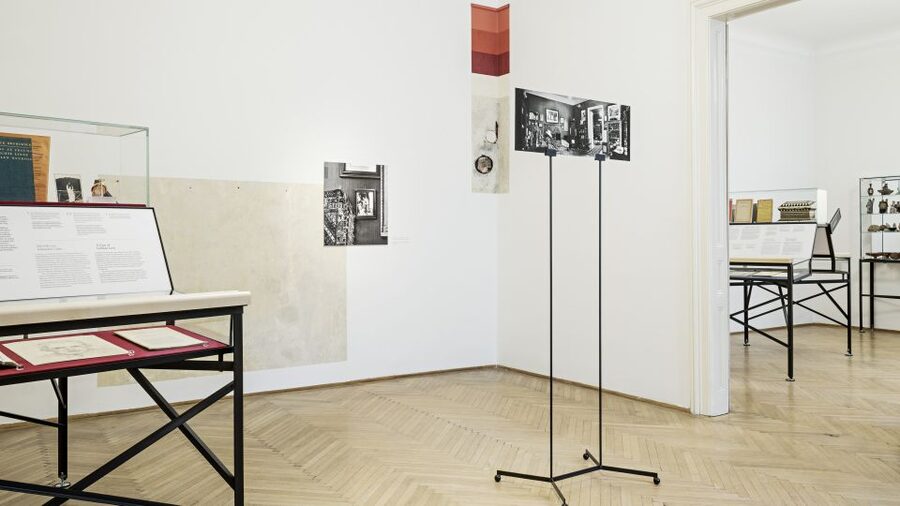
Inside Freud’s former office, you find Hidden Thoughts of a Visual Nature, a permanent presentation of conceptual art from the Sigmund Freud Museum collection.
Works by John Baldessari, Joseph Kosuth, Susan Hiller, Franz West, Haim Steinbach, and others bring a modern artistic response to a historic medical space. This may surprise you if you expect every room to explain Freud in strictly biographical terms.
I like this change of register. The art asks you to think rather than simply collect facts. It also suggests that Freud’s ideas continue to influence artists who deal with language, hidden meanings, memory, and perception.
Some visitors will find the contemporary works less immediately accessible than the family documents and medical displays. You do not need to understand every piece to appreciate the contrast between Freud’s former office and the conceptual art shown there. Give it a few minutes, especially if you enjoy museums that connect historical figures with later creative work.
How long you need, and when the visit works best
The ticket is valid for one day, but the practical visit is usually between one and three hours. An hour is enough for a brisk look. I would allow 90 minutes for a satisfying visit, and closer to three hours if you read every panel, listen to the recordings, watch the films, and spend time with the art.
An 11 a.m. visit can be a good choice because the museum may still feel calm early in the day, though it can become busier as the morning progresses. Arriving early is sensible if you want quiet time with the rooms and audio stations.
Room conditions deserve a small warning. Some spaces are poorly lit, which suits the serious mood but can make long text panels tiring. The museum can also become hot during warm weather. Wear light clothing in summer and take your time.
The layout is easy enough to manage, and you can move through it in different orders. Still, because the chronology is not always obvious, I suggest beginning with the introductory material and then keeping track of dates as you go.
The museum is wheelchair accessible. Ticket holders can skip the ticket line by presenting the voucher at the main entrance. Opening hours can change, so check the current schedule before setting out.
Is $18 good value?
At $18 per person, this is not the cheapest short museum visit in Vienna. It is also not a quick room-and-plaque attraction. The price makes more sense when you treat it as a substantial museum about Freud’s work, family, exile, and the history of the building.
You receive access to the private rooms, professional spaces, films, recordings, rare printed material, the AR couch experience, the art exhibition, and the Nazi-era documentation. That is a lot for a visit that can fill 90 minutes or more.
The value depends on your interests. If you are curious about psychology, medicine, modern European history, Jewish history, or the Freud family, the ticket is easy to justify. If you mainly want to see the original couch and period furniture, you may feel short-changed.
The absence of original objects is not the museum’s fault in the simple sense. Freud took much of his life and work with him when he fled Vienna. The museum makes that loss part of the story, using documents, images, recordings, and digital tools to rebuild the setting without pretending it remains untouched.
There is also a café and shop at the end. You can browse books and gifts, then have Viennese coffee with cake or a Viennese wine. The shop is especially useful if you want further reading, though its selection leans heavily toward books rather than a large range of souvenirs.
Who will get the most from this museum?
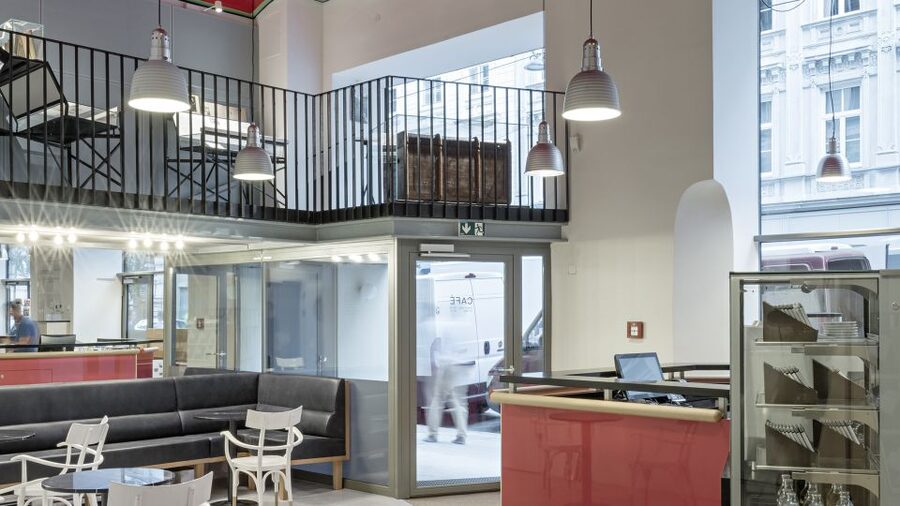
I would put this museum high on the list for anyone studying or working in psychology, psychiatry, counseling, or mental health. The visit can feel like a professional pilgrimage, but it remains accessible to people who simply want to understand why Freud matters.
History-minded visitors will find plenty here too. The story of Freud’s flight, his sisters’ deaths, and the treatment of Jews at Berggasse 19 gives the museum weight beyond the biography of one thinker.
Families can make it work, especially because children may enjoy looking for puzzle stickers hidden in the rooms. One child-focused activity connects the stickers to Freud’s dog, giving younger visitors a small task while adults read the more difficult material.
Still, this is not a high-energy attraction. Many displays require reading, listening, and patience. Very young children may lose interest, and noise can make the dim rooms and audio sections harder to enjoy.
The museum also suits visitors who appreciate the limits of historic reconstruction. You will not see Freud’s complete original apartment. You will see a carefully assembled account of a vanished home, a major medical practice, a famous family, and a city marked by persecution.
Practical details for planning your visit
Present your ticket voucher at the main entrance of the Sigmund Freud Museum. The ticket is valid for one day, and advance booking allows you to choose an available starting time.
The museum is in Vienna and is easy to reach by public transport. A tram stop is about a four-minute walk away, with a direct connection toward Wien Hauptbahnhof noted by visitors. That makes the museum simple to add to a day in central Vienna.
Flash photography is not allowed. Keep your phone available for the AR couch installation, but use it with care around the exhibits and follow the museum’s instructions.
Cancellation is free up to 24 hours before the visit, and you can reserve now while paying later. These terms are useful if your Vienna schedule is still shifting, but opening hours remain subject to change.
Staff members have been praised for being friendly and helpful, including special assistance from Stephanie and Martin. That personal welcome matters in a museum where the amount of information can feel heavy at first.
Should you book the Sigmund Freud Museum?
Book it if you want more than a famous name on a plaque. The museum gives you Freud’s rooms, family story, professional work, actual voice, home films, contemporary art, and a clear account of what happened after the Nazi takeover.
I would recommend it even if you are not a student of psychoanalysis, provided you enjoy thoughtful museums and do not mind reading. Plan for at least 90 minutes, arrive early if possible, and expect warm or dim rooms. If the missing couch and absent original furniture are deal-breakers, choose another Vienna attraction. If you can accept the gaps as part of Freud’s forced exile, the $18 ticket buys a moving and unusually personal look at one of the city’s most important addresses.
FAQ
Where is the Sigmund Freud Museum located?
The museum is at Berggasse 19 in Vienna, Austria.
How much does the museum ticket cost?
The listed price is $18 per person.
How long is the ticket valid?
The ticket is valid for one day.
How long should I plan for the museum?
Plan on about 1.5 hours for a full visit. You can spend closer to three hours if you read the displays carefully and watch or listen to all the material.
Can I see Freud’s original couch?
The original couch is not displayed in the museum. You can use your phone to start the augmented-reality installation Sigmund Freud’s Couch, which shows where it once stood and explains its whereabouts.
Can I hear Sigmund Freud speak?
Yes. The museum includes recordings of Sigmund Freud and Anna Freud.
Is the museum wheelchair accessible?
Yes, the museum is wheelchair accessible.
Can I take photographs inside?
Flash photography is not allowed. Opening hours may also change, so check the current schedule before your visit.
Just added in Vienna
- Vienna: Austrian Wine Tasting Experience★ 4.2 · 2 reviews
- World War II History Vienna Old Town Private Walking Tour★ 4.8 · 9 reviews
- Vienna_ Meet Beethoven Life Private Guided Walking Tour★ 5.0 · 1 review
- Vienna: Wine Tasting Tour★ 4.8 · 61 reviews
- Vienna: Wine Tasting E-Bike Tour★ 4.9 · 46 reviews
- Vienna: Wine Tasting at Schönbrunn Palace★ 4.3 · 71 reviews
- Vienna: Winery and Wine Tasting Tour with a Wine Expert★ 5.0 · 5 reviews
- Vienna: Concert by the Vienna Baroque Orchestra★ 4.6 · 56 reviews
Museums, compared.

Skip-the-Line Sisi Museum, Hofburg and Gardens Tour
Read our review →
Vienna Kunsthistorisches Museum Day Admission Ticket
Read our review →

Chocolate Workshop in Chocolate Museum w/ Tasting
Read our review →
St. Stephen’s Cathedral & Dom Museum Wien Tickets
Read our review →
Browse the lists this tour appears in