
Reviewed · MUSEUMS
Tickets for the Albertina Exhibitions
Old masters meet modern troublemakers here. The Albertina packs Monet, Picasso, Klimt, and Dürer into a former Habsburg residence, giving you both serious art and imperial rooms under one roof. I especially like the clear sweep from Impressionism through Expressionism to the Russian avant-garde, and I like that the museum is small enough to enjoy without the exhausting scale of some major collections. The main drawback is that the famous names can be represented by fewer works than the advertising suggests, and the layout can take a little figuring out.
At about $23 per person, this is a strong Vienna museum ticket if you plan to see the permanent Monet-Picasso display and at least one temporary exhibition. Go earlier in the day if you want breathing room, bring cash for the cloakroom, and do not count on walking straight in with a digital ticket, since some ticket holders have still needed to exchange it at the counter.
In This Review
- Key points to know before you go
- Why the Albertina works so well in Vienna
- Start with Monet-Picasso
- Look for Klimt, Dürer, and the quieter surprises
- Do not skip the Habsburg State Rooms
- Temporary exhibitions make the ticket more flexible
- How long you should plan to stay
- Getting there and handling the practical details
- Food, coffee, and the Demel question
- Is the Albertina worth $23?
- Who should book this museum visit?
- Should you book the Albertina?
- FAQ
- Where is the Albertina located?
- What does the Albertina ticket include?
- Is the Monet-Picasso exhibition included?
- Are the Habsburg State Rooms included?
- How long is the ticket valid?
- Can I book an audio guide?
- Can I bring a backpack or umbrella?
- How can I reach the Albertina by public transport?
Key points to know before you go
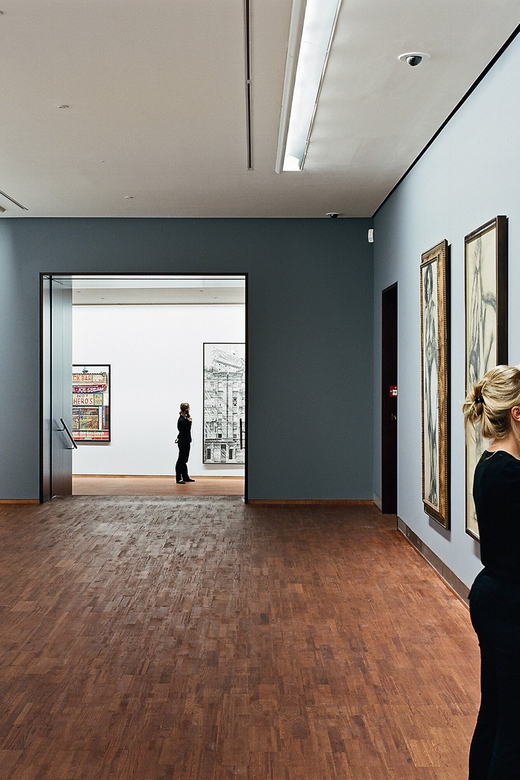
- Monet to Picasso in one route: Follow the development of modern painting through Impressionism, Expressionism, the Russian avant-garde, Austrian art, and Picasso’s changing styles.
- Habsburg rooms are part of the ticket: Twenty restored state rooms add chandeliers, fireplaces, wall coverings, marquetry, and Louis-seize furniture to the art visit.
- Temporary exhibitions change often: Your ticket includes the current special exhibitions, with several themes running alongside the permanent collection.
- Allow at least two hours: Art lovers can spend most of a day here, especially if they read the labels and visit every exhibition.
- The central location is easy to reach: Albertinaplatz sits beside the Vienna State Opera and within the historic center.
- Pack light: Backpacks and umbrellas are not allowed, and cloakroom or locker arrangements may require cash.
Why the Albertina works so well in Vienna
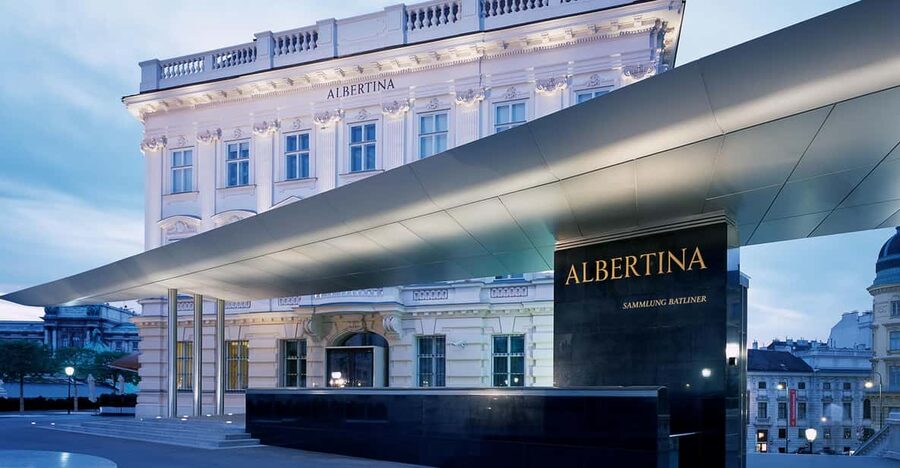
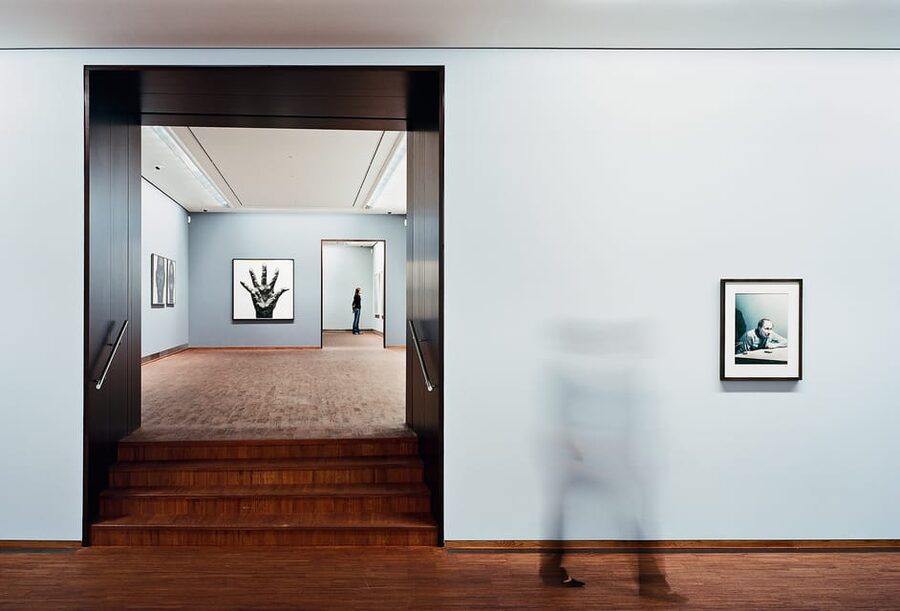
The Albertina is one of Vienna’s most useful art stops because it gives you several different experiences without requiring a full day of museum-hopping. You can study famous modern paintings, see Austrian works, walk through palace rooms, and catch a temporary exhibition before heading back into the old city.
The building itself once housed Habsburg archdukes and archduchesses for roughly a century. That matters because the museum is not a neutral white box. You move through grand rooms that once served a courtly household, then enter galleries designed for paintings and drawings. The contrast is part of the pleasure.
The setting helps, too. Albertinaplatz is right in central Vienna, close to the State Opera and the Hofburg complex. If you are already walking between Stephansplatz, the Opera, and the Imperial Palace, the Albertina is an easy addition rather than a separate expedition.
The museum received broad international attention when it was named one of the Seven Urban Wonders of the World in 2018. The title is a curiosity, not a reason to buy a ticket, but it reflects the Albertina’s unusual mix of location, architecture, and art.
More Museum Tours in Vienna:
- Vienna: Skip-the-Line Sisi Museum, Hofburg and Gardens Tour
★ 4.8 · 5,918 reviews - Vienna Kunsthistorisches Museum Day Admission Ticket
★ 4.6 · 3,690 reviews - Sigmund Freud Museum Ticket
★ 4.6 · 1,668 reviews
Start with Monet-Picasso
The permanent exhibition Monet-Picasso is the main reason many people come. Its strength is not just the individual names. It is the story of how European art changed from the late nineteenth century into the modern era.
You can expect work connected with French Impressionism, German Expressionism, the Russian avant-garde, and Austrian art. The route includes painting and drawing by artists such as Monet, Degas, Goncharova, Chagall, and Kokoschka. The collection also includes works by Van Gogh, Klimt, Seurat, and other major figures.
I like this kind of arrangement for a city visit because it gives you a useful framework. Instead of seeing isolated masterpieces with no connection, you can watch artists respond to color, light, line, emotion, and the changing shape of modern life.
Monet receives plenty of attention, including water lily paintings that are a major draw. Still, keep your expectations measured. If you are hoping for the enormous selection associated with Paris, the Albertina’s Monet holdings may feel modest. The same applies to Picasso. The museum has important examples, but you are not entering a Picasso-only museum.
Picasso’s works are especially valuable because the presentation covers more than one phase. You may see early Cubist pictures alongside works from his experimental late period. That range helps you understand how often Picasso changed direction instead of treating his career as one fixed style.
The best way to approach the permanent collection is to give yourself time with the artists you do not already know. Monet, Picasso, Klimt, and Van Gogh will naturally attract attention, but lesser-known Austrian artists can reward a slower look. The museum’s collection is broad enough to offer discoveries beyond the headline names.
Look for Klimt, Dürer, and the quieter surprises
The Albertina is not only a modern art museum. Its holdings reach back to earlier periods, and the collection includes works dating to the 1500s. Dürer is an important name to look for, especially if you want a change from Impressionist color and Picasso’s restless experiments.
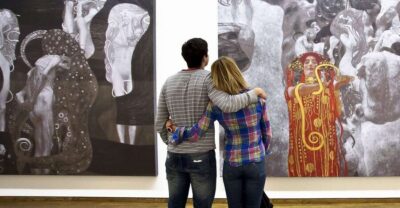
Klimt is another strong point. Several Klimt paintings are displayed, giving you a chance to see the surfaces and details of real works rather than reproductions in guidebooks. The exact selection can change, so it is wise to treat individual works as subject to display schedules.
I also like the way the museum can suit people who do not normally spend much time in galleries. The famous names give you an easy entry point, while the room-by-room presentation lets you explore without needing a degree in art history. Descriptions beside the works provide context and background, though one visitor found that an audio guide covered only some paintings.
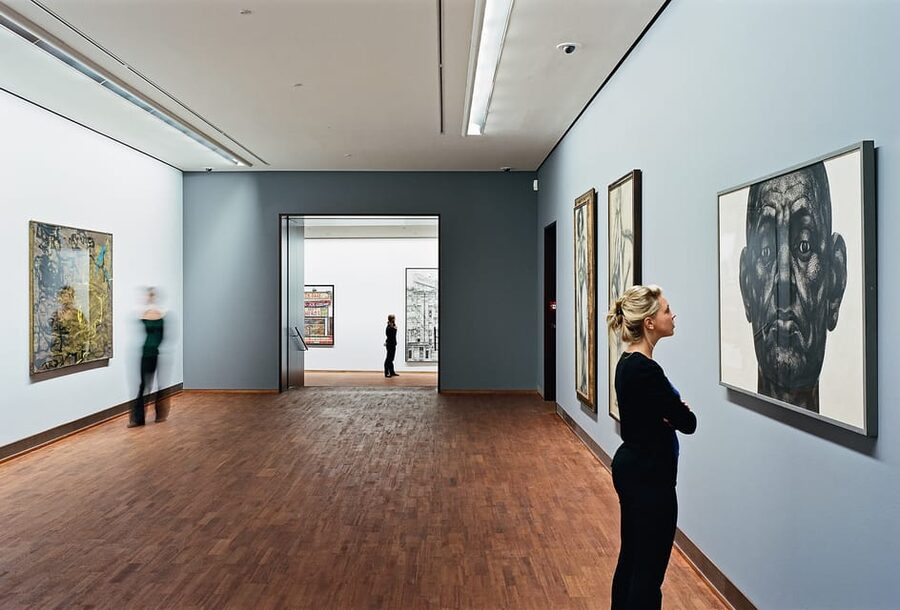
The galleries are generally spacious, with good lighting and room to move. That makes a difference when you want to stand close to a painting or pause without blocking a narrow passage. Crowds can increase as the day goes on, so a morning visit is the safer choice if you prefer a calmer pace.
Do not skip the Habsburg State Rooms
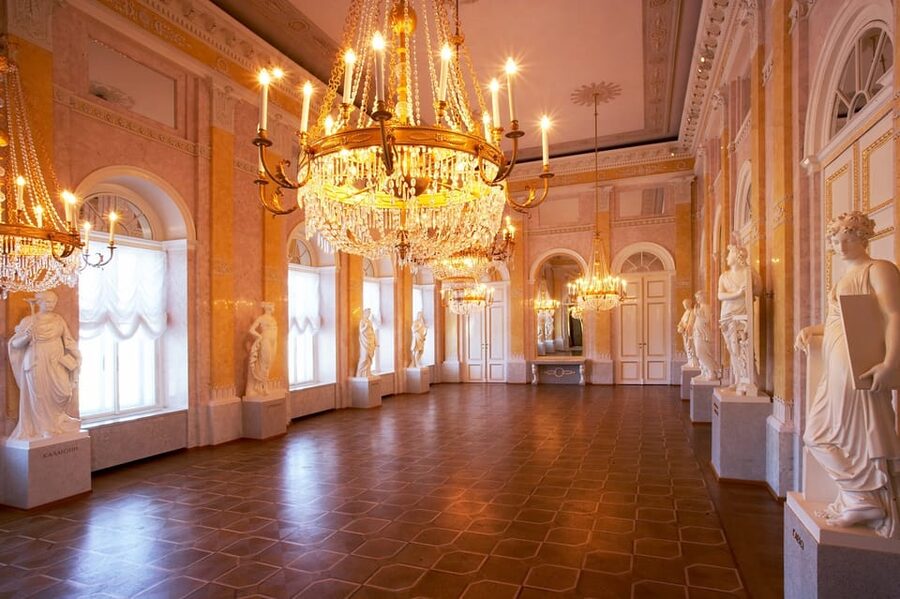
The twenty Habsburg State Rooms are included with admission, and they deserve more than a quick walk-through on the way to the paintings. These rooms show the Albertina’s imperial setting in a direct, physical way.
Look for precious wall coverings, chandeliers, fireplaces, stoves, marquetry, and furniture in the Louis-seize style. The rooms were restored with care, and their decoration reflects the taste of the French royal workshops in Paris and Versailles.
The state rooms change the rhythm of your visit. After a sequence of galleries filled with modern ideas, you enter spaces built to express order, rank, and ceremony. The contrast makes both parts more interesting. The paintings feel more modern after the palace rooms, and the palace rooms feel more vivid after the art galleries.
If you have visited Schönbrunn Palace, the state rooms provide a useful comparison. Schönbrunn gives you the broader palace experience, while the Albertina offers a more compact look at court interiors attached to an art museum. If you have limited time in Vienna, having both art and imperial interiors in one admission is a real advantage.
The route is not always perfectly obvious. Some people find the layout confusing, with limited signs showing the next direction or the exit. Numbered areas help, but I would still pause at the map and decide whether you want to see the collection first, the state rooms first, or follow the suggested sequence.
A few more options to weigh up in Vienna
- Vienna: Vivaldi’s Four Seasons Concert in Karlskirche
★ 4.7 · 14,951 reviews - Vienna: Spanish Riding School Training
★ 3.9 · 9,281 reviews - Vienna: Schönbrunn Palace & Gardens Skip-the-Line Tour
★ 4.7 · 7,739 reviews - Vienna: Light of Creation Votive Church Immersive Light Show
★ 4.8 · 6,779 reviews
Temporary exhibitions make the ticket more flexible
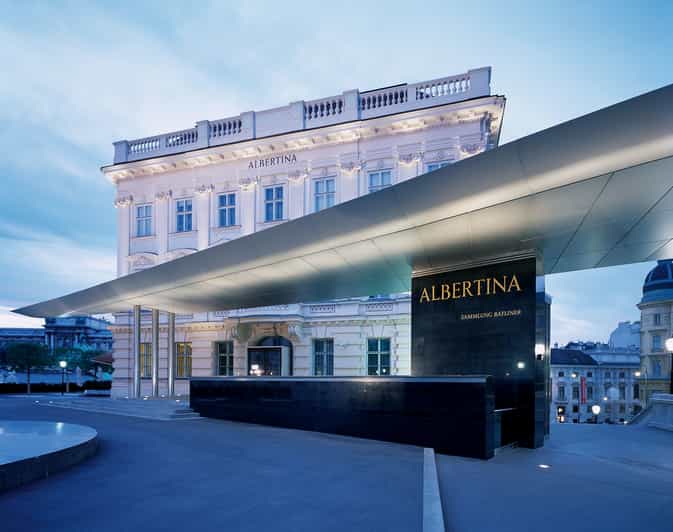
Your admission includes the temporary exhibition program, and this is where the value can change from one travel date to another. The Albertina can have several special exhibitions running at once, often covering photography, drawing, painting, modern artists, or a focused historical subject.
The scheduled 2026 program includes:
- Lisette Model: Retrospective, through February 22
- Fascination Paper: Rembrandt to Kiefer, through March 22
- Leiko Ikemura: Motherscape, through April 6
- Honoré Daumier: Mirror of Society, February 6 through May 25
- Care Matters: An Exhibition of the VERBUND COLLECTION, March 12 through June 28
- Richard Prince: Retrospective, April 17 through August 16
- Helga Philipp: Spaces of Motion, May 1 through September 20
- Collecting for the Future: 250 Years of the ALBERTINA Museum, June 16 through October 11
- Travel Photography, July 15 through October 26
- Picasso – Bacon: What it means to be human, September 18 through January 31, 2027
- Women Artists of the Albertina, October 30 through January 17, 2027
- Shara Hughes, October 9 through February 28, 2027
Check the official museum website before you go. Exhibition dates can overlap, and a temporary gallery may close for an event even when the main museum remains open.
The special exhibitions are also useful if someone in your group is less interested in the permanent collection. A focused display gives you a clear subject and a manageable number of rooms. On the other hand, the quality and size of your visit will depend partly on the exhibitions showing on your date.
How long you should plan to stay
Give yourself at least two hours for a normal visit. That allows time for Monet-Picasso, the state rooms, and a temporary exhibition without racing.
If you read every label, spend time with drawings, or want to see all the special exhibitions, plan on several more hours. One especially thorough visit lasted from late morning until midafternoon. You do not need to copy that pace, but it shows why the Albertina can fill most of a day for an art enthusiast.
A short visit still works. If you have only 90 minutes, focus on the permanent modern art display and the Habsburg rooms. Add the temporary exhibitions only if their subjects appeal to you.
The museum is also a sensible choice on a rainy Vienna day. It offers enough variety to keep the visit from feeling like a single long parade of similar paintings, and the central location makes it easy to pair with nearby indoor sights.
Getting there and handling the practical details
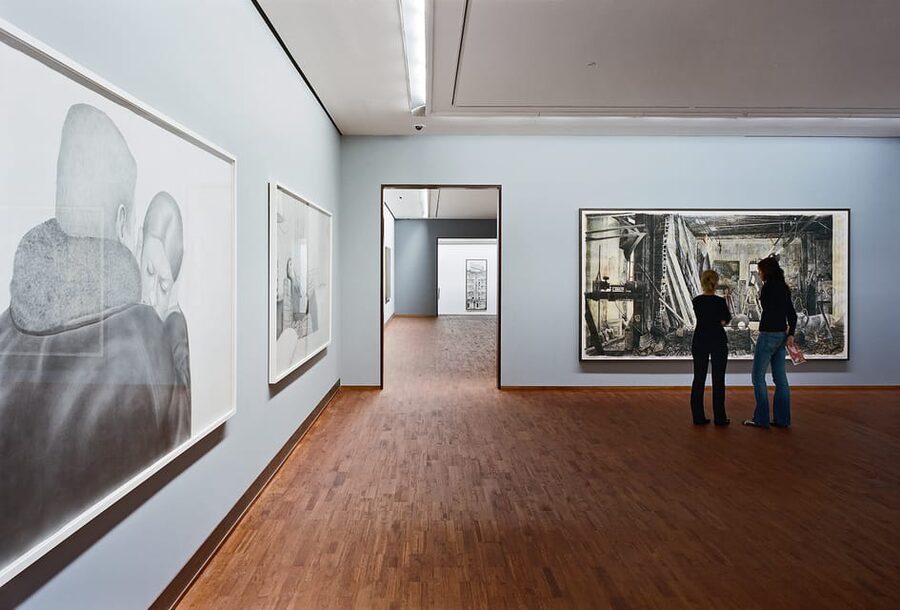
The meeting point is Albertina, Albertinaplatz 1, 1010 Vienna. Public transport is straightforward:
- U1, U2, or U4 to Karlsplatz or Oper
- U3 to Stephansplatz
- Trams 1, 2, D, 62, 65, or Badner Bahn to Staatsoper or Kärntner Ring
- Citybus 3A to Albertina
The museum is close enough to major central sights that you may arrive on foot. If you use a digital ticket, allow a little extra time in case you need to collect or exchange it at the counter. The ticket usually offers good value compared with buying on the day, but direct admission is not guaranteed in every situation.
Backpacks and umbrellas are not allowed inside. Lockers and cloakroom services are available, but cash may be required, so do not arrive with only a phone and bank card. A small handbag or compact day bag is the safer choice.
Audio guides can be booked separately in German, English, French, Italian, Czech, Russian, Japanese, and Spanish. The available languages vary by season and time, so do not assume your preferred language will be ready. Since the audio guide does not necessarily describe every painting, the printed labels still matter.
Opening hours can change on public holidays. Temporary closures can also affect individual galleries. Check the Albertina website on the day before your visit, especially if a particular exhibition is the main reason you are going.
Food, coffee, and the Demel question
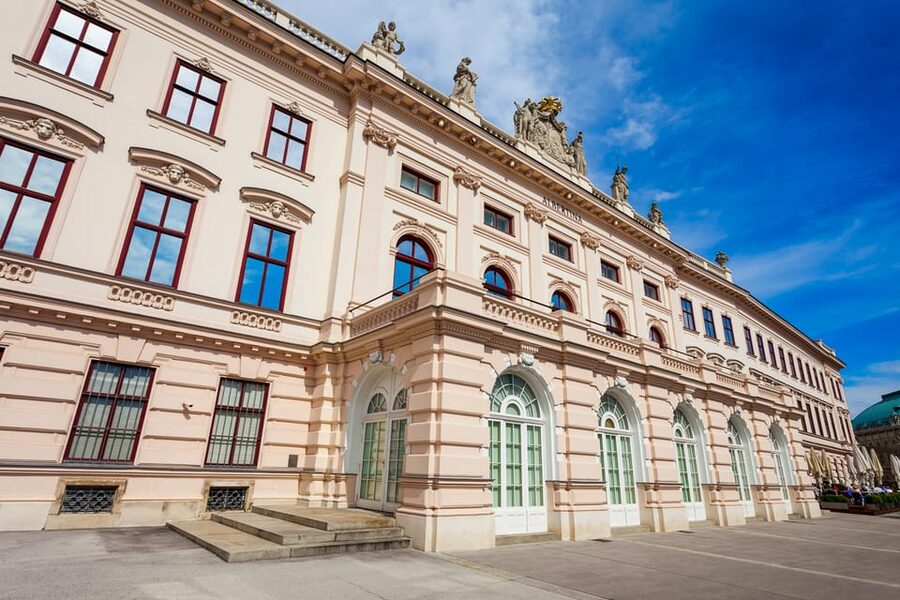
The Albertina has an on-site Demel Café, a tempting stop after several hours of galleries. A slice of torte can feel well earned after all that looking, and its location is convenient.
I would keep an eye on the bill. A simple espresso and bottled water once came to nearly €8, so the café is better treated as a Vienna pastry experience than as a budget refreshment stop. If you only want a quick drink, cheaper choices are available nearby.
This is a small detail, but it affects the total cost of the outing. At $23 for admission, the museum ticket can be good value. Add an expensive snack, cloakroom fees, and other central Vienna costs, and the day adds up faster than expected.
Is the Albertina worth $23?
For most people, yes. The price includes the permanent collection, current temporary exhibitions, and the Habsburg State Rooms. That is a better package than a ticket covering only one small gallery.
The value is strongest if you care about at least two of these three elements:
- Famous modern artists
- Austrian and European art across several periods
- Imperial interiors
The value is weaker if you want to see dozens of Monet or Picasso works in one place. The Albertina offers important examples and a useful artistic progression, but the collection is not unlimited. Some people also find the interior route less intuitive than expected.
The ticket is valid for a period of 1 to 365 days according to the selected availability, so check the conditions attached to your date. Flexible booking, payment later, and cancellation up to 24 hours in advance can help if your Vienna plans are still moving around.
A combo ticket may also be available if you want to add another Albertina venue, including Albertina Modern. That can be worthwhile for repeat art visits, but it depends on the temporary program at the second location. One past visitor enjoyed both locations and felt the extra cost was justified, while another wanted more works at Albertina Modern. Check the exhibitions before paying for the combination.
Who should book this museum visit?
I would choose the Albertina for first-time Vienna visitors who want a strong art museum without giving up the city’s imperial story. It is also a good fit for couples or families with mixed interests, since one person can enjoy Picasso while another studies the palace rooms.
Art lovers should allow half a day. Casual museum visitors can see the highlights in two hours and still leave feeling they experienced something substantial.
I would be more cautious if your entire plan depends on one advertised Monet or Picasso work. Displays can change, and the number of works by a particular artist may be smaller than you expect. Check the current exhibition details first.
Should you book the Albertina?
Book it if you want variety, central location, and solid value in one Vienna stop. The mix of Monet, Picasso, Klimt, Dürer, Austrian artists, temporary exhibitions, and Habsburg interiors gives you plenty to see for the price.
Go in the morning, carry cash, pack light, and reserve at least two hours. If you are happy to look beyond the biggest names, the Albertina can become one of the most satisfying art visits in Vienna. If you only want a vast single-artist collection, choose your museum more carefully.
FAQ
Where is the Albertina located?
The Albertina is at Albertinaplatz 1, A-1010 Vienna, in the city’s historic center.
What does the Albertina ticket include?
The ticket includes admission to the Albertina, the permanent exhibitions, and the temporary exhibition program.
Is the Monet-Picasso exhibition included?
Yes. The permanent exhibition Monet-Picasso is included with admission.
Are the Habsburg State Rooms included?
Yes. The ticket includes access to the twenty restored Habsburg State Rooms.
How long is the ticket valid?
The listed validity ranges from 1 to 365 days. Check availability and the conditions for your selected ticket.
Can I book an audio guide?
Yes. Audio guides are available separately in German, English, French, Italian, Czech, Russian, Japanese, and Spanish. Specific languages are not guaranteed.
Can I bring a backpack or umbrella?
No. Backpacks and umbrellas are not allowed inside the museum.
How can I reach the Albertina by public transport?
You can use the U1, U2, or U4 to Karlsplatz or Oper, the U3 to Stephansplatz, several trams to Staatsoper or Kärntner Ring, or citybus 3A to Albertina.
Just added in Vienna
- Vienna: Austrian Wine Tasting Experience★ 4.2 · 2 reviews
- World War II History Vienna Old Town Private Walking Tour★ 4.8 · 9 reviews
- Vienna_ Meet Beethoven Life Private Guided Walking Tour★ 5.0 · 1 review
- Vienna: Wine Tasting Tour★ 4.8 · 61 reviews
- Vienna: Wine Tasting E-Bike Tour★ 4.9 · 46 reviews
- Vienna: Wine Tasting at Schönbrunn Palace★ 4.3 · 71 reviews
- Vienna: Winery and Wine Tasting Tour with a Wine Expert★ 5.0 · 5 reviews
- Vienna: Concert by the Vienna Baroque Orchestra★ 4.6 · 56 reviews
Museums, compared.

Skip-the-Line Sisi Museum, Hofburg and Gardens Tour
Read our review →
Vienna Kunsthistorisches Museum Day Admission Ticket
Read our review →
Chocolate Workshop in Chocolate Museum w/ Tasting
Read our review →
St. Stephen’s Cathedral & Dom Museum Wien Tickets
Read our review →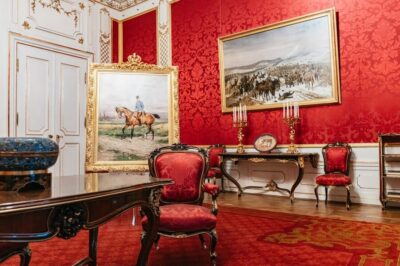
Browse the lists this tour appears in