
Reviewed · WALKING TOURS
Vienna_ Meet Beethoven Life Private Guided Walking Tour
Beethoven still echoes through Vienna. This private walking tour links his former home, major concert sites, and grand Old Town buildings in a focused three-hour route, with an optional evening concert added for a fuller musical night. I especially like the visit to Beethoven Pasqualatihaus, where his piano, notes, paintings, and personal story give the composer a human scale. I also like the private format, which lets your family or friends move at your own pace with a guide speaking your chosen language.
The main consideration is the price: $263 per person is a serious spend for a three-hour walk, particularly if you skip the concert extension. The Secession entrance is also optional and costs an additional 4.5 to 9.5 EUR. Still, the tour offers more than a standard city stroll, especially for first-time visitors who want Beethoven placed within Vienna itself.
In This Review
- Key Points at a Glance
- Why Beethoven Makes a Good Way into Vienna
- Starting at the Secession and Klimt’s Beethoven Frieze
- Beethoven’s Statue and Vienna’s Grand Center
- Theatermuseum and the Story of Eroica
- Inside Beethoven Pasqualatihaus
- Choosing the Four-and-a-Half-Hour Concert Option
- How Much Value Does $263 Offer?
- Timing, Languages, and Practical Planning
- Who Will Enjoy This Beethoven Walk?
- Should You Book It?
- FAQ
- How long is the Beethoven walking tour?
- Can I add a classical concert?
- What composers may be included in the concert?
- Where does the tour meet?
- Is admission to Beethoven Pasqualatihaus included?
- Is entrance to the Secession building included?
- Where does the concert take place?
- When does the concert usually begin?
- What languages are available for the guide?
- Is the tour private?
Key Points at a Glance
- Beethoven Pasqualatihaus: Enter the authentic residence where Beethoven lived and see his piano, notes, photos, and paintings.
- Klimt’s Beethoven Frieze: Visit the Secession building area and learn about Gustav Klimt’s 34-meter-long tribute to Beethoven.
- Theater an der Wien: Connect Beethoven with the theater where he conducted a private Viennese premiere of his Third Symphony, Eroica.
- Private guiding: Keep the outing limited to your own family or friends, with live guiding available in 11 languages.
- Optional classical concert: Extend the experience to 4.5 hours with an evening performance of music by Beethoven, Mozart, Strauss, or Schubert.
- Old Town setting: Walk past the Vienna State Opera, Rathaus, Hofburg Palace, Burgtheater, Beethoven’s statue, and other central sights.
Why Beethoven Makes a Good Way into Vienna
You do not need to know every symphony to enjoy this experience. Beethoven’s story gives your walk a clear thread, while Vienna supplies the grand setting: opera houses, palaces, churches, theaters, and public squares.
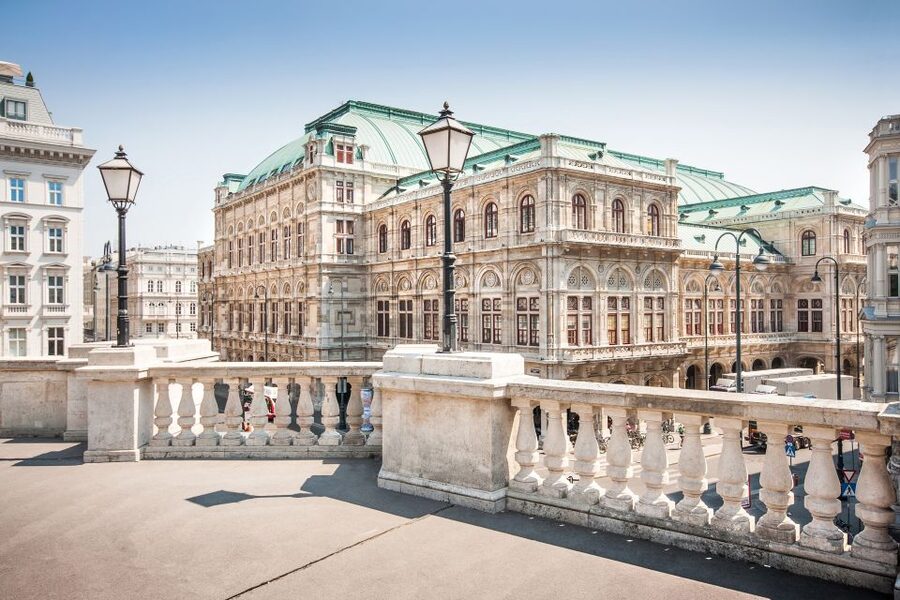
The tour is especially useful if you want more than a list of famous buildings. Your guide connects Beethoven to the city’s musical life and points out the places where his work was performed, remembered, and honored. That context changes how you see Vienna. The Vienna State Opera becomes more than a handsome façade, and the Theater an der Wien becomes part of Beethoven’s working life.
The private format matters here. A guide can explain the difference between Beethoven’s public image and the details of his daily life without having to keep pace with a large group. You can also ask questions about Fur Elise, Fidelio, or the Third Symphony, Eroica, as they come up.
The route begins at the Secession building, at Friedrichstraße 12 in Vienna’s 1010 district. Arrive with enough time to find the entrance and your guide. You should also check your email the day before, since important tour information is sent there.
More Walking Tours in Vienna
- Vienna: Guided Walking Tour of City Center Highlights
★ 4.7 · 4,989 reviews - Vienna: Vienna Central Cemetery Guided Walking Tour
★ 4.8 · 3,307 reviews - Vienna: Guided Walking Tour of City Highlights & Hidden Gems
★ 4.9 · 2,180 reviews
Starting at the Secession and Klimt’s Beethoven Frieze
The Secession building is one of Vienna’s most recognizable Art Nouveau landmarks. Its unusual dome, often noticed before anything else, makes a memorable starting point for a music and art tour.
Inside, the Beethoven Frieze is the major attraction. Gustav Klimt created this 34-meter-long, 2-meter-tall work as an homage to Beethoven. The scale is impressive, but the real value is the connection between visual art and music. The work was made in response to Beethoven’s artistic power, so it gives you another way to think about the composer before the tour reaches his former home.
Entrance to the Secession is not included in the basic tour. The additional fee is listed as 4.5 to 9.5 EUR. Ask when booking or before the walk begins if the guide plans to take you inside, since the tour information describes the building and the frieze but treats entry as optional.
This is one of the few points where the tour can feel slightly unclear. The meeting point is in front of the building, while entrance is an extra cost. I would confirm the plan in advance if seeing the frieze is a priority for you.
Beethoven’s Statue and Vienna’s Grand Center
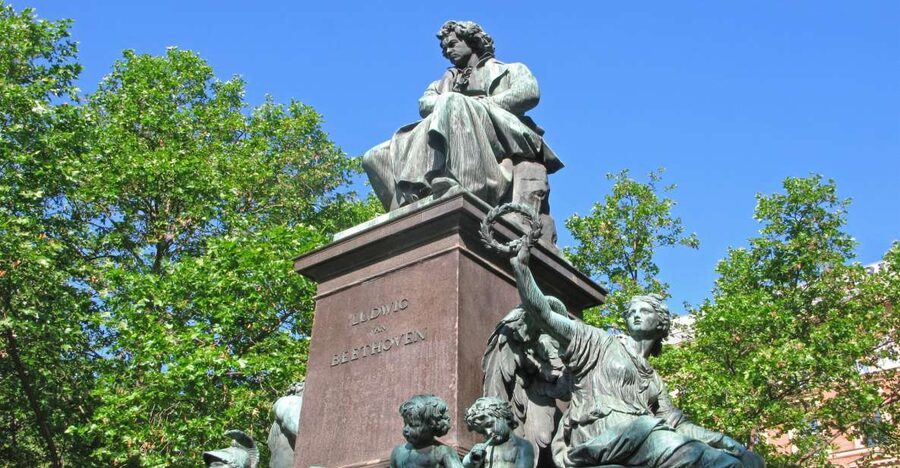
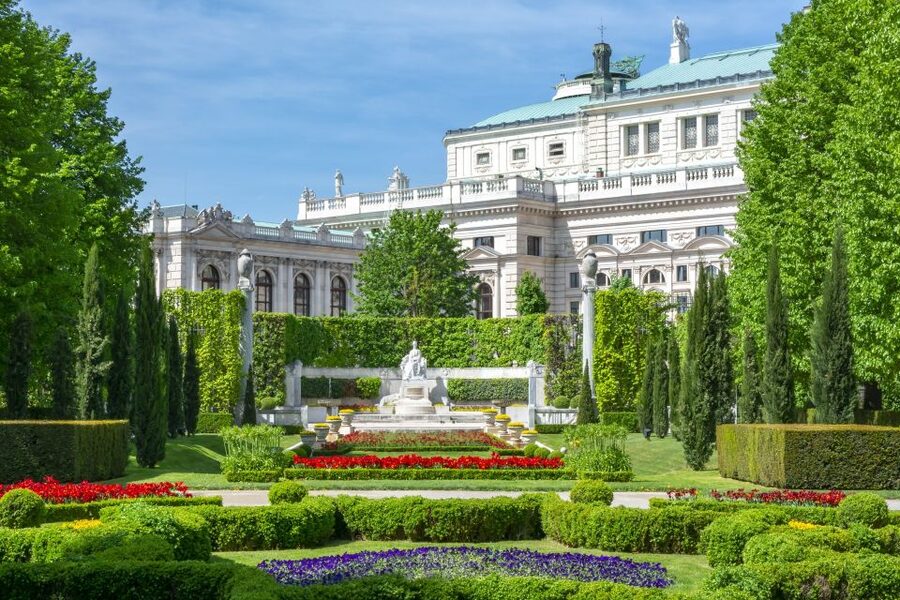
From the Secession area, the route continues through Vienna’s Old Town. You see the bronze Beethoven statue, a quiet stop that gives the walk a more reflective pause after the grand architecture of the Secession.
The statue is not simply a photo stop. It lets your guide discuss how Vienna remembers Beethoven in public spaces. You can take a moment to look at the monument, then continue through the city with his music in mind.
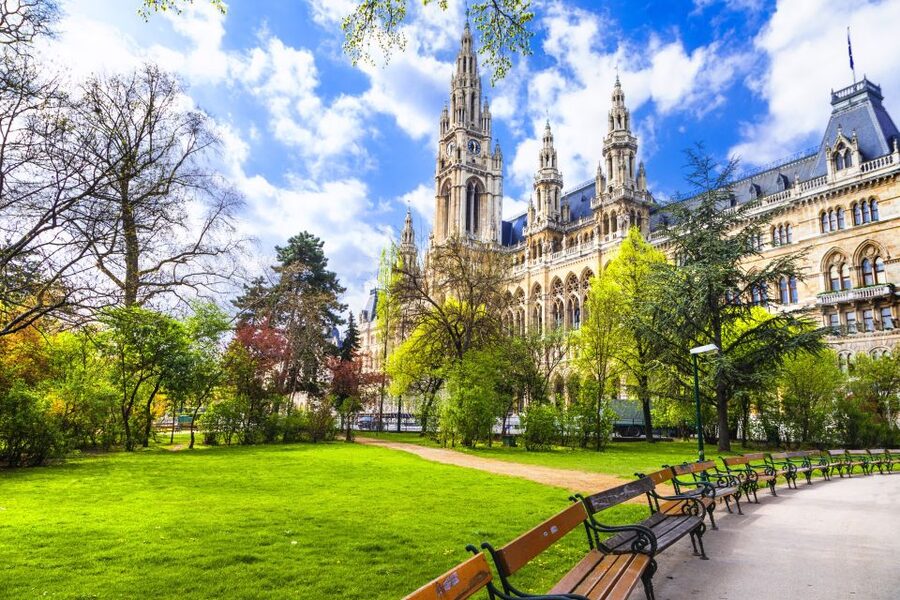
The route also passes the Vienna State Opera, one of the city’s best-known musical buildings. You will see the Rathaus, Hofburg Palace, and Burgtheater as you move toward the Theatermuseum. These are major sights in their own right, so this tour also works as a compact introduction to central Vienna.
The benefit is efficiency. In three hours, you combine Beethoven-related places with some of Vienna’s most important architecture. The tradeoff is that this is a walking tour, not a full interior tour of every building along the way. The information provided specifically includes sightseeing of the places and entrance to Beethoven Pasqualatihaus, so you should not expect included access to the opera, palace, Rathaus, or Burgtheater.
Theatermuseum and the Story of Eroica
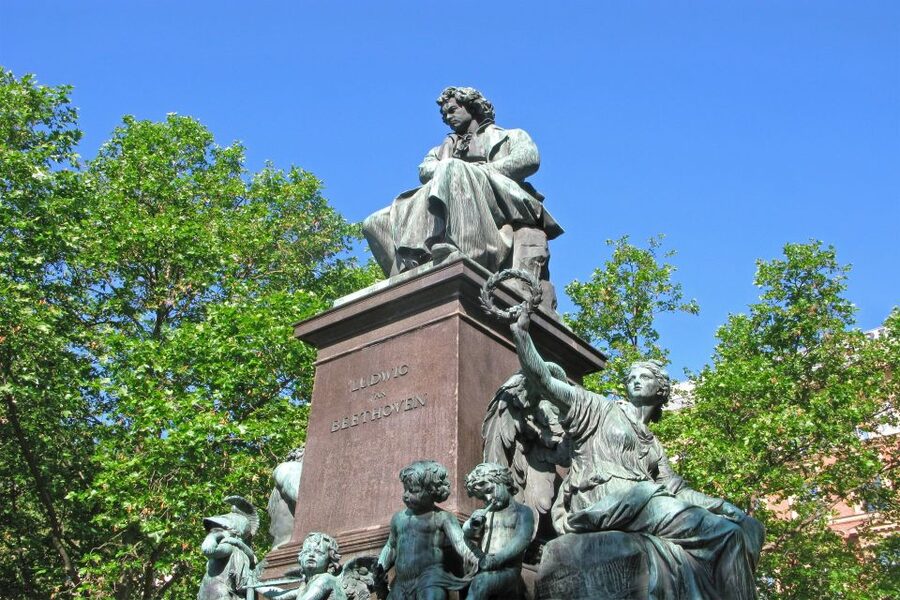
The Theatermuseum adds an important performance angle to the tour. This is where Beethoven conducted a private Viennese premiere of his Third Symphony, Eroica.
That detail helps explain why Vienna mattered so much to Beethoven. The city was not just a place where he lived. It was a place where his music was heard, debated, and presented to influential audiences. A stop connected to a premiere gives the composer a practical setting, not just a biography.
You will likely appreciate this part most if you enjoy the relationship between music and performance. It shows how a symphony moves from the composer’s workroom into a real theater, with musicians and listeners turning the score into an event.
The tour description does not include entry to the Theatermuseum. Treat it as an exterior or sightseeing stop unless your guide confirms otherwise. That distinction is useful because Vienna has many grand interiors, but admission fees can add up quickly.
A completely different kind of day:
- Vienna: Vivaldi’s Four Seasons Concert in Karlskirche
★ 4.7 · 14,951 reviews - Vienna: Spanish Riding School Training
★ 3.9 · 9,281 reviews - Vienna: Schönbrunn Palace & Gardens Skip-the-Line Tour
★ 4.7 · 7,739 reviews - Vienna: Light of Creation Votive Church Immersive Light Show
★ 4.8 · 6,779 reviews
Inside Beethoven Pasqualatihaus
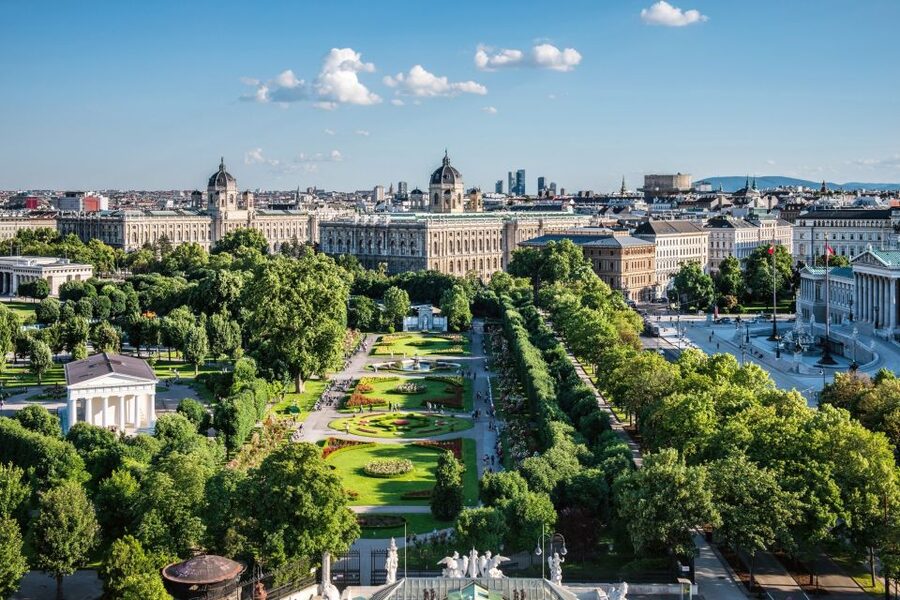
Beethoven Pasqualatihaus is the central paid admission on the standard tour. This authentic residence forms part of the remains of Vienna’s old city fortifications, giving the visit an architectural interest beyond the composer himself.
Inside, you see a collection of Beethoven’s notes, piano, photos, and paintings. These objects help shift the focus from the famous figure to the person who lived and worked in Vienna. I find this kind of stop more rewarding than another monument because it gives you a physical setting for the stories your guide has been telling.
The house is also where you can explore the background to Fur Elise and Fidelio. The tour promises the stories behind these well-known works, which makes the visit useful even if your knowledge of Beethoven begins and ends with a few familiar melodies.
Do not expect a large museum complex. The appeal is its connection to Beethoven and the preserved residential setting. You are going for the intimate link to his life, not for a long series of galleries.
The visit also gives the three-hour walk a clear center. Before entering, you see the city that celebrated Beethoven. Inside, you encounter the place where he actually lived. That contrast is one of the strongest parts of the experience.
Choosing the Four-and-a-Half-Hour Concert Option
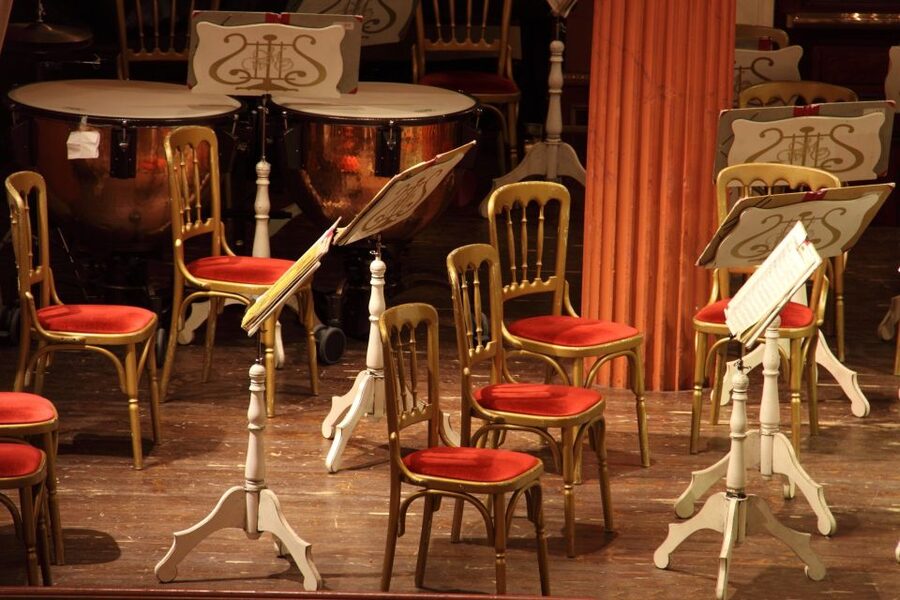
The optional extension adds an evening classical concert and brings the total experience to 4.5 hours. The performance is separate from the daytime walking portion and usually begins between 5:30 and 8 p.m.
Concerts take place in several Vienna Old Town venues, including cathedrals, churches, operas, or halls. The exact venue depends on the group size, date, time, and availability. This flexibility may help the operator find a suitable performance, but it also means you cannot assume a particular building before receiving your ticket.
The concert ticket is sent by email, and the exact time appears on the ticket. You need to arrive on time, so leave a buffer between the walking tour and the performance. The evening event is not simply a final stop added to the walking route. It is a separate attraction, and your schedule should treat it that way.
The program can include music by Beethoven, Mozart, Strauss, or Schubert. If you want a concert made up only of Beethoven, confirm the program before booking. The description promises music from these composers, not an all-Beethoven program.
For many people, the extension improves the value of the tour. You get the historical setting during the day and live classical music in the evening. The cost makes more sense if you already hoped to attend a concert in Vienna. If your main goal is Beethoven’s biography, the three-hour version may be enough.
The venue choice is also part of the appeal. Hearing classical music in a church, cathedral, opera house, or concert hall can give the evening a strong sense of place. The exact setting is not guaranteed, so book this option for the experience of live music in Vienna rather than for one specific building.
How Much Value Does $263 Offer?
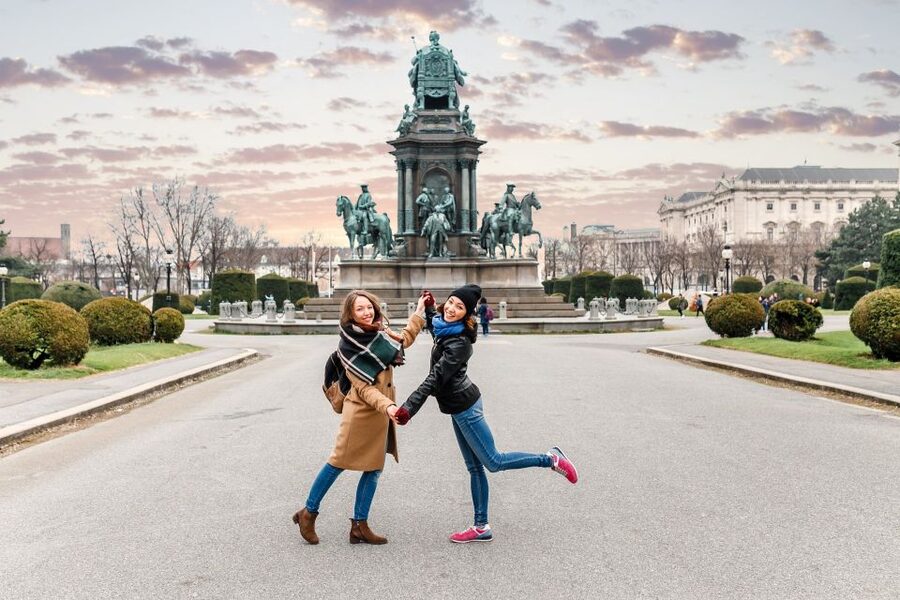
At $263 per person, this is not a budget walking tour. The value comes from the combination of a private guide, a focused Beethoven theme, admission to Pasqualatihaus, and the chance to add a concert.
For a family or group of friends, private guiding can be worthwhile. You do not have to fit into a large group, and the guide can shape the explanations around your interests. The available languages include English, French, German, Italian, Russian, Spanish, Chinese, Japanese, Croatian, Portuguese, and Arabic.
The price is harder to justify if you want only a general overview of Vienna. Many of the outdoor sights can be seen independently, and the tour does not include admission to every major building along the route. Its value depends on how much you want expert attention and Beethoven-focused context.
The concert extension changes the calculation. A live performance adds a distinct evening activity, and the ticket is included in that extended option. Compare the full cost with what you would otherwise pay for a concert, while remembering that the venue and program vary.
I would consider this a special-interest experience rather than a basic sightseeing purchase. It suits people who value a private setting, a planned route, and a deeper connection to Beethoven’s life.
Timing, Languages, and Practical Planning
The walking portion lasts three hours, though the activity information also gives a duration of 270 minutes. Because the optional concert is described separately and extends the experience to 4.5 hours, confirm the exact schedule when you choose your option.
The starting point is in front of the Secession building at Friedrichstraße 12, 1010 Wien. The tour stays in Vienna’s historic center, so central sightseeing is built into the route. You should still plan for steady walking and wear comfortable shoes, since the experience is a walking tour rather than a vehicle-based excursion.
Your guide can speak one of 11 listed languages. Select the language that works best for your group at booking, and check the confirmation email for the final meeting details.
The private group arrangement is useful for families and friends who want to discuss the music as they go. It also makes the tour a better fit for groups with different levels of interest. One person can ask about Beethoven’s personal life while another focuses on architecture or Vienna’s concert tradition.
Free cancellation is available up to 24 hours before the tour for a full refund. You can also reserve now and pay later, which helps if your Vienna schedule is still changing. These policies are practical, but the main planning issue remains the concert time. If you add the evening performance, wait for the ticket email and note the exact venue and start time.
Who Will Enjoy This Beethoven Walk?
I would recommend this tour to:
- First-time Vienna visitors who want music history woven into a city walk
- Beethoven fans who want to see his former residence and related places
- Families and friends who prefer a private guide
- People who want an evening classical concert arranged as part of the same experience
- Visitors who enjoy connecting famous works with real locations
It may be less suitable if you want a low-cost introduction to Vienna, a tour with little walking, or guaranteed entry to several major interiors. It is also not the best choice if you need a concert at one specific venue or want a program devoted only to Beethoven.
The tour has enough general sightseeing to appeal beyond music specialists, but Beethoven remains the main thread. If that subject does not interest you at all, the route may feel less rewarding than a broader Vienna city tour.
Should You Book It?
Book this experience if you want Vienna explained through Beethoven’s life, with a private guide and a meaningful visit to Pasqualatihaus. The combination of the composer’s former home, the Secession and Klimt’s Beethoven Frieze, the Beethoven statue, and the Theatermuseum area gives the walk a clear purpose.
Choose the concert extension if live classical music is already on your Vienna wish list and you can manage a flexible evening schedule. Confirm the venue and program when you receive the ticket, since both may change according to availability.
Skip it if $263 per person feels too high for a short walking tour, or if you mainly want to see Vienna’s outdoor sights without a specialist theme. For the right audience, though, this is a well-focused way to connect Beethoven’s music with the streets, buildings, and performance spaces of Vienna.
FAQ
How long is the Beethoven walking tour?
The walking tour lasts three hours. The activity information also lists 270 minutes, so confirm the exact timing when checking available starting times.
Can I add a classical concert?
Yes. The experience can be extended to 4.5 hours with a separate evening classical concert.
What composers may be included in the concert?
The concert may include music by Beethoven, Mozart, Strauss, or Schubert.
Where does the tour meet?
You meet the guide in front of the Secession building at Friedrichstraße 12, 1010 Wien, Austria.
Is admission to Beethoven Pasqualatihaus included?
Yes. Entrance to Beethoven Pasqualatihaus is included in the private walking tour.
Is entrance to the Secession building included?
No. Entry to the Secession is optional and costs approximately 4.5 to 9.5 EUR.
Where does the concert take place?
Concerts take place at different venues in Vienna’s Old Town, including cathedrals, churches, operas, or halls. The venue depends on group size, date, time, and availability.
When does the concert usually begin?
The concert usually begins between 5:30 and 8 p.m. The exact time is shown on the concert ticket sent by email.
What languages are available for the guide?
Guiding is available in English, French, German, Italian, Russian, Spanish, Chinese, Japanese, Croatian, Portuguese, and Arabic.
Is the tour private?
Yes. The tour is offered for a private group, making it suitable for families and friends who want to explore together with their own guide.
Just added in Vienna
- Vienna: Austrian Wine Tasting Experience★ 4.2 · 2 reviews
- World War II History Vienna Old Town Private Walking Tour★ 4.8 · 9 reviews
- Vienna: Wine Tasting Tour★ 4.8 · 61 reviews
- Vienna: Wine Tasting E-Bike Tour★ 4.9 · 46 reviews
- Vienna: Wine Tasting at Schönbrunn Palace★ 4.3 · 71 reviews
- Vienna: Winery and Wine Tasting Tour with a Wine Expert★ 5.0 · 5 reviews
- Vienna: Concert by the Vienna Baroque Orchestra★ 4.6 · 56 reviews
- Vienna: Unforgettable Private City Tour★ 5.0 · 7 reviews
Walking Tours, compared.
Guided Walking Tour of City Center Highlights
Read our review →
Guided Walking Tour of City Highlights & Hidden Gems
Read our review →
Vienna Historic Center Small Group Walking Tour
Read our review →
Browse the lists this tour appears in