
Reviewed · CLASSICAL CONCERTS AND OPERA
Vienna: Vivaldi’s Four Seasons Concert in Karlskirche
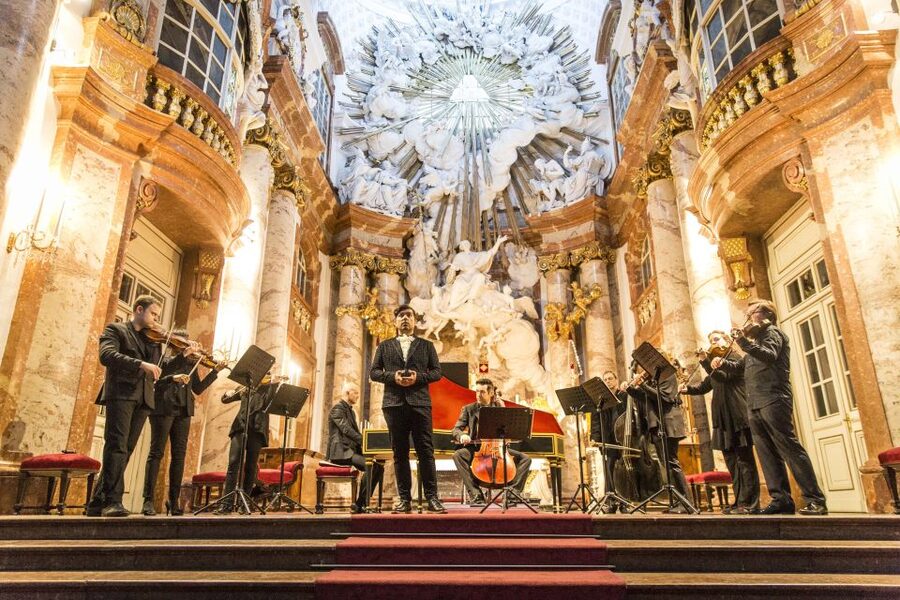
Let Vivaldi paint the seasons in sound. Inside Vienna’s magnificent Karlskirche, Orchestra 1756 performs The Four Seasons on period instruments, giving this familiar music a crisp, historical character. I like the combination of serious musicianship and a spectacular church setting, and I like that the concert lasts 75 minutes, long enough to feel substantial without exhausting you on a hard church pew. The main concern is comfort: Karlskirche can be very cold in winter, hot in summer, and seating farther back may limit both your view and the clarity of the sound.
This is an evening concert rather than a guided tour, so the focus stays on the music and the building around you. You hear the four violin concertos inspired by sonnets about spring, summer, autumn, and winter, with birdsong, storms, hunting scenes, cracking ice, and a sleeping shepherd appearing through the orchestra’s playing.
In This Review
- Key points to know before you book
- Why Karlskirche changes the concert
- What you hear during the 75-minute program
- Spring, Opus 8 No. 1
- Summer, Opus 8 No. 2
- Autumn, Opus 8 No. 3
- Winter, Opus 8 No. 4
- Orchestra 1756 and the period-instrument sound
- Choosing between the seating categories
- Staying comfortable inside the church
- Timing and getting the evening right
- Is $40 good value in Vienna?
- Who will enjoy this concert most?
- A few smart ways to improve your evening
- FAQ
- How long is the Karlskirche Vivaldi concert?
- What music is performed?
- Does the orchestra use period instruments?
- Is Karlskirche warm in winter?
- Can I take photos during the concert?
- Can children attend the concert?
- Should you book the Karlskirche concert?
Key points to know before you book
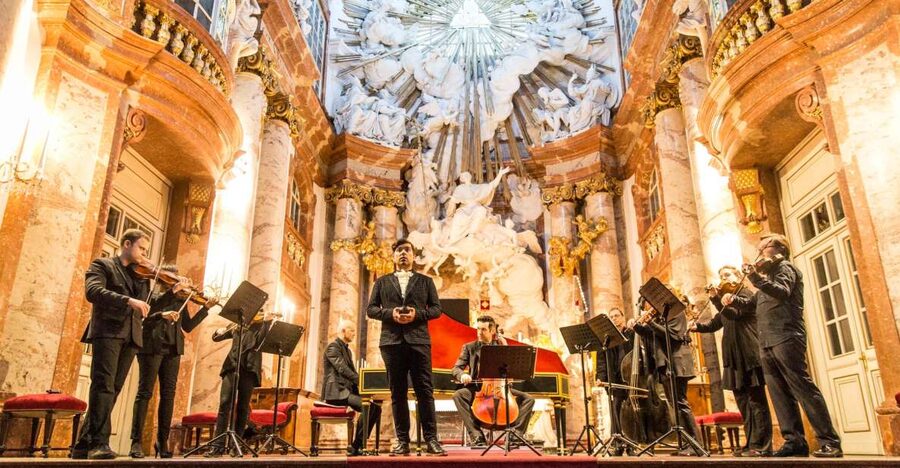
- Karlskirche provides the drama: The ornate interior and altar create a grand setting for Vivaldi’s energetic music.
- Orchestra 1756 uses period instruments: The ensemble aims for a historical sound rather than a large modern orchestral effect.
- The Four Seasons fills most of the program: Spring, Summer, Autumn, and Winter are performed in sequence.
- Front seats give you more than a better view: You can watch the lead violinist and musicians communicate during the performance.
- Winter warmth matters: Blankets are provided, and some front seats have heating beneath them, but warm clothing is still wise.
- Plan to arrive early: Doors open 30 minutes before the concert, and no entry is allowed once the music begins.
Why Karlskirche changes the concert
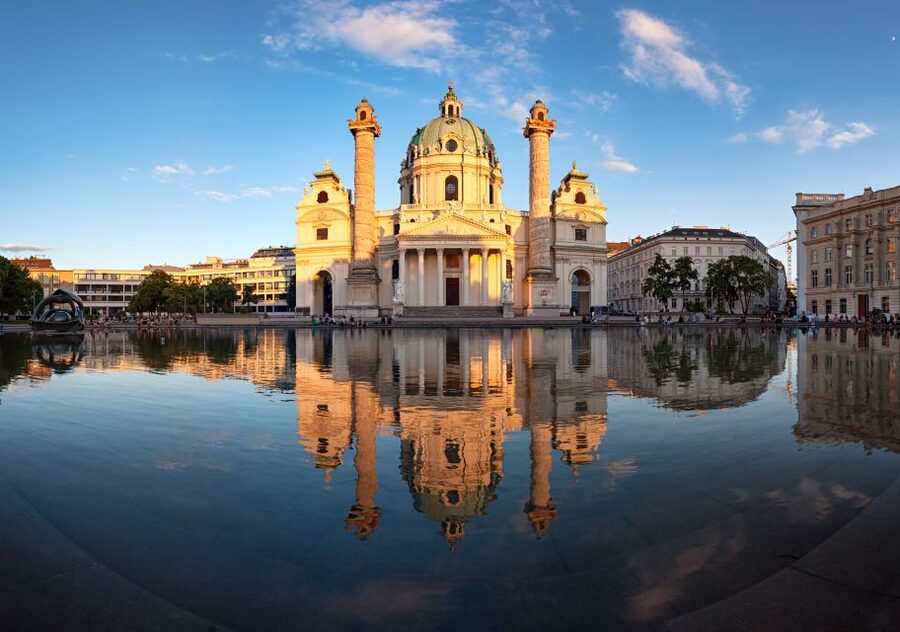
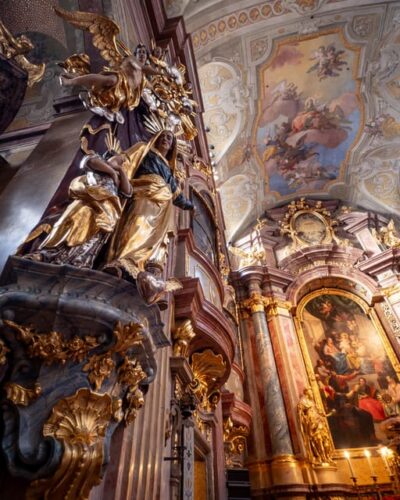
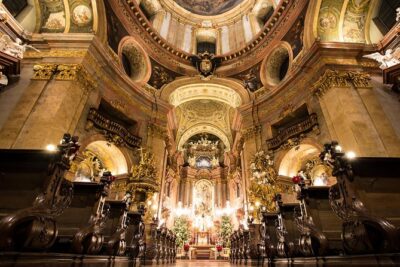
Karlskirche is not a plain recital room. You enter a grand church with a tall interior, decorative artwork, and an imposing altar that gives the concert a solemn, almost theatrical frame. The building itself is one of the main reasons this event feels different from hearing Vivaldi in a standard hall.
The church setting also affects the sound. The music carries into a large reverberant space, which can make the strings feel bigger and more atmospheric. That echo suits the thunder and rain of Summer, and the icy tension of Winter, but it is not perfect for every seat. From the far back or balcony, the sound may feel less direct, with some listeners finding the detail muted or overly echoing.
I would treat the church as part of the program, not just a backdrop. Before the concert begins, take a quiet look around. Photography is allowed before and after the performance, but cameras are not permitted during the music.
More Classical Concerts in Vienna
- Vienna: Classical Concert in the World-Famous Musikverein
★ 4.6 · 6,673 reviews - Vienna: Classical Concert at St. Stephen’s Cathedral
★ 4.1 · 4,177 reviews - Vienna: Mozart Concert at the Golden Hall
★ 4.6 · 3,986 reviews
What you hear during the 75-minute program
The central work is Vivaldi’s Four Seasons, four violin concertos from his collection Opus 8. Each concerto presents a season through music, using a solo violin, strings, and basso continuo to suggest scenes from nature and daily life.
Spring, Opus 8 No. 1
Spring opens with birdsong, flowing energy, and a sense of the world waking up. The solo violin takes the lead while the supporting strings create movement beneath it. You do not need a guide or a musical background to follow the idea. The piece is direct, vivid, and easy to picture.
Summer, Opus 8 No. 2
Summer moves from heat and stillness to sudden violence. The music suggests a sleeping shepherd, insects, wind, thunder, and lightning. In Karlskirche, the building’s echo can make these storm passages especially forceful, though this is also where a distant seat may lose some of the sharper instrumental detail.
A completely different kind of day:
- Vienna: Spanish Riding School Training
★ 3.9 · 9,281 reviews - Vienna: Schönbrunn Palace & Gardens Skip-the-Line Tour
★ 4.7 · 7,739 reviews - Vienna: Light of Creation Votive Church Immersive Light Show
★ 4.8 · 6,779 reviews - Vienna Spanish Riding School Guided Tour
★ 4.7 · 6,765 reviews
Autumn, Opus 8 No. 3
Autumn brings dancing, celebration, and hunting. It has a more social feel, with rhythmic sections that suggest people enjoying the harvest season. The contrast with Summer gives the complete work a pleasing shape.
Winter, Opus 8 No. 4
Winter is perhaps the most instantly visual of the four. You hear movement across ice, cold winds, and the comfort of sitting indoors beside a fire. The sharp string writing works well in a church, where the notes can hang in the air for a moment after they are played.
The program may also include one or two changing works by composers such as Wolfgang Amadeus Mozart, Johann Sebastian Bach, Heinrich Ignaz Franz Biber, or other major composers. The exact additions change from week to week, so you should not book this concert expecting a fixed program beyond The Four Seasons.
Orchestra 1756 and the period-instrument sound
Orchestra 1756 is a classical period-instrument ensemble. That means the musicians perform with instruments and playing practices intended to reflect the sound world of earlier centuries. You may notice a lighter, more transparent texture than in a large modern orchestra.
The ensemble is usually described as a nine-piece group for this performance, with a string quartet, basso continuo, and a lead violinist who takes the solo role. The smaller scale puts attention on the individual musicians. You can hear the lines answer one another rather than hearing a thick wall of sound.
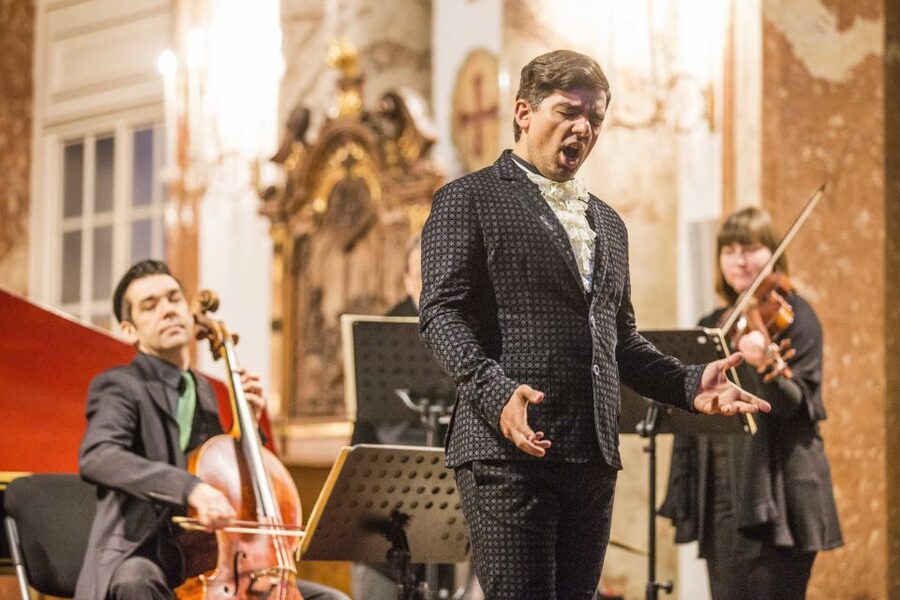
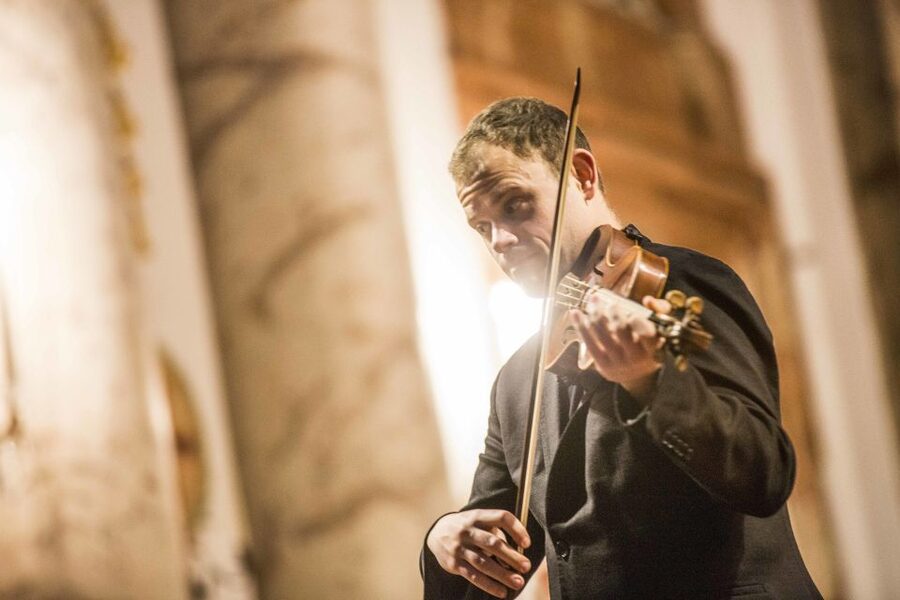
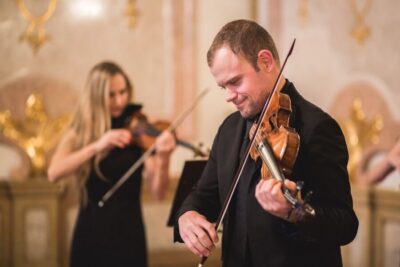
The lead violinist is a major part of the evening. The performance is not only about listening to the notes. From a close seat, you can watch the soloist’s facial expressions, gestures, and communication with the other players. That visible interaction gives the concert a human quality that a distant seat may not provide.
I especially like this format for people who think classical music feels formal or remote. The musicians’ energy helps explain the music without a lecture. You can watch the rhythm take shape in real time.
Choosing between the seating categories
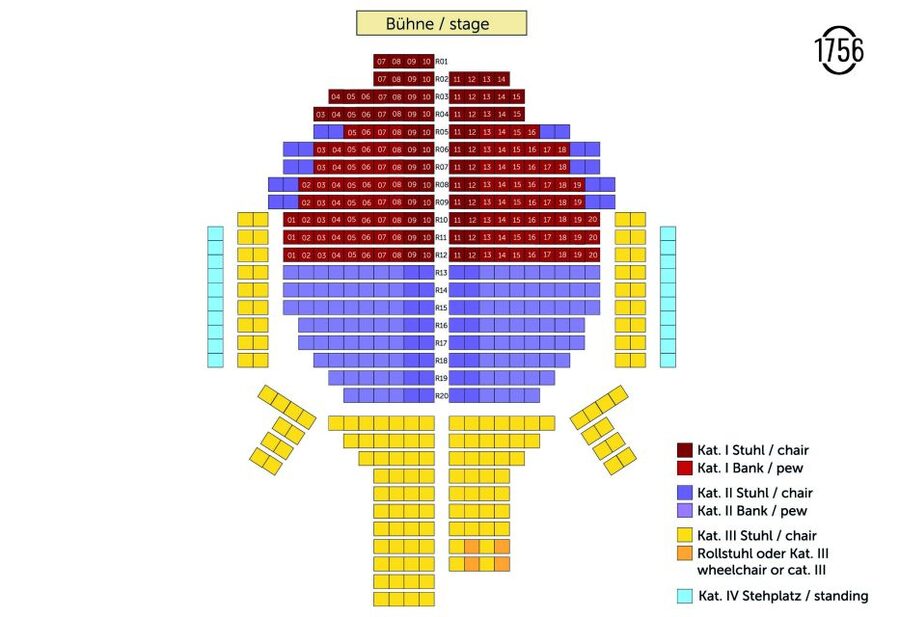
Your seat matters here. The seating area is not always arranged on a steeply rising floor, so a tall person in front of you can block part of the view. That issue is more important if watching the musicians is a big part of your evening.
Category 1 is the safest choice if your budget allows. Several audience members who selected the best section received front-row or near-front seats and felt the extra cost was worthwhile. The first few rows bring you close enough to watch the soloist’s expression and the players’ coordination.
Category 2 can still work well, especially if you mainly want to listen. But the exact seat within the section matters. One person who paid for Category 2 felt surprisingly far from the performers, while others were pleased with their view.
Category 3 is the gamble. Seats in the far back can make the musicians difficult to see, and the sound may seem less focused because of the church’s acoustics. If you are attending mainly for the music and want to hear the solo violin clearly, I would avoid the cheapest section if possible.
The balcony may not be open for every performance. If it is available, remember that the higher position does not automatically mean a better acoustic experience. One balcony attendee found the sound less satisfying.
If seat selection is handled on arrival within your booked category, arrive promptly. Doors open 30 minutes before the concert, and early arrival gives you a better chance of getting a favorable position.
Staying comfortable inside the church
Karlskirche has no air conditioning. In winter, the stone interior can be genuinely cold, not just mildly cool. In summer, the opposite may be true. Check the season before you dress for the concert.
Blankets are placed on many seats, and several winter audience members appreciated them. Some front seats also have heat beneath them. That helps, but it does not replace a warm coat. In colder months, bring a scarf, gloves, and warm hand covers. A blanket over your lap is useful, while warm fingers make it easier to sit comfortably through the music.
The pews and chairs are functional rather than luxurious. Some seating is on hard church benches, and 75 minutes is about the right length for this setting. A longer performance could become uncomfortable, especially if you are already tired after a day of sightseeing.
Food and drinks are not allowed inside. Large bags, luggage, cameras, pets, strollers, smoking, vaping, alcohol, and drugs are also prohibited. There is no cloakroom included, so do not arrive with more belongings than you can manage at your seat.
Timing and getting the evening right
The concert lasts 75 minutes, with starting times varying by date. The meeting point can vary according to the option you book, so check your confirmation carefully rather than assuming every performance uses the same entrance arrangement.
Arrive at least 30 minutes before the start. This gives you time to find the entrance, pass through the seating process, settle in, and look at the church before the lights and music take over.
The strictest rule is the no-late-entry policy. Once the concert begins, you cannot enter. You also cannot leave and return during the performance. If you leave the concert hall, re-entry is not permitted, so use the facilities and settle children before the doors close.
Children under six are not admitted, and the event is not suitable for wheelchair users. Unaccompanied minors are also not allowed. These restrictions make the concert better suited to adults, older children, and anyone who can remain seated and quiet for the full performance.
Is $40 good value in Vienna?
At about $40 per person, this is a reasonable price for a 75-minute classical concert in one of Vienna’s most striking churches. You are paying for the entrance ticket and the performance. Transfers, food, drinks, and cloakroom service are not included, but none of those extras are essential for a straightforward evening out.
The value depends largely on your seating choice. A low-cost seat can still give you the atmosphere of Karlskirche and the full program, but a distant position may reduce your view and make the acoustics less pleasing. If you already know you care about seeing the performers, spending more on Category 1 is sensible.
For a first taste of classical music in Vienna, the price also compares favorably with a longer formal concert. You get a famous work, a historic setting, and a manageable running time. It is easy to fit into an evening without giving up an entire night.
The flexible booking terms add practical value. You can cancel up to 24 hours before the start for a full refund, and you can reserve now while paying later. That is useful if your Vienna schedule is still shifting.
Who will enjoy this concert most?
I would recommend it first to anyone who already loves Vivaldi. The Four Seasons is familiar, but hearing it live with period instruments can reveal fresh detail in music you may think you know by heart.
It also suits people who want a classic Vienna evening without committing to a full opera or a much longer concert. The program is lively, recognizable, and easy to follow, even if you are not a regular classical listener. One audience member who did not usually enjoy classical music still found the performance appealing because the setting and musicians made the music feel accessible.
Art and architecture lovers will get plenty from the church alone. The music gives you a reason to enter Karlskirche at night, while the interior provides the visual drama between movements.
I would be more cautious about bringing young children, anyone who cannot sit comfortably for 75 minutes, or anyone who needs step-free access. I would also think twice if you dislike cold interiors, hard seating, or reverberant acoustics.
A few smart ways to improve your evening
- Book early if the front matters: Near-front seats give you the clearest look at the soloist and ensemble.
- Choose warmth over style in winter: Wear a proper coat and bring gloves. Blankets help, but the church can still feel very cold.
- Arrive before the doors close: The 30-minute arrival window is useful for seating and photos.
- Take photos before or after: Cameras are not allowed during the performance, but the church is worth a few quiet pictures outside the music.
- Do not expect a fixed supporting program: The extra Mozart, Bach, or Biber selections change from week to week.
- Stay for the full performance: Leaving means you cannot come back in.
FAQ
How long is the Karlskirche Vivaldi concert?
The concert lasts 75 minutes.
What music is performed?
The main program is Vivaldi’s Four Seasons: Spring, Summer, Autumn, and Winter. One or two additional pieces may be included, with selections changing from week to week. These may come from Mozart, Bach, Biber, and other major composers.
Does the orchestra use period instruments?
Yes. Orchestra 1756 is a period-instrument ensemble, giving the performance a historical sound.
Is Karlskirche warm in winter?
No. The church can be cold in winter and hot in summer because it does not have air conditioning. Blankets are provided on the chairs, and some front seats have heating beneath them, but warm clothing is recommended.
Can I take photos during the concert?
No. Photography is not allowed during the performance. You may take pictures before and after the concert.
Can children attend the concert?
Children under six are not admitted. Unaccompanied minors are not allowed, and the concert is not suitable for anyone unable to remain seated for 75 minutes.
Should you book the Karlskirche concert?
Book it if you want recognizable classical music, excellent musicians, and a memorable church setting in one compact evening. The strongest version of the experience comes with an early arrival, warm clothes, and a Category 1 or good Category 2 seat.
I would not choose it for luxury seating, a quiet modern concert hall, or guaranteed warm temperatures. But for around $40, Vivaldi’s Four Seasons inside Karlskirche is a strong Vienna night out. The music is accessible, the period-instrument ensemble adds character, and the building gives the performance a sense of occasion that a regular hall cannot match.
Just added in Vienna
- Vienna: Austrian Wine Tasting Experience★ 4.2 · 2 reviews
- World War II History Vienna Old Town Private Walking Tour★ 4.8 · 9 reviews
- Vienna_ Meet Beethoven Life Private Guided Walking Tour★ 5.0 · 1 review
- Vienna: Wine Tasting Tour★ 4.8 · 61 reviews
- Vienna: Wine Tasting E-Bike Tour★ 4.9 · 46 reviews
- Vienna: Wine Tasting at Schönbrunn Palace★ 4.3 · 71 reviews
- Vienna: Winery and Wine Tasting Tour with a Wine Expert★ 5.0 · 5 reviews
- Vienna: Concert by the Vienna Baroque Orchestra★ 4.6 · 56 reviews
Classical Concerts and Opera, compared.
Classical Concert in the World-Famous Musikverein
Read our review →
Classical Concert in St. Anne’s Church (Annakirche)
Read our review →
Vienna Classical Concert at St. Peter’s Church
Read our review →Browse the lists this tour appears in