
Reviewed · MUSEUMS
Kunsthistorisches Museum Vienna and Imperial Treasury of Vienna
Two imperial collections, one ticket. This experience pairs Vienna’s grand Kunsthistorisches Museum with the nearby Imperial Treasury, giving you a strong look at Habsburg art, ceremony, and power. I especially like the chance to see major works by Bruegel, Rubens, Rembrandt, Raphael, Velázquez, Titian, and Dürer, then follow that with crowns and regalia from the House of Habsburg.
I also like the freedom of an independent visit. You set your own pace, linger over a painting, take a break in the museum café, or leave the Treasury quickly if royal insignia is not your thing. The main drawback is practical: the voucher may need to be exchanged for a museum ticket, and unclear queue instructions have caused long delays.
In This Review
- Key points before you book
- What this Vienna ticket actually gives you
- Entering the Kunsthistorisches Museum
- Bruegel, Rubens, and the great painting galleries
- Beyond paintings: Kunstkammer, antiquities, and Neue Burg
- The Imperial Treasury and Habsburg ceremony
- How much time should you allow?
- Price and value at $38.62
- Paper tickets, queues, and the main risk
- Who will enjoy this most?
- Should you book this Vienna museum combination?
- FAQ
- What does the ticket include?
- Is this a guided tour?
- How much does the experience cost?
- How long does the visit take?
- Are children allowed to enter free?
- What are the Kunsthistorisches Museum opening hours?
- What are the Imperial Treasury opening hours?
- Where should I go with a paper voucher?
- Can the same ticket be used at both museums?
- Is transportation or food included?
- Can I cancel the booking?
Key points before you book
- Bruegel is the star attraction: The Kunsthistorisches Museum holds the world’s most important collection of paintings by Pieter Bruegel the Elder.
- The ticket covers two sites: You can use the combined admission for the Kunsthistorisches Museum and the Imperial Treasury.
- Allow far more than three minutes: The advertised duration reflects ticket entry, not the time needed to see the collections. Plan several hours, or most of a day.
- Use the voucher queue: At the Kunsthistorisches Museum, look for the line marked Voucher or Group Priority, not the regular Ticket line.
- The Imperial Treasury is easy to miss: Look for the red and gold archway on the right before the Spanish Riding School when coming from the Kunsthistorisches Museum.
- Children under 19 enter free: Adult pricing applies to other visitors, and the ticket includes entrance fees but not food, drinks, or transport.
What this Vienna ticket actually gives you
This is best understood as a self-guided admission ticket, not a guided sightseeing tour. You receive entry to two important Vienna museums and decide how long to spend inside each one.
The short listed duration can be misleading. You can physically redeem or use a ticket in a minute or two, but the Kunsthistorisches Museum alone deserves several hours. One visit can easily stretch to four hours if you take in the painting galleries, Egyptian and Near Eastern collections, Greek and Roman antiquities, Kunstkammer Vienna, and the Neue Burg sections.
The Imperial Treasury is smaller, but it still rewards a careful visit. One hour is a reasonable amount of time for the main rooms, especially if you want to examine the crowns, robes, jewels, and ceremonial objects rather than simply walk past them.
I would not schedule both museums late in the day. The art museum can feel overwhelming, and the Treasury closes earlier on many days. Start with the museum in the morning if art is your priority, then visit the Treasury afterward.
More Museum Tours in Vienna:
- Vienna: Skip-the-Line Sisi Museum, Hofburg and Gardens Tour
★ 4.8 · 5,918 reviews - Vienna Kunsthistorisches Museum Day Admission Ticket
★ 4.6 · 3,690 reviews - Tickets for the Albertina Exhibitions
★ 4.7 · 2,126 reviews
Entering the Kunsthistorisches Museum
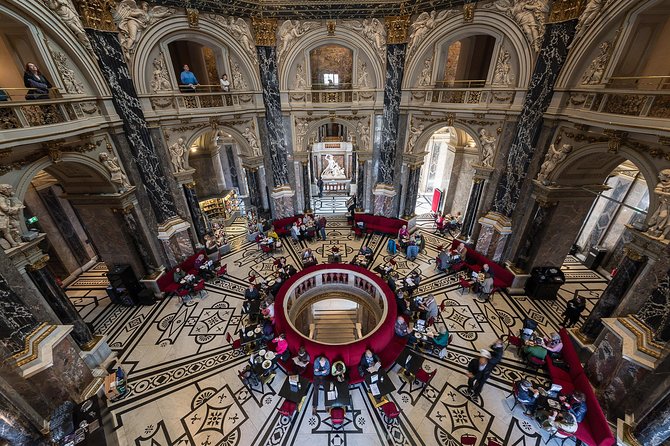
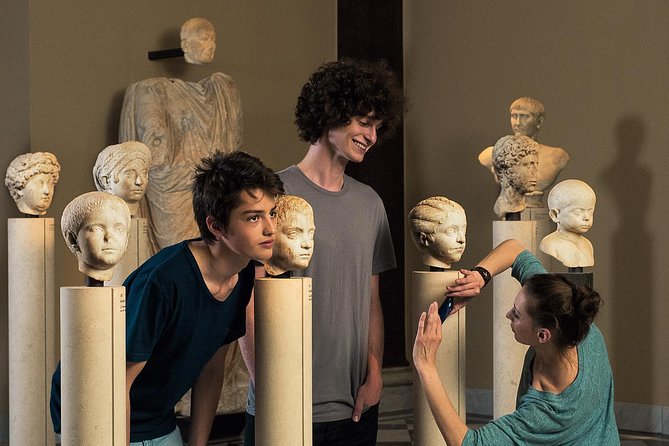
The Kunsthistorisches Museum is one of Vienna’s great buildings, and the setting begins before you reach the galleries. The grand interior, ornate decoration, and sweeping sense of scale make the museum worth seeing even before you study a single painting.
At the entrance, pay close attention to the queue signs. This is the most important practical detail in the entire booking. If you have a paper voucher, do not automatically join the regular ticket line. Look for the queue labeled Voucher or Group Priority, where staff can exchange the voucher for the museum’s admission ticket.
That line may still require waiting. This is not a guaranteed skip-the-line ticket. It is usually a shorter route for voucher holders, but the process can be confusing. Several people have lost close to an hour by joining the wrong queue first, then being sent back to exchange the voucher.
Once inside, the museum is easy to enjoy on your own. The galleries provide plenty of places to sit, which matters because the collection is large and the rooms can start to blur together after a while. I like having the freedom to stop for ten minutes in front of one painting instead of being hurried along by a group.
Bruegel, Rubens, and the great painting galleries
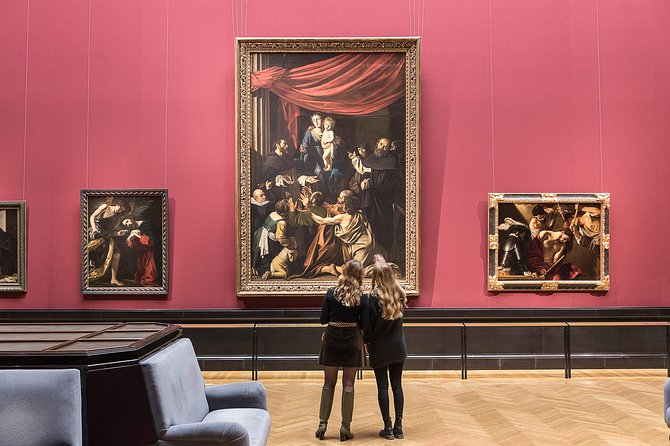
The strongest reason to buy this ticket is the painting collection. The museum is especially important for Pieter Bruegel the Elder, whose works form the heart of many visits.
Bruegel’s scenes reward slow looking. His paintings are full of small figures, daily work, celebrations, landscapes, and details that are easy to miss from a distance. You do not need to be an art expert to enjoy them. Start close enough to see the brushwork, then step back and let the whole scene come together.
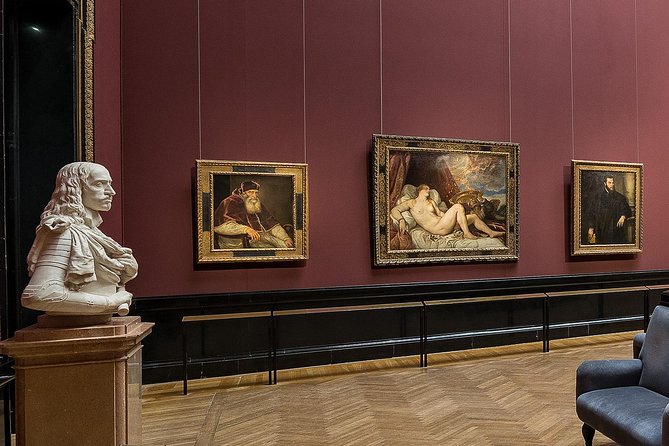
The collection also includes major works by Rubens, Rembrandt, Raphael, Velázquez, Titian, and Dürer. These names give you a useful way to organize the galleries:
- Rubens brings grand, energetic compositions and strong movement.
- Rembrandt rewards close attention to light, faces, and mood.
- Raphael offers the polished elegance associated with the Italian Renaissance.
- Velázquez provides the sharp observation and courtly presence of Spanish painting.
- Titian represents the color and richness of Venetian art.
- Dürer brings precise Northern European detail.
The quality is high, but the sheer number of rooms can wear you down. I suggest choosing a few artists or periods before arrival rather than trying to see everything equally. The museum is a place where selective attention works better than speed.
Beyond paintings: Kunstkammer, antiquities, and Neue Burg
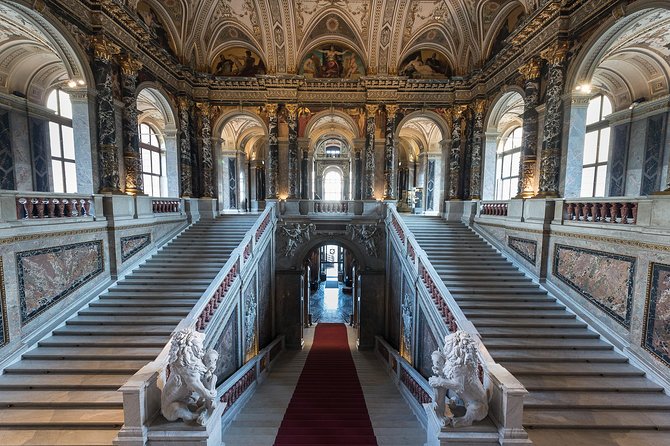
The Kunsthistorisches Museum is not only a picture gallery. Its imperial collections cover sculpture, decorative arts, coins, arms, and objects made from precious materials.
Kunstkammer Vienna is a major highlight for anyone who enjoys unusual objects and royal collecting. You might find carved ivory, elaborate ornaments, sculpture, and pieces made with gold or other costly materials. These displays show how rulers used objects to display wealth, learning, craftsmanship, and status.
The Egyptian, Greek, and Roman sections add another layer. If you have already seen several ancient collections in Europe, you may want to be selective. If this is your first major visit to Vienna’s antiquities, give these rooms proper time.
The Neue Burg section is also included in the museum visit. Since the combined ticket covers a broad group of imperial collections, check the current museum layout when you arrive so you do not accidentally miss a section you hoped to see.
The main challenge is not a lack of things to see. It is knowing when to stop. Take a café break if you need one. The museum café is widely appreciated for its drinks and cakes, and the building provides benches where you can rest without rushing away from the collection.
A few more options to weigh up in Vienna
- Vienna: Vivaldi’s Four Seasons Concert in Karlskirche
★ 4.7 · 14,951 reviews - Vienna: Spanish Riding School Training
★ 3.9 · 9,281 reviews - Vienna: Schönbrunn Palace & Gardens Skip-the-Line Tour
★ 4.7 · 7,739 reviews - Vienna: Light of Creation Votive Church Immersive Light Show
★ 4.8 · 6,779 reviews
The Imperial Treasury and Habsburg ceremony
The Imperial Treasury, or Kaiserliche Schatzkammer Wien, offers a different experience from the Kunsthistorisches Museum. The art museum asks you to look at paintings and objects as works of art. The Treasury asks you to consider what those objects meant in government, religion, and ceremony.
The collection includes the Austrian imperial crown, the German imperial crown, and insignia connected with the Holy Roman Empire. You will also see ceremonial robes, royal regalia, sparkling jewels, and an exceptionally large cut emerald.
The crowns are the obvious draw, but the surrounding objects help explain how power was displayed. Costumes and ceremonial clothing make the rooms feel less like a jewelry case and more like a record of court ritual.
I find this stop particularly useful after the Kunsthistorisches Museum because the two collections answer different questions. The first shows the taste and collecting habits of the Habsburg rulers. The second shows the symbols they used to present authority.
The Treasury can be harder to locate than the art museum. If you are walking from the Kunsthistorisches Museum toward the Spanish Riding School, look for the red and gold archway on the right before you reach it. Allow time to find the entrance, especially if you have a tight schedule.
How much time should you allow?
A full day is the safest plan if you want to see both sites without racing. The Kunsthistorisches Museum alone may take four hours, particularly if you include the antiquities and Kunstkammer collections. The Imperial Treasury needs less time, but an hour allows you to examine the main displays properly.
A half-day can work if you choose carefully. For example, you might spend two to three focused hours on the Bruegel and Old Master galleries, then give the Treasury an hour. That will not cover every room, but it can provide a satisfying first visit.
Older visitors and anyone who prefers a slower pace should consider splitting the two museums across separate days if the ticket rules allow it. The supplied information confirms entry to both venues, but it does not clearly state that the ticket remains valid across two days. Check the conditions at booking before planning a split visit.
The opening information requires care because different schedules are provided. The Kunsthistorisches Museum is listed as open from 10 a.m. to 6 p.m., with Thursday hours until 9 p.m. From June through August, it is listed as open daily. From September through May, it is listed as open Tuesday through Sunday, with Thursday late hours.
The Imperial Treasury is listed as open daily except Tuesday, from 9 a.m. to 5:30 p.m. The separate 2026 schedule also lists Wednesday through Sunday from 10 a.m. to 5 p.m., so confirm the date-specific hours before setting out. The museum’s own schedule should take priority if the information differs.
Price and value at $38.62
At $38.62 per person, the ticket is reasonable if you plan to see both collections and use your time well. You are paying for entrance to two major institutions in central Vienna, including access to some of Europe’s most important paintings and imperial objects.
The value is weaker if you only want a quick look. The museums are not small attractions you can dash through in twenty minutes. If you spend only an hour at the art museum and skip most of the Treasury, you may feel you paid for more than you used.
A useful way to judge the price is to ask what kind of day you want. If you enjoy art, architecture, court history, or decorative objects, this ticket gives you a full indoor program with plenty of flexibility. If you prefer short visits and outdoor sightseeing, the scale may feel demanding.
Children under 19 are free, which improves the value for families. The museum also has seating and a café, making the art museum more manageable with younger children. You should still plan breaks, because even children who enjoy the Egyptian displays may lose interest during a long sequence of portrait galleries.
Paper tickets, queues, and the main risk
The experience includes a paper ticket arrangement, but the exact redemption step matters. Bring the confirmation and voucher information you receive at booking, and read the entry instructions before reaching the museum.
The most common problem is joining the wrong line. Go to the voucher or group-priority queue. Do not assume that a printed voucher can be scanned directly at the main entrance, and do not join the standard ticket queue without checking the signs.
There have also been serious reports of tickets not being accepted at the entrance, requiring a second purchase. This appears to be an operational risk rather than a normal part of the visit, but it is worth taking seriously if your schedule is tight. Keep your booking confirmation available, arrive with extra time, and avoid arranging an immediate train departure after museum entry.
The ticket is not a guided tour. Some feedback connected with this experience refers to guided visits, but the included service here is entrance only. You will need to guide yourself unless you arrange a separate guide or audio option.
Who will enjoy this most?
I would recommend this ticket most strongly to:
- Art lovers who want Bruegel and major European masters
- People interested in the Habsburg court and imperial ceremony
- First-time visitors with at least half a day in Vienna
- Families who value free admission for children under 19
- Independent sightseers who prefer to choose their own pace
- Visitors who appreciate grand interiors as much as individual objects
I would be more cautious if you have limited time, dislike large museums, or mainly want a quick palace visit. The scale is impressive, but it can also be tiring. You need to make choices rather than attempt every gallery.
Public transport is nearby, and most people can take part. Hotel pickup, drop-off, food, and drinks are not included, so plan your route and meal break separately.
Should you book this Vienna museum combination?
Yes, if you want serious art and imperial objects in one flexible visit. The Kunsthistorisches Museum is the main event, with Bruegel, Old Masters, antiquities, decorative arts, and an interior that deserves attention. The Imperial Treasury adds a focused look at crowns, regalia, robes, and Habsburg ceremony.
I would book it for a morning arrival, use the voucher queue, and allow a full day if possible. The ticket is good value when you treat these as two substantial museums, not a quick stop.
Skip it if your Vienna schedule is already packed or if you are unwilling to deal with a voucher exchange. In that case, buying directly at the museum may feel simpler, though the combined ticket remains useful for anyone who wants both collections.
FAQ
What does the ticket include?
It includes entrance fees to the Kunsthistorisches Museum Vienna and the Imperial Treasury of Vienna.
Is this a guided tour?
No. The ticket provides admission only. A separate guide or audio option is not listed as included.
How much does the experience cost?
The listed price is $38.62 per person.
How long does the visit take?
The listed duration is approximately one to three minutes, which refers to the ticket activity rather than the time needed to see the museums. Plan several hours, or a full day for both.
Are children allowed to enter free?
Yes. Children under 19 years of age are free of charge.
What are the Kunsthistorisches Museum opening hours?
The museum is listed as open from 10 a.m. to 6 p.m., with Thursday hours until 9 p.m. From June through August, it is listed as open daily. From September through May, it is listed as open Tuesday through Sunday.
What are the Imperial Treasury opening hours?
The Imperial Treasury is listed as open daily except Tuesdays, from 9 a.m. to 5:30 p.m.
Where should I go with a paper voucher?
At the Kunsthistorisches Museum, look for the queue marked Voucher or Group Priority. Do not automatically join the regular Ticket queue.
Can the same ticket be used at both museums?
The ticket is described as a combined ticket for both venues. Once exchanged or issued, it can be used at the Kunsthistorisches Museum and the Imperial Treasury.
Is transportation or food included?
No. Hotel pickup, hotel drop-off, food, and drinks are not included. Public transportation is available nearby.
Can I cancel the booking?
Yes. You can cancel at least 24 hours before the experience start time for a full refund. Cancellations or changes made less than 24 hours before the start time are not accepted for a refund.
Just added in Vienna
- Vienna: Austrian Wine Tasting Experience★ 4.2 · 2 reviews
- World War II History Vienna Old Town Private Walking Tour★ 4.8 · 9 reviews
- Vienna_ Meet Beethoven Life Private Guided Walking Tour★ 5.0 · 1 review
- Vienna: Wine Tasting Tour★ 4.8 · 61 reviews
- Vienna: Wine Tasting E-Bike Tour★ 4.9 · 46 reviews
- Vienna: Wine Tasting at Schönbrunn Palace★ 4.3 · 71 reviews
- Vienna: Winery and Wine Tasting Tour with a Wine Expert★ 5.0 · 5 reviews
- Vienna: Concert by the Vienna Baroque Orchestra★ 4.6 · 56 reviews
Museums, compared.

Skip-the-Line Sisi Museum, Hofburg and Gardens Tour
Read our review →
Vienna Kunsthistorisches Museum Day Admission Ticket
Read our review →

Chocolate Workshop in Chocolate Museum w/ Tasting
Read our review →
St. Stephen’s Cathedral & Dom Museum Wien Tickets
Read our review →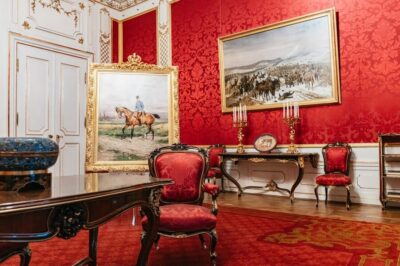
Browse the lists this tour appears in