
Reviewed · MUSEUMS
Discover Leopold Museum
Art gets personal here. The Leopold Museum brings you close to Vienna’s bold turn into modern art, with more than 5,000 exhibits and the world’s strongest collection of Egon Schiele works. I like the chance to see Schiele and Klimt together, and I like that advance mobile booking helps you organize a busy Vienna day. The main drawback is the non-refundable policy, so you need to be sure of your plans.
The visit lasts about one hour, making it easy to fit between other MuseumsQuartier sights. I also appreciate the small maximum group size of 15, although this is primarily an admission experience rather than a guided tour with a named art expert. The advertised price is $37.43 per person, so you should check exactly what is included before paying, especially since the stop information also labels admission as free.
In This Review
- Key points to know before you go
- Why the Leopold Museum matters in Vienna
- Entering the world of Egon Schiele
- Gustav Klimt and Death and Life
- Following fin de siècle Vienna in one visit
- What a one-hour visit really gives you
- Is $37.43 a fair price?
- Practical planning for your museum hour
- Who will enjoy this most?
- Should you book the Leopold Museum?
- FAQ
- Where is the Leopold Museum located?
- How long does the experience last?
- What time does the experience start?
- How much does the experience cost?
- Is a mobile ticket provided?
- Which artists can I see at the museum?
- What famous Klimt painting is highlighted?
- How large is the group?
- Can I cancel or change my booking?
Key points to know before you go
- See Klimt’s Death and Life: This major figurative painting is one of the museum’s central attractions.
- Meet Egon Schiele at full strength: The Leopold Museum holds the most substantial and important Schiele collection in the world.
- Follow Vienna’s artistic break with the past: The displays focus on the fin de siècle period and the birth of modernity.
- Plan around a one-hour visit: The short duration suits a packed Vienna itinerary, but serious art lovers may want more time.
- Use a mobile ticket: Booking online in advance can reduce last-minute planning and lets you pay in your preferred currency.
- Know the booking risk: The experience is non-refundable and cannot normally be changed after purchase.
Why the Leopold Museum matters in Vienna
Vienna around 1900 was a city in artistic motion. Old academic rules were losing their grip, and artists began testing new ways to show the body, the mind, and daily life. Gustav Klimt, Egon Schiele, and Oskar Kokoschka belong to this turning point, and the Leopold Museum gives you a direct way to follow it.
I find this period especially rewarding because the artists do not all look alike. Klimt can be decorative and grand, Schiele can be tense and exposed, and Kokoschka pushes toward a rougher, more restless expression. Seeing them within the same museum helps you compare their choices rather than treating each artist as an isolated name.
The museum is in Vienna’s MuseumsQuartier, one of the city’s major cultural areas. The building is described as light-filled and active, which matters after several dark churches, palaces, and traditional galleries. You get a change of pace here: pale rooms, modern presentation, and art that often feels emotionally direct.
The collection contains more than 5,000 exhibits. You will not see everything in a one-hour visit, and you should not try. The useful approach is to choose a focus before entering: Schiele’s drawings and paintings, Klimt’s figurative work, or the wider story of Austrian modern art.
More Museum Tours in Vienna:
- Vienna: Skip-the-Line Sisi Museum, Hofburg and Gardens Tour
★ 4.8 · 5,918 reviews - Vienna Kunsthistorisches Museum Day Admission Ticket
★ 4.6 · 3,690 reviews - Tickets for the Albertina Exhibitions
★ 4.7 · 2,126 reviews
Entering the world of Egon Schiele
The museum’s strongest claim is its Schiele collection. It is described as the most substantial and important collection of his work worldwide, which gives this visit particular value if Schiele is the main reason you are coming.
Schiele’s art is not easy background decoration. His figures can look angular, fragile, confrontational, or deliberately unfinished. Bodies twist, faces stare, and lines carry much of the emotional force. When you see several works together, you can follow his development and notice how he used posture, contour, and empty space.
That is more useful than seeing one famous image in isolation. You begin to recognize the artist’s hand and the direction of his growth. One personal note about the visit praised the chance to follow many artists and watch their direction and growth. That is a good way to approach this collection. Give yourself permission to compare, not just admire.
If you love art but do not know Schiele well, the collection can feel intense. You might find some works beautiful, while others seem nervous or even uncomfortable. That is part of the point. This is art from a period when artists were questioning polite Viennese taste, and Schiele often makes that challenge impossible to miss.
Gustav Klimt and Death and Life
The Leopold Museum also holds major works by Gustav Klimt, including Death and Life. The painting is described as probably his most important figurative work, and it gives the museum a powerful Klimt anchor.
Many people arrive in Vienna looking for Klimt’s gold, patterns, and familiar portraits. Here, you get a different side of his work. Death and Life places the human figure at the center of a larger meditation on mortality. Even if you come mainly for the ornament, the subject asks you to slow down.
I like this pairing of Klimt and Schiele because it prevents the visit from becoming a simple parade of famous names. Klimt’s surface can draw you in first, while Schiele’s spare lines and uneasy figures demand a different kind of attention. The contrast helps explain why fin de siècle Vienna was so important: artists were not merely producing attractive pictures. They were testing what painting could say.
The museum’s Klimt holdings are not limited to a single famous canvas, but the supplied details specifically highlight Death and Life as a major figurative work. If this painting is your priority, ask about its current display when you arrive. Museums can change rooms and presentations for exhibitions or conservation, and the available information does not promise that every work will be visible at every moment.
Following fin de siècle Vienna in one visit
The term fin de siècle refers to the years around the end of the 19th century and the start of the 20th. In Vienna, this was not just a date on a timeline. It was a period of changing social ideas, new artistic movements, and growing interest in the private life of the individual.
The Leopold Museum lets you see the artistic side of that shift. You can trace how Austrian art moved away from older conventions and toward modernity. The collection includes Schiele and Klimt, but the larger reward is the sense of change between generations and styles.
I recommend looking for connections as you move through the displays. Notice how artists handle the human body. Compare decorative pattern with exposed line. Watch for differences between polished surfaces and rough, searching marks. You will gain more from these comparisons than from rushing after every famous title.
The museum is called a cultural magnet within the MuseumsQuartier, and the setting makes it easy to build a larger art day around your visit. Still, the ticket covers the Leopold Museum experience described here, not automatically every other museum or special exhibition in the surrounding complex. Check the exact scope of your purchase before you set your schedule.
A few more options to weigh up in Vienna
- Vienna: Vivaldi’s Four Seasons Concert in Karlskirche
★ 4.7 · 14,951 reviews - Vienna: Spanish Riding School Training
★ 3.9 · 9,281 reviews - Vienna: Schönbrunn Palace & Gardens Skip-the-Line Tour
★ 4.7 · 7,739 reviews - Vienna: Light of Creation Votive Church Immersive Light Show
★ 4.8 · 6,779 reviews
What a one-hour visit really gives you
The stated duration is about one hour and three minutes. That is enough for a purposeful first look, especially if you already know which artists you want to see. It is not enough for a slow examination of more than 5,000 exhibits.
I would plan this as a focused museum stop. Spend the first few minutes getting oriented, then give the largest share of your time to Schiele and Death and Life. If a particular room catches your attention, stay there instead of trying to cover every corner.
This short format works well for several types of visitor:
- You want a strong introduction to Austrian modern art.
- You have only part of a day in Vienna.
- You are visiting several MuseumsQuartier institutions.
- You want to see major Schiele works without committing to a long guided tour.
- You prefer setting your own pace.
It works less well if you want detailed commentary on every artist or a full museum study session. No guide name or live commentary is provided in the available details, so you should treat this as a self-directed museum visit. If you want interpretation, plan to use the museum’s own information during your visit or read about the artists beforehand.
The small maximum group size of 15 is helpful if this booking is being used as part of an organized arrival. It suggests a more controlled experience than a large group entry, but the information does not promise a private tour or personal art instruction.
Is $37.43 a fair price?
At $37.43 per person, the value depends on what you want from the visit. For someone deeply interested in Schiele, access to the world’s leading collection could justify the cost. For a casual museum visitor planning a quick hour, the price may feel high unless the ticket includes benefits beyond basic entry.
Advance booking has practical value. You can pay online in your preferred currency, receive a mobile ticket, and organize your Vienna day before arrival. That convenience can be worth something when your schedule includes timed plans and several major sights.
There is one detail you should check carefully. The stop information labels the admission ticket as free, while the experience price is listed as $37.43 per person. Those two details do not clearly explain the final inclusions. Before you complete the purchase, confirm whether the charge covers admission, a booking service, an arranged entry, or another component.
The experience is booked, on average, 13 days in advance. That suggests you should not leave it until the last minute if the museum is a firm part of your plan. It does not guarantee that dates will sell out, but advance planning makes sense for a popular Vienna attraction.
Practical planning for your museum hour
The listed start time is 10:00 a.m. The experience uses a mobile ticket, so keep the confirmation available on your phone. Confirmation is provided at booking, which gives you a clear record of the reservation.
No transport is included in the supplied details. You are booking the museum experience in Vienna’s MuseumsQuartier, not a city tour with transfers. That makes it simple to combine with nearby cultural stops, but you are responsible for getting to the museum.
The visit is described as suitable for most people, and the maximum group size is 15. No special physical requirements are stated. If you have particular access needs, contact the provider before booking because the available information does not give a detailed accessibility description.
The non-refundable rule deserves serious attention. You cannot cancel or amend the experience for a refund for any reason. There are exceptions only if the experience is canceled because of poor weather or because the minimum number of participants is not reached. In those cases, you are offered another date or experience, or a full refund.
Poor weather may sound unusual for a museum visit, but the policy specifically says good weather is required. Do not assume that a weather-related cancellation is impossible. Keep your confirmation and check for updates before setting out.
Who will enjoy this most?
I would recommend the Leopold Museum to anyone who wants more than a quick Klimt photo stop. The museum gives you both a major Klimt painting and an unusually strong chance to understand Schiele across a larger body of work.
It is also a good choice for first-time visitors who want a manageable introduction to Austrian modernism. One hour is not overwhelming, and the light-filled setting may feel easier than a huge national collection with several centuries of art.
Art students, sketchbook users, and people who like tracking an artist’s progress should allow extra time if possible. The one-hour estimate is a useful minimum plan, not a rule that you must leave after 63 minutes.
Families and mixed-interest groups may find the short visit convenient, but the subject matter can be serious and some Schiele works may feel challenging. The available review note describes the visit as relaxing with friends, which suggests the museum can work as a shared cultural stop rather than a formal study session. Still, each person’s response to the art will differ.
You may want to skip this booking if your main goal is a guided explanation of Vienna’s art scene. No named guide or guided commentary is supplied. You may also want to skip it if your dates are uncertain, since the ticket cannot normally be refunded or changed.
Should you book the Leopold Museum?
Book it if Schiele matters to you, if Klimt’s Death and Life is on your Vienna wish list, or if you want a focused look at the city’s move into modern art. The collection’s scale and importance give the museum real weight, while the one-hour format fits neatly into a busy day.
Before paying $37.43, confirm what the charge includes, since the supplied details contain an unclear free-admission label. Then make sure your date is firm. With a mobile ticket, online confirmation, and advance planning, this can be an efficient way to reach one of Vienna’s most important art collections.
FAQ
Where is the Leopold Museum located?
The Leopold Museum is in Vienna, Austria, in the MuseumsQuartier.
How long does the experience last?
The stated duration is approximately 1 hour and 3 minutes.
What time does the experience start?
The listed start time is 10:00 a.m.
How much does the experience cost?
The listed price is $37.43 per person.
Is a mobile ticket provided?
Yes. The experience includes a mobile ticket, and confirmation is received at the time of booking.
Which artists can I see at the museum?
The collection includes Egon Schiele, Gustav Klimt, Oskar Kokoschka, and other Austrian artists from the period around the beginning of the 20th century.
What famous Klimt painting is highlighted?
The museum highlights Klimt’s Death and Life, described as probably his most important figurative painting.
How large is the group?
The experience has a maximum of 15 participants.
Can I cancel or change my booking?
No. The experience is non-refundable and cannot be changed for any reason. If it is canceled because of poor weather or because the minimum number of participants is not met, you are offered a different date or experience, or a full refund.
Just added in Vienna
- Vienna: Austrian Wine Tasting Experience★ 4.2 · 2 reviews
- World War II History Vienna Old Town Private Walking Tour★ 4.8 · 9 reviews
- Vienna_ Meet Beethoven Life Private Guided Walking Tour★ 5.0 · 1 review
- Vienna: Wine Tasting Tour★ 4.8 · 61 reviews
- Vienna: Wine Tasting E-Bike Tour★ 4.9 · 46 reviews
- Vienna: Wine Tasting at Schönbrunn Palace★ 4.3 · 71 reviews
- Vienna: Winery and Wine Tasting Tour with a Wine Expert★ 5.0 · 5 reviews
- Vienna: Concert by the Vienna Baroque Orchestra★ 4.6 · 56 reviews
Museums, compared.

Skip-the-Line Sisi Museum, Hofburg and Gardens Tour
Read our review →
Vienna Kunsthistorisches Museum Day Admission Ticket
Read our review →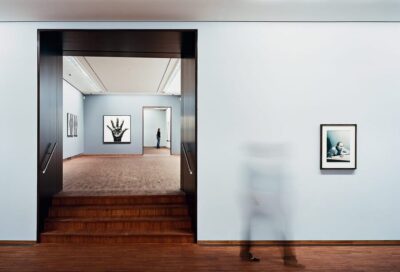

Chocolate Workshop in Chocolate Museum w/ Tasting
Read our review →
St. Stephen’s Cathedral & Dom Museum Wien Tickets
Read our review →
Browse the lists this tour appears in