
Reviewed · MUSEUMS
Combo Ticket: Kunsthistorisches Museum & Imperial Treasury
Two museums, one imperial story. This Kunsthistorisches Museum and Imperial Treasury combo brings together grand paintings, Egyptian antiquities, Habsburg objects, crowns, jewels, and ceremonial treasures for $37 per person. I especially like the chance to see masterpieces by Rubens, Rembrandt, Raphael, Velázquez, Titian, and Dürer, then shift from painted power to the real crowns and insignia of the Habsburg world.
I also like the ticket’s flexibility. You can visit each museum once, on different dates, and the ticket remains valid for one year. The main drawback is practical: you need a printed voucher, and you may have to exchange it for a museum ticket at the ticket office. Audio guides cost extra, too.
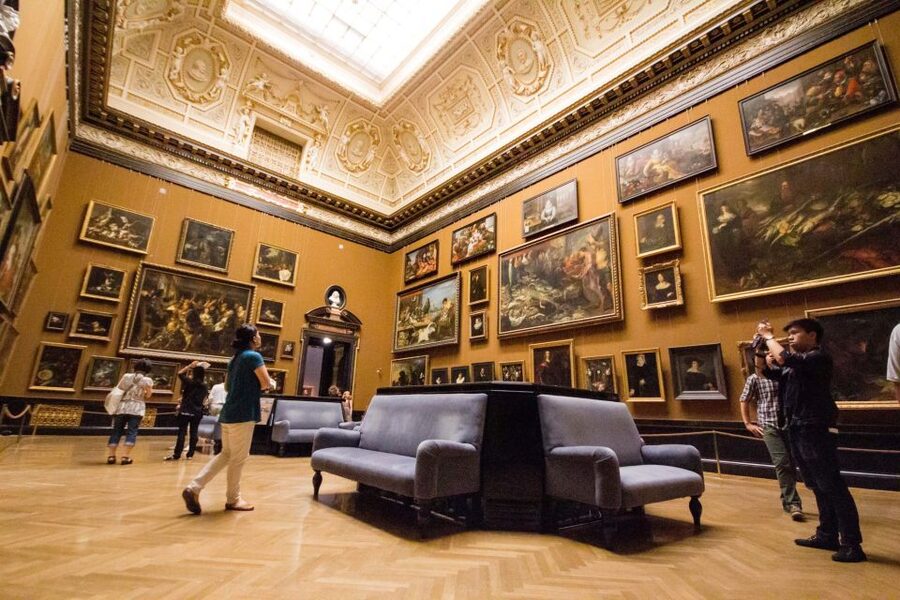
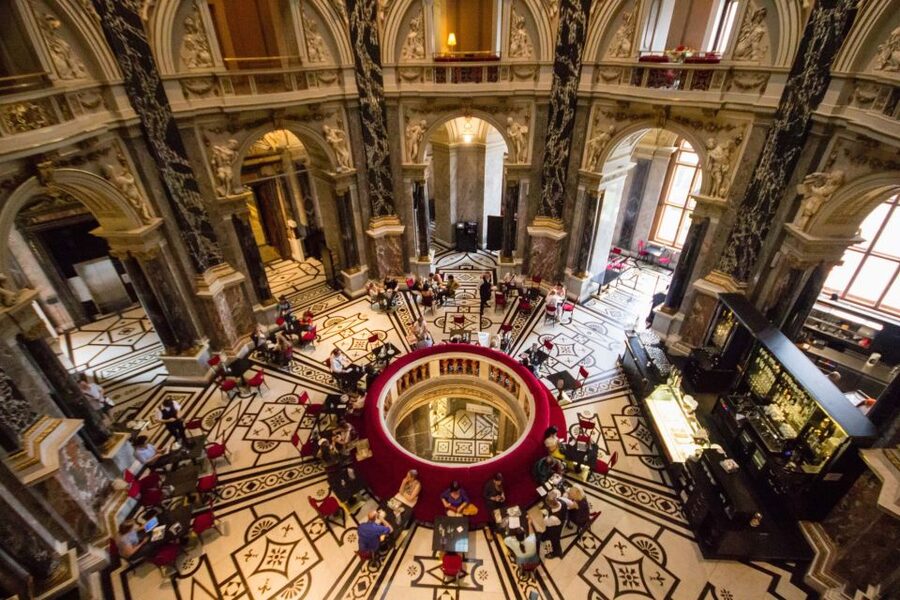
- The Kunsthistorisches Museum is a destination in itself, with imperial paintings, Egyptian objects, sculptures, decorative arts, and the ornate Cupola Hall.
- The Imperial Treasury displays Austria’s imperial crown, the German imperial crown, and Holy Roman Empire insignia.
- The largest cut emerald in the world is among the eye-catching jewels on display.
- The two venues are close enough to combine easily, but you should not force both into a rushed two-hour visit.
- The ticket works on separate dates, useful if you want to give the art museum several hours and return to the Treasury later.
- Under-19 visitors enter free, which improves the value for families.
In This Review
- Start at Maria-Theresien-Platz
- The Paintings Worth Planning Around
- Egyptian Objects and the Wider Collection
- The Imperial Treasury at the Hofburg
- How to Use the Separate-Date Ticket
- Is $37 Good Value?
- A Practical Visit Plan
- Who Will Enjoy This Combo Most?
- Should You Book It?
- FAQ
- Where are the two museums located?
- What does the combo ticket include?
- Can I visit the museums on different days?
- Do I need a printed voucher?
- Is an audio guide included?
- How long does the experience take?
- Is the experience wheelchair accessible?
- Are children admitted free?
Start at Maria-Theresien-Platz
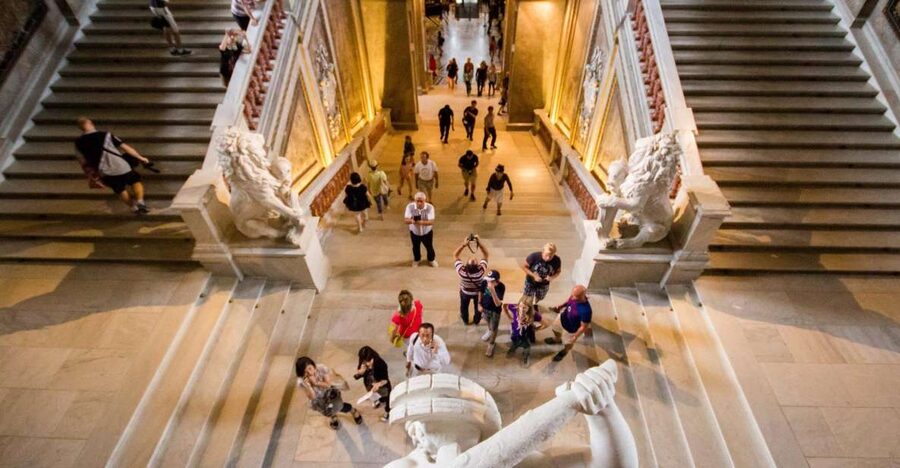
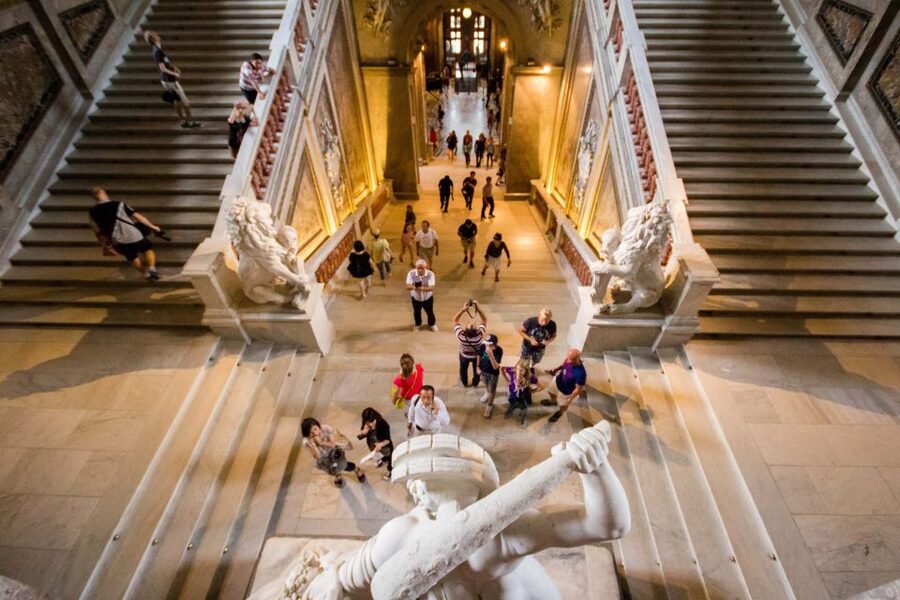
The Kunsthistorisches Museum sits at Maria-Theresien-Platz, in Vienna’s grand museum district. Before you even reach the galleries, take a moment to look up and around. The building itself is one of the chief attractions, with a lavish interior and a decorated dome that many people find worth the visit alone.
Your ticket includes the main Kunsthistorisches Museum and the Kunstkammer Vienna. The collection is broad enough to reward both specialists and people who simply want a memorable afternoon indoors. You can move from paintings to sculpture, Egyptian objects, arms, decorative pieces, and items from different cultures without leaving the building.
The stated activity duration is two hours, but treat that as a minimum rather than a complete visit. I would allow at least three hours for a first look, and more if Egyptian art, painting, or detailed historical displays appeal to you. One particularly useful feature is the café in the grand Cupola Hall, where you can stop for coffee or a meal beneath the decorated dome.
There are stairs in the museum, so anyone who finds stair use difficult should plan carefully. The experience is listed as wheelchair accessible, but the building’s size and internal route may still make it sensible to ask staff for the most convenient path.
The Paintings Worth Planning Around
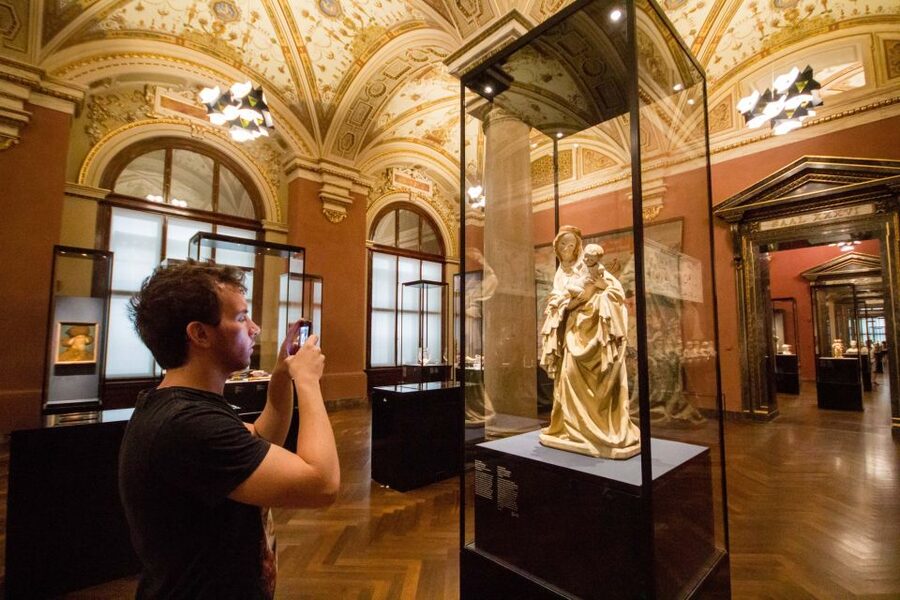
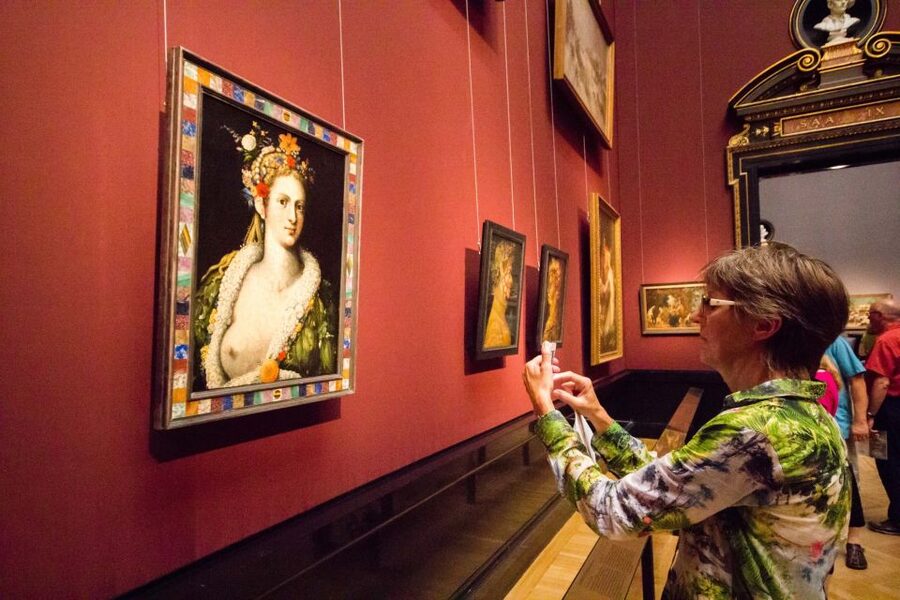
The painting galleries are the artistic heart of the visit. You can expect major works associated with Rubens, Rembrandt, Raphael, Velázquez, Titian, and Dürer. That list alone makes the ticket attractive to anyone who wants to see European masters in a single setting.
The museum can feel overwhelming because the collection is not a small, carefully limited exhibition. You have room after room of paintings and objects, and trying to inspect everything can turn a pleasant visit into a march. I suggest choosing a few priorities before you arrive, then allowing time to wander when something catches your eye.
The Tower of Babel draws a great deal of attention in the painting section. It is one of the works you should locate early if it matters to you, especially during busy periods. You may find crowds gathered around it, while other excellent paintings offer more breathing room nearby.
English information is available in many rooms, which helps if you want basic context without paying for an audio guide. Still, the extra guide can be worthwhile if you prefer a clear explanation of the objects in front of you. Since the guide is not included, add that cost before deciding how much the ticket will really cost your group.
The museum works for non-specialists, too. You do not need a background in art to enjoy the color, scale, portraits, clothing, and visual drama. If you prefer a more focused experience, spend your time with the major painting rooms and the building rather than trying to cover every gallery.
More Museum Tours in Vienna:
- Vienna: Skip-the-Line Sisi Museum, Hofburg and Gardens Tour
★ 4.8 · 5,918 reviews - Vienna Kunsthistorisches Museum Day Admission Ticket
★ 4.6 · 3,690 reviews - Tickets for the Albertina Exhibitions
★ 4.7 · 2,126 reviews
Egyptian Objects and the Wider Collection
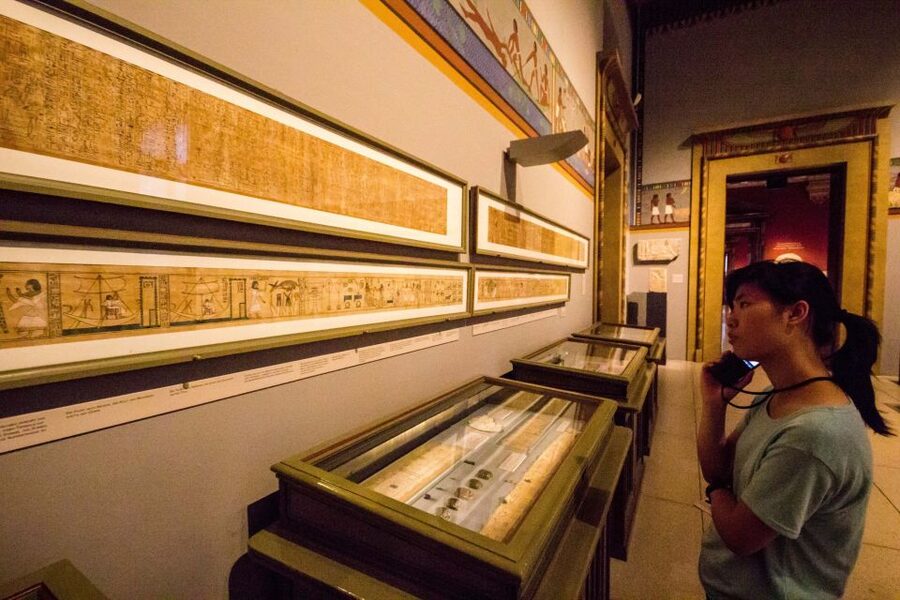
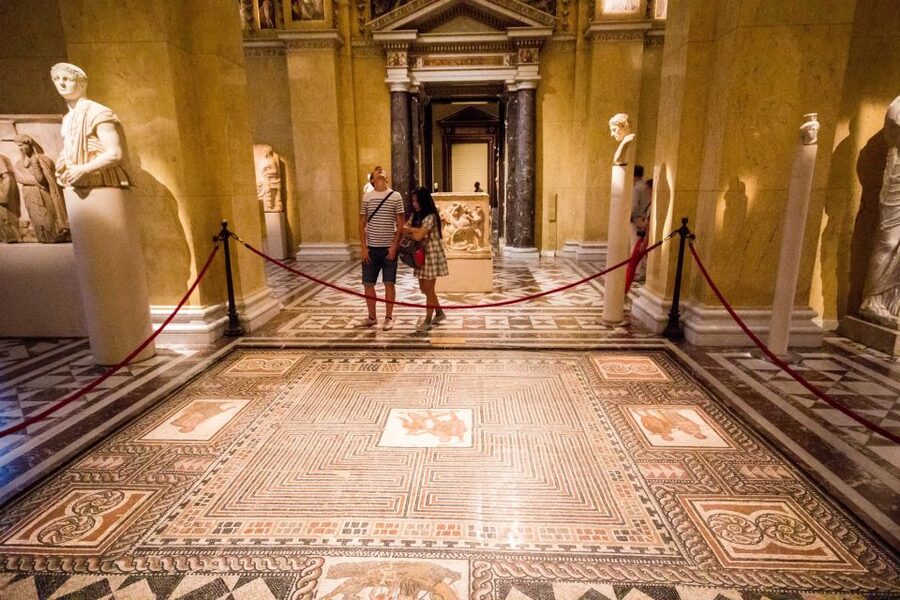
The Egyptian collection is one of the strongest reasons to spend extra time here. A number of people consider it among the finest they have seen in Europe, and it gives the museum a different mood from the grand European painting galleries.
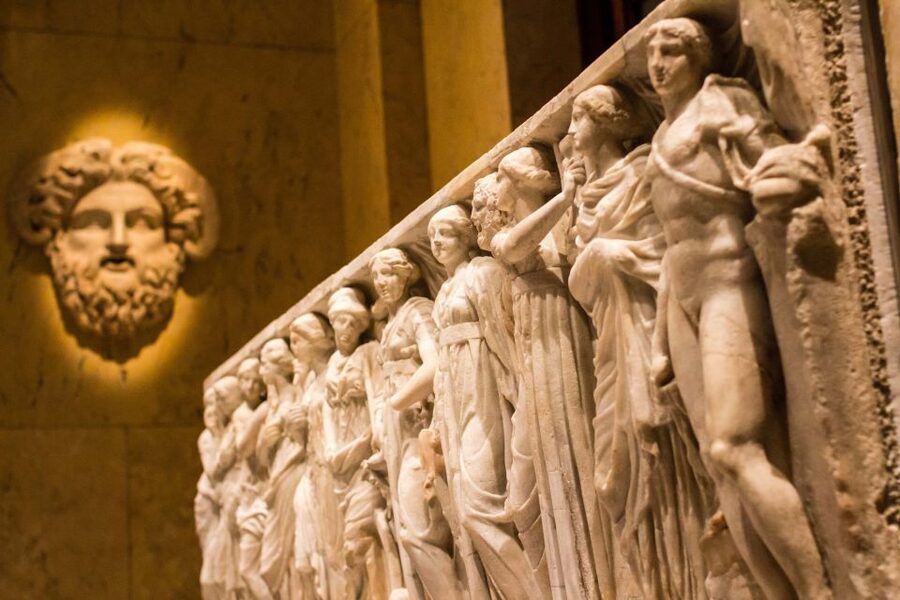
The displays also include sculptures and crafted objects. A rock crystal pitcher is one example of the kind of finely made piece that can slow you down, even if you came mainly for paintings. You may also find displays connected with armor, archaeology, and historical cultures, giving the museum more range than its name first suggests.
This variety is useful for groups with mixed interests. One person can focus on Raphael or Rubens, another can spend time with Egyptian material, and someone else can look at sculpture or decorative arts. The tradeoff is that the museum does not offer one simple route. You need to make your own choices.
A practical plan is to visit the painting galleries first, then choose one or two additional sections. Take a break in the Cupola Hall café before deciding if you still have the energy for more. The museum is far more enjoyable when you accept that you will not see every object in one pass.
The Imperial Treasury at the Hofburg
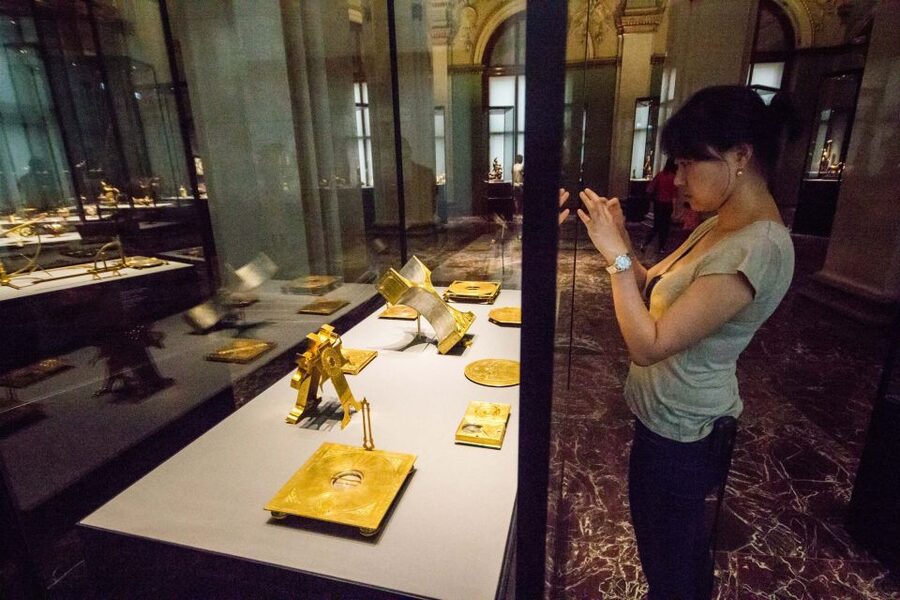
The second venue is at the Hofburg, at Michaelerplatz, in the Schweizerhof. Here the mood changes. The Kunsthistorisches Museum presents art and objects gathered for cultural and imperial display. The Imperial Treasury puts power on display through crowns, ceremonial objects, jewels, and insignia.
The Austrian imperial crown is a central attraction. You can also see the German imperial crown and insignia connected with the Holy Roman Empire. These are not simply attractive pieces of jewelry. Their value comes from what they represented: authority, succession, ceremony, and the public image of empire.
The sparkling jewels are another draw, including the world’s largest cut emerald. The collection also includes the crown jewels and the insignia of the Order of the Golden Fleece, both singled out as particularly fascinating highlights. If jewelry, symbols of power, and royal objects interest you, the Treasury can be the most memorable half of the combination.
The Treasury is smaller and easier to cover than the Kunsthistorisches Museum. Allow roughly one to two hours, depending on how closely you read the information and how strongly these objects appeal to you. If jewelry is not your interest, you may find this part less essential than the art museum.
That difference is important when planning your day. You do not need to give both venues equal time. I would schedule the Kunsthistorisches Museum when you have the most energy, then visit the Treasury for a shorter, more concentrated look.
How to Use the Separate-Date Ticket
The ticket allows one entry to each museum, and the two locations can be visited on different dates. It is valid for one year, giving you far more flexibility than the advertised two-hour duration suggests.
This matters because the art museum can easily occupy three or four hours, especially if you want to include the Egyptian displays, sculpture, decorative objects, and a café stop. The Treasury may take an hour or two. Splitting the visits lets you enjoy both without racing from room to room.
You can present your voucher at the main entrance of either museum. The important catch is that a printed voucher is required. Several people have had to find a print shop in Vienna, then take the paper voucher to the museum ticket office to receive the actual admission ticket. In some cases, this also meant waiting in a queue.
Do not assume that showing the booking on your phone will be enough. Print the voucher before you arrive. That small bit of preparation can save you an unnecessary walk and a frustrating wait, especially if you are visiting during a busy season.
The ticket does not include transfers, but you do not need a special transfer between the museums. They are within walking distance of one another, making the combination practical for a central Vienna sightseeing day.
A few more options to weigh up in Vienna
- Vienna: Vivaldi’s Four Seasons Concert in Karlskirche
★ 4.7 · 14,951 reviews - Vienna: Spanish Riding School Training
★ 3.9 · 9,281 reviews - Vienna: Schönbrunn Palace & Gardens Skip-the-Line Tour
★ 4.7 · 7,739 reviews - Vienna: Light of Creation Votive Church Immersive Light Show
★ 4.8 · 6,779 reviews
Is $37 Good Value?
At $37 per person, the ticket is good value if you plan to see both museums. The Kunsthistorisches Museum alone can fill several hours, and the Imperial Treasury adds a distinct collection rather than a repeat of the same experience.
The value is strongest for adults who enjoy major European painting, imperial objects, or both. It also improves for families because visitors under 19 enter free. If you only want a quick look at one venue, however, a single-museum admission may suit your plans better.
Remember that the audio guide is not included. Some rooms have English information, but an audio guide may help you understand more of what you are seeing. The extra cost is worth considering before you compare this ticket with buying admission directly.
The ticket also offers value through flexibility. You can visit the museums on separate dates, and the long validity period is useful if your Vienna schedule changes. This is more practical than a ticket that demands two visits on the same day.
The main hidden cost is not financial. It is time. You need to print the voucher and possibly exchange it at the museum. That process can make direct admission look simpler, so check the current redemption instructions before purchasing.
A Practical Visit Plan
If you want to see both places in one day, begin at the Kunsthistorisches Museum. Give yourself two to four hours, depending on your interests. Start with the paintings, find the Tower of Babel, then choose the Egyptian collection or another section that suits your group.
Use the Cupola Hall café as a proper pause, not just a quick stop. The decorated dome gives you a chance to rest while still enjoying the building. Afterward, continue only if you still have the attention for it.
Then walk to the Hofburg and visit the Imperial Treasury. One to two hours should be enough for most people, with more time if crowns, jewels, and ceremonial objects are a main reason for your visit.
You may prefer to split the museums across two days. That is the better choice for anyone who reads labels carefully, uses the audio guide, or dislikes rushing. Since each location can be visited once on different dates, you have no need to treat this as a single two-hour block.
Carry as little as possible. Large bags, water bottles, and selfie sticks may need to be left at the cloakroom. This is another reason to arrive with your printed voucher ready and your day bag kept simple.
Who Will Enjoy This Combo Most?
I would recommend this ticket to art lovers, families with older children, and anyone interested in the Habsburg era and imperial ceremony. It also suits a rainy or cold Vienna day, when several hours indoors can be both useful and memorable.
The combination is especially good for people who enjoy contrast. At the first museum, you see paintings and objects made to express artistic skill and courtly taste. At the Treasury, you see crowns and jewels made to express authority itself.
You may want to skip the second venue if your interest is narrowly focused on painting and sculpture. On the other hand, you should not skip the Kunsthistorisches Museum simply because you are not an art expert. Its building, Egyptian displays, and variety make it accessible even if you cannot identify every artist.
This is not a guided tour. You set your own pace, choose your own galleries, and decide how much explanation you need. That freedom is a benefit, but you must provide your own structure.
Should You Book It?
Book the combo if you want both the grand art collection and the Habsburg crowns, or if you value the freedom to visit on separate dates. At $37, it offers a solid package, particularly for a longer Vienna stay and for families with visitors under 19.
Think twice if you only have two hours, dislike large museums, or have little interest in jewelry and imperial ceremony. Most people will get more from this ticket by allowing a full day, or by dividing the visits across two dates.
Print your voucher before you go, budget extra for an audio guide, and treat the two-hour duration as a short introduction rather than a complete tour. With those points in mind, this is one of Vienna’s stronger museum pairings.
FAQ
Where are the two museums located?
The Kunsthistorisches Museum is at Maria-Theresien-Platz, 1010 Vienna. The Imperial Treasury is at the Hofburg, Michaelerplatz, Schweizerhof, 1010 Vienna.
What does the combo ticket include?
It includes one entrance to the Kunsthistorisches Museum Vienna and Kunstkammer Vienna, plus one entrance to the Imperial Treasury at the Vienna Hofburg.
Can I visit the museums on different days?
Yes. Each location can be visited once, and they may be visited on different dates. The ticket is valid for one year.
Do I need a printed voucher?
Yes. A printed voucher is required. You may need to present it at the museum ticket office and exchange it for the museum’s admission ticket.
Is an audio guide included?
No. The audio guide is not included in the ticket price. You can decide at the museum if you want to pay for one.
How long does the experience take?
The listed duration is two hours, but the Kunsthistorisches Museum alone can take several hours. The Imperial Treasury generally takes about one to two hours, depending on your interests.
Is the experience wheelchair accessible?
Yes, the activity is listed as wheelchair accessible. Some visitors have also noted that there are many stairs in the museum.
Are children admitted free?
Visitors under 19 enter free. The stated price of $37 per person applies to the paid admission category.
Just added in Vienna
- Vienna: Austrian Wine Tasting Experience★ 4.2 · 2 reviews
- World War II History Vienna Old Town Private Walking Tour★ 4.8 · 9 reviews
- Vienna_ Meet Beethoven Life Private Guided Walking Tour★ 5.0 · 1 review
- Vienna: Wine Tasting Tour★ 4.8 · 61 reviews
- Vienna: Winery and Wine Tasting Tour with a Wine Expert★ 5.0 · 5 reviews
- Vienna: Wine Tasting E-Bike Tour★ 4.9 · 46 reviews
- Vienna: Wine Tasting at Schönbrunn Palace★ 4.3 · 71 reviews
- Vienna: Concert by the Vienna Baroque Orchestra★ 4.6 · 56 reviews
Museums, compared.

Skip-the-Line Sisi Museum, Hofburg and Gardens Tour
Read our review →
Vienna Kunsthistorisches Museum Day Admission Ticket
Read our review →

Chocolate Workshop in Chocolate Museum w/ Tasting
Read our review →
St. Stephen’s Cathedral & Dom Museum Wien Tickets
Read our review →
Browse the lists this tour appears in