
Reviewed · HISTORICAL TOURS
Vienna: Walking Tour of the Historic Ringstrasse
Vienna’s grandest story is told outdoors. This private two-hour walk makes the Ringstrasse easier to read, from the old city walls to the opera, and I especially like the close look at Palais Ephrusi and the way the guide connects fine buildings with the lives of bankers, artists, workers, and the poor. I also like the short pauses in gardens, where statues and flower beds give your eyes a break from all that 19th-century stone.
The main consideration is price. At $353 for up to eight people, the tour can be good value for a full group, but it is costly for one or two people. The tour is also described as content-rich, yet one past German-language assessment found the information too thin, so the experience may depend quite a bit on the guide assigned to you.
You meet at the Liebenberg monument near Mölker Bastei and finish beside the Vienna Opera House. Bring a public transport ticket, since a tram ticket is not included, although the tour itself is on foot and wheelchair accessible.
In This Review
- Key points to know before booking
- Why the Ringstrasse matters to Vienna
- Starting at the Liebenberg monument near Mölker Bastei
- Palais Ephrusi and the private fortunes behind the boulevard
- Votive Church and the University of Vienna
- City Hall, Burgtheater, and Parliament
- Heldenplatz, museums, and the imperial scale
- Volksgarten, flower beds, and statues
- Ending beside the Vienna Opera House
- What the $353 private price really buys you
- Who will enjoy this walk most
- Should you book the Vienna Ringstrasse walk?
- FAQ
- How long is the Vienna Ringstrasse walking tour?
- Where does the tour meet?
- How early should I arrive?
- Where does the tour finish?
- What languages are available?
- Is this a private tour?
- Is the tour wheelchair accessible?
- Is transportation included?
- What landmarks are included?
- Can I cancel for a full refund?
Key points to know before booking
- The route covers Vienna’s ceremonial Ringstrasse: You see major public buildings, gardens, monuments, museums, and the Opera House within two hours.
- Palais Ephrusi adds a personal story: This former Jewish banking family’s fate is linked to the book The Hare with the Amber Eyes.
- The architecture is deliberately oversized: Industrialists and bankers used Ringstrasse palaces to display money, status, and newly won titles.
- The tour is private for up to eight people: A full group gets much better value than a solo booking.
- You hear about workers as well as elites: The story includes the poor people who came to Vienna for work and labored in harsh conditions.
- The walk is offered in three languages: You can book an English, German, or Polish-speaking guide.
Why the Ringstrasse matters to Vienna
The Ringstrasse is not simply a handsome boulevard. It was a giant imperial building project.
About 150 years ago, Emperor Francis Josef ordered Vienna’s city walls demolished. The open space gave the emperor a chance to reshape the capital with a grand avenue lined by public institutions. The plan included the opera, theater, museums, university, Academy of Fine Arts, parliament, and city hall.
That decision changed Vienna’s scale and image. Instead of a fortified medieval center, the city gained a broad ceremonial road with room for carriages, riders, pedestrians, and rows of trees. The buildings were meant to impress, and they do.
I like this tour because it gives you a way to read that ambition. You are not only looking at decorated facades. You are learning why so many different styles appear side by side, why private palaces became so large, and how Vienna attracted people from across Europe.
The project also had a less polished side. Artists, architects, and planners came for opportunity, while poor workers arrived looking for jobs and labored under difficult conditions. That contrast matters. The Ringstrasse is both a display of imperial confidence and a record of unequal wealth.
More Walking Tours in Vienna
- Vienna: Guided Walking Tour of City Center Highlights
★ 4.7 · 4,989 reviews - Vienna: Vienna Central Cemetery Guided Walking Tour
★ 4.8 · 3,307 reviews - Vienna: Guided Walking Tour of City Highlights & Hidden Gems
★ 4.9 · 2,180 reviews
Starting at the Liebenberg monument near Mölker Bastei
The meeting point is the Liebenberg monument at Mölker Bastei 8 in the first district. You should arrive about 10 minutes before the start.
This is a useful place to begin because it puts you close to the old edge of Vienna and the transformation that followed the demolition of the walls. The monument honors Mayor Liebenberg, and the tour later includes other statues that help give the street furniture a human face.
A guide can make this opening more useful than a quick photograph. Vienna’s monuments often look decorative at first glance, but each one reflects a person, a political moment, or a public idea. The tour promises background information and small stories, not only dates and building names.
Because the route begins in the central city, you should plan your way to the meeting point before you set out. Hotel pickup and drop-off are not included. A public transport ticket is also listed as something to bring, and you should not assume the guide will provide a tram ride or ticket.
Palais Ephrusi and the private fortunes behind the boulevard
Palais Ephrusi is one of the most personal stops on the route. The palace was commissioned by a wealthy Jewish banking family, and the family’s fate is described in The Hare with the Amber Eyes.
That detail gives the Ringstrasse a stronger human scale. Public buildings tell the story of the empire, but a private palace shows how individual families used architecture to announce success. The industrialists and bankers who built along the Ring wanted more than comfortable homes. They wanted wealth, status, and, in some cases, a noble title made visible in stone.
I would pay close attention here to the small details your guide points out. One of the tour’s most praised features is the attention to things you might otherwise pass without noticing, along with stories about the people who owned these palaces.
This is also where the route can move beyond easy admiration. A grand facade may represent ambition and artistic skill, but it can also reflect a sharp gap between the wealthy families inside and the workers who built the city under harsh conditions.
Votive Church and the University of Vienna
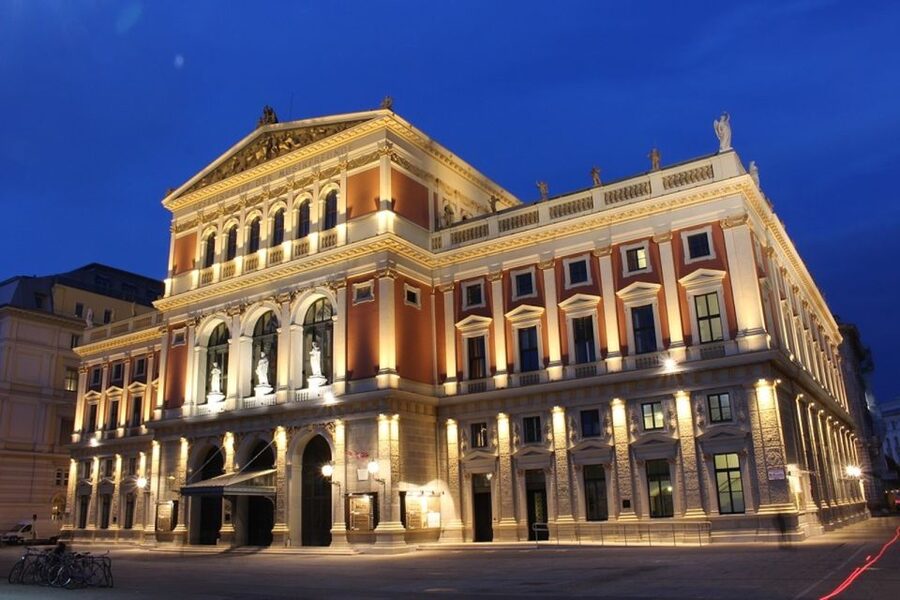
The Votive Church and the main building of the University of Vienna bring a different mood to the walk. Here, the Ringstrasse presents religion and education as major pillars of public life.
The Votive Church is one of the route’s key architectural sights, while the university represents Vienna’s intellectual side. The tour focuses on the combination of styles and the heavy decoration used throughout the Ringstrasse. That approach is helpful if you find the architecture overwhelming at first.
There is a lot to look at in a short distance. A guide can help you sort the visual information into themes: public purpose, historic references, decoration, political power, and the desire to make Vienna look like a leading European capital.
The drawback is that two hours is not long for this many major sights. You should expect an overview with selected stories, not a detailed interior visit or a full study of every building. The walk is best for getting a clear framework, then returning later to the places that catch your interest.
More History Tours in Vienna:
- Vienna: Time Travel and Magic Vienna History Tour
★ 4.6 · 3,879 reviews - Vienna: World War II Historical Walking Tour
★ 4.8 · 1,772 reviews - Vienna Historic Center Small Group Walking Tour
★ 5.0 · 1,746 reviews - Time Travel-Magic Vienna History Tour Ticket
★ 4.5 · 1,099 reviews
City Hall, Burgtheater, and Parliament
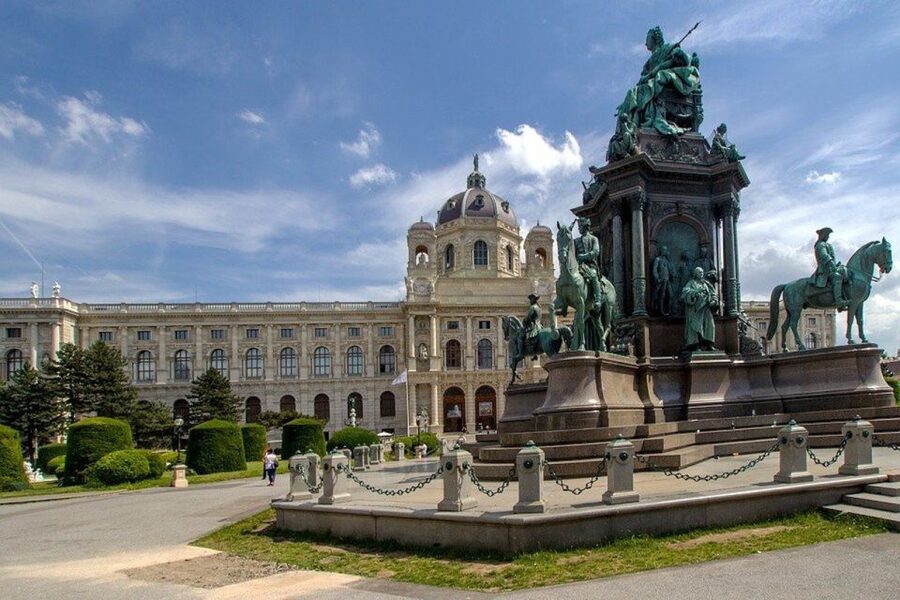
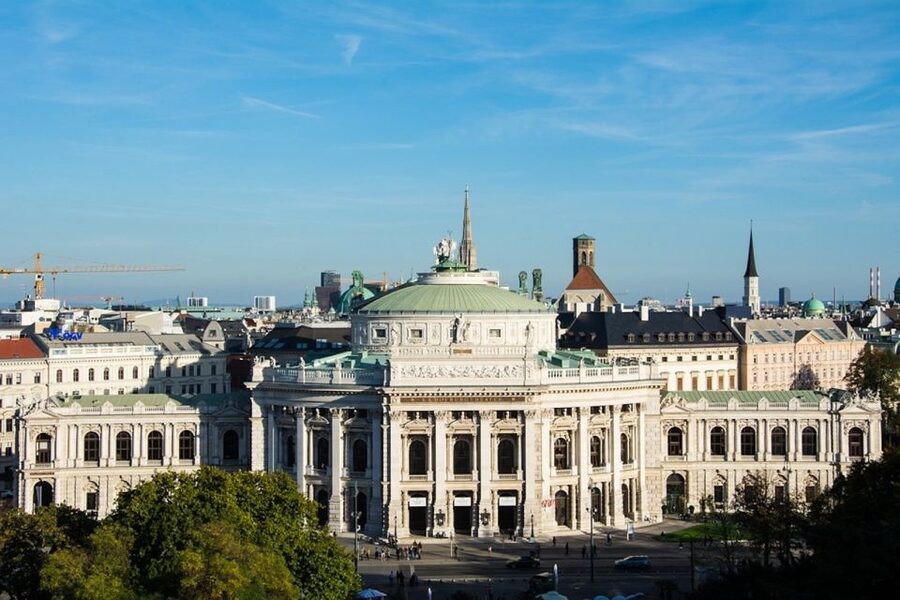
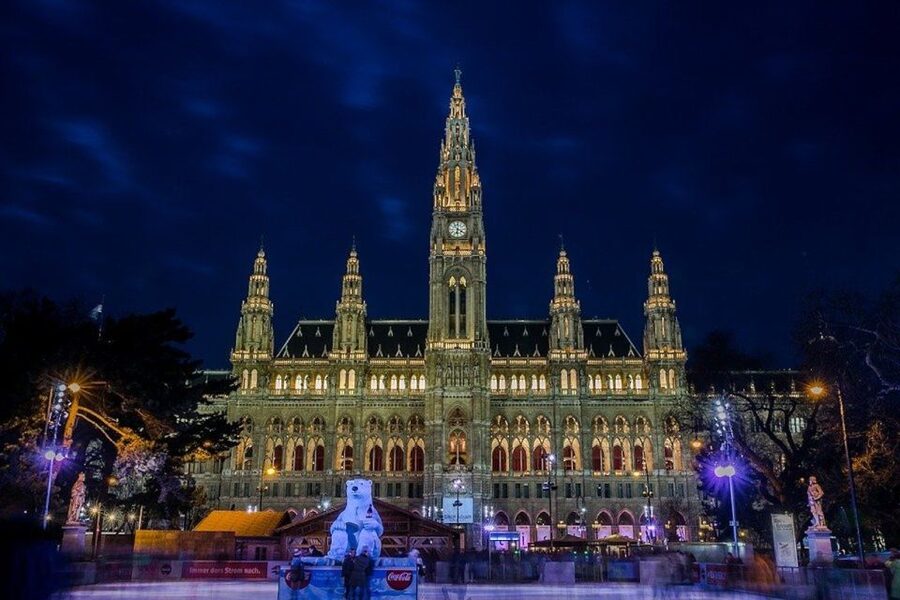
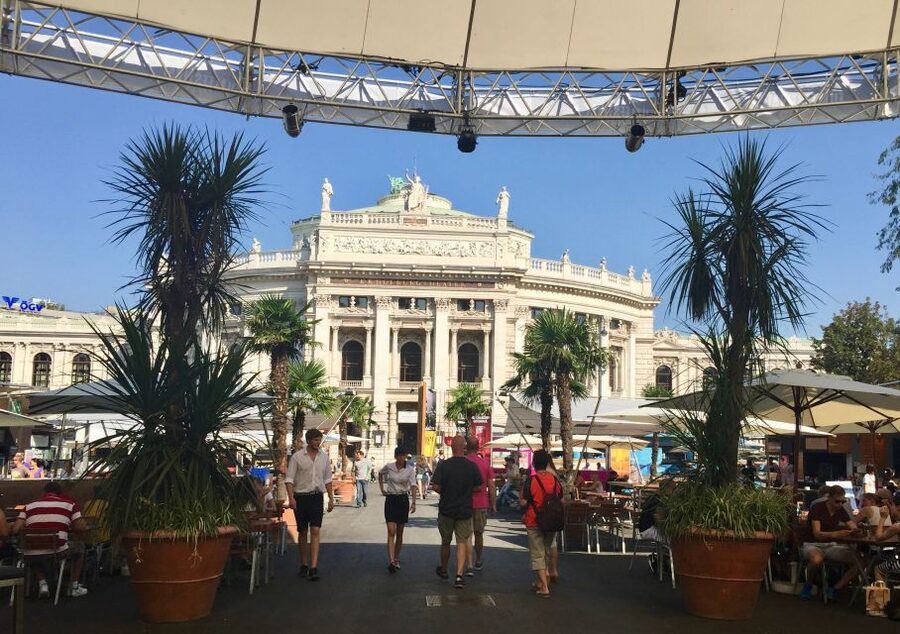
Vienna’s City Hall, Burgtheater, and Parliament form one of the most impressive sections of the route. Together, they show how the Ringstrasse was designed as a stage for civic life.
City Hall represents municipal government. The Burgtheater brings theater and court culture into the ensemble. Parliament adds the language of public debate and political authority. Each building has its own purpose, but the group works as a carefully planned display of power.
This is where I would expect the guide to explain the architectural style combinations. The Ringstrasse does not follow one simple look. Buildings borrow from earlier European periods and use historical forms to give modern institutions an air of importance.
The decoration can feel almost too much at close range. That is part of the point. Vienna’s new boulevard was designed to impress people arriving by carriage, walking beneath the trees, or viewing the buildings across wide open spaces.
Take time to look upward, but keep your footing in mind. The tour includes several short breaks, which should help you pause, study statues, and avoid treating the whole route as one long march.
Heldenplatz, museums, and the imperial scale
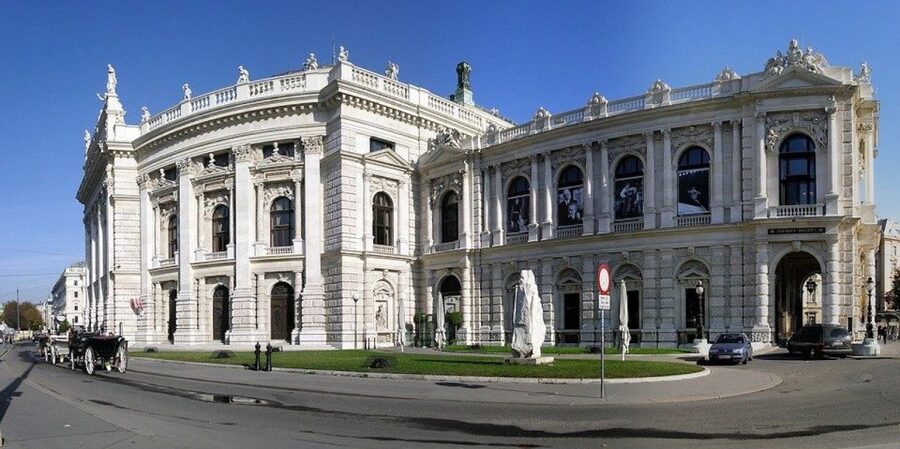
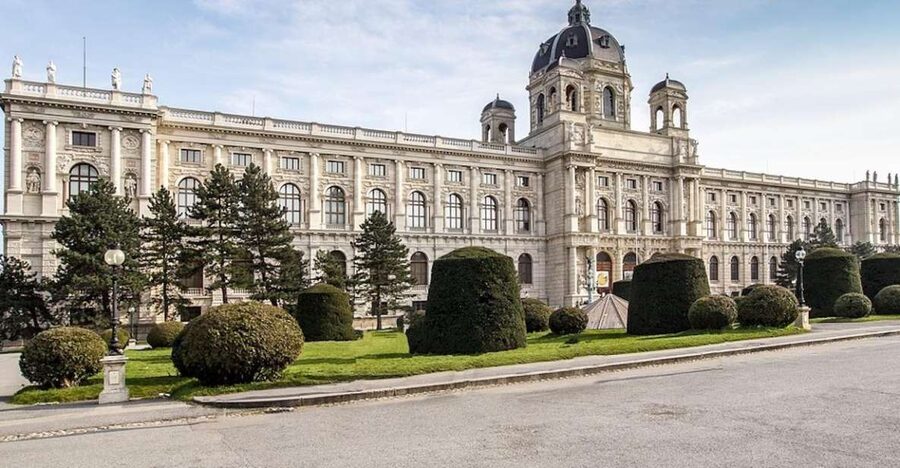
Heldenplatz and the museums continue the grand public story. The open spaces here make it easier to understand the size of the imperial project. The buildings are not squeezed into narrow medieval lanes. They have room to be seen.
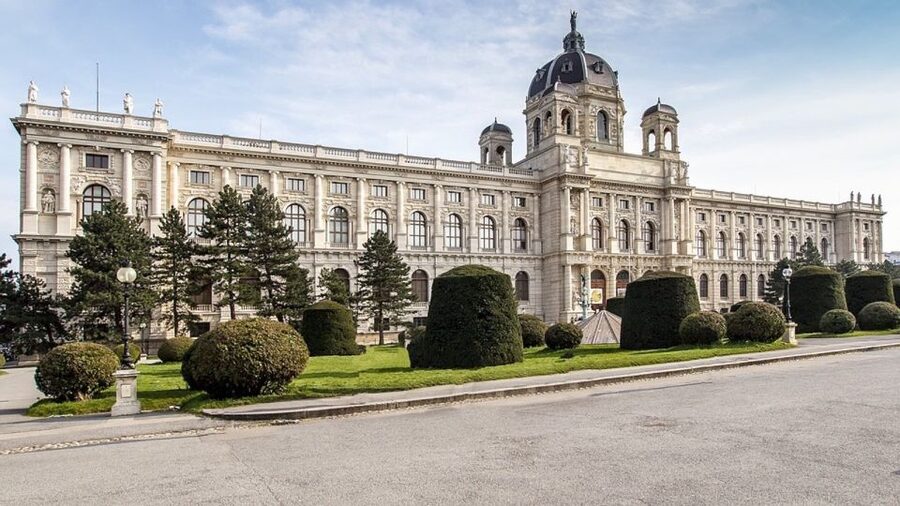
Museums add culture to the Ringstrasse program, while Heldenplatz carries a strong connection to Austria’s imperial identity. The tour does not include museum admission, and the listed experience is a guided city walk, so plan to see these places from outside unless you arrange separate visits.
This part of the walk suits you if you want a broad introduction to Vienna’s public architecture. It is less suited to you if your main goal is entering museums or spending long periods inside individual buildings.
The guide’s stories should help connect the formal spaces with the people drawn to Vienna. Famous architects and artists came from different parts of Europe for the building project. Poor workers came in search of employment. The same construction boom offered opportunity to some and hard physical work to others.
That social contrast is one of the strongest reasons to take a guided walk instead of simply following the boulevard on your own. You can see the same buildings without a guide, but the human story is harder to spot on the facade.
Volksgarten, flower beds, and statues
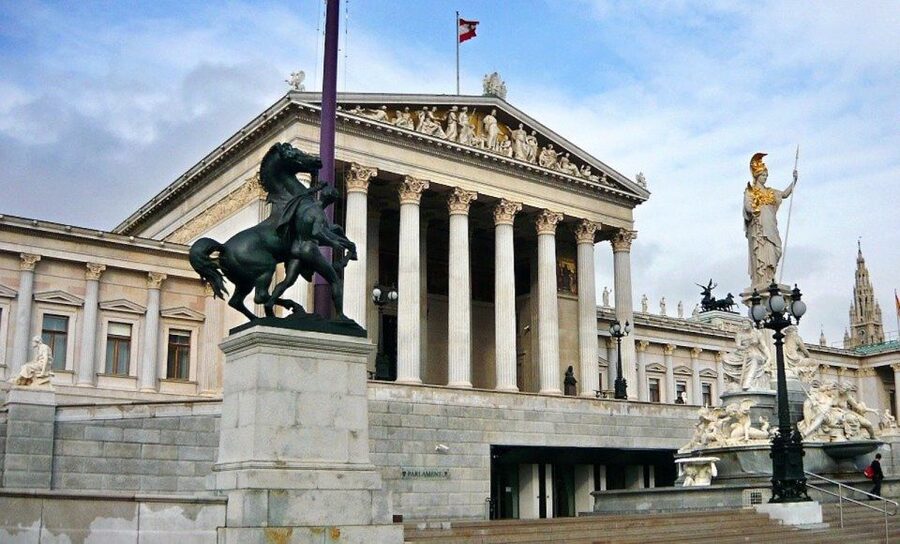
Volksgarten gives the walk a welcome change of pace. The garden has spacious paths, flower arrangements, and statues, offering a quieter setting between the large public buildings.
Short breaks here are practical as well as pleasant. Two hours of city walking can feel long when every stop involves looking up at large facades. A garden pause gives you space to absorb the visual style without standing in the middle of a busy street.
The route also includes statues such as the monument to Mayor Liebenberg and Pallas Athene. These figures help show how Vienna used sculpture to decorate civic spaces and express ideas about leadership, wisdom, and public life.
I would use these stops to ask the guide questions. The tour is offered as a private group experience, so you have more freedom to ask about the stories that interest you. A past German-language booking described the guide as friendly, dependable, and able to answer questions about many events, even in rainy weather. That is a useful sign for anyone who prefers a conversation rather than a memorized speech.
Still, a private format does not guarantee the same level of detail from every guide. The overall rating is 4.7 from 10 reviews, but one lower assessment found the content thin. If you want a very academic treatment of every monument, you may need to set that expectation clearly at the start.
Ending beside the Vienna Opera House
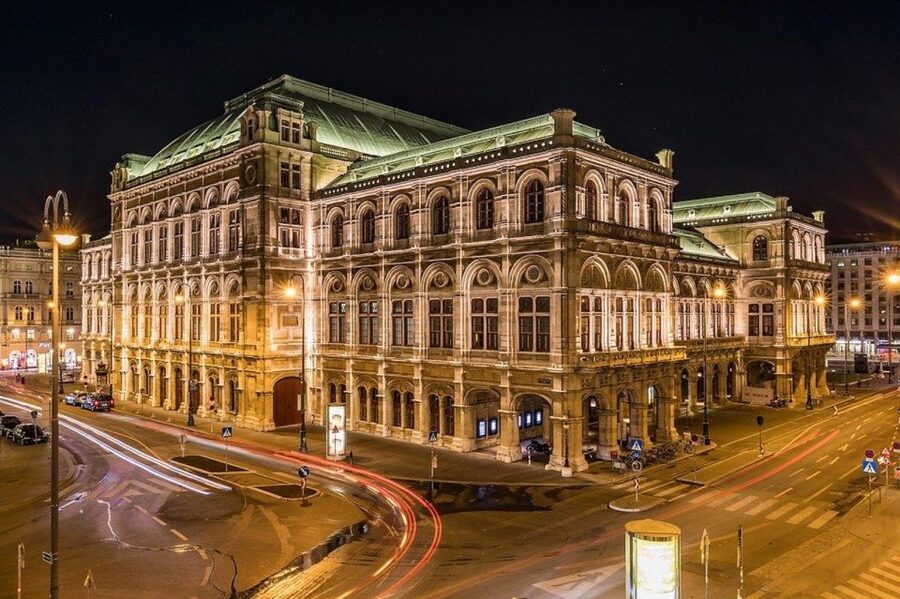
The tour ends near the Opera House, a sensible finish for a route built around Vienna’s public culture.
By this point, you will have seen how the Ringstrasse joins government, theater, religion, education, museums, gardens, and private wealth into one planned urban statement. The Opera House provides a fitting final stop because music and performance remain central to Vienna’s public image.
Ending here is also practical. You can continue into the central city, look for a meal, or arrange a separate visit to a performance or nearby sight. The tour does not include admission to the Opera House, so think of the stop as an exterior conclusion rather than an inside tour.
The end point also makes the walk useful as a first-day orientation. You will have a better sense of how Vienna’s central district fits together, and you can decide which buildings deserve a closer visit later.
What the $353 private price really buys you
The price is $353 per group of up to eight people. With eight participants, that works out to about $44 per person. For a private two-hour walk with a live guide, that can be reasonable, especially if your group values a flexible pace and the chance to ask questions.
For two people, the cost is about $176.50 each. For one person, it is a major expense for a short activity. The value depends heavily on group size and on how much you care about private guiding.
You are paying for interpretation, not transport or entry tickets. Hotel pickup and drop-off are not included, and you need your own public transport ticket. The experience is a walking tour, so the main product is the guide’s storytelling and the route through the Ringstrasse.
I would recommend the price most readily to families, couples traveling with friends, or small groups who can share the fee. A full group of eight gets the clearest value. If you are alone or watching your budget, compare it with a public city walk before booking.
Free cancellation up to 24 hours before the activity and the option to reserve now and pay later make the booking less rigid. Those terms are useful when your Vienna schedule is still changing.
Who will enjoy this walk most
This tour is a strong match for you if:
- You want a fast introduction to Vienna’s Ringstrasse.
- You enjoy architecture but want the social stories behind it.
- You are traveling with a private group of up to eight.
- You prefer a live guide who can answer questions.
- You want to see major landmarks without committing to museum visits.
- You appreciate short garden breaks during a city walk.
- You need a wheelchair-accessible route.
It may be less suitable if you want extensive interior access, a full-day architectural study, or the lowest possible price. The two-hour length is efficient, but it also limits how long the guide can spend at each stop.
The tour is available in English, German, and Polish. Since no individual guide names are provided, you should think of guide quality as an important variable. The strongest feedback praises guides who notice overlooked details, explain palace owners’ lives, answer questions, and keep the walk interesting in poor weather.
Should you book the Vienna Ringstrasse walk?
Book it if you are traveling with a group and want the Ringstrasse explained through architecture, politics, wealth, work, and personal stories. Palais Ephrusi and the connection to The Hare with the Amber Eyes give the route more character than a simple list of grand buildings.
I would be more cautious if you are booking alone or expect a very detailed lecture at every stop. The price is high for a two-hour walk, and the experience may vary with the guide. For a small group that values private attention, the cost can make sense. For budget-minded visitors, a public tour may be the better choice.
FAQ
How long is the Vienna Ringstrasse walking tour?
The tour lasts two hours.
Where does the tour meet?
You meet at the Liebenberg monument, Mölker Bastei 8, 1010 Vienna.
How early should I arrive?
You should arrive at the meeting point 10 minutes before the activity begins.
Where does the tour finish?
The walk ends next to the Vienna Opera House.
What languages are available?
The tour is offered in English, German, and Polish.
Is this a private tour?
Yes. It is a private group experience for up to eight people.
Is the tour wheelchair accessible?
Yes, the activity is listed as wheelchair accessible.
Is transportation included?
No. Hotel pickup and drop-off are not included, and a tram ticket is not included. You should bring a public transport ticket.
What landmarks are included?
The route includes Palais Ephrusi, the Votive Church, the main building of the University of Vienna, City Hall, the Burgtheater, Parliament, Heldenplatz, museums, Volksgarten, several statues, and the Opera House area.
Can I cancel for a full refund?
Yes. You can cancel up to 24 hours in advance for a full refund. You can also reserve now and pay later.
Just added in Vienna
- Vienna: Austrian Wine Tasting Experience★ 4.2 · 2 reviews
- World War II History Vienna Old Town Private Walking Tour★ 4.8 · 9 reviews
- Vienna_ Meet Beethoven Life Private Guided Walking Tour★ 5.0 · 1 review
- Vienna: Wine Tasting Tour★ 4.8 · 61 reviews
- Vienna: Wine Tasting E-Bike Tour★ 4.9 · 46 reviews
- Vienna: Wine Tasting at Schönbrunn Palace★ 4.3 · 71 reviews
- Vienna: Winery and Wine Tasting Tour with a Wine Expert★ 5.0 · 5 reviews
- Vienna: Concert by the Vienna Baroque Orchestra★ 4.6 · 56 reviews
Historical Tours, compared.

Vienna Historic Center Small Group Walking Tour
Read our review →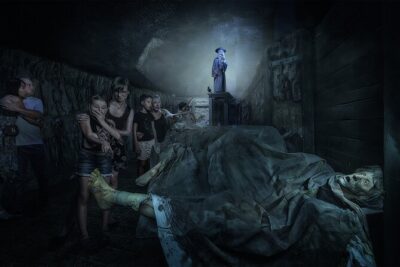
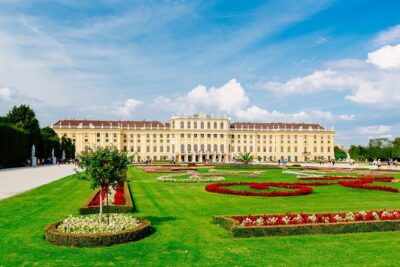
Skip-the-Line Schonbrunn Palace Guided Tour and Vienna Historical City Tour
Read our review →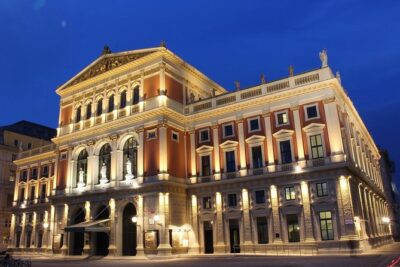
Vienna Mozart Concert in Historical Costumes at the Musikverein
Read our review →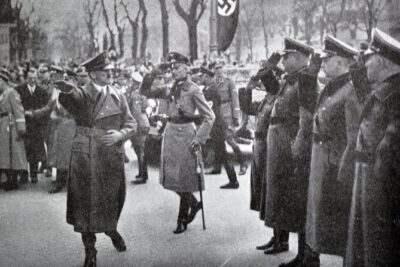
Browse the lists this tour appears in