
Reviewed · HISTORICAL TOURS
Time Travel-Magic Vienna History Tour Ticket
History gets a playful makeover. Time Travel Vienna turns the city’s past into a fast-moving show of 5D cinema, virtual reality, animatronics, and special effects, all inside the old vaults of the Michaelerkloster. I like its clear, family-friendly overview of Vienna, and I like the way it breaks up the story with rides, film, headphones, wax figures, and live scenes.
The trade-off is that this is a theatrical introduction, not a serious history seminar. Some sections move quickly, and the treatment can feel simplistic if you already know Austria’s past. Still, at $27.76 per person, it offers a lively indoor hour, especially useful on a rainy day or during a short stay.
In This Review
- Key points to know before you go
- What Time Travel Vienna is really offering
- Starting with Vindobona and medieval Vienna
- The Habsburgs, Mozart, and Vienna’s musical identity
- The air raid shelter and Austria’s modern past
- The virtual fiaker ride back to today
- How the language system works
- Is $27.76 good value for one hour?
- Who will enjoy it most?
- Practical advice for planning your visit
- How it fits into a Vienna itinerary
- Should you book Time Travel Vienna?
- FAQ
- How long does Time Travel Vienna last?
- What language is the tour offered in?
- Is an English-speaking live guide provided?
- What is included in the ticket?
- Is transportation included?
- Is food or drink included?
- Are animals allowed inside?
- How many people can join the experience?
- Is the experience suitable for children?
- Can I cancel for a full refund?
Key points to know before you go
- Roman Vienna begins the story: You travel back to Vindobona, the Roman camp that helped shape Vienna’s early history.
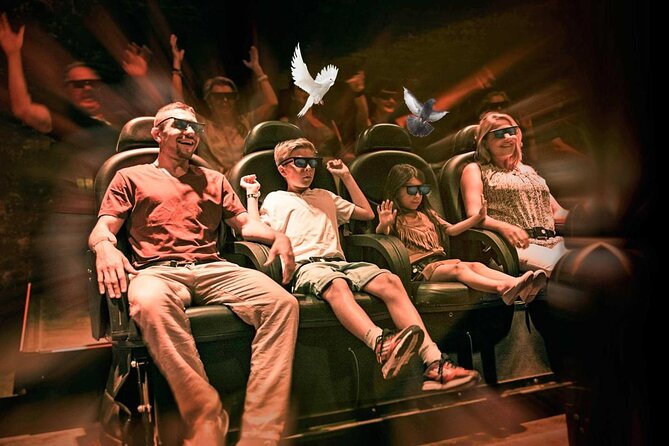
- Several kinds of media keep the hour moving: Expect video, VR, hologram-style effects, animatronics, wax figures, and simulated rides.
- The Habsburg section gives you a quick royal overview: It covers emperors, court life, and Vienna’s musical traditions.
- The WWII air raid shelter is the most serious moment: This part offers a more sobering break from the fun and makes the city’s modern past feel close.
- English visitors use audio translation: German commentary is translated through headphones into English and nine other languages.
- The format suits families best: Children and teenagers usually have plenty to watch and do, but noisy groups can make the audio portions harder to follow.
What Time Travel Vienna is really offering
Time Travel Vienna is best understood as a history show with the shape of a guided tour. You are not walking from landmark to landmark. Instead, you enter the historic vaults of the roughly 400-year-old Michaelerkloster and move through a sequence of staged rooms and short presentations.
That setting matters. The old underground rooms give the experience a sense of place, even though much of the storytelling comes through modern technology. You travel quickly from Roman Vienna to the Habsburg era, from plague-era streets to classical music, then into the 20th century.
The pace is brisk. The advertised visit lasts about one hour, though some people find the full experience closer to an hour and a half. Either way, it fits neatly between sightseeing stops. You can see a broad outline of Vienna’s past without giving up half a day.
I would not choose this as your main history lesson. The show compresses centuries into short scenes, so there is little room for subtle explanation or competing points of view. I would choose it as a lively first look, then use the rest of your time to visit the actual palaces, churches, museums, and streets introduced here.
More History Tours in Vienna:
- Vienna: Time Travel and Magic Vienna History Tour
★ 4.6 · 3,879 reviews - Vienna: World War II Historical Walking Tour
★ 4.8 · 1,772 reviews - Vienna Historic Center Small Group Walking Tour
★ 5.0 · 1,746 reviews
Starting with Vindobona and medieval Vienna
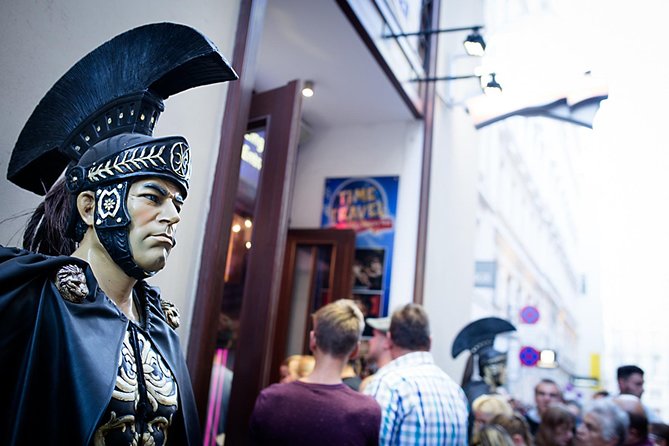
The opening section takes you to Roman Vienna, known as Vindobona. This gives you an early anchor for the city’s story and shows that Vienna did not begin with the Habsburgs or Mozart.
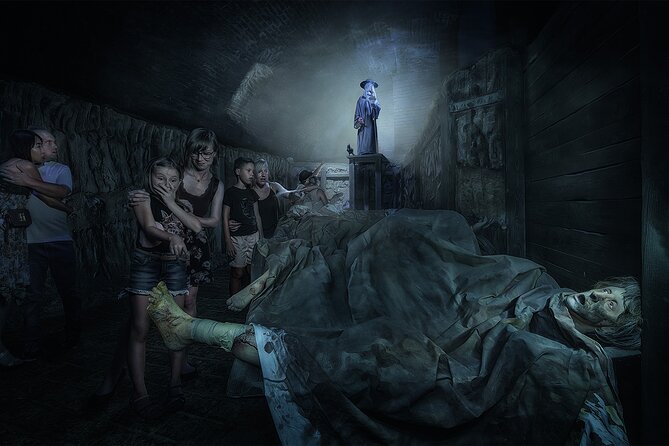
From there, the show moves into medieval Vienna, including the plague years. The plague-pit sequence gives the presentation a darker edge. It is theatrical rather than documentary, but it helps younger visitors understand that city life in the Middle Ages was not all castles, markets, and fancy costumes.
The special effects do much of the work here. The point is not to study Roman military planning or medieval public health in detail. The point is to make distant periods feel tangible through movement, sound, visual scenes, and physical spaces.
If you know little about Austrian history, pay attention to the broad sequence rather than trying to memorize names. The show moves quickly, and one visitor noted that its brief, simple approach can be confusing without some background. A little reading before you arrive can help, but it is not required to enjoy the presentation.
The Habsburgs, Mozart, and Vienna’s musical identity
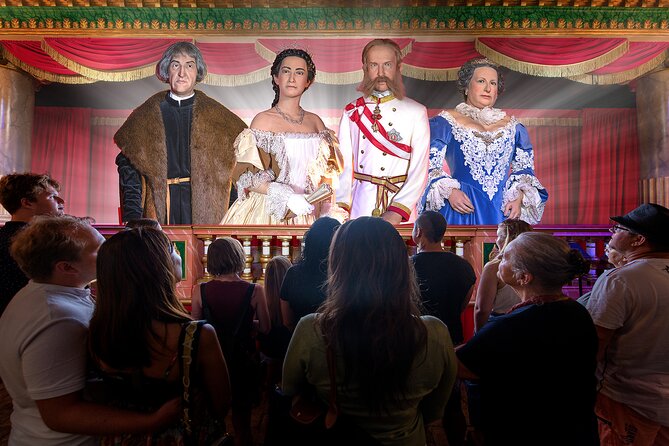
The Habsburg section introduces the imperial family and the role it played in Vienna’s growth. You get a quick look at the city as an imperial capital, with staged figures and visual presentations helping bring the court period to life.
This is one of the most useful parts for first-time visitors because so much of Vienna’s sightseeing centers on the Habsburgs. If you later visit Schönbrunn Palace, the Hofburg, or the Imperial Treasury, you will have a basic sense of why the dynasty matters.
The show then turns toward music, bringing in famous composers such as Mozart and Johann Strauss. A spinning waltz car adds a bit of amusement to this section. It is not a concert or a detailed biography of either composer. It is a quick, light presentation of Vienna’s musical image, with a ride that gives the history some physical energy.
I like this mix because it prevents the experience from becoming a string of talking heads. You are not simply standing in one room listening to a lecture. The changing format helps children stay with the story, and adults get a quick reminder that Vienna’s identity rests on more than imperial buildings.
The humor can feel a little broad. That is part of the appeal for families, but it may not suit you if you prefer quiet museums and long, careful explanations.
The air raid shelter and Austria’s modern past
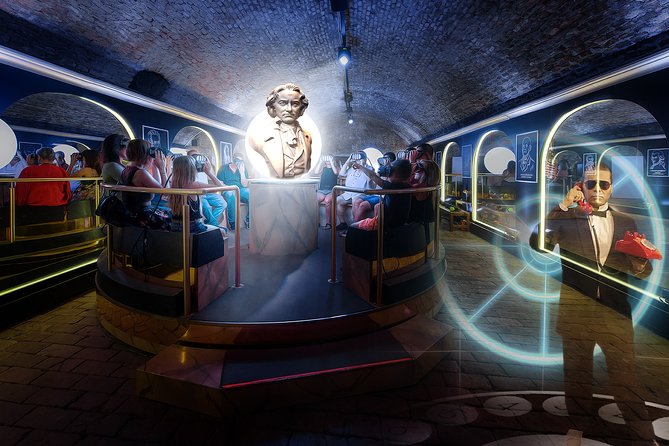
The WWII section takes the tone down a notch. You enter an original air raid shelter and experience a simulation of a bombing raid. This is one of the strongest parts of the program because it places ordinary people inside a frightening moment, rather than treating the war as a list of dates.
The shelter section is described as realistic and thought-provoking. It is still a staged experience, but the physical setting gives it more weight than a short film alone. It also reminds you that Vienna’s history did not end with imperial palaces and elegant waltzes.
The treatment of WWII is brief. One person felt the show should have covered more of the Second World War. That is a fair criticism. The program gives you a glimpse, not a full account of wartime Vienna, the Nazi period, or Austria’s postwar choices.
The final modern-history reference includes Leopold Figl’s famous declaration that Austria is free. Again, you get the symbolic moment rather than a detailed political explanation. For many families, that is enough to spark questions later. For serious history students, it is only a starting point.
A few more options to weigh up in Vienna
- Vienna: Vivaldi’s Four Seasons Concert in Karlskirche
★ 4.7 · 14,951 reviews - Vienna: Spanish Riding School Training
★ 3.9 · 9,281 reviews - Vienna: Schönbrunn Palace & Gardens Skip-the-Line Tour
★ 4.7 · 7,739 reviews - Vienna: Light of Creation Votive Church Immersive Light Show
★ 4.8 · 6,779 reviews
The virtual fiaker ride back to today
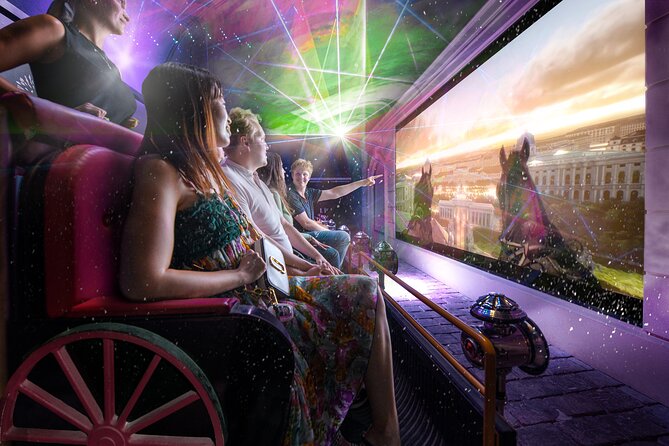
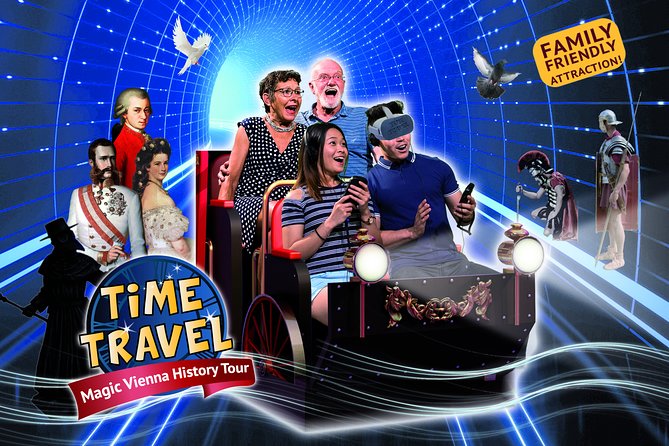
Near the end, a magical carriage ride brings you back toward the present. The experience also includes a virtual fiaker ride, allowing you to see major Vienna landmarks in a way that would be impossible from an ordinary horse-drawn carriage.
This is a clever way to connect the historical sections with the city you are about to explore outside. You can recognize Vienna as a changing place, not just a collection of old buildings. The virtual ride gives you a broad look at the city without requiring much walking.
Do not expect the same detail you would get from a real guide standing beside a landmark. The ride is about visual sweep and entertainment. It works especially well for children, anyone with limited time, or anyone who wants an indoor break from sightseeing.
The simulated rides are simple rather than thrilling. That is good news if you are visiting with a nervous teenager or someone who dislikes intense attractions. One family found the experience suitable even for a 15-year-old who was easily frightened.
How the language system works
The live presentation is delivered in German. If you choose English, you listen through an audio guide that translates the commentary through headphones. Full audio support is also available in Spanish, Italian, French, Japanese, Chinese, Russian, Hungarian, Polish, and Czech.
This arrangement lets the show run as one group experience instead of splitting people into separate language sessions. The maximum group size is 32, which is large enough to feel organized but small enough for the different rooms and effects to work properly.
There is one practical weakness: sound matters. If you are standing near a noisy child or a group that will not settle down, you may miss parts of the translated commentary. That problem is especially frustrating during the more informative sections.
If you are visiting with children, explain beforehand that the headphones are part of the show and that listening matters. The visual effects will hold attention for a while, but the historical story depends on the audio.
Is $27.76 good value for one hour?
At $27.76 per person, this is not the cheapest way to learn about Vienna. You can see many churches, streets, and public spaces for free, and several museums offer more detailed history for a similar amount of money.
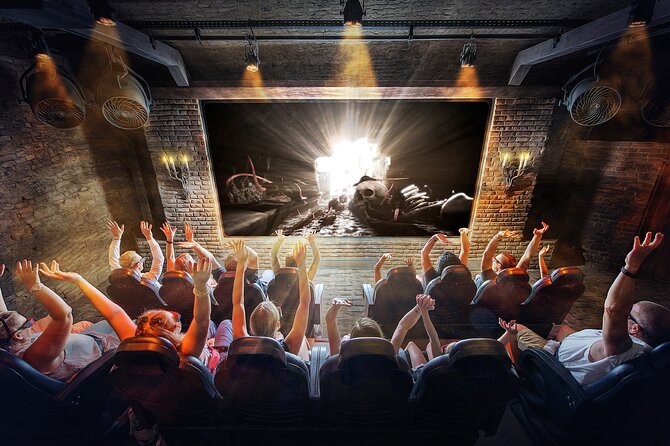
The value comes from the format. You are paying for a timed indoor production with several types of technology, a compact historical route, and a family-friendly pace. The price makes more sense if you have children, want an activity that does not depend on good weather, or have only a short time in Vienna.
I would call it good value for the right audience, not a bargain for everyone. Adults who already know the city’s story may find the content too light. Families can get much more from it because the presentation holds attention better than a traditional lecture.
It also gives you useful sightseeing context. After the show, the Habsburg palaces and musical landmarks have a clearer place in the city’s story. That added orientation is part of the value, especially on a first visit.
Who will enjoy it most?
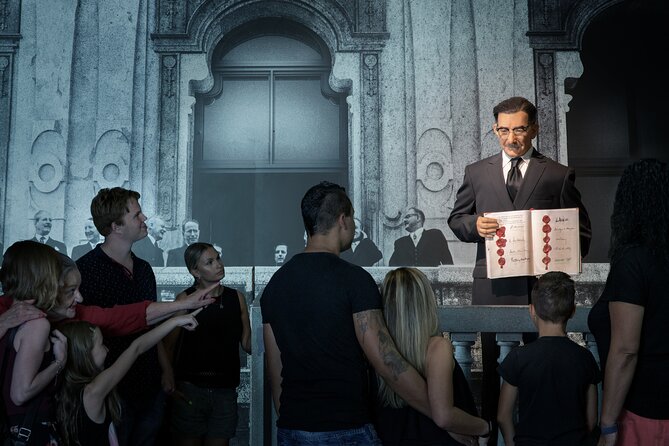
This experience is a strong choice for families with school-age children and teenagers. The combination of video, 3D effects, VR goggles, simulated rides, wax figures, robotics, and short presentations gives different ages something to enjoy.
It also works well for adults who want a cheerful introduction rather than a detailed academic account. If you like history presented with a bit of theater, you will probably appreciate the variety.
I would be more cautious if you dislike staged attractions or want a quiet, authentic encounter with Vienna. You remain inside the show throughout, so you do not experience the city directly. The virtual fiaker cannot replace walking through the Hofburg, standing in a real medieval square, or visiting a palace.
The program can also feel too shallow for anyone seeking a full account of Austria’s difficult past. The plague and air raid scenes offer memorable glimpses, but neither receives the time needed for careful treatment.
Practical advice for planning your visit
The venue is near public transportation and close to central Vienna sightseeing, making it easy to pair with other stops. You could schedule it before or after exploring the Hofburg area, since the historical themes connect naturally.
The ticket is mobile, so you can keep it on your phone. Confirmation is provided at booking. Animals are not allowed inside, a detail worth knowing if you are traveling with a pet.
Most people can take part, and the group size is capped at 32. The English option is provided through simultaneous audio translation, rather than a separate English-speaking live guide.
Book ahead if your schedule is tight. The experience is often reserved around 10 days before the visit, which suggests that popular dates can fill. If your plans change, free cancellation is available up to 24 hours before the start time for a full refund. Changes made within 24 hours are not accepted, and late cancellations are not refunded.
Be careful with time changes made through a booking platform. A changed confirmation may not always reach the venue correctly, so check that the new time is recognized before you arrive. This is a small but important precaution when your Vienna schedule is packed.
How it fits into a Vienna itinerary
I would place Time Travel Vienna early in your visit. It gives you a quick framework for the Roman, medieval, imperial, musical, wartime, and modern periods. You can then explore the real places with more context.
A good follow-up would be a visit to one Habsburg site, since the show introduces the dynasty without explaining every emperor. You might also pair it with a musical landmark or a walk through central Vienna, using the virtual ride as a preview of what you want to see on foot.
Do not use it as a substitute for the city itself. Use it as an orientation tool and a change of pace. Vienna rewards slow walking, and this show works best when it sends you back outside with a better idea of what you are looking at.
Should you book Time Travel Vienna?
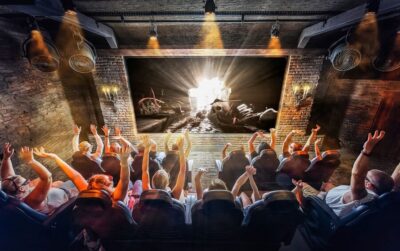
Book it if you want a fun, compact history lesson with children, teenagers, or friends who prefer action to formal museums. The 5D cinema, VR, air raid shelter, waltz car, animatronics, and virtual carriage ride make the hour varied and easy to follow.
Skip it if you want detailed scholarship, long explanations, or a fully realistic account of Vienna’s past. The show simplifies complicated subjects and gives WWII less attention than some people may want.
For most first-time visitors, I see it as a worthwhile add-on rather than a must-see landmark. At $27.76, it earns its place when the weather is poor, your energy is low, or your family needs history with movement and humor. Just keep your expectations in the right place: this is a lively introduction to Vienna, not the final word on its past.
FAQ
How long does Time Travel Vienna last?
The experience is advertised as approximately one hour. Some people find that the full visit lasts closer to an hour and a half.
What language is the tour offered in?
The live commentary is in German. English audio translation is available through headphones, along with Spanish, Italian, French, Japanese, Chinese, Russian, Hungarian, Polish, and Czech.
Is an English-speaking live guide provided?
No. German commentary is translated simultaneously through the audio guide system.
What is included in the ticket?
Admission to Time Travel: The Vienna History Show is included, along with access to the available audio guides.
Is transportation included?
No. Hotel pickup and drop-off are not included, though the venue is near public transportation.
Is food or drink included?
No. Food and drinks are not included.
Are animals allowed inside?
No. Animals are not allowed at Time Travel Vienna.
How many people can join the experience?
The activity has a maximum group size of 32 people.
Is the experience suitable for children?
Yes. The show is widely suited to families and uses VR, films, special effects, animatronics, and simulated rides to present Vienna’s history. Some parts may be more suitable for older children.
Can I cancel for a full refund?
Yes. You can cancel at least 24 hours before the experience start time for a full refund. Cancellations or changes within 24 hours are not accepted or refunded.
Just added in Vienna
- Vienna: Austrian Wine Tasting Experience★ 4.2 · 2 reviews
- World War II History Vienna Old Town Private Walking Tour★ 4.8 · 9 reviews
- Vienna_ Meet Beethoven Life Private Guided Walking Tour★ 5.0 · 1 review
- Vienna: Wine Tasting Tour★ 4.8 · 61 reviews
- Vienna: Wine Tasting E-Bike Tour★ 4.9 · 46 reviews
- Vienna: Wine Tasting at Schönbrunn Palace★ 4.3 · 71 reviews
- Vienna: Winery and Wine Tasting Tour with a Wine Expert★ 5.0 · 5 reviews
- Vienna: Concert by the Vienna Baroque Orchestra★ 4.6 · 56 reviews
Historical Tours, compared.
Vienna Historic Center Small Group Walking Tour
Read our review →
Skip-the-Line Schonbrunn Palace Guided Tour and Vienna Historical City Tour
Read our review →
Vienna Mozart Concert in Historical Costumes at the Musikverein
Read our review →
Browse the lists this tour appears in