
Reviewed · WALKING TOURS
Vienna: Private World War II Walking Tour
History can feel uncomfortably close in Vienna. This private walking tour connects Heldenplatz, Hitler’s 1938 Anschluss speech, and the city’s wartime memorials in one focused route through the historic center. You do not just hear dates. You follow the places where Austria’s political choices, Nazi rule, persecution, war, and postwar occupation played out.
I like the private format, especially for a serious subject that often brings up difficult questions. I also like the clear arc, from Adolf Hitler’s youth in Vienna through National Socialism, the war, the city’s Jewish victims, and the Allied occupation. The main consideration is pace: two to two and a half hours on foot is a lot of ground for a subject that deserves thoughtful explanation, so you may want to keep your schedule open and wear proper shoes.
In This Review
- Key points at a glance
- Starting beside Vienna’s war memorial
- Heldenplatz and the Anschluss
- Hitler’s Vienna and the rise of National Socialism
- Jewish victims, persecution, and Simon Wiesenthal
- Vienna during the war and after Hitler’s downfall
- Walking through Vienna’s historic center
- What $541 means for a private group
- Who will get the most from this tour?
- Should you book the Vienna World War II walk?
- FAQ
- Where does the tour begin?
- How do I recognize the guide?
- Where does the tour finish?
- How long does the walking tour last?
- What languages are available?
- Is this a private tour?
- What subjects does the tour cover?
- Is the tour wheelchair accessible?
- What should I bring?
- Can I cancel for a full refund?
Key points at a glance
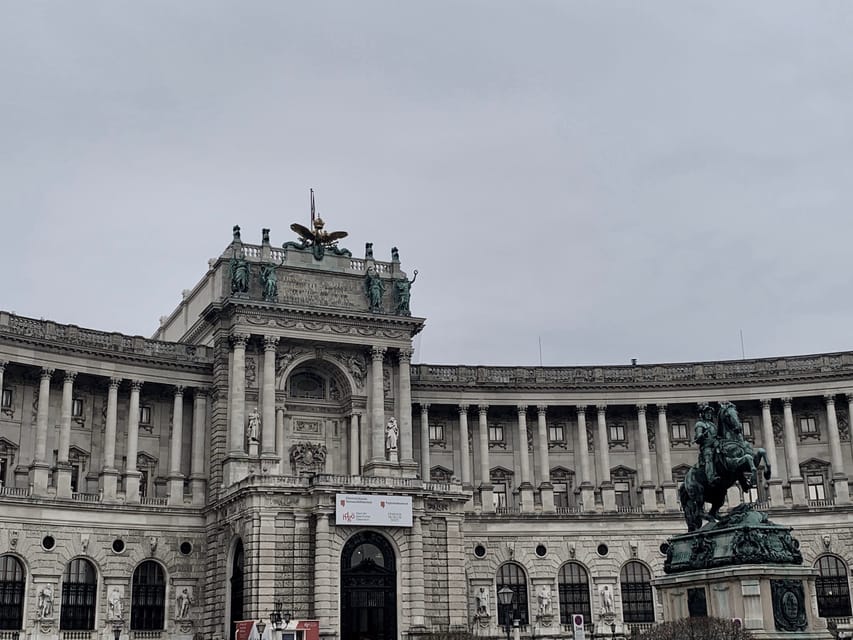
- Heldenplatz anchors the tour: Begin near the square where Hitler announced the Anschluss on March 15, 1938, before a crowd of more than 200,000 people.
- The route covers several periods: You move from Hitler’s youth and the rise of National Socialism to wartime victims, perpetrators, Hitler’s downfall, and Vienna under Allied occupation.
- A private group gives you room to ask questions: The tour is priced at $541 for up to 20 people, so the value improves when shared by a larger family or group of friends.
- The Jewish experience is part of the story: The tour addresses Vienna’s Jewish victims and figures such as Simon Wiesenthal.
- It ends at St. Stephen’s Cathedral: This gives you a central finish in the heart of Vienna, useful for continuing your sightseeing.
- Weather matters: The walk takes place rain or shine, and comfortable shoes are essential.
Starting beside Vienna’s war memorial
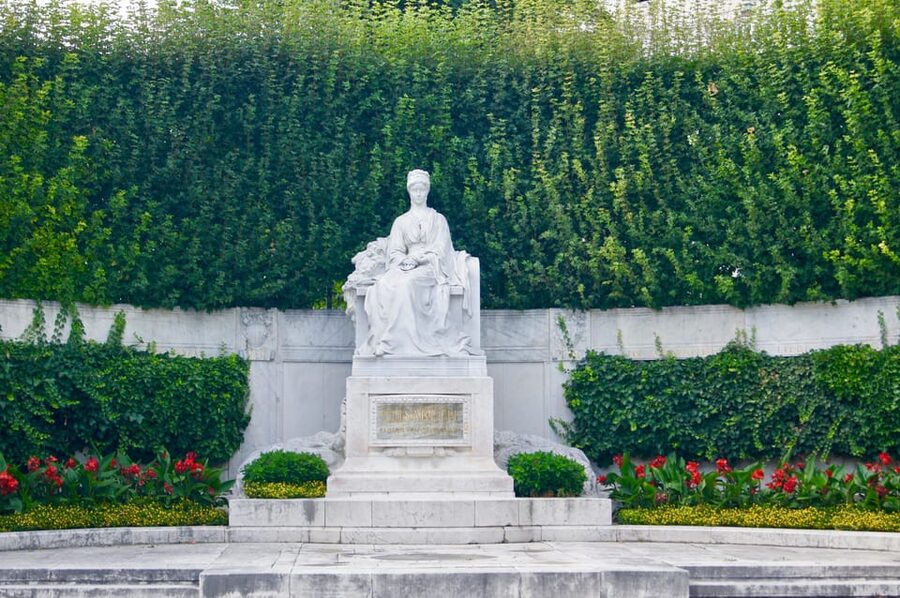
Meet your guide at Helmut-Zilk-Platz, in front of the memorial against war and fascism. Look for the red and white striped umbrella. That detail matters in a busy central area, and it removes the usual first-tour problem of wondering which person is your guide.
The memorial provides a fitting starting point. The tour is not designed as a general introduction to Vienna, nor is it a broad survey of every period in Austrian history. Its purpose is narrower and more serious: to explain how Vienna experienced Nazism, the Second World War, and the years that followed.
Your guide is a state-certified Austria Guide and leads in English or German. The subject calls for more than a list of dates, since the tour deals with political decisions, public support, persecution, responsibility, and memory. A certified local guide can place these events within Vienna’s streets and civic spaces rather than treating them as detached textbook material.
More Walking Tours in Vienna
- Vienna: Guided Walking Tour of City Center Highlights
★ 4.7 · 4,989 reviews - Vienna: Vienna Central Cemetery Guided Walking Tour
★ 4.8 · 3,307 reviews - Vienna: Guided Walking Tour of City Highlights & Hidden Gems
★ 4.9 · 2,180 reviews
Heldenplatz and the Anschluss
The emotional center of the walk is Heldenplatz, or Heroes Square. From its balcony on March 15, 1938, Adolf Hitler announced the Anschluss, the forced incorporation of Austria into Nazi Germany. More than 200,000 people gathered for the speech.
That moment helps explain why the tour begins with public space and public response. The Anschluss was not simply a change of borders on a map. It altered Austria’s government, laws, institutions, and daily life. Standing at the site gives the political event a clear physical setting, while the guide explains how Austria became part of the Third Reich.
This stop also offers a useful corrective to a simple postwar story in which Austria was only a victim of Nazi Germany. The tour’s themes include victims and perpetrators, making room for the difficult question of Austrian involvement and responsibility. You should expect a serious discussion rather than a comfortable patriotic version of the past.
The square is also a practical place to begin because it is open and visually significant. You can take in the setting before moving into the tighter streets of the historic center. Since the tour focuses on interpretation rather than entry to a museum or palace, the quality of the guide’s explanation is especially important here.
Hitler’s Vienna and the rise of National Socialism
The tour examines Adolf Hitler’s youth in Vienna and then connects that period to the rise of National Socialism. The supplied information does not promise access to private interiors or a separate museum visit, so you should think of this portion as a guided historical walk through central Vienna.
That approach has a benefit. You are not asked to view Hitler’s life in isolation. His youth becomes one part of a larger account that includes the city’s political climate, the rise of Nazi power, and Austria’s eventual incorporation into Germany. The guide can also place personal biography beside public events, helping you understand how a city can become part of a movement that later causes enormous harm.
I appreciate that the tour does not stop with Hitler as a dramatic central character. The itinerary moves beyond his youth to victims, perpetrators, the war, his downfall, and the postwar period. That wider focus keeps the tour from turning into a biography walk built around one infamous person.
The private format helps here. If you want to ask how Vienna’s political identity changed, or how the Anschluss affected ordinary life, you can raise the question as it comes up. On a large public walk, the guide must keep moving and may have little time for discussion. A private group gives you more control over the conversation, though the two-hour time limit still requires focus.
Jewish victims, persecution, and Simon Wiesenthal
A key part of the walk addresses Vienna’s Jewish victims. This is essential to understanding the city during Nazi rule, since the story is not only about speeches, armies, and government offices. It is also about people targeted by the regime and the destruction of Jewish life.
The tour also introduces heroes such as Simon Wiesenthal. Including Wiesenthal gives the subject a human figure associated with confronting Nazi crimes and preserving the record of perpetrators. His presence in the tour’s themes signals that the guide will discuss both suffering and the work of remembering and pursuing justice.
You should allow yourself time to listen carefully during this portion. The route is only two to two and a half hours, and the subject cannot cover every person, building, or event in Vienna. Its value lies in connecting the city’s wartime history to individuals and communities, not in checking off a long list of sites.
This is also a reason I favor the private arrangement for families, school groups, and visitors who want a respectful conversation. You can ask for clarification if a term or event is unfamiliar. The topic is difficult, but a good guide can keep it clear and grounded in the places around you.
A completely different kind of day:
- Vienna: Vivaldi’s Four Seasons Concert in Karlskirche
★ 4.7 · 14,951 reviews - Vienna: Spanish Riding School Training
★ 3.9 · 9,281 reviews - Vienna: Schönbrunn Palace & Gardens Skip-the-Line Tour
★ 4.7 · 7,739 reviews - Vienna: Light of Creation Votive Church Immersive Light Show
★ 4.8 · 6,779 reviews
Vienna during the war and after Hitler’s downfall
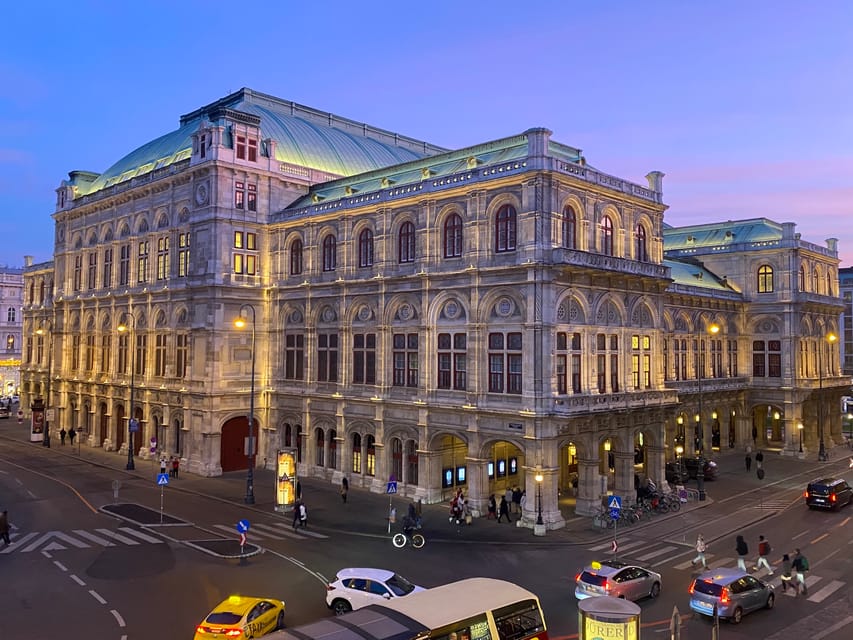
The walk covers the war itself, its victims and perpetrators, and Hitler’s eventual downfall. These themes give the tour a full chronological shape. You are not left at the dramatic moment of 1938, and you do not get a version of the war that ends with a speech or a military defeat.
The postwar section is just as important. Vienna was occupied by the Allied powers, and the tour explains life in the city during that period. This helps you see that liberation did not instantly return Vienna to normal. The occupation became part of the city’s next chapter, shaping how people lived and how Austria dealt with the years of Nazi rule.
The supplied details do not name every stop along this part of the route. That means you should not book the tour expecting a fixed list of interior visits or memorial entries. Instead, expect a guided walk through the central streets, with the historical narrative tied to the places you pass.
This format suits you if you prefer context over spectacle. It is less suitable if you want a museum-heavy experience, a military equipment display, or a tour focused mainly on architecture. The main attraction is the guide’s explanation of how political events affected Vienna and its people.
Walking through Vienna’s historic center
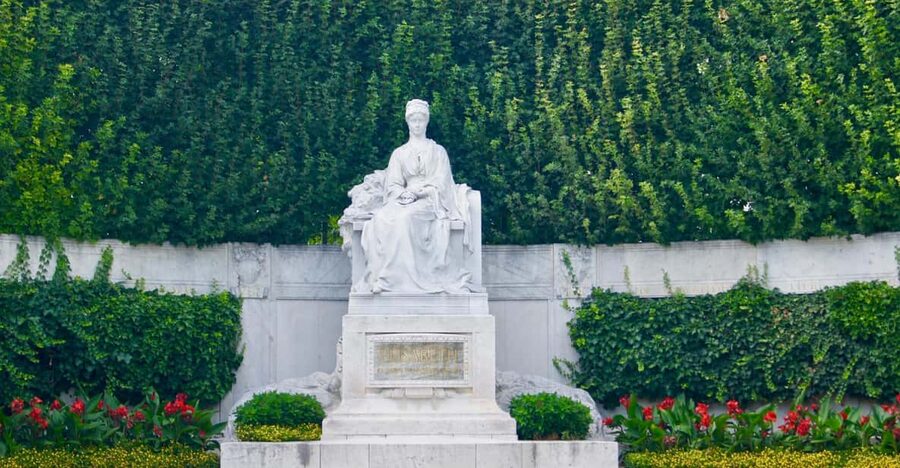
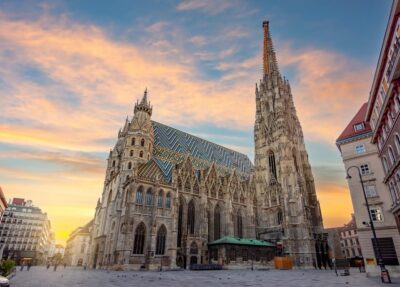
After beginning at Helmut-Zilk-Platz, the tour continues through Vienna’s historic center and finishes at St. Stephen’s Cathedral. This makes the route easy to fit into a day of sightseeing. You end near one of Vienna’s best-known central landmarks, rather than at an out-of-the-way location.
The walk lasts about two hours, with the detailed description giving a range of two to two and a half hours. Check the exact starting time when booking and plan for the longer estimate. A tour that runs over its shortest advertised duration may be useful for questions, but it can affect lunch plans, museum reservations, or a timed concert.
Comfortable shoes are not a minor suggestion. You will be on foot for the full tour, and the guide’s route passes through the city center. Dress for the weather because the tour operates in rain or shine. There is no promise of indoor shelter or a weather cancellation, so take a coat or rain protection when conditions call for it.
The route is wheelchair accessible, which makes the tour available to a wider range of visitors. If mobility needs affect your walking pace, the private format gives you a better chance to discuss those needs with the guide. The provided information does not specify the exact surface conditions or rest points, so it is sensible to confirm any particular requirements before booking.
What $541 means for a private group
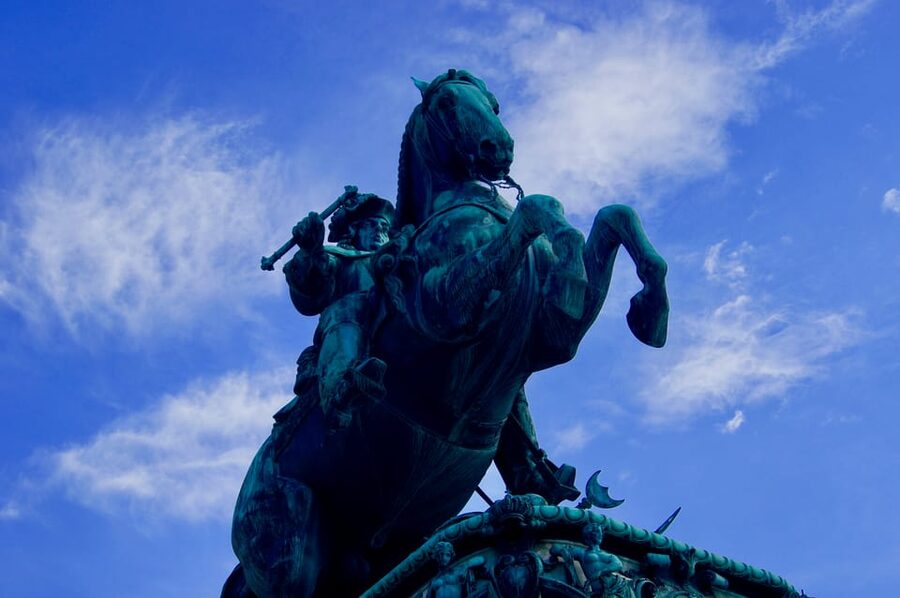
The price is $541 per group of up to 20 people. That is a high total for one couple or a small family, but the calculation changes if you fill much of the group. For 10 people, the cost works out to about $54 per person. For 20, it is about $27 per person.
That makes this tour most appealing to a larger family, a group of friends, a school group, or an organized private party. You are paying for a private guide rather than a seat on a standard group walk, so you gain a more personal setting and the ability to ask questions without competing with a crowd.
For two people, I would compare the price with other private historical walks before booking. The subject may still justify the expense if you want an English-speaking state-certified Austria Guide and a focused route tailored to your interests. But if you mainly want a low-cost introduction to Vienna, this is not the obvious choice.
The reserve-now-and-pay-later option helps if your schedule is still moving. You can reserve without paying today, and cancellation is free up to 24 hours in advance for a full refund. Those terms are useful for a city break where weather, rail delays, or changing plans can affect a walking tour.
Who will get the most from this tour?
I would recommend this experience to you if you want a serious history lesson tied to Vienna’s streets. It is especially well suited to:
- Visitors who want to understand the Anschluss rather than merely photograph Heldenplatz
- Families or friends who can share the private-group cost
- People interested in Jewish history, Simon Wiesenthal, and the problem of responsibility
- Visitors who prefer a guide-led walk to reading plaques or touring alone
- English-speaking or German-speaking groups seeking a certified local guide
- Anyone who wants to connect the Nazi period with Vienna’s Allied occupation
You may want a different experience if you have limited mobility, dislike walking in poor weather, or want a highly detailed museum itinerary. The tour is wheelchair accessible, but it remains an outdoor walk. You should also avoid packing another fixed appointment too close to the end, since the advertised length ranges from two to two and a half hours.
Should you book the Vienna World War II walk?
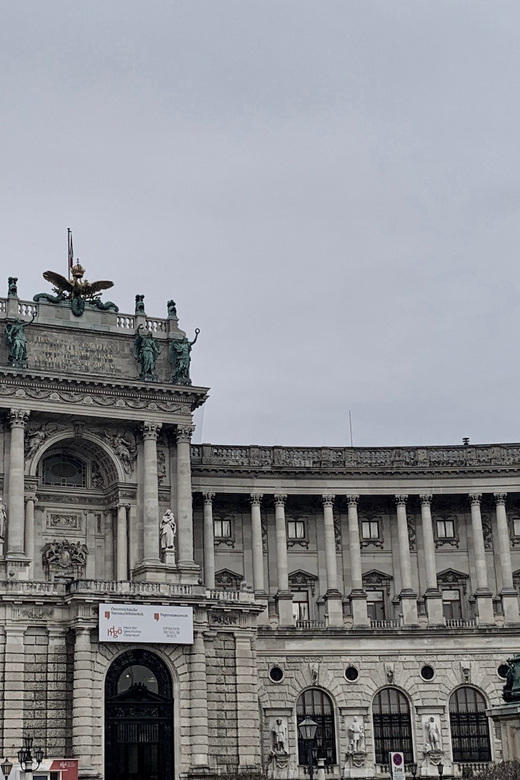
Book it if you want a focused, private explanation of Vienna’s Nazi past, from Hitler’s youth and the Anschluss to Jewish victims, Simon Wiesenthal, the war, Hitler’s downfall, and Allied occupation. The starting point at Helmut-Zilk-Platz, the major stop at Heldenplatz, and the finish at St. Stephen’s Cathedral create a practical central route.
I would skip it if you want a cheap general sightseeing walk or a tour built around indoor exhibits. For a group of several people, the $541 price can be fair value. For only one or two participants, the cost is harder to justify, but the private setting and state-certified guide offer a more personal way to approach one of Vienna’s most difficult chapters.
FAQ
Where does the tour begin?
The tour begins at Helmut-Zilk-Platz, in front of the memorial against war and fascism.
How do I recognize the guide?
The guide will be holding a red and white striped umbrella.
Where does the tour finish?
The walk finishes at St. Stephen’s Cathedral.
How long does the walking tour last?
The duration is listed as two hours, with the detailed tour description giving a range of two to two and a half hours.
What languages are available?
The live guide is available in English or German.
Is this a private tour?
Yes. It is a private group tour, with a price of $541 for up to 20 people.
What subjects does the tour cover?
The tour covers Adolf Hitler’s youth in Vienna, the rise of National Socialism, the Anschluss, the war, victims and perpetrators, Jewish victims, Simon Wiesenthal, Hitler’s downfall, and Vienna during Allied occupation.
Is the tour wheelchair accessible?
Yes, the activity is listed as wheelchair accessible.
What should I bring?
Bring comfortable shoes. Since the tour takes place outdoors, you should also dress appropriately for the weather.
Can I cancel for a full refund?
Yes. You can cancel up to 24 hours in advance for a full refund. You can also reserve now and pay later.
Just added in Vienna
- Vienna: Austrian Wine Tasting Experience★ 4.2 · 2 reviews
- World War II History Vienna Old Town Private Walking Tour★ 4.8 · 9 reviews
- Vienna_ Meet Beethoven Life Private Guided Walking Tour★ 5.0 · 1 review
- Vienna: Wine Tasting Tour★ 4.8 · 61 reviews
- Vienna: Wine Tasting E-Bike Tour★ 4.9 · 46 reviews
- Vienna: Wine Tasting at Schönbrunn Palace★ 4.3 · 71 reviews
- Vienna: Winery and Wine Tasting Tour with a Wine Expert★ 5.0 · 5 reviews
- Vienna: Concert by the Vienna Baroque Orchestra★ 4.6 · 56 reviews
Walking Tours, compared.
Guided Walking Tour of City Center Highlights
Read our review →
Guided Walking Tour of City Highlights & Hidden Gems
Read our review →
Vienna Historic Center Small Group Walking Tour
Read our review →
Browse the lists this tour appears in