
Reviewed · CLASSICAL CONCERTS AND OPERA
Vienna: King of Waltz – immersive Johann Strauss Museum
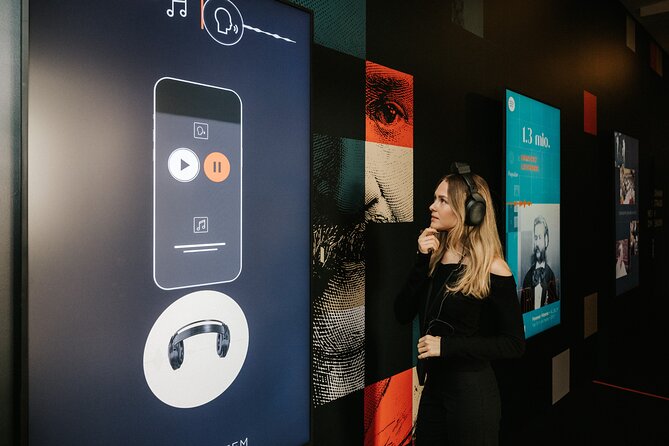
Music history gets a modern makeover here. At the Kleines Haus der Kunst, the Johann Strauss Museum uses seven themed acts, motion-sensitive headphones, location-based 3D sound, and animated displays to tell the story of Vienna’s famous Waltz King. I especially like the creative sound design, which lets Strauss’s music follow you through the rooms, and the composing machine, which gives you a personal waltz to take home as sheet music.
The main thing to consider is the format. This is not a traditional museum with rows of objects and long written labels. It is a 75-minute multimedia show, so visitors hoping for a quiet, artifact-filled look at Strauss’s life may find it more theatrical than expected. Still, the short running time and seating areas make it easy to fit into a busy Vienna day.
In This Review
- Key points about the Johann Strauss Museum
- Starting at Kleines Haus der Kunst
- Seven acts tell Strauss’s story
- How the 3D audio guide works
- Try composing a personal waltz
- Take a printed portrait as Johann Strauss
- Multimedia animations and changing pace
- Is $28.94 a fair price?
- Who will enjoy this most?
- Timing, transport, and practical planning
- How it fits into a Vienna visit
- Should you book the Johann Strauss Museum?
- FAQ
- Where is the Johann Strauss Museum located?
- How long does the museum experience last?
- What is included in the admission price?
- Does the museum use an audio guide?
- Can I create music at the museum?
- Can I take a Johann Strauss portrait home?
- Is free cancellation available?
Key points about the Johann Strauss Museum
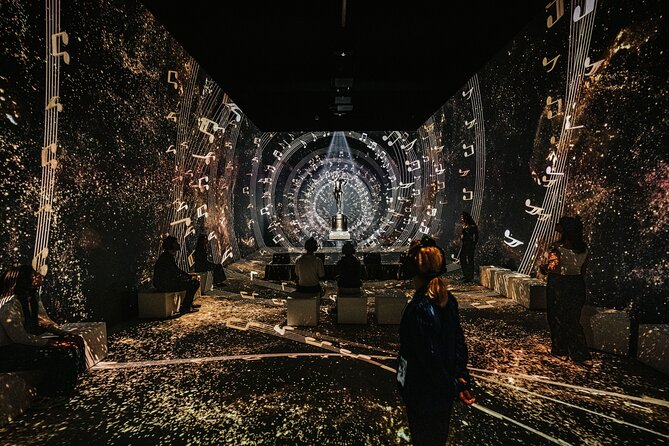
- Seven acts in 800 square meters: The exhibition follows major phases of Johann Strauss’s life through staged rooms, audiovisual displays, and interactive scenes.
- Location-based 3D sound: Your headphones use motion-sensitive technology and GPS-controlled audio to change what you hear as you move through the museum.
- Create your own waltz: An interactive composing machine lets you produce a personal musical piece and take home printed sheet music.
- Make a Strauss-style portrait: You can take a photo as Johann Strauss and have it printed at the museum.
- About 75 minutes long: The compact schedule works well before dinner, a concert, or another central Vienna sight.
- Good for public-transport users: The venue is near public transportation, and a mobile ticket is included for simple entry.
Starting at Kleines Haus der Kunst
The experience takes place at Kleines Haus der Kunst in Vienna, where about 800 square meters are given over to the Johann Strauss exhibition. The setting is built for movement and sound rather than for a conventional museum stroll.
You receive headphones as part of admission, and the audio guide is controlled by your location. Motion-sensitive technology helps connect your movement with the soundtrack, so the presentation is not simply a recording that plays from start to finish in one fixed spot.
That detail matters. Strauss wrote music meant to move bodies around a dance floor, and this presentation tries to make the visitor part of that motion. You are not only standing in front of a screen while someone explains the composer’s life. The exhibition asks you to move, listen, watch, and try a few things yourself.
I would allow the full 75 minutes rather than rushing through. The program is not long by Vienna museum standards, but the different rooms and interactive stations need time. You will want a moment to listen to the soundscape, study the animations, and try the hands-on features.
More Classical Concerts in Vienna
- Vienna: Vivaldi’s Four Seasons Concert in Karlskirche
★ 4.7 · 14,951 reviews - Vienna: Classical Concert in the World-Famous Musikverein
★ 4.6 · 6,673 reviews - Vienna: Classical Concert at St. Stephen’s Cathedral
★ 4.1 · 4,177 reviews
Seven acts tell Strauss’s story
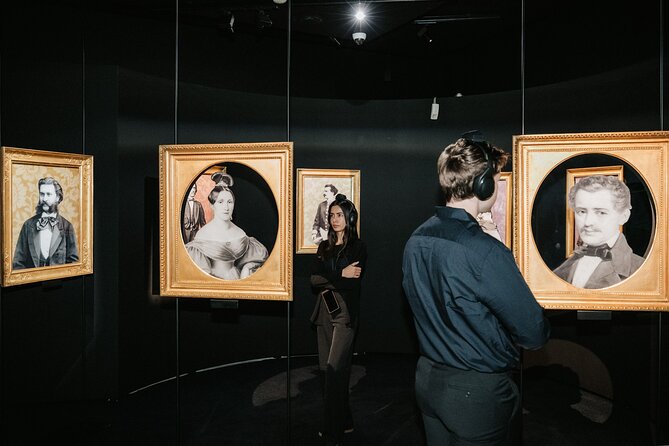
The exhibition is arranged in seven acts that cover important stages of Johann Strauss’s life and work. The supplied information does not name each act individually, so you should think of the layout as a broad chronological and thematic journey rather than a list of separate galleries.
The presentation uses audiovisual installations and staged scenes to place you in the eras and experiences connected with Strauss. That approach gives the exhibition a strong sense of theater. Instead of reading a long account of his career, you receive information through sound, motion, images, and short interactive encounters.
For me, this is the museum’s strongest idea. Strauss is a composer whose music is immediately recognizable, but it can be harder for a modern visitor to picture the world in which his waltzes were performed. The seven-act structure gives the music a setting and a sequence.
The drawback is that multimedia exhibits can sometimes move quickly. If you like stopping to read every caption or studying original objects, you may want a more traditional museum afterward. Here, the main material is the presentation itself.
How the 3D audio guide works
The headphones are more than a standard recorded guide. They are described as motion-sensitive, with a GPS-controlled audio system that responds to your position inside the exhibition.
The location-based 3D sound is designed to make Strauss’s melodies feel as if they are coming from different places around you. As you move, the audio helps shape the scene. This is particularly useful for a composer whose work depends so much on rhythm, movement, and atmosphere.
I like this feature because it keeps the visitor active. You are not tied to one screen or one bench for the entire visit. You can walk through the rooms at your own pace while the sound helps connect the separate scenes.
The headphones are included in the admission price, as is the audio guide. You do not need to arrange a separate rental. Still, anyone who dislikes wearing headphones or prefers live explanation from a human guide should know what kind of experience this is. No guide’s name is provided, and the format centers on recorded and programmed content.
There are places to sit throughout the museum. That is a useful touch, especially because a sound-and-image show can become tiring if you must remain on your feet for the entire 75 minutes. I would use the seating when you want to let one scene play out fully instead of hurrying to the next station.
Try composing a personal waltz
The composing machine is one of the most memorable parts of the visit. It lets you try your hand at creating a waltz, then produces personalized sheet music that you can take home.
This feature gives the museum a playful edge without losing its connection to Strauss. You do not need to be a trained musician to take part. The point is to feel how a waltz is built and to leave with something more personal than a standard museum postcard.
The printed sheet music also makes the visit easier to remember. Many multimedia exhibitions disappear from your mind once the screens are switched off. A piece of music with your own name or design gives you a physical reminder of the afternoon.
I would give this station enough time, especially if you are visiting with children or with friends who enjoy playful challenges. It is also a good break from listening and watching. After moving through several information-heavy scenes, making something yourself changes the pace.
The museum also invites you to act as a composer, musician, or dancer at interactive stations. That range helps explain why the experience suits more than dedicated Strauss fans. You can approach it as a music lesson, a visual show, or a light cultural activity.
A completely different kind of day:
- Vienna: Spanish Riding School Training
★ 3.9 · 9,281 reviews - Vienna: Schönbrunn Palace & Gardens Skip-the-Line Tour
★ 4.7 · 7,739 reviews - Vienna: Light of Creation Votive Church Immersive Light Show
★ 4.8 · 6,779 reviews - Vienna Spanish Riding School Guided Tour
★ 4.7 · 6,765 reviews
Take a printed portrait as Johann Strauss
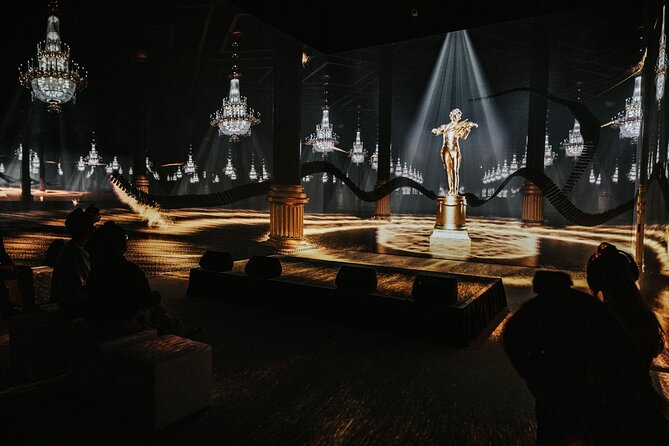
Another hands-on feature lets you photograph yourself as Johann Strauss and have the image printed on the spot. It is a simple idea, but it fits the tone of the exhibition.
This is not a formal portrait sitting or a historic archive photograph. It is a playful chance to place yourself inside the museum’s version of Strauss’s world. I would treat it as a souvenir and a small piece of theater rather than a serious historical record.
The printed photo can be especially useful for families and groups. It gives people who are less interested in musical detail something active to do. It also helps break up the listening portions of the visit.
Because the photo is printed right away, you do not need to rely on remembering to download or collect something later. The available information does not specify whether there is an extra charge, so I would check the local instructions when you arrive if that matters to your budget.
Multimedia animations and changing pace
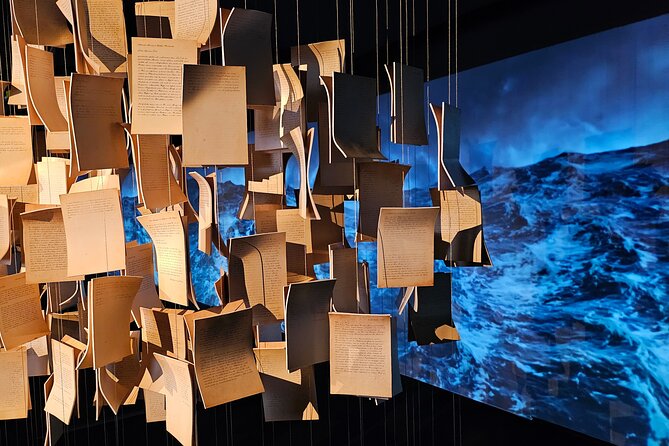
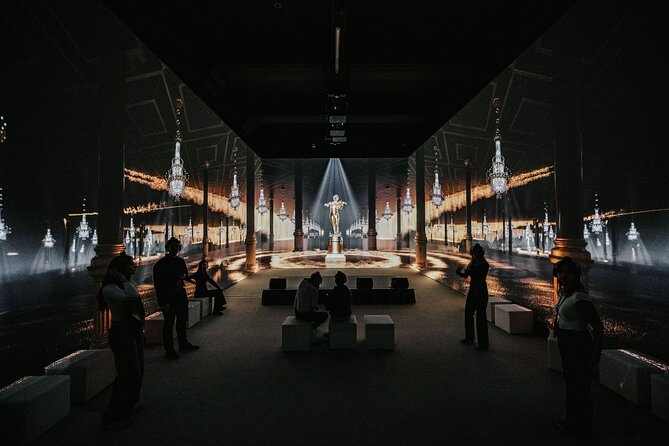
Animations help fill out the exhibition and connect the music with visual scenes. These displays are intended to complete the experience rather than serve as stand-alone art installations.
I like the balance of formats. You hear Strauss through the headphones, see animated material, move through different rooms, and take part in stations that ask you to create or perform. That variety is a good reason the 75 minutes should pass quickly.
At the same time, the technology is the main event. You should not book this expecting a large collection of original Strauss manuscripts, instruments, costumes, or personal objects. The available details focus on audiovisual installations, sound, interactive features, and animated displays.
That distinction is important when judging the price. If you want a classic museum visit centered on physical artifacts, another Vienna museum may give you more of what you seek. If you want a polished presentation that brings music to life through modern equipment, the format makes more sense.
Is $28.94 a fair price?
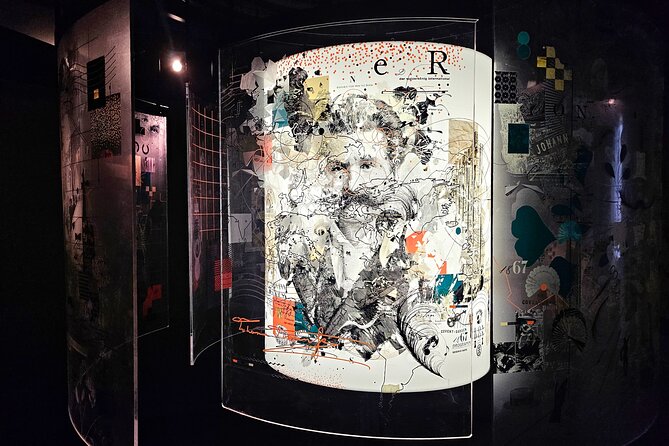
The listed price is $28.94 per person. That is not a bargain admission for a 75-minute visit, so I would judge the value by what is included rather than by the clock alone.
Your ticket includes admission, the audio guide, and headphones. You also receive access to the interactive stations, the composing machine, the printed sheet music feature, the portrait station, and the seven-act presentation. In other words, you are paying for a produced multimedia program, not simply entry to a room of displays.
I think the price is easiest to justify if you enjoy music, theater, digital art, or unusual museum formats. The experience combines several types of activity in one visit, and the composing machine can provide a personal souvenir beyond the usual gift-shop purchase.
For a visitor focused only on the length, the cost may feel high. Seventy-five minutes is a compact visit, and there is no full-day access or extended guided tour included in the information provided. I would compare the ticket with the price of other cultural activities planned for the same day.
The booking pattern suggests that many people reserve about 28 days ahead. That does not guarantee that every date sells out, but it is a useful planning clue. If the museum is a priority, booking several weeks ahead is sensible, particularly when you are building a fixed Vienna schedule around concerts or timed attractions.
Who will enjoy this most?
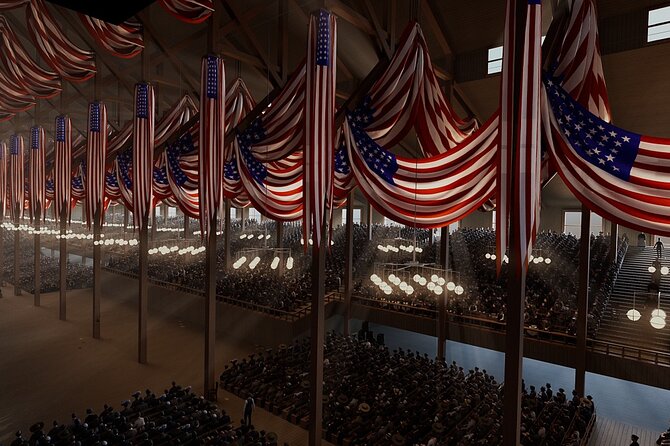
I would recommend the Johann Strauss Museum most strongly to:
- Music lovers who want more than a concert program note about Strauss.
- Families and groups looking for interactive activities rather than long periods of reading.
- Cultural explorers who enjoy seeing classic subjects handled with modern technology.
- Short-stay visitors who need a focused 75-minute activity.
- People planning around public transportation, since the venue is near transit and the ticket is mobile.
The experience can also work for visitors who know very little about Strauss. You do not need a background in classical music to understand that the museum is telling a story through sound, movement, and images.
I would be more cautious if your main goal is original historic material or a quiet research visit. The show is designed to entertain and involve you. It is not presented as a conventional archive or a long scholarly tour.
Timing, transport, and practical planning
You receive a mobile ticket, which keeps entry simple. The venue is near public transportation, making it practical to reach without planning around parking. Parking fees are not included, so driving adds a separate cost.
The scheduled visit lasts approximately 1 hour and 15 minutes. I would leave a small buffer around that time if you have a restaurant booking or another timed activity afterward. The actual presentation may be fixed, but your attention at the interactive stations can affect how quickly you move through.
Confirmation is provided when you book. Most people can participate, according to the available booking information, and seating is available in the museum. Those details make the experience fairly easy to add to a normal sightseeing day.
Cancellation is flexible if you keep an eye on the deadline. You can receive a full refund by canceling at least 24 hours before the local start time. Cancellations or changes made within 24 hours are not accepted for a refund.
How it fits into a Vienna visit
Johann Strauss is closely tied to Vienna’s musical identity, and the waltz remains one of the city’s best-known cultural symbols. This museum gives you a way to connect that familiar image with a structured account of the composer’s life and work.
I would place the visit on a day when you want a break from large historic buildings and formal galleries. The sound system and interactive stations ask you to do something different from simply looking at objects. That contrast can refresh your sightseeing routine.
The experience also works well before or after another music-related activity. It gives you background and context without requiring an entire afternoon. If you are attending a concert later, the composing machine and audio scenes may help you listen more closely to rhythm and orchestration.
The strongest aspect is its sense of participation. You can become a composer at one station, a musician or dancer at another, and Johann Strauss himself in the printed portrait. That playful approach gives the famous name a human scale.
The weakest aspect is the limited traditional material described for the exhibition. Visitors who want to examine original documents or objects should set their expectations accordingly. This is a modern story told with sound, images, motion, and personal interaction.
Should you book the Johann Strauss Museum?
I would book this experience if you want a short, polished, hands-on music attraction in Vienna. The location-based 3D audio, seven-act format, composing machine, and printed portrait give you more to do than simply watch a film, and the seating makes the 75-minute visit manageable.
I would skip it if you are seeking a traditional museum with a large collection of historic objects. At $28.94, the ticket deserves to be judged as a multimedia production. For the right audience, especially music fans, families, and visitors who like inventive cultural displays, it offers a lively introduction to the Waltz King and a souvenir you can make yourself.
FAQ
Where is the Johann Strauss Museum located?
The experience takes place at Kleines Haus der Kunst in Vienna, Austria.
How long does the museum experience last?
The visit lasts approximately 1 hour and 15 minutes.
What is included in the admission price?
Admission, an audio guide, and headphones are included.
Does the museum use an audio guide?
Yes. The experience uses a GPS-controlled audio guide with motion-sensitive headphones and location-based 3D sound.
Can I create music at the museum?
Yes. An interactive composing machine lets you create your own waltz, with personalized sheet music available to take home.
Can I take a Johann Strauss portrait home?
You can take a photo of yourself as Johann Strauss and have it printed at the museum.
Is free cancellation available?
Yes. You can cancel at least 24 hours before the experience start time for a full refund. Cancellations or changes made less than 24 hours before the start time are not refunded.
More Museum Tours in Vienna
- Vienna: Skip-the-Line Sisi Museum, Hofburg and Gardens Tour
★ 4.8 · 5,918 reviews - Vienna Kunsthistorisches Museum Day Admission Ticket
★ 4.6 · 3,690 reviews - Tickets for the Albertina Exhibitions
★ 4.7 · 2,126 reviews - Sigmund Freud Museum Ticket
★ 4.6 · 1,668 reviews
Just added in Vienna
- Vienna: Austrian Wine Tasting Experience★ 4.2 · 2 reviews
- World War II History Vienna Old Town Private Walking Tour★ 4.8 · 9 reviews
- Vienna_ Meet Beethoven Life Private Guided Walking Tour★ 5.0 · 1 review
- Vienna: Wine Tasting Tour★ 4.8 · 61 reviews
- Vienna: Wine Tasting E-Bike Tour★ 4.9 · 46 reviews
- Vienna: Wine Tasting at Schönbrunn Palace★ 4.3 · 71 reviews
- Vienna: Winery and Wine Tasting Tour with a Wine Expert★ 5.0 · 5 reviews
- Vienna: Concert by the Vienna Baroque Orchestra★ 4.6 · 56 reviews
Classical Concerts and Opera, compared.
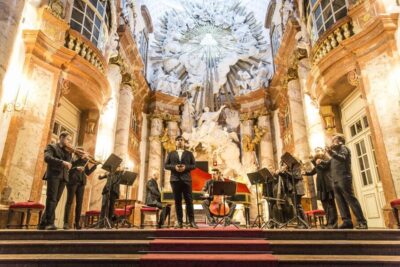
Vivaldi’s Four Seasons Concert in Karlskirche
Read our review →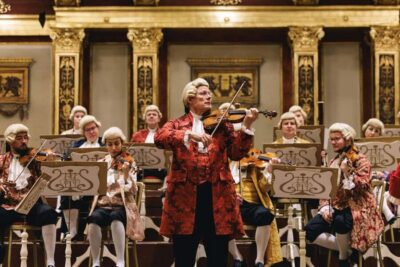
Classical Concert in the World-Famous Musikverein
Read our review →
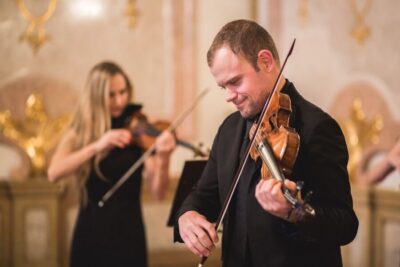
Classical Concert in St. Anne’s Church (Annakirche)
Read our review →
Browse the lists this tour appears in