
Reviewed · CLASSICAL CONCERTS AND OPERA
Vienna: Johann Strauss 200th birthday anniversary exhibition
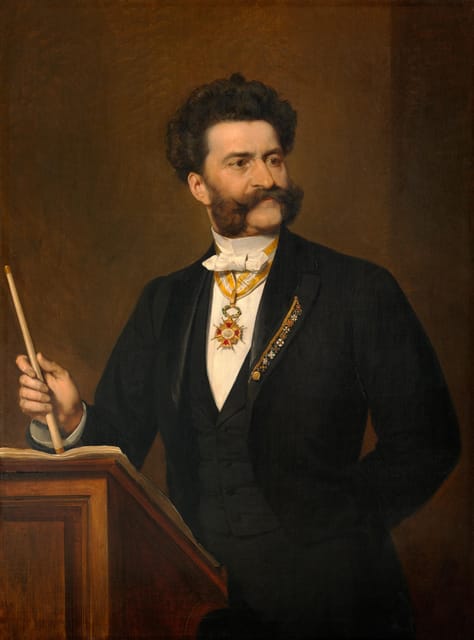
Johann Strauss still sets Vienna moving. This exhibition at the Theatermuseum in Palais Lobkowitz marks the 200th anniversary of his birth with original scores, stage objects, films, and music that show how a local composer became a worldwide sensation. I like the focus on real objects, especially the original score of Die Fledermaus. I also like the way the exhibition connects Strauss’s music with his travels, including his world tour to Boston.
The main drawback is that the audio guide is not included, and the multimedia presentation may not always feel polished. One published comment praised the language, music examples, and information but found the music out of sync with the films. That is a small technical flaw, but it may bother you if you expect a tightly timed audiovisual show.
In This Review
- Key points to know before you go
- Entering Palais Lobkowitz and the Strauss era
- The original score of Die Fledermaus
- Strauss beyond the famous waltzes
- Original objects from performances and written records
- Music, films, and the one technical weakness
- Following Strauss to Boston
- How long should you plan for the visit?
- Is the $18 ticket good value?
- Who will enjoy this exhibition most?
- Practical details before booking
- Should you book the Johann Strauss exhibition?
- FAQ
- Where does the Johann Strauss anniversary exhibition take place?
- What does the ticket include?
- Is an audio guide included?
- Can I see an original score at the exhibition?
- Is the exhibition wheelchair accessible?
- Can I cancel my booking for a refund?
Key points to know before you go
- See the original Die Fledermaus score, one of the exhibition’s most important objects.
- Follow Strauss beyond Vienna, including his international journey to Boston.
- Explore his private and professional life, from his family relationships to his three marriages and love affairs in Russia.
- Hear Strauss’s music during the exhibition, with musical examples that add sound to the displays.
- Visit inside Palais Lobkowitz, a historic setting that suits the composer’s grand theatrical world.
- Pay $18 for one day of admission, with free cancellation up to 24 hours before the visit and wheelchair access.
Entering Palais Lobkowitz and the Strauss era
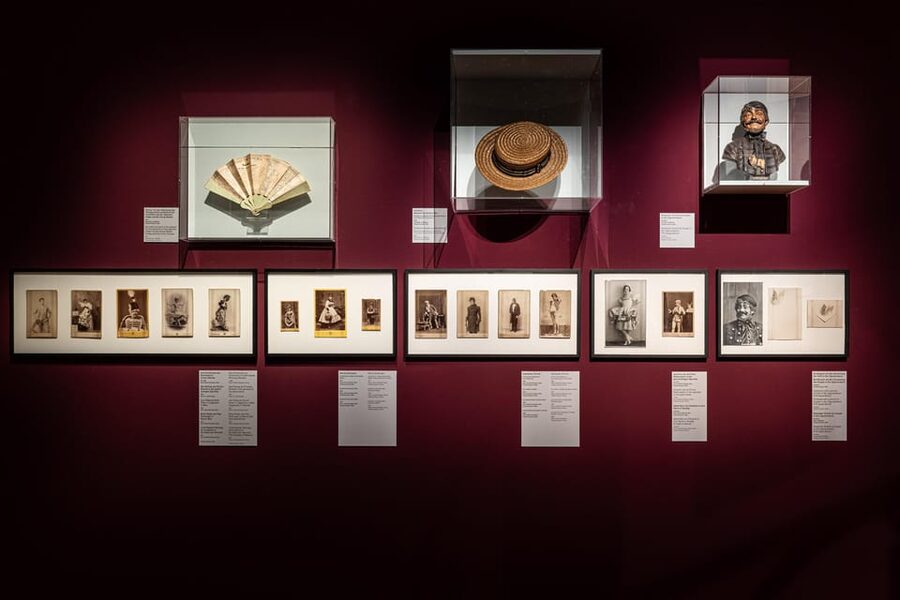
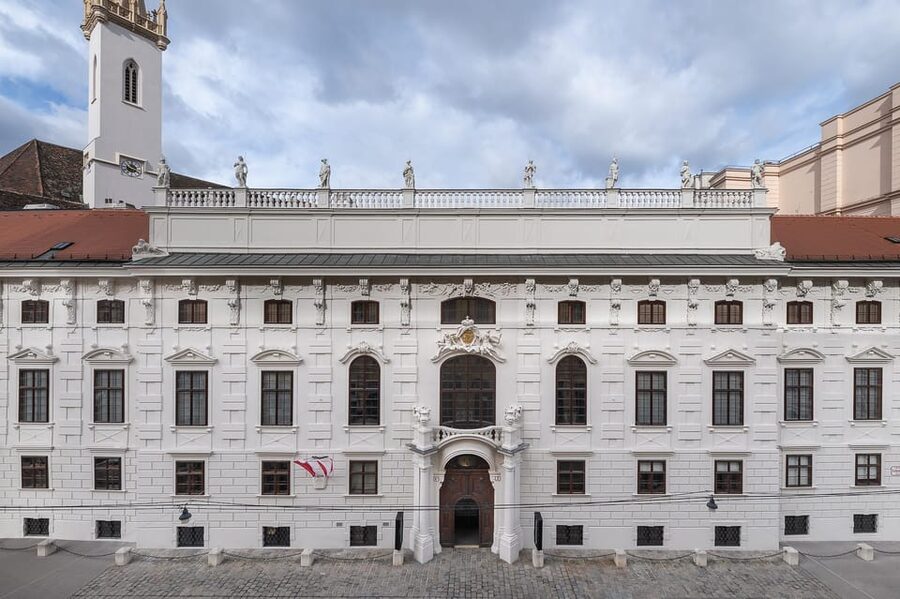
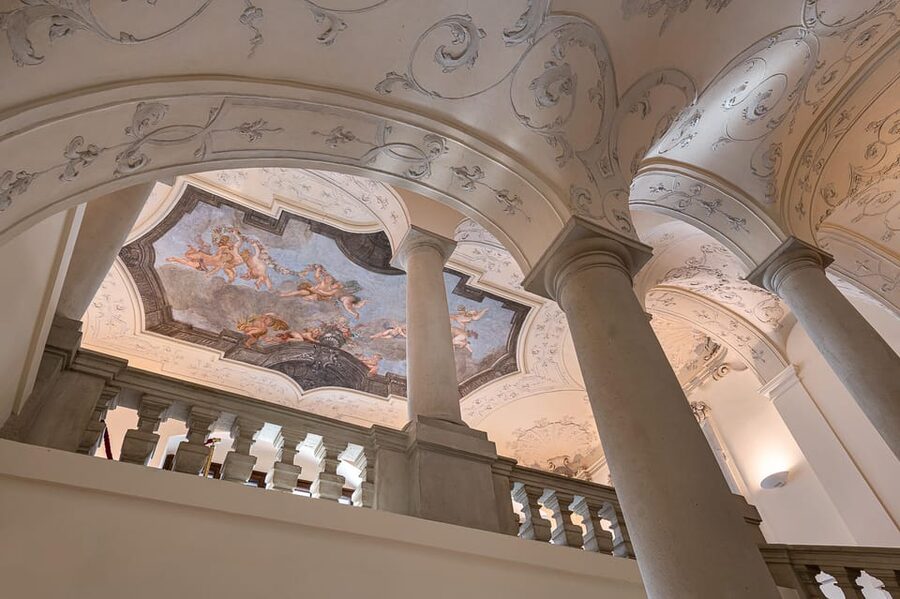
The setting matters here. The Theatermuseum occupies Palais Lobkowitz, giving your visit a suitably grand backdrop before you even reach the exhibition displays. Johann Strauss built his reputation through dance music, concert works, and music theater, so a palace setting helps place his success in the social world of imperial Vienna.
This is not simply a room filled with portraits and famous titles. The exhibition presents Strauss as a working artist whose music had to be written, performed, promoted, traveled, and adapted for audiences far beyond Austria. You get a clearer sense of how the waltz moved from Viennese entertainment to an international cultural export.
The exhibition is part of a joint presentation by the Theatermuseum and the Vienna Library in City Hall. The Theatermuseum section concentrates on Strauss’s artistic production. That means dance and concert music receive plenty of attention, along with his operettas and other music theater works.
I would allow time to look closely at the objects rather than rushing from label to label. The exhibition’s value comes from the connection between the physical items and the larger story. A score is not just a piece of paper here. It points to composition, performance, the theater, and the public appetite that made Strauss famous.
More Classical Concerts in Vienna
- Vienna: Vivaldi’s Four Seasons Concert in Karlskirche
★ 4.7 · 14,951 reviews - Vienna: Classical Concert in the World-Famous Musikverein
★ 4.6 · 6,673 reviews - Vienna: Classical Concert at St. Stephen’s Cathedral
★ 4.1 · 4,177 reviews
The original score of Die Fledermaus
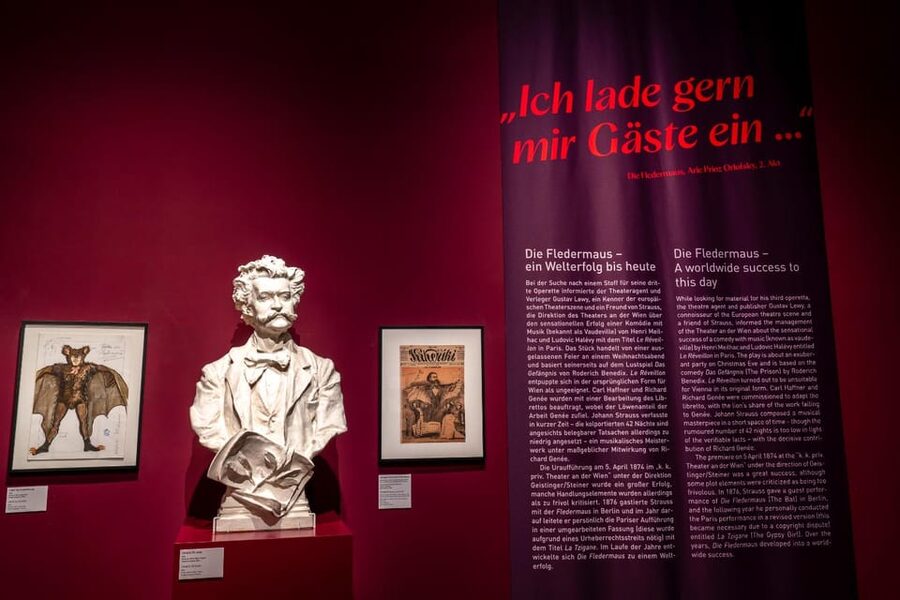
The original score of Die Fledermaus is the clear star for many music lovers. Seeing the composer’s own working material gives the operetta a physical presence that a performance recording cannot provide.
Die Fledermaus also helps explain Strauss’s importance beyond the waltz. He is often reduced to a few familiar orchestral favorites, but his stage works show another side of his career. The exhibition uses original objects from performances and written materials to place his music theater in its proper setting.
You may not read every musical passage on the page, and you do not need advanced musical training to appreciate it. The point is to see the connection between a score and the finished theatrical work. The manuscript represents the planning behind music that was eventually heard by audiences, conducted by performers, and tied to costumes, staging, and public taste.
If you know Die Fledermaus, this display gives familiar music a stronger sense of origin. If you do not know the operetta, the surrounding material provides a useful introduction to Strauss’s theatrical side. Either way, it is worth slowing down here.
Strauss beyond the famous waltzes
The exhibition gives you more than the standard image of Strauss as the smiling composer of elegant ballroom music. His career was demanding, and the show examines the pressure and labor behind his public success.
The phrase Waltz King sounds light and celebratory. The life presented here was less simple. Strauss’s working life, relationships, and public obligations are part of the story, and the exhibition looks at his parents, his brothers, his three wives, and his love affairs in Russia.
That personal material adds balance. You see a gifted composer, but not a cardboard legend. Family ties and romantic relationships affected the world around him, while his professional life required constant output and public attention.
The exhibition does not present the private details as a separate gossip corner. They help explain the person behind the scores. His relationships, family connections, and international work all belong to the story of how Johann Strauss became a public figure.
I appreciate this approach because it keeps the music connected to a human life. You can admire the famous melodies while also recognizing the effort and complications behind them.
Original objects from performances and written records
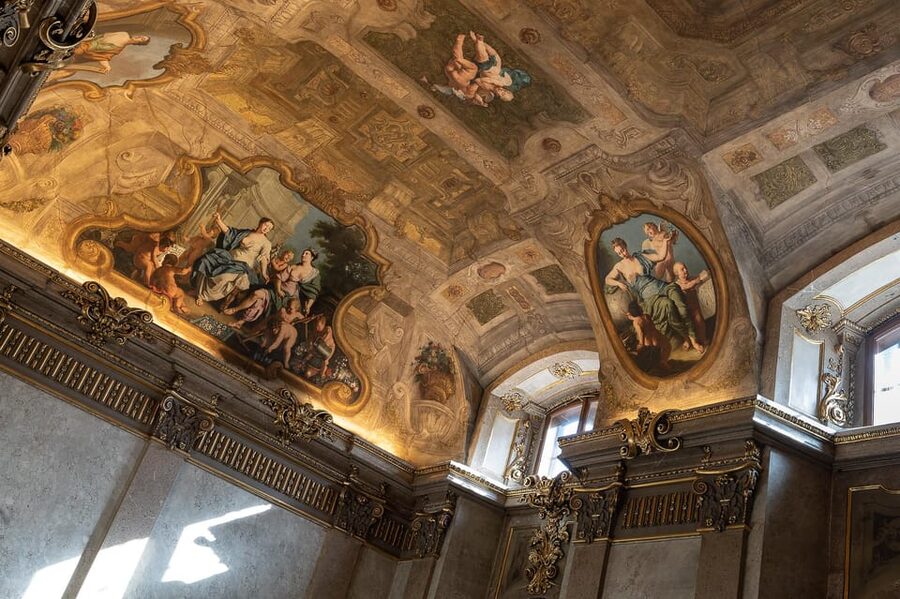
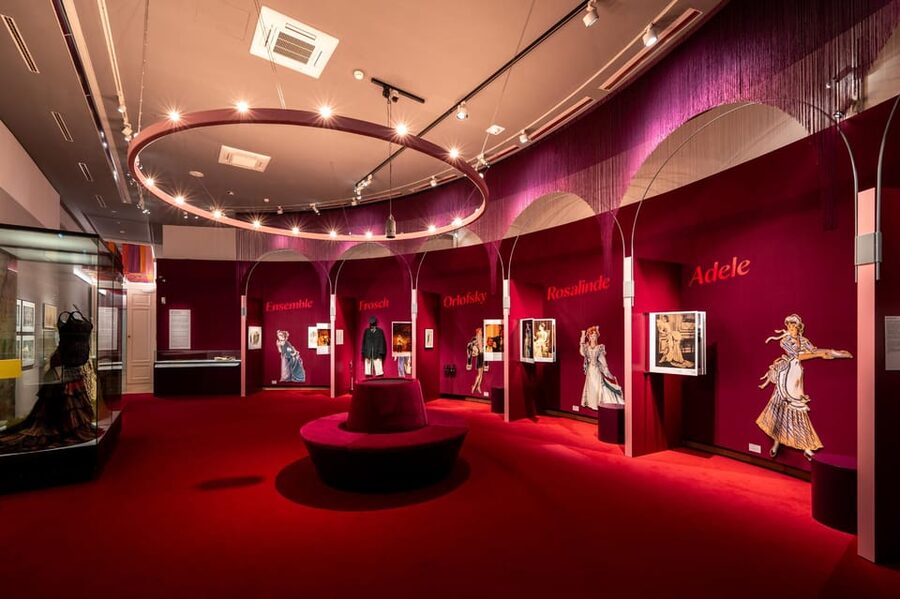
The display includes original objects connected with performances, along with material from Strauss’s written legacy. These items help you picture the practical side of theater and concert life.
A performance is more than a score. It depends on musicians, actors, theater workers, printed material, and an audience ready to respond. Original objects make that process easier to picture than a wall of explanatory text alone.
The historical and political context also receives attention. Strauss’s music was popular in a period of major change, and the exhibition shows how his work belonged to the society and politics of its time. You are encouraged to consider why his music traveled so well and why it still carries meaning today.
This context is especially useful if you arrive knowing only the Blue Danube or the New Year’s concert tradition. The familiar music becomes part of a wider story involving performance, commerce, public life, and international popularity.
The displays also help you compare different parts of Strauss’s output. His dance music, concert music, and theater works are related, but they served different purposes. The exhibition’s range lets you see those distinctions without turning the visit into a technical music lesson.
A completely different kind of day:
- Vienna: Spanish Riding School Training
★ 3.9 · 9,281 reviews - Vienna: Schönbrunn Palace & Gardens Skip-the-Line Tour
★ 4.7 · 7,739 reviews - Vienna: Light of Creation Votive Church Immersive Light Show
★ 4.8 · 6,779 reviews - Vienna Spanish Riding School Guided Tour
★ 4.7 · 6,765 reviews
Music, films, and the one technical weakness
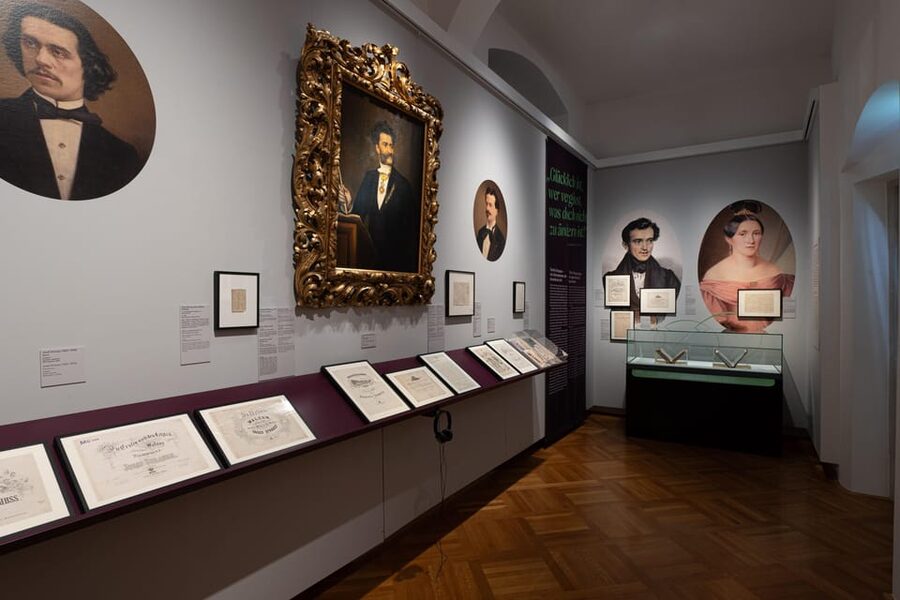
Sound is essential to any exhibition about Johann Strauss, and music examples are included. They give you a chance to connect the objects with the melodies that made Strauss famous.
One published assessment specifically praised the language, musical examples, and information. That is useful guidance for planning your visit. You should expect more than silent displays, and the audio content can help you appreciate why these works had such broad appeal.
The presentation also includes films. The weakness is that the sound is not always synchronized with the images. If the timing remains imperfect during your visit, it may interrupt the effect, especially when you are trying to connect a performance scene with the music you hear.
I would treat the films as supporting material rather than the main reason to buy a ticket. The original score, performance objects, and written records carry the strongest historical value. The multimedia elements add atmosphere and sound, but they should not be expected to function like a fully polished cinema presentation.
The lack of an included audio guide is another point to consider. If you like detailed spoken explanation, check what language and interpretation options are available before booking. The exhibition itself provides information, but the ticket does not include a separate audio guide.
Following Strauss to Boston
The exhibition follows Strauss’s world tour to Boston, a detail that broadens the story beyond Vienna. Strauss’s music was not confined to the city where it became famous. It traveled with performers, publications, concerts, and the public’s growing appetite for Viennese dance music.
Boston is a useful stop in the exhibition because it shows the scale of Strauss’s reach. You can think of it as a case study in cultural travel. Music written in Vienna could be presented to a distant audience and still communicate its energy and elegance.
This section also helps explain why Strauss remains internationally recognizable. His music crossed borders without requiring listeners to understand every detail of Viennese social life. The rhythms, melodies, and theatrical appeal could travel.
I especially like this part for anyone interested in the history of performance and popular culture. It shows that international fame did not arrive through modern recordings or digital media. Strauss’s reputation moved through live events, printed music, touring, and word of mouth.
The Boston material also keeps the exhibition from becoming too inward-looking. You spend time in Vienna, but you are reminded that Strauss’s career had a much wider audience.
How long should you plan for the visit?
The ticket is valid for one day, and you should check availability for the available starting times. The information does not specify a fixed tour length, so your visit can be paced around your interest in the displays and music examples.
I would not schedule this as a rushed stop between major Vienna sights. The exhibition includes personal material, original performance objects, written records, musical examples, films, and international context. You can move through quickly, but you will get more from it if you pause at the key displays.
A one-day ticket gives you useful flexibility. If your schedule changes, free cancellation is available up to 24 hours in advance for a full refund. You can also reserve now and pay later, which is practical when you are arranging several Vienna activities before your final plans are set.
The Theatermuseum’s central setting makes it convenient to combine with other time in Vienna, but the exact transport details are not provided here. Check the address and opening information when you choose your starting time.
Is the $18 ticket good value?
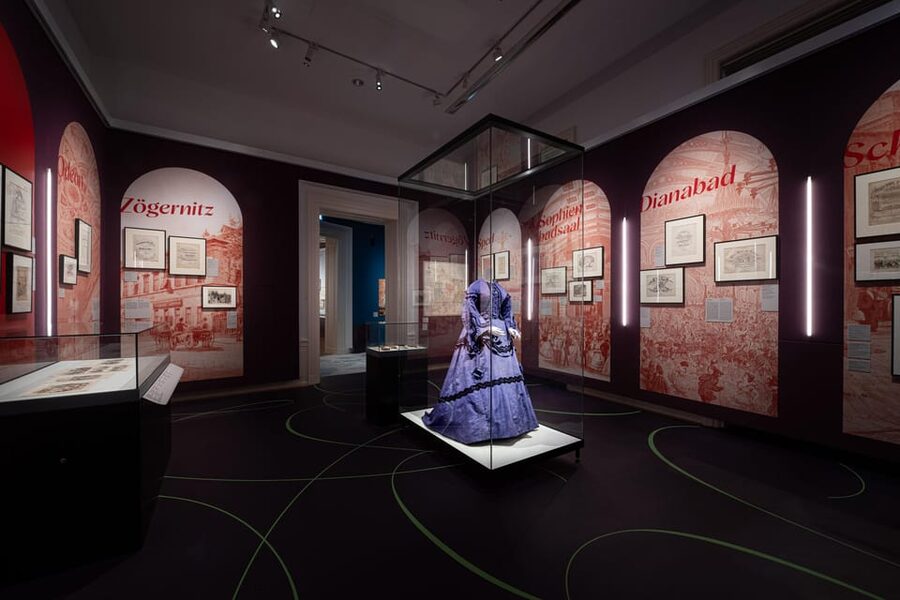
At $18 per person, the ticket is reasonably priced for a focused museum exhibition in central Vienna. The value is strongest if you have a real interest in Strauss, Viennese music, operetta, theater, or the story of cultural fame.
The ticket includes admission to the Theatermuseum in Palais Lobkowitz and the Johann Strauss anniversary exhibition. It does not include an audio guide, so you are paying for the museum setting, the displays, original objects, musical material, and the exhibition’s interpretation rather than a guided tour.
For a dedicated Strauss fan, the original Die Fledermaus score alone may justify the price. Add the performance objects, personal story, music examples, and Boston section, and the visit offers more substance than a simple birthday tribute.
For a casual sightseer, the value depends on your expectations. If you want a full concert, a live waltz performance, or an elaborate theatrical show, this is not that kind of experience. It is a museum exhibition with sound and film elements.
The current rating is 4.7 out of 5 from three published ratings, which suggests a strong response, though the small number means you should treat that score as a helpful signal rather than a final verdict. The positive points are clear: good information, effective music examples, and an impressive overall presentation. The sound and film timing is the main caution.
Who will enjoy this exhibition most?
I would recommend it first to people who already enjoy Johann Strauss or want a fuller understanding of Vienna’s musical identity. It suits anyone curious about operetta, historic performance, original manuscripts, and the way music traveled across the world.
It also works for visitors who want to see Vienna through a cultural subject rather than through another palace room or art gallery. The exhibition connects the city’s musical image with real objects and a complicated personal story.
Families with older children may find the music and visual displays approachable, though the amount of written information could determine how much younger children enjoy it. Since the visit is wheelchair accessible, it is also a practical museum choice for people who need step-free access.
I would think twice if your interest in Strauss is limited to hearing a live concert. This exhibition explains and displays his world, but it does not replace a performance. If you have time for both, the exhibition can make a later concert feel more meaningful.
Practical details before booking
Your ticket is valid for one day, with starting times based on availability. The exact duration is not stated, so avoid building a tightly timed schedule around a precise exit time.
Admission includes the Theatermuseum and the Johann Strauss anniversary exhibition. An audio guide is not included, and the exhibition’s sound and film elements may not always be perfectly synchronized.
The activity is wheelchair accessible. You can cancel up to 24 hours before the visit for a full refund, and the reserve-now, pay-later option keeps your plans flexible.
The experience is provided by the Kunsthistorisches Museum. That is useful to know because this is a formal museum exhibition, not a private walking tour or a live music event.
Should you book the Johann Strauss exhibition?
Book it if you want original material, musical context, and a thoughtful look at the man behind Vienna’s most famous waltzes. The original Die Fledermaus score, the performance objects, and the account of Strauss’s journey to Boston give the exhibition real purpose.
Skip it if you are looking only for a concert or if you dislike reading in museums. The sound and film presentation may have a minor technical flaw, and the missing audio guide could matter to you.
For $18, I see this as a worthwhile Vienna stop for music lovers and a good rainy-day choice for anyone curious about the city’s cultural identity. Give it enough time to move beyond the famous melodies, and you will come away with a more complete picture of Johann Strauss.
FAQ
Where does the Johann Strauss anniversary exhibition take place?
It takes place at the Theatermuseum in Palais Lobkowitz in Vienna, Austria.
What does the ticket include?
The ticket includes admission to the Theatermuseum in Palais Lobkowitz and entry to the Johann Strauss anniversary exhibition.
Is an audio guide included?
No. The audio guide is not included in the ticket.
Can I see an original score at the exhibition?
Yes. The exhibition includes the original score of Johann Strauss’s Die Fledermaus.
Is the exhibition wheelchair accessible?
Yes. The activity is wheelchair accessible.
Can I cancel my booking for a refund?
Yes. You can cancel up to 24 hours in advance for a full refund.
More Museum Tours in Vienna
- Vienna: Skip-the-Line Sisi Museum, Hofburg and Gardens Tour
★ 4.8 · 5,918 reviews - Vienna Kunsthistorisches Museum Day Admission Ticket
★ 4.6 · 3,690 reviews - Tickets for the Albertina Exhibitions
★ 4.7 · 2,126 reviews - Sigmund Freud Museum Ticket
★ 4.6 · 1,668 reviews
Just added in Vienna
- Vienna: Austrian Wine Tasting Experience★ 4.2 · 2 reviews
- World War II History Vienna Old Town Private Walking Tour★ 4.8 · 9 reviews
- Vienna_ Meet Beethoven Life Private Guided Walking Tour★ 5.0 · 1 review
- Vienna: Wine Tasting Tour★ 4.8 · 61 reviews
- Vienna: Wine Tasting E-Bike Tour★ 4.9 · 46 reviews
- Vienna: Wine Tasting at Schönbrunn Palace★ 4.3 · 71 reviews
- Vienna: Winery and Wine Tasting Tour with a Wine Expert★ 5.0 · 5 reviews
- Vienna: Concert by the Vienna Baroque Orchestra★ 4.6 · 56 reviews
Classical Concerts and Opera, compared.
Vivaldi’s Four Seasons Concert in Karlskirche
Read our review →
Classical Concert in the World-Famous Musikverein
Read our review →
Classical Concert in St. Anne’s Church (Annakirche)
Read our review →
Browse the lists this tour appears in