
Reviewed · WALKING TOURS
Vienna: Jewish Life in Leopoldstadt 2-Hour Walking Tour
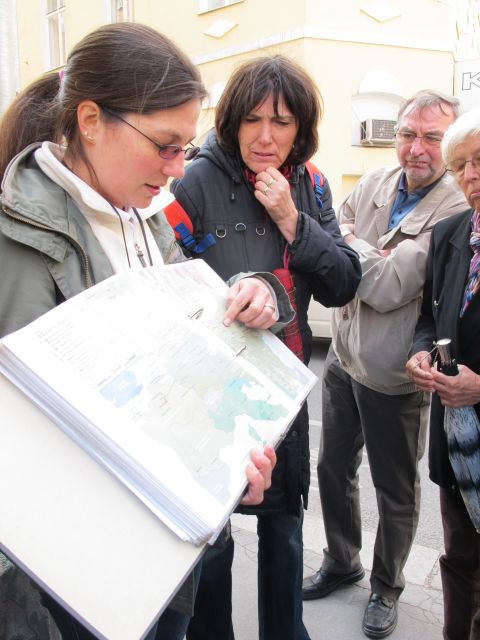
Jewish Vienna leaves clues everywhere. This two-hour walk through Leopoldstadt follows old community sites, vanished houses of worship, and today’s reminders of Jewish life away from the usual city-center route. I like its clear focus and its modest $25 price, which buys a certified guide rather than a long list of unrelated sights. The main catch is simple: the tour is conducted in German, and synagogue entry is not included.
I also like the way the walk connects the early 20th century with Vienna today. You are not just looking at plaques or buildings. You are following the changing shape of a district between the Danube Canal and the Danube, including the commemorative Path of Remembrance. Guides such as Frau Timmermann have been praised for being highly informed, engaged, and entertaining, which matters on a serious subject that could otherwise feel heavy.
In This Review
- Key points to know before you go
- Why Leopoldstadt is the right place for this subject
- Meeting at Taborstraße and finding your bearings
- Reconstructing Jewish life in early 20th-century Vienna
- Synagogues, houses of worship, and what disappeared
- Walking the Path of Remembrance
- Seeing Jewish life in Vienna today
- Is two hours enough for $25?
- Who will get the most from this walk?
- Practical details that affect your day
- Should you book the Leopoldstadt Jewish Life tour?
- FAQ
- Where does the tour meet?
- How long does the walking tour last?
- How much does the tour cost?
- What language is the tour conducted in?
- Is a guide included?
- Is synagogue entry included?
- Are transfers, food, or drinks included?
- Is the tour wheelchair accessible?
- Can I cancel the booking or pay later?
Key points to know before you go
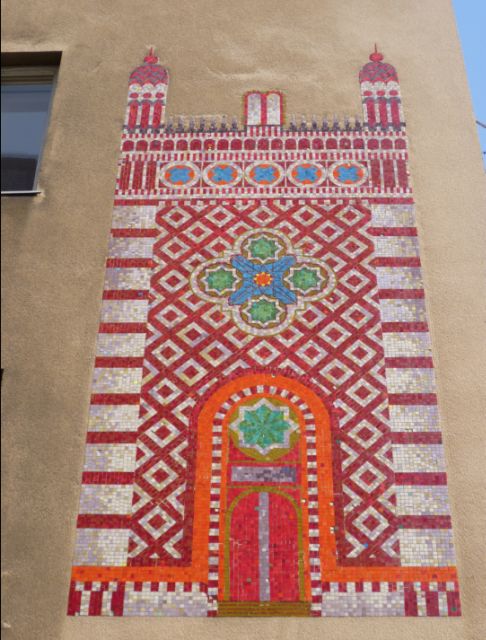
- Leopoldstadt was once a major center of Jewish life in Vienna, and the route focuses on the institutions, synagogues, and houses of worship that shaped the district.
- The walk stays off the standard sightseeing circuit, giving you a different view of Vienna beyond palaces, museums, and grand boulevards.
- The Path of Remembrance links past and present, using commemorative plaques to mark traces of Jewish life and loss.
- A certified German-speaking guide leads the tour, with Frau Timmermann receiving especially strong praise for her clear and lively presentation.
- The $25 fee covers a focused two-hour history walk, but not transport, food, drinks, or entry to a synagogue.
- The tour is wheelchair accessible, and you can cancel up to 24 hours before the start for a full refund.
Why Leopoldstadt is the right place for this subject
Vienna’s Jewish story is not confined to one museum or memorial. It is written into city streets, former community buildings, places of worship, and small plaques that can be easy to miss when you are hurrying between major sights.
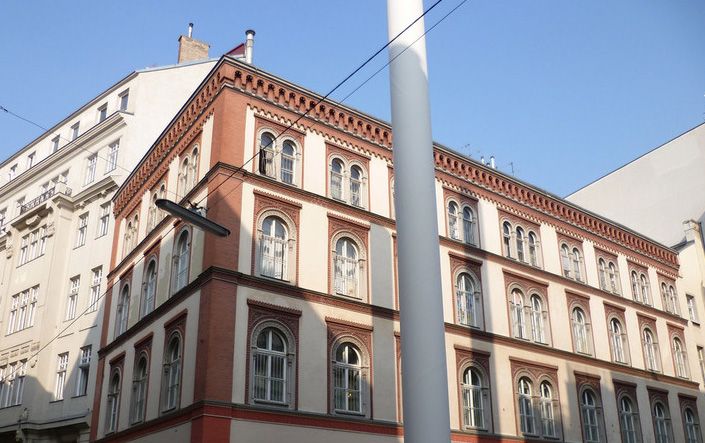
Leopoldstadt is especially useful for understanding that story. The district lies between the Danube Canal and the Danube, and it was once a center of Jewish life in Vienna. That setting gives the tour a strong sense of place. You are not learning about a distant chapter from inside a lecture room. You are walking through the part of the city where social, religious, and community life once took place.
The route also helps you avoid a common problem with historical sightseeing. It does not treat the past as a collection of isolated dates. Instead, it asks you to notice what remains, what disappeared, and how Jewish life continues in Vienna today.
That combination makes the experience useful for anyone who has already seen the central landmarks and wants to understand another side of the city. It also works well as an early historical walk, since it can give later museum visits and memorial sites more context.
More Walking Tours in Vienna
- Vienna: Guided Walking Tour of City Center Highlights
★ 4.7 · 4,989 reviews - Vienna: Vienna Central Cemetery Guided Walking Tour
★ 4.8 · 3,307 reviews - Vienna: Guided Walking Tour of City Highlights & Hidden Gems
★ 4.9 · 2,180 reviews
Meeting at Taborstraße and finding your bearings
The meeting point is outside the U2 station at Taborstraße, at Obere Augartenstraße 74 in Vienna’s 2nd district. Use the Taborstraße exit and meet directly outside the station.
This is a practical starting point because it is tied to public transport rather than a hard-to-find address inside a large square or complex. Still, give yourself enough time to identify the correct exit. Large stations can have several ways out, and arriving a few minutes early is sensible.
The tour lasts two hours. That is long enough to build a connected story without taking over your whole day. You will want comfortable shoes, since the experience is conducted on foot, and you should dress for the weather. Food and drinks are not included, so plan those separately rather than expecting a café stop to be part of the route.
The group size is not specified, so I would not book this expecting either a private walk or a guaranteed small group. The quality of the guide will be particularly important if the group is larger.
Reconstructing Jewish life in early 20th-century Vienna
The first major theme is Jewish life in Vienna at the beginning of the 20th century. The guide explains how Leopoldstadt functioned as a social and community center, not simply as a residential district.
You will learn about the institutions that shaped daily life. The supplied details do not name each building or give a fixed list of stops, so you should expect the guide to interpret the streets and surviving traces rather than present a museum-style lineup of preserved interiors.
That is part of the value. A building can survive while its original role fades from public view. A plaque can mark a place that no longer looks important. A good guide helps you connect those ordinary-looking locations with the people and organizations that once used them.
The strongest praise for this experience focuses on that presentation. The German descriptions of Frau Timmermann call her highly engaged, very informed, competent, and entertaining. Those comments suggest a guide who keeps the material moving instead of turning the walk into a dry recital of names and dates.
You should also expect the emotional tone to change. The tour begins with the structure of Jewish community life, then moves toward the damage and disappearance caused by the Second World War. This is serious material, but a well-paced walking tour can make it easier to absorb in stages.
Synagogues, houses of worship, and what disappeared
A central part of the walk is the story of the synagogues and other houses of worship that existed before the Second World War. Their importance was not only religious. They were signs of a settled community with its own institutions, gathering places, and public presence.
The tour helps you picture a district in which Jewish life was visible and organized. That historical perspective matters because it counters the idea that Jewish history in Vienna begins and ends with persecution and memorials. The walk first shows the community as a living part of the city, then explains how that world was destroyed.
Do not expect synagogue entry. Entrance is specifically excluded, so the experience is an exterior and street-level tour rather than a visit inside a functioning place of worship.
That limitation is worth considering. If you want detailed architectural access or an interior tour, this will not fill that role. If you want to understand where houses of worship stood and what they meant to the district, the outdoor format is more suitable.
The route’s off-the-beaten-path character is another advantage here. Vienna’s grand center is full of famous buildings that compete for your attention. Leopoldstadt offers a quieter setting for noticing modest remnants and considering how much can be lost when a community is removed from its streets.
A completely different kind of day:
- Vienna: Vivaldi’s Four Seasons Concert in Karlskirche
★ 4.7 · 14,951 reviews - Vienna: Spanish Riding School Training
★ 3.9 · 9,281 reviews - Vienna: Schönbrunn Palace & Gardens Skip-the-Line Tour
★ 4.7 · 7,739 reviews - Vienna: Light of Creation Votive Church Immersive Light Show
★ 4.8 · 6,779 reviews
Walking the Path of Remembrance
The commemorative plaques marked Path of Remembrance give the tour a clear visual thread. Instead of hearing about history only in broad terms, you follow markers connected to specific places.
Plaques can be easy to overlook when you are exploring independently. On this tour, the guide provides the context that turns them into part of a larger story. You learn why a location matters and how it fits into the former community.
For me, this is one of the strongest reasons to book a guided walk rather than simply download a map. A memorial marker tells you that something happened, but it may not explain the neighborhood around it, the role of nearby institutions, or the difference between what remains and what has vanished.
The route also encourages a slower way of seeing Vienna. You are not racing toward a single grand monument. You are moving from clue to clue, allowing the district itself to carry part of the lesson.
Because the tour is only two hours, the experience should feel focused rather than exhaustive. It cannot cover every aspect of Jewish Vienna, and it is not presented as a complete history of the city. Think of it as a concentrated introduction to one district and its changing Jewish identity.
Seeing Jewish life in Vienna today
The walk does not stop with the prewar period. It also considers how Jewish people live in Vienna today.
That final connection is important. A tour centered only on destroyed synagogues and memorial plaques can leave you with the false impression that Jewish life in Vienna belongs entirely to the past. By including the present, the experience shows continuity as well as loss.
The supplied information does not specify particular modern institutions, organizations, or buildings visited on the route. You should therefore avoid expecting a detailed survey of every current community site. The emphasis is on seeing old and new traces together and understanding that the city’s Jewish story is ongoing.
This balance is one of the tour’s most useful features. You get the former center of Jewish life, the evidence of what happened during the war years, and a link to the community that exists now.
For many people, that will make the walk more meaningful than a purely memorial-focused route. It gives you a way to think about Vienna as a living city, not just a place displaying its past.
Is two hours enough for $25?
At $25 per person, the tour is well priced for a guided two-hour experience, especially if the guide gives the subject the clarity and energy praised in the strongest comments. The cost is low enough to fit alongside a museum visit or another paid attraction, yet the topic is specific enough to offer something you are unlikely to get from a standard city tour.
The value comes from interpretation. You are paying for a certified German-speaking guide who can connect locations, explain the social role of the district, and place the memorial plaques within a larger story.
You are not paying for transport, refreshments, or admission to a synagogue. Those exclusions keep the price straightforward, but they also mean you should budget for your own arrival and any separate visits you want to make afterward.
A two-hour duration is also a good compromise. A shorter route might feel rushed, while a full-day Jewish history program could be too much for a first introduction. The format leaves room in your schedule for other parts of Vienna.
The rating of 4.9 from 109 reviews supports the impression of a consistently well-received experience. The praise is especially strong around the guides: informative, competent, well organized, and entertaining. I would place more weight on those repeated qualities than on the rating alone, since a walking tour on this subject depends heavily on presentation.
Who will get the most from this walk?
I would choose this tour if you want historical context, a local district rather than a checklist of landmarks, and a serious subject handled in a clear way.
It is a good fit for:
- People interested in Jewish history and modern European history
- Visitors who have already seen Vienna’s central sights
- Anyone who prefers a guide to explain memorials and urban traces
- German speakers looking for a focused walking tour
- Visitors who want an accessible activity that lasts only two hours
The German-only format is the biggest practical filter. If you do not understand German, you will not get the full value of the guide’s explanations. The experience is also not designed as a synagogue visit, so it may disappoint anyone mainly seeking religious interiors or architectural access.
Families and mixed-interest groups should think about the subject matter. The walk deals with the destruction of Jewish life during the Second World War, so it is more serious than a general city stroll. The two-hour length helps keep it manageable, but the historical content still deserves attention.
Practical details that affect your day
Meet outside the U2 station at Taborstraße, exit Taborstraße, at Obere Augartenstraße 74. Check the available starting times when booking, since the exact departure schedule is not fixed in the supplied information.
The tour is wheelchair accessible. That is useful for planning, though you may still want to confirm any personal mobility needs before booking, since the route is conducted outdoors on city streets.
You can reserve now and pay later, which helps if your Vienna schedule is still changing. Free cancellation is available up to 24 hours before the tour for a full refund.
The operator is Vienna Walks & Talks. The tour is led by a certified guide and is offered in German. Bring suitable shoes and weather-appropriate clothing, and do not count on food, drinks, transfers, or synagogue entry being included.
Should you book the Leopoldstadt Jewish Life tour?
Book it if you want a focused, thoughtful walk through one of Vienna’s most important former Jewish districts, and if you can follow German comfortably. The combination of early 20th-century community life, vanished houses of worship, memorial plaques, and present-day Jewish life gives the two hours a clear purpose.
The strongest reason to choose it is the guide-led interpretation, particularly if Frau Timmermann is leading your departure. Her praise for being engaged, highly informed, and entertaining matches exactly what this subject needs.
Skip it if you want synagogue interiors, a tour in English, or a broad overview of all Vienna’s top sights. For everyone else, $25 is a fair price for a serious local-history walk that takes you beyond the usual palace-and-coffeehouse circuit.
FAQ
Where does the tour meet?
The meeting point is at Obere Augartenstraße 74 in Vienna’s 2nd district, directly outside the U2 station at Taborstraße. Use the Taborstraße exit.
How long does the walking tour last?
The tour lasts two hours.
How much does the tour cost?
The price is $25 per person.
What language is the tour conducted in?
The tour is conducted in German, with a live German-speaking guide.
Is a guide included?
Yes. A certified tour guide is included.
Is synagogue entry included?
No. Entry to a synagogue is not included.
Are transfers, food, or drinks included?
No. Transfers, food, and drinks are not included in the tour price.
Is the tour wheelchair accessible?
Yes. The activity is wheelchair accessible.
Can I cancel the booking or pay later?
You can cancel up to 24 hours in advance for a full refund. You can also reserve your place and pay later.
Just added in Vienna
- Vienna: Austrian Wine Tasting Experience★ 4.2 · 2 reviews
- World War II History Vienna Old Town Private Walking Tour★ 4.8 · 9 reviews
- Vienna_ Meet Beethoven Life Private Guided Walking Tour★ 5.0 · 1 review
- Vienna: Wine Tasting Tour★ 4.8 · 61 reviews
- Vienna: Wine Tasting at Schönbrunn Palace★ 4.3 · 71 reviews
- Vienna: Winery and Wine Tasting Tour with a Wine Expert★ 5.0 · 5 reviews
- Vienna: Wine Tasting E-Bike Tour★ 4.9 · 46 reviews
- Vienna: Concert by the Vienna Baroque Orchestra★ 4.6 · 56 reviews
Walking Tours, compared.
Guided Walking Tour of City Center Highlights
Read our review →
Guided Walking Tour of City Highlights & Hidden Gems
Read our review →
Vienna Historic Center Small Group Walking Tour
Read our review →
Browse the lists this tour appears in