
Reviewed · HISTORICAL TOURS
Vienna: Imperial History Guided Walking Tour
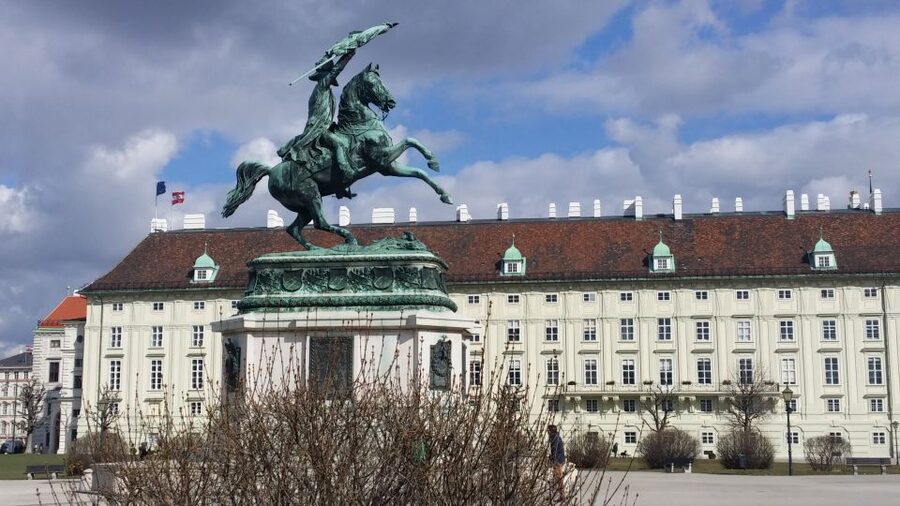
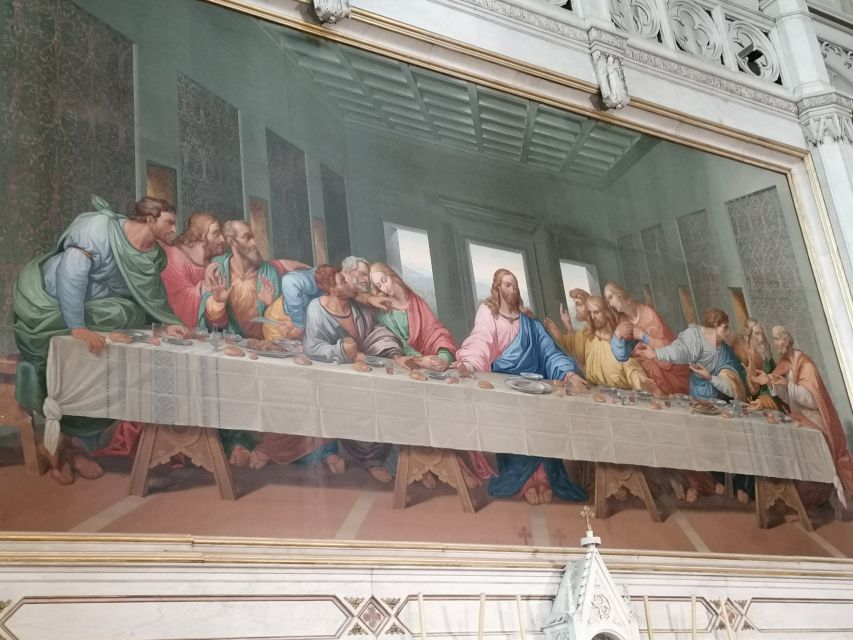
Vienna’s imperial past is hiding in plain sight. This two-hour walk brings the Habsburg story into focus around Hofburg Palace, with a private group option that keeps the experience personal and flexible. I like the clear route through Heldenplatz, the Imperial Treasury, the National Library, and the Spanish Riding School. I also like the stop inside Minoritenkirche, where you can see a mosaic copy of Leonardo da Vinci’s Last Supper.
The main consideration is simple: Hofburg interiors are not included. You will see the palace courtyards and learn how its rooms are used today, but you will not enter the Imperial Treasury or other palace collections. For a visitor who wants context before choosing which museum to visit, that is useful. For someone expecting a full palace tour, it may feel incomplete.
In This Review
- Key points at a glance
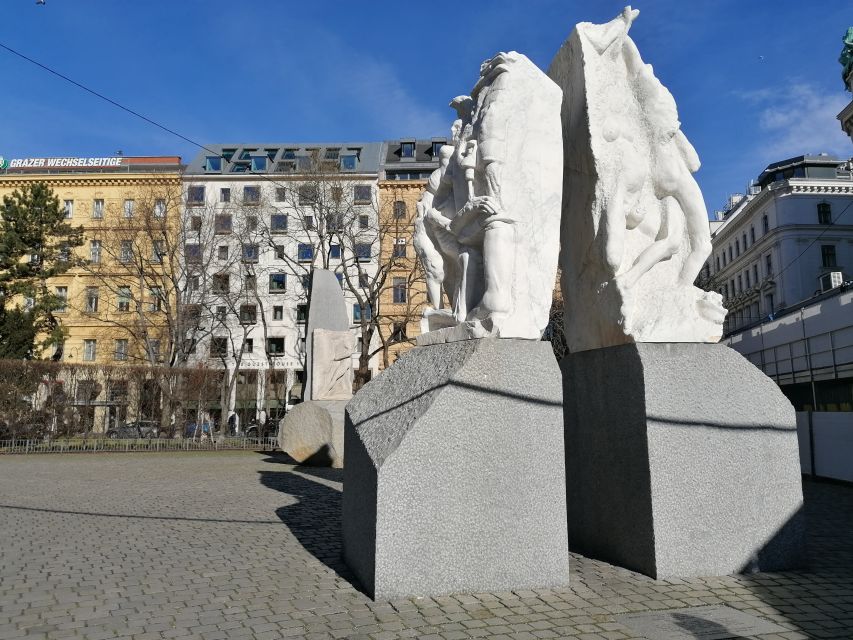
- Starting beside the Albertina and Archduke Albrecht
- Hofburg Palace, where 700 years meet
- Heldenplatz and the public face of empire
- The Habsburg dynasty in human terms
- The Imperial Treasury, National Library, and Spanish Riding School
- Minoritenkirche and the Last Supper mosaic
- The Congress of Vienna and a reshaped Europe
- An old palace with modern government inside
- What $328 means for your group
- Languages, access, and practical planning
- Who should book this Vienna walk?
- Should you book it?
- FAQ
- How long does the Vienna Imperial History Guided Walking Tour last?
- How much does the tour cost?
- Where is the meeting point?
- Is the tour private?
- Is entry to Hofburg Palace included?
- Is entry to Minoritenkirche included?
- What will I see around the Hofburg?
- Which languages are available?
- Is the tour wheelchair accessible and what should I bring?
Key points at a glance
- Hofburg as an open-air history lesson: See courtyards, gates, roofs, towers, statues, and sculptures from roughly 700 years of building.
- A guide-led Habsburg story: Learn about the dynasty’s rulers, victories, failures, personal troubles, and political power.
- Minoritenkirche inside visit: Enter the Church of the Minor Friars to see its famous mosaic replica of The Last Supper.
- Congress of Vienna explained: Find out how Prince Metternich and other leaders reorganized Europe after the Napoleonic Wars.
- Modern government inside an old palace: Hear how the Hofburg’s roughly 2,000 rooms now serve public offices, ministries, museums, and the Federal Presidency.
- Good value for a full group: At $328 for up to seven people, the cost works out to about $47 per person when the group is full.
Starting beside the Albertina and Archduke Albrecht
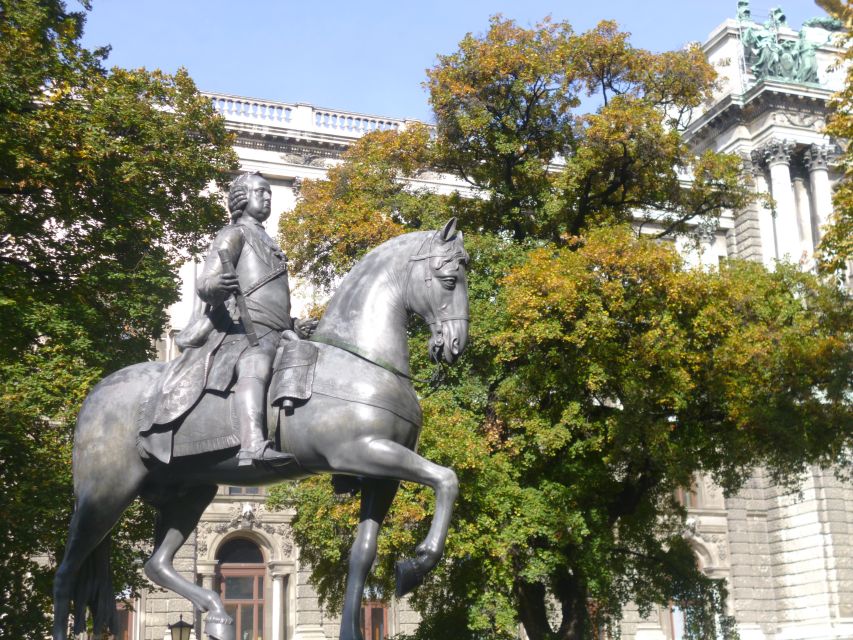
The meeting point is next to the Statue of Archduke Albrecht, in front of the entrance to the Albertina museum. That gives you a precise landmark in a central part of Vienna, but you should still allow enough time to find the statue and guide before the two-hour walk begins.
From here, the tour moves toward the Hofburg complex. You are not simply walking from one famous building to another. The guide uses the streets, courtyards, facades, and monuments to explain how Vienna worked as the center of Habsburg power.
That approach suits you if you want the main story without spending your whole morning inside a museum. It also helps you get your bearings before returning to the Hofburg on your own.
Wear comfortable shoes. The tour takes place rain or shine, so a light rain layer or sun protection is sensible depending on the forecast. No transport is involved, and the experience is built entirely around walking and looking closely.
More Walking Tours in Vienna
- Vienna: Guided Walking Tour of City Center Highlights
★ 4.7 · 4,989 reviews - Vienna: Vienna Central Cemetery Guided Walking Tour
★ 4.8 · 3,307 reviews - Vienna: Guided Walking Tour of City Highlights & Hidden Gems
★ 4.9 · 2,180 reviews
Hofburg Palace, where 700 years meet
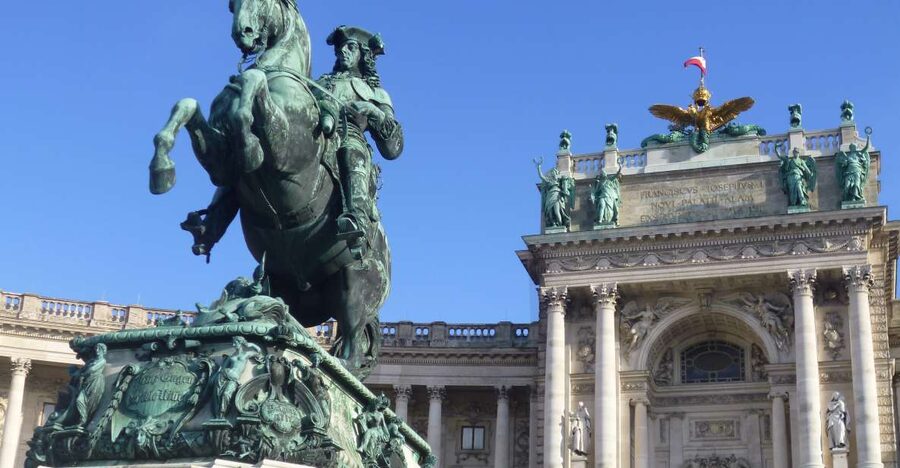
The Hofburg was the Habsburg family’s winter residence, but it is far more than one palace facade. The complex grew over centuries, so you see different periods in its architecture as you move through the area.
Your guide points out courts, roofs, gates, towers, statues, and sculptures. I like this part because the building becomes easier to read. Instead of seeing one grand imperial block, you begin to notice how additions and changes reflect the long life of the monarchy.
The scale can be hard to grasp from the outside. The Hofburg contains about 2,000 rooms, and the tour gives you a useful sense of how such a large complex functioned. You learn not only about ceremonies and royal apartments, but also about administration, security, court life, and the machinery needed to support an empire.
There is a practical benefit here. Many visitors see the Hofburg, take a photograph, and move on. A guide helps you understand why the complex looks so varied and why so many buildings sit close together.
The limitation is important, though. This is an exterior-focused walk. Entry to the interiors of Hofburg Palace is not part of the tour, so you will not visit the palace collections or enter the Imperial Treasury. If those are your main goals, plan a separate visit.
Heldenplatz and the public face of empire
Heldenplatz, or Heroes’ Square, provides one of the clearest spaces for understanding imperial Vienna. The broad open area lets you see the Hofburg as a seat of power rather than just a royal residence.
Your guide explains the rulers connected with the palace and the events that shaped their reigns. The focus is not only on victories. You also hear about defeats, family tragedies, political setbacks, and the personal side of Habsburg rule.
That balance matters. Imperial history can become a parade of names and dates, especially in a city with so many monuments. A good explanation connects the grand architecture with the people who ordered it, lived there, benefited from it, and sometimes suffered because of it.
Heldenplatz also helps place the rest of the route. From here, nearby buildings and monuments make more sense as parts of one political center. You can look back toward the Hofburg and understand how architecture was used to project authority.
The tour does not promise a long stop at every monument. With only two hours, the pace is purposeful. You get a guided overview rather than a slow examination of every statue and facade.
The Habsburg dynasty in human terms
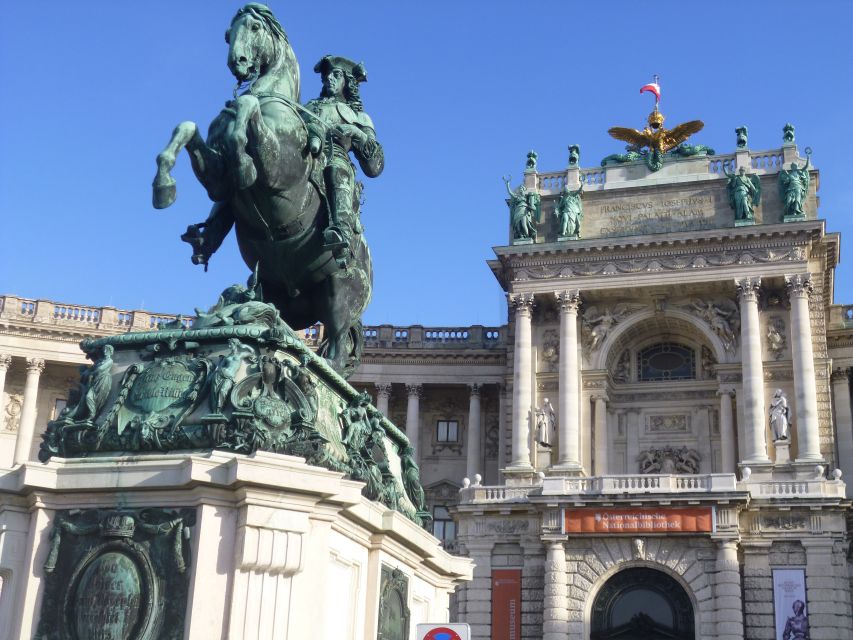
The House of Habsburg was one of Europe’s most prominent ruling dynasties. The tour introduces you to its reach and its influence without treating the family tree as a test you need to pass.
You will hear about the monarchy’s victories and defeats, as well as the personal and professional troubles of its rulers. This is helpful for first-time visitors because Vienna’s imperial sights can otherwise feel disconnected from one another.
I especially like tours that explain power through ordinary questions: Who lived here? Who made decisions? How did the court operate? What happened when political plans failed? The supplied outline promises that kind of connection, including triumphs and tragedies rather than a polished royal portrait.
A two-hour tour cannot cover every Habsburg territory or every member of the family. You should think of this as a framework. It gives you enough background to appreciate the Hofburg, then leaves you better prepared for more focused visits elsewhere in Vienna.
The guide is central to this experience. The strongest praise attached to the tour focuses on the guide, with a recent five-star booking describing the experience as amazing and expressing real affection for the guide. That matters here because the buildings provide the setting, but the explanations turn them into a coherent story.
More History Tours in Vienna:
- Vienna: Time Travel and Magic Vienna History Tour
★ 4.6 · 3,879 reviews - Vienna: World War II Historical Walking Tour
★ 4.8 · 1,772 reviews - Vienna Historic Center Small Group Walking Tour
★ 5.0 · 1,746 reviews - Time Travel-Magic Vienna History Tour Ticket
★ 4.5 · 1,099 reviews
The Imperial Treasury, National Library, and Spanish Riding School
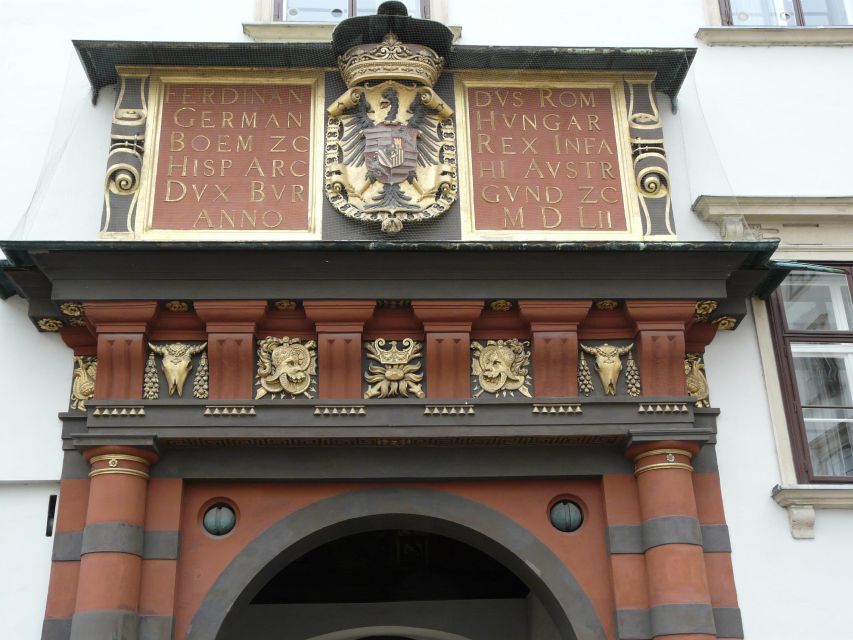
The route passes several major institutions around the Hofburg, including the Imperial Treasury, the National Library, and the Spanish Riding School. You see them from the outside and learn how they fit into the former imperial center.
The Imperial Treasury is especially useful as a reference point, even though its interior is not included. Its presence reminds you that the monarchy was built not only on palaces and ceremonies, but also on symbols, possessions, religious objects, and political display.
The National Library points to another side of imperial power: records, books, learning, and the control of information. The Spanish Riding School brings court ceremony and tradition into the picture. Each stop adds a different piece to the role of the Hofburg.
Do not expect dedicated admission or a full indoor presentation at these institutions. The value is in seeing their place within the larger complex and receiving explanations as you walk.
If you plan to visit one of them later, take note of it during the tour. This walk can work well as an orientation visit before you decide which interior deserves more of your time and budget.
Minoritenkirche and the Last Supper mosaic
The stop at the Wiener Minoritenkirche is the most distinct part of the route. Unlike the palace sights, this is an inside visit, and entry to the Church of the Minor Friars is included.
The church has an unusual exterior, and the guide explains its place in Vienna’s imperial setting. Inside, you see a mosaic replica of Leonardo da Vinci’s Last Supper.
This is not the original painting in Milan, of course. The interest lies in the scale, the setting, and the way a famous Renaissance image appears inside a Viennese church. It breaks up the palace-heavy route and gives you a different kind of cultural sight.
Allow yourself a quiet moment here. The tour remains guided, but a church visit benefits from looking carefully rather than rushing through for one photograph.
The church stop also offers welcome variety. After courtyards, government buildings, and palace facades, the interior changes the mood. For many people, it may become the visual surprise of the morning.
The Congress of Vienna and a reshaped Europe
The tour also covers the Congress of Vienna, held after the Napoleonic Wars. Under the leadership of Prince Metternich, European powers worked to reorganize the continent and restore a new political balance.
This subject can sound remote until you connect it with Vienna itself. The city was not merely the backdrop for a meeting. It was a center where diplomats and rulers tried to decide what Europe should look like after years of conflict.
Your guide explains why the map was reorganized and how the political settlement took shape. That context gives more meaning to Vienna’s grand buildings and formal public spaces. The architecture reflects imperial confidence, but the political story shows how uncertain power could be.
The Congress section is valuable for you if you enjoy history that reaches beyond one city. It links Vienna to the wider European story without requiring a full lecture on the Napoleonic era.
Still, the time is limited. Expect an accessible explanation of the Congress and its purpose, not a detailed seminar on every treaty or border change.
An old palace with modern government inside
One of the tour’s most useful ideas is that the Hofburg is not only a monument to a vanished monarchy. Its roughly 2,000 rooms are still used today.
You hear about the Federal Presidency, the Federal Chancellery, various ministries, and museums located within the palace walls. This changes the way you look at the complex. The Hofburg is both a record of imperial Vienna and part of modern public life.
That contrast is easy to miss if you only photograph the grand entrances. The tour explains how old ceremonial spaces and current government functions exist within the same wider complex.
I find this especially helpful for understanding Vienna’s character. The city has preserved its imperial setting, but it has not turned every historic building into a museum. Some of these rooms still have civic and political work to do.
Because you are outside for most of this section, you may not see every current office in detail. The guide’s explanation is the main value. Listen for the distinction between the palace’s former purpose and its present use.
What $328 means for your group
The price is $328 for a group of up to seven people. That sounds high if you are comparing it with a large public walking tour, but the calculation changes for a full party.
With seven people, the cost is about $47 per person. For four people, it is $82 each. For two people, it is $164 each, which makes the tour much harder to justify unless you place a high value on a private guide.
A private group option is therefore the key value question. Families, friends, and small groups who want to ask questions and set their own conversational rhythm may find the price reasonable. Solo visitors or couples should compare it with a shared tour before booking.
The fee includes the walking tour, a licensed guide, and entry to Minoritenkirche. It does not include entry to Hofburg interiors, the Imperial Treasury, or other paid attractions along the route.
The two-hour length is another point in its favor. It is long enough to cover the main imperial sights but short enough to fit beside a museum visit, lunch, or another central Vienna activity.
Languages, access, and practical planning
Live guiding is available in German, Chinese, Croatian, Czech, Danish, Dutch, English, French, Greek, Hungarian, Italian, Japanese, Korean, Polish, Portuguese, Russian, Romanian, Serbian, Slovak, Slovenian, Spanish, and Ukrainian.
That unusually broad language range can make the tour easier to arrange for an international group. Check the available starting time and language when booking, since the exact schedule is not fixed in the details provided.
The tour is wheelchair accessible. Since it takes place rain or shine, check the weather before you leave and dress for conditions rather than assuming the palace setting will provide shelter.
Free cancellation is available up to 24 hours before the tour for a full refund. You can also reserve now and pay later, which helps if your Vienna plans are still shifting.
Who should book this Vienna walk?
I would recommend it most strongly to you if:
- You want a clear introduction to the Habsburgs before visiting more museums.
- You prefer a guide to explain architecture and politics as you walk.
- You are traveling with a small group and can share the private-group cost.
- You want to see Hofburg’s exteriors and understand its current government role.
- You like mixing major sights with a less expected stop, such as Minoritenkirche.
- You need wheelchair-accessible sightseeing.
I would be more cautious if your main goal is entering palace rooms. You will need a separate ticket and visit for Hofburg interiors, including the Imperial Treasury.
I would also think twice about the price for just one or two people. The experience becomes much better value as your group approaches seven people.
Should you book it?
Book this tour if you want the Hofburg to make sense, not just appear in your photo collection. The guide-led explanation of the Habsburgs, the Congress of Vienna, and the palace’s modern government role gives the walk real substance.
The included visit to Minoritenkirche adds variety, while the exterior route covers the major imperial landmarks without consuming a full day. Just remember the central limitation: palace interiors are not included.
For a group of four to seven, I think the price can work well. For a couple, compare carefully. If your priority is historical context, an expert guide, and a compact introduction to Vienna’s former imperial center, this is a sensible choice.
FAQ
How long does the Vienna Imperial History Guided Walking Tour last?
The tour lasts two hours.
How much does the tour cost?
The price is $328 per group of up to seven people.
Where is the meeting point?
Meet next to the Statue of Archduke Albrecht, in front of the entrance to the Albertina museum.
Is the tour private?
A private group option is available.
Is entry to Hofburg Palace included?
No. Entry to the interiors of Hofburg Palace is not included.
Is entry to Minoritenkirche included?
Yes. Entry to the Church of the Minor Friars is included.
What will I see around the Hofburg?
The route includes the Hofburg complex, Heldenplatz, the Imperial Treasury, the National Library, the Spanish Riding School, and other nearby sights.
Which languages are available?
Live guiding is available in German, Chinese, Croatian, Czech, Danish, Dutch, English, French, Greek, Hungarian, Italian, Japanese, Korean, Polish, Portuguese, Russian, Romanian, Serbian, Slovak, Slovenian, Spanish, and Ukrainian.
Is the tour wheelchair accessible and what should I bring?
The tour is wheelchair accessible. Bring comfortable shoes, and remember that the tour takes place rain or shine.
Just added in Vienna
- Vienna: Austrian Wine Tasting Experience★ 4.2 · 2 reviews
- World War II History Vienna Old Town Private Walking Tour★ 4.8 · 9 reviews
- Vienna_ Meet Beethoven Life Private Guided Walking Tour★ 5.0 · 1 review
- Vienna: Wine Tasting Tour★ 4.8 · 61 reviews
- Vienna: Wine Tasting E-Bike Tour★ 4.9 · 46 reviews
- Vienna: Wine Tasting at Schönbrunn Palace★ 4.3 · 71 reviews
- Vienna: Winery and Wine Tasting Tour with a Wine Expert★ 5.0 · 5 reviews
- Vienna: Concert by the Vienna Baroque Orchestra★ 4.6 · 56 reviews
Historical Tours, compared.
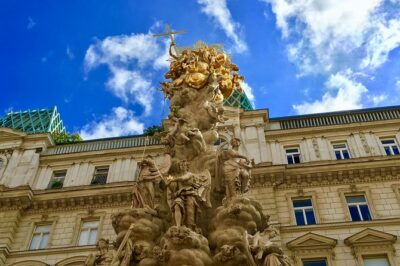
Vienna Historic Center Small Group Walking Tour
Read our review →
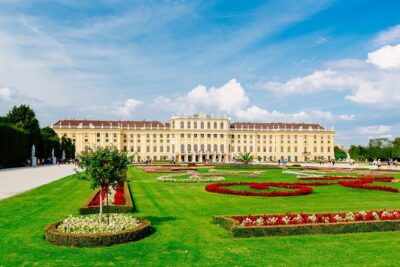
Skip-the-Line Schonbrunn Palace Guided Tour and Vienna Historical City Tour
Read our review →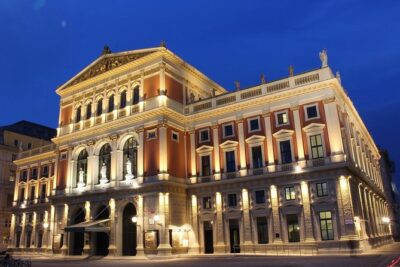
Vienna Mozart Concert in Historical Costumes at the Musikverein
Read our review →
Browse the lists this tour appears in