Reviewed · TICKETS
Vienna House of Music Entrance Ticket
Music becomes a playground here. Vienna’s House of Music combines composer stories, sound science, and hands-on exhibits in a central museum that feels far more lively than a traditional display of portraits and manuscripts. I especially like the virtual orchestra conductor and the chance to build a sound creature in the new VR Sound Lab. My main caution is timing: the museum can become crowded later in the day, so an earlier visit may be more comfortable.
I also like that you can set your own pace rather than follow a fixed tour group. At about $22.93 per person, the ticket gives you roughly 90 minutes to two hours of activities, though music fans could easily spend longer. There is no live guide, hotel transfer, food, or drink included, so this works best as a self-guided museum stop.
In This Review
- Key things to know before you go
- Why the House of Music is worth your Vienna time
- Starting at Haus der Musik in central Vienna
- The Vienna Philharmonic archives bring the music to life
- Sonotopia Universe and the science of sound
- Composer rooms for Mozart, Beethoven, Schubert, Mahler, and Strauss
- Try conducting the Vienna Philharmonic
- What the museum does especially well
- Where the visit may fall short
- Who should book this ticket?
- Ticket details, timing, and cancellation
- Should you book the House of Music?
- FAQ
- Where is the House of Music located?
- How long does a visit take?
- What is included with the ticket?
- Is a live guide included?
- In which languages is the museum guide available?
- What are the museum’s opening hours?
- Are service animals allowed?
- Can I cancel for a refund?
Key things to know before you go
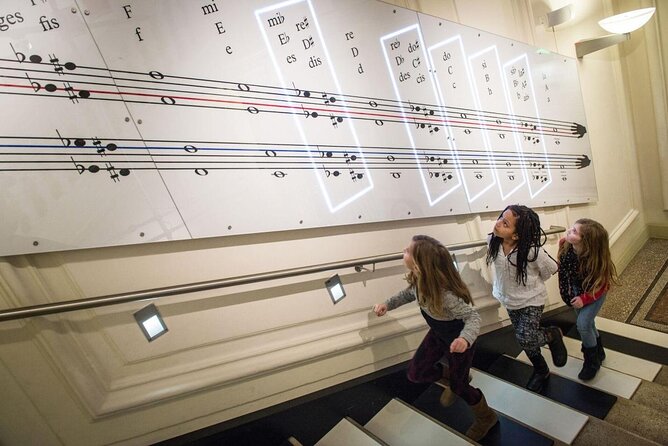
- Conduct the Vienna Philharmonic: Wave a baton along with a video performance and receive feedback on your timing and technique.
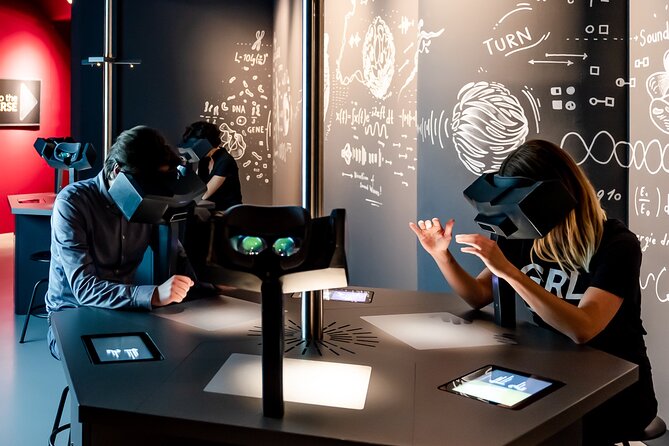
- Make a sound creature: The Sonotopia Universe includes a new Virtual Reality Sound Lab where you can create your own audio-based character.
- Meet Vienna’s major composers: The third floor focuses on Beethoven, Mozart, Schubert, Mahler, and the Strauss family.
- Hear famous performances: The Vienna Philharmonic archives include recordings such as the orchestra’s well-known New Year’s Eve concert.
- Plan for a family visit: Children have plenty to touch, test, and play with, while adults get solid information about music and composers.
- Use the free guide: The HdM Museums Guide can be downloaded to your smartphone in eight languages, with a family version in German and English.
Why the House of Music is worth your Vienna time
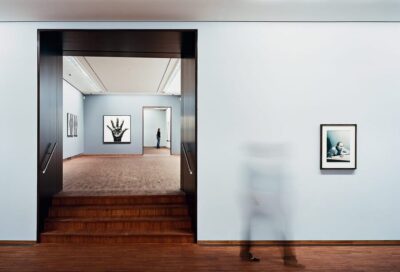
Vienna has no shortage of grand concert halls, composer apartments, and formal museums. The House of Music takes another route. It asks you to hear, manipulate, and test sound instead of simply looking at framed items and reading dates.
That approach gives the museum a broad appeal. You can come for Mozart or Beethoven, then find yourself experimenting with sound waves, animal hearing, or the way a fetus experiences noise and music. I like that the museum does not treat classical music as something reserved for specialists.
The ticket price is reasonable if you use the full visit. At $22.93, a 90-minute stop costs more than a quick gallery visit, but the admission covers several floors with different types of exhibits. You are paying not only for composer displays, but also for working installations that invite you to participate.
The value is strongest for families, couples, and curious adults who enjoy learning by doing. If you only want to see original manuscripts or quiet historical rooms, the museum may feel too playful. If you want a varied indoor activity that can hold the attention of both an eight-year-old and a classical music fan, it earns its place on the schedule.
A few more options to weigh up in Vienna
- Vienna: Vivaldi’s Four Seasons Concert in Karlskirche
★ 4.7 · 14,951 reviews - Vienna: Spanish Riding School Training
★ 3.9 · 9,281 reviews - Vienna: Schönbrunn Palace & Gardens Skip-the-Line Tour
★ 4.7 · 7,739 reviews
Starting at Haus der Musik in central Vienna
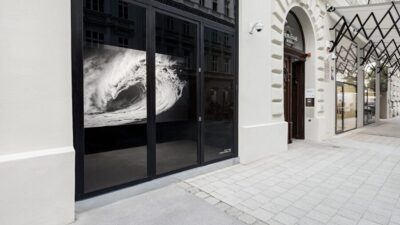
The House of Music is in central Vienna and is close to public transportation. That makes it easy to add to a day of sightseeing without arranging a special transfer. You receive an admission ticket and can enter on your own, with no hotel pickup or drop-off involved.
Allow at least 90 minutes. Two hours is a better target if you want to read the composer material, try several sound stations, and wait your turn at the most popular interactive displays.
The museum is self-guided. You can download the free HdM Museums Guide to your smartphone before or during the visit. It is available in eight languages, and a family version is offered in German and English. Since there is no guide included, this download is useful for getting extra context without paying for a separate tour.
A practical tip is to visit in the morning when possible. The museum is open from 10:00 a.m. to 10:00 p.m. during the main listed periods, giving you plenty of flexibility. The long hours are helpful, but later afternoon and evening can bring more people, especially around popular school and holiday periods.
The Vienna Philharmonic archives bring the music to life
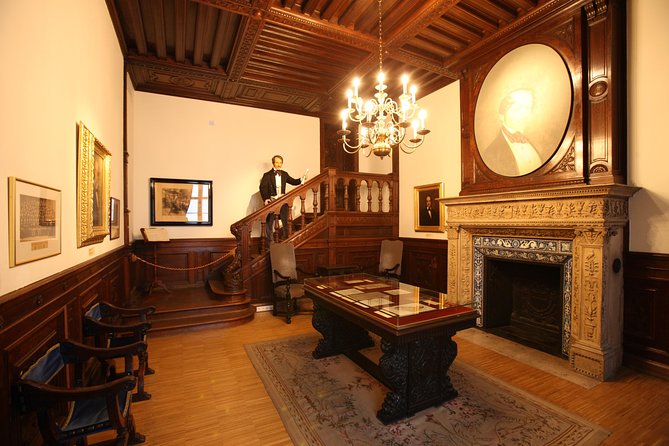
One early highlight is the historical archive of the Vienna Philharmonic. The collection gives the museum a strong link to Vienna’s concert tradition, but it does not leave you alone with dry documents.
You can listen to the orchestra’s famous New Year’s Eve concert, an event closely tied to Vienna’s musical identity. Hearing the performance adds something that a display case cannot. You get a sense of the sound and ceremony behind the institution.
This section should appeal most to classical music fans, but you do not need to know concert history to enjoy it. The audio component gives you a clear reason to pause, listen, and connect the archive to actual performance.
I would not rush through this floor. It provides a useful bridge between the science exhibits and the composer rooms that follow. You begin with the institution of the orchestra, then move toward the people and ideas that shaped Vienna’s musical life.
Sonotopia Universe and the science of sound
On the second floor, the Sonotopia Universe shifts the focus from famous names to the physical nature of sound. This is one of the museum’s strongest areas for children because the subject becomes something they can test rather than memorize.
The exhibits explore how sound works and how different creatures experience noise and music. One interactive station helps you think about hearing from an animal’s point of view, while another addresses how a fetus hears sounds before birth. These topics give the displays a sense of surprise and make the science easier to remember.
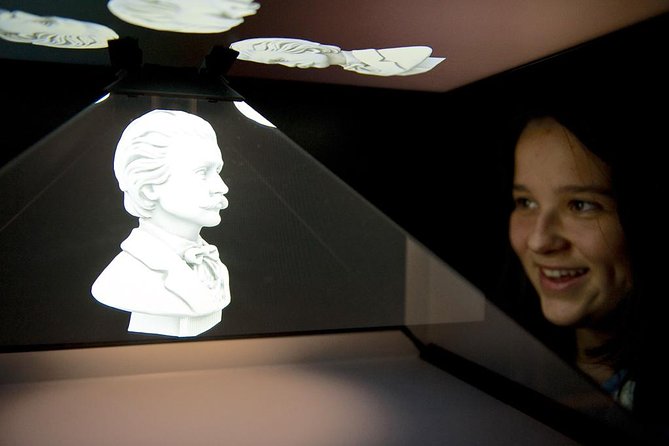
The new Virtual Reality Sound Lab adds another layer. You can create your own sound creature, which turns an abstract lesson into a personal project. This is exactly the sort of activity that can keep a child involved while an adult reads the surrounding explanation.
The VR element is also a good reason to check the museum’s busiest areas early. Popular interactive stations can take longer when several families are waiting. You will get more from this floor if you have enough time to experiment rather than simply glance at each screen.
Not every installation will appeal equally to every person. Some visitors may prefer the composer rooms, while others could spend much of the visit testing sound stations. The variety helps prevent the museum from feeling repetitive.
A completely different kind of day:
- Vienna: Light of Creation Votive Church Immersive Light Show
★ 4.8 · 6,779 reviews - Vienna Spanish Riding School Guided Tour
★ 4.7 · 6,765 reviews - Vienna: Classical Concert in the World-Famous Musikverein
★ 4.6 · 6,673 reviews - Vienna: Skip-the-Line Sisi Museum, Hofburg and Gardens Tour
★ 4.8 · 5,918 reviews
Composer rooms for Mozart, Beethoven, Schubert, Mahler, and Strauss
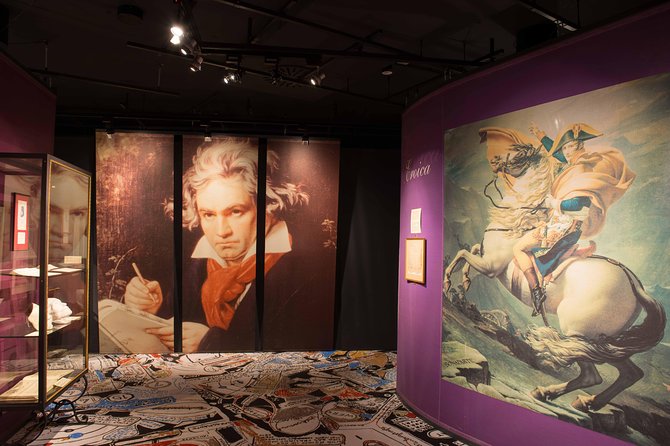
The third floor turns toward the people who made Vienna a major music center. You can learn about Beethoven, Mozart, Schubert, Mahler, and the Strauss family, with attention to their lives in the city and the music they created.
This is not just a row of portraits. The museum uses themed rooms and interactive elements to make the composer material more approachable. You can expect a mix of biographical information, music, and technology rather than a silent archive.
Mozart’s area receives especially strong praise from people who enjoy classical music, and it is likely to be a favorite for anyone who wants a focused look at his connection to Vienna. The Strauss family section helps balance the program by showing another side of the city’s musical identity, one connected with the dances and orchestral works for which Vienna is famous.
I appreciate the way this floor works for different levels of interest. A music expert can look for details about individual composers, while a first-time visitor can simply follow the stories and listen to examples. Children may not read every panel, but the interactive design gives them reasons to stay with the group.
If your main goal is a serious study of one composer, this may not replace a dedicated composer museum. The strength here is comparison. You can move from Mozart to Beethoven, Schubert, Mahler, and Strauss in one visit and see how each is presented within the wider story of Vienna.
Try conducting the Vienna Philharmonic
The virtual conductor exhibit on the fourth floor is the museum’s grand finale. You wave a baton in time with a video of the Vienna Philharmonic, then receive feedback after your attempt.
This is more than a photo opportunity. The exhibit gives you a simple taste of the concentration and control required to lead an orchestra. Even a person with no conducting experience can understand the basic challenge: keep the movement steady, follow the music, and avoid losing the beat.
The feedback makes the activity especially effective. You are not simply waving your arm in front of a screen. You get an indication of how well your movements matched the performance, which gives children and adults a reason to try again.
The exhibit can also become a shared activity. One person conducts while others watch, then everyone can compare results. I would save it for the end if you are visiting with children, since it gives the visit a clear finish and rewards you after the more information-heavy rooms.
This is also the part most likely to create a small wait during a crowded visit. The museum does not promise a private session or reserved time, so build a little flexibility into your schedule.
What the museum does especially well
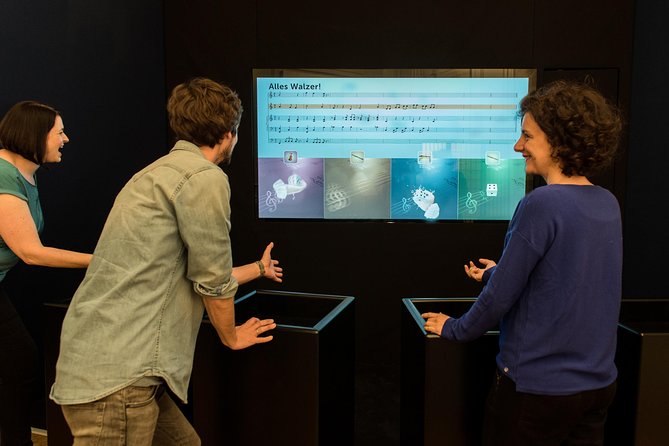
The best feature is the mix of learning and play. Many museums explain music through text, but the House of Music lets you hear it, shape it, and respond to it. That makes the information easier to recall.
I also like the range of activities. You can listen to a historic concert, examine composer material, test the physics of sound, create a VR sound creature, and conduct an orchestra. These are different experiences, not five versions of the same touchscreen.
The museum is particularly good for mixed-age groups. Adults can read about the composers and Vienna’s musical institutions while children work with the hands-on exhibits. Then you can meet again at the conductor station or compare the sounds you created.
Another strength is the freedom to linger. You do not have to move at the pace of a guide or a fixed itinerary. If Beethoven is your priority, spend more time on the third floor. If sound science catches your attention, stay on the second floor and reduce the time spent elsewhere.
Where the visit may fall short
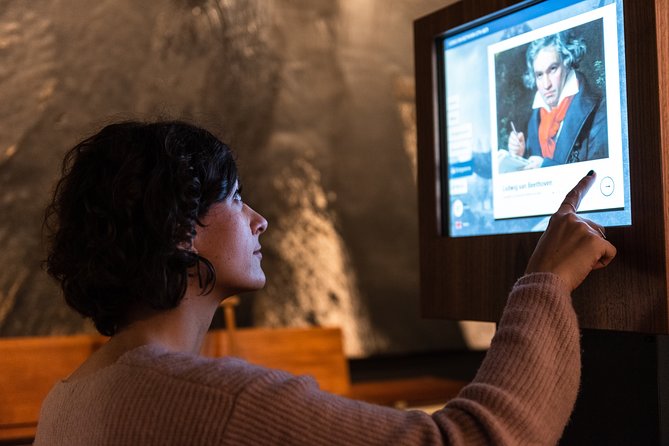
The lack of a live guide will matter to some people. The free smartphone guide helps, but you need to download and use it yourself. If you want a person to explain the exhibits, answer questions, and shape the visit around your interests, this ticket does not provide that service.
Crowds are another consideration. The long opening hours make the museum easy to fit into a Vienna itinerary, but the interactive rooms work best when you have space to try the equipment. A morning visit is the sensible choice if your schedule allows it.
The museum can also feel like too much information for a short stop. Ninety minutes is enough for a brisk visit, but you may need two hours to enjoy the composer displays and interactive science rooms without hurrying. A serious classical music fan could want even longer.
Finally, food and drinks are not included. This is not a problem for most people because the visit is relatively short, but plan your café stop separately.
Who should book this ticket?
I would recommend the House of Music to families with children, especially if your group includes different ages and levels of interest. The hands-on exhibits give children a reason to participate, while the composer rooms and Philharmonic archive offer adults meaningful content.
It also suits couples and solo visitors who want a break from formal sightseeing. The museum gives you an indoor activity with enough structure to feel worthwhile, but enough freedom to avoid feeling like a scheduled tour.
Classical music lovers should make time for it, particularly if you are attending a Vivaldi, Mozart, or other concert in Vienna. A visit before a performance can sharpen your sense of the city’s musical culture without taking a full day.
You may want to skip it if you dislike screens, virtual activities, or interactive displays. The House of Music is not a quiet hall filled only with original artifacts. Its appeal comes from participation.
The ticket is also a good fit for people who need schedule flexibility. With opening hours extending to 10:00 p.m. on most listed dates, you can visit before dinner, after sightseeing, or before an evening concert.
Ticket details, timing, and cancellation
The price is $22.93 per person. Admission is included, along with access to the free smartphone museum guide for download. A live guide, hotel transportation, food, and drinks are not included.
The experience is offered in English, while the downloadable guide is available in eight languages. The family guide is specifically available in German and English.
The listed opening hours are 10:00 a.m. to 10:00 p.m. from October 5 through December 23, 2025, and again from December 25 through December 31. On December 24, the hours are 10:00 a.m. to 6:00 p.m. Confirm the schedule for your exact date before setting out.
Most people can participate, and service animals are allowed. The museum is near public transportation. Confirmation is provided at booking.
You can cancel for a full refund up to 24 hours before the experience starts. Cancellations or changes made less than 24 hours before the start time are not accepted for a refund, and the cut-off follows local Vienna time.
Should you book the House of Music?
Book it if you want an active, family-friendly museum with real musical substance. The VR sound creature, composer rooms, Philharmonic archive, and virtual conducting test offer enough variety to justify the admission price, especially when you allow two hours.
I would make a morning reservation or plan an early arrival if possible. Choose another attraction if you want a guided, artifact-heavy museum with little technology. For most people who enjoy music, science, or clever hands-on exhibits, the House of Music is a smart Vienna stop that turns listening into something you can actually do.
FAQ
Where is the House of Music located?
The House of Music is in central Vienna, Austria, near public transportation.
How long does a visit take?
The visit takes approximately 1 hour 30 minutes to 2 hours. You may want more time if you plan to try many interactive exhibits and read the composer displays carefully.
What is included with the ticket?
Admission to the House of Music is included. You can also download the free HdM Museums Guide to your smartphone.
Is a live guide included?
No. The ticket does not include a guide. The museum guide is available as a smartphone download.
In which languages is the museum guide available?
The smartphone guide is available in eight languages. A family version is available in German and English.
What are the museum’s opening hours?
From October 5 through December 23, 2025, the listed hours are daily from 10:00 a.m. to 10:00 p.m. On December 24, the hours are 10:00 a.m. to 6:00 p.m. From December 25 through December 31, the listed hours are daily from 10:00 a.m. to 10:00 p.m.
Are service animals allowed?
Yes. Service animals are allowed, and most people can participate in the experience.
Can I cancel for a refund?
Yes. You can cancel up to 24 hours before the experience start time for a full refund. Changes or cancellations made less than 24 hours before the start time are not accepted for a refund.
Just added in Vienna
- Vienna: Austrian Wine Tasting Experience★ 4.2 · 2 reviews
- World War II History Vienna Old Town Private Walking Tour★ 4.8 · 9 reviews
- Vienna_ Meet Beethoven Life Private Guided Walking Tour★ 5.0 · 1 review
- Vienna: Wine Tasting Tour★ 4.8 · 61 reviews
- Vienna: Wine Tasting E-Bike Tour★ 4.9 · 46 reviews
- Vienna: Wine Tasting at Schönbrunn Palace★ 4.3 · 71 reviews
- Vienna: Winery and Wine Tasting Tour with a Wine Expert★ 5.0 · 5 reviews
- Vienna: Concert by the Vienna Baroque Orchestra★ 4.6 · 56 reviews
Tickets, compared.
Classic Ensemble Vienna in St. Peter’s Church Ticket
Read our review →
Vienna Kunsthistorisches Museum Day Admission Ticket
Read our review →
Tickets for Mozarthaus Vienna with Audio Guide
Read our review →
Skip-the-Line Entrance Ticket to the Danube Tower
Read our review →