Reviewed · GUIDED
Vienna: Guided Tour about Sewage, Viennese Filth & Toilettes
Vienna has a dirty side. This 150-minute walk turns sewage, toilets, bad water, horse traffic, and street litter into memorable city stories. I like the unusual subject and the way it connects grand Vienna with daily problems. I also like that a state-certified guide leads you through central sights many people pass without a second look.
The main drawback is clear: the tour is in German. That makes it a poor choice if you cannot follow German conversation, even though the route is wheelchair accessible and packed with visual clues.
In This Review
- Key points at a glance
- Why Vienna’s filth makes a good city tour
- Starting at Schwedenplatz
- The meaning behind going in a barrel
- St. Stephen’s Cathedral and Mozart’s uncertain grave
- The Hofburg area and the city as a working machine
- Vienna’s rivers before they became attractive
- Ending in Stadtpark
- What the German language means for you
- Weather, access, and what to bring
- Is the $42 price fair?
- Who should book this walking tour?
- Should you book it?
- FAQ
- Where does the tour start?
- Where does the tour finish?
- How long does the tour last?
- What language is the tour in?
- Is the tour wheelchair accessible?
- What subjects does the guide cover?
- Does the tour include St. Stephen’s Cathedral?
- Does the tour include the Hofburg Palace?
- What happens if I want a drink during the tour?
- Does the tour operate in bad weather?
Key points at a glance
- Start beside Schwedenplatz: Meet near the Eissalon Schwedenplatz, by the corner of Hafnersteig and Schwedenplatz.
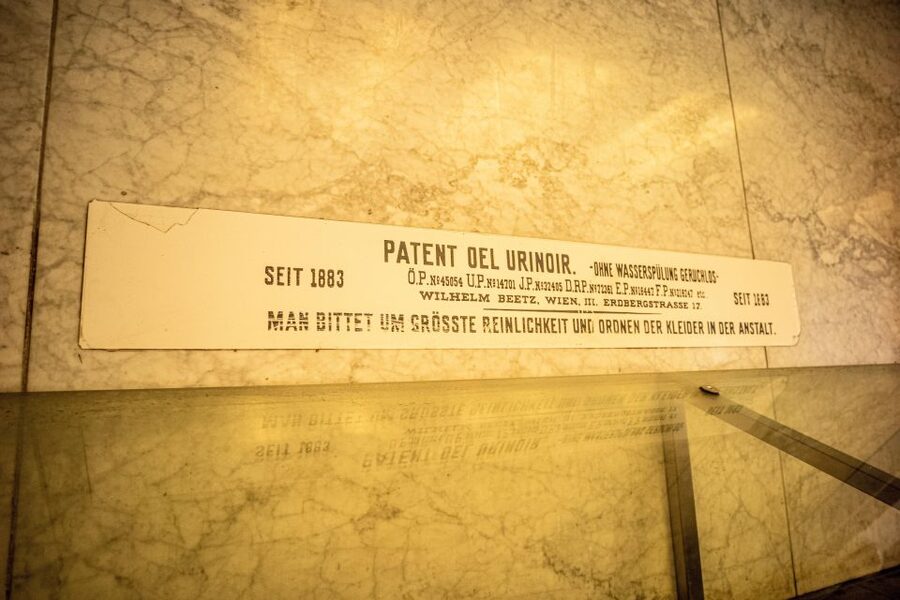
- Vienna’s unglamorous past: Learn about public toilets, garbage, terrible smells, dirty water, and litter in the city around 1900.
- Big questions, odd answers: The tour asks what going in a barrel meant and why Mozart’s exact burial place is uncertain.
- Horses shaped the city: Discover how important horses were and how many crowded Vienna’s streets around 1900.
- A central route: Walk from Schwedenplatz through St. Stephen’s Cathedral and the Hofburg area to Stadtpark.
- Plan for the weather: The walk takes place in all weather, so sensible clothing and shoes matter.
Why Vienna’s filth makes a good city tour
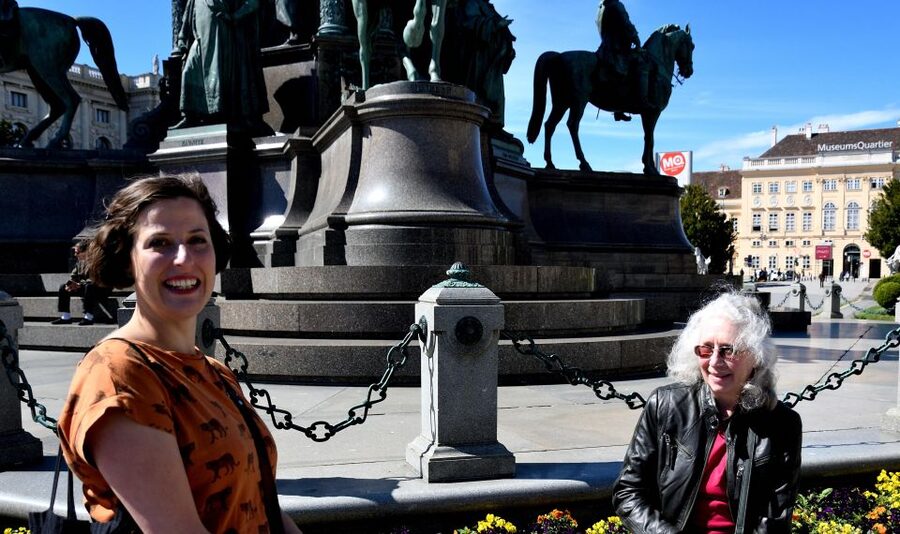
Most city walks point you toward palaces, churches, and famous squares. This one uses a less polished subject to explain how Vienna worked. You hear about sewage, toilets, refuse collection, bad water, electricity, traffic, and the smells that came with a dense city.
That focus gives the tour a useful purpose. Instead of treating Vienna as a collection of grand buildings, it asks how ordinary people lived among them. Who handled waste? What happened when you needed a toilet outdoors? How did officials deal with litter, young trees, horse traffic, and polluted rivers?
I like this kind of history because it makes the city easier to read. A street is no longer just a street. It becomes part of a public system that had to cope with water, waste, transport, lighting, and public health.
The tour also looks at a period when new technology and new achievements appeared at a fast pace. The subject is not only sewage. It is the story of a metropolis trying to modernize while still carrying older habits and problems.
A few more options to weigh up in Vienna
- Vienna: Vivaldi’s Four Seasons Concert in Karlskirche
★ 4.7 · 14,951 reviews - Vienna: Spanish Riding School Training
★ 3.9 · 9,281 reviews - Vienna: Schönbrunn Palace & Gardens Skip-the-Line Tour
★ 4.7 · 7,739 reviews
Starting at Schwedenplatz
The meeting point is in Vienna’s 1st District, beside the Schwedenplatz subway station. Look for the corner of Hafnersteig and Schwedenplatz, next to the ice-cream shop Eissalon Schwedenplatz.
This is a practical starting point because Schwedenplatz is served by subway lines 1 and 4. You can reach the meeting area without crossing the center by car, and the central location makes it easy to combine the tour with other plans in the city.
Arrive with enough time to identify the exact corner. The meeting instructions are specific, but Schwedenplatz is an active central area with several streets and businesses around it. If you are using public transport, check the station exit before the tour begins.
From here, the guide introduces a Vienna that is less about imperial display and more about urban pressure. Expect the first part to set up questions about sanitation, streets, waste, rivers, and the daily business of being a citizen.
The meaning behind going in a barrel
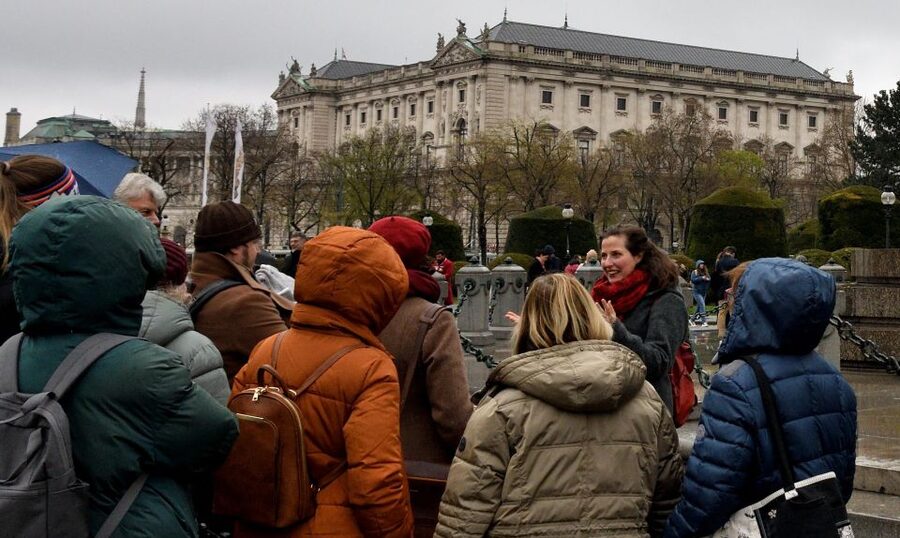
One of the tour’s most curious questions is what it meant to go in a barrel. That phrase alone gives you a sense of the walk. It is not a standard list of monuments followed by dates. Instead, the guide uses strange details and practical questions to show how people handled basic needs.
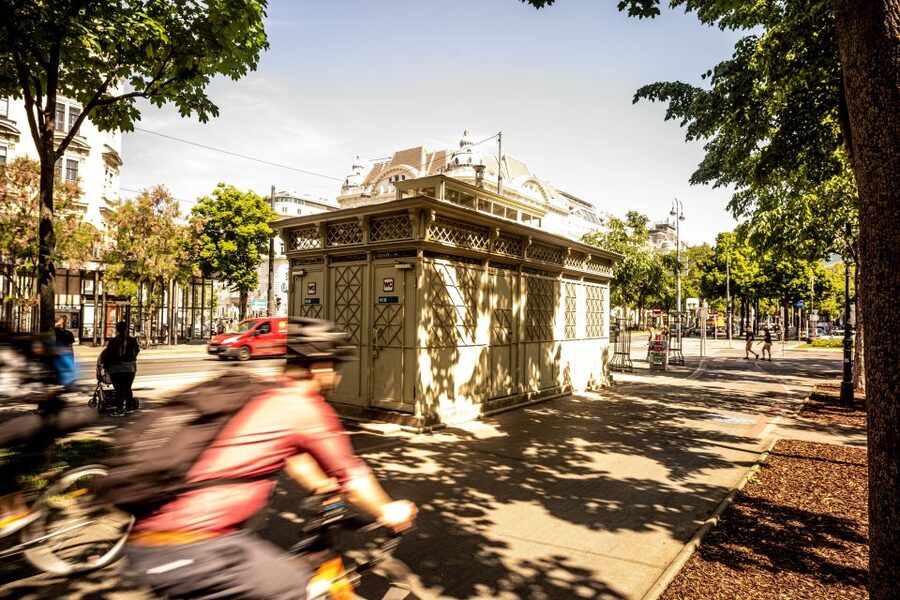
Toilet customs are especially useful for understanding old cities. Modern visitors often take public sanitation for granted. In earlier Vienna, finding a place to relieve yourself was a real street-level problem, and the answer involved rules, habits, and services that can seem bizarre now.
The tour also asks who you would call if you needed a toilet on the street. That question links private bodily needs with public administration. It shows that city government is not only about palaces and laws. It also has to deal with the things people prefer not to discuss.
Because the topic is humorous, the walk should appeal to you if you like history with a slightly cheeky edge. Still, the subject is not designed simply for shock. It explains how sanitation affected comfort, cleanliness, and the way people experienced the city.
St. Stephen’s Cathedral and Mozart’s uncertain grave
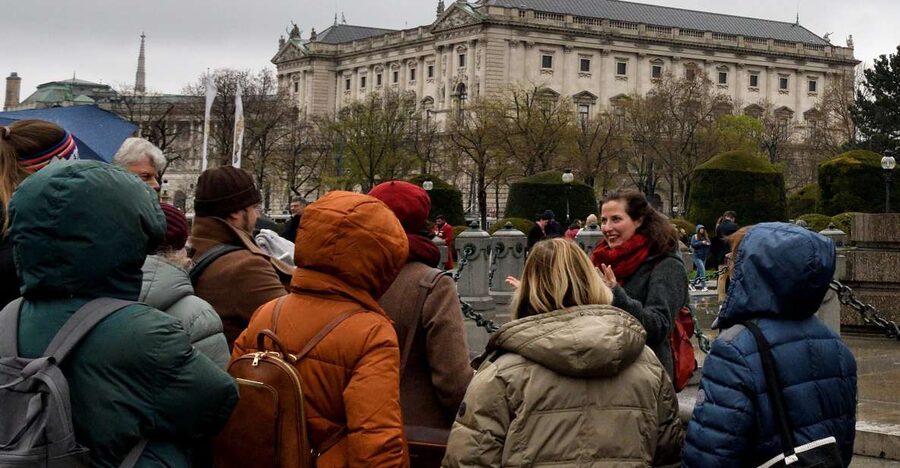
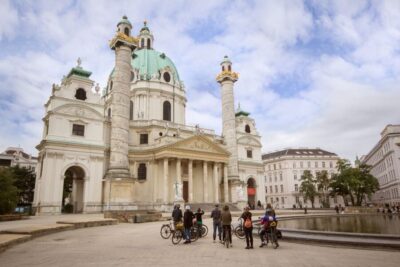
The route includes St. Stephen’s Cathedral, one of Vienna’s most familiar landmarks. The value here is not just seeing the cathedral again. The guide uses the setting to raise a question many people do not expect: why is Mozart’s exact burial place not known?
That question leads into the difference between a famous person’s reputation and the records of ordinary burial practices. You may already know Mozart as a central figure in Vienna’s musical story, but the tour asks you to consider what happened after his death and why certainty about his grave is missing.
This is a good example of the tour’s method. A major sight becomes a doorway into an unusual historical problem. You still see an important part of central Vienna, but the explanation moves away from the usual postcard facts.
The supplied information does not promise an interior visit or a long stop inside the cathedral. Expect a guided look at the site as part of a walking route, not a separate cathedral tour. If entering the church is important to you, check the arrangements before booking.
A completely different kind of day:
- Vienna: Light of Creation Votive Church Immersive Light Show
★ 4.8 · 6,779 reviews - Vienna Spanish Riding School Guided Tour
★ 4.7 · 6,765 reviews - Vienna: Classical Concert in the World-Famous Musikverein
★ 4.6 · 6,673 reviews - Vienna: Skip-the-Line Sisi Museum, Hofburg and Gardens Tour
★ 4.8 · 5,918 reviews
The Hofburg area and the city as a working machine
The Hofburg is another major stop. Its imperial setting can make Vienna seem formal and carefully ordered. This tour looks past that surface and asks how the wider city actually functioned.
The discussion includes electricity, garbage collection, water problems, noise, smells, and the density of the streets. These subjects help explain the pressure created by a growing capital. Progress brought new systems, but it also brought new demands and new failures.
Horses receive special attention. Around 1900, they were central to city life, and the tour asks how important they were and how many were in Vienna at the time. That matters because horse traffic affected noise, road use, cleanliness, deliveries, and the daily rhythm of the center.
You do not need a special interest in transport history to appreciate this section. Horses are an easy way to picture the old city. A modern street can look calm now, while the same space once had to cope with animals, vehicles, people, waste, and constant movement.
The tour also touches on young trees planted along the Ring and the problems they faced at the beginning. That detail shows how even an attractive urban feature can require planning, protection, and maintenance. City beauty does not happen by itself.
Vienna’s rivers before they became attractive
Vienna’s rivers are another important theme. Today, waterways are often treated as pleasant places for walking or recreation. The tour asks you to imagine a time when the rivers were not loved in the same way.
The reason is easy to connect with the wider story of the walk. Bad water, waste, smells, and dense urban development can turn a river from an amenity into a public problem. The waterway becomes part of the city’s sanitation system, not simply a scenic feature.
This is one of the more useful ideas for your broader visit. It reminds you that urban improvements are gradual. A city’s public spaces can change meaning as technology, engineering, public expectations, and government services change.
The guide also connects the rivers to electricity and other modern achievements. That gives the tour a wider frame. You are not only hearing about dirt and inconvenience. You are following Vienna’s attempt to build a modern city from systems that were still developing.
Ending in Stadtpark
The walk finishes at Stadtpark, near Kleine Ungarbrücke 111 in the 1st District. Ending in a park gives the route a change of mood after its focus on refuse, odors, toilets, traffic, and polluted water.
Stadtpark is also a fitting final setting for a discussion about public space. Parks, trees, bridges, and clean paths can look natural and permanent, but the tour’s earlier stories remind you that they depend on public decisions and maintenance.
The stated duration is two to two and a half hours, with the activity listed as 150 minutes. That is long enough to cover several subjects without taking up an entire day. You can plan another central Vienna activity before or after it, though you should allow time for a steady walk and pauses at the stops.
Because the walk ends in central Vienna, you are well placed to continue sightseeing afterward. The exact practical benefit depends on your plans, but the finish is not far from other sights in the 1st District.
What the German language means for you
The live guide language is German, and this is the most important booking consideration. The tour depends on explanations, jokes, unusual terms, and connections between historical facts. Basic German may not be enough if you want to follow the full story.
If you understand German comfortably, the language is part of the appeal. You get the subject presented in its natural local setting, with the chance to hear the names and expressions used in Vienna’s own historical story.
If you do not speak German, the route may still show you central landmarks, but the main value will be lost. The sights are not the product here. The explanations are.
The experience provider is Konstanze Veit, operating as Wiener G’schichten. A state-certified guide leads the walk, and the activity promises unusual stories, creative inventions, interesting personalities, and enough facts for later conversation.
Weather, access, and what to bring
The tour runs in all weather. Bring clothing that suits the forecast, and do not rely on Vienna staying dry simply because you have a busy sightseeing day planned.
Comfortable shoes are sensible. The route connects several central locations on foot, including Schwedenplatz, St. Stephen’s Cathedral, the Hofburg area, and Stadtpark. The walk is not presented as a strenuous hike, but you will be outside for up to two and a half hours.
The tour is wheelchair accessible. If you use a wheelchair and need exact information about street surfaces, pauses, or the precise route between stops, ask the provider before booking. The supplied details confirm access but do not describe every surface or restroom arrangement.
A refreshment is not included. If you want a drink, you can request one in advance and the guide can arrange it. Otherwise, take care of drinks before the start or plan for one after the walk.
Is the $42 price fair?
At $42 per person, this is not the cheapest way to see central Vienna. You can visit many major sights independently for little or no cost from the outside. The price makes more sense if you value a guided explanation built around a distinctive theme.
You are paying for 150 minutes with a state-certified guide, not for admission to a palace or cathedral. The value lies in the connections: toilets lead to citizenship, horses lead to street cleanliness, rivers lead to public health, and electricity leads to modernization.
That makes the tour a better choice for a repeat visitor or for someone who has already seen Vienna’s standard highlights. It can also suit a first-time visitor who prefers social history to formal art and architecture.
The price is harder to justify if you want interior visits, a broad introduction to Vienna, or an English-language experience. You may find better value elsewhere for those needs. This tour earns its fee through subject and interpretation, not through included tickets or refreshments.
Who should book this walking tour?
I would recommend it to you if you enjoy odd questions, urban history, public services, and the stories behind ordinary life. It is especially suitable for people who want to understand how a major European capital handled waste, water, traffic, power, and public space.
It also suits curious families with older children, provided they can follow German and are comfortable with toilet and sewage subjects. The humor may make difficult historical topics easier to remember.
You should think twice if you dislike walking in poor weather, need a tour in English, or want a polished parade of famous monuments. St. Stephen’s Cathedral, the Hofburg, and Stadtpark are part of the route, but they support the theme rather than replace it.
The tour is also a good fit for anyone who has wondered why cities look and smell different over time. Vienna’s grand center becomes more understandable when you picture the horses, refuse, water problems, public toilets, and new technology that once filled it.
Should you book it?
Book this tour if you understand German and want a fresh way to read Vienna. Its best quality is the unusual subject: it turns dirty streets, toilets, horses, rivers, and garbage into a clear story about citizenship and modern city life.
Skip it if you need English, dislike all-weather walks, or mainly want interiors and famous-art commentary. For the right audience, $42 buys something more useful than another list of monuments: a new way to notice what the city had to solve before it became so polished.
FAQ
Where does the tour start?
It starts in Vienna’s 1st District, next to Schwedenplatz subway station, at the corner of Hafnersteig and Schwedenplatz near the Eissalon Schwedenplatz ice-cream shop.
Where does the tour finish?
The walk finishes at Kleine Ungarbrücke 111, 1010 Vienna, in the Stadtpark area.
How long does the tour last?
The tour lasts 150 minutes, or about two to two and a half hours.
What language is the tour in?
The live guided tour is in German.
Is the tour wheelchair accessible?
Yes, the activity is listed as wheelchair accessible.
What subjects does the guide cover?
The tour covers sewage, public toilets, litter, garbage collection, bad water, electricity, unpleasant smells, city noise, rivers, horses, young trees on the Ring, and urban life around 1900.
Does the tour include St. Stephen’s Cathedral?
Yes, St. Stephen’s Cathedral is one of the guided sightseeing stops on the walking route.
Does the tour include the Hofburg Palace?
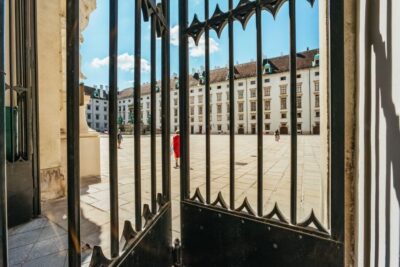
Yes, the Hofburg Palace area is included as a visit and guided sightseeing stop.
What happens if I want a drink during the tour?
Refreshments are not included, but you can tell the guide in advance if you want a drink arranged.
Does the tour operate in bad weather?
Yes, the tour takes place in all weather. Dress appropriately for the conditions.
Just added in Vienna
- Vienna: Austrian Wine Tasting Experience★ 4.2 · 2 reviews
- World War II History Vienna Old Town Private Walking Tour★ 4.8 · 9 reviews
- Vienna_ Meet Beethoven Life Private Guided Walking Tour★ 5.0 · 1 review
- Vienna: Wine Tasting Tour★ 4.8 · 61 reviews
- Vienna: Wine Tasting E-Bike Tour★ 4.9 · 46 reviews
- Vienna: Wine Tasting at Schönbrunn Palace★ 4.3 · 71 reviews
- Vienna: Winery and Wine Tasting Tour with a Wine Expert★ 5.0 · 5 reviews
- Vienna: Concert by the Vienna Baroque Orchestra★ 4.6 · 56 reviews
Guided, compared.
Guided Walking Tour of City Center Highlights
Read our review →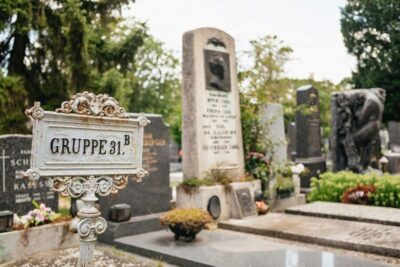
Bus & Schönbrunn Palace Skip-the-Line Guided Tour
Read our review →
Tickets for Mozarthaus Vienna with Audio Guide
Read our review →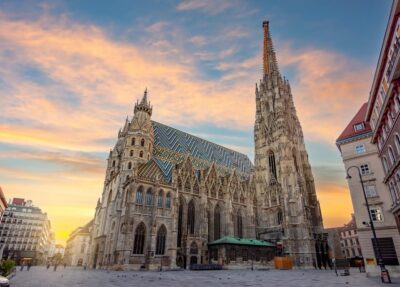
Guided Walking Tour of City Highlights & Hidden Gems
Read our review →