
Reviewed · CYCLING TOURS
Classic Vienna: 3-Hour Guided Bike Tour
Vienna reveals itself quickly by bicycle. This three-hour ride links imperial squares, grand Ringstraße buildings, St. Stephen’s Cathedral, and the Donau Canal without trapping you on a sightseeing bus. I especially like the flat route and the mix of major sights with less obvious stops such as Hundertwasserhaus.
The guides are another strong point. Horst, Ute, Max, Natalie, Marco, Peter, and others are praised for lively stories, local tips, and careful riding. My main caution is that a group can reach about 18 people, which may feel large on busy city streets.
In This Review
- Key points to know before you pedal away
- Why a bicycle works so well in central Vienna
- Starting at the Vienna State Opera
- The Ringstraße’s Parliament, Burgtheater, and Rathaus
- Hofburg Palace and Heldenplatz
- St. Stephen’s Cathedral at Stephansplatz
- Hundertwasserhaus and Vienna’s playful side
- Along the Donau Canal and through Stadtpark
- Karlsplatz and Karlskirche
- What the guides add to the ride
- Pace, comfort, weather, and group size
- Is $72 a fair price for three hours?
- Who should book this Vienna bike tour?
- FAQ
- Where does the Vienna bike tour start?
- Where does the tour finish?
- How long does the bike tour last?
- What is included in the price?
- Are food and drinks included?
- Which languages are available?
- What sights does the tour visit?
- Can children take part?
- Does the tour operate in bad weather?
- What should I bring?
- Can I cancel for a refund?
- Can I reserve without paying immediately?
- Should you book the Classic Vienna bike tour?
Key points to know before you pedal away
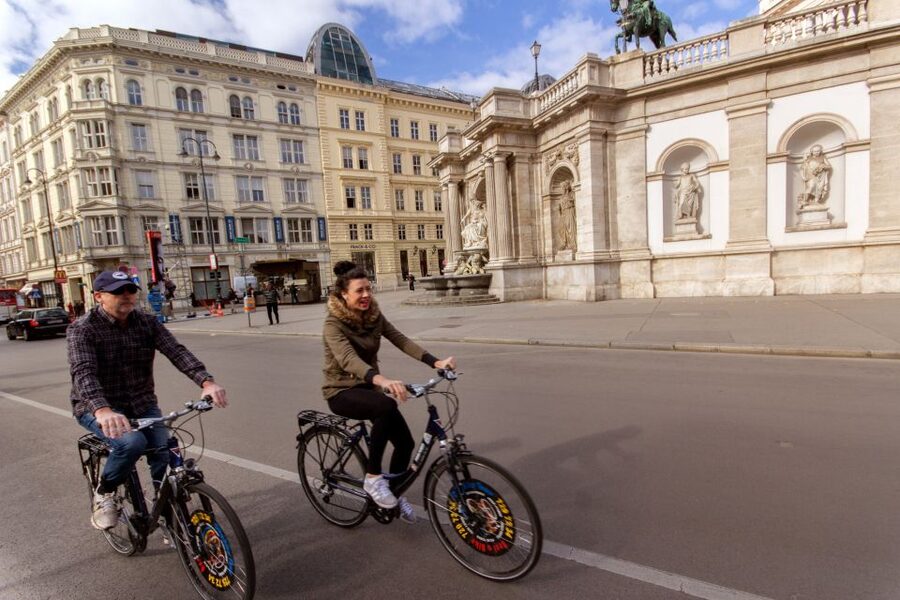
- A fast first look at Vienna: The route covers the State Opera, Parliament, Rathaus, Hofburg, Heldenplatz, St. Stephen’s Cathedral, Karlskirche, and more in three hours.
- Mostly easy riding: You follow bike paths and quieter roads on a generally flat route, with a steady pace rather than a strenuous workout.
- Strong guide element: English, German, and Dutch tours are led by licensed guides who add history, humor, and practical restaurant and sightseeing advice.
- Useful first-day activity: The tour gives you a clear sense of Vienna’s layout and helps you choose what to revisit on foot later.
- Weather matters: The tour operates in all weather. Rain ponchos can be purchased, so check the forecast and dress sensibly.
- Best for older children and adults: Children under 12 cannot participate, and drinks and snacks are not included.
Why a bicycle works so well in central Vienna
Vienna’s main sights are spread across a broad central area. You can walk between many of them, but three hours on foot means less ground covered and more time waiting at crossings. A bicycle lets you connect the grand Ringstraße with the old center, Stadtpark, Karlsplatz, and the Donau Canal in one outing.
I like this tour because it is not simply a fast roll past buildings. You stop for explanations and photographs, then continue before the day turns into a long museum lecture. The pace is described as steady and, in warm weather, pleasantly slow. That matters because you need time to look up at façades, listen to the guide, and keep your bearings.
The route uses bike paths and less congested roads where possible. That is a useful feature in a city whose central streets can be busy with cars, trams, pedestrians, and bicycles. Still, this is an urban ride, not a traffic-free country excursion. You should be comfortable cycling in a city and following the guide’s instructions.
One especially useful tip is to book this early in your Vienna stay. Max, Ute, Natalie, Peter, and other guides are praised for suggesting museums, restaurants, cafés, and less touristy places to visit afterward. The ride can function as a three-hour orientation before you decide how to spend the rest of your trip.
More Bike Tours in Vienna
- Wachau Valley Wine Tasting Bike Tour from Vienna
★ 5.0 · 829 reviews - Vienna City Bike Tour
★ 4.5 · 599 reviews - Vienna: City Highlights Guided Bike Tour
★ 4.6 · 496 reviews
Starting at the Vienna State Opera
The meeting point is Bösendorferstraße 5, in the 1010 district, near the Vienna State Opera. Beginning here puts you beside one of the city’s essential landmarks and immediately sets the tone: grand imperial architecture, music, ceremony, and a capital that takes its public buildings seriously.
The State Opera is not just a pretty first stop. It helps you understand Vienna’s identity as a major music city, and the guide can place the building within the wider story of the capital. You should have a chance to look and take photographs, though the exact length of each stop can vary with traffic and group pace.
From here, the ride heads along the Ringstraße. This broad ceremonial boulevard was built around the historic center and is lined with some of Vienna’s most important civic and cultural buildings. On a bicycle, you can see how the buildings relate to one another rather than treating each one as an isolated postcard.
The Ringstraße’s Parliament, Burgtheater, and Rathaus
The Austrian Parliament Building is one of the most impressive stops on the route. Its grand façade reflects the public role of the building, while the guide’s explanation gives you a better sense of Vienna’s political center than a quick photograph would.
The Burgtheater follows as another major Ringstraße landmark. You may not have time to enter, but seeing it from the outside helps fill in the cultural side of Vienna’s imperial-era plan. The Rathaus, or town hall, adds another dose of elaborate architecture and remains one of the city’s most recognizable civic buildings.
I appreciate this part of the ride because it gives you context without demanding a full day. You can see several important buildings in a short stretch, then return later to the ones that catch your interest. If you are trying to fit Vienna into a short visit, that efficiency is worth real money.
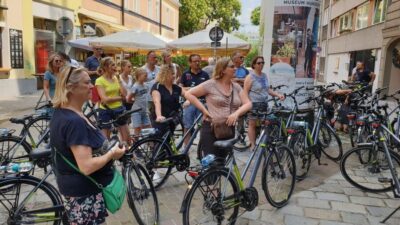
A larger group can make these stops less intimate. One group reached roughly 18 riders, and that size may mean you need to stay close to the guide when the group pulls over. The benefit is a social, easygoing outing. The tradeoff is less individual time with the guide.
Hofburg Palace and Heldenplatz
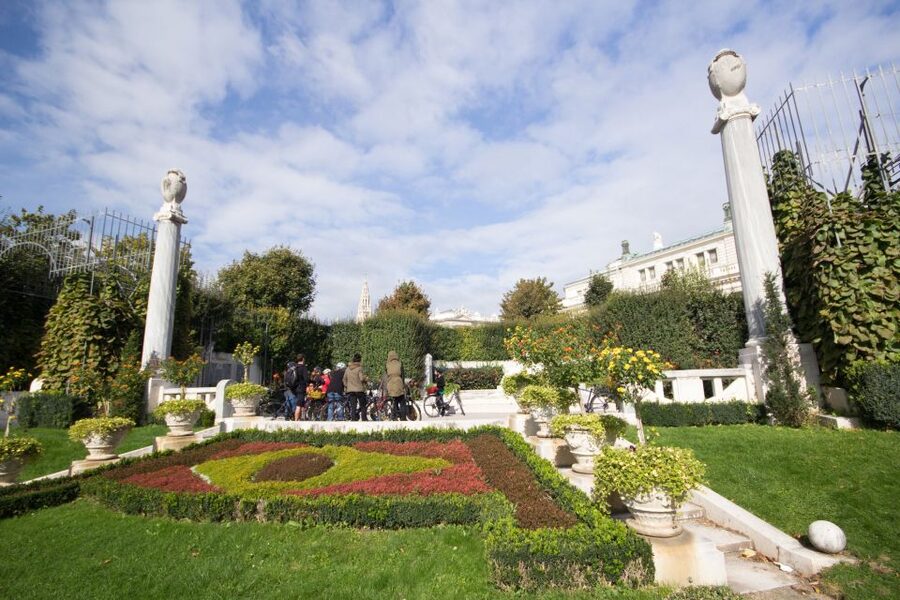
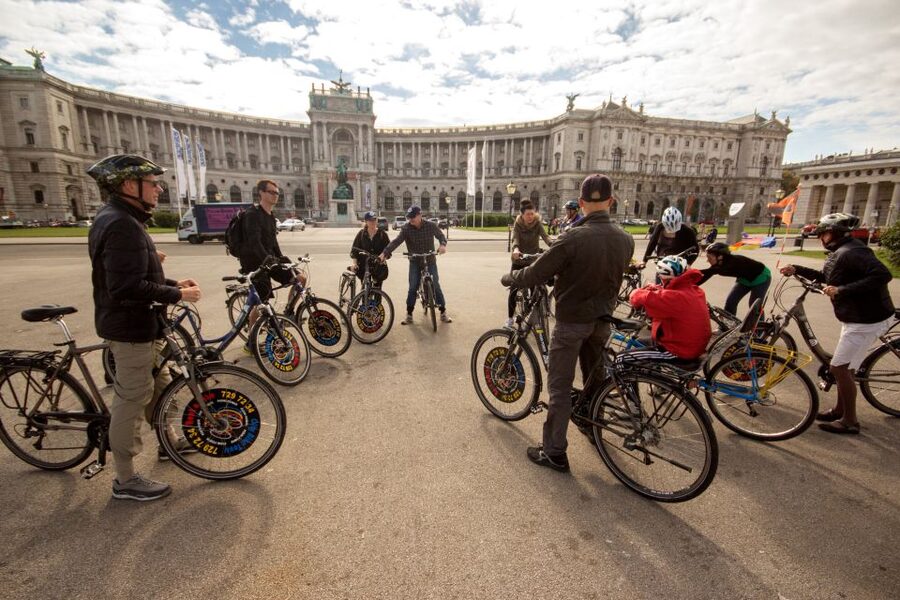
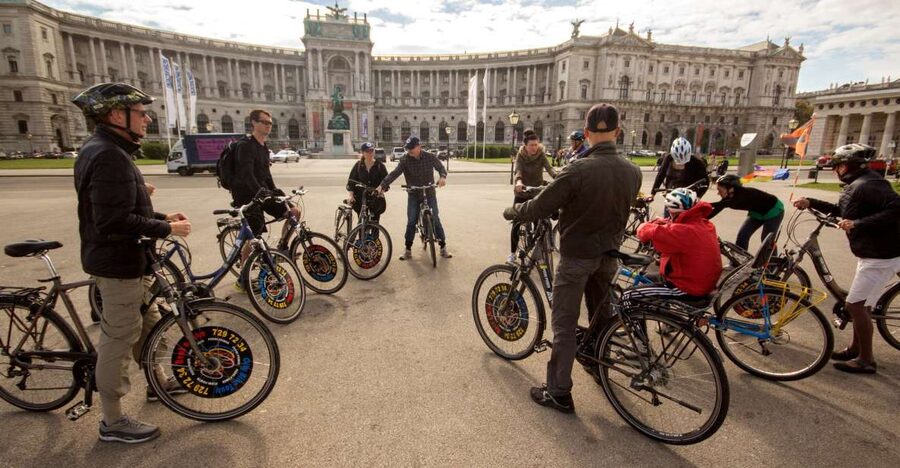
The route continues toward the Hofburg Imperial Palace and Heldenplatz. This is where Vienna’s imperial past feels especially concentrated. The Hofburg is not one single palace in the simple storybook sense. It is a large complex tied to the Habsburg rulers, and the surrounding square gives the guide plenty to explain about power, ceremony, and the city’s changing role.
Heldenplatz, or Heroes’ Square, makes a fine outdoor classroom. You can absorb the scale of the palace complex without committing to a museum visit during the tour. If the guide shares a short anecdote about a building or a royal resident, it gives you a thread to follow later.
Natalie is praised for adding personal stories about royalty, local customs, and why buildings look the way they do. That sort of detail is useful here. The palace can otherwise blur into a sequence of grand façades, while a good story gives each stop a human edge.
A completely different kind of day:
- Vienna: Vivaldi’s Four Seasons Concert in Karlskirche
★ 4.7 · 14,951 reviews - Vienna: Spanish Riding School Training
★ 3.9 · 9,281 reviews - Vienna: Schönbrunn Palace & Gardens Skip-the-Line Tour
★ 4.7 · 7,739 reviews - Vienna: Light of Creation Votive Church Immersive Light Show
★ 4.8 · 6,779 reviews
St. Stephen’s Cathedral at Stephansplatz
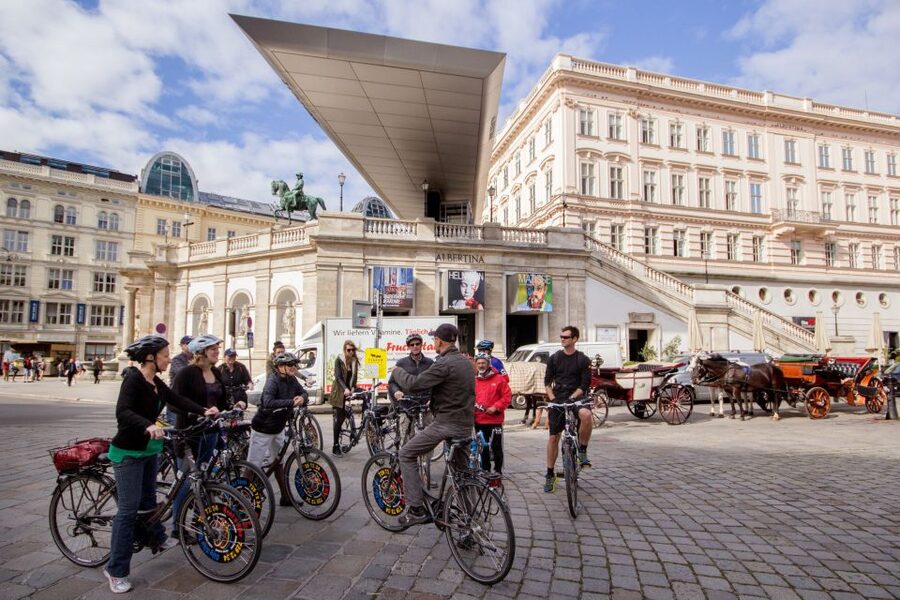
The ride then moves into Vienna’s first district and toward St. Stephen’s Cathedral. The cathedral rises above Stephansplatz and provides one of the clearest visual markers in the historic center. You will see the contrast between the open ceremonial spaces around the Ringstraße and the tighter, older streets of the inner city.
This stop is especially good for first-time visitors. You get a strong sense of where the pedestrian heart of Vienna begins, and you can easily return later to explore Stephansplatz on foot. The bicycle lets you reach it without spending much of your tour time walking from one distant sight to another.
Do not expect a long interior visit. The activity is a guided city ride, not a cathedral tour, so the emphasis is on seeing the building and hearing the guide’s explanation. If St. Stephen’s Cathedral is high on your list, note what you want to revisit after the bike tour.
Hundertwasserhaus and Vienna’s playful side
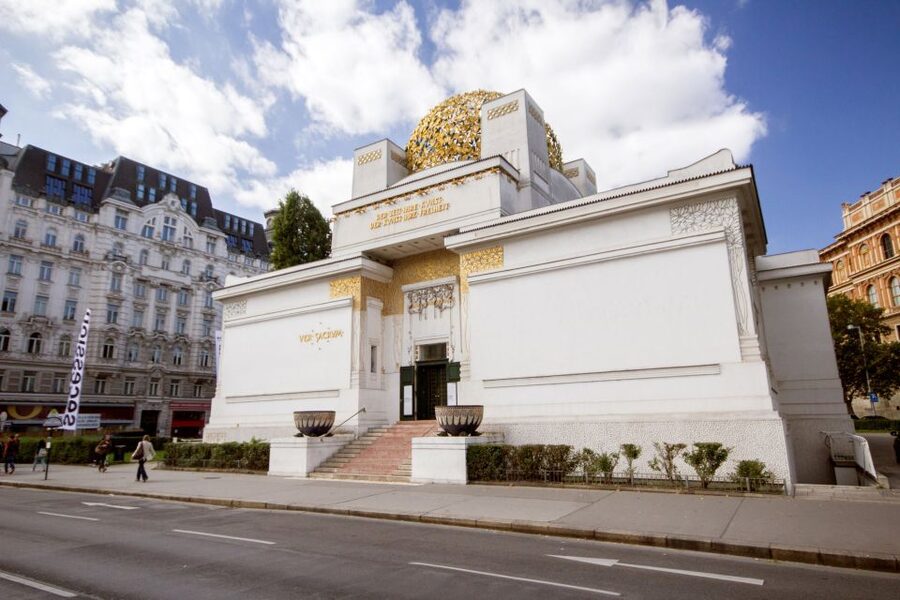
Hundertwasserhaus gives the route a welcome change of mood. After the formal palace squares, government buildings, and historic churches, the colorful, irregular design associated with Friedensreich Hundertwasser shows that Vienna is not only about imperial grandeur.
This stop is valuable because it broadens your picture of the city. You see an architectural style that is more playful and unconventional than the ordered façades along the Ringstraße. It also makes a good photo stop, though the time available may depend on the group and traffic.
The supplied route highlights Hundertwasserhaus, while the detailed sequence focuses more heavily on the Ringstraße, inner city, canal, Stadtpark, and Karlsplatz. Treat it as an important planned sight, but do not assume you will have a long visit or entry inside. The attraction works best here as part of the city ride.
Along the Donau Canal and through Stadtpark
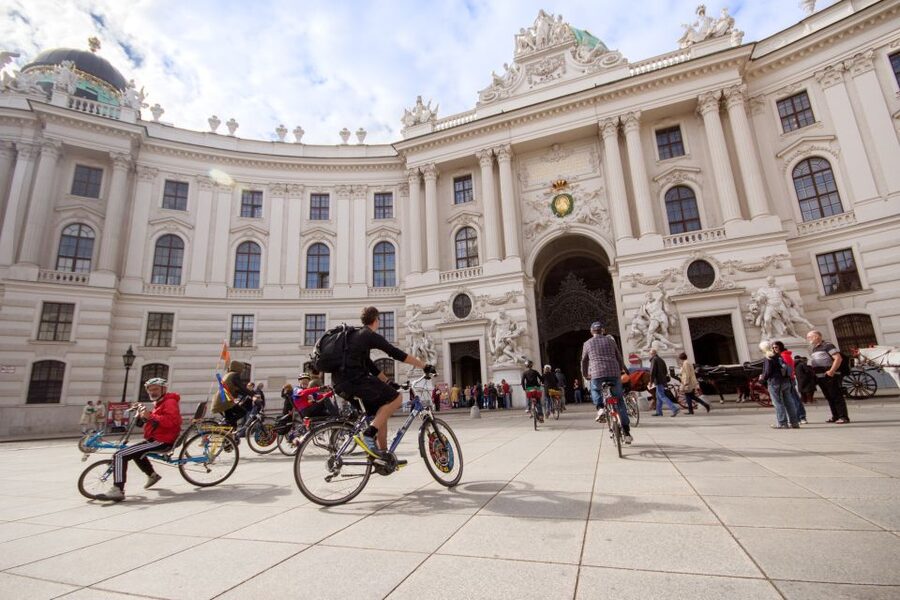
The Donau Canal brings a different view of Vienna. You move away from the ceremonial center and follow the waterway past Urania. This section helps show how the capital changes from palace city to everyday urban space, with modern public art and canal-side activity entering the picture.
One guide also points out canal graffiti, an unexpected contrast to the formal architecture earlier in the ride. That is the sort of small detail I value. It reminds you that Vienna is a living city, not a museum arranged for visitors.
The route continues through Stadtpark. A park ride gives your legs and attention a break after the denser central streets. It also makes the three-hour outing feel less like a checklist of monuments. You get a sense of Vienna’s open public spaces along with its famous buildings.
A snack or drink break may happen during the outing, but refreshments are not included. Bring money and, if you prefer certainty, your own water. The official inclusions cover the bicycle and guide only.
Karlsplatz and Karlskirche
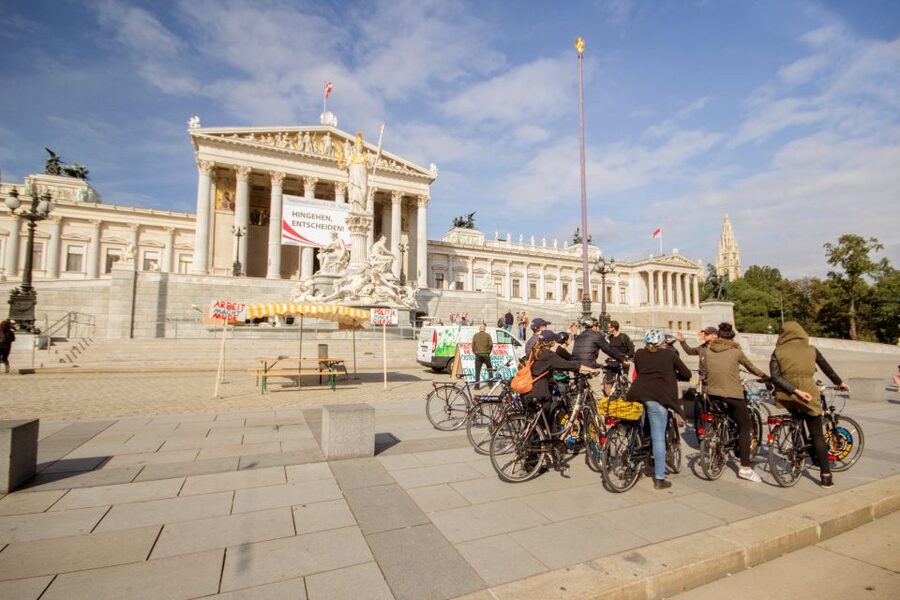
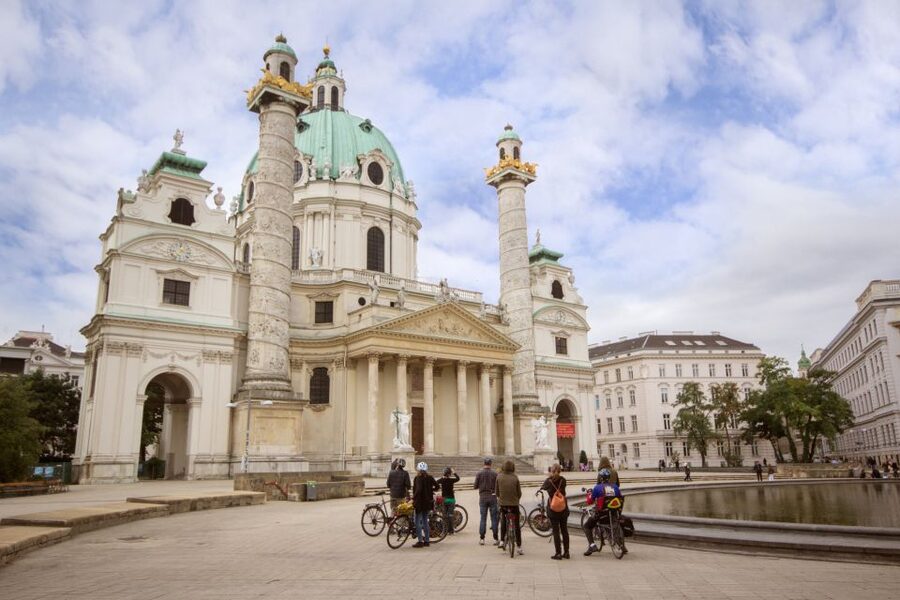
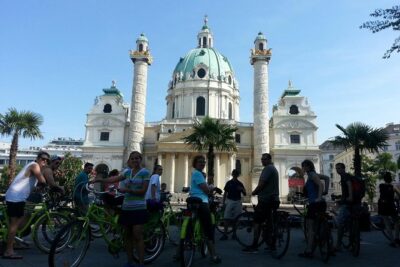
The route crosses Karlsplatz, where Karlskirche provides another memorable architectural stop. The church’s grand exterior is especially effective when seen as part of the wider square rather than approached only as an isolated attraction.
This final section helps tie the tour together. You have seen imperial buildings, political institutions, religious landmarks, a modern architectural statement, a canal, and a city park. Vienna becomes easier to understand as a collection of different districts and moods.
The ride returns to Bösendorferstraße 5, the same place where it began. That makes the tour simple to fit into a day of sightseeing, since you do not need to arrange transport back from a separate ending point.
What the guides add to the ride
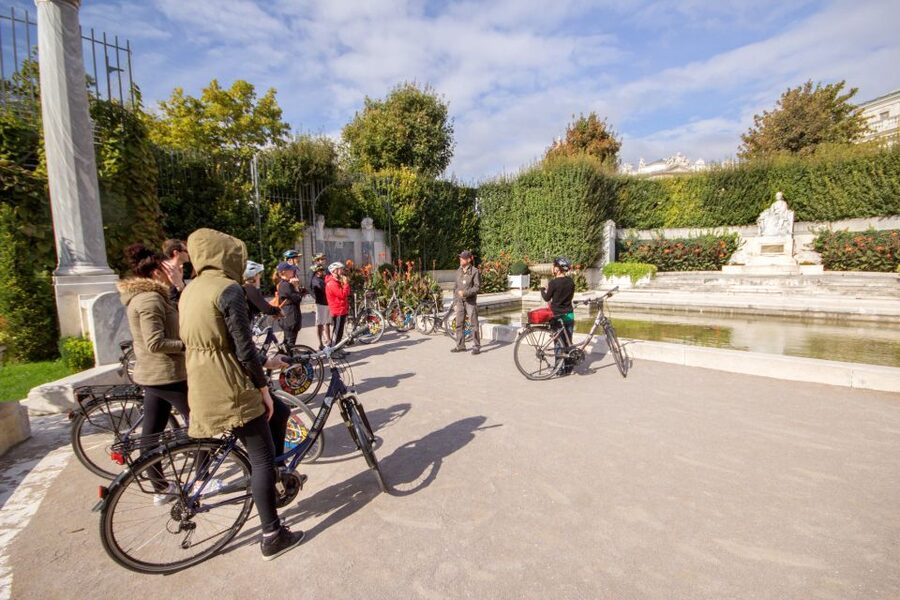
The strongest part of this experience is the guide, not the bicycle itself. A rental bike gets you from place to place, but the guide turns the ride into an introduction to Vienna’s people, politics, architecture, and habits.
Horst is praised for his humor, local stories, and ability to connect with the whole group. Ute is described as friendly, witty, and especially good at keeping the pace comfortable. Max combines a short version of Vienna’s history with recommendations for museums, food, and other sights.
Natalie brings energy and local anecdotes, while Marco is praised for being funny, considerate, and passionate about his subject. Peter is appreciated for giving enough information to be interesting without overwhelming the group. These names matter because guide quality can make or break a city tour, and this activity appears to have a deep bench of strong leaders.
You should still remember that no two departures are identical. The exact stories, stopping time, and group rhythm depend on your guide, weather, and the number of riders. The consistently praised qualities are clear explanations, humor, safety, and practical recommendations.
Pace, comfort, weather, and group size
The route is generally flat and follows cycle lanes or quieter roads, making it suitable for people who want to see a lot without a hard physical challenge. It is not described as a race, and a slower pace can be helpful in summer heat.
You need to bring a passport or identity card. Children under 12 cannot take part. The tour runs in all weather, and rain ponchos are available for purchase, but I would still check the forecast before booking a morning or evening departure.
A late-afternoon ride can be appealing. One outing ran from 5:30 p.m. to 8:30 p.m., with less traffic reported toward the end. Starting times vary, so check availability when you book. An evening slot may also leave your morning free for a museum or palace visit.
The bicycles are described as comfortable and suitable for the route. Drinks and snacks are not included, and you should not count on a formal refreshment stop. Plan a quick café visit before or after if you need more than the ride itself provides.
Is $72 a fair price for three hours?
At $72 per person, this is not Vienna’s cheapest sightseeing option. The fee includes the bicycle and a licensed live guide, but not food, drinks, or entrance tickets.
I think the price can be fair if you value orientation and efficient sightseeing. In three hours, you cover a large number of major landmarks and get guide commentary that would take time to assemble from a guidebook. You also save energy compared with walking between the State Opera, Hofburg, St. Stephen’s Cathedral, the canal, and Karlsplatz.
The value is weaker if you already know central Vienna, prefer long visits inside individual attractions, or dislike group cycling. This is a survey tour, not a substitute for the State Opera, Hofburg, cathedral, or museums themselves. You are paying for movement, explanation, and a broad first look.
The free-cancellation policy allows a full refund when you cancel at least 24 hours ahead. You can also reserve now and pay later, which helps if your schedule is still taking shape.
Who should book this Vienna bike tour?
I would choose this tour for a first or second day in Vienna. It gives you a mental map, shows you which sights deserve more time, and provides restaurant and museum suggestions while you still have time to use them.
It suits adults, older children who meet the age requirement, couples, friends, and solo visitors who like an active city introduction. You do not need to be a serious cyclist, but you should feel comfortable riding on urban streets and keeping up with a group.
I would skip it if rain would spoil your day, if you want a private guide, or if you prefer to spend three hours inside one major attraction. A group of about 18 can also feel crowded, especially when stopping near busy landmarks.
FAQ
Where does the Vienna bike tour start?
The tour starts at Bösendorferstraße 5, 1010 Vienna.
Where does the tour finish?
The activity ends back at Bösendorferstraße 5.
How long does the bike tour last?
The guided bicycle tour lasts three hours.
What is included in the price?
The price includes bicycle rental and a tour guide.
Are food and drinks included?
No. Drinks and snacks are not included.
Which languages are available?
The live guides conduct the tour in English, German, or Dutch.
What sights does the tour visit?
The route includes the State Opera, Austrian Parliament Building, Burgtheater, Rathaus, Hofburg Imperial Palace, Heldenplatz, St. Stephen’s Cathedral, Hundertwasserhaus, Urania, the Donau Canal, Stadtpark, Karlsplatz, and Karlskirche.
Can children take part?
Children under 12 cannot participate.
Does the tour operate in bad weather?
Yes. The tour runs in all weather conditions. Rain ponchos can be purchased.
What should I bring?
Bring a passport or identity card.
Can I cancel for a refund?
You can cancel up to 24 hours in advance for a full refund.
Can I reserve without paying immediately?
Yes. The reserve-now, pay-later option lets you book your place without paying on the day of booking.
Should you book the Classic Vienna bike tour?
Book it if you want a lively, efficient introduction to Vienna rather than a deep visit to one attraction. The guide quality, flat route, and broad list of sights give this three-hour ride real value, particularly at the start of a city break.
Go in with sensible expectations. You will see many landmarks, hear useful stories, and cover more ground than you would on foot, but you will not tour the interiors in depth. If you are comfortable on a city bicycle, can manage the weather, and like learning through local anecdotes, this is a smart way to get your Vienna bearings fast.
Just added in Vienna
- Vienna: Austrian Wine Tasting Experience★ 4.2 · 2 reviews
- World War II History Vienna Old Town Private Walking Tour★ 4.8 · 9 reviews
- Vienna_ Meet Beethoven Life Private Guided Walking Tour★ 5.0 · 1 review
- Vienna: Wine Tasting Tour★ 4.8 · 61 reviews
- Vienna: Wine Tasting E-Bike Tour★ 4.9 · 46 reviews
- Vienna: Wine Tasting at Schönbrunn Palace★ 4.3 · 71 reviews
- Vienna: Winery and Wine Tasting Tour with a Wine Expert★ 5.0 · 5 reviews
- Vienna: Concert by the Vienna Baroque Orchestra★ 4.6 · 56 reviews
Cycling Tours, compared.
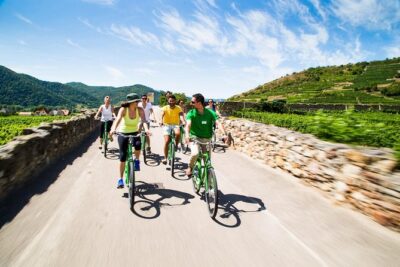
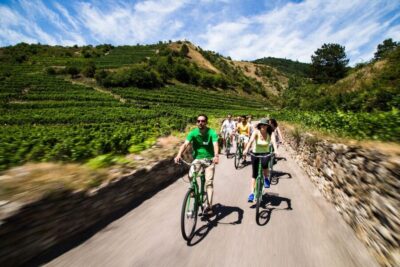
Wachau Valley Wine Tasting Bike Tour from Vienna
Read our review →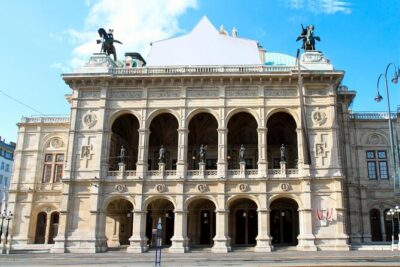
Grape Grazing: Wachau Valley Winery Biking Tour
Read our review →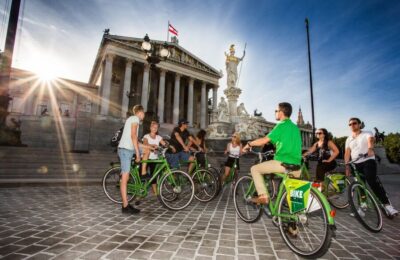
Vienna by Bike 3-Hour All-In-One City Bike Tour in English
Read our review →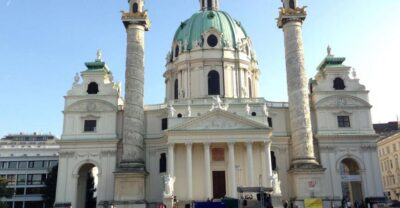
Browse the lists this tour appears in