
Reviewed · CLASSICAL CONCERTS AND OPERA
Vienna: Classical Concert at Mozarthaus with Museum Entry
Music sounds different in Mozart’s house. This experience pairs Mozarthaus Vienna with a candlelit performance by the Wiener Ensemble in the building’s cellar. I like the rare setting and the excellent three-musician concert, but the museum is less polished than the music and requires careful timing.
I also like the useful mix of Mozart, Beethoven, Schubert, and Strauss, plus the short introductions before many pieces. The 70-minute format fits neatly into an evening, though seating can affect your view, especially if you are not near the front.
In This Review
- Key points to know
- Why the Mozarthaus setting matters
- Seeing the apartment before the music
- Descending to the candlelit cellar
- What the Wiener Ensemble plays
- Why the small ensemble works so well
- Seating and sightlines
- Is $69 a fair price?
- A practical evening plan
- Who should book this experience?
- Should you book the Mozarthaus concert?
- FAQ
- Where does the concert take place?
- How long does the experience last?
- What time does the concert begin?
- Does the ticket include museum entry?
- When can I visit the museum?
- What music is performed?
- Is seating reserved?
- Is the venue wheelchair accessible?
Key points to know
- Mozart’s final Vienna residence: Visit the only surviving apartment where Mozart lived in Vienna.
- A concert below the museum: The music takes place several floors down in a renovated cellar.
- Small ensemble, big sound: Piano, violin, and cello create a surprisingly full performance.
- More than Mozart: The program can include works by Beethoven, Schubert, and Strauss.
- Museum timing matters: Combo-ticket holders must enter the museum by 4:50 PM, before the 6:30 PM concert.
- Best for first-time concertgoers: Clear introductions and a friendly presentation make classical music easy to follow.
Why the Mozarthaus setting matters
Mozarthaus Vienna sits near Stephansplatz, in the center of Vienna. This is not simply a concert hall with a Mozart-themed name attached. Mozart lived in this building, and the museum occupies his only surviving residence in the city.
That connection gives the evening its special charge. You first walk through the rooms tied to Mozart’s Vienna years, then head down into the cellar for music. The change from apartment to performance space creates a pleasing sense of continuity. You are not just reading about Mozart in a display case and then taking a tram across town for a concert.
Mozart lived here during an important period of his life. The museum covers his work, his time, his household, and personal details that help place the composer in ordinary human surroundings. You get a look at the man behind the famous name, not only the polished genius presented in schoolbooks.
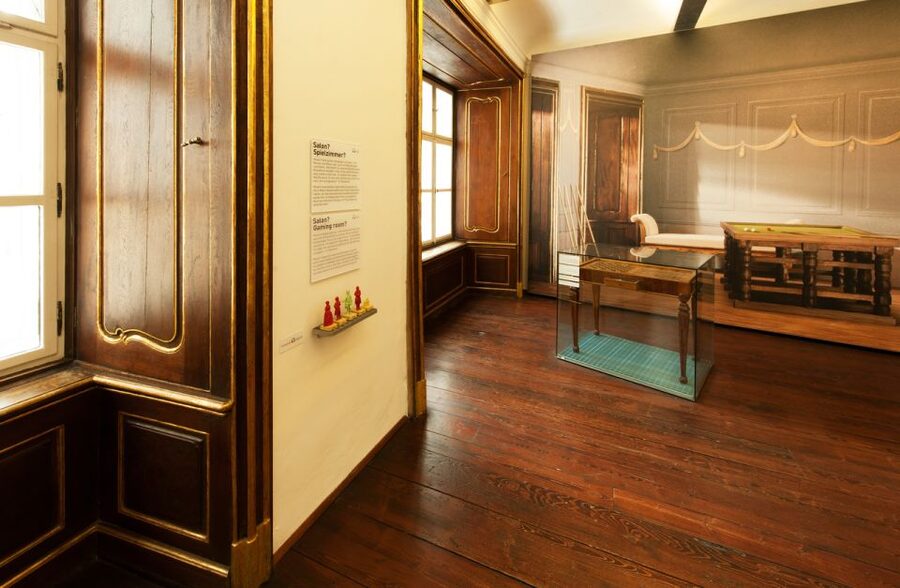
Still, keep your expectations sensible. Much of the original household material is gone, so this is not a museum packed with furniture, instruments, and personal possessions. Some rooms rely more on interpretation and audio information than on physical objects. If you prefer museums with many original artifacts, you may find the visit a little thin.
More Classical Concerts in Vienna
- Vienna: Vivaldi’s Four Seasons Concert in Karlskirche
★ 4.7 · 14,951 reviews - Vienna: Classical Concert in the World-Famous Musikverein
★ 4.6 · 6,673 reviews - Vienna: Classical Concert at St. Stephen’s Cathedral
★ 4.1 · 4,177 reviews
Seeing the apartment before the music
If you choose the combo ticket, you can visit the museum at any time during its working hours on the day of your concert. The important cutoff is 4:50 PM for last admission. Since the concert begins at 6:30 PM, I would not leave the museum until the final possible hour.
Give yourself enough time to read the displays and use the audio guide. Some people find the museum fairly long because there are not many objects to break up the information. That is not necessarily a flaw, but it means you should pay attention to your energy and interests.
The audio guide adds useful context, particularly if you do not know much about Mozart’s life in Vienna. It helps explain the period, the apartment, and the private details behind the public figure. The museum can be harder to follow if you move through it quickly without listening or reading.
The museum’s condition appears uneven. One detailed assessment praised the information but noted dust on clothing displays, dead insects in artifact boxes, and old audio equipment. The Spanish narration was also criticized for awkward pauses and pronunciation. These are not reasons to skip the combo automatically, but they are fair warnings if museum presentation matters greatly to you.
For most people, the museum works best as a compact introduction to the evening rather than the main event. Think of it as context for the concert. The music is where this experience earns its price.
Descending to the candlelit cellar
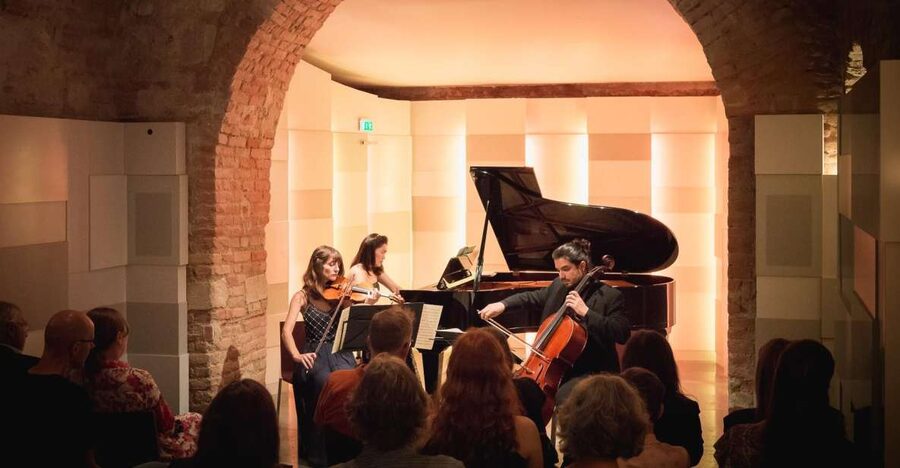
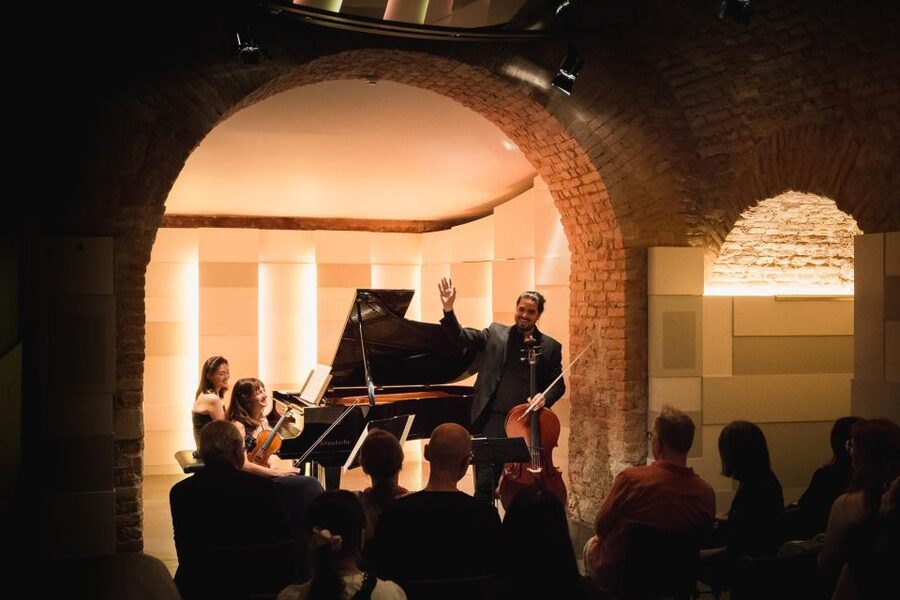
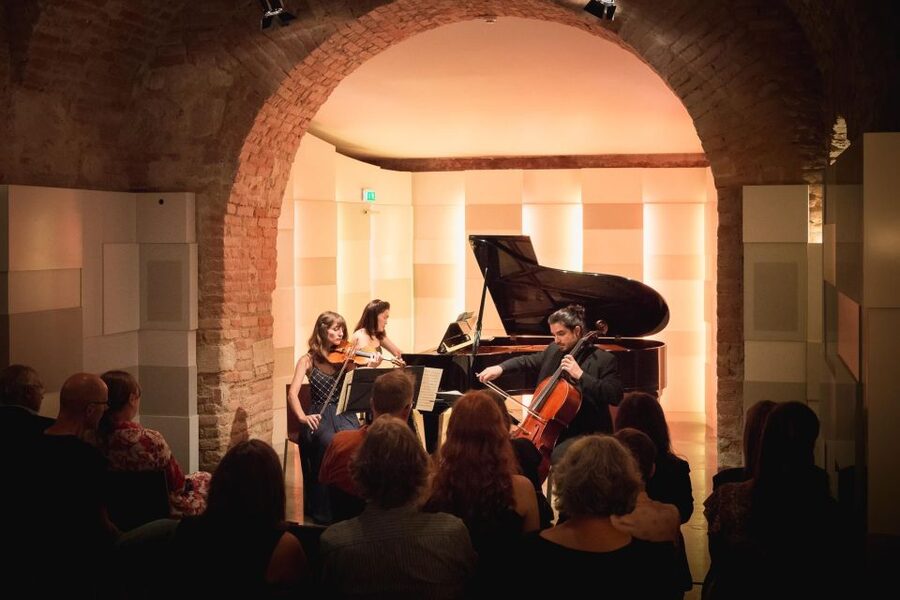
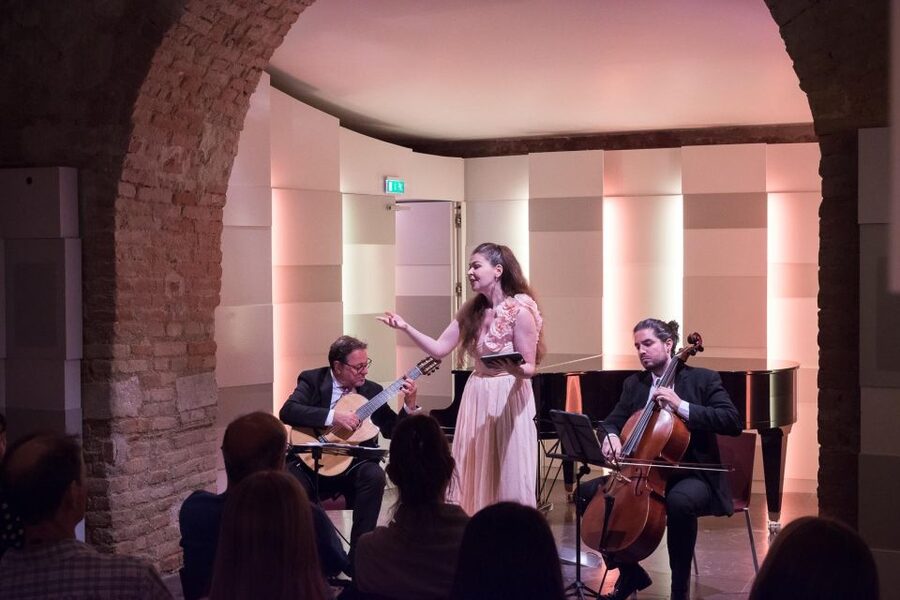
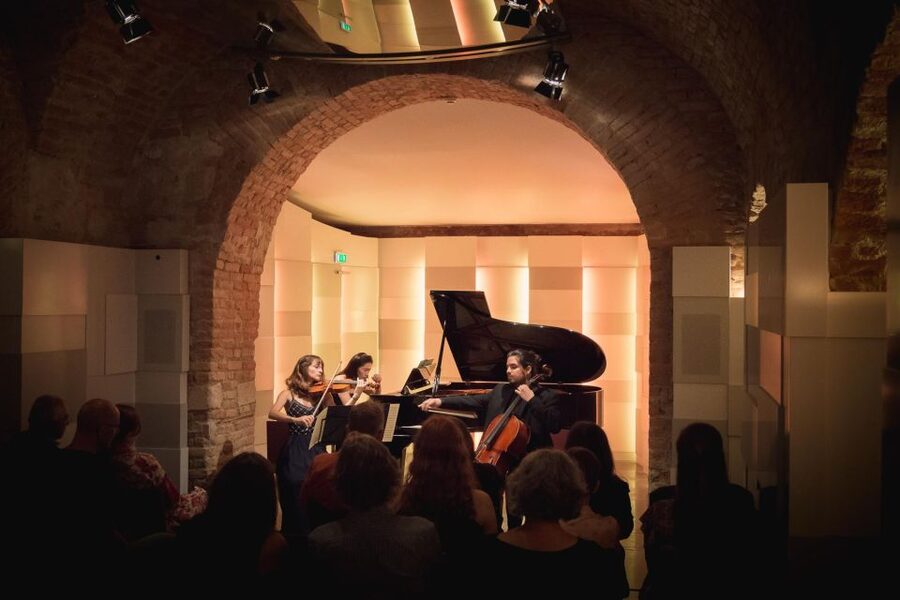
After the museum, you walk several floors down to the renovated cellar. The concert room is small, intimate, and candlelit. It has the feel of a private salon rather than a grand Viennese concert hall.
That scale is the main advantage. You can watch the musicians work together. The sound feels direct, and the room’s acoustics have received consistent praise. A trio may look modest on paper, but the piano, violin, and cello can produce a broad range of color and volume.
The cellar can also be warm. One person specifically advised against wearing too many layers. That is practical advice, especially if you are attending after a full day of walking around Vienna. Dress neatly if you like, but comfort matters more than formal concert clothing.
The candlelight adds atmosphere without turning the event into a theatrical show. The focus remains on the musicians. There are no large production effects or grand staging tricks to distract from the playing.
What the Wiener Ensemble plays
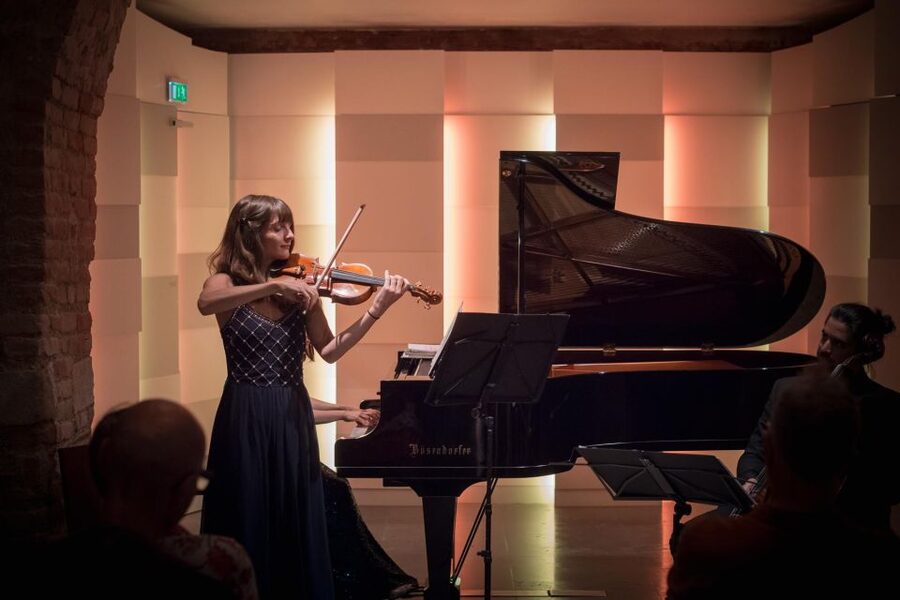
The Wiener Ensemble is a Vienna-based chamber group devoted to Mozart and his contemporaries. The program centers on well-known Mozart works, with selections from other major Viennese composers such as Beethoven, Schubert, and Johann Strauss.
That variety helps keep the 70 minutes moving. You may hear something playful, something lyrical, and something more dramatic in the same sitting. Strauss adds a lighter Viennese touch, while Beethoven and Schubert broaden the sense of place and period.
The exact selection can vary, so you should not book this expecting one fixed Mozart-only recital. If your goal is to hear a broad sample of Viennese classical music in a historic setting, that flexibility works well.
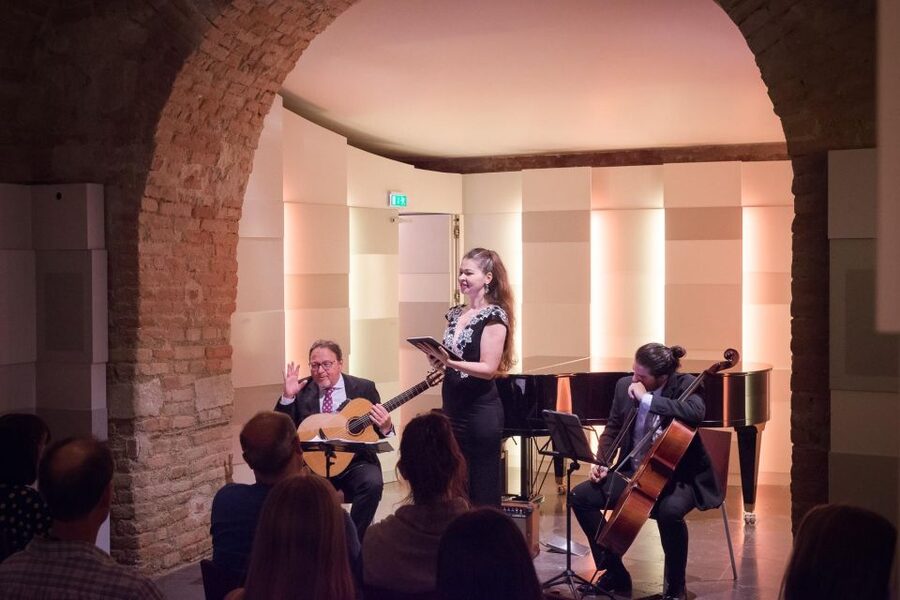
I especially like the spoken introductions. The musicians or host explain the background of many pieces before playing them. These short comments make the program easier to follow and give each work a little human context.
That helps if you are new to classical music. You do not need to recognize a sonata or know the difference between every musical form. You can simply listen for the mood, then understand why the next piece was chosen.
The presentation is friendly rather than stiff. One particularly praised format had the cellist also acting as host. The combination of music and storytelling made the performance feel welcoming, not like an exam in music appreciation.
A completely different kind of day:
- Vienna: Spanish Riding School Training
★ 3.9 · 9,281 reviews - Vienna: Schönbrunn Palace & Gardens Skip-the-Line Tour
★ 4.7 · 7,739 reviews - Vienna: Light of Creation Votive Church Immersive Light Show
★ 4.8 · 6,779 reviews - Vienna Spanish Riding School Guided Tour
★ 4.7 · 6,765 reviews
Why the small ensemble works so well
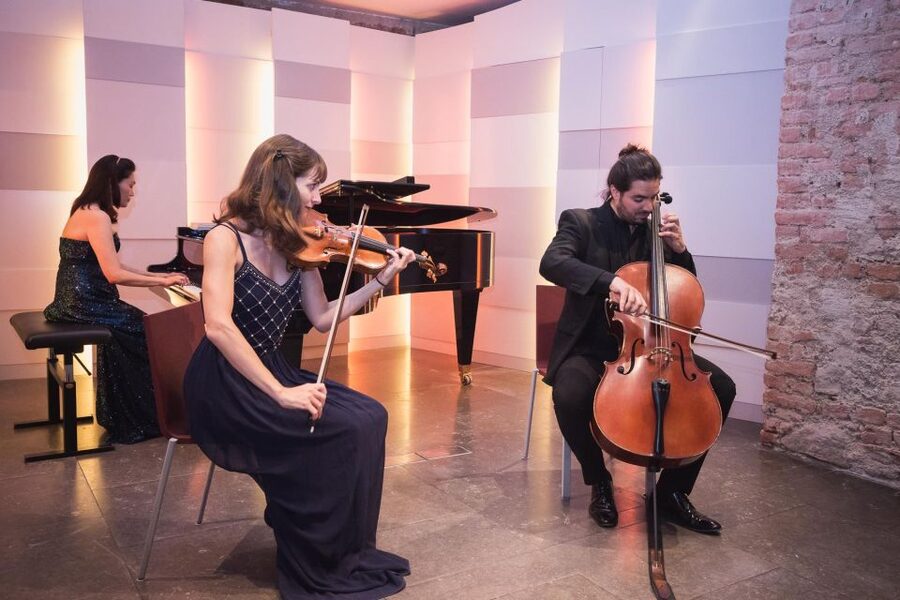
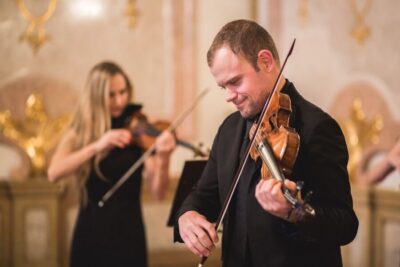
The strongest part of the evening is the musicianship. The performers are often described as expressive, precise, and highly skilled. The trio’s timing and coordination are a pleasure to watch, especially in a room where every movement and musical exchange is easy to hear.
A chamber performance depends on close cooperation. There is no large orchestra to cover a missed entrance or soften a rough edge. When the players are in sync, you hear the conversation among the instruments. The violin may carry the main melody while the cello adds weight and the piano shapes the rhythm.
Several performances have left first-time concertgoers surprised by how much sound three musicians can create. That is one reason this works well as an introduction to classical music. You get the detail of a small group without losing the sweep and excitement of familiar compositions.
The musicians also bring personality to the presentation. Warm explanations, humor, and occasional audience engagement make the evening feel human. The tone is serious about the music, but it does not demand solemn silence between every piece.
If you already attend major orchestral concerts, do not expect the force of a full symphony. This is a different experience. Its pleasure comes from closeness, clarity, and the sense that you are hearing individual artists rather than a large musical machine.
Seating and sightlines
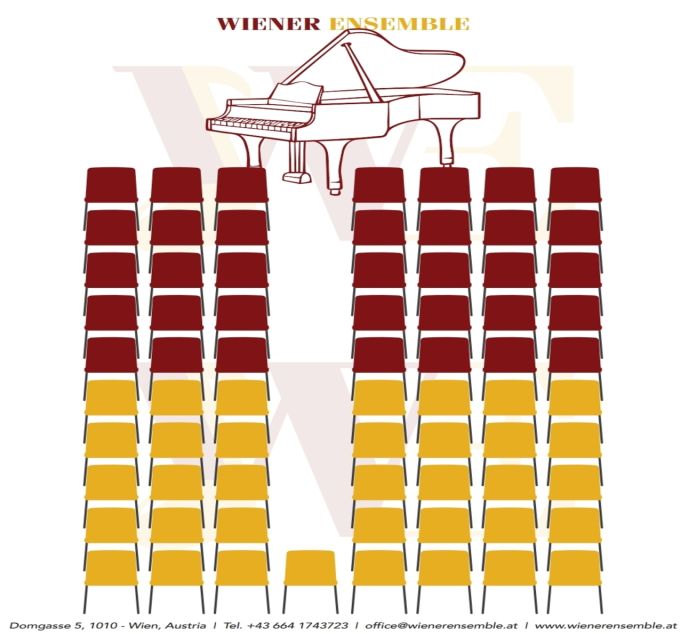
Your ticket includes reserved seating, and booking options may let you choose a seating category. That is useful because the room is small, but it does not guarantee the same view from every position.
Front-row seats can be excellent. You are close to the performers and can see their technique clearly. Several people have singled out the front row as a major advantage.
The seating arrangement has drawn some criticism, too. Depending on your location, another person may partially block your view. The acoustics are generally strong from different seats, but sound and sightlines are not quite the same thing.
If seeing the musicians matters to you, choose the best available seating rather than treating all options as identical. If you mainly want to listen, the room’s size means you should still hear well from much of the audience area.
Is $69 a fair price?
At $69 per person, the combo ticket is not the cheapest classical music option in Vienna. You are paying for more than 70 minutes of music, though. The price includes reserved concert seating and, if selected, entry to Mozarthaus Vienna.
The value depends on how you use the afternoon. If you already plan to visit the museum, combining it with the concert saves you from arranging two separate cultural stops. The location near Stephansplatz also makes this easy to fit into a day in central Vienna.
The concert alone is the stronger part of the purchase. The setting is unusual, the musicians are highly capable, and the spoken introductions add real value. A first-time concertgoer may get more from this accessible format than from a longer performance in a formal hall.
The museum adds worthwhile context, but its presentation has some weak spots. If you are mainly interested in Mozart’s living spaces and personal story, include it. If you have limited time or dislike audio-guide museums with few original objects, the budget concert option may suit you better.
Check the ticket type carefully. The budget option does not include museum entry. The combo option includes the museum, but you must arrive before 4:50 PM on concert day to be admitted.
A practical evening plan
The simplest plan is to visit Mozarthaus in the afternoon, then remain in the area until the concert. You do not need to rush through the museum immediately before the performance if you enter earlier in the day.
I would allow enough time to use the audio guide without racing. Afterward, take a break before the 6:30 PM concert. Vienna’s central district offers plenty of places to pause, but the activity information itself does not specify a restaurant or meeting procedure beyond presenting your voucher at the Wien Museum Mozarthaus near Stephansplatz.
At the meeting point, show your voucher. English and German assistance is available. The concert lasts 70 minutes, which makes it a manageable evening activity even if you have dinner plans afterward.
The premises are wheelchair accessible, with an elevator. That is helpful because the performance room is several floors below the museum. If you need specific seating assistance, it is sensible to ask the host or greeter when you arrive.
Free cancellation is available up to 24 hours before the activity for a full refund. You can also reserve and pay later, which helps if your Vienna schedule is still changing.
Who should book this experience?
I would recommend it most strongly to:
- First-time classical concertgoers
- Mozart fans who want to see his Vienna residence
- Couples seeking a quiet evening activity
- Families with older children interested in music and history
- Visitors who prefer small venues to large formal halls
- Anyone wanting a concise taste of Vienna’s musical tradition
You do not need a strong classical music background. The spoken introductions make the pieces more approachable, and the varied program gives you several ways into the music.
You may want to skip the museum add-on if your schedule is tight, you have already visited Mozarthaus, or you are mainly paying for the concert. You should also think twice if you want a grand orchestra, a large hall, or a guaranteed unobstructed view from every seat.
Should you book the Mozarthaus concert?
Book it if the setting and intimacy appeal to you. The concert is the clear highlight: talented musicians, excellent acoustics, a relaxed presentation, and a cellar directly connected to Mozart’s former residence.
Choose the combo if you want the full context and can arrive before the 4:50 PM museum cutoff. Choose the concert-only option if you want the strongest part of the experience without spending extra time in a museum that some people find dated or difficult to follow.
For a first live classical concert, this is an especially good choice. You get familiar music, helpful stories, and a room where three performers can sound much bigger than expected. In a city filled with musical offerings, this one feels personal and easy to enjoy.
FAQ
Where does the concert take place?
The concert takes place in a beautifully renovated cellar several floors below Mozarthaus Vienna, Mozart’s only surviving residence in Vienna.
How long does the experience last?
The concert experience lasts 70 minutes.
What time does the concert begin?
The concert starts at 6:30 PM.
Does the ticket include museum entry?
Museum entry is included only if you select the combo option. The budget concert option does not include museum admission.
When can I visit the museum?
With the museum option, you can visit during the museum’s working hours on the day of your concert. The last admission is at 4:50 PM, so you must arrive before then.
What music is performed?
The program includes well-known works by Mozart and may also include music by Viennese composers such as Beethoven, Schubert, and Strauss.
Is seating reserved?
Yes. The concert ticket includes reserved seating, with seating options available when booking.
Is the venue wheelchair accessible?
Yes. The premises are wheelchair accessible and have an elevator.
More Museum Tours in Vienna
- Vienna: Skip-the-Line Sisi Museum, Hofburg and Gardens Tour
★ 4.8 · 5,918 reviews - Vienna Kunsthistorisches Museum Day Admission Ticket
★ 4.6 · 3,690 reviews - Tickets for the Albertina Exhibitions
★ 4.7 · 2,126 reviews - Sigmund Freud Museum Ticket
★ 4.6 · 1,668 reviews
Just added in Vienna
- Vienna: Austrian Wine Tasting Experience★ 4.2 · 2 reviews
- World War II History Vienna Old Town Private Walking Tour★ 4.8 · 9 reviews
- Vienna_ Meet Beethoven Life Private Guided Walking Tour★ 5.0 · 1 review
- Vienna: Wine Tasting Tour★ 4.8 · 61 reviews
- Vienna: Wine Tasting E-Bike Tour★ 4.9 · 46 reviews
- Vienna: Wine Tasting at Schönbrunn Palace★ 4.3 · 71 reviews
- Vienna: Winery and Wine Tasting Tour with a Wine Expert★ 5.0 · 5 reviews
- Vienna: Concert by the Vienna Baroque Orchestra★ 4.6 · 56 reviews
Classical Concerts and Opera, compared.
Vivaldi’s Four Seasons Concert in Karlskirche
Read our review →
Classical Concert in the World-Famous Musikverein
Read our review →
Classical Concert in St. Anne’s Church (Annakirche)
Read our review →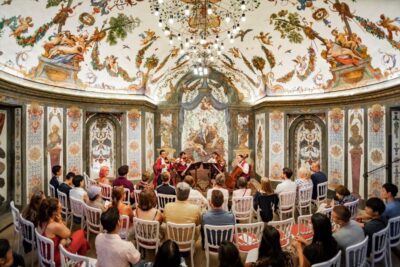
Browse the lists this tour appears in