
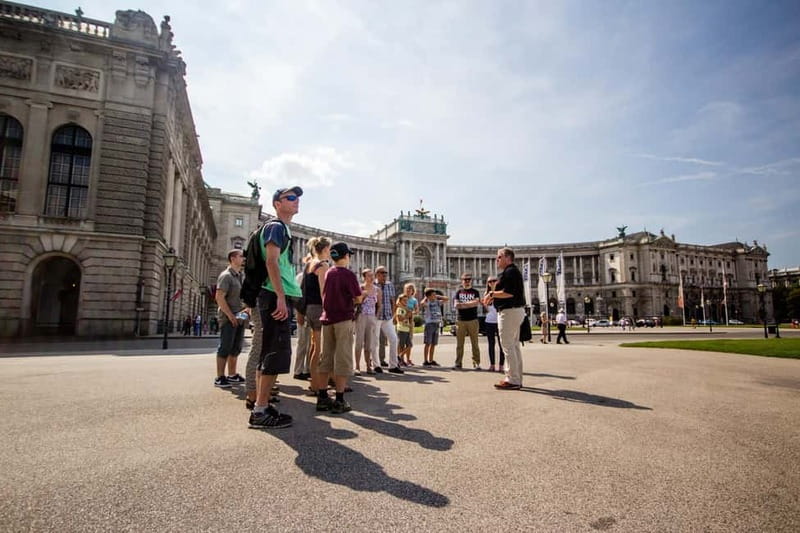
Reviewed · WALKING TOURS
Vienna: 2 Hours Sightseeing Walking Tour
Vienna reveals itself on foot. This relaxed two-hour walk links imperial courtyards, grand boulevards, art, opera, and everyday city life in a compact route. I especially like the small-group format and the way guides such as Wolfgang and Herbert add personal stories instead of simply reciting dates. The price is also fair for a first look at central Vienna.
The main drawback is that this is an outdoor orientation, not a museum tour. You will not have entrance fees included, and the walk runs in rain or cold. It is also unsuitable for children under 12 and people with mobility limitations.
In This Review
- Key points to know before booking
- Why this two-hour walk works as a Vienna introduction
- Meeting at Loos Haus on Michaelerplatz
- Michaelerplatz and the Hofburg: Vienna’s seat of power
- Josefplatz and the imperial center
- Vienna State Opera and the story behind the spectacle
- Albertina Museum and Neuer Markt
- St. Stephen’s Cathedral and the finish at Stephansplatz
- The guides make or break this experience
- Small groups, weather, and walking comfort
- Is $33 a fair price?
- Who should book this Vienna walking tour?
- Should you book it?
- FAQ
- How long does the Vienna sightseeing walking tour last?
- Where does the tour start?
- Where does the tour end?
- Which languages are available?
- Are entrance fees included?
- Is the tour suitable for children?
- Is the tour accessible for wheelchair users?
- Does the tour run in bad weather?
- Can I cancel the booking?
Key points to know before booking
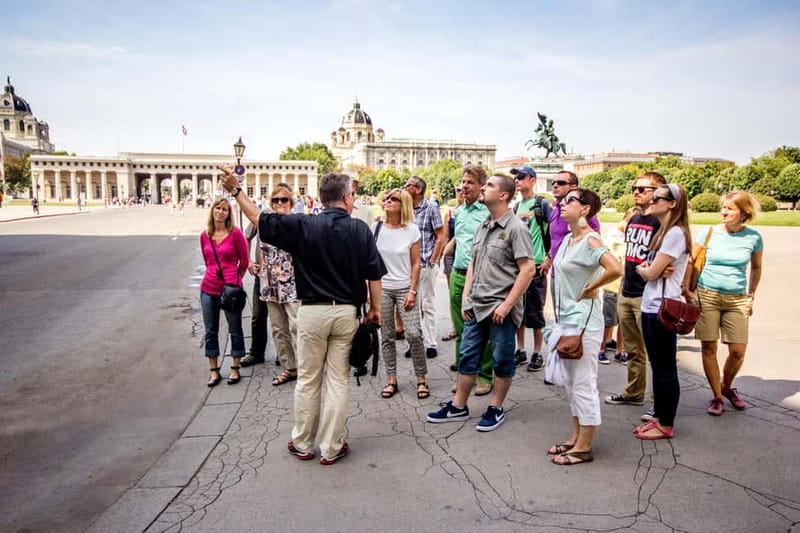
- Michaelerplatz is both the meeting point and a dramatic first stop, with the Loos Haus, Baroque curves, and access to the Hofburg area.
- Wolfgang, Herbert, and Dorothea have earned especially warm praise for clear English, humor, patience, and useful local suggestions.
- The route covers Vienna’s historic core efficiently, including Hofburg Palace, Josefplatz, the State Opera, Albertina, Neuer Markt, and St. Stephen’s Cathedral.
- Small groups make a real difference, giving you room to ask questions and making it easier to hear the guide in busy streets.
- No attractions are entered, so plan separate visits to the Albertina, Hofburg interiors, or other museums.
- Start this tour early in your Vienna stay if possible, since the route helps you understand the center and choose what to visit later.
Why this two-hour walk works as a Vienna introduction
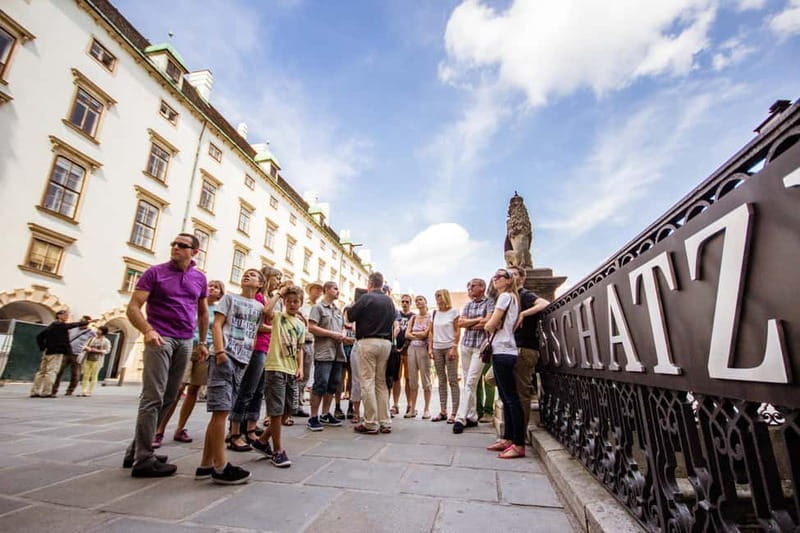
Vienna can feel grand and slightly confusing at first. The center is full of palaces, churches, statues, arcades, and formal squares, and many buildings carry several centuries of alterations. A short walk with a good local guide gives those layers some order.
This tour focuses on the old city and the former Habsburg imperial center. You hear about Vienna as the seat of the Habsburg monarchy and a former capital of the Holy Roman Empire, while also seeing how the city functions today. That mix matters. You are not only looking at a palace facade. You are learning why the palace grew, how power was displayed, and how the same streets now serve shoppers, office workers, concertgoers, and residents.
The two-hour length is one of the strongest features. It is long enough to cover a good stretch of central Vienna without turning into an exhausting half-day march. The pace includes walking, stopping, and listening, with time to take in courtyards and streets along the way.
I would book it for your first day or morning in Vienna. Once you recognize the squares and main streets, you can return to the places that caught your attention. One person described the benefit well: after the walk, getting around without a map became much easier. That is exactly what a good orientation should do.
More Walking Tours in Vienna
- Vienna: Guided Walking Tour of City Center Highlights
★ 4.7 · 4,989 reviews - Vienna: Vienna Central Cemetery Guided Walking Tour
★ 4.8 · 3,307 reviews - Vienna: Guided Walking Tour of City Highlights & Hidden Gems
★ 4.9 · 2,180 reviews
Meeting at Loos Haus on Michaelerplatz
The tour starts in front of Loos Haus at Michaelerplatz 3, 1010 Vienna. Look for the building between Kohlmarkt and Herrengasse, with Raiffeisenbank written on the facade. The meeting point is about a three-minute walk from Herrengasse station on the U3 metro line.
Arrive with a few minutes to spare. The square has several striking buildings and more than one possible place to wait, so it is worth checking the address carefully. A previous participant initially had trouble spotting the guide but solved it by calling and meeting up easily. That is a useful reminder to keep the activity contact details handy.
Michaelerplatz is a fine place to begin because it brings old and new Vienna together immediately. The plaza has a star-shaped Baroque design, while Loos Haus presents a much plainer modern facade. The contrast gives your guide an easy way to explain Vienna’s changing taste in architecture.
You should bring comfortable shoes and a light rain layer. Large bags and luggage are not allowed, and audio recording is not allowed either. The tour runs in all weather, so a sunny morning is not guaranteed.
Michaelerplatz and the Hofburg: Vienna’s seat of power
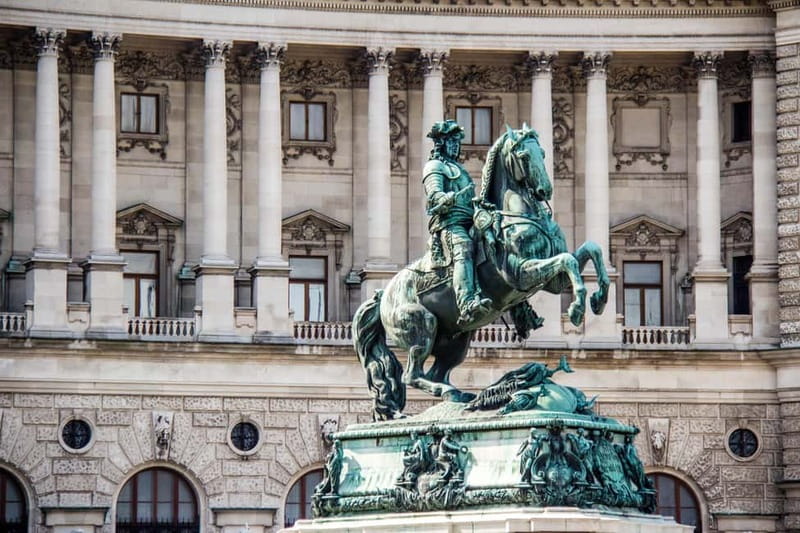
From Michaelerplatz, the walk moves into the Hofburg district. This is where the tour’s political story begins in earnest.
The Hofburg Palace is not one tidy palace built at one time. It was repeatedly extended, altered, and rebuilt as the Habsburg rulers gained influence and required more space. That makes the complex especially useful for understanding imperial Vienna. You see an architectural record of changing rulers, tastes, needs, and ambitions.
A guide can make this less abstract by pointing out how the palace relates to the surrounding squares, gateways, and streets. The route gives you the setting for stories about the Habsburg family and the long period in which Vienna served as a center of European power.
Several people particularly enjoyed Herbert’s way of making the Habsburgs understandable. He reportedly used anecdotes and humor to put faces and personalities onto a long line of rulers, without drowning the group in dates. That approach suits this walk. You get enough historical structure to follow the story, but the details arrive through human incidents rather than a lecture.
The Hofburg stop is also a good example of the tour’s limit. You see and discuss the palace from the walking route, but entrance fees are not included. If you want the imperial apartments, museums, or other interior sights, you will need to arrange those separately.
Josefplatz and the imperial center
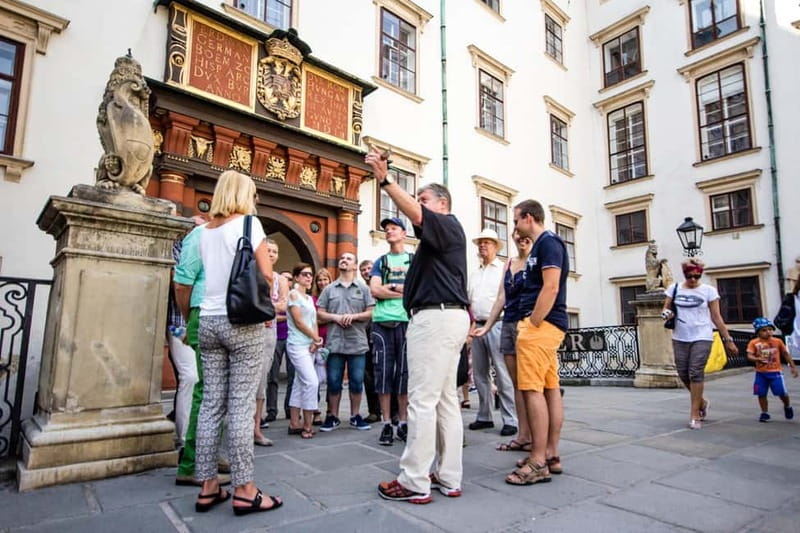
Josefplatz is quieter and more composed than some of Vienna’s larger public spaces. It helps you read the imperial center as a connected set of courtyards and formal areas rather than a series of unrelated photo stops.
Here, the guide can continue the story of court life, public ceremony, and the Habsburg presence in the city. The value is not just the square itself. It is the sense of how power occupied space in old Vienna, with grand buildings arranged for movement, display, and access.
The walk is designed to keep moving, but it is not simply a fast march past monuments. The strongest accounts describe a good balance of walking, sitting, pausing, and talking. That is important in a city where the most interesting details may be above eye level or tucked into a courtyard.
Some guides also point out less obvious corners and interiors that you might not find alone. Do not expect a long series of private entries, but do expect the possibility of seeing side areas that are easy to miss when following a standard map. Keep your questions ready. The small groups make conversation one of the tour’s real advantages.
A completely different kind of day:
- Vienna: Vivaldi’s Four Seasons Concert in Karlskirche
★ 4.7 · 14,951 reviews - Vienna: Spanish Riding School Training
★ 3.9 · 9,281 reviews - Vienna: Schönbrunn Palace & Gardens Skip-the-Line Tour
★ 4.7 · 7,739 reviews - Vienna: Light of Creation Votive Church Immersive Light Show
★ 4.8 · 6,779 reviews
Vienna State Opera and the story behind the spectacle
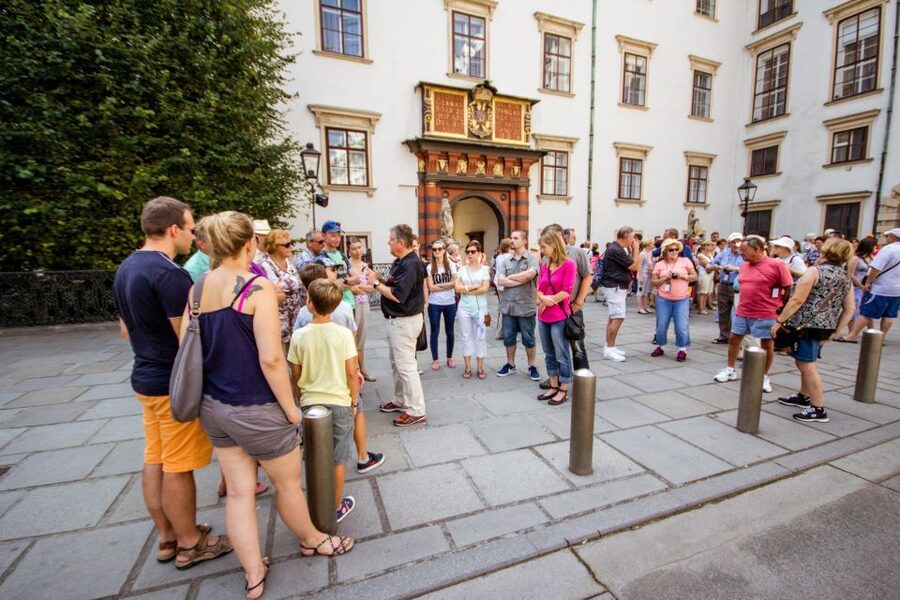
The route continues to the Vienna State Opera, one of the city’s most recognizable buildings. Even if you do not attend a performance, the exterior helps explain Vienna’s continuing connection with music and public ceremony.
This is also where the tour moves from dynastic history toward the city’s artistic identity. The opera house is not presented in isolation. It forms part of the grand central streetscape, where imperial display, culture, shopping, and daily movement all meet.
The supplied route also includes a detail connected with Sisi’s diamond stars, which were produced in Vienna. That small fact gives the walk a more personal angle. Instead of hearing only about palaces and institutions, you get a glimpse of the objects and personalities linked to court life.
A good guide can make this stop useful for planning the rest of your stay. You may want to return for a performance, explore the area at a different time, or simply look more closely at the buildings around the opera. The tour does not include an opera performance or entry, so treat this as a guided exterior visit.
Albertina Museum and Neuer Markt
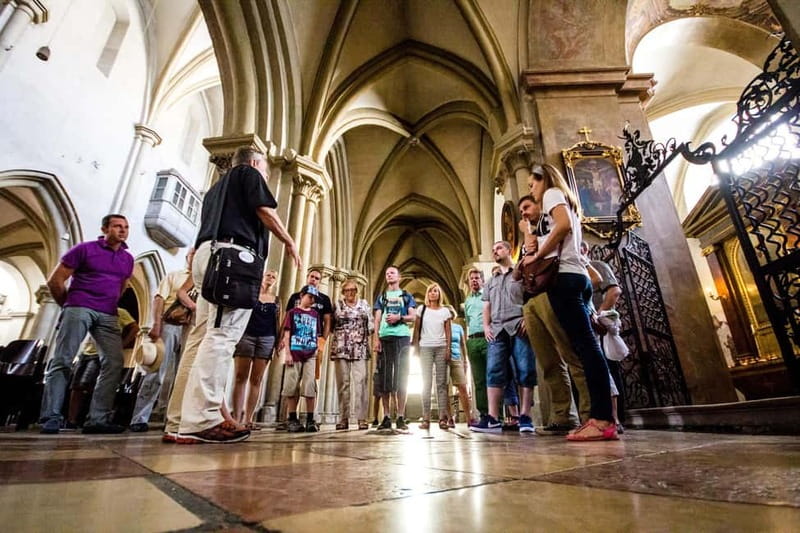
The Albertina Museum is another major landmark along the route. It is home to one of the world’s most important print collections, making it a worthwhile stop even if you are more interested in art than imperial politics.
You will learn about the museum from outside rather than entering as part of the walk. That is enough to place it on your mental map and decide if it deserves a separate visit. If you have limited time in Vienna, this kind of explanation can save you from wandering past a major collection without realizing what it contains.
The nearby Neuer Markt adds a different note. It is one of the central urban spaces included in the route, and the change from palace courtyards and monumental institutions helps you see Vienna as a living city rather than an open-air history exhibit.
This part of the walk is also a chance to ask about lunch and local places. Wolfgang has been praised for staying after the formal tour to offer practical suggestions, including where to eat. Herbert has also been singled out for explaining which sights deserve more of your time and which may not be worth prioritizing. That sort of advice can be more useful than another list of famous names.
St. Stephen’s Cathedral and the finish at Stephansplatz
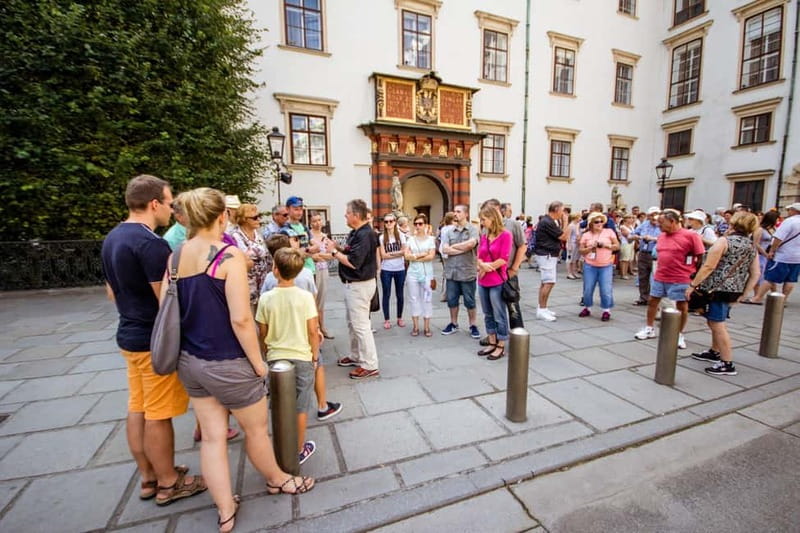
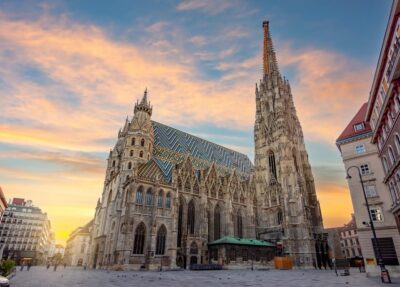
The final major sight is St. Stephen’s Cathedral, reached at Stephansplatz. Its scale and detail provide a strong finish to a route that began with Baroque planning and imperial architecture.
The cathedral is one of Vienna’s essential landmarks, but this tour treats it as part of a wider story. You have already seen the palace, court squares, opera, museum, and commercial streets. By the time you reach Stephansplatz, you can better understand how these places fit together within the old city.
The activity information gives Stephansplatz 8A as the end point, while also noting that the tour ends back at the meeting point. Confirm the exact end arrangement when you book or meet the guide, especially if you have a timed reservation afterward. The route is central either way, with easy access to more sightseeing once the walk is over.
Plan extra time after the tour if you want to enter the cathedral. Entrance fees are not included, and the walking tour itself does not become a cathedral visit.
The guides make or break this experience
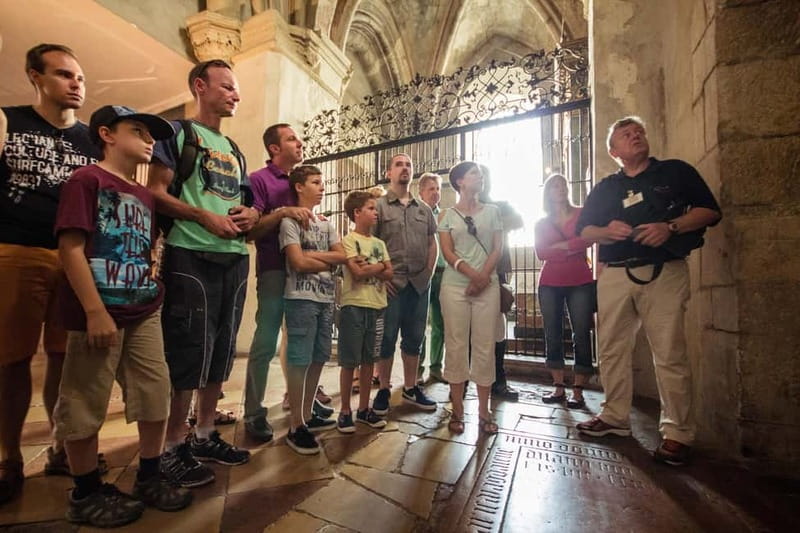
The strongest feature here is the human delivery. Wolfgang receives repeated praise for his humor, fluent English, careful group management, and broad store of stories. One especially favorable account came from someone who leads walking tours in San Francisco and described Wolfgang as a true professional. That is high praise from a fellow guide.
Herbert is also mentioned again and again. His style appears to be friendly, clear, and entertaining, with enough detail to make the Habsburg period memorable without turning the walk into a list of rulers. Several people considered him an ideal guide for a first visit, especially because he answered questions and offered suggestions for further sightseeing.
Dorothea has been praised for an informative two hours with a very small group. That points to a useful feature of the experience: group size can vary, and on quieter dates you might have an unusually personal walk.
The languages are English and German. If you book the English departure, you can expect the guide to explain the city in English, and several comments specifically praise the guides’ spoken English and delivery.
The tone seems best suited to people who enjoy stories, questions, and historical context. If you prefer to move silently from one photo stop to the next, this may feel slower than necessary. If you like knowing why a place matters, the guide adds real value.
Small groups, weather, and walking comfort
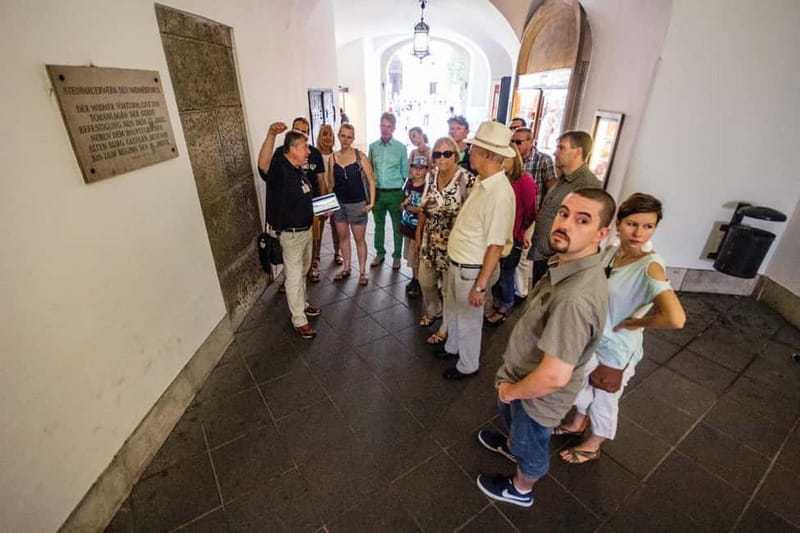
Small groups help in three practical ways. You can hear more easily, ask questions without holding up a large crowd, and stay connected to the guide on crowded central streets. They also make it more likely that the guide can respond to your interests rather than giving the same speech without interruption.
The walk takes place in all weather. There are positive accounts of the tour continuing through rain, fog, freezing temperatures, and chilly mornings, with the guide keeping the group engaged. Still, do not confuse a good guide with good weather. Wear shoes suited to two hours on city streets and bring protection from rain or cold.
The tour is not suitable for wheelchair users or people with mobility impairments. It is also not suitable for children under 12. Large luggage and bags are not allowed, so this is not a good activity to schedule between hotel checkout and a train departure unless you have somewhere secure to leave your belongings.
Is $33 a fair price?
At $33 per person, the value depends on what you want from a city walk. You are paying for two hours with a certified local guide, not for admission to the Albertina, Hofburg, cathedral, or opera. If you planned to enter several of those places, you will need a separate budget.
For an orientation, the price is reasonable. You cover several major sights, receive historical context, and get local suggestions that can shape the rest of your visit. The small-group setting makes the cost more appealing than a large, impersonal walk.
The tour also includes the benefit of efficient routing. You could find these buildings on a map, but the connections between them are harder to create on your own. A well-told explanation of why the Hofburg expanded, how Josefplatz fits the court district, or what makes the Albertina important can save you time later.
Free cancellation up to 24 hours before the start and the option to reserve now and pay later add useful flexibility. Check available start times before booking, since the activity lasts two hours and exact departures vary.
Who should book this Vienna walking tour?
I would recommend it most strongly to first-time visitors who want a clear introduction before exploring museums and palace interiors. It also suits solo visitors and couples who like asking questions, as well as anyone who wants a local Viennese voice rather than a purely scripted audio guide.
History fans should enjoy the Habsburg focus, especially if you like political stories mixed with personal anecdotes. Art lovers will appreciate the Albertina stop, though you should schedule a separate museum visit if the print collection interests you.
This is less suitable for families with younger children, anyone who cannot comfortably walk for two hours, or people carrying large bags. It is also not the right choice if you want extensive interior access. Think of it as a well-guided introduction to the center, not a replacement for Vienna’s major museums and palace visits.
Should you book it?
Book this tour if you want to get your bearings fast and understand why central Vienna looks the way it does. The route is packed with major sights, but the best part is the explanation between them: imperial power, court personalities, art, opera, and modern city life all meet within a short walk.
I would schedule it near the start of your stay, wear weather-ready shoes, and leave the afternoon open for returning to the places that interest you most. If you can request a guide, Wolfgang or Herbert have received especially strong praise, while Dorothea has also made a fine impression in small groups. For $33, it offers a useful first chapter to Vienna, as long as you are comfortable staying outdoors and paying separately for interiors.
FAQ
How long does the Vienna sightseeing walking tour last?
The tour lasts two hours. Starting times vary, so check availability when booking.
Where does the tour start?
It starts in front of Loos Haus at Michaelerplatz 3, 1010 Vienna. The building is between Kohlmarkt and Herrengasse, and it is about a three-minute walk from Herrengasse metro station on the U3 line.
Where does the tour end?
The activity information gives Stephansplatz 8A as a drop-off location and also says the tour ends back at the meeting point. Confirm the exact end arrangement with the guide on the day.
Which languages are available?
The tour is available in English and German. It includes a live guide.
Are entrance fees included?
No. Entrance fees are not included, so visits inside the Albertina, Hofburg, St. Stephen’s Cathedral, or other attractions require separate payment.
Is the tour suitable for children?
No. The activity is not suitable for children under 12.
Is the tour accessible for wheelchair users?
No. It is not suitable for wheelchair users or people with mobility impairments.
Does the tour run in bad weather?
Yes. Tours take place regardless of weather, so bring suitable clothing and comfortable walking shoes.
Can I cancel the booking?
Yes. You can cancel up to 24 hours in advance for a full refund. You can also reserve now and pay later.
Just added in Vienna
- Vienna: Austrian Wine Tasting Experience★ 4.2 · 2 reviews
- World War II History Vienna Old Town Private Walking Tour★ 4.8 · 9 reviews
- Vienna_ Meet Beethoven Life Private Guided Walking Tour★ 5.0 · 1 review
- Vienna: Wine Tasting Tour★ 4.8 · 61 reviews
- Vienna: Wine Tasting E-Bike Tour★ 4.9 · 46 reviews
- Vienna: Wine Tasting at Schönbrunn Palace★ 4.3 · 71 reviews
- Vienna: Winery and Wine Tasting Tour with a Wine Expert★ 5.0 · 5 reviews
- Vienna: Concert by the Vienna Baroque Orchestra★ 4.6 · 56 reviews
Walking Tours, compared.
Guided Walking Tour of City Center Highlights
Read our review →
Guided Walking Tour of City Highlights & Hidden Gems
Read our review →
Vienna Historic Center Small Group Walking Tour
Read our review →
Browse the lists this tour appears in