Reviewed · GUIDED
Esterhazy Palace Guided Tour
A small palace reveals a surprisingly large story. The Esterházy Palace guided tour gives you a focused look at aristocratic life, with Joseph Haydn’s chapel organ and the lesser-seen mezzanine rooms adding real character. I like the lively storytelling about the Esterházy family, Lord Nelson, and Haydn. I also like that the one-hour visit goes straight to the palace highlights instead of asking you to spend half a day wandering without context.
The main consideration is the meeting point. Although the experience is presented with Vienna as its location, the tour begins at Esterházy Palace in Eisenstadt, at Esterházyplatz 1. You must arrange your own transportation, and the ticket cannot be refunded or changed after booking.
In This Review
- Key details before you book
- Arriving at Esterházy Palace in Eisenstadt
- The palace highlights in one focused hour
- The Esterházy family and the people behind the rooms
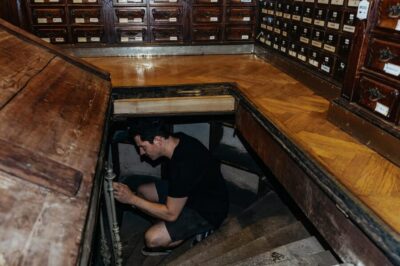
- The mezzanine storey and palace life above the grand rooms
- The 17th-century chapel and Haydn’s organ
- Silver service, portraits, and the details worth watching
- What $22.83 buys you
- Who will enjoy this palace tour most?
- My verdict on the Esterházy Palace experience
- FAQ
- Where does the Esterházy Palace guided tour begin?
- Where does the tour end?
- How long does the guided tour last?
- What language is the tour offered in?
- Is admission included?
- Is transportation included?
- Are food and drinks included?
- What is the price of the tour?
- Can children join the tour?
- How many people can join the tour?
- Can I cancel or change my booking?
Key details before you book
- Joseph Haydn’s organ: The palace chapel contains an organ partly dating from Haydn’s time, and he regularly played it.
- A look above the grand rooms: The mezzanine storey shows where the princess’s personal servants once lived.
- Stories with a human touch: The guide connects the building to the Esterházy family, Lord Nelson, Joseph Haydn, and other historical figures.
- A compact one-hour visit: You get the main palace experience without committing to a long museum day.
- Small enough for personal attention: The group can include up to 30 people, and one visitor even received a private tour.
- An affordable palace introduction: At $22.83 per person, the tour offers guided interpretation rather than admission alone.
Arriving at Esterházy Palace in Eisenstadt
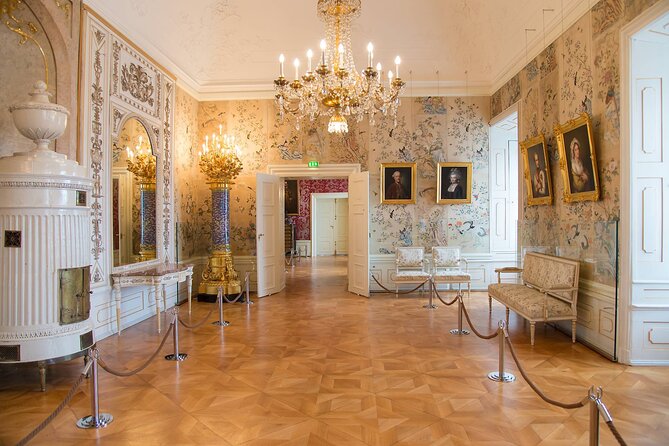
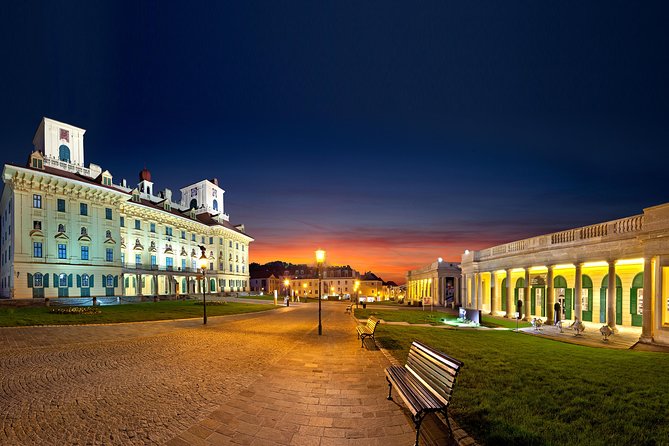
The practical detail that matters most is the address. You meet at Esterházy Palace, Esterházyplatz 1, 7000 Eisenstadt, Austria, and the tour ends at the same place. Transportation to and from the palace is not included, so you need to plan that part separately.
This location makes the experience a specific outing rather than a quick central Vienna stop. If your day is based in Vienna, check your route carefully before booking. The supplied information identifies Vienna as the location of the experience, but the actual meeting point is in Eisenstadt. That distinction can affect your timing and budget more than the ticket price itself.
Once you arrive, the format is simple. Present your mobile ticket, join the English-language guided tour, and follow the palace guide through the selected rooms. Confirmation arrives when you book, and the group is capped at 30 people. That is not an intimate group by definition, but it is limited enough to keep the visit organized.
I like this arrangement because there is no uncertainty about where the tour begins or ends. You are not dropped at a second location, and you do not need to find a separate museum entrance after the tour. Still, allow enough time to reach Eisenstadt. The one-hour duration refers to the palace visit, not your entire outing.
A few more options to weigh up in Vienna
- Vienna: Vivaldi’s Four Seasons Concert in Karlskirche
★ 4.7 · 14,951 reviews - Vienna: Spanish Riding School Training
★ 3.9 · 9,281 reviews - Vienna: Schönbrunn Palace & Gardens Skip-the-Line Tour
★ 4.7 · 7,739 reviews
The palace highlights in one focused hour
This is a highlights tour, and that is both its strength and its limit. You see the important parts of Esterházy Palace with an interpreter who explains why they matter. You do not get an open-ended afternoon to inspect every room at your own pace.
For me, the best use of a short palace tour is to connect objects and rooms to people. A grand staircase or formal room can look impressive, but a guide gives you the reason to care. Here, the story centers on the Esterházy family and the people who lived, worked, and performed within the palace.
The guide also brings in Lord Nelson and Joseph Haydn. Their presence gives the tour more range than a simple account of aristocratic rooms. You hear about political and cultural connections, then see the physical spaces where part of that world unfolded.
Several strong ratings praise the guides for making the presentation lively and clear. One description compares the experience to hearing a family member explain the palace. That is useful praise because it points to tone, not just facts. The tour seems designed to feel personal and spoken, rather than like a dry list of dates.
You should still keep your expectations in check. One-hour tours cannot explain every part of a large palace. One assessment also points out that relatively little furniture is on display, despite the palace having 134 rooms. If you want a fully furnished royal residence at every turn, this may feel selective. If you prefer a concise introduction with a human voice, the format makes sense.
The Esterházy family and the people behind the rooms
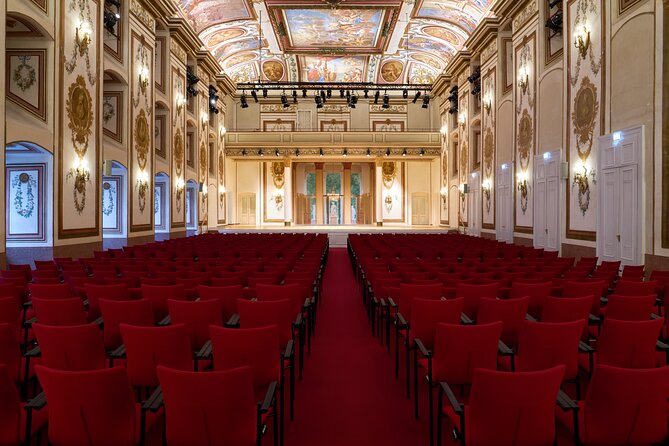
The palace becomes more interesting when you stop seeing it as a collection of rooms and start seeing it as a working household. The Esterházy family occupied the center of that world, but servants, musicians, visitors, and political figures all shaped its daily life.
The guide’s job is to connect those layers. You can expect stories about the family, the personalities associated with the palace, and the way people from different ranks fit into the building. The supplied comments praise the staff for answering questions well and explaining life in earlier times in an easy-to-follow way.
That last point matters. Aristocratic residences can become repetitive when every room is presented as another grand space. A good guide keeps the focus on how people used the building, what their roles were, and why certain rooms deserve attention. The strong response to the storytelling suggests that this tour does that better than a bare audio guide or self-guided walk.
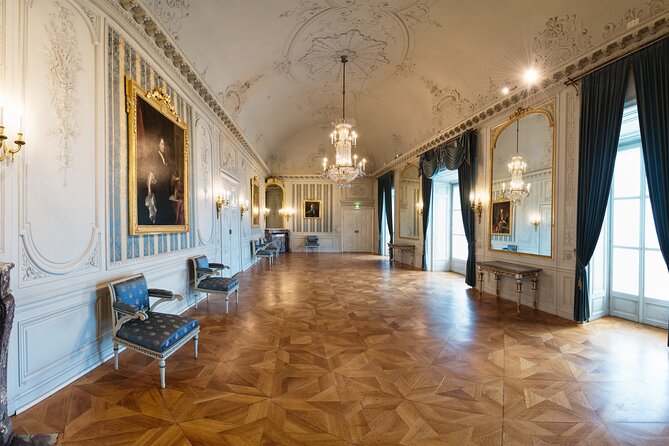
The palace’s collection also includes portraits of former lords and ladies. Those paintings give faces to the family story. You can look at the people who commissioned, occupied, and shaped the palace instead of treating the building as anonymous architecture.
I would pay close attention when the guide explains the household structure. The mezzanine storey, where the princess’s personal servants lived, is especially valuable because it shifts your view away from grand rooms. It shows that life inside a palace depended on many people whose names are less familiar.
The mezzanine storey and palace life above the grand rooms
The mezzanine is one of the more distinctive parts of the route. Rather than showing only ceremonial rooms, the tour takes you to an area used by the princess’s personal servants.
That detail gives the building social depth. You can compare the polished world of the nobility with the less public spaces needed to keep it running. Even without a large number of furnishings, the location itself helps explain the distance between the family and the staff who served them.
I like this part because it offers a practical question: who made palace life possible? The answer is not only the family whose portraits hang on the walls. It also includes the servants who lived nearby and handled personal tasks every day.
The mezzanine may also appeal to visitors who have already seen several European palaces. Grand halls can begin to blur together. Service areas, staff rooms, and behind-the-scenes spaces often tell you more about daily life than another ornate reception room.
At the same time, do not expect the tour to present every corner of the palace. The route focuses on highlights, and the mezzanine is one selected feature. Its value comes from the contrast it creates, not from a long exploration of servant quarters.
A completely different kind of day:
- Vienna: Light of Creation Votive Church Immersive Light Show
★ 4.8 · 6,779 reviews - Vienna Spanish Riding School Guided Tour
★ 4.7 · 6,765 reviews - Vienna: Classical Concert in the World-Famous Musikverein
★ 4.6 · 6,673 reviews - Vienna: Skip-the-Line Sisi Museum, Hofburg and Gardens Tour
★ 4.8 · 5,918 reviews
The 17th-century chapel and Haydn’s organ
The palace chapel is likely the most memorable stop for music lovers. It dates in part to the 17th century, and its organ partly comes from the time of Joseph Haydn. Haydn regularly played it, which gives the instrument a direct connection to one of the palace’s best-known cultural figures.
That is a stronger experience than simply seeing a portrait of a composer. You are looking at a physical object tied to his work at the palace. The organ turns the musical story into something concrete.
The information provided does not say that a concert or organ performance is included, so you should not book expecting live music. The value is in the guide’s explanation and in seeing the chapel and instrument as part of the palace’s story.
I would listen for how the chapel connects the Esterházy household to music. Haydn’s presence helps explain why the family mattered beyond its residence and titles. The palace was also a place where musicians worked, patrons supported the arts, and performances formed part of aristocratic life.
The chapel is also a useful change of mood during a one-hour tour. After portraits and rooms associated with family life, a sacred space and historic organ give the route a different focus. It keeps the visit from becoming a parade of similar interiors.
Silver service, portraits, and the details worth watching
One of the more unusual details associated with the tour is the silver tableware. You may see silver service behind glass and learn how a table was set with it. That small scene can say a great deal about ceremony, wealth, and the labor behind formal dining.
For me, objects like this work best when the guide explains their use. Silver is impressive on its own, but the act of setting a table shows how much preparation went into entertaining. It also helps you picture the palace as an active household rather than a silent display space.
The portraits of former palace lords and ladies add another layer. They are not just decoration. They help you follow the family line and put names and faces to the people connected with the building.
One point worth knowing is that the palace may not contain as much furniture as you expect. An assessment specifically found the limited furniture disappointing, while still praising the paintings and the explanation of past life. That is a fair warning for anyone who judges a palace mainly by its interiors.
I would approach the rooms as historical evidence rather than a perfect reconstruction. Look at the architecture, portraits, chapel, staff areas, and objects together. The tour’s strength is the story created by those pieces, not the sheer number of furnishings.
What $22.83 buys you
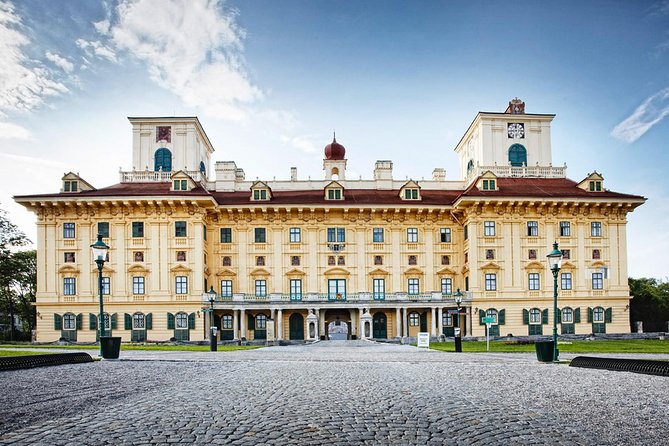
At $22.83 per person, this is a reasonable price if you want a guided introduction to Esterházy Palace. You are paying for admission and a guide, not just the right to enter a building. The explanation adds value, especially where the palace’s family connections and social structure are not obvious from the rooms alone.
The one-hour length also helps keep the cost in proportion. You get a clear cultural activity without giving up an entire day. That suits me when I want to add a palace visit to a wider Eisenstadt plan.
The value is less certain if you only want to walk through rooms independently. The experience includes a guided tour, and the guide is central to what makes it worthwhile. If you do not care about the stories of the Esterházy family, Haydn, or palace life, the price may feel less attractive.
Food and drinks are not included, and transportation is not included. Those are ordinary exclusions, but they matter here because the palace is in Eisenstadt and the outing may require separate planning. Build those costs and travel time into your decision.
The advance booking pattern is also worth noting. The tour is booked about 12 days ahead on average, so I would not leave it until the last minute if your date is fixed. Online booking secures a spot for your chosen date, subject to availability.
Who will enjoy this palace tour most?
I would recommend it most strongly to you if you enjoy guided history, historic families, music, and buildings where ordinary service spaces sit beside formal rooms. The chapel and Haydn connection give music fans a clear reason to go.
It also suits first-time visitors who want a manageable introduction. A one-hour route is long enough to provide context but short enough to fit around other plans. The guide-led format can help you understand what you are seeing without preparing in advance.
Families can join, but children must be accompanied by an adult. The information says most people can participate, and the tour is near public transportation. No special limitation is listed for general participation.
I would be more cautious if your main goal is a large collection of original furniture or a long, self-guided palace visit. The route is selective, and one assessment specifically wishes there were more furniture on view.
The group limit of 30 is another practical point. You may get a smaller group, and one person received an especially personal experience when attending alone, but you should not count on a private tour. At the maximum size, your experience will be more structured and less flexible.
My verdict on the Esterházy Palace experience
I like this tour because it gives the palace a human scale. The best moments are not simply the grand setting. They are the servant rooms, the historic organ, the portraits, the silver table service, and the guide’s stories about the people who made the place function.
The main weakness is scope. One hour cannot cover a 134-room palace in detail, and limited furniture may disappoint anyone hoping for fully furnished interiors. The Eisenstadt meeting point also requires careful planning if you are staying in Vienna.
At $22.83, I think it is a good buy for a focused, English-language introduction, especially if you value interpretation over wandering alone. I would book it if you are already planning time in Eisenstadt, enjoy Haydn or palace history, and want a short tour with a clear route. I would skip it if you cannot spare the transportation time or want a fully furnished residence with extensive independent access.
FAQ
Where does the Esterházy Palace guided tour begin?
The tour begins at Esterházy Palace, Esterházyplatz 1, 7000 Eisenstadt, Austria.
Where does the tour end?
The activity ends back at the meeting point, Esterházy Palace.
How long does the guided tour last?
The guided tour lasts approximately one hour.
What language is the tour offered in?
The tour is offered in English.
Is admission included?
Yes. Admission to the palace is included with the guided tour.
Is transportation included?
No. Transportation to and from the attraction is not included.
Are food and drinks included?
No. Food and drinks are not included.
What is the price of the tour?
The listed price is $22.83 per person.
Can children join the tour?
Yes. Children can participate, but they must be accompanied by an adult.
How many people can join the tour?
The tour can have a maximum of 30 participants.
Can I cancel or change my booking?
No. The experience is non-refundable and cannot be changed for any reason after booking.
Just added in Vienna
- Vienna: Austrian Wine Tasting Experience★ 4.2 · 2 reviews
- World War II History Vienna Old Town Private Walking Tour★ 4.8 · 9 reviews
- Vienna_ Meet Beethoven Life Private Guided Walking Tour★ 5.0 · 1 review
- Vienna: Wine Tasting Tour★ 4.8 · 61 reviews
- Vienna: Wine Tasting E-Bike Tour★ 4.9 · 46 reviews
- Vienna: Wine Tasting at Schönbrunn Palace★ 4.3 · 71 reviews
- Vienna: Winery and Wine Tasting Tour with a Wine Expert★ 5.0 · 5 reviews
- Vienna: Concert by the Vienna Baroque Orchestra★ 4.6 · 56 reviews
Guided, compared.
Guided Walking Tour of City Center Highlights
Read our review →
Bus & Schönbrunn Palace Skip-the-Line Guided Tour
Read our review →
Tickets for Mozarthaus Vienna with Audio Guide
Read our review →
Guided Walking Tour of City Highlights & Hidden Gems
Read our review →