Reviewed · TICKETS
Entrance ticket Heidi Horten Collection Vienna
Vienna’s modern art surprise begins off the grand route. The Heidi Horten Collection gives you a lively mix of 20th and 21st-century art, from Gustav Klimt and Pablo Picasso to Andy Warhol, Jean-Michel Basquiat, and Roy Lichtenstein. I like the striking architecture and the chance to see major names in a small, central museum. I also like the unusual way the collection moves between European modernism and American pop art.
The museum sits near the Vienna State Opera and the Albertina, making it easy to add to a central Vienna art walk. The main caution is that the display follows Heidi Horten’s personal taste rather than a strict art-historical story, so the arrangement may feel exciting to you or disconnected, depending on what you expect from a museum.
In This Review
- Key points to know before you go
- Why this small museum deserves a place in central Vienna
- The ground-floor Klimt to Warhol display
- What makes the architecture part of the visit
- The Line, from September 19, 2025, to March 8, 2026
- Light, sound, and sensory displays
- How much time should you allow?
- Is the $14.38 ticket good value?
- The difficult question about the collection’s funding
- Who will enjoy this museum most?
- Should you book the Heidi Horten Collection?
- FAQ
- Where is the Heidi Horten Collection?
- How much does admission cost?
- How long does a visit take?
- Is an audio guide included?
- Is the experience offered in English?
- What artists can I see?
- What is The Line exhibition?
- Is public transportation available nearby?
- Can I cancel for a refund?
Key points to know before you go
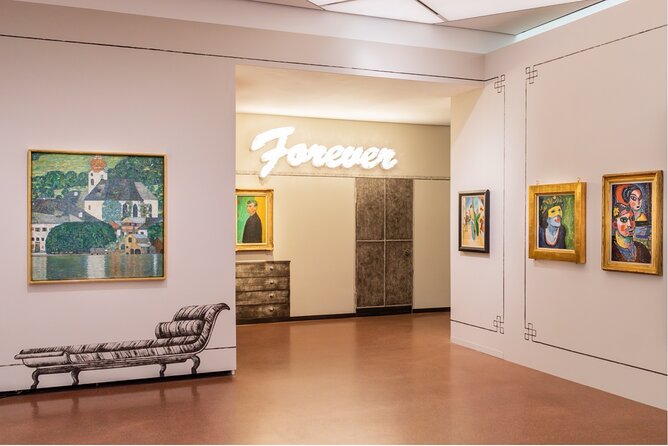
- Klimt to Warhol on the ground floor: The permanent display brings together major 20th-century and contemporary artists in a personal, free-flowing presentation.
- The Line runs from September 19, 2025, to March 8, 2026: This temporary exhibition explores how artists use the line across different eras and continents.
- A compact visit with plenty to see: Plan on one to two hours, though the size of the gallery does not limit the range of the art.
- A useful audio guide is included: You can use it in the museum, and the guide is also available through SMARTIFY from home.
- A central location saves time: The collection is close to the opera and Albertina, with public transportation nearby.
- The museum takes risks with presentation: Open sightlines, strong design choices, sound, light, and interactive elements may appeal to curious visitors but frustrate fans of traditional galleries.
Why this small museum deserves a place in central Vienna
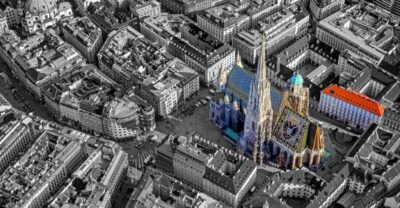
Vienna is famous for imperial rooms, Baroque churches, and the art of Klimt, Schiele, and the Secession. The Heidi Horten Collection offers a different mood. It is a modern private collection presented in a purpose-designed setting, with bold colors, open views between rooms, and art that jumps across decades.
The collection is not arranged like a textbook. You will not simply walk from Cubism to Surrealism to Abstract Expressionism in a neat historical line. Instead, you might encounter Klimt near Warhol, or a work by Chagall alongside something by Basquiat. That personal mix is the point.
I find this approach helpful if you already know some modern art and want to make fresh connections. It is also useful if you are new to the subject and prefer strong individual works over a long academic lecture. The museum lets you look first, then use the audio guide when you want more context.
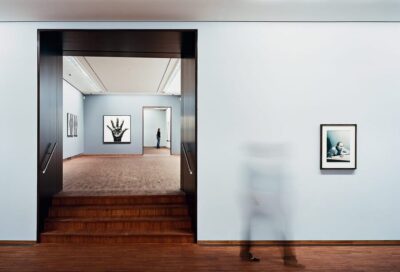
The setting adds to the experience. The building and interior are meant to be part of the presentation, not a neutral box that disappears behind the paintings. Sightlines between rooms give you glimpses of other works as you move through the collection. That can make the visit feel active and visually playful.
It can also make the museum feel less calm than a traditional gallery. Open rooms allow sound and activity to carry across the building. If you prefer quiet, chronological displays with plenty of space around each painting, you may need to adjust your expectations.
A few more options to weigh up in Vienna
- Vienna: Vivaldi’s Four Seasons Concert in Karlskirche
★ 4.7 · 14,951 reviews - Vienna: Spanish Riding School Training
★ 3.9 · 9,281 reviews - Vienna: Schönbrunn Palace & Gardens Skip-the-Line Tour
★ 4.7 · 7,739 reviews
The ground-floor Klimt to Warhol display
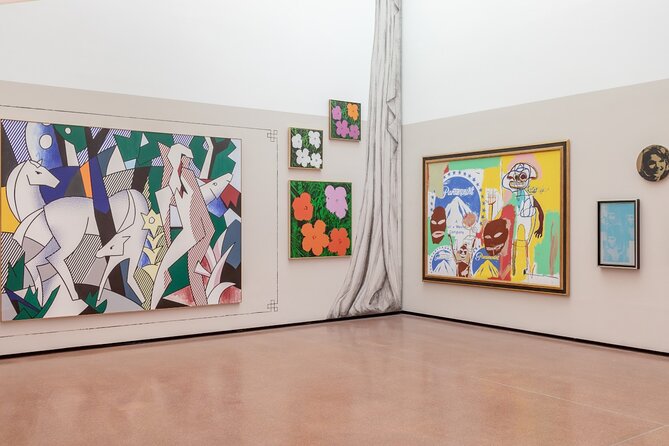
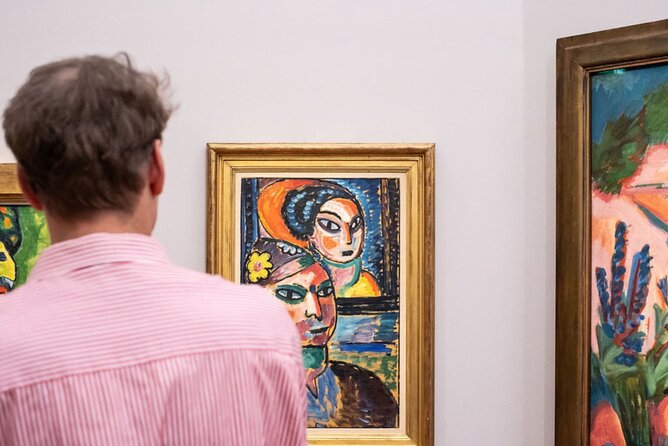
The permanent exhibition, titled Klimt to Warhol, focuses on modern and contemporary art that aims to affect both thought and emotion. The artist list is impressive: Francis Bacon, Georg Baselitz, Jean-Michel Basquiat, Marc Chagall, Lucio Fontana, Keith Haring, Paul Klee, Yves Klein, Gustav Klimt, Roy Lichtenstein, René Magritte, Emil Nolde, Pablo Picasso, Mark Rothko, Andy Warhol, and others.
The range is one of the ticket’s main strengths. You are not coming to see only Austrian art, only pop art, or only famous names. You get a broad selection from a private collection, with opportunities to compare different ideas about color, shape, identity, gesture, and mass culture.
If you are especially interested in pop art, the museum should be high on your list. Warhol and Lichtenstein give the collection a clear popular-culture pull, while Basquiat adds a rawer, more urgent voice. Visitors who come mainly for these artists may also find the Klimt and European modernist works a welcome surprise.
The reverse is true for visitors who expect a museum focused on Vienna around 1900. Klimt is present, but the collection is not built around him. You will not get the same concentrated Viennese art experience found in museums devoted specifically to Klimt, Schiele, or the Secession movement.
The display’s personal quality matters. Because the collection began as a private one, the selection reflects individual taste rather than the buying policy of a national institution. That gives the museum its character, but it also explains why some rooms may feel like a group of strong works rather than a single argument.
I recommend using the audio guide instead of trying to judge the arrangement too quickly. It can help explain the artists and the thinking behind the presentation. The museum also provides access through SMARTIFY, so you can consult the guide at home before or after your visit.
What makes the architecture part of the visit
The museum’s architecture is not just a backdrop. Its open and transparent interior was designed to create views through the building and between works. You may find yourself looking at one painting while another appears in the distance, creating visual links that a closed room-by-room layout would avoid.
This is especially effective when you enjoy photography, design, and the relationship between art and space. The interior gives you plenty to notice beyond the framed works. The collection can feel more like an installation than a conventional series of galleries.
That same design can be divisive. Some displays use curtains, furniture, or theatrical features that may strike you as playful and fresh. Others may see them as distractions from the art. The museum is clearly comfortable with that risk.
There can also be narrow traffic points between rooms, so take your time and follow staff directions around the artworks. The open layout means that light and sound from one area may reach another. If you are looking for a hushed, contemplative setting, this is worth knowing before you pay.
I would describe the architecture as a major reason to visit, but not necessarily a reason everyone will love the museum. It rewards curiosity. It asks you to accept that the building, the display, and the paintings are working together.
The Line, from September 19, 2025, to March 8, 2026
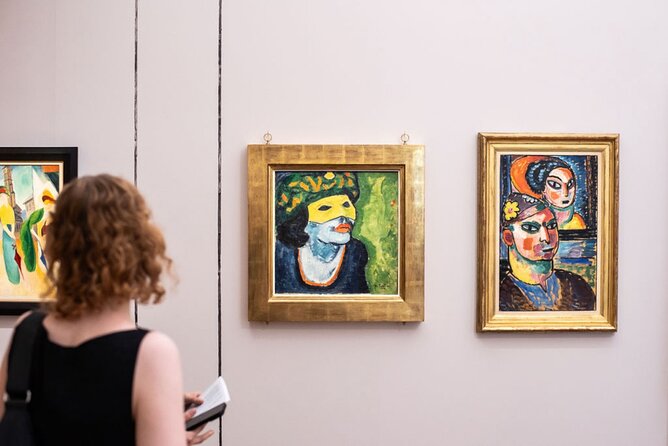
If you visit during these dates, the temporary exhibition The Line gives the museum a strong organizing idea. The subject sounds simple, but it opens many doors: a line can describe a body, divide a surface, suggest motion, create a boundary, or become the main subject of a work.
The exhibition takes you from Vienna around 1900 through the art of the 1960s and into the present. It also brings together artists from Europe, Africa, Asia, North America, and South America. That wider geographic reach gives the show a broader frame than the permanent collection.
Works by Paul Klee, Lucio Fontana, Roy Lichtenstein, Egon Schiele, Jackson Pollock, Agnes Martin, Andy Warhol, Chiharu Shiota, and others show how different artists can use the same basic element in entirely different ways.
You might find the exhibition especially rewarding if you like to compare techniques. Klee’s lines, Schiele’s expressive drawing, Pollock’s energetic marks, and Martin’s quiet precision create very different experiences. Fontana and Shiota also show how a line can affect the physical space around a work, not just the surface of a canvas.
The exhibition is also a good choice for families and mixed-interest groups because the theme is easy to understand at first glance. You do not need a long background in art history to begin looking. The challenge comes from noticing how the line changes meaning from one room to the next.
The collection has also used art education in a practical way. Programs have included guidance from art historians and creative activities that connect looking with making. If an educational session is available during your visit, it may add a more hands-on element to the exhibition.
A completely different kind of day:
- Vienna: Light of Creation Votive Church Immersive Light Show
★ 4.8 · 6,779 reviews - Vienna Spanish Riding School Guided Tour
★ 4.7 · 6,765 reviews - Vienna: Classical Concert in the World-Famous Musikverein
★ 4.6 · 6,673 reviews - Vienna: Skip-the-Line Sisi Museum, Hofburg and Gardens Tour
★ 4.8 · 5,918 reviews
Light, sound, and sensory displays
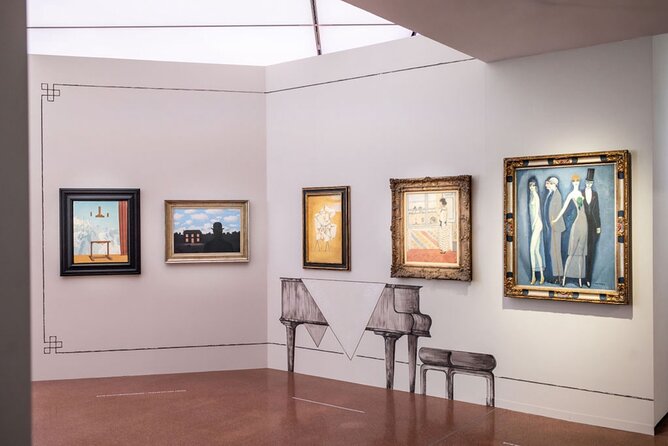
The museum has presented temporary projects built around light, sound, and smell. These rooms are designed to test how you experience art through more than sight. They are playful and sometimes theatrical, with a clear interest in social media and personal response.
This style will suit you if you enjoy art that asks you to participate rather than simply stand in front of a painting. It can also help children and first-time museum visitors feel that contemporary art does not require a special vocabulary.
But do not assume every room will be quiet or traditionally scholarly. Sound can carry into other parts of the building, and some displays are made with visual impact in mind. If you strongly prefer paintings on white walls with minimal interruption, check the current program before booking.
The museum’s openness about encouraging photographs and personal reactions is part of its identity. Some people will find that inviting. Others may feel that the presentation pushes too hard toward an Instagram moment. I would treat this as a matter of taste rather than a flaw that affects every visitor.
How much time should you allow?
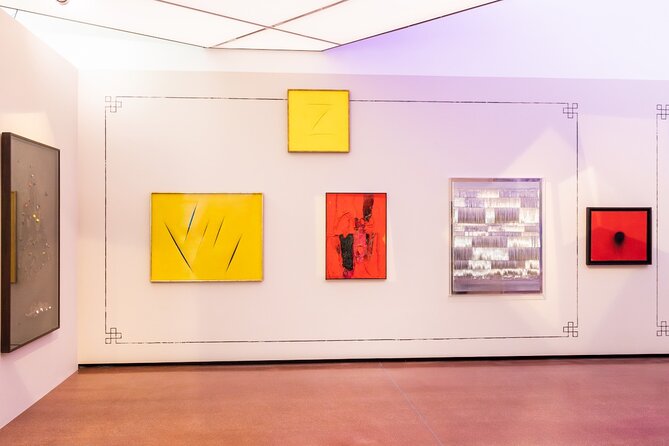
The stated visit length is about one to two hours. That is a sensible estimate for the collection and a temporary exhibition, especially if you use the audio guide and stop to read or listen.
One hour works if you are fitting the museum between larger sights. Two hours is better if you want to compare artists, study the architecture, and give the temporary exhibition proper attention.
The museum’s compact scale is an advantage in Vienna. You can see a substantial selection without committing half a day. At the same time, the density of major artists may tempt you to slow down. A quick pass could leave you with only a string of famous names, while a measured visit reveals more about how the works relate to each other.
I would schedule it after the Albertina or near a visit to the opera area. The location makes it easy to build into a walking day in central Vienna. Public transportation is nearby, and private transportation is not included, so you will need to make your own way to the museum.
Is the $14.38 ticket good value?
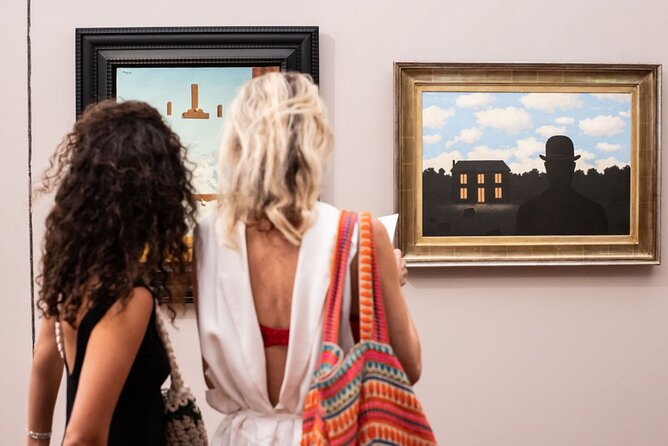
At about $14.38 per person, the ticket offers solid value if you enjoy modern and contemporary art. You receive admission, the audio guide, and all listed fees and taxes. For a one to two-hour visit in central Vienna, that is a reasonable price, especially when the program includes major artists and a changing special exhibition.
The value depends on your expectations. If you want a large national museum with a complete historical survey, you may find the collection too compact and too personal. If you want a focused stop with strong names, unusual presentation, and a temporary show that changes over time, the price is easier to justify.
The museum’s annual ticket may also make sense for people living in Vienna or returning more than once. The program changes, and a short visit can be paired with other central sights. For a single holiday visit, the regular admission is likely the simpler choice.
A free cancellation policy gives you useful flexibility. You can cancel at least 24 hours before the scheduled start for a full refund. Cancellations or changes inside that 24-hour period are not refunded.
The difficult question about the collection’s funding
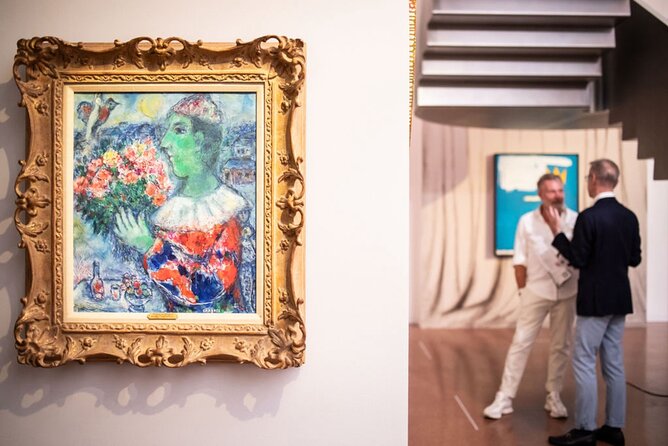
The museum’s origins are part of the conversation. Heidi Horten’s collection came from private wealth, and the institution has addressed the ethical questions around that background in its public presentation. The museum states that it is funded through admission income, shop sales, other services, and substantial support from the founder’s private foundation.
You may want to think about this before visiting. Some people will find the museum’s explanation enough to proceed, while others will want greater financial and historical transparency. This is not a side issue for everyone, particularly when the museum presents a private collection connected to a controversial source of wealth.
I would not tell you to ignore the issue, and I would not tell you that it cancels the art. Go in aware that the collection has both artistic appeal and a complicated institutional story. That makes it a place for looking and for asking questions.
Who will enjoy this museum most?
I recommend the Heidi Horten Collection if you like:
- Warhol, Lichtenstein, Basquiat, Klimt, or major modern artists
- Small museums with a strong point of view
- Contemporary displays that use architecture, sound, and light
- Short cultural stops that fit easily into a central Vienna itinerary
- Art education, guided interpretation, and creative activities
- Temporary exhibitions built around a clear idea
You may want to choose another museum if you prefer a chronological collection, a quiet white-cube setting, or a single national school of art. The Leopold, Albertina, and other Vienna institutions may better suit a more traditional art-history plan, depending on your interests.
The collection is also a good option for a mixed group. One person can focus on Klimt, another on pop art, and someone else can enjoy the building or sensory displays. The audio guide gives each person a way to set their own pace.
Should you book the Heidi Horten Collection?
Book it if you want a compact, visually bold museum with major modern artists and an unusual private-collection feel. The central location, included audio guide, and one to two-hour duration make it easy to add to a busy Vienna schedule.
Skip it if your ideal museum has a carefully ordered historical story and almost no theatrical design. The Heidi Horten Collection is personal, open-ended, and sometimes deliberately playful. That is precisely why I think it is worth considering, but it is also why the experience will not suit everyone.
If you visit between September 19, 2025, and March 8, 2026, The Line adds a clear theme and an international range to the permanent display. For art lovers who want more than the usual Vienna circuit, this ticket is a sensible choice.
FAQ
Where is the Heidi Horten Collection?
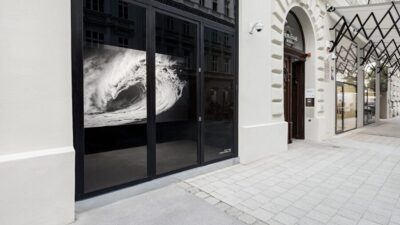
The museum is in central Vienna, next to the Vienna State Opera and close to the Albertina.
How much does admission cost?
The listed price is $14.38 per person.
How long does a visit take?
The approximate duration is one to two hours.
Is an audio guide included?
Yes. The ticket includes an audio guide.
Is the experience offered in English?
Yes. The experience is offered in English.
What artists can I see?
The collection includes artists such as Bacon, Baselitz, Basquiat, Chagall, Fontana, Haring, Klee, Klein, Klimt, Lichtenstein, Magritte, Nolde, Picasso, Rothko, and Warhol.
What is The Line exhibition?
The Line is a temporary exhibition about the role of the line in art, running from September 19, 2025, through March 8, 2026.
Is public transportation available nearby?
Yes. The museum is near public transportation.
Can I cancel for a refund?
Yes. You can receive a full refund if you cancel at least 24 hours before the experience start time. Changes or cancellations made within 24 hours are not refunded.
Just added in Vienna
- Vienna: Austrian Wine Tasting Experience★ 4.2 · 2 reviews
- World War II History Vienna Old Town Private Walking Tour★ 4.8 · 9 reviews
- Vienna_ Meet Beethoven Life Private Guided Walking Tour★ 5.0 · 1 review
- Vienna: Wine Tasting Tour★ 4.8 · 61 reviews
- Vienna: Wine Tasting E-Bike Tour★ 4.9 · 46 reviews
- Vienna: Wine Tasting at Schönbrunn Palace★ 4.3 · 71 reviews
- Vienna: Winery and Wine Tasting Tour with a Wine Expert★ 5.0 · 5 reviews
- Vienna: Concert by the Vienna Baroque Orchestra★ 4.6 · 56 reviews
Tickets, compared.
Classic Ensemble Vienna in St. Peter’s Church Ticket
Read our review →
Vienna Kunsthistorisches Museum Day Admission Ticket
Read our review →
Tickets for Mozarthaus Vienna with Audio Guide
Read our review →
Skip-the-Line Entrance Ticket to the Danube Tower
Read our review →