
Reviewed · CLASSICAL CONCERTS AND OPERA
Vienna: Waltz into the Ball Season
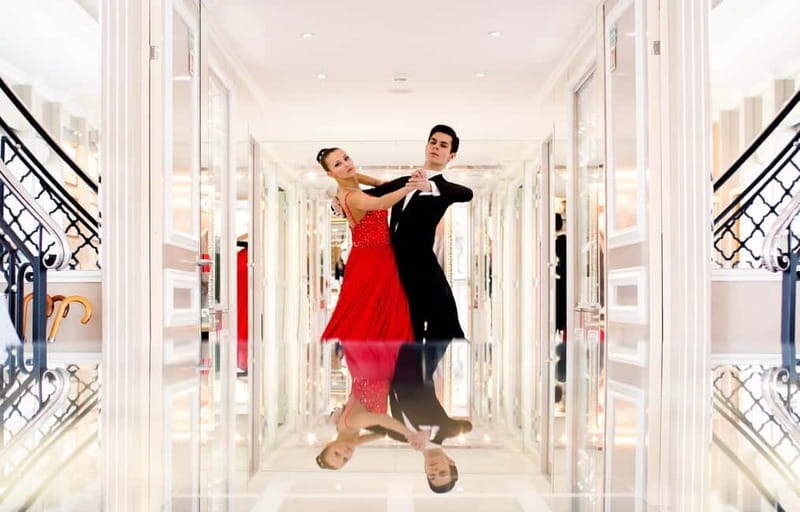
Vienna dances after dark. This one-hour workshop gives you a friendly introduction to the Viennese Waltz, with a professional instructor, a private ballroom, and a small group drawn from around the world. I like the English-speaking instruction and the chance to learn in a real waltz school rather than trying to copy steps at a crowded public event.
I also like the clear focus: basic movement, ballroom etiquette, and the role of balls in Vienna’s social life. The main drawback is the short one-hour format. You will learn the essentials, but you should not expect advanced dancing, outfit advice, or a full evening at a ball. Late arrivals are not admitted, so punctuality matters.
In This Review
- Key Points Before You Book
- Why a Waltz Lesson Belongs on a Vienna Trip
- Entering the Private Ballroom
- Learning the Basic Viennese Waltz Steps
- Meeting an English-Speaking Instructor
- Understanding Vienna’s Ball Tradition
- What the One-Hour Format Really Gives You
- Is $48 a Fair Price?
- Who Will Enjoy This Workshop Most?
- Practical Tips for a Better Lesson
- How It Fits Into a Vienna Itinerary
- Should You Book Waltz into the Ball Season?
- FAQ
- How long does the Waltz into the Ball Season workshop last?
- What languages are available?
- Where does the activity begin?
- How early should I arrive?
- Is a Viennese Ball included with the workshop?
- Are dance shoes or formal outfits provided?
- Is food or drink included?
- Can I cancel for a refund?
Key Points Before You Book
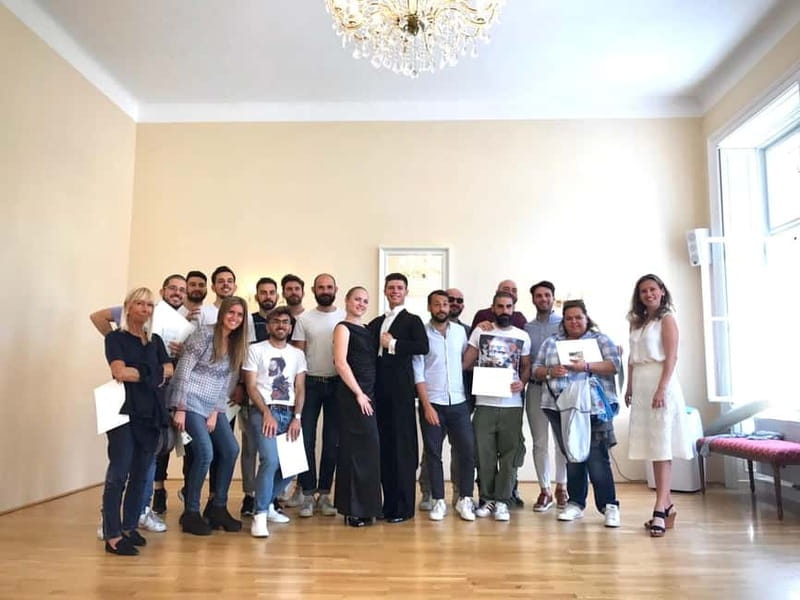
- A one-hour introduction to the Viennese Waltz: You learn the basic steps and movement needed for a Viennese Ball.
- Instruction in a private ballroom: The setting gives the lesson a proper sense of place and keeps the focus on dancing.
- Small groups with certified instructors: You can expect a more personal lesson than you would get in a large class.
- English and German available: English-speaking instruction makes the workshop easy to follow for international visitors.
- Useful before Vienna’s ball season: The class explains the local ballroom tradition, not just the footwork.
- Bring your own outfit and shoes: Rental is not included, and the workshop does not provide food or drinks.
Why a Waltz Lesson Belongs on a Vienna Trip
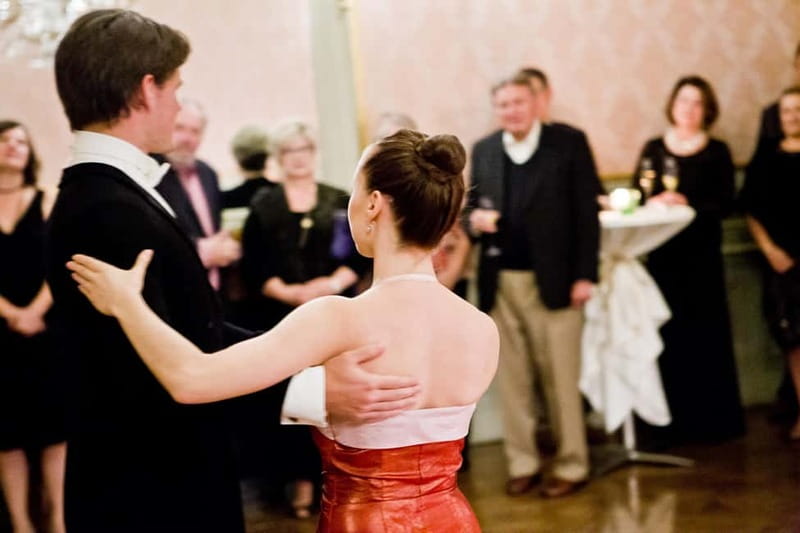
Vienna’s ball season is not just a dance show for people in formal clothes. It is one of the city’s most important social traditions, and the Viennese Waltz is at its center. If you are curious about joining that world but feel unsure about the steps, this workshop gives you a practical starting point.
I like that the experience treats dancing as a social skill, not only as a performance. You learn how to move with a partner, how the music shapes the dance, and why the waltz remains such a loved part of life in Vienna.
That makes this a better choice than watching a formal dance performance if your goal is participation. You are not simply sitting in a hall while experts perform. You are given the basic tools to join in, even if you have never waltzed before.
At the same time, you should keep your expectations sensible. One hour is enough to learn the foundation, but it is not enough to become polished on the ballroom floor. Think of this as preparation for a special evening, not a complete dance course.
More Classical Concerts in Vienna
- Vienna: Vivaldi’s Four Seasons Concert in Karlskirche
★ 4.7 · 14,951 reviews - Vienna: Classical Concert in the World-Famous Musikverein
★ 4.6 · 6,673 reviews - Vienna: Classical Concert at St. Stephen’s Cathedral
★ 4.1 · 4,177 reviews
Entering the Private Ballroom
The experience begins at the Waltz School. You enter through the school and check in at reception, then make your way into the private ballroom for the lesson. Doors open 15 minutes before the scheduled start, and the activity begins on time.
That timing rule is important. The doors close promptly, and late arrivals will not be admitted. I would plan to reach the school early, especially if you are coming from another part of Vienna or still finding your way around the city.
The private ballroom helps create the right mood. You are learning in a place built for this kind of movement, rather than in a multipurpose room or a public square. Even before the music starts, the setting gives the lesson a proper connection to Vienna’s ball tradition.
There is no need to arrange separate transportation during the workshop. The activity begins and ends at the same meeting point, which keeps the logistics simple. You can return to your sightseeing plans immediately afterward.
Learning the Basic Viennese Waltz Steps
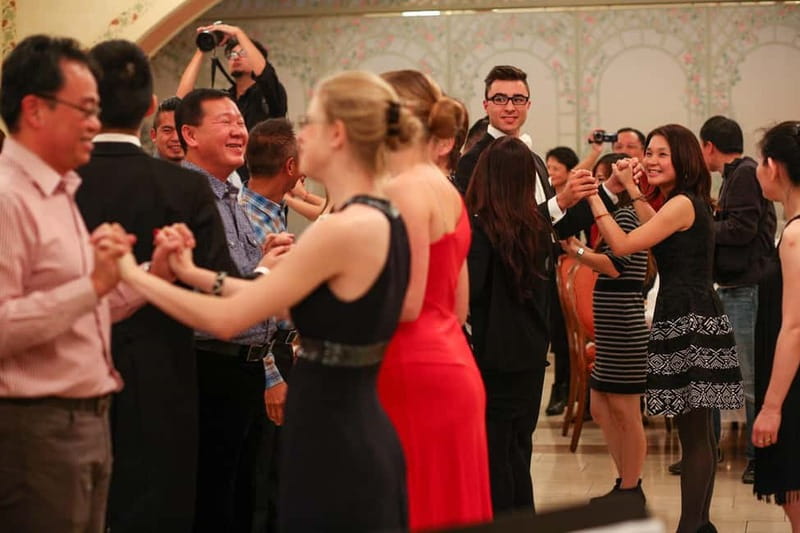
The core of the class is the basic Viennese Waltz. A certified instructor guides you through the fundamental movement and helps you understand how the dance works as a social activity.
You should expect a beginner-friendly lesson rather than a demanding technical session. The stated focus is basic movement, so the class is aimed at helping you feel comfortable enough to take part. That is useful if you are starting from zero or need a quick refresher before a ball.
The Viennese Waltz is known for its turning movement, and that can feel unfamiliar at first. A good workshop needs to make the dance manageable, especially for people who have not spent time in a ballroom. The small-group format should help here, since the instructor can keep the pace clear and give attention to the people who need an extra explanation.
I would wear clothing that allows comfortable movement. You do not need to rent a special outfit for the workshop, because shoe and outfit rental are not included. The class is about learning the movement, not dressing for the final ball.
The experience also gives you a taste of what makes the Viennese style different from simply swaying to music. You are introduced to the rhythm, the basic pattern, and the way the dance connects two people on the floor. That context can make the steps easier to remember.
Meeting an English-Speaking Instructor
The workshop is taught in English and German, with certified English-speaking instructors available. For an international audience, this is one of the strongest reasons to book.
Dance instruction depends on small details. A quick explanation about timing, posture, or movement can make the difference between feeling lost and finding the rhythm. Clear English instruction means you can focus on the dance instead of trying to translate directions in your head.
The instructors have worked with Vienna visitors, expats, and local participants, so the teaching is designed for people who may be new to the city’s ballroom customs. That does not mean the lesson is watered down. It means the class is built around helping newcomers understand the tradition quickly.
I also like the social side of the format. You meet people from different places, then learn something together. That makes the workshop a natural choice if you are traveling alone or want an easy way to share an activity with other visitors.
The available information does not provide individual instructor names, so you should not book expecting a particular teacher. What is clear is that the teaching is handled by certified instructors and is available in English and German.
A completely different kind of day:
- Vienna: Spanish Riding School Training
★ 3.9 · 9,281 reviews - Vienna: Schönbrunn Palace & Gardens Skip-the-Line Tour
★ 4.7 · 7,739 reviews - Vienna: Light of Creation Votive Church Immersive Light Show
★ 4.8 · 6,779 reviews - Vienna Spanish Riding School Guided Tour
★ 4.7 · 6,765 reviews
Understanding Vienna’s Ball Tradition
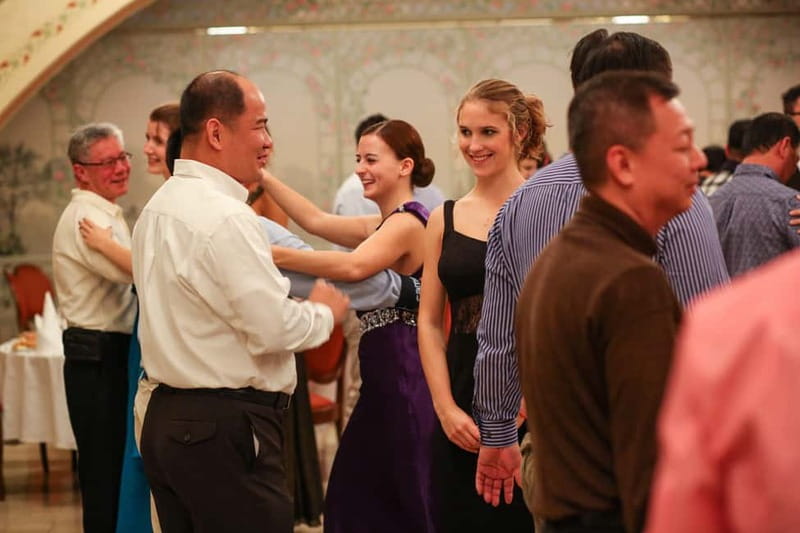
The lesson includes more than footwork. You also learn about the Viennese ballroom tradition and the importance of balls as social events in the city.
This background matters because a Viennese Ball has its own customs and atmosphere. The waltz is not an isolated dance class. It is part of a larger evening built around music, social contact, formal clothing, and shared local tradition.
The workshop helps explain why people in Vienna continue to value the ball season. You get a sense of the culture behind the steps, which makes the dancing feel less like a tourist activity and more like an introduction to something people in the city genuinely enjoy.
I find that especially useful for anyone planning to attend a ball during the holiday season. You may still feel a little nervous when you enter a grand ballroom, but you will at least understand the basic movement and have some idea of what the dance represents.
The class does not include entry to a Viennese Ball itself. That distinction is important. You are preparing for the evening, not attending the event as part of this booking.
What the One-Hour Format Really Gives You
One hour is a compact amount of time, and that is both a strength and a limitation.
The strength is convenience. You can fit the workshop into a busy Vienna itinerary without giving up half a day. If you have museum visits, a concert, or a formal ball planned later, the lesson gives you useful preparation without taking over your schedule.
The limitation is depth. You will learn the basic movement, but there is no promise of advanced figures, extended practice, or a full rehearsal. If you already dance regularly, you may find the class too simple. If you are a complete beginner, the pace may feel brisk because the instructor has only one hour to cover the essentials.
I would choose this workshop for confidence, not mastery. You want enough practice to recognize the rhythm, move with a partner, and avoid feeling completely unprepared. You should not expect to leave ready for a competitive ballroom performance.
The short format also makes the price easier to judge. At $48 per person, the cost is reasonable if you value a focused lesson in a proper ballroom with a certified instructor. It is less appealing if you only want to watch dancing or already know the Viennese Waltz well.
Is $48 a Fair Price?
The price includes one hour of instruction, the private ballroom, the small-group setting, and English or German teaching. It does not include food, drinks, dance shoes, or a formal outfit.
For me, the value comes from the setting and the personal instruction. You are paying for a structured introduction in a real dance environment, not simply for a quick demonstration. The small group should also make the lesson feel more useful than a large class where you stand at the back and follow along as best you can.
The value is strongest if you plan to attend a ball afterward. A little preparation can help you enjoy the evening more, particularly if you are worried about making mistakes in front of experienced dancers.
The value is weaker if you are not interested in ballroom culture. You could spend the same amount on another Vienna activity with more sightseeing content, so this booking makes sense mainly when dancing is part of your plan.
You should also budget separately for anything you want to wear. Shoe and outfit rental are not included. The workshop itself does not provide food or drinks, so plan your refreshments outside the activity.
Who Will Enjoy This Workshop Most?
I would recommend this for first-time waltzers, couples preparing for a Viennese Ball, and solo visitors who want a social activity with a clear local connection. It also suits anyone who likes to understand a tradition before taking part in it.
The workshop can work well for mixed-experience pairs. A confident dancer can review the basics, while a beginner gets an organized introduction. The small group gives the instructor a chance to keep the lesson approachable for people with different levels of comfort.
It may not suit you if you have a pre-existing medical condition that makes dancing unsuitable. The activity is also not suitable for wheelchair users. Those points are worth considering before you reserve.
You should also skip it if your schedule is so tight that arriving early feels difficult. Since doors close on time and late arrivals are not admitted, this is not an activity to squeeze into a narrow gap between distant appointments.
Practical Tips for a Better Lesson
Arrive at least 15 minutes early. That is when the doors open, and you need time to enter the Waltz School, check in at reception, and get ready without rushing.
Wear comfortable clothing and suitable shoes if you have them. Formal ballroom clothing is not required for the workshop, and rental is not provided, so comfort is more useful than dressing for a grand evening.
Keep your first goal simple. Try to understand the rhythm and basic movement before worrying about looking graceful. The Viennese Waltz can feel awkward at first, and that is normal for a beginner.
If you are attending a ball later, pay attention to the social explanations as carefully as the steps. Knowing how the tradition works can make the evening feel less intimidating.
You can cancel for a full refund up to 24 hours before the activity. A reserve-now, pay-later option is also available, which is useful if your Vienna plans are still changing.
How It Fits Into a Vienna Itinerary
Because the workshop lasts one hour and ends where it starts, it is easy to place beside other city plans. You might schedule it before a ball, during a quieter part of a sightseeing day, or as a stand-alone cultural activity.
I would avoid booking it at the last possible minute before a major event. The lesson ends back at the meeting point, but you still need time to change clothes, eat, or travel onward. Give yourself breathing room, especially if you are attending a formal ball afterward.
The workshop works best when you treat it as preparation rather than a complete night out. You learn the movement and the meaning behind it, then apply that knowledge later at your own event.
That separation also keeps the price clear. You are not paying for a meal, a performance, or admission to a ball. You are paying for a compact lesson that helps you take part in one of Vienna’s best-known traditions.
Should You Book Waltz into the Ball Season?
Book it if you want to do more than look at Vienna’s ballroom culture from the sidelines. The private ballroom and small-group instruction make this a practical introduction, while the English-speaking certified instructors keep the lesson accessible.
I would be more cautious if you already know the Viennese Waltz or want an extensive dance course. One hour covers the basics, and nothing in the experience suggests advanced training.
For most beginners planning a ball, $48 is a fair price for a focused preparation session. Arrive early, wear comfortable shoes, and think of the workshop as your first step toward enjoying Vienna’s grand dance tradition with less guesswork.
FAQ
How long does the Waltz into the Ball Season workshop last?
The workshop lasts one hour.
What languages are available?
Instruction is available in English and German, with certified English-speaking instructors.
Where does the activity begin?
You should enter the Waltz School and check in at the reception. The activity begins and ends at the same meeting point.
How early should I arrive?
Doors open 15 minutes before the event. You should arrive before the scheduled start because the doors close on time and late arrivals are not admitted.
Is a Viennese Ball included with the workshop?
No. The workshop teaches the basic Viennese Waltz and explains the ballroom tradition, but admission to a ball is not included.
Are dance shoes or formal outfits provided?
No. Shoe and outfit rental are not included.
Is food or drink included?
No. Food and drinks are not included in the activity.
Can I cancel for a refund?
Yes. You can cancel up to 24 hours in advance for a full refund. A reserve-now, pay-later option is also available.
Just added in Vienna
- Vienna: Austrian Wine Tasting Experience★ 4.2 · 2 reviews
- World War II History Vienna Old Town Private Walking Tour★ 4.8 · 9 reviews
- Vienna_ Meet Beethoven Life Private Guided Walking Tour★ 5.0 · 1 review
- Vienna: Wine Tasting Tour★ 4.8 · 61 reviews
- Vienna: Wine Tasting E-Bike Tour★ 4.9 · 46 reviews
- Vienna: Wine Tasting at Schönbrunn Palace★ 4.3 · 71 reviews
- Vienna: Winery and Wine Tasting Tour with a Wine Expert★ 5.0 · 5 reviews
- Vienna: Concert by the Vienna Baroque Orchestra★ 4.6 · 56 reviews
Classical Concerts and Opera, compared.
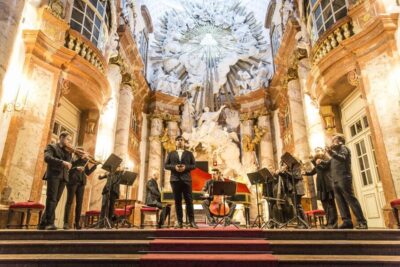
Vivaldi’s Four Seasons Concert in Karlskirche
Read our review →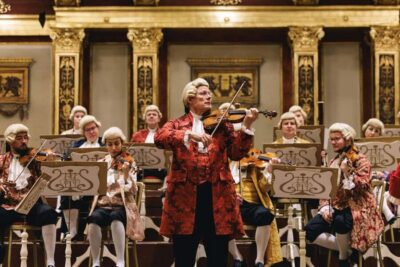
Classical Concert in the World-Famous Musikverein
Read our review →
Classical Concert in St. Anne’s Church (Annakirche)
Read our review →
Browse the lists this tour appears in