Reviewed · TICKETS
Vienna: Ticket to the Weltmuseum
Moctezuma’s feather headdress is the hook here. I like the chance to see the famous Mexican Penacho and the unusual collection linked to Captain James Cook, all inside the former Habsburg court complex. I also like that the ticket gives you time to explore at your own pace, without being tied to a tour group. The main drawback is size: the museum is large enough to reward several hours, and the $18 price may feel high if you only plan a quick look.
The museum combines ethnographic objects, old photographs, books, imperial treasures, and the architecture of the Neue Burg. I especially appreciate the listed pillar hall, which is more than an entrance space. It is the museum’s central public room and sometimes hosts events. If you enjoy museums that connect art with collecting, empire, and world cultures, this is a strong Vienna stop.
In This Review
- Key points to know before you go
- Entering the Weltmuseum at the Neue Burg
- Five centuries of Habsburg collecting
- Finding the Mexican Penacho
- Following the James Cook collection
- The museum’s mix of objects, photographs, and books
- Rudolf II’s Kunstkammerstücke
- Taking a break at the museum café
- Is $18 a fair price?
- Who will enjoy this Vienna museum most?
- Should you book the Weltmuseum ticket?
- FAQ
- Where is the Weltmuseum in Vienna?
- How much does admission cost?
- How long is the ticket valid?
- What is included with the ticket?
- Can I cancel the ticket?
- Is the museum wheelchair accessible?
Key points to know before you go
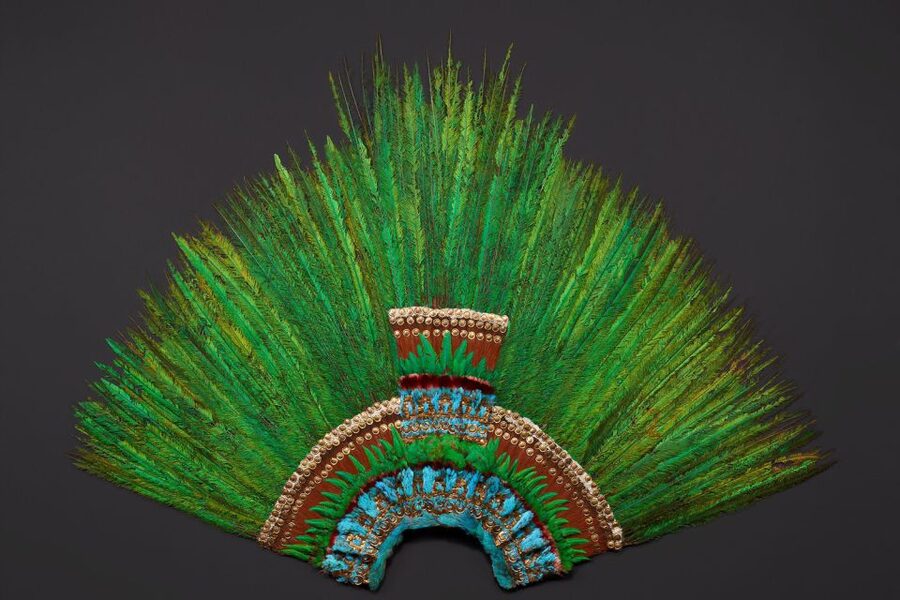
- The Penacho is the headline object: The antique Mexican feather decoration draws many people to the museum, and it is one of the most memorable pieces to seek out first.
- James Cook’s collection adds a personal angle: The objects linked to the famous sailor show how 19th-century collecting shaped European ideas about distant cultures.
- The museum covers 500 years of Habsburg collecting: You will see imperial treasures alongside material from outside Europe.
- The pillar hall is part of the experience: This impressive listed space is open to the public and also serves as a venue for museum events.
- Plan more than a quick pass-through: The museum is large, and a detailed visit could take much of a day.
- The ticket is flexible: Admission is valid for one day, with free cancellation up to 24 hours in advance and a reserve-now, pay-later option.
Entering the Weltmuseum at the Neue Burg
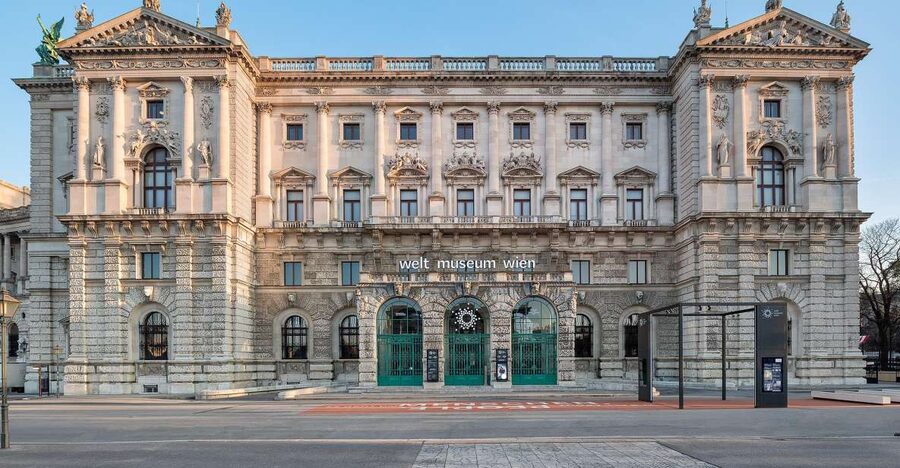
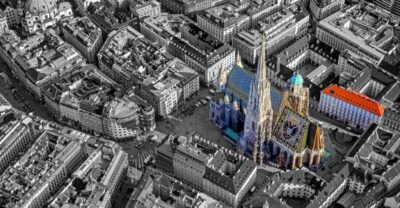
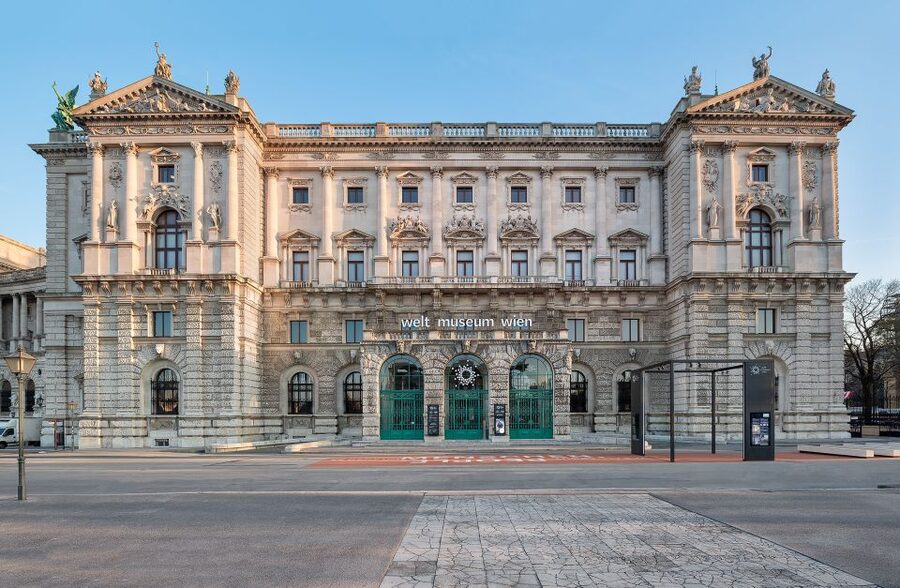
The Weltmuseum is at Heldenplatz in the Neue Burg, 1010 Vienna. That address places you in one of Vienna’s grandest imperial settings, so the building itself begins the visit before you reach the displays.
I like this setup because the museum does not feel like a plain modern box dropped into the city. You enter a space tied to the Habsburg court, then move into collections that reach far beyond Austria and Europe. The contrast matters. It gives you a clear sense of how an imperial family gathered objects from across the world, and it also raises questions about who collected them, why they were collected, and how they are presented today.
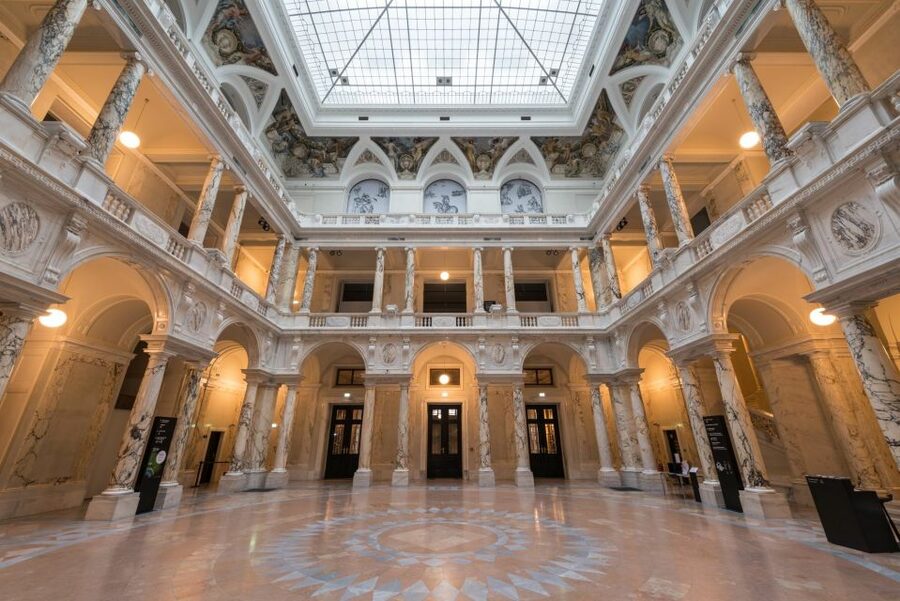
The listed pillar hall is one of the first spaces worth taking seriously. It is the heart of the museum and is open to the public, rather than being only a passageway or private event room. Take a moment to look up, study the columns, and let the scale of the room settle in before rushing toward the famous exhibits.
The museum also uses the hall for its own programs and customer events. That means the exact feel of the space can vary, but its role remains central. I would treat it as part of the museum visit, not merely an attractive backdrop for photographs.
A few more options to weigh up in Austria
- Vienna: Classic Ensemble Vienna in St. Peter’s Church Ticket
★ 4.7 · 4,819 reviews - Vienna Kunsthistorisches Museum Day Admission Ticket
★ 4.6 · 3,690 reviews - Vienna: Tickets for Mozarthaus Vienna with Audio Guide
★ 4.2 · 2,344 reviews
Five centuries of Habsburg collecting
The museum’s collections reach back about 500 years through the Habsburgs. That long time span is one of the best reasons to visit, but it can also make the museum feel broad rather than tightly focused.
You will encounter ethnographic objects, historical photographs, and books connected with non-European cultures. Alongside those items are Kunstkammerstücke, the rare and often highly prized objects gathered by Emperor Rudolf II. These pieces show the courtly taste for unusual, finely made, and intellectually curious objects.
I like this part of the museum because it turns collecting into the subject. You are not simply looking at beautiful things from faraway places. You are also seeing how European rulers built collections to display power, learning, taste, and access to the wider world.
That context helps you read the displays with more care. A court collection can preserve important objects, but it can also reflect unequal relationships between collectors and the communities from which items came. The museum is at its best when you allow both ideas to sit together: admiration for the craftsmanship, and curiosity about the story of acquisition.
The range also explains why the experience can feel like several museums in one. One German-language review described the Neue Burg ticket arrangement as almost three museums together, while finding the Weltmuseum the most impressive part. That is useful advice if you enjoy variety, but less useful if you prefer one narrow subject presented from start to finish.
Finding the Mexican Penacho
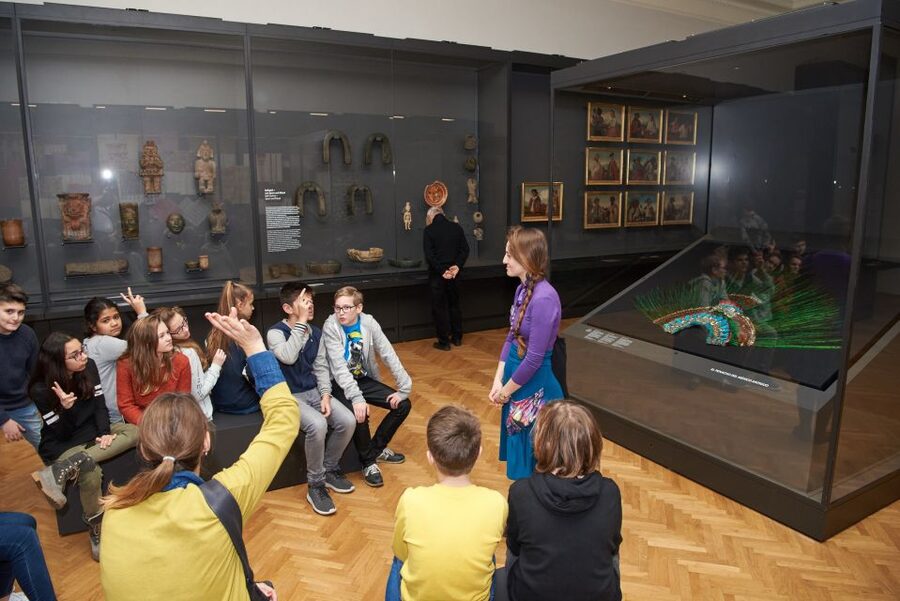
For many people, the Penacho is the reason for buying this ticket. This antique Mexican feather decoration is one of the museum’s most famous objects and receives special attention in the visitor experience.
I recommend making it your first target if you have limited time. The object has strong visual appeal, but its importance goes beyond its color and craftsmanship. It represents the sort of cultural treasure that can carry several layers of meaning: artistic skill, political power, colonial-era movement, and modern debate about ownership and cultural identity.
A recent Spanish-language comment praised the museum partly because the Penacho made such a strong impression. That reaction is easy to understand. Even if you do not spend hours with every display, this single object can give your visit a clear center.
Do not make the mistake of treating the Penacho as the whole museum, though. It is the best-known single attraction, but the surrounding collections explain the wider world of imperial collecting. I would give the headdress focused attention, then keep enough time for the objects and books that show how European institutions recorded and classified other cultures.
The supplied information does not give a precise display location or viewing arrangement, so I would follow the museum signs when you arrive. If this is the main purpose of your visit, allow yourself time to look carefully rather than treating it as a fast photograph stop.
Following the James Cook collection
The collection connected with James Cook offers a different way into the museum. Instead of beginning with a single imperial court object, you can think about travel, exploration, contact, and the way objects entered European collections during the 19th century.
Cook is a familiar name, but the collection is valuable because it gives the visit a human and historical thread. You are not only seeing objects grouped by geography or type. You are also seeing how a well-known sailor’s journeys helped shape European knowledge of distant places.
I like this section for readers who want a story behind the objects. The Penacho is a striking centerpiece. The Cook collection helps explain the movement of objects and information across oceans.
At the same time, keep your expectations sensible. The information provided does not list the exact objects on display, the size of the section, or a specific audio program devoted to Cook. You will find a famous collection associated with him, but you should not assume it functions like a full biography or a reconstructed voyage.
If you are interested in the history of exploration, this is one area where a slower visit pays off. Look for connections between the objects, the photographs, and the books. They may help you understand how collecting changed from royal curiosity cabinets into more formal museum practice.
A completely different kind of day:
- Vienna: Vivaldi’s Four Seasons Concert in Karlskirche
★ 4.7 · 14,951 reviews - Vienna: Spanish Riding School Training
★ 3.9 · 9,281 reviews - Vienna: Skip-the-cashier-desk-line Giant Ferris Wheel Ride
★ 4.5 · 7,859 reviews - Vienna: Schönbrunn Palace & Gardens Skip-the-Line Tour
★ 4.7 · 7,739 reviews
The museum’s mix of objects, photographs, and books
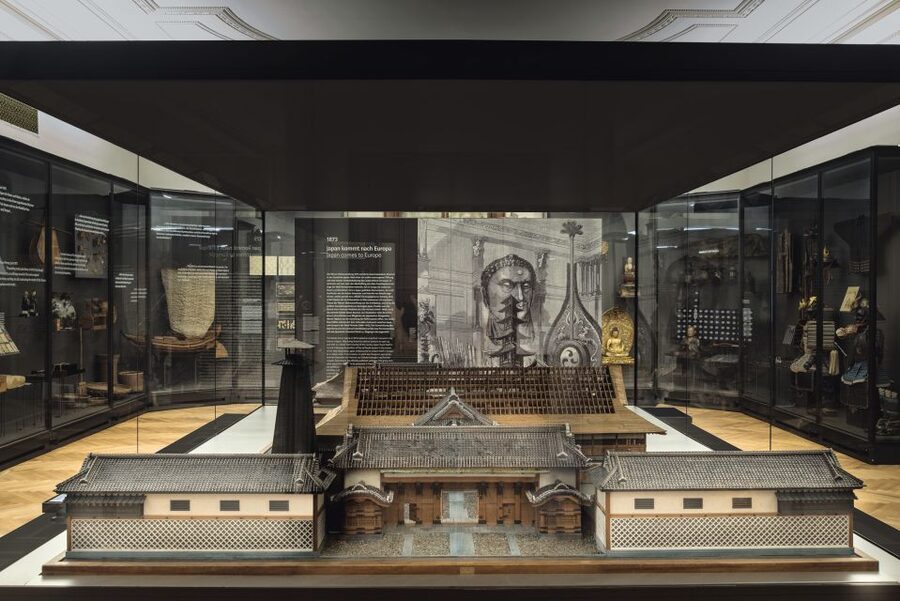
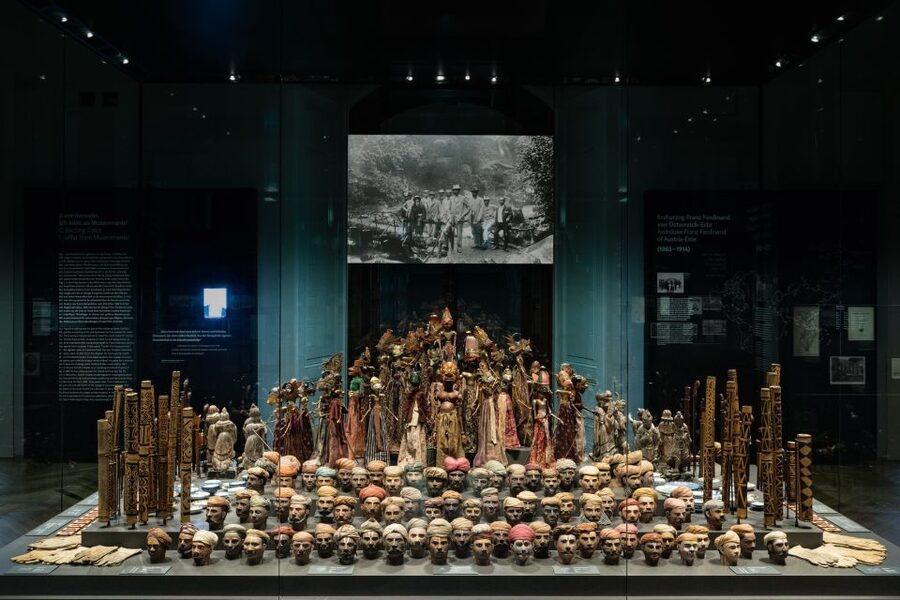
Many museums built around non-European cultures rely mainly on objects. The Weltmuseum adds historical photographs and books, which makes the experience broader and more useful for anyone who wants context.
Photographs can show how people, places, and cultures were recorded by European observers. Books reveal the language and categories used to describe those cultures. Together, these materials can make the museum feel less like a room of isolated treasures and more like an archive of changing ideas.
I value that mix because it gives you several ways to engage. You can study a crafted object for its materials and design. You can then look at a photograph or book to see how it was documented, interpreted, or placed into a larger story.
The drawback is that a museum with several types of material can ask more from you. If you try to examine every room in detail, you could spend days inside, according to one German-language assessment. That is not a complaint about quality. It is a planning warning.
For a first visit, I would choose a few priorities: the Penacho, the Rudolf II treasures, the Cook collection, and the pillar hall. Then allow yourself to follow your interest. This approach prevents museum fatigue while still giving you a real sense of the collection.
Rudolf II’s Kunstkammerstücke
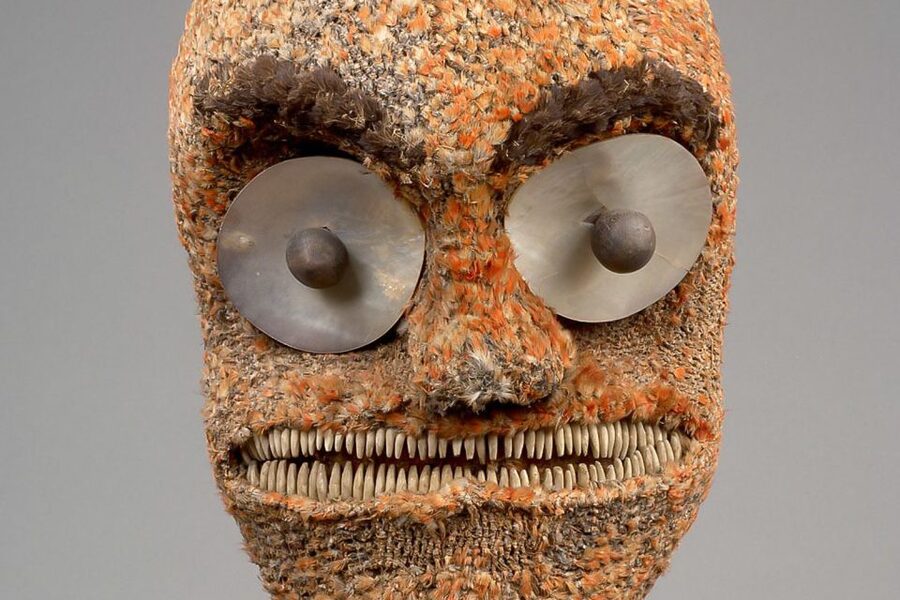
The objects associated with Emperor Rudolf II provide a glimpse into the courtly world of collecting. Kunstkammer pieces were prized objects gathered for their rarity, beauty, skill, or ability to spark wonder.
You may find these displays especially rewarding if you enjoy small details. The Penacho offers immediate visual impact. The Rudolf II material invites closer looking at workmanship and the values of an imperial collector.
I would not rush these displays. Court collections often reward the person who notices fine surfaces, unusual materials, and the logic behind the grouping. Even without a guide, you can ask yourself what makes each object worthy of a royal collection.
The available information does not identify individual pieces beyond the general reference to Rudolf II’s Kunstkammerstücke. That means I would avoid arriving with a fixed checklist of specific treasures. Go for the larger experience: the way the museum connects imperial collecting with objects from outside Europe.
This is also where the museum’s age and setting matter most. The objects are not presented in isolation from Vienna’s imperial past. The Neue Burg and the Habsburg collecting tradition form part of the story.
Taking a break at the museum café
A small coffee break at the new museum café can be a useful pause, especially during a longer visit. The café offers a special glimpse into the pillar hall, so you can continue appreciating the architecture while resting.
I like this option because the museum is large enough to tire you out. A short stop can help you return to the displays with fresh attention instead of racing through the final rooms.
Do not expect the café to transform the ticket into a full dining experience. The information describes it as a small coffee break, not a restaurant stop. Use it for a drink and a breather, then decide if you want to continue exploring.
The café also gives you another view of the pillar hall. If you hurried through the room at the beginning, this is a good chance to look again without treating it as simply a route to the galleries.
Is $18 a fair price?
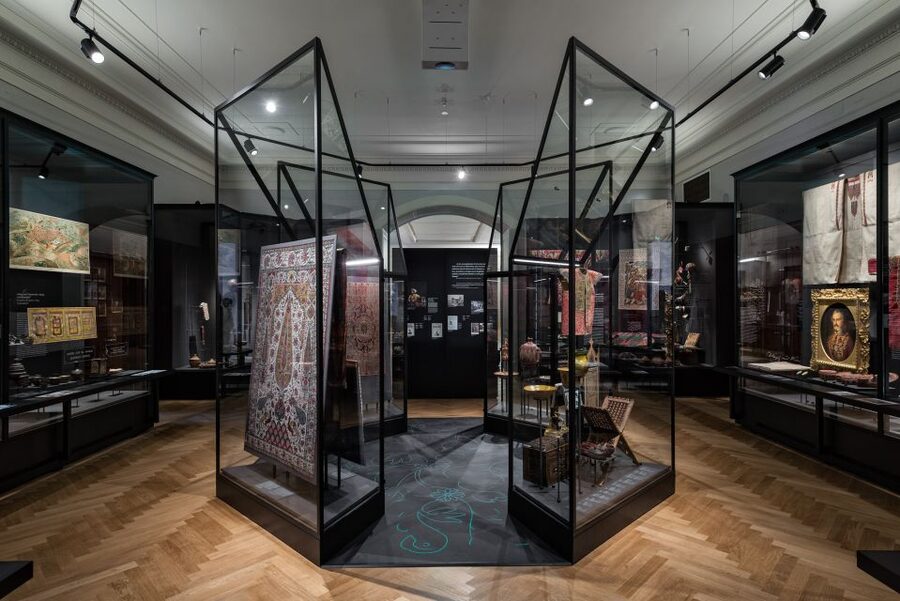
The listed cost is $18 per person. That is not a bargain-priced museum ticket, especially if you plan to stay for only a short time.
The value improves if you enjoy detailed museum visits. The ticket covers admission to the Weltmuseum for one day, and the collection is large enough to occupy several hours. You are paying for more than one famous object: the Penacho, James Cook material, Rudolf II’s treasures, photographs, books, and the historic building all form part of the visit.
One German-language review referred to a price of 16 euros and felt that the cost was high, while also saying the Weltmuseum itself was very impressive. The difference may reflect the price shown at the time of booking or a changing conversion, so check the current amount before paying.
I would call the ticket good value for museum lovers, history fans, and anyone who wants more than Vienna’s standard palace circuit. It is weaker value if you are squeezing the museum between several short stops and only want to see the Penacho.
The ticket’s flexibility helps. You can reserve now and pay later, and you can cancel up to 24 hours in advance for a full refund. That is useful when your Vienna schedule is still shifting. The ticket is valid for one day, with availability and starting times checked at booking.
Who will enjoy this Vienna museum most?
I would recommend the Weltmuseum to you if you enjoy objects with complicated stories. It suits people interested in world cultures, imperial collecting, exploration, photography, books, and museum architecture.
It is also a good choice if you want a self-paced stop. No guide or group format is described, so you can set your own speed and decide how much time to give each room.
Families and mixed-interest groups may find the range helpful. One person can focus on the Penacho, another on Cook, and someone else on the building or the imperial objects. The museum’s size gives you options, although younger children may not want to examine every display in detail.
A German-language review also praised the museum as very large and said the reviewer would gladly return. That matches my advice: do not judge it by a hurried first pass. It is better suited to a patient visit than a quick box to check.
The museum is wheelchair accessible, which makes it a practical choice for many visitors. The supplied information does not provide details about every route or facility, so contact the museum directly if you need a specific access arrangement.
Should you book the Weltmuseum ticket?
Book it if the Penacho, Habsburg collecting, James Cook, or world cultures are high on your Vienna list. The building adds real value, and the pillar hall gives the visit a strong architectural center.
I would skip it if you have only 30 minutes or dislike large collections with many subjects. The $18 price makes more sense when you can stay long enough to explore beyond the headline object.
My practical plan would be simple: arrive at the Neue Burg on Heldenplatz, see the pillar hall, find the Penacho early, then spend time with the Rudolf II and Cook collections. Finish with a coffee in the museum café if you need a pause. That gives you the museum’s most distinctive features without trying to examine every room in one heroic march.
FAQ
Where is the Weltmuseum in Vienna?
The museum is at Heldenplatz, Neue Burg, 1010 Vienna, Austria.
How much does admission cost?
The listed price is $18 per person. One supplied review referred to a price of 16 euros, so check the current amount when booking.
How long is the ticket valid?
The ticket is valid for one day. You should check availability for the available starting times.
What is included with the ticket?
Admission to the Weltmuseum in Vienna is included.
Can I cancel the ticket?
Yes. You can cancel up to 24 hours in advance for a full refund.
Is the museum wheelchair accessible?
Yes, the activity information states that the Weltmuseum is wheelchair accessible.
Just added in Austria
- Zurich: Private Liechtenstein, Austria, and Germany Day Trip★ 5.0 · 16 reviews
- Zurich: Liechtenstein, Austria, Germany and Swiss Day Trip★ 5.0 · 2 reviews
- Zell am See: Paragliding Tandem Flight★ 5.0 · 31 reviews
- Vienna: Austrian Wine Tasting Experience★ 4.2 · 2 reviews
- Zurich: Liechtenstein, Austria and Germany Private Day Tour★ 5.0 · 6 reviews
- Vienna: UNESCO Schönbrunn Palace Guided Tour with Entry★ 4.5 · 94 reviews
- World War II History Vienna Old Town Private Walking Tour★ 4.8 · 9 reviews
- From Krems: Wachau Valley River Cruise on the Danube★ 4.6 · 95 reviews
Tickets, compared.
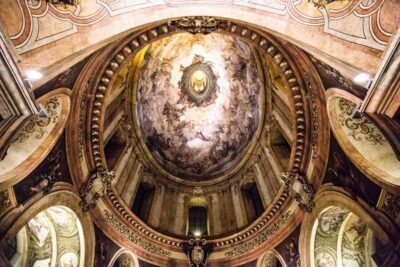
Classic Ensemble Vienna in St. Peter’s Church Ticket
Read our review →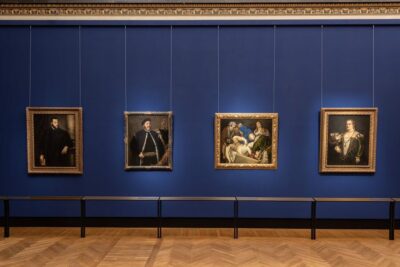
Vienna Kunsthistorisches Museum Day Admission Ticket
Read our review →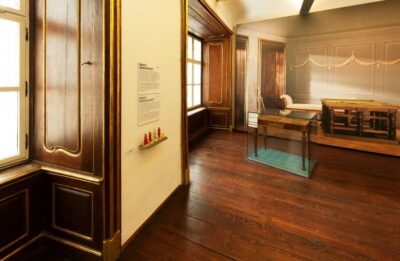
Tickets for Mozarthaus Vienna with Audio Guide
Read our review →
Skip-the-Line Entrance Ticket to the Danube Tower
Read our review →