
Reviewed · CLASSICAL CONCERTS AND OPERA
Vienna: Romantic Classics Piano, Violin, and Cello Concert
Let Vienna’s music speak in a small room. This 90-minute concert brings Beethoven, Mozart, Chopin, Liszt, Schubert, Brahms, and other familiar names into the Sala Terrena, a historic room near St. Stephen’s Cathedral. I like the close seating, which lets you watch the musicians work, and I like the program’s range, from Beethoven’s quiet Moonlight Sonata to Paganini’s fiery Caprice 13. The main drawback is that refreshments are not included, and buying a drink during the break requires cash.
The venue is easy to find, only 150 meters from St. Stephen’s Cathedral, and the clear acoustics suit both piano and strings. I also appreciate the choice of student, back-row, and closer seats, since you can match the ticket to your budget. Just allow extra time at the entrance, as the gate is at Deutschordenskirche rather than directly at the concert room.
In This Review
- Key points to know before booking
- Why this concert works well in central Vienna
- Finding Deutschordenskirche near St. Stephen’s Cathedral
- What the Sala Terrena adds to the evening
- The opening with Haydn, Beethoven, and Mozart
- Liszt, Chopin, and the pleasure of piano virtuosity
- Bach, Paganini, Saint-Saëns, and Massenet bring the strings forward
- Schubert closes the program with warmth and movement
- The musicians and the close-up view
- Is $69 a fair price?
- Who should book this Vienna concert?
- Booking advice for a smoother evening
- Final verdict: should you book it?
- FAQ
- How long does the Romantic Classics concert last?
- Where is the concert held?
- How early should I arrive?
- Which composers are included in the program?
- Are different ticket types available?
- Is the concert wheelchair accessible?
Key points to know before booking
- A frescoed Sala Terrena: You hear the concert in an expressive historic room, not a large modern hall.
- A 90-minute classical program: The music moves from Haydn and Mozart to Beethoven, Chopin, Liszt, Bach, Paganini, and Schubert.
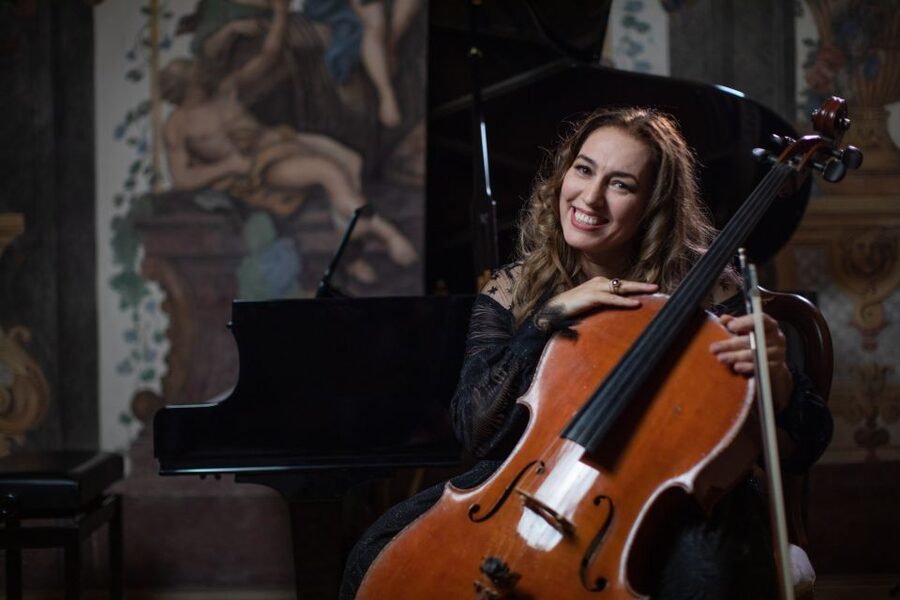
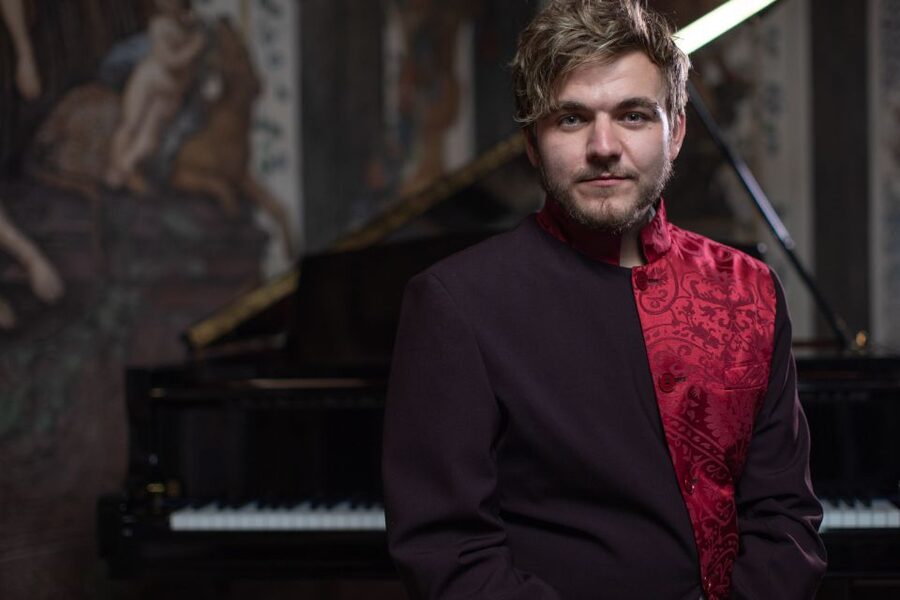
- Three featured musicians: Violinist Claudio Bentes, pianist Dushan Sretovic, and soloist Teodora Miteva appear in the program.
- An intimate setting: Small-room acoustics make quiet passages and quick instrumental runs easy to hear.
- Near St. Stephen’s Cathedral: The entrance is at Deutschordenskirche, about 150 meters from the cathedral.
- Flexible ticket choices: Student, back-row, and seats closer to the performers are available.
Why this concert works well in central Vienna
Vienna has no shortage of classical concerts. The challenge is finding one that feels like a good use of an evening rather than a generic music stop. This performance makes a sensible choice for you if you want famous composers, a short running time, and a setting with some visual character.
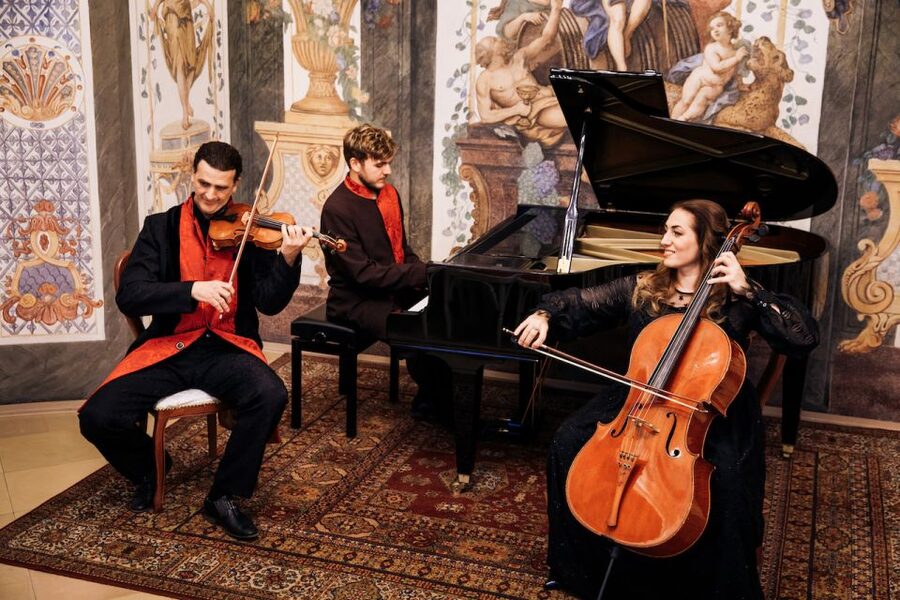
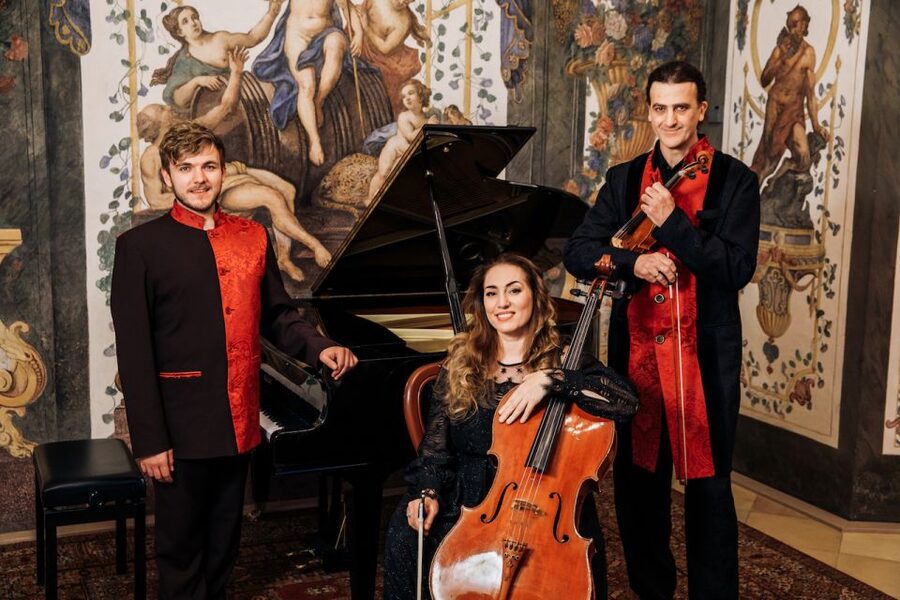
The concert is presented by Concerts in the Mozarthaus in the Sala Terrena. The room is known for its frescoes and intimate scale, so the atmosphere matters almost as much as the music. You are not being placed in a huge auditorium where the performers may feel far away. Instead, the room puts the piano and string instruments within easy view.
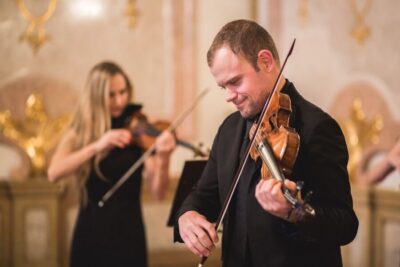
That closeness has a practical benefit. You can watch the bow move across the strings, see the pianist’s hands during fast passages, and notice how much expression comes from posture and timing. For someone who listens to classical music casually, this can make the performance easier to follow.
The room’s size also helps with sound. One booking described the acoustics as excellent, with each note coming through clearly and with depth. That is especially useful for a program that shifts between a solo piano work, cello pieces, violin showpieces, and piano trio music.
More Classical Concerts in Vienna
- Vienna: Vivaldi’s Four Seasons Concert in Karlskirche
★ 4.7 · 14,951 reviews - Vienna: Classical Concert in the World-Famous Musikverein
★ 4.6 · 6,673 reviews - Vienna: Classical Concert at St. Stephen’s Cathedral
★ 4.1 · 4,177 reviews
Finding Deutschordenskirche near St. Stephen’s Cathedral
The meeting point is central and straightforward, but the exact entrance deserves attention. You enter through the gate at Deutschordenskirche, where you will see a poster stand for concerts at Mozarthaus. The venue is roughly 150 meters from St. Stephen’s Cathedral.
Arrive 15 minutes before the scheduled start. That is not excessive advice in central Vienna, where you may be walking through busy streets, checking a map, or looking for the correct gate rather than the name of the concert room itself.
The concert lasts 90 minutes. The available start times vary, so check the time carefully when booking. A cloakroom is included, which is helpful if you have a coat or small bag after walking around Vienna in cooler weather.
The host or greeter can assist in English or German. The activity is also listed as wheelchair accessible. Since the supplied information does not describe every doorway or seating arrangement, you may want to confirm any specific access needs before arrival.
What the Sala Terrena adds to the evening
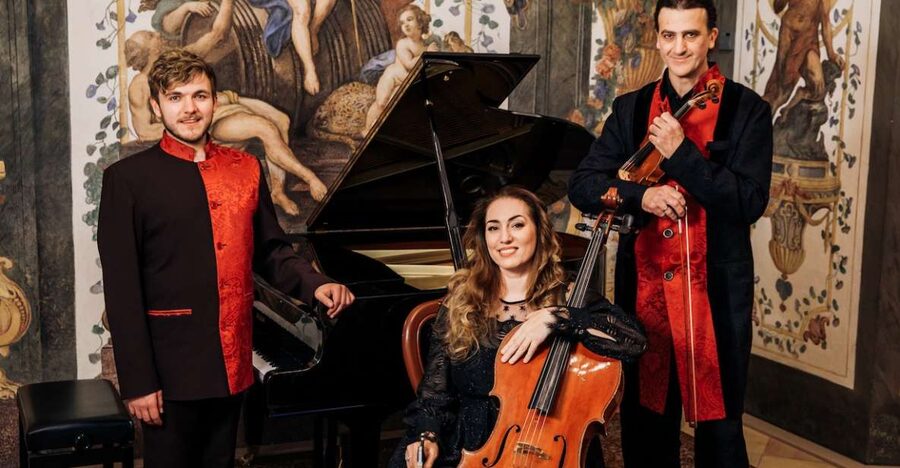
The Sala Terrena gives the concert a sense of place. You are listening to major European composers inside an ornate historic room rather than a plain event space. The frescoes provide something to look at before the music begins and during the brief pauses between works.
The setting is not just decoration. In a smaller room, the sound reaches you directly, without the distance that can soften a large hall performance. The result can feel more personal, particularly during the slow movements and lyrical melodies.
That said, a historic room is not the same as a purpose-built concert hall. The seating choices matter more here, and your view may depend on where you sit. If seeing the musicians closely is important to you, pay for a seat nearer the performers if your budget allows. The back row should save money, but it may offer less visual detail.
The three ticket categories make the experience easier to tailor. Student tickets suit eligible younger visitors and budget-minded music lovers. Back-row tickets keep the price down. Closer seats make sense if the physical performance is part of the appeal.
The opening with Haydn, Beethoven, and Mozart
The printed program begins with Joseph Haydn’s Trio all’ungarese, Hob XV:25. Its listed sections include the Andante, Poco Adagio, and a Rondo finale. This is a useful opening because it introduces the piano trio sound, with piano, violin, and cello sharing the musical conversation.
The Haydn work is followed by Beethoven’s Moonlight Sonata, specifically the famous Adagio. You probably know its soft, steady mood even if you do not know the title. In a close room, the value of this piece comes from restraint. The pianist does not need to force the melody. Small changes in touch and volume carry much of the emotion.
The program then turns to Mozart’s La tartine de beurre, also known as Das Butterbrot. The playful title provides a lighter moment after the Beethoven. This short work is a reminder that Mozart was not limited to grand opera and serious concert pieces. It adds variety before the music returns to more technically demanding works.
Beethoven’s Sonata Op. 2, No. 1 follows with its Allegro con brio. This is a sharp change from the Moonlight Sonata’s slow opening movement. You hear a more energetic Beethoven, with quick movement and a stronger sense of drive. Placing the two Beethoven selections in the same program gives you a quick lesson in the composer’s range.
A completely different kind of day:
- Vienna: Spanish Riding School Training
★ 3.9 · 9,281 reviews - Vienna: Schönbrunn Palace & Gardens Skip-the-Line Tour
★ 4.7 · 7,739 reviews - Vienna: Light of Creation Votive Church Immersive Light Show
★ 4.8 · 6,779 reviews - Vienna Spanish Riding School Guided Tour
★ 4.7 · 6,765 reviews
Liszt, Chopin, and the pleasure of piano virtuosity
Franz Liszt’s Un sospiro is one of the program’s romantic centerpieces. The title suggests a sigh, and the work is known for its flowing, singing quality. It gives the pianist a chance to show control rather than simply speed.
Dushan Sretovic is featured as the piano virtuoso, and his international performances include a strong focus on Chopin. That detail matters because the second half of the piano section includes two contrasting Chopin works.
The first is the Nocturne in C minor, Op. 48, No. 1. This is not simply background music for a candlelit evening. It has a darker weight and a more dramatic structure than the gentlest nocturnes. You can expect a piece that begins with inward reflection and builds toward greater force.
Chopin’s Étude Op. 10, No. 1 in C major then changes the mood again. Études were written to develop particular technical skills, but Chopin made them concert works as well. The piece is known for wide, flowing piano patterns that can sound effortless when played well. From a closer seat, you can appreciate the physical work behind the smooth surface.
This group of Liszt and Chopin selections is likely to appeal most to you if you enjoy piano music with a strong emotional pull. It also gives Dushan Sretovic room to show both color and technique. If you prefer slow melodies only, the Étude and Beethoven sonata movement may feel more demanding.
Bach, Paganini, Saint-Saëns, and Massenet bring the strings forward
The cello gets a solo moment with the Allegro from Bach’s Cello Suite in G major, BWV 1007. Bach’s suites are a basic part of the cello repertoire, and this movement has a clear, forward-moving character. Without other instruments filling the room, the cello has to carry the structure through its own phrasing.
The program then lists Paganini’s Caprice 13. Paganini’s name signals virtuoso violin writing, and this is one of the places where violinist Claudio Bentes can show speed, precision, and control. The work brings a brisk, technically sharp contrast to Bach’s more measured sound.
Camille Saint-Saëns’s The Swan offers a complete change of pace. Its long, graceful melody is familiar to many listeners, and the cello’s singing line makes it one of the most accessible selections on the program. This is a good point to simply listen rather than analyze.
Jules Massenet’s Thaïs Meditation continues the lyrical mood. It is a well-known violin meditation, prized for its smooth melodic line and gentle emotional tone. In the small Sala Terrena, quiet string playing can be especially effective, provided the room remains still.
These selections also explain why the concert works as a trio recital rather than a single-instrument showcase. The program gives each player space, then brings the instruments together again. You get the variety of a larger concert without needing to commit to a long evening.
Schubert closes the program with warmth and movement
The concert ends with Schubert’s Trio in E-flat major, Op. 100, specifically the Andante con moto. This is one of the most substantial works on the program and gives the evening a thoughtful finish.
The movement is lyrical, but it is not simply soft or decorative. Its repeated ideas and changes in tone allow the piano, violin, and cello to pass the melody among themselves. After the short solo pieces and virtuoso displays, the trio brings the musicians back into close conversation.
Ending with Schubert is a smart programming choice for you if you want the final minutes to feel generous and complete. It also makes good use of the room’s acoustics, since ensemble balance matters in a trio. The performers need to listen closely to one another, and the intimate setting lets you hear that interplay.
The full program includes works by Haydn, Beethoven, Mozart, Liszt, Chopin, Bach, Paganini, Saint-Saëns, Massenet, and Schubert. Brahms is named among the composers associated with the series, though the supplied program does not list a specific Brahms work. Check the final program on your concert date if that composer is a deciding factor for you.
The musicians and the close-up view
Claudio Bentes is identified as the violinist. Dushan Sretovic is presented as an award-winning piano virtuoso known for Chopin interpretations. Teodora Miteva is described as an outstanding soloist with numerous international competition wins.
The close seating makes these credentials more meaningful than they might sound on paper. You can see the different demands placed on each musician. The pianist must manage dense harmonies and fast patterns, while the violinist and cellist shape long lines with the bow.
A small venue also leaves less room for imprecision to hide. One performance was praised for precise, expressive playing and strong coordination from beginning to end. That is exactly what you want in a trio program, where a slight mismatch in timing can be more noticeable than in a large orchestral concert.
The musicians are not the only reason to book, but they are central to the value. If you already know the major works, the pleasure comes from hearing a fresh interpretation. If you are new to classical music, the familiar selections give you an easy entry point.
Is $69 a fair price?
At $69 per person, this is not the cheapest way to hear music in Vienna. It is also not an unreasonable price for a 90-minute concert in a historic central venue, with a cloakroom included and seating choices that let you control the cost.
I see the value in three parts:
- You receive a full 90-minute performance rather than a short sampler.
- The program includes many recognizable works, so you are paying for music you are likely to enjoy rather than taking a gamble on an unfamiliar recital.
- The Sala Terrena and close seating add a setting that a standard hall may not provide.
The price makes more sense if you care about atmosphere and location. You can combine the concert with an evening near St. Stephen’s Cathedral without a long trip across the city. It is also a practical rainy-day or cold-weather plan, since the venue is central and the cloakroom is available.
The value is weaker if you expect drinks, dinner, or a full cultural package. Refreshments are not included. During the break, drinks may be available outside for cash, but the signage for the toilets was not clear to one attendee, and the cash-only setup felt inconvenient.
Bring some cash if you want a drink. Also, do not assume the ticket includes a beverage. It does not.
Who should book this Vienna concert?
I would recommend it to you if you want a polished classical music experience without spending an entire night at the opera. The 90-minute length fits well between sightseeing, dinner, and an evening walk through central Vienna.
It is a good match for:
- First-time classical concertgoers who want familiar composers
- Couples looking for a romantic evening with live music
- Solo visitors who prefer a focused cultural activity
- Piano fans interested in Chopin and Liszt
- Anyone who values historic rooms and close views
- Budget-minded visitors who can use the back-row or student option
You may want another type of performance if you need a large orchestra, opera staging, or a formal concert-hall setting. This is a chamber-style experience, so the appeal comes from detail, proximity, and musical conversation rather than scale.
The romantic label also needs a little context. The program includes tender works, but it is not wall-to-wall soft music. Beethoven’s energetic sonata movement and Paganini’s caprice add bite, while Bach brings a more structured solo voice. That variety keeps the 90 minutes moving.
Booking advice for a smoother evening
Choose your seat with care. A closer ticket is worth considering if you want to study the musicians’ technique or see the exchange between piano and strings. A back-row ticket should suit you if the music matters more than a close view.
Arrive 15 minutes early and search for Deutschordenskirche, not just a generic Mozarthaus sign. Look for the concert poster stand at the gate. This small bit of preparation can prevent a rushed entrance.
If your plans may change, you can cancel up to 24 hours before the concert for a full refund. You can also reserve now and pay later, which is useful when your Vienna schedule is still shifting.
The concert is offered with English or German host assistance. The main musical program itself is not dependent on spoken language, so it works well for an international audience.
Final verdict: should you book it?
Book this concert if you want famous classical music in an intimate historic room, especially if Beethoven, Chopin, Liszt, or Schubert already appeal to you. The excellent acoustics, strong musicians, central location, and 90-minute format make $69 a reasonable spend for an evening activity.
I would skip it only if refreshments are important to you, if you want a full orchestra, or if you prefer a grand hall with extensive production. For everyone else, the Sala Terrena setting and close view give this concert a personal character that is hard to get from a large venue. Bring cash for a possible drink, arrive early at Deutschordenskirche, and let the music do the rest.
FAQ
How long does the Romantic Classics concert last?
The concert lasts 90 minutes.
Where is the concert held?
The concert is held in the Sala Terrena. The entrance is through the gate at Deutschordenskirche, about 150 meters from St. Stephen’s Cathedral.
How early should I arrive?
You should arrive 15 minutes before the concert begins.
Which composers are included in the program?
The program includes Haydn, Beethoven, Mozart, Liszt, Chopin, Bach, Paganini, Saint-Saëns, Massenet, and Schubert. Brahms is named among the composers associated with the series, but no specific Brahms work appears in the supplied program.
Are different ticket types available?
Yes. You can choose student tickets, back-row tickets, or seats closer to the performers.
Is the concert wheelchair accessible?
The activity is listed as wheelchair accessible. The host or greeter can assist in English or German.
Just added in Vienna
- Vienna: Austrian Wine Tasting Experience★ 4.2 · 2 reviews
- World War II History Vienna Old Town Private Walking Tour★ 4.8 · 9 reviews
- Vienna_ Meet Beethoven Life Private Guided Walking Tour★ 5.0 · 1 review
- Vienna: Wine Tasting Tour★ 4.8 · 61 reviews
- Vienna: Wine Tasting E-Bike Tour★ 4.9 · 46 reviews
- Vienna: Wine Tasting at Schönbrunn Palace★ 4.3 · 71 reviews
- Vienna: Winery and Wine Tasting Tour with a Wine Expert★ 5.0 · 5 reviews
- Vienna: Concert by the Vienna Baroque Orchestra★ 4.6 · 56 reviews
Classical Concerts and Opera, compared.
Vivaldi’s Four Seasons Concert in Karlskirche
Read our review →
Classical Concert in the World-Famous Musikverein
Read our review →
Classical Concert in St. Anne’s Church (Annakirche)
Read our review →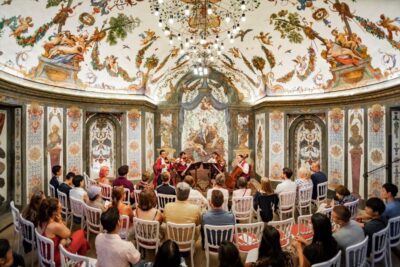
Browse the lists this tour appears in