
Reviewed · CLASSICAL CONCERTS AND OPERA
Vienna: Festive Season and New Year’s Eve Waltz Workshop
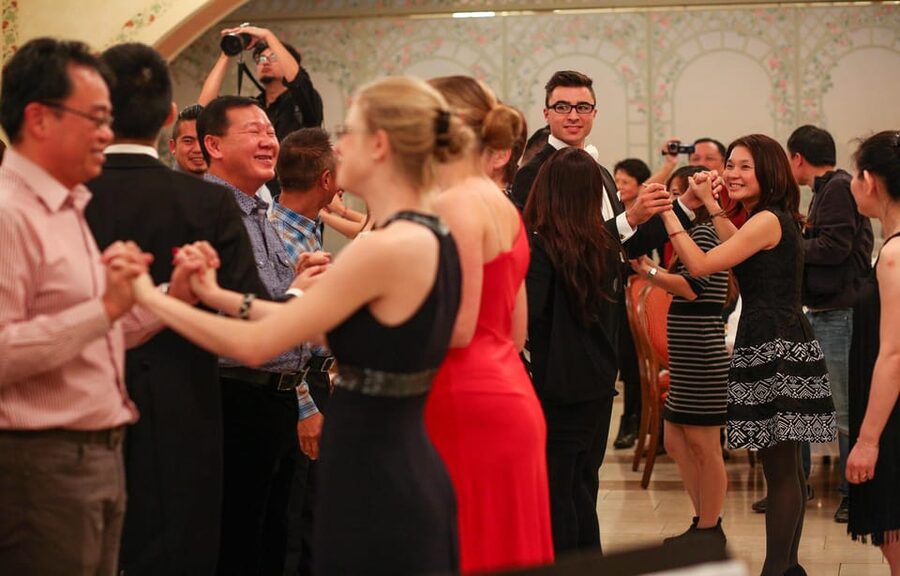
Vienna’s New Year tradition begins with a dance. This one-hour workshop offers a friendly introduction to the Original Viennese Waltz, along with the ballroom manners and festive customs that give it meaning. You are not simply learning steps. You are learning why the waltz matters so much in Vienna.
I like the relaxed teaching style and the chance to learn in a private Waltz Hall rather than a crowded public space. I also like the international group, which gives beginners a safe place to make mistakes without feeling watched by polished dancers.
The main drawback is the short format. One hour is enough to learn the basics and understand the tradition, but not enough to become a confident ballroom dancer. You also need to arrive on time, since late arrivals can be treated as no-shows.
In This Review
- Key Points to Know Before You Book
- Why the Viennese Waltz Matters in Vienna
- Entering the Waltz School and Private Hall
- The First Lesson: Ballroom Tradition and Etiquette
- Learning the Most Important Waltz Movements
- Dancing With an International Beginner Group
- The New Year’s Eve Connection
- What to Wear and What to Leave Behind
- Is One Hour Enough for $45?
- Who Will Enjoy This Workshop Most?
- What the Strongest Praise Tells You
- Practical Timing and Booking Advice
- Should You Book the Vienna Waltz Workshop?
- FAQ
- How long does the Viennese Waltz workshop last?
- What does the workshop teach?
- Is the class suitable for beginners?
- What languages are spoken?
- Where does the activity begin and end?
- What should I wear?
- Are drinks or snacks included?
- Can children or wheelchair users take part?
Key Points to Know Before You Book
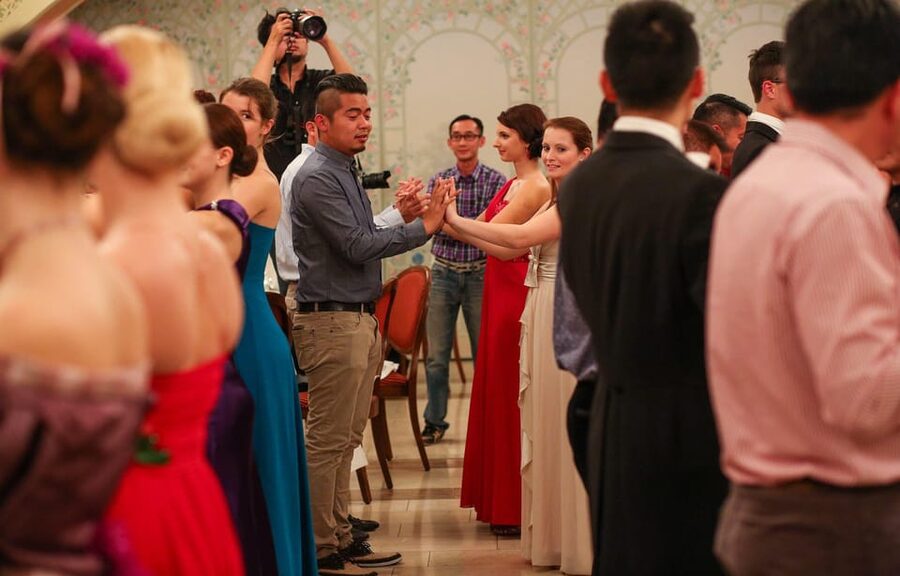
- You learn the original Viennese Waltz: The workshop focuses on the key movements of the traditional Viennese style, not a general dance class.
- The New Year custom is part of the lesson: You learn how people in Vienna welcome the new year by dancing to the Blue Danube Waltz with loved ones.
- Beginners are the main audience: The teaching is designed to be clear, patient, and easy to follow.
- You dance in a private hall: The setting offers a more comfortable place to practice than an open public floor.
- The class lasts one hour: It fits neatly into a day of sightseeing, but the pace is necessarily brisk.
- Comfort matters more than formal dress: Wear comfortable clothing and shoes. Dance shoes and outfits are not provided.
Why the Viennese Waltz Matters in Vienna
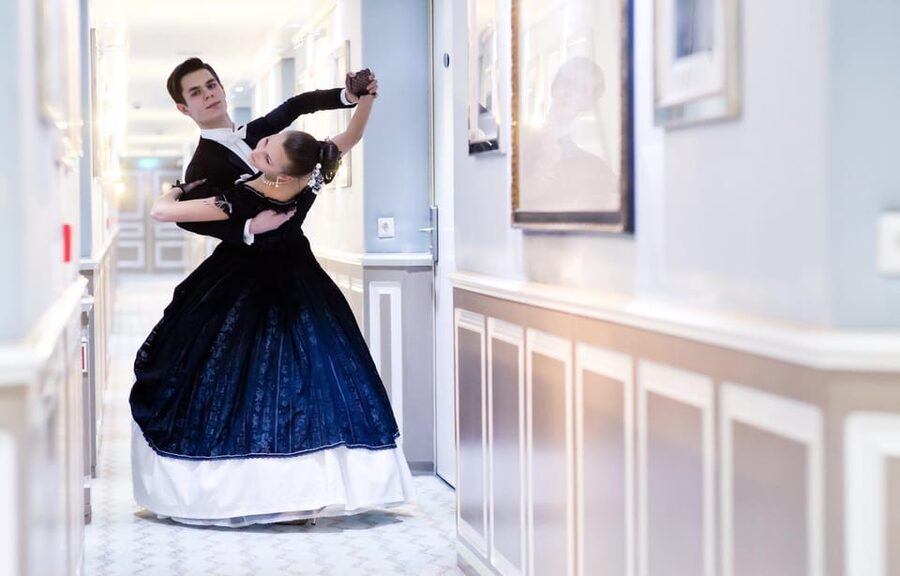
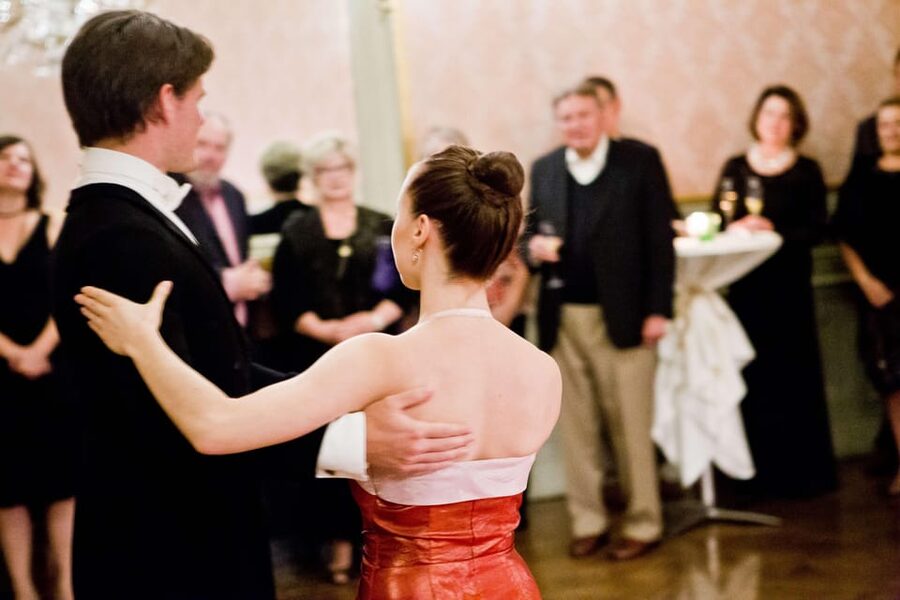
The Viennese Waltz is more than a sequence of turns. It is tied to the city’s festive season, New Year customs, and famous ball tradition. In Vienna, people of all ages welcome the new year with the Blue Danube Waltz, dancing with the people they care about and wishing one another a good year ahead.
That context gives the workshop a useful purpose. You are not only learning how to move around a floor. You are learning one of Vienna’s most recognizable social traditions from the inside.
I find this especially valuable if you are visiting during the festive season or around New Year’s Eve. The dance becomes easier to understand when you know the etiquette, the music, and the social meaning behind it.
You do not need to attend a grand Viennese ball to enjoy the lesson. The class is built for people from many backgrounds, with most participants expected to be beginners. That keeps the tone practical rather than intimidating.
More Classical Concerts in Vienna
- Vienna: Vivaldi’s Four Seasons Concert in Karlskirche
★ 4.7 · 14,951 reviews - Vienna: Classical Concert in the World-Famous Musikverein
★ 4.6 · 6,673 reviews - Vienna: Classical Concert at St. Stephen’s Cathedral
★ 4.1 · 4,177 reviews
Entering the Waltz School and Private Hall
You begin by entering the Waltz School and checking in at reception. The doors open 15 minutes before the scheduled start, so use that time to arrive, find the reception desk, and change your mindset from sightseeing to dancing.
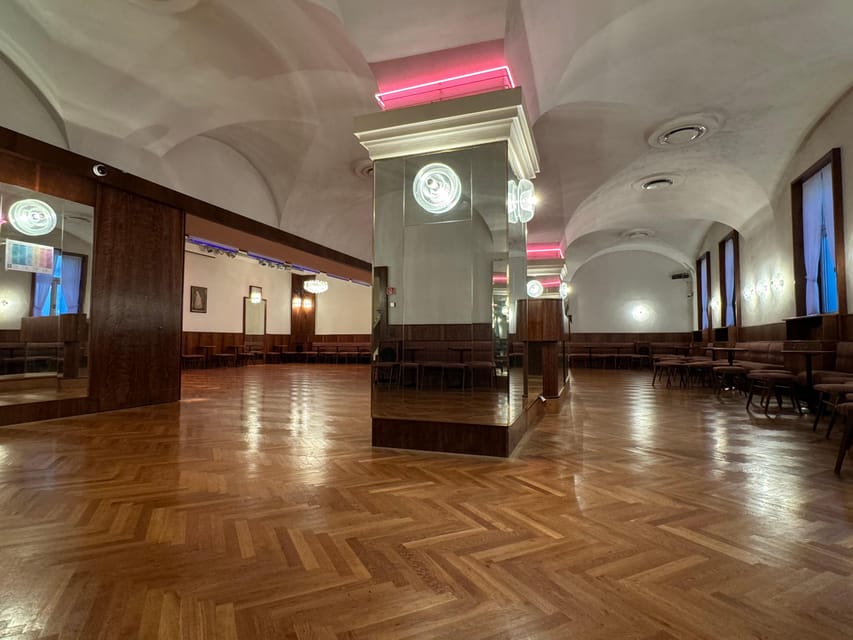
The class takes place in a private Waltz Hall. That matters for a first lesson because you can concentrate on your own feet and partner rather than worrying about an audience.
The setting has also received strong praise for being elegant and spacious. A dance floor with room to move makes basic practice much easier, especially when you are still trying to coordinate your steps, posture, and direction.
You should be punctual. The doors close on time, and late arrivals may be charged as a no-show. This is not a class where you can casually wander in ten minutes late with a coffee in hand. Plan to reach the school before the scheduled start.
The First Lesson: Ballroom Tradition and Etiquette
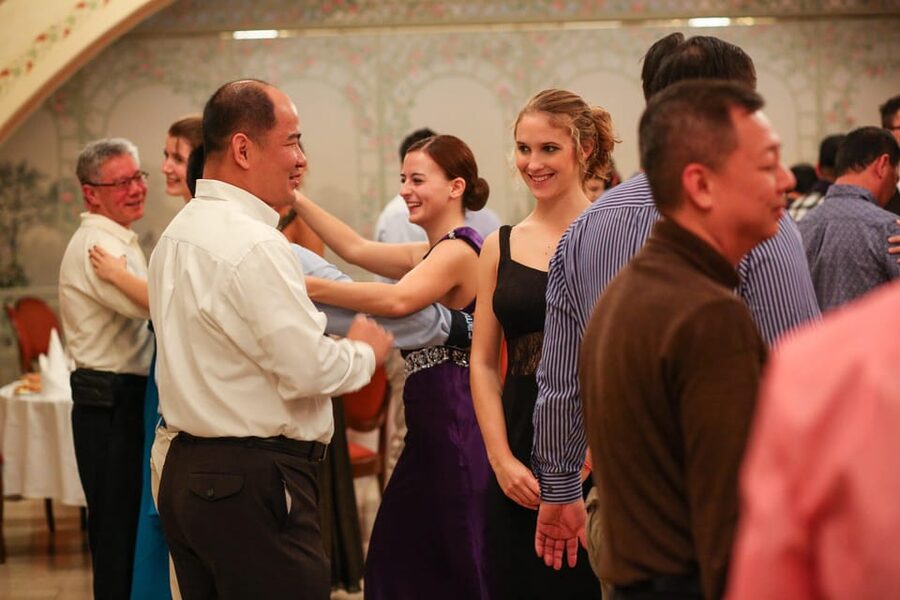
The workshop begins with an explanation of Viennese ballroom tradition and etiquette. This part is easy to underestimate, but it helps you understand how the dance functions as a social activity.
Ballroom etiquette provides a framework for moving with other people. You learn the customs that shape how dancers share a floor, interact with partners, and take part in the formal ball season.
The instructor speaks English and German, and the teaching is meant to be easy to understand. That is helpful for an international group, particularly when dance terms and instructions need to be explained quickly.
The instructor also answers questions during the lesson. One particularly praised instructor, Aga, is described as attentive, patient, and precise in demonstrations. That combination is useful in a one-hour class, where unclear directions can waste valuable practice time.
This is not a lecture that replaces dancing. The tradition and etiquette section gives you just enough context to make the movements feel connected to Vienna’s social life.
Learning the Most Important Waltz Movements
The practical part focuses on the most important movements of the original Viennese Waltz. You work on the basic actions needed to move with a partner and keep time with the music.
The class is intended for beginners, so you do not need prior dance training. The value is in receiving clear demonstrations and then having a safe place to try the movements yourself.
A good beginner lesson does not pretend that everyone will master everything immediately. Instead, it gives you a few usable building blocks. This workshop follows that sensible approach by keeping the focus on the essential movements rather than trying to cover every possible ballroom figure.
You should expect to concentrate. Even simple waltz steps require attention to rhythm, balance, posture, and partnership. The instructor’s demonstrations are especially important here, and the feedback about precise explanations is encouraging.
The music is tailored to the needs of the group. That suggests the pace and selection can be adjusted for the people in the room, rather than forcing complete beginners to follow a demanding performance tempo from the first minute.
A completely different kind of day:
- Vienna: Spanish Riding School Training
★ 3.9 · 9,281 reviews - Vienna: Schönbrunn Palace & Gardens Skip-the-Line Tour
★ 4.7 · 7,739 reviews - Vienna: Light of Creation Votive Church Immersive Light Show
★ 4.8 · 6,779 reviews - Vienna Spanish Riding School Guided Tour
★ 4.7 · 6,765 reviews
Dancing With an International Beginner Group
The group atmosphere is one of the strongest reasons to choose this experience. You join an international crowd with different backgrounds, but most participants are beginners.
That mix can make the class feel less formal. Everyone is learning, so a missed step or awkward turn is part of the process rather than a public failure. I like this kind of setting because it helps you take part instead of standing at the edge and watching.
The activity is described as a small group experience when available. Group size can affect how much practice time you receive, so it is worth checking the specific session before booking if that matters to you.
You also get a community feel without needing to commit to a full course. In one hour, you can meet people who are curious about the same Viennese tradition and share a light, social activity during your visit.
Do keep expectations realistic. A small group does not mean private instruction, and the class is not designed around individual coaching for every participant. The main aim is a welcoming introduction to the dance and its customs.
The New Year’s Eve Connection
The most distinctive part of the workshop is its connection to New Year’s Eve. Vienna’s tradition of welcoming the new year with the Blue Danube Waltz gives the lesson a clear emotional center.
You learn why the dance is linked with good wishes for the year ahead. Dancing with a loved one becomes a way to mark the moment, not merely a performance or a technical exercise.
This is useful even if you are not in Vienna on New Year’s Eve. After the workshop, you will recognize the dance as part of Vienna’s festive identity and may feel more connected to the city’s celebration when you hear the music elsewhere.
If you are visiting during the holiday season, the timing makes the experience even more fitting. If you are visiting at another time of year, it still offers a window into the ball season tradition that shapes Vienna’s cultural calendar.
The lesson does not include a full New Year celebration, drinks, or snacks. Think of it as preparation and cultural context, not a substitute for a midnight event.
What to Wear and What to Leave Behind
Bring comfortable shoes and comfortable clothes. You do not need to rent formal dance shoes or an outfit, and those rentals are not included.
For a beginner, sensible footwear is more important than looking ready for a grand ball. You need to move safely and comfortably while learning the basic steps.
You should also avoid arriving in clothing that restricts movement. The class is short, so you want to spend the hour practicing rather than adjusting an uncomfortable jacket, tight shoes, or unsuitable clothing.
Drinks and snacks are not included. This is a small point, but it matters if you are planning the class between other activities. Eat beforehand if you know you will need energy, and do not expect refreshments at the hall.
Is One Hour Enough for $45?
The price is $45 per person. For a one-hour class, that is not the cheapest activity in Vienna, so the value depends on what you want from the experience.
If you measure value by dance time alone, the cost may feel high. You receive only one hour of instruction, and you will not leave ready to perform a complete Viennese ball routine.
I think the price makes better sense when you count the full experience: instruction in the original Viennese Waltz, an explanation of ballroom etiquette, access to a private hall, tailored music, and a certified English and German-speaking instructor.
The cultural setting also adds value. You could watch the Blue Danube Waltz or read about Vienna’s ball season, but learning the basic movements gives you a more personal connection to the tradition.
The workshop is a good purchase for a short Vienna visit because it requires only one hour. It can fit before or after sightseeing, provided you allow enough time to reach the school and check in.
Free cancellation up to 24 hours before the activity and the reserve-now, pay-later option also reduce some booking risk. Still, the punctuality rule is firm, so flexibility does not mean you can arrive whenever convenient.
Who Will Enjoy This Workshop Most?
I would recommend this class to first-time dancers, couples, solo visitors who enjoy social activities, and anyone curious about Vienna’s festive traditions.
It also suits people who want a cultural activity that is active without taking up half a day. The one-hour length is a real advantage when your schedule already includes museums, palaces, cafés, and concerts.
You do not need to be confident on a dance floor. In fact, the class is most useful if you are starting from scratch and want clear instruction in a supportive setting.
It may be less suitable if you want advanced ballroom training, private coaching, or a full formal ball experience. It is also not suitable for children under 10, wheelchair users, or people with pre-existing medical conditions.
The activity is offered in English and German. If you need instruction in another language, this may not be the right choice.
What the Strongest Praise Tells You
The most positive feedback centers on the instructor’s manner. Aga is specifically praised for being attentive, patient, poised, and clear, with careful demonstrations and precise explanations.
That matters more than fancy surroundings in a beginner dance class. A graceful instructor who can break down a movement without making you feel foolish can change the whole experience.
The hall also receives praise for its elegant and spacious dance floor. Space allows you to practice without feeling cramped, while an attractive setting adds a proper Viennese touch.
There is no need to assume that every class will be identical. Instructors and group dynamics can vary. Still, the combination of patient teaching, clear demonstrations, and a comfortable hall is exactly what I would want from a short introductory lesson.
Practical Timing and Booking Advice
Check the available starting times before you plan the rest of your day. The activity lasts one hour, but you should add time for getting to the Waltz School and arriving before the doors close.
The doors open 15 minutes early. Use that window for check-in and preparation rather than treating it as extra lesson time.
The experience begins and ends at the Waltz School. There is no transportation between locations, and the activity does not continue into a separate sightseeing stop.
You can cancel for a full refund up to 24 hours in advance. The reserve-now, pay-later option lets you hold a place without paying immediately, which is helpful when your Vienna plans are still changing.
Book the class if the available time fits your schedule. Do not book it on the assumption that you can rush in from another appointment, since late arrival can mean losing the booking.
Should You Book the Vienna Waltz Workshop?
Book it if you want a short, friendly introduction to a tradition that is central to Vienna’s festive season. The workshop gives you basic movements, ballroom etiquette, New Year context, and a chance to practice in an elegant private hall.
I especially recommend it for beginners who might otherwise feel nervous about a formal dance setting. The international group, patient instruction, and community feel make the class approachable.
Skip it if you want a long lesson, advanced training, a complete ball evening, or included refreshments and costume rental. At $45, the workshop is best judged as a cultural activity with dance instruction, not as a bargain fitness class.
For most visitors interested in Vienna’s New Year customs, it offers a pleasant and useful hour. You may not leave ready to lead a grand ball, but you should leave understanding why the waltz still matters.
FAQ
How long does the Viennese Waltz workshop last?
The workshop lasts one hour. Starting times vary, so check availability when booking.
What does the workshop teach?
It covers the Viennese ballroom tradition, ballroom etiquette, the main movements of the original Viennese Waltz, and the connection between the waltz and New Year celebrations in Vienna.
Is the class suitable for beginners?
Yes. The workshop is designed to be relaxed and easy to understand, and most participants are beginners.
What languages are spoken?
The instructor teaches in English and German.
Where does the activity begin and end?
You start by checking in at the reception of the Waltz School. The activity ends back at the same meeting point.
What should I wear?
Bring comfortable clothes and comfortable shoes. Rental shoes and outfits are not included.
Are drinks or snacks included?
No. Drinks and snacks are not included in the activity.
Can children or wheelchair users take part?
The workshop is not suitable for children under 10 or wheelchair users. It is also not suitable for people with pre-existing medical conditions.
Just added in Vienna
- Vienna: Austrian Wine Tasting Experience★ 4.2 · 2 reviews
- World War II History Vienna Old Town Private Walking Tour★ 4.8 · 9 reviews
- Vienna_ Meet Beethoven Life Private Guided Walking Tour★ 5.0 · 1 review
- Vienna: Wine Tasting Tour★ 4.8 · 61 reviews
- Vienna: Wine Tasting E-Bike Tour★ 4.9 · 46 reviews
- Vienna: Wine Tasting at Schönbrunn Palace★ 4.3 · 71 reviews
- Vienna: Winery and Wine Tasting Tour with a Wine Expert★ 5.0 · 5 reviews
- Vienna: Concert by the Vienna Baroque Orchestra★ 4.6 · 56 reviews
Classical Concerts and Opera, compared.
Vivaldi’s Four Seasons Concert in Karlskirche
Read our review →
Classical Concert in the World-Famous Musikverein
Read our review →
Classical Concert in St. Anne’s Church (Annakirche)
Read our review →
Browse the lists this tour appears in