
Reviewed · COOKING CLASSES
Vienna; Cooking Class: Make Schnitzel & Apple Strudel
Good food makes Vienna feel personal. This three-hour class takes you into Lena’s city-center apartment, where you learn family recipes for chicken schnitzel and apple strudel rather than simply watching a chef work. You also cook side dishes and, depending on the group size, a potato soup, making this a full meal rather than a quick demonstration.
I like the small-apartment setting, which gives the class a warm, homely feel, and I like that you do most of the preparation yourself. The recipes are designed to be made again at home, not admired once and forgotten. The main consideration is space: groups can reach 12 people, and one recent experience found that a larger group meant less hands-on time. The kitchen may also get hot in summer because typical Viennese apartments do not have air conditioning.
In This Review
- Key Details Before You Book
- Entering Lena’s Biedermeier Apartment
- Starting With Austrian Food and Its Many Influences
- Making Potato Soup, Schnitzel, and Salads
- Stretching and Baking the Apple Strudel
- Sitting Down to Eat What You Made
- How Much Hands-On Cooking You Actually Get
- Price, Inclusions, and Overall Value
- Dietary Needs and Who Should Skip It
- Should You Book Lena’s Schnitzel and Strudel Class?
- FAQ
- Where does the cooking class take place?
- How do I find the apartment?
- How long does the class last?
- What dishes will I make?
- Is dinner included?
- Are ingredients and recipes provided?
- Do I need previous cooking experience?
- Can I request dietary changes?
- Is alcohol included?
Key Details Before You Book
- Cook in a traditional Viennese apartment: Lena’s home is in a 19th-century Biedermeier-style building in central Vienna, filled with antiquities and modern art.
- Make a complete Austrian meal: The menu can include potato soup, chicken schnitzel, cucumber salad, potato salad, and fresh apple strudel.
- Use family recipes: Lena was born and raised in Vienna and teaches dishes passed through her family for generations.
- Plan for a three-hour kitchen session: You cook, eat together, and receive the recipes to try at home.
- Group size affects your hands-on time: Classes run with 2 to 12 participants, so a smaller group is the better choice if active cooking matters most.
- Bring leftover containers if you can: The food is included, but storage containers are not.
Entering Lena’s Biedermeier Apartment
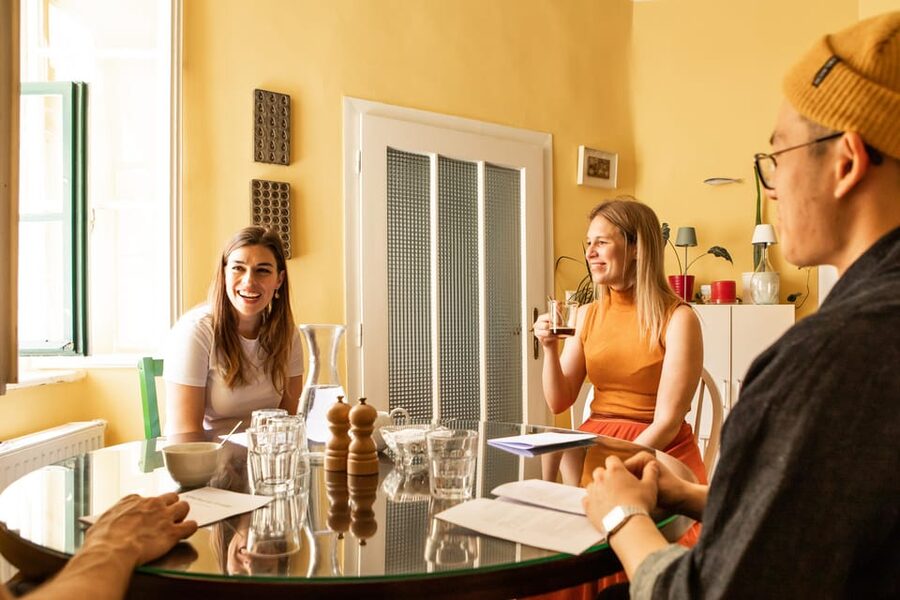
The meeting point is not a restaurant or cooking school. You go to Lena’s apartment in a typical Viennese Biedermeier building from the 1800s. At the building entrance, ring the bell marked Top 20. Lena opens the door, and her apartment is on the second floor, to the left.
That setting shapes the whole experience. You are cooking in a real home, surrounded by old objects and modern art, rather than standing at a stainless-steel workstation under bright lights. I find that appealing because Austrian food often makes the most sense when you connect it with family kitchens and everyday meals.
The apartment setting also brings practical limits. It is a private home, not a large teaching kitchen, and the group can include as many as 12 people. If you want plenty of room around the work surfaces, book with the expectation that the class will feel social and close rather than spacious.
The class is offered in English and German. That makes it accessible to most international visitors, and the informal home setting gives you a chance to talk with people from different places while you cook.
More Cooking Classes in Vienna
- Vienna: Gerstner KuK Hofzuckerbäcker Baking Show & Tasting
★ 4.8 · 823 reviews - Vienna: Cruise and Schnitzel Tour
★ 4.1 · 536 reviews - Nabiel’s Vienna Cooking Class
★ 5.0 · 234 reviews
Starting With Austrian Food and Its Many Influences
Lena begins with an introduction to Austrian cuisine before the cooking starts. This matters because Viennese food is not built from one narrow tradition. It reflects the old Austro-Hungarian world, with influences connected to Bohemia, Hungary, Italy, and the former imperial court.
You learn where the dishes fit into that broader food culture, then hear what you will prepare and how the different parts of the meal work together. This opening should help you recognize why a meal of soup, schnitzel, salads, and strudel feels so distinctly Viennese.
The approach is practical rather than academic. You are not sitting through a long lecture about culinary history. The point is to understand the food well enough to cook it, eat it, and repeat it in your own kitchen.
Lena’s connection to the menu is also personal. She was born and raised in Vienna, and the recipes come from her family. Her grandmother’s apple strudel is one of the class specialties, giving the dessert more meaning than a standard pastry lesson copied from a cookbook.
Making Potato Soup, Schnitzel, and Salads
Depending on the number of participants, you prepare two or three courses. The full menu can include Lena’s grandmother’s Viennese potato soup, chicken schnitzel, cucumber salad, potato salad, and apple strudel.
The exact number of courses depends on the group, so do not assume every session follows an identical menu. At minimum, the focus is on chicken schnitzel and apple strudel, with other dishes added according to the class setup.
The soup gives you a useful introduction to a simple Austrian staple. Potato soup is not flashy food, but that is part of its value. It shows how a familiar ingredient can become a proper first course with the right preparation.
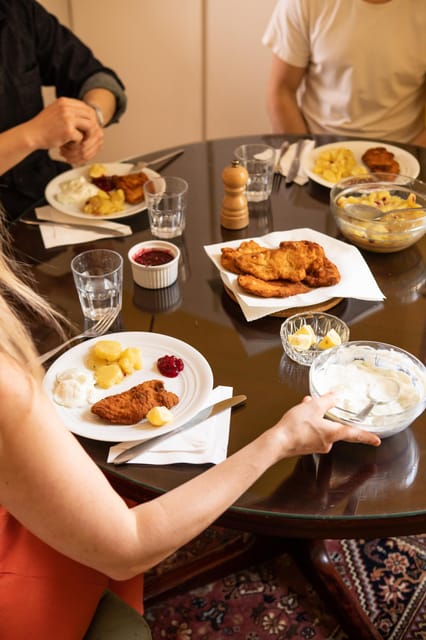
Then comes the main event: chicken schnitzel. You work through the process rather than simply watching Lena fry it. The class is built around participation, so you should expect to help prepare the food as much as possible. That hands-on approach is especially useful if you want to recreate the dish later.
The sides are not filler. Potato salad and cucumber salad provide the cool, fresh contrast that keeps a fried schnitzel meal from feeling too heavy. Learning these at the same time gives you a more complete sense of how the dish is served in Austria.
One practical point is worth stressing: no prior cooking experience is expected. You can take part even if your home cooking normally stops at boiling water. Lena’s role is both instructor and host, and the class has been praised for being clear, friendly, and suitable for different ages.
Stretching and Baking the Apple Strudel
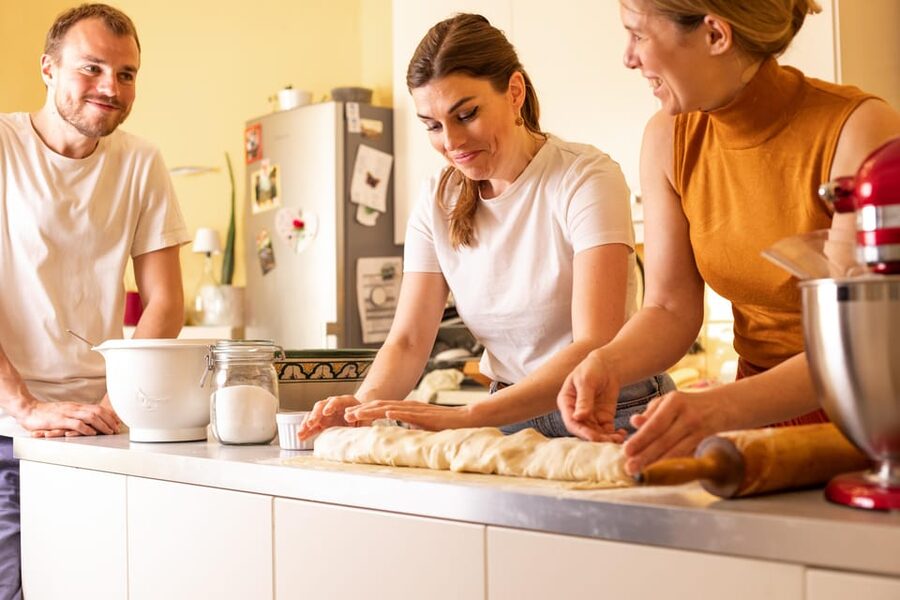
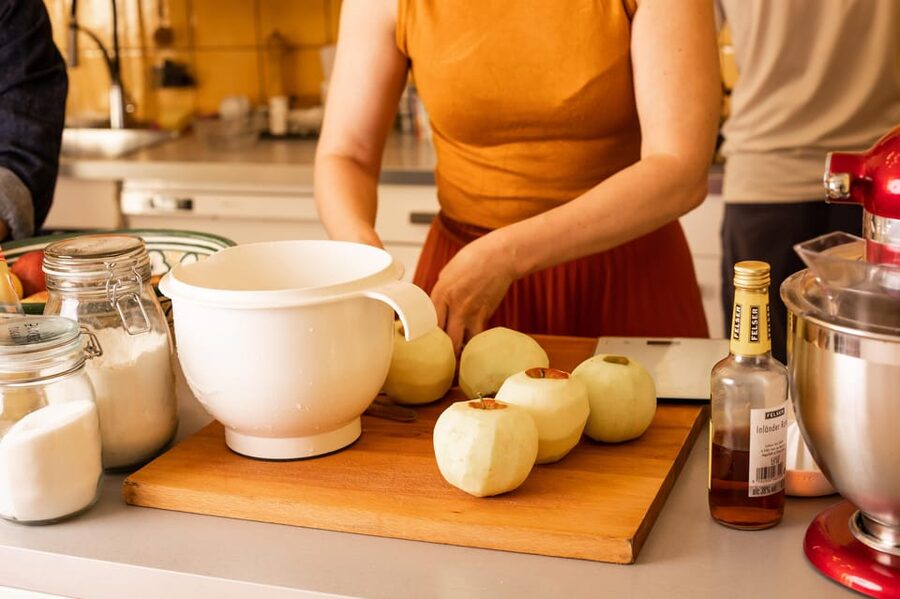
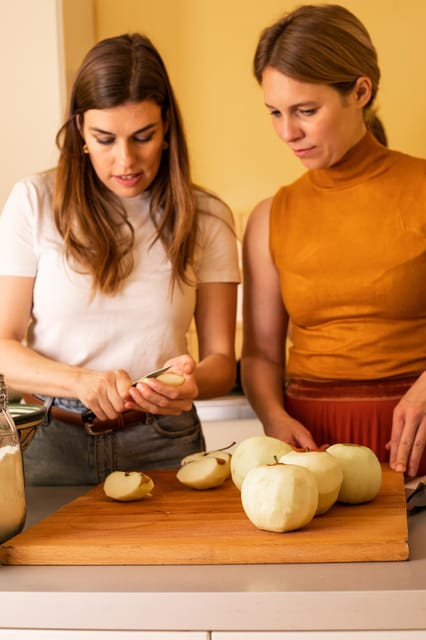
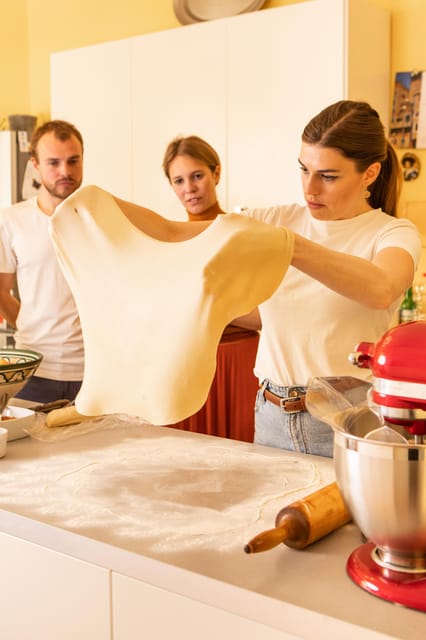
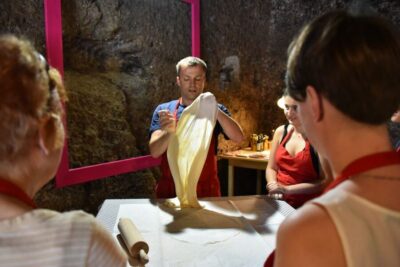
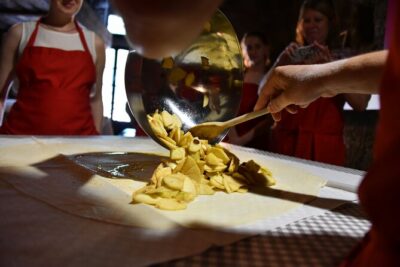
Apple strudel is the dessert that tends to capture the most attention. You prepare it from scratch and learn the steps needed to turn the ingredients into a fresh pastry, rather than being handed a finished slice at the end.
This is a good choice for a class because strudel rewards careful technique. You get to see how a traditional dessert is assembled, and you can ask questions while the process is happening. Lena’s family connection to the recipe adds a personal touch, especially since it is based on her grandmother’s version.
The finished strudel is served as part of the meal. Some people have managed to take extra strudel home, so bring a container if you have one available. Tupperware is not supplied, but leftovers may be possible depending on how much food remains.
If you are mainly booking for dessert, keep in mind that the class is not a pastry-only workshop. Schnitzel and the accompanying courses make up a large part of the session. The appeal is the full Austrian meal, with strudel as the finale.
A completely different kind of day:
- Vienna: Vivaldi’s Four Seasons Concert in Karlskirche
★ 4.7 · 14,951 reviews - Vienna: Spanish Riding School Training
★ 3.9 · 9,281 reviews - Vienna: Schönbrunn Palace & Gardens Skip-the-Line Tour
★ 4.7 · 7,739 reviews - Vienna: Light of Creation Votive Church Immersive Light Show
★ 4.8 · 6,779 reviews
Sitting Down to Eat What You Made
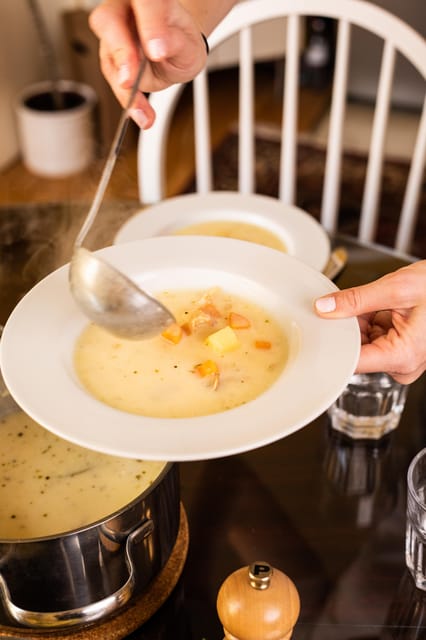
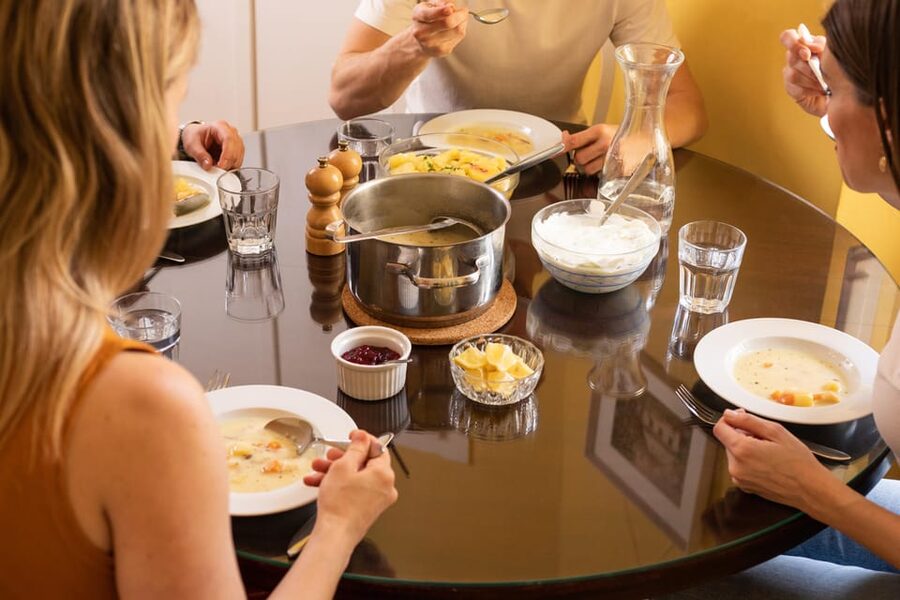
After the cooking, everyone eats together in the apartment. This shared meal is an important part of the experience because you get to taste the result while the techniques are still fresh in your mind.
The food is described as simple and delicious, which is exactly the right expectation. This is traditional home cooking, not a formal restaurant tasting menu. You will not receive elaborate plating or a long list of rare ingredients. You will get familiar dishes prepared with care and served in a relaxed setting.
The meal also gives the class a social rhythm. You cook alongside people you may not know, then sit down together. Solo visitors can fit in well, and couples, families, and older or younger participants are all suitable for the format.
Alcohol is not included. A glass of wine would be a natural match for schnitzel, but you should not count on drinks being part of the package. The included dinner covers the dishes you prepare, while alcoholic beverages are extra.
Families should pay attention to this class. Children have been fully engaged during the cooking, and the hands-on structure gives them something to do beyond simply waiting for a meal. The food is familiar enough for many children, though the suitability of the menu will depend on your family’s tastes.
How Much Hands-On Cooking You Actually Get
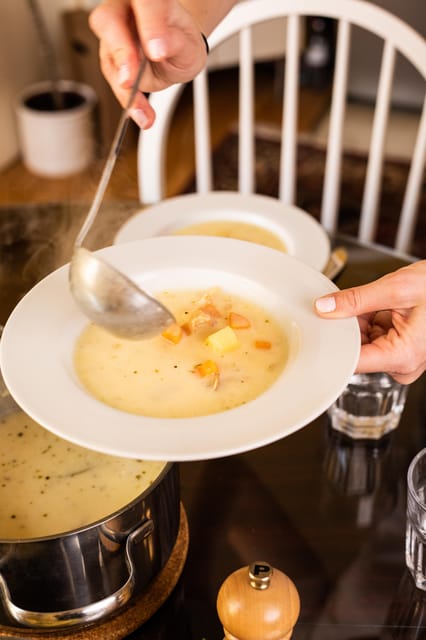
The class promises that you cook as much as possible yourself. That is a strong point, but your hands-on time depends on the number of people in the room.
With two to six participants, you can reasonably expect more direct access to the preparation. With a group closer to 12, tasks must be shared, and some steps may become demonstrations rather than individual practice. One recent class with a larger group found that active participation was possible for only about half the time.
That does not make a large group a bad choice. A bigger class can feel lively, and the shared meal may be more sociable. But if your top priority is learning every technique personally, choose a smaller session when possible or ask about the expected group size before booking.
The three-hour length is well judged for the menu. You have enough time to discuss Austrian food, prepare several dishes, eat together, and receive the recipes. It is not a rushed 60-minute activity, but it also does not consume an entire day of sightseeing.
Wear comfortable clothes suitable for cooking. You may want to take photos, so a camera is suggested, but you do not need to bring cooking equipment or ingredients.
Price, Inclusions, and Overall Value
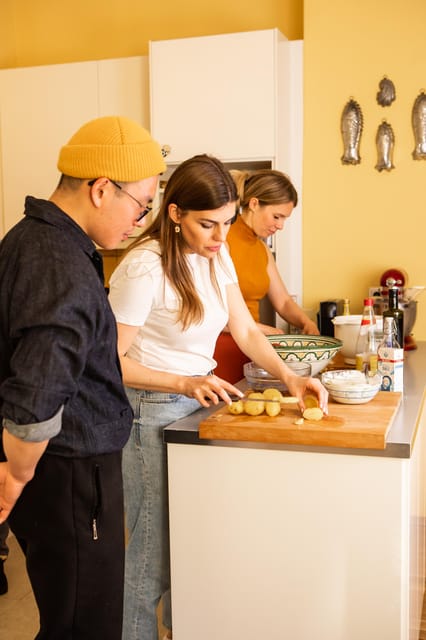
At $153 per person, this is not the cheapest meal-related activity in Vienna. The price makes more sense when you count what is included: ingredients, instruction, recipes, and dinner, all within a three-hour private-home experience.
You are paying for more than a plate of schnitzel. You are getting access to Lena’s family recipes, the chance to prepare the food yourself, and a meal in a personal setting. The recipe sheets also extend the value beyond your time in Vienna because you can make the dishes again after returning home.
The cost is easier to justify if you enjoy food activities or want a break from museums and formal sightseeing. It is less attractive if you only want to eat schnitzel and have no interest in cooking. Vienna has many places to order the dish for less.
The lack of included alcohol is a minor drawback for some people. You should also remember that transport to and from the apartment is not included. Since the class takes place in central Vienna, you arrange your own way there and back.
Free cancellation up to 24 hours before the activity and the option to reserve now and pay later give you some useful flexibility. Check the available start times when choosing a date, since the class runs for three hours.
Dietary Needs and Who Should Skip It
Dietary restrictions are described as manageable if you advise Lena in advance. Contacting the provider before the class is important because the menu includes several separate dishes, and adjustments need to be planned ahead.
Vegans should not book this experience. The class is not suitable for a vegan diet. Other dietary needs may be possible, but the supplied information does not promise every substitution, so give full details before you commit.
The class suits you best if you:
- Enjoy cooking as much as eating
- Want traditional Viennese food in a local home
- Are traveling alone and like meeting people around a table
- Are visiting Vienna with children who enjoy hands-on activities
- Want recipes you can use after the trip
- Prefer a relaxed three-hour activity over a formal restaurant meal
It may not suit you if you dislike group cooking, need a large professional kitchen, want alcohol included, or expect a fully private lesson. The possible group size is 2 to 12, so the feel can change from intimate to fairly busy.
Should You Book Lena’s Schnitzel and Strudel Class?
I would book this class if you want to understand Viennese food by making it, not just ordering it. The strongest parts are Lena’s personal connection to the recipes, the home setting, and the chance to eat a full meal that you helped prepare.
Choose a smaller group if possible, especially if you are a keen cook and want plenty of time at the work surface. Families and solo visitors are a good match, and the relaxed format makes it easy to take part without professional skills.
At $153, it is a considered purchase, but the ingredients, dinner, recipes, and three hours of instruction make it fair value for a food-focused visitor. Skip it if you want a quick tasting or a vegan menu. Book it if a warm kitchen, grandmother’s strudel, and a plate of schnitzel made with your own hands sound like a better souvenir than another postcard.
FAQ
Where does the cooking class take place?
The class takes place in Lena’s apartment in central Vienna, inside a typical 19th-century Biedermeier-style building.
How do I find the apartment?
When you arrive at the building, ring the bell marked Top 20. Lena will open the door. The apartment is on the second floor, on the left.
How long does the class last?
The activity lasts three hours, including the introduction, cooking, and shared meal.
What dishes will I make?
The class focuses on chicken schnitzel and apple strudel. Depending on the number of participants, you may also prepare Viennese potato soup, cucumber salad, and potato salad.
Is dinner included?
Yes. You eat the dishes prepared during the class, and dinner is included in the price.
Are ingredients and recipes provided?
Yes. All cooking ingredients and the recipes are included.
Do I need previous cooking experience?
No. The class is suitable for beginners, and no prior cooking experience is expected.
Can I request dietary changes?
Dietary restrictions are not considered a problem, but you must advise Lena in advance. The class is not suitable for vegans.
Is alcohol included?
No. Alcoholic beverages are not included. If available, bring containers for leftovers, since storage containers are not supplied.
Just added in Vienna
- Vienna: Austrian Wine Tasting Experience★ 4.2 · 2 reviews
- World War II History Vienna Old Town Private Walking Tour★ 4.8 · 9 reviews
- Vienna_ Meet Beethoven Life Private Guided Walking Tour★ 5.0 · 1 review
- Vienna: Wine Tasting Tour★ 4.8 · 61 reviews
- Vienna: Wine Tasting E-Bike Tour★ 4.9 · 46 reviews
- Vienna: Wine Tasting at Schönbrunn Palace★ 4.3 · 71 reviews
- Vienna: Winery and Wine Tasting Tour with a Wine Expert★ 5.0 · 5 reviews
- Vienna: Concert by the Vienna Baroque Orchestra★ 4.6 · 56 reviews
Cooking Classes, compared.
Austrian Apple Strudel Cooking Class including Lunch in Salzburg
Read our review →
Gerstner KuK Hofzuckerbäcker Baking Show & Tasting
Read our review →
Salzburg Christmas Cookies and Apple Strudel Cooking Lesson
Read our review →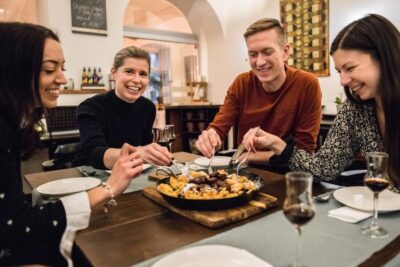
Traditional Kaiserschmarrn Cooking Class & Tasting
Read our review →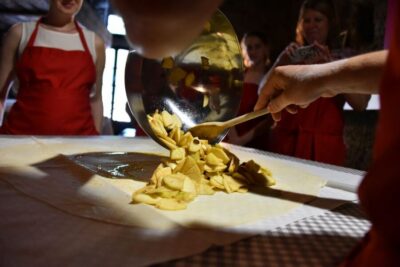
Cookies and Apple Strudel Cooking Class Including Lunch
Read our review →Browse the lists this tour appears in