
Reviewed · CLASSICAL CONCERTS AND OPERA
Vienna: Classical Concerts in the Minorite Church Ticket
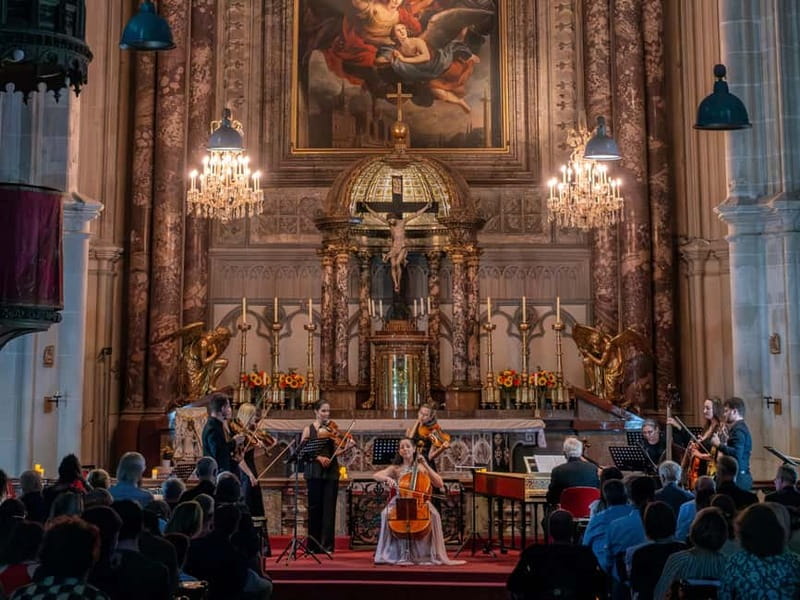
Let the church become your concert hall. I like the Gothic Minoritenkirche for its beauty and central location, but the real pleasure is hearing live strings and voices carried through its impressive acoustics. I also like the changing programs, which can range from Vivaldi’s Four Seasons to intimate Mozart quartets and major sacred works by Bach.
The main caution is the church setting. Seating may be less comfortable than in a purpose-built concert hall, and one performance can feel cold enough that you may wish for a short interval. Also check the exact program carefully, since a Christmas or seasonal title may not always mean the performance includes the music you expect.
In This Review
- Key points at a glance
- Why the Minoritenkirche makes a memorable concert hall
- What your 70 minutes actually feel like
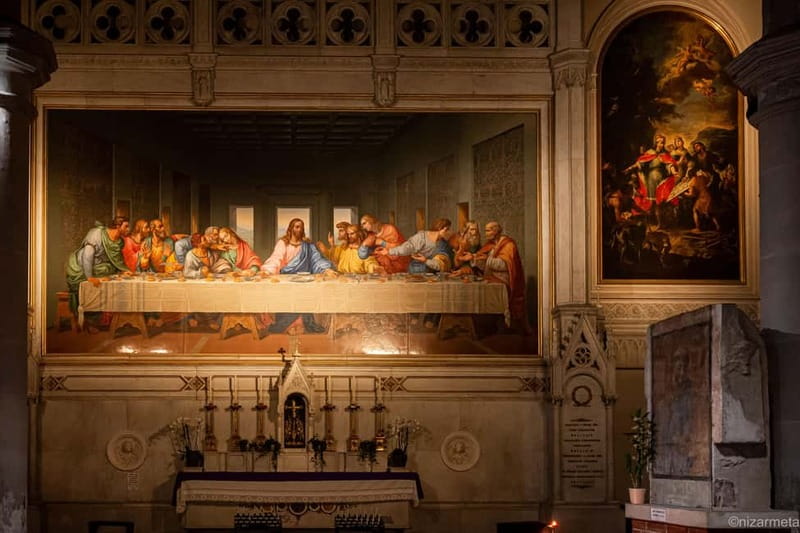
- The music changes with the date
- The sound: beautiful reverberation with a trade-off
- Choosing your seat for a better view
- Musicians who make the program worth hearing
- Value at $22 per person
- Comfort, timing, and church etiquette
- How this compares with Vienna’s grand concert halls
- Who should book this concert?
- Should you book the Minoritenkirche concert?
- FAQ
- How long does the Minoritenkirche concert last?
- How much does the concert cost?
- Where does the concert take place?
- What music might be performed?
- Are members of the Vienna Philharmonic performing?
- Is the concert suitable for young children?
- Is the Minoritenkirche wheelchair accessible?
- Can I take photographs or record the music?
Key points at a glance
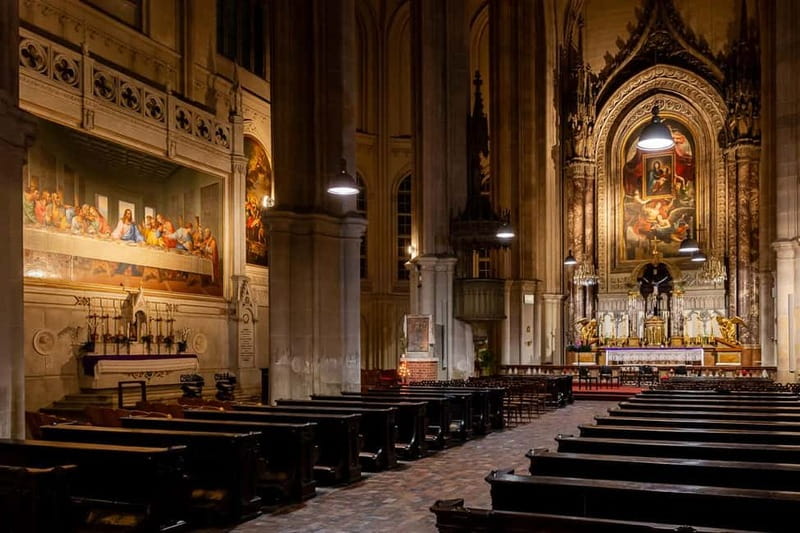
- A Gothic setting in central Vienna: The Minoritenkirche gives a 70-minute concert a strong sense of place.
- Excellent acoustics: The church’s reverberation adds warmth and power, especially to strings, voices, and sacred music.
- Programs change often: You might hear Mozart, Haydn, Beethoven, Vivaldi, Bach, Debussy, or seasonal selections.
- High-level musicians: Some programs feature members of the Vienna Philharmonic, while larger works use orchestra, choir, and soloists.
- Good value at $22: The price is modest for live classical music in a historic Viennese venue.
- Seat choice matters: Front sections can bring you close to the performers, while rear sections may offer less detail of their hand movements.
Why the Minoritenkirche makes a memorable concert hall
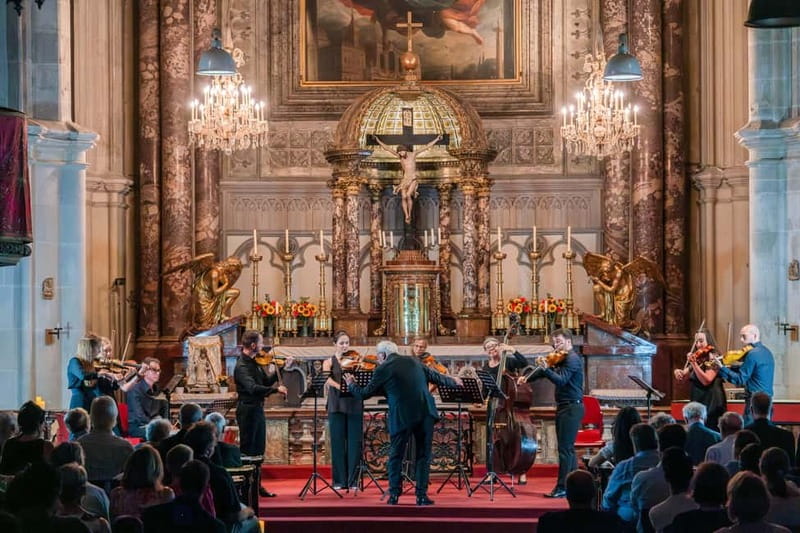
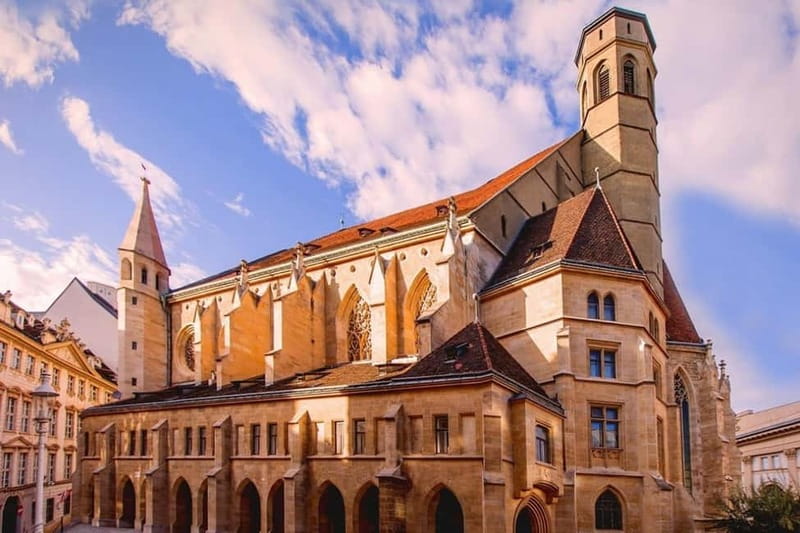
Vienna has no shortage of classical music. You can hear concerts in grand halls, palaces, theaters, and churches. The Minoritenkirche offers something different: a relatively intimate concert inside a historic Gothic building in the heart of the city.
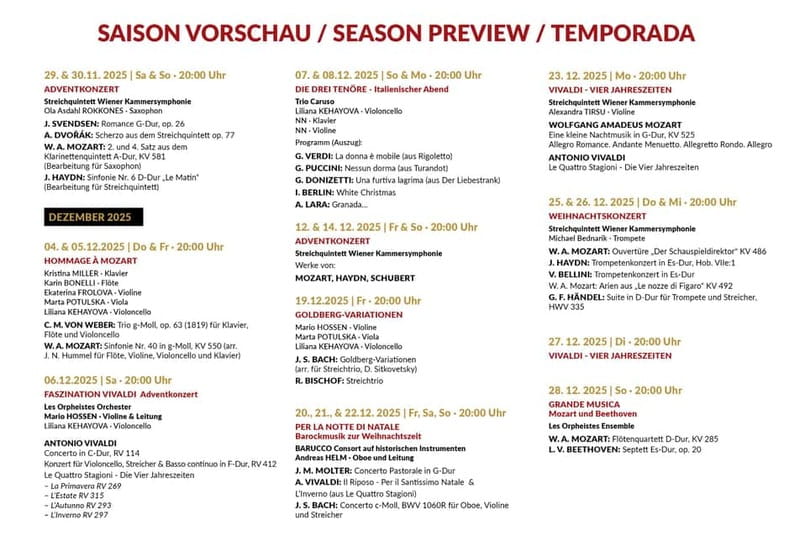
The church is one of Vienna’s most artistically important religious buildings. Its architecture gives the evening a solemn, old-world feel before the first note is played. You are not simply entering a room with rows of chairs and a stage. You are sitting inside a functioning historic church whose stone surfaces shape the sound.
I especially like the way the setting changes the mood of familiar music. Mozart can sound light and finely drawn in a chamber program, while Vivaldi’s strings gain extra sweep from the church’s reverberation. Bach’s sacred works, naturally, feel at home here.
The central location is another practical advantage. The concert fits neatly into an evening of sightseeing around Vienna’s historic center. You can pair it with dinner, a walk through the old city, or an earlier visit to nearby sights without committing to a long trip outside the center.
More Classical Concerts in Vienna
- Vienna: Vivaldi’s Four Seasons Concert in Karlskirche
★ 4.7 · 14,951 reviews - Vienna: Classical Concert in the World-Famous Musikverein
★ 4.6 · 6,673 reviews - Vienna: Classical Concert at St. Stephen’s Cathedral
★ 4.1 · 4,177 reviews
What your 70 minutes actually feel like
The concert lasts about 70 minutes. That is long enough to hear a serious program, but short enough to fit into a busy Vienna itinerary. I consider this one of the experience’s strongest features, especially if you are adding classical music to a packed city break.
The exact start time depends on the date and option you choose. The meeting point can also vary by booking option, so check your confirmation rather than assuming every performance begins at the same church entrance or gathering point.
Once inside, you receive an entrance ticket and a program sheet or booklet. Staff and greeters may speak English, German, Spanish, or Italian, which helps if you need assistance before the music begins. There is no need to plan for a guided tour or a spoken lecture. The focus is the performance.
The evening ends back at the meeting point. It is a straightforward format: arrive, settle into the church, listen, and leave with plenty of time for the rest of your night.
The music changes with the date
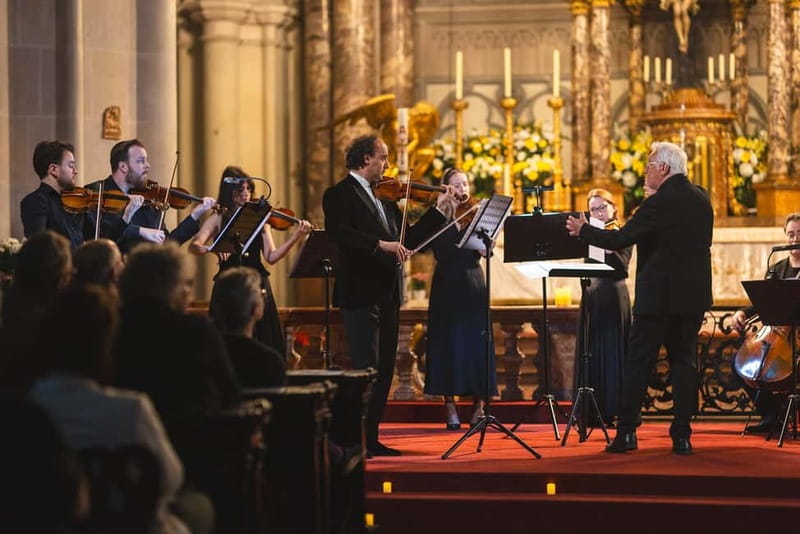
The program is not fixed across the season. That is important. You should select this concert because of the specific date and repertoire, not only because it takes place in the Minoritenkirche.
One regular attraction is Vivaldi’s The Four Seasons. This is a familiar work, but a strong live performance can still feel fresh. In this church, the strings and changing dynamics benefit from the surrounding space. A performance may move from delicate, almost whispered passages to energetic bursts that fill the building.
Some dates focus on chamber music. A string quartet program featuring members of the Vienna Philharmonic includes Mozart’s String Quartet in B-flat major, K. 458, known as The Hunt, and Haydn’s String Quartet in D major, Op. 64 No. 5, known as The Lark. This kind of concert is a good choice if you want to hear the musicians closely rather than experience a large orchestral sound.
A flute quartet program offers a different color. Mozart’s flute quartets are paired with selections from The Magic Flute, arranged by Johann Wendt, along with Marin Marais’s Les Folies d’Espagne for solo flute and Debussy’s Syrinx. I like this type of program for its variety. You hear baroque variation, Classical-era clarity, operatic melody, and the more airy sound of French impressionism in a single sitting.
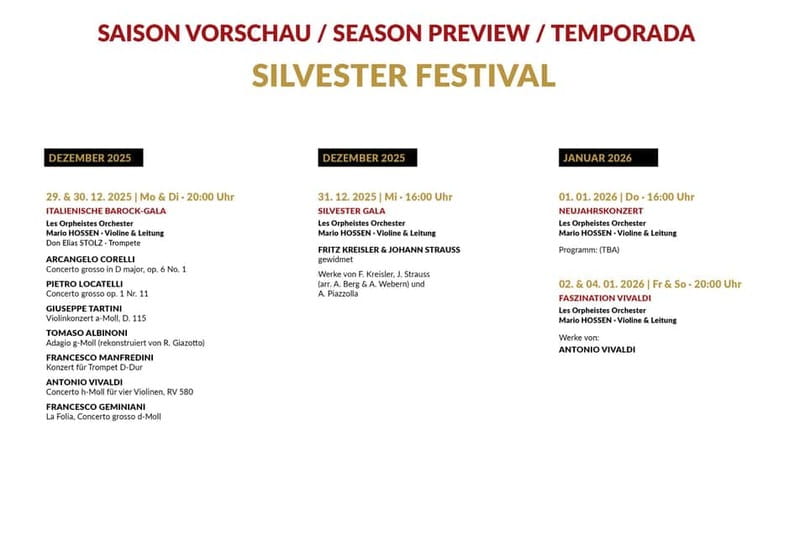
The June 14 performance of Bach’s Mass in B Minor, BWV 232, is a much larger event. Martin Sieghart leads the Les Orpheistes Orchestra and Concert Choir Interpunkt, with soloists Cornelia Horak, Hermine Haselböck, Jan Petryka, and Rafael Fingerlos. This is not the same intimate experience as a string quartet. It is a major choral and orchestral work, with solemn choruses, solo arias, and demanding vocal writing.
Seasonal programs may include Easter, Advent, Christmas, and New Year’s concerts. These can add a festive mood to a Vienna visit, but read the exact repertoire before booking. A seasonal concert may have a broad title without containing every familiar holiday piece you have in mind.
The sound: beautiful reverberation with a trade-off
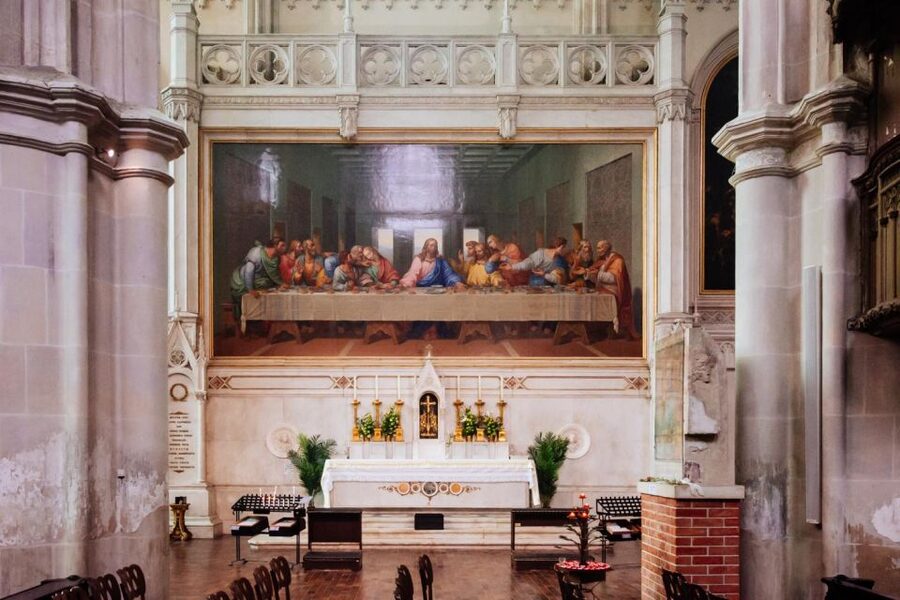
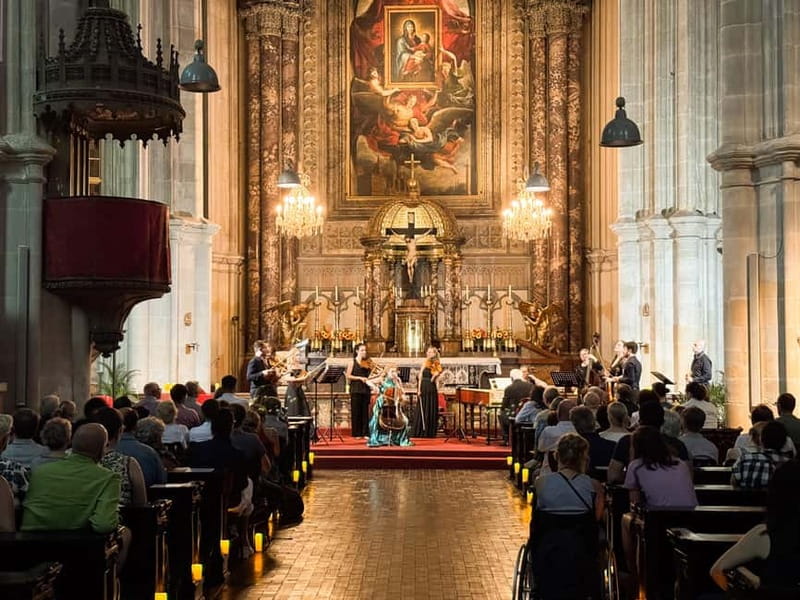
Acoustics are one of the most praised parts of this experience. The church gives the music a generous echo, making the room itself part of the performance. Strings can sound broad and warm, and voices can gain a sense of scale that would be hard to create in a smaller secular room.
That extra reverberation is not perfect for every listener or every piece. Fast chamber passages may be less sharply separated than they would be in a modern concert hall. If you prefer extremely dry, precise sound, you might find the church’s echo a little soft around the edges.
For many people, though, that is the point. The sound feels connected to the building. Bach and other sacred works benefit especially from the setting, while Vivaldi gains drama from the way the notes linger.
I would choose this concert for atmosphere as much as technical precision. If your priority is seeing every movement of a quartet and hearing each note in clinical detail, look closely at the seat section and program. If you want music joined to architecture, the Minoritenkirche makes a strong case.
A completely different kind of day:
- Vienna: Spanish Riding School Training
★ 3.9 · 9,281 reviews - Vienna: Schönbrunn Palace & Gardens Skip-the-Line Tour
★ 4.7 · 7,739 reviews - Vienna: Light of Creation Votive Church Immersive Light Show
★ 4.8 · 6,779 reviews - Vienna Spanish Riding School Guided Tour
★ 4.7 · 6,765 reviews
Choosing your seat for a better view
Seat categories are available on some options, and the front section can be worth considering. Being close to the musicians lets you watch bowing, fingering, breathing, and the small gestures that shape a performance. That detail can make a chamber concert feel personal.
Several audience members found superior or front-row seating good value, particularly when a violinist performed with unusual intensity. A close seat will not change the quality of the music, but it can change how much of the performance you see.
Section 3 seats can still provide a good evening, though your view may be less direct. If you are attending mainly for the sound and church atmosphere, a less expensive section may be perfectly sensible. If you are a keen string player or enjoy watching performers work, paying more for a closer position may be worthwhile.
Do not assume that every seat has the same view. The church is not a conventional theater with a standardized stage layout, and the seating arrangement may vary with the program. Check the available category before paying extra.
Musicians who make the program worth hearing
The quality of the performers is a major part of the appeal. Programs may feature highly accomplished musicians, including members of the Vienna Philharmonic. That does not mean every date uses the same ensemble, so the listed artists and repertoire deserve your attention.
A concert by a string trio performing Bach’s Goldberg Variations is an unusual example. The work is often associated with keyboard performance, and hearing a string arrangement gives it a different shape. The close setting allows you to follow the exchanges between instruments and appreciate the clarity of the arrangement.
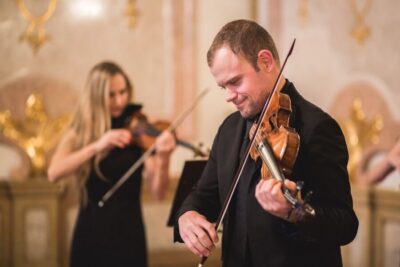
The evening can also feature a soloist. One particularly praised performance included violinist Mario Hossen, whose playing made the concert feel special even before the church atmosphere was taken into account. If your selected date names a soloist, that is useful information when comparing it with other Vienna concerts.
Larger programs bring another kind of energy. Bach’s Mass in B Minor relies on the combination of choir, orchestra, and solo voices. Mozart and Haydn chamber programs depend more on balance and conversation between a small number of players.
I would not judge all dates by one program. The experience is strongest when the repertoire matches your taste. Classical music newcomers may prefer The Four Seasons or a Mozart program. Regular concertgoers may find more reward in the less familiar flute quartet, chamber arrangement, or Bach sacred work.
Value at $22 per person
At $22, this is one of the easier classical concerts to fit into a Vienna budget. You are paying for live musicians, a historic venue, a program booklet, and a performance lasting about 70 minutes. That is a fair price if you want a real concert rather than a quick tourist photo opportunity.
The value is even better if you already plan to spend the evening in central Vienna. There is no separate trip to a distant venue, and the short running time leaves room for dinner or another activity.
The price does not guarantee the same seat or ensemble on every date. A basic category may give you less direct sight of the players, while superior seating costs more when offered. I would compare the repertoire first, then decide how much the view matters to you.
This is not necessarily the best pick if you want a full-length symphony with a large orchestra every night. Some dates are intimate chamber concerts. Others are major sacred performances. The $22 price is attractive, but the musical scale depends on the booking option and date.
Comfort, timing, and church etiquette
The concert begins on time, and the advertised duration is generally respected. That makes it easy to plan around, though I would still avoid scheduling a tight connection immediately afterward.
Church seating can be plain. One practical drawback is comfort: some chairs may feel hard during a 70-minute performance. A short interval is not always included, so you should be prepared to remain seated for the full program.
Temperature can also vary. One audience member found the church cold and wished for a break, while another noted that the organizers used a large heater before the performance. Conditions may depend on the season and the particular evening. In winter, bring a light extra layer rather than relying on the church to feel as warm as a concert hall.
The rules are simple and sensible. Smoking, food, drinks, flash photography, photography inside, and video recording are not allowed. Children under six are not permitted, so this is better suited to older children, teenagers, and adults who can sit quietly through the music.
The venue is wheelchair accessible. If you need specific seating arrangements, check the option details before booking because the meeting point and layout may vary.
How this compares with Vienna’s grand concert halls
A church concert is not the same as a performance in the Golden Hall or another major Viennese concert venue. The Minoritenkirche feels more intimate and atmospheric. You may sit close enough to see the musicians’ hands, especially during chamber programs.
The sound also has a different character. The church’s reverberation adds drama, while a formal concert hall may offer more controlled acoustics and a grander stage presentation. I would choose the Minoritenkirche when I want the music tied closely to Vienna’s old center and religious architecture.
It also works well as a second concert experience. If you have already attended a large hall performance, this gives you a contrasting evening rather than repeating the same format. The smaller scale, unusual programs, and church acoustics provide a different view of Vienna’s music culture.
Who should book this concert?
I recommend it most strongly for:
- First-time Vienna visitors who want a classic evening without a large budget
- Couples looking for a calm cultural activity in the city center
- Classical music fans interested in Mozart, Haydn, Bach, Beethoven, Vivaldi, or chamber works
- Visitors who enjoy historic buildings as much as the event inside them
- People with limited time who prefer a concert lasting about 70 minutes
- Anyone who wants a smaller, more personal alternative to a grand concert hall
I would think twice if you dislike church acoustics, need deeply padded theater seats, or want a guaranteed full orchestra regardless of the date. I would also avoid choosing solely by the words Christmas, Advent, or New Year’s. Read the program and confirm that it suits your taste.
Free cancellation is available up to 24 hours before the start for a full refund, and you can reserve now and pay later. Those policies make it easier to choose a date while your Vienna plans are still changing, but the exact start time and meeting point still need checking.
Should you book the Minoritenkirche concert?
I would book it if you want good-value live music in a beautiful central setting, especially at $22. The strongest reasons are the church’s architecture, warm reverberation, talented performers, and program variety.
For the best experience, choose your date by repertoire. Pick Vivaldi for an accessible and energetic introduction, Mozart or Haydn for close chamber music, and Bach’s Mass in B Minor for a larger, more serious sacred performance. If available, pay extra for a front section when seeing the musicians matters to you.
This concert will not suit every musical taste or every chair preference. But for a short Viennese evening that joins music, architecture, and a sense of occasion, the Minoritenkirche is an excellent choice.
FAQ
How long does the Minoritenkirche concert last?
The concert lasts 70 minutes. Starting times vary, so check availability for the date you want.
How much does the concert cost?
The listed price is $22 per person. Different seating options may be available, with superior seating costing more.
Where does the concert take place?
The concert takes place in Vienna’s historic Minoritenkirche, in the city center.
What music might be performed?
Programs may include works by Mozart, Beethoven, Vivaldi, Bach, Haydn, Marais, and Debussy. Seasonal programs may be offered for Easter, Advent, Christmas, and New Year’s.
Are members of the Vienna Philharmonic performing?
Some chamber programs feature members of the Vienna Philharmonic. The performers depend on the specific concert date and program.
Is the concert suitable for young children?
Children under six are not permitted. The experience is better suited to older children and adults who can remain quiet during the performance.
Is the Minoritenkirche wheelchair accessible?
Yes, the activity is listed as wheelchair accessible.
Can I take photographs or record the music?
No. Photography inside, flash photography, and video recording are not allowed. Food, drinks, and smoking are also prohibited.
Just added in Vienna
- Vienna: Austrian Wine Tasting Experience★ 4.2 · 2 reviews
- World War II History Vienna Old Town Private Walking Tour★ 4.8 · 9 reviews
- Vienna_ Meet Beethoven Life Private Guided Walking Tour★ 5.0 · 1 review
- Vienna: Wine Tasting Tour★ 4.8 · 61 reviews
- Vienna: Wine Tasting E-Bike Tour★ 4.9 · 46 reviews
- Vienna: Wine Tasting at Schönbrunn Palace★ 4.3 · 71 reviews
- Vienna: Winery and Wine Tasting Tour with a Wine Expert★ 5.0 · 5 reviews
- Vienna: Concert by the Vienna Baroque Orchestra★ 4.6 · 56 reviews
Classical Concerts and Opera, compared.
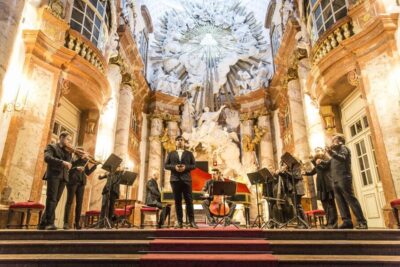
Vivaldi’s Four Seasons Concert in Karlskirche
Read our review →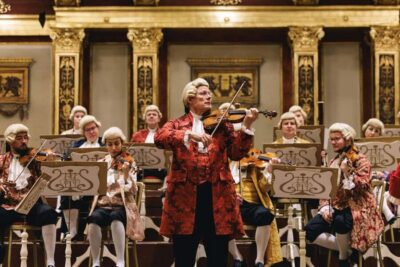
Classical Concert in the World-Famous Musikverein
Read our review →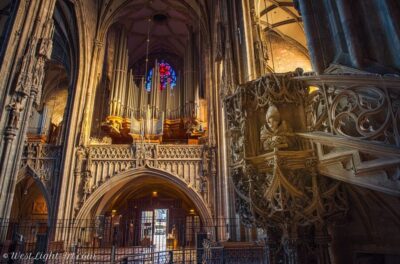
Classical Concert in St. Anne’s Church (Annakirche)
Read our review →
Browse the lists this tour appears in