Reviewed · TOURS
“The Third Man” Film Location Tour
Vienna has a few secrets left. This two-hour walk follows Harry Lime through the old city while explaining how The Third Man grew from Graham Greene’s screenplay into Carol Reed’s moody postwar classic. I especially like the mix of film detail and Vienna history, plus the use of archival pictures to show how the streets looked after World War II. The main drawback is that the tour does not enter the sewers, Prater Ferris wheel, or cemetery, and the walk over cobbles can run longer than the advertised two hours.
I also like that this is not a film trivia stroll pasted onto a standard city walk. The guide connects the locations to occupation, espionage, black-market life, ruined buildings, and the uneasy politics of Vienna after the war. Guides such as Brigitte Timmermann, Christopher, Christian Timmermann, Kirstin, and Brigitte have been praised for bringing real enthusiasm and research to the subject, though the exact guide depends on the date.
In This Review
- Key points at a glance
- Why The Third Man still fits Vienna so well
- Starting at Stadtpark and entering the old city
- Finding the important central filming locations
- Postwar Vienna beyond the movie
- The famous sewer scenes, and what you will not see
- Guides who make the difference
- How much walking and time to allow
- Is $30 a fair price?
- Who will enjoy this Vienna film walk?
- What to do before and after the tour
- Should you book The Third Man Film Location Tour?
- FAQ
- How much does The Third Man Film Location Tour cost?
- How long does the tour last?
- Where does the tour meet?
- What languages are available?
- Does the tour visit the sewers, cemetery, or Ferris wheel?
- Can I cancel or pay later?
Key points at a glance
- Harry Lime’s Vienna: Walk through central Vienna locations used in The Third Man, with photos helping you compare the film with the city today.
- Film and history together: Learn how the movie reflects Vienna’s Allied occupation, black market, ruins, spies, and divided postwar society.
- Expert-led storytelling: Some guides have written books or conducted years of research on the film and its production.
- A real walking tour: Expect cobblestones, several stops, and plenty of time on foot. Comfortable shoes matter.
- No sewer visit: The famous sewer scenes are not part of the tour, and the real locations were not necessarily shown as you imagine them.
- Good value at $30: For two hours with a state-certified guide, the price is modest, especially for film fans and first-time Vienna visitors.
Why The Third Man still fits Vienna so well
Many movie-location tours are really photo stops with a few lines of background. This one has more to work with. The Third Man is tied closely to Vienna’s condition in the years after World War II, when the city was divided among the Allied powers and daily life was shaped by shortages, spying, damaged buildings, and an active black market.
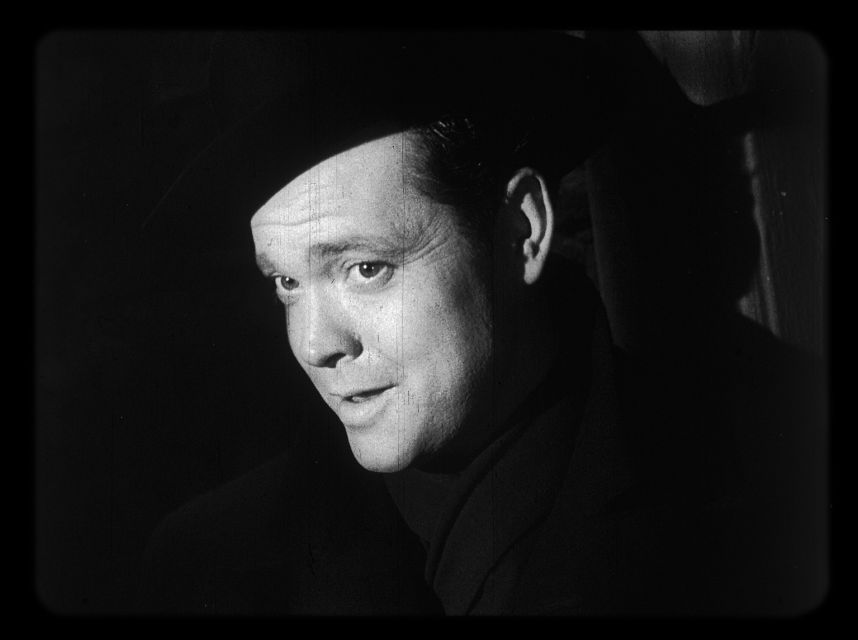
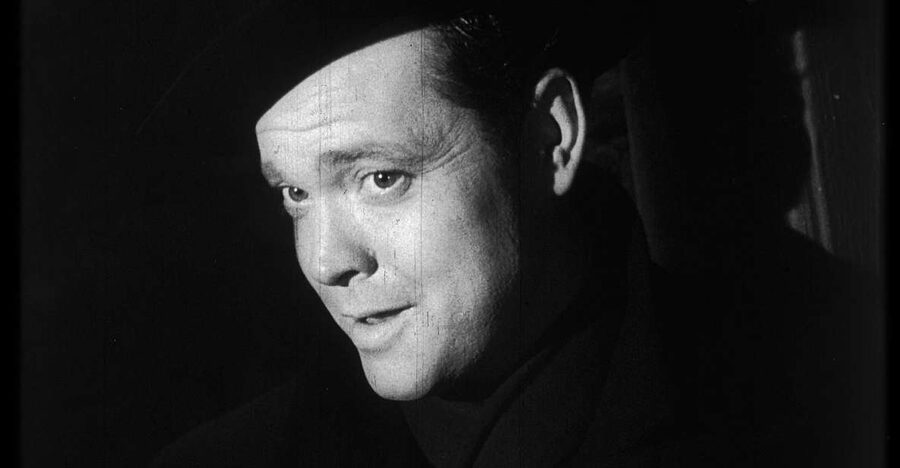
The film’s story of Harry Lime, played by Orson Welles, works because the city is not just a backdrop. Its narrow lanes, shadowy courtyards, bomb damage, and uneasy borders help create the moral fog of the story. A good guide makes that connection clear instead of treating each location as an isolated movie prop.
You hear about the international making of the film, the relationship between director Carol Reed and writer Graham Greene, and the choices that shaped the finished picture. The tour also covers the actors, the music, filming methods, and behind-the-scenes anecdotes. One especially useful detail is learning that what appears to be a real Vienna setting on screen may have been altered, recreated, or filmed from a different angle.
That is the appeal for me. You are not simply asking where a scene was shot. You are learning why that place suited the scene and how the real city differed from the version created for the camera.
A few more options to weigh up in Vienna
- Vienna: Vivaldi’s Four Seasons Concert in Karlskirche
★ 4.7 · 14,951 reviews - Vienna: Spanish Riding School Training
★ 3.9 · 9,281 reviews - Vienna: Schönbrunn Palace & Gardens Skip-the-Line Tour
★ 4.7 · 7,739 reviews
Starting at Stadtpark and entering the old city
The meeting point is at the U4 Stadtpark station, using the Johannesgasse exit. That is a practical starting place because it puts you close to central Vienna without requiring a complicated transfer through the old town.
From there, the walk heads into the historic center. Past descriptions place much of the route in the Inner Stadt, especially the old town area south of Stephansplatz. The route is mostly flat, but the paving can be rough, and you will spend much of the time standing while the guide explains a scene or displays a photograph.
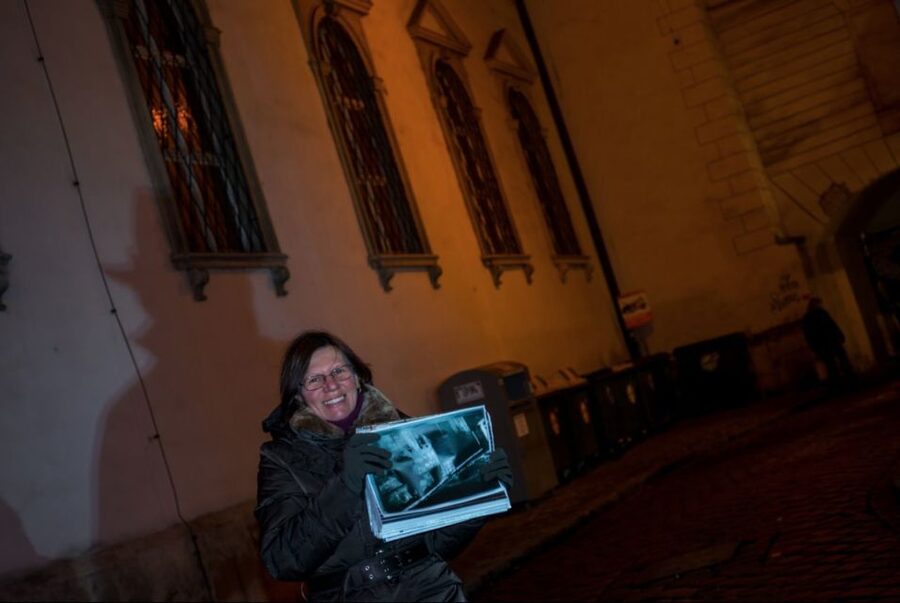
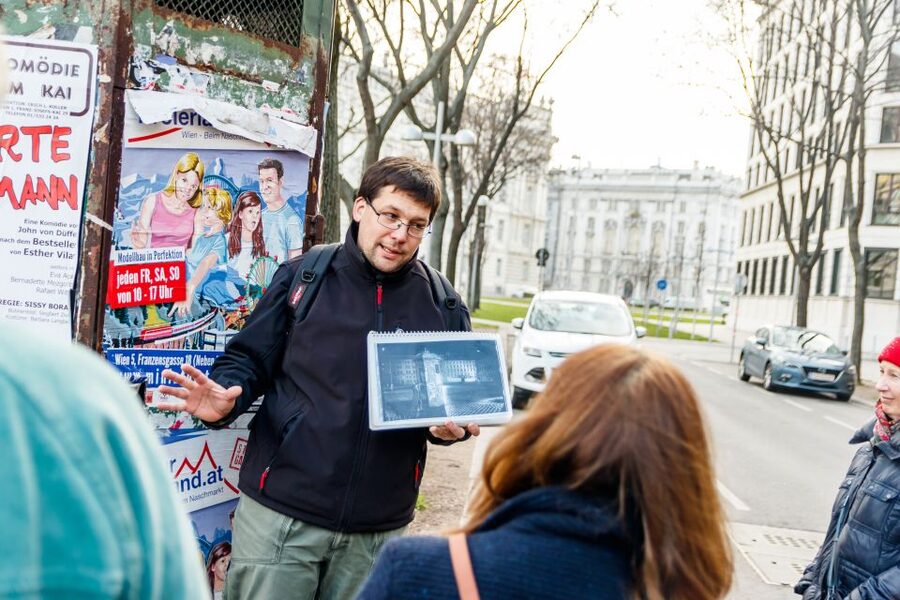
The guide uses pictures to place the modern street beside the postwar city. This is a smart tool. Vienna has changed greatly since 1949, so a modern building or tidy lane may not immediately suggest the bomb-scarred, suspicious city seen in the film. The images help you see what the director and camera crew were working with.
At this point, the experience begins to feel like a city tour in its own right. You get an introduction to central Vienna while following the film’s story. If you have not seen The Third Man, the guide can provide a brief outline of the plot and characters, but the tour has more impact when the film is fresh in your mind.
Finding the important central filming locations
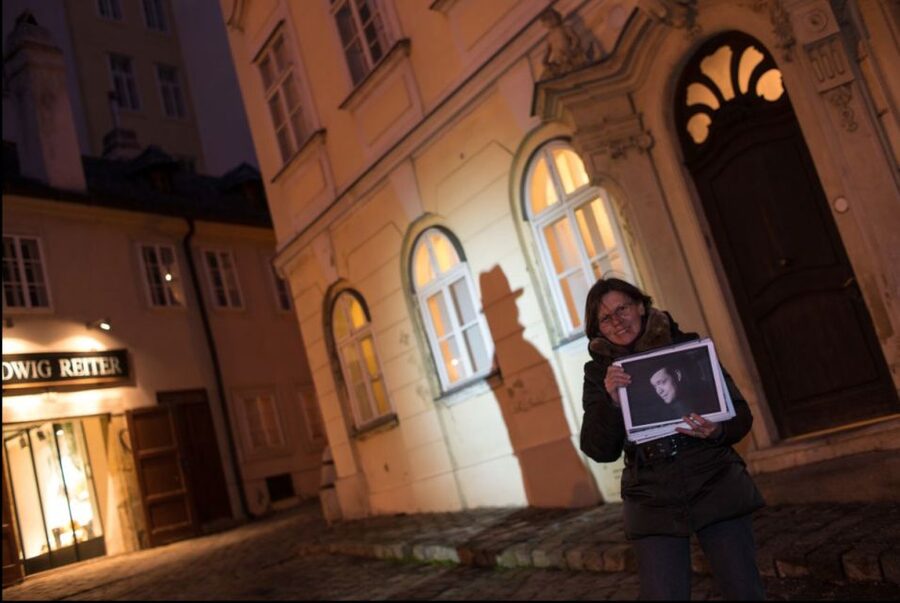
The heart of the walk is a series of locations linked to the film. Exact stops can vary with the guide and conditions, but the focus is on the most important sites in central Vienna rather than every distant location associated with the movie.
At each stop, expect three layers of explanation. First comes the scene itself: what happens there, who appears, and how the place functions in the story. Then comes the production detail: how the shot was created, what was changed, and what the audience may misunderstand about the location. Finally, the guide places the site in postwar Vienna.
That third layer gives the walk its purpose. The same alley or square can mean something very different when you understand the occupation zones, the presence of Allied soldiers, and the tension between east and west. The film’s spies and smugglers no longer seem like purely fictional figures. They belong to a city where borders and loyalties were part of ordinary life.
Archival photographs are particularly useful here. You can compare the movie frame, the historic image, and the present-day street. For a film fan, this reveals small details in the composition. For someone more interested in Vienna, it shows how the city recovered and changed after the war.
The tour also gives attention to the people behind the production. Graham Greene’s ideas, Orson Welles’s role, and the international nature of the project all receive space. One guide has written a major book on the film, and several guides have been praised for research that goes well beyond memorized dates.
Postwar Vienna beyond the movie
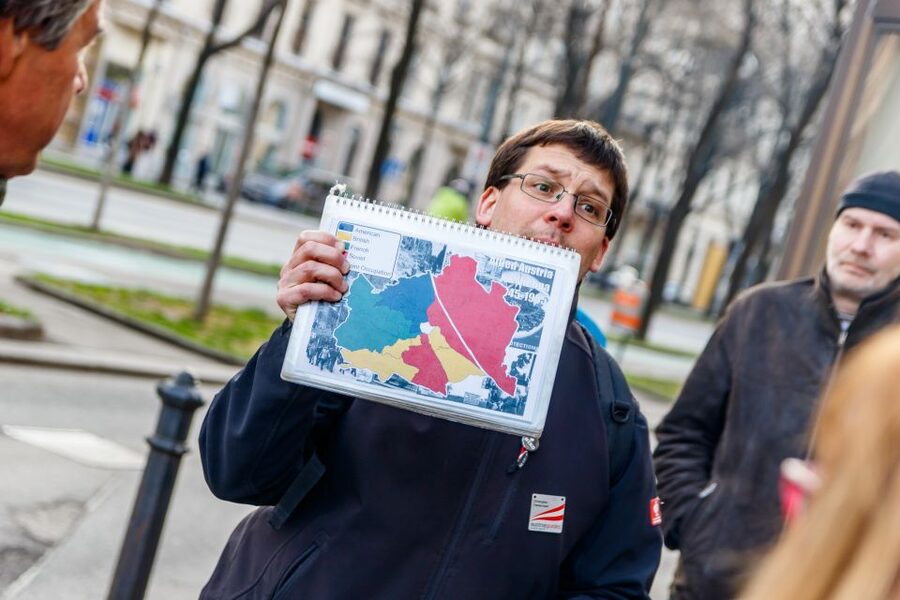
The best part of this experience may be the material that is not strictly about filming. The guide explains Vienna’s political, social, and cultural condition after 1945, including the effects of the occupation and the division of the city.
That context helps explain the film’s atmosphere. A ruined building is not merely a dramatic image. It reflects a city trying to function after destruction. A black-market reference is not just colorful period detail. It points to shortages and the informal systems people used to obtain necessities. A spy story carries more weight when you understand the real tension between the Allied powers.
This is why the tour can work for people who are not devoted to the film. The movie gives the walk a route and a theme, but Vienna supplies the larger story. Guides have been praised for making the history accessible, adding humor, and answering questions rather than delivering a stiff lecture.
I would still watch the movie first. The tour can introduce the story, but seeing the locations after watching the film lets you recognize the visual choices and follow the plot references. If you have time, watching it again after the walk could be just as rewarding. You may notice how the real streets, camera angles, and postwar details fit together.
A completely different kind of day:
- Vienna: Light of Creation Votive Church Immersive Light Show
★ 4.8 · 6,779 reviews - Vienna Spanish Riding School Guided Tour
★ 4.7 · 6,765 reviews - Vienna: Classical Concert in the World-Famous Musikverein
★ 4.6 · 6,673 reviews - Vienna: Skip-the-Line Sisi Museum, Hofburg and Gardens Tour
★ 4.8 · 5,918 reviews
The famous sewer scenes, and what you will not see
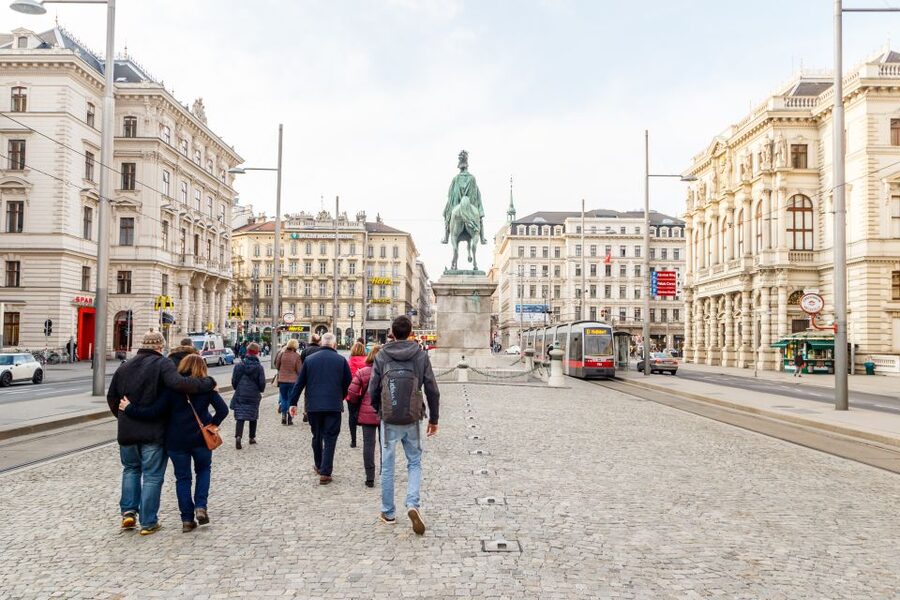
Set your expectations carefully. This tour does not include a visit to Vienna’s sewer system.
That is not necessarily a major loss. The sewer sequence is iconic, but parts of what audiences see were created or staged for the film rather than experienced as a normal tourist attraction. The guide explains the difference between cinematic Vienna and literal Vienna, which is one of the more useful parts of the experience.
You also should not expect the Prater Ferris wheel or the cemetery to be part of this two-hour central route. These locations are too far out to fit comfortably into the walking itinerary. You can visit the Ferris wheel separately, and the Prater is an easy addition if the film is a major reason for your Vienna trip.
A few past participants wished the wheel had been included, so this is worth noting before you book. The tour concentrates on central locations and historical context, not on checking every famous image from the movie.
The final stop has been described as a special treat, and some accounts mention an unexpected musical element. The exact finish may depend on the guide and day, so I would treat it as a pleasant possibility rather than a promised performance.
Guides who make the difference
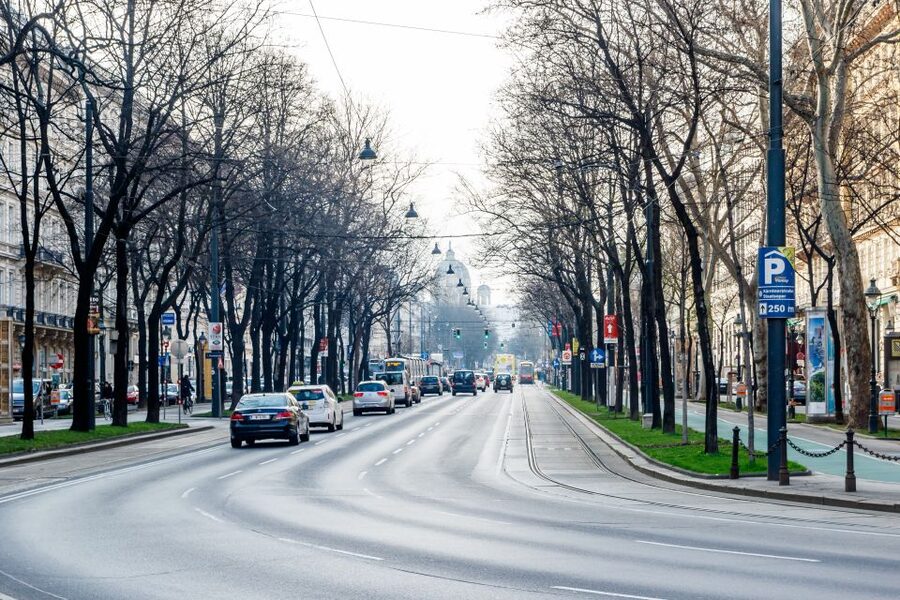
The guide is the main reason this tour earns such strong marks. Vienna Walks & Talks provides a state-certified guide, with tours offered in English or German.
Several names appear in the tour’s recent praise. Brigitte Timmermann has been described as a historian and author who researched the film extensively and interviewed people connected with its production. Christopher has been praised for switching between film detail, Viennese history, humor, and questions. Christian Timmermann has also been singled out for connecting the film to politics, music, actors, and the city.
Other guides, including Kirstin, Brigitte, and Sonia, have received warm comments for their clear English, enthusiasm, and ability to make the group feel included. The guide can change, so you should not book solely to meet one specific person. Still, the pattern is clear: this is a guide-led experience where personal command of the subject matters.
There is one practical concern. If English and German are combined in the same walk, every explanation may be repeated. One past participant found the bilingual format slow and distracting. If you speak only one of the two languages, this may not bother you, but it is worth asking at booking if separate language departures are available.
How much walking and time to allow
The stated duration is two hours. In practice, you should keep a little extra space in your schedule. One account placed the finish closer to three hours, while another described a tour of just over two hours.
The difference may reflect the pace of the group, the number of questions, and whether explanations are given in two languages. The route is mostly flat, but you cover a fair amount of central Vienna and spend time on cobbled streets. One older participant described the final stretch as tiring, so this is not the ideal outing if you need frequent sitting breaks.
Wear comfortable shoes. Bring a rain layer, because the tour runs rain or shine. There is no indication of a weather-based cancellation, and the old-town route offers limited shelter during longer explanations.
The meeting point at Stadtpark is easy to reach by U-Bahn. Since the walk ends elsewhere in central Vienna, you can pair it with sightseeing in the Inner Stadt rather than treating it as a round trip to the starting station.
Is $30 a fair price?
At $30 per person, this is a strong value for a two-hour guided walk. The fee includes a state-certified guide, original filming locations, visual references, film background, and a substantial explanation of postwar Vienna.
A standard city walk may give you more general landmarks. A standard film tour may give you more production trivia. This experience combines both, which makes the price easier to justify. You are paying for a specialist guide who can explain the movie and the city at the same time.
The value is highest if you have watched The Third Man, enjoy classic cinema, or want a focused introduction to Vienna’s postwar period. Even if you are unsure about the film, the walking route and historical material give you a reasonable return for the cost.
You should not book it expecting entry tickets, a museum visit, the Prater wheel, a cemetery stop, or a sewer tour. Those are separate activities. The price covers the guided walk, not a full collection of every location associated with the movie.
The tour offers free cancellation up to 24 hours before the start and allows you to reserve now and pay later. Those terms make it easier to fit into a changeable Vienna itinerary.
Who will enjoy this Vienna film walk?
This is an obvious choice for fans of Orson Welles, Carol Reed, Graham Greene, classic British cinema, or the zither score that gives the movie its unusual sound. You will get the most from it if you have seen the film recently and can recognize the scenes as you walk.
It also suits anyone interested in twentieth-century Vienna. The occupation, political tension, ruined city, black market, and spying provide enough substance for a history-minded visitor. The movie acts as a doorway into subjects that can otherwise feel dry in a museum display.
Families with older children and teenagers may enjoy it if they know the film or like stories about how movies are made. The tour is less suitable for anyone seeking a relaxed sightseeing ride, a short stop with little walking, or an indoor activity during poor weather.
I would also recommend it early in a Vienna stay. The route gives you useful orientation around the old center, and the postwar background adds another layer to later visits to Vienna’s museums, monuments, and neighborhoods.
What to do before and after the tour
Watch The Third Man before you go. One past participant specifically recommended seeing it at the Burg Kino, where the film is shown on some evenings. If that fits your schedule, seeing the movie in Vienna can make the walking tour feel like part of a larger film experience.
Afterward, consider visiting the Prater and riding the famous Ferris wheel separately. It is not included in the walking route, and setting aside another part of the day avoids rushing the central locations.
You can also look for the Third Man Museum, which has been recommended as a follow-up stop. It offers another way to explore memorabilia and the people involved in the production. The museum is separate from the tour, so check its opening arrangements before planning around it.
Most of all, allow time to replay the movie in your head. The walk is designed to change how you see familiar scenes, not simply to point at buildings and move on.
Should you book The Third Man Film Location Tour?
Book it if you want a focused, story-driven walk through Vienna, especially if you have seen the film or care about the city’s postwar years. The strongest reasons are the guides’ depth of research, the old photographs, and the way film locations are tied to occupation, espionage, and everyday life after the war.
Skip it if you want the Prater wheel, cemetery, and sewers in one package, or if two to three hours of walking over cobbles sounds uncomfortable. Those sights require separate planning.
For $30, this is one of the better-value specialist walks in Vienna. It gives you a classic movie, a changed city, and a guide who can connect the two without reducing either to a checklist.
FAQ
How much does The Third Man Film Location Tour cost?
The tour costs $30 per person. The price includes the guided walk with a state-certified guide.
How long does the tour last?
The advertised duration is two hours. You should allow extra time, since the walk may run longer depending on the pace, questions, and whether the tour is conducted in both English and German.
Where does the tour meet?
The meeting point is at Vienna’s U4 Station Stadtpark, using the Johannesgasse exit.
What languages are available?
The tour is offered in German and English. Live guiding is available in both languages.
Does the tour visit the sewers, cemetery, or Ferris wheel?
No. The sewer system is not included, and the central walking route does not include the cemetery or Prater Ferris wheel. Those locations must be visited separately.
Can I cancel or pay later?
You can cancel up to 24 hours before the tour for a full refund. You can also reserve now and pay later, which keeps your plans flexible.
Just added in Vienna
- Vienna: Austrian Wine Tasting Experience★ 4.2 · 2 reviews
- World War II History Vienna Old Town Private Walking Tour★ 4.8 · 9 reviews
- Vienna_ Meet Beethoven Life Private Guided Walking Tour★ 5.0 · 1 review
- Vienna: Wine Tasting Tour★ 4.8 · 61 reviews
- Vienna: Winery and Wine Tasting Tour with a Wine Expert★ 5.0 · 5 reviews
- Vienna: Wine Tasting E-Bike Tour★ 4.9 · 46 reviews
- Vienna: Wine Tasting at Schönbrunn Palace★ 4.3 · 71 reviews
- Vienna: Concert by the Vienna Baroque Orchestra★ 4.6 · 56 reviews
Tours, compared.
Schönbrunn Palace & Gardens Skip-the-Line Tour
Read our review →
Skip-the-Line Sisi Museum, Hofburg and Gardens Tour
Read our review →
Skip-the-Line Schönbrunn Palace & Gardens Tour
Read our review →
Guided Walking Tour of City Center Highlights
Read our review →