Reviewed · TOURS
Small Group Tour; Europe &The Balkans – Vienna to Dubrovnik/Split
Ten days, five countries, countless border crossings. This small-group journey links Vienna with Dubrovnik or Split through Austria, Slovakia, Hungary, Serbia, Bosnia and Herzegovina, giving you a broad introduction to the region without arranging every transfer yourself. I like the route’s variety, especially the contrast between graceful Central European towns and the Ottoman, Austro-Hungarian, and Balkan character of Sarajevo and Mostar.
I also like the maximum group size of 10, which should make border crossings, hotel pickups, and walking tours easier to manage than on a large coach. The main caution is important: the description includes Lake Koman, Shala River, kayaking, and Albania, but the detailed 10-day route begins in Vienna and travels through Hungary, Serbia, Bosnia and Herzegovina, and Croatia. Confirm exactly which itinerary you are booking before paying.
In This Review
- Key points to know before booking
- What this Vienna to Dubrovnik route really covers
- Day 1: Lake Neusiedl, Rust, and the move toward Bratislava
- Day 2: Bratislava Castle and the Danube capital
- Day 3: Győr’s baroque center and Hungarian food
- Day 4: Budapest in a single, busy day
- Day 5: Subotica and the Austro-Hungarian borderlands
- Day 6: Novi Sad and Petrovaradin Fortress
- Day 7: Wine and baroque streets in Sremski Karlovci
- Day 8: Belgrade, the Drina River, and the road to Bosnia
- Day 9: Sarajevo and Mostar’s Stari Most
- Day 10: Crossing into Croatia
- What the $3,450.94 price includes
- Comfort, pace, and physical demands
- The Albania and Lake Koman problem
- Who should book this journey?
- FAQ
- Where does the tour begin?
- Where does the tour end?
- How long is the tour?
- How many people can join the group?
- What accommodation is included?
- Are meals included?
- Is the tour physically demanding?
- Does this Vienna tour include Lake Koman and Shala River?
- Should you book it?
Key points to know before booking
- Vienna to Dubrovnik or Split: You begin with hotel pickup in Vienna at 11:00 am and finish in Croatia.
- A six-country route: The scheduled stops include Austria, Slovakia, Hungary, Serbia, Bosnia and Herzegovina, and Croatia.
- Small group travel: The maximum is 10 people, with a professional tour leader and transport in a comfortable vehicle.
- Nine breakfasts included: Three-star accommodation, tourist taxes, road taxes, fuel, and international car insurance are included.
- Two different tour descriptions appear: Lake Koman, Shala River, kayaking, and Tirana do not match the Vienna to Dubrovnik or Split itinerary.
- Shared-room pricing: The $3,450.94 price is calculated for double, twin, triple, or quadruple occupancy, not necessarily a private room.
What this Vienna to Dubrovnik route really covers
The route is best understood as a moving introduction to Central Europe and the western Balkans. You are not settling into one base for several nights. Instead, you will spend much of each day on the road, stopping for city walks, viewpoints, meals, and short cultural visits.
That tradeoff is the heart of the trip. You can see Rust, Bratislava, Győr, Budapest, Subotica, Novi Sad, Sremski Karlovci, Belgrade, Sarajevo, Mostar, and either Dubrovnik or Split in one organized journey. The price of that reach is a quick pace and several long transfers.
The professional tour leader is a major part of the value. A good leader can explain the changes in language, empire, religion, and architecture as you cross borders. The group is small enough that you can ask questions without shouting across a bus.
Still, the written schedule is not perfectly clear. It calls itself a 10-day tour, but Day 10 is mainly the transfer into Croatia. It also gives only short visits in some major cities. Budapest, Belgrade, and Sarajevo deserve far more time than the schedule allows, so think of this as a sampler, not a slow cultural holiday.
A few more options to weigh up in Vienna
- Vienna: Vivaldi’s Four Seasons Concert in Karlskirche
★ 4.7 · 14,951 reviews - Vienna: Spanish Riding School Training
★ 3.9 · 9,281 reviews - Vienna: Schönbrunn Palace & Gardens Skip-the-Line Tour
★ 4.7 · 7,739 reviews
Day 1: Lake Neusiedl, Rust, and the move toward Bratislava
Pickup in Vienna is scheduled for 11:00 am. That later start gives you time to reach the hotel, but you should be ready for a full afternoon and evening on the road.
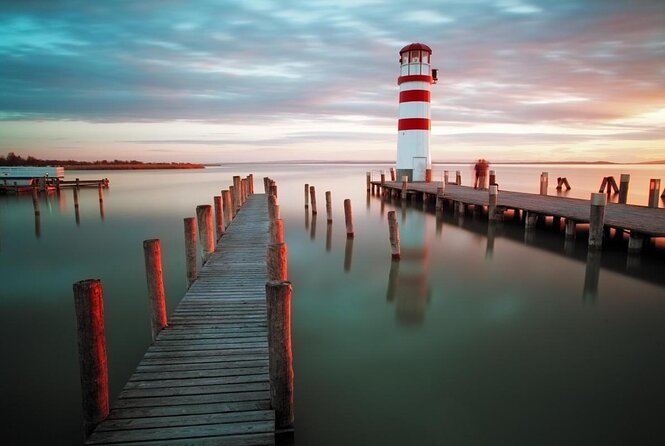
The first stop is Lake Neusiedl, a UNESCO World Heritage area near the Austrian-Hungarian border. The drive passes through the Burgenland wine region, with low hills and vineyards around the lake. The lake itself is the attraction here, and the stop is mainly about views rather than a long museum visit.
Rust is a pleasant first town. Its old center has colorful houses, flower boxes, narrow streets, and traditional Austrian details. You will have about two hours to walk around, browse small shops, and find a meal or wine tasting near the vineyards.
Rust works well as an opening stop because it is compact and easy to enjoy on foot. It is also a chance to experience a smaller Austrian town after spending time in Vienna. The limitation is timing. You will not have a full day for the wine region, and the route continues toward Bratislava after the visit.
Day 2: Bratislava Castle and the Danube capital
Bratislava gets a more useful visit the next morning. The walk includes the Old Town Hall, Michael’s Gate, and Bratislava Castle, followed by free time in the city center.
Michael’s Gate is the only preserved gate from the town’s medieval fortifications. From there, the old streets lead toward the castle hill. Bratislava Castle dates to the ninth century and overlooks the Danube, making it one of the best places on the route for a city view.
The schedule gives one hour for the old town, 30 minutes at Michael’s Gate, and one hour at the castle. That is enough for orientation and photographs, but not for a detailed castle interior visit or a relaxed museum afternoon.
The free café time is a nice touch. Bratislava has a long café tradition, and this is one of the few moments when you can pause rather than follow a tight sequence of sights. I would use this hour for coffee and a short independent walk, since the guided portions are brief.
Day 3: Győr’s baroque center and Hungarian food
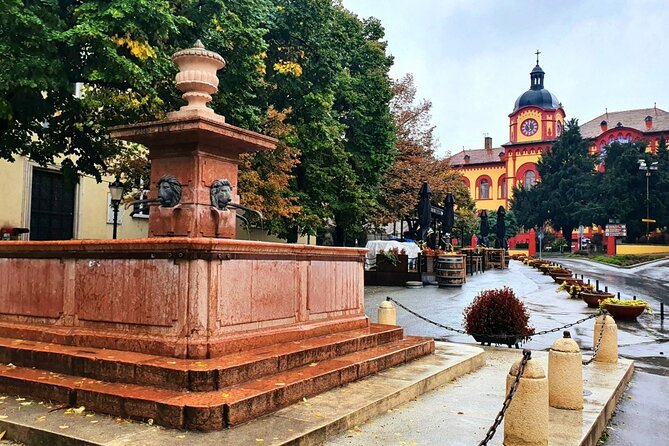
Győr, known as the City of Rivers, is a smaller and less demanding stop than Budapest. Its center has colorful buildings, churches, and baroque details that are easy to see during a walking tour.
The route includes Győr Town Hall, with its 59-meter tower and green roof, as well as the Cathedral of the Virgin Mary and the Győr Synagogue. The synagogue’s large gray dome can be spotted from a distance, and its design influenced other synagogues in Central Europe.
Baross Gábor Way is the natural place to spend free time. This pedestrian street has cafés, shops, bars, and restaurants. You can try Hungarian dishes here, along with the locally noted blueberry beer.
One hour per main stop keeps the visit moving. It also means you will need to choose. You cannot study every church, shop, and café in detail. For me, that is acceptable in Győr because the point is to get a feel for the town and its architecture before continuing south.
A completely different kind of day:
- Vienna: Light of Creation Votive Church Immersive Light Show
★ 4.8 · 6,779 reviews - Vienna Spanish Riding School Guided Tour
★ 4.7 · 6,765 reviews - Vienna: Classical Concert in the World-Famous Musikverein
★ 4.6 · 6,673 reviews - Vienna: Skip-the-Line Sisi Museum, Hofburg and Gardens Tour
★ 4.8 · 5,918 reviews
Day 4: Budapest in a single, busy day
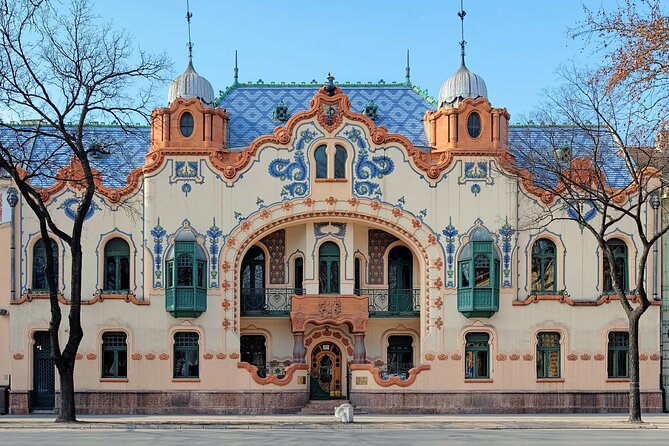
Budapest is one of the trip’s biggest highlights, but the schedule is tight. The city is divided by the Danube into Buda and Pest, and the itinerary gives you a quick look at both sides.
The sightseeing drive and walk pass St. Stephen’s Basilica, the Opera, Parliament, Heroes’ Square, and Fisherman’s Bastion. The views from Fisherman’s Bastion are especially worthwhile, with the river and Pest spread below.
You then visit Buda Castle, a UNESCO World Heritage Site and one of the city’s central landmarks. The castle visit is listed as included, which helps keep the day’s costs under control.
The evening is free, and you should protect it. Budapest looks different after dark, particularly around the bridges and river. Since the organized portion cannot cover every major sight, use the free evening for a simple walk, dinner, or a return to a place that caught your attention earlier.
The drawback is obvious: two hours for the main city tour and one hour at the castle is not enough for a full Budapest visit. If Budapest is your main reason for booking, this route will feel rushed. If you want a broad first look, it is a useful introduction.
Day 5: Subotica and the Austro-Hungarian borderlands
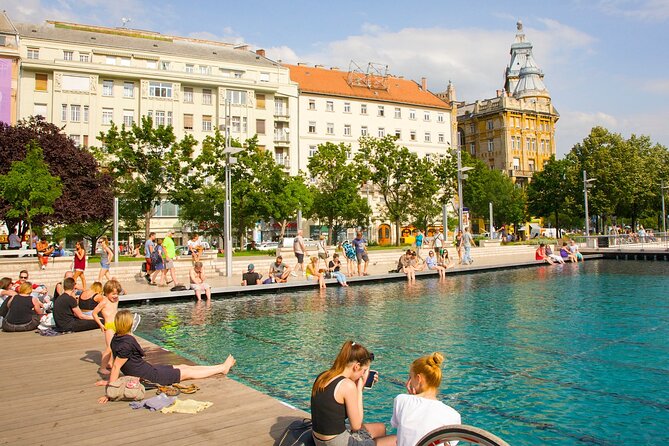
Subotica introduces you to northern Serbia, where Austro-Hungarian design gives the city a distinct Central European appearance. The City Hall anchors the center, surrounded by a park, fountains, and a large square.
The visit also includes the Cathedral of St. Teresa of Avila and the Subotica Synagogue. The synagogue admission is specifically listed as not included, so carry some local currency or ask your tour leader about payment arrangements.
Subotica is a good place to slow down for an hour. You can walk the streets, examine the decorated buildings, and stop for coffee or local food. The town is known for its relaxed pace, regional dishes, and wines.
The visit is not designed as an extended architectural study. You will see the main center and have free time, but the schedule does not promise a long interior tour of every building. That makes comfortable shoes and a little independent curiosity more valuable than a packed sightseeing plan.
Day 6: Novi Sad and Petrovaradin Fortress
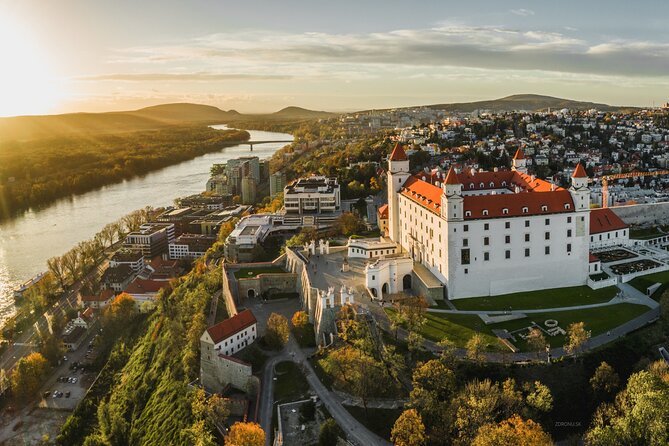
Novi Sad receives a longer visit, about three hours, and that extra time matters. It is described as the cultural capital of northern Serbia, with influences from both the Austro-Hungarian and Ottoman worlds.
The walking route includes the pedestrian streets Zmaj Jovina and Dunavska. These are good places to notice the mix of baroque buildings, churches, cafés, and shops without needing a complicated transport plan.
Petrovaradin Fortress is the major sight. It is also called the Gibraltar on the Danube, and its position gives the town a strong historical and scenic center. You will have free time to explore Novi Sad on your own, and the overnight stay here makes this day less rushed than several earlier stops.
Novi Sad may be one of the better-balanced sections of the trip. You get a guided introduction, a major fortress, old-town streets, and enough free time to make personal choices. The schedule does not specify whether all fortress interiors are included, so ask your leader what the visit covers.
Day 7: Wine and baroque streets in Sremski Karlovci
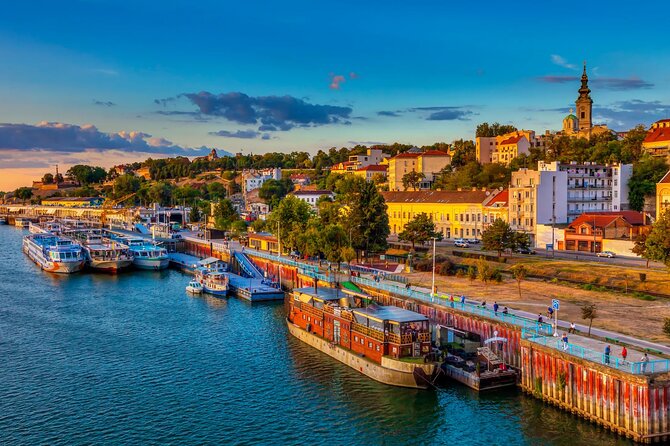
Sremski Karlovci is a small town with an important place in Serbian culture. Its baroque center has the feel of an open-air historic district, and the town is tied to Serbian religious, cultural, and wine traditions.
The three-hour stop allows time for a proper walk and wine tasting. The vineyards around the town provide a scenic setting, and the local Four Lions fountain comes with a playful legend: drink from it and you will return to Karlovci and marry there.
You do not need to take the legend seriously to enjoy the stop. It adds character to a town where the streets, houses, and public buildings invite a slow walk.
Wine tasting is not listed as included, so budget for it separately. The same applies to lunch, drinks, and snacks throughout the trip. This is a good day to ask about tasting prices before ordering, especially if you are traveling on a fixed budget.
Day 8: Belgrade, the Drina River, and the road to Bosnia
Belgrade begins with the fortress and Kalemegdan Park, set above the meeting point of the Sava and Danube rivers. The view is the main reward, while the park provides a pleasant green break from the road.
The route continues through the Upper Town, including the Pobednik monument, then follows Knez Mihailova toward Republic Square. This central pedestrian route is a useful introduction to the city’s public life.
Only about one hour is assigned to Belgrade, which is the sharpest time limitation so far. You will see the main viewpoint and central street, but you will not have time for the city’s wider museums or neighborhoods. I would treat this as a preview and return to Belgrade on a separate trip if it interests you.
Later, the group drives toward Bosnia and Herzegovina and stops in Zvornik. The town sits along the Drina River and offers time for lunch or a short walk. This stop breaks up the transfer and gives you a first sense of the countryside beyond the main capitals.
Day 9: Sarajevo and Mostar’s Stari Most
Sarajevo is the emotional center of the route. The tour covers the Ottoman and Austro-Hungarian quarters, including markets, mosques, churches, and synagogues. The city’s mixture of faiths and empires explains why it is often described as a European Jerusalem.
You will also see reminders of the 1990s war, including bullet holes and cannon marks. This is not sightseeing to rush through. Pay attention to the guide’s explanations and give the city the respect it deserves.
The visit includes Latin Bridge, linked to the assassination of Archduke Franz Ferdinand and the event that helped trigger World War I. The bridge itself is modest, but its place in European history makes the stop worthwhile.
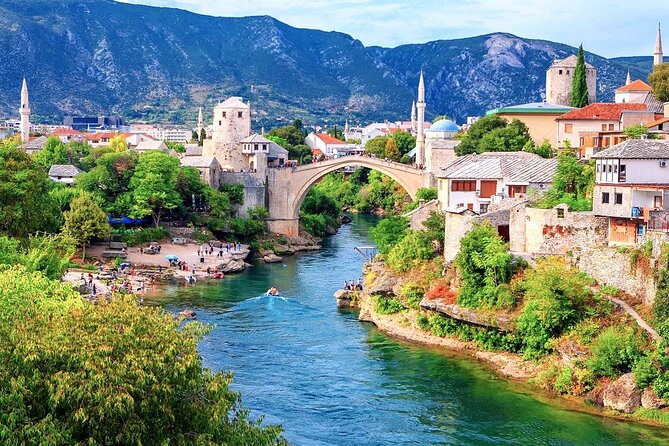
The itinerary then continues to Mostar, where you visit Stari Most, the UNESCO-listed Old Bridge. The bridge’s Islamic architectural style and stone arch are the city’s defining sight. The old bazaar has cobbled lanes, mosques, shops, and the repeated reminder Don’t Forget, a phrase tied to Mostar’s wartime destruction and rebuilding.
You have about two hours in the old bridge area, which is enough for a walk and a meal. The day includes uneven ground and cobbled streets, so moderate fitness is required. Good walking shoes are more useful here than formal clothes.
Day 10: Crossing into Croatia
The final day transfers you to the Croatian border. A local driver then takes you onward to your hotel in either Dubrovnik or Split.
This arrangement is practical, but it is also a point to clarify before departure. The final drop-off city changes the ending of the trip, and the route details do not state how much time you will have in either Dubrovnik or Split. You should not assume that sightseeing in the destination city is included.
The tour is therefore strongest as a cross-border route ending in Croatia, not as a Dubrovnik or Split city tour. Plan your onward stay separately if you want time to see the walls of Dubrovnik or the Diocletian’s Palace area in Split.
What the $3,450.94 price includes
The per-person price is substantial, but it covers many costs that add up quickly on a multi-country trip. You receive nine breakfasts, three-star hotel accommodation, Vienna pickup, Croatian drop-off, tourist taxes, road taxes, fuel, international car insurance, a professional tour leader, and listed entry tickets.
Room pricing is based on double, twin, triple, or quadruple occupancy. If you want a single room, ask about the supplement before booking. The price also does not cover lunch, dinner, drinks, snacks, souvenirs, or personal spending.
I see reasonable value here if you want one organized transport plan across six countries and prefer not to manage border crossings, hotel transfers, and fuel costs yourself. The value is weaker if you want long visits in Budapest, Belgrade, Sarajevo, or Croatia, because the schedule gives you short introductions rather than complete city stays.
Comfort, pace, and physical demands
A maximum of 10 people is a real advantage. Small groups make it easier to load the vehicle, keep to the schedule, and hear the tour leader. The vehicle is described as comfortable, which matters because road time is a major part of the journey.
You should expect a moderate level of physical activity. The route includes city walks, castle access, fortress areas, cobbles, uneven ground, and some uphill walking at Bratislava Castle and other historic sites.
The trip is not suitable for someone who wants a relaxed hotel-based holiday. It suits you better if you enjoy changing scenery, short city walks, and learning how neighboring countries differ. Breakfast is included each morning, but you will need to plan for most other meals.
Weather, strikes, holidays, temporary closures, and other outside events can change the schedule. The experience is also non-refundable, except that a full refund or alternate date may be offered if the operator cancels because of poor weather or insufficient numbers.
The Albania and Lake Koman problem
This point deserves its own warning. The overview describes a two-day trip from Tirana to Lake Koman and the Shala River, including a boat crossing, kayaking equipment, remote accommodation, and pickup from a Tirana hotel. Several comments also praise the scenery, remote villages, nature, and the guide Ani.
None of those Albania details appear in the 10-day Vienna to Dubrovnik or Split schedule. The itinerary instead begins in Vienna and ends after a transfer into Croatia. Do not assume you will kayak, visit Shala River, stay in a local bed and breakfast, or travel through Albania unless the operator confirms it in writing.
The positive feedback about Choose Balkans repeatedly points to careful planning, quick WhatsApp replies, flexible organization, scenic drives, and strong guides. Those are encouraging signs, but they do not fix the mismatch between the two descriptions. Ask which exact product, route, dates, accommodation plan, and final destination apply to your reservation.
Who should book this journey?
I would recommend it to you if you want a high-coverage first trip through Central Europe and the Balkans, value organized transport, and enjoy learning from a tour leader while moving between countries.
It is a good fit for solo visitors who like a small social group, couples who want logistics handled, and anyone who would rather not arrange several cross-border transfers independently. It is less suitable if you need a slow pace, private-room pricing, extensive museum time, or a full visit to every destination.
My strongest advice is simple: confirm the itinerary before booking. If the Vienna route is correct, expect a fast and varied introduction to Austria, Slovakia, Hungary, Serbia, Bosnia and Herzegovina, and Croatia. If you want the Lake Koman kayaking adventure, you need the separate Albania program.
FAQ
Where does the tour begin?
The tour begins in Vienna, Austria, with hotel pickup scheduled for 11:00 am.
Where does the tour end?
The tour ends after transport to the Croatian border, followed by a local driver transfer to your hotel in either Dubrovnik or Split.
How long is the tour?
The tour lasts approximately 10 days.
How many people can join the group?
The maximum group size is 10 people.
What accommodation is included?
Nine overnight stays with breakfast are included in three-star hotels. Pricing is based on double, twin, triple, or quadruple room occupancy.
Are meals included?
Breakfast is included for all nine mornings. Lunch, dinner, drinks, snacks, and personal spending are not included.
Is the tour physically demanding?
A moderate level of physical fitness is recommended. The route includes walking on uneven ground, cobbled streets, historic sites, castle areas, and fortress viewpoints.
Does this Vienna tour include Lake Koman and Shala River?
The detailed Vienna to Dubrovnik or Split route does not include Lake Koman, Shala River, kayaking, Tirana, or Albania. Those activities appear in a separate description, so confirm the exact itinerary with Choose Balkans before booking.
Should you book it?
Book this tour if you want breadth more than depth. The route gives you an efficient look at Central Europe and the Balkans, with small-group transport, breakfast, hotel pickup, a tour leader, and major city stops built into one plan.
Do not book until the Albania wording is cleared up. Once you confirm that you are buying the Vienna to Dubrovnik or Split itinerary, the tour becomes a practical choice for a fast-moving regional introduction, especially if border crossings and transport planning would otherwise overwhelm your holiday.
Just added in Vienna
- Vienna: Austrian Wine Tasting Experience★ 4.2 · 2 reviews
- World War II History Vienna Old Town Private Walking Tour★ 4.8 · 9 reviews
- Vienna_ Meet Beethoven Life Private Guided Walking Tour★ 5.0 · 1 review
- Vienna: Wine Tasting Tour★ 4.8 · 61 reviews
- Vienna: Wine Tasting E-Bike Tour★ 4.9 · 46 reviews
- Vienna: Wine Tasting at Schönbrunn Palace★ 4.3 · 71 reviews
- Vienna: Winery and Wine Tasting Tour with a Wine Expert★ 5.0 · 5 reviews
- Vienna: Concert by the Vienna Baroque Orchestra★ 4.6 · 56 reviews
Tours, compared.
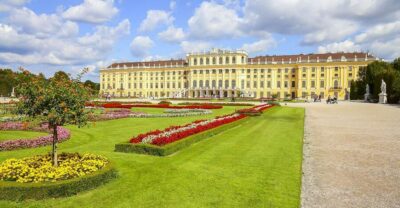
Schönbrunn Palace & Gardens Skip-the-Line Tour
Read our review →
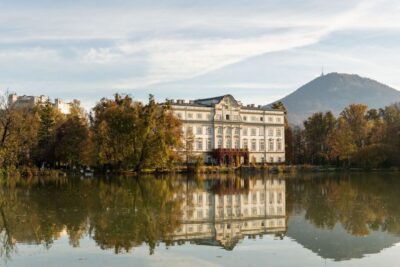

Skip-the-Line Sisi Museum, Hofburg and Gardens Tour
Read our review →
Skip-the-Line Schönbrunn Palace & Gardens Tour
Read our review →
Guided Walking Tour of City Center Highlights
Read our review →