Reviewed · TICKETS
Salzwelten Altaussee: Salt Mine Entrance Ticket
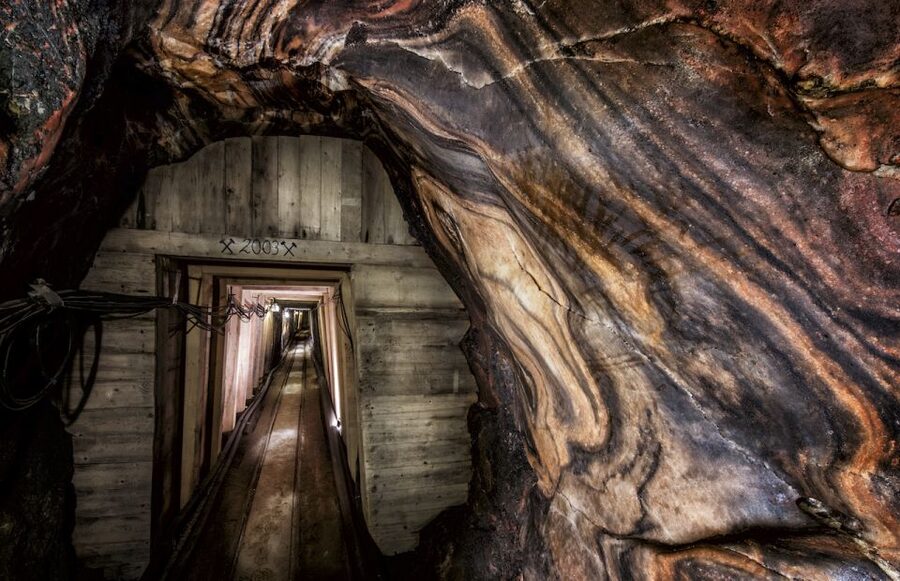
A salt mine with a remarkable secret. Salzwelten Altaussee combines working mine life, medieval history, and the dramatic wartime rescue of stolen art in one 90-minute visit. I like the mix of real industry and human courage, and I especially like that the tour ends with playful mine slides and a short light-and-music show reflected in underground water. The main drawback is access: you need a car or a walk from Altaussee, and the mine is not suitable for wheelchair users or children under four.
The cool tunnels and orange-red rock salt give the visit a strong sense of place. I also appreciate the clear practical setup, with free parking at the mine entrance, English and German guides, and free cancellation up to 24 hours before the tour. Still, you should bring warm clothes, allow for the drive uphill, and think twice if enclosed spaces or steep slides are not your idea of fun.
In This Review
- Key Points to Know Before You Go
- Why Altaussee Is More Than a Standard Mine Tour
- Reaching the Mine Above Altaussee
- The First Tunnels: Salt, Color, and Medieval Work
- Seeing White Gold as a Modern Industry
- The Nazi Art Rescue Story in the Mountain
- The Slides and Sally the Mine Duck
- The Underground Light and Music Finale
- Is the $31 Price Good Value?
- Who Will Enjoy Altaussee Most?
- Practical Advice for a Smooth Visit
- Should You Book Salzwelten Altaussee?
- FAQ
- How long does the Salzwelten Altaussee tour last?
- How much does the entrance ticket cost?
- How do I reach Salzwelten Altaussee?
- Is parking available at the mine?
- What languages are available for the tour?
- Is the tour suitable for young children or wheelchair users?
Key Points to Know Before You Go
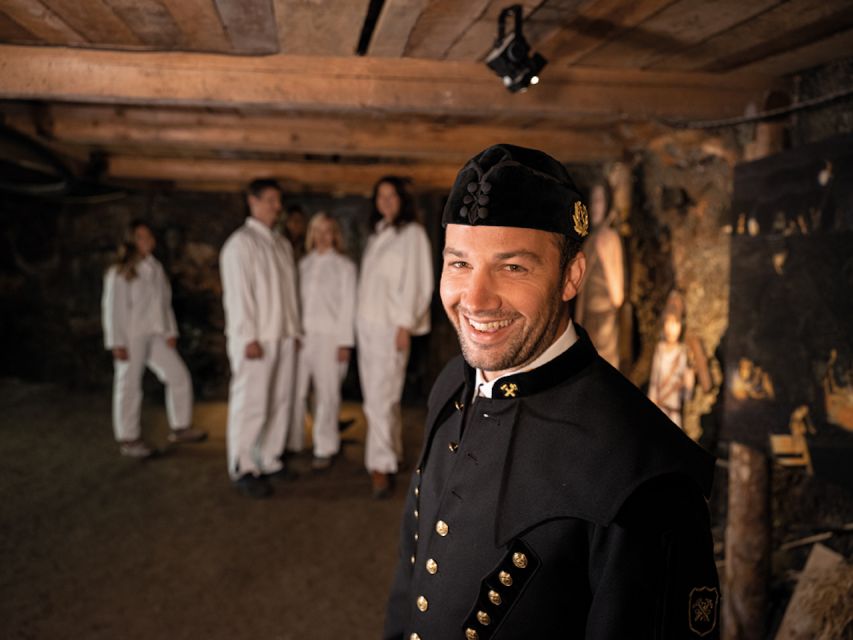
- Austria’s largest active salt mine: You see salt mining as a working trade, not only as a museum display.
- A powerful Nazi-era story: Altaussee was tied to the rescue of major European artworks from planned destruction.
- Orange and red salt walls: The colored rock salt makes the underground route more striking than a plain gray tunnel.
- Two memorable finale moments: The mine slides add a burst of fun, while the cave light-and-music show offers a quieter close.
- Ninety minutes underground: The compact duration works well in a Salzkammergut day, but the visit moves at a steady pace.
- Car access matters: The mine sits about 3 kilometers above Altaussee, with free parking at the entrance.
Why Altaussee Is More Than a Standard Mine Tour
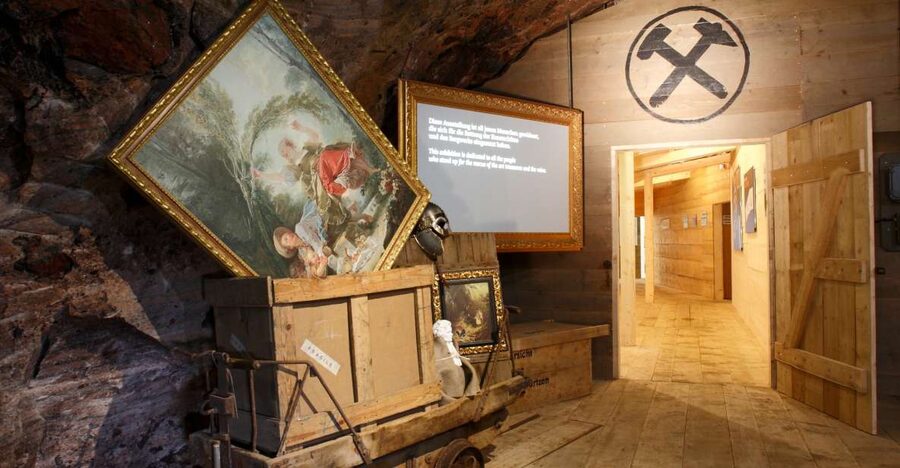
Many salt mines offer a simple formula: walk underground, hear how salt was extracted, and ride a small train or slide. Altaussee adds a serious historical layer. Its tunnels are connected not only with the medieval mining of salt, but also with one of the most troubling art stories of the Second World War.
The mine became a storage place for artworks stolen by the Nazi regime. As the war neared its end, local miners helped prevent the destruction of works that had been hidden underground. The story gives the tunnels a human focus. You are not only looking at rock and machinery. You are also considering the choices made by people who knew that priceless art, and perhaps the mine itself, faced terrible danger.
That contrast shapes the whole visit. One moment, the guide is explaining the production of white gold today. The next, the atmosphere turns toward wartime secrecy and moral courage. Then the mine shifts back into family entertainment, with Sally the mine duck sliding down the miners slides with children.
I like that the experience does not treat history as a dry list of dates. The colored salt, dark passages, chapel, and underground water help make the setting memorable. You leave with several different impressions rather than one repeated message.
A few more options to weigh up in Austria
- Vienna: Classic Ensemble Vienna in St. Peter’s Church Ticket
★ 4.7 · 4,819 reviews - Vienna Kunsthistorisches Museum Day Admission Ticket
★ 4.6 · 3,690 reviews - Vienna: Tickets for Mozarthaus Vienna with Audio Guide
★ 4.2 · 2,344 reviews
Reaching the Mine Above Altaussee
Salzwelten Altaussee is about 3 kilometers above the town of Altaussee in the Styrian part of Austria’s Salzkammergut region. The site can only be reached by car or on foot, so it is not a simple walk-up attraction in the center of town.
If you are driving through the Salzkammergut, the free parking area at the mine entrance keeps the arrival easy. You do not need to budget for parking, but you do need to allow time for the uphill approach. If you are traveling without a car, check the walking route carefully before booking, since the site is not described as having regular public transport access.
The location also affects how you plan your day. This is best added to a route that already includes Altaussee or nearby parts of the Salzkammergut. It is less convenient as a quick stop from far away, especially since the tour has set starting times and lasts about 90 minutes.
Arrive ready for a cool underground setting. Comfortable clothing matters, but warm clothing matters more. Even if the weather outside is mild, the mine itself can feel chilly.
The First Tunnels: Salt, Color, and Medieval Work
The tour begins with the mine and its long history. Altaussee’s salt story reaches back to the medieval period, when salt was an important trade good and a source of wealth. The phrase white gold fits here: salt was not an ordinary kitchen item in economic terms, but a valuable resource that helped shape communities and regional power.
Inside, the rock salt is a major visual attraction. The walls shimmer with orange and red tones, giving the dark tunnels a warm color that you do not expect underground. I would pay attention to the walls rather than treating the walk as a quick passage between exhibits. The salt itself is the display.
A guide leads the group through the mine in English or German. The quality of this part depends partly on how much you ask. The strongest experience comes when you use the tour as a chance to ask about the rock, the work, and the changes from old mining methods to current practice. One recent English-language tour was especially successful because the guide had time to answer every question in a very small group.
That detail is useful, but group size can vary. Do not assume you will have a private tour. Still, the live guide gives the visit more flexibility than a fixed recording, especially when the group wants extra explanation.
Seeing White Gold as a Modern Industry
Altaussee is not only a preserved historic site. It is still Austria’s largest currently active salt mine. That fact gives the tour extra value because you are learning about a trade that continues today.
The modern mining section helps connect the old tunnels with present-day work. Salt is not presented as a frozen piece of the past. The mine remains part of an operating industry, and the guide explains how white gold is mined today.
For me, this is one of the best reasons to choose Altaussee over a purely historic mine. You get context across several periods: medieval salt extraction, the wartime use of the tunnels, and current production. The experience becomes a short lesson in how a natural resource can shape a place for centuries.
The information is delivered underground, so you should expect practical storytelling rather than a large museum exhibit. Wear comfortable clothes and shoes that allow you to walk through the mine without fuss. The supplied details do not give a precise walking distance or say how many steps are involved, so anyone with mobility concerns should ask the operator before booking.
A completely different kind of day:
- Vienna: Vivaldi’s Four Seasons Concert in Karlskirche
★ 4.7 · 14,951 reviews - Vienna: Spanish Riding School Training
★ 3.9 · 9,281 reviews - Vienna: Skip-the-cashier-desk-line Giant Ferris Wheel Ride
★ 4.5 · 7,859 reviews - Vienna: Schönbrunn Palace & Gardens Skip-the-Line Tour
★ 4.7 · 7,739 reviews
The Nazi Art Rescue Story in the Mountain
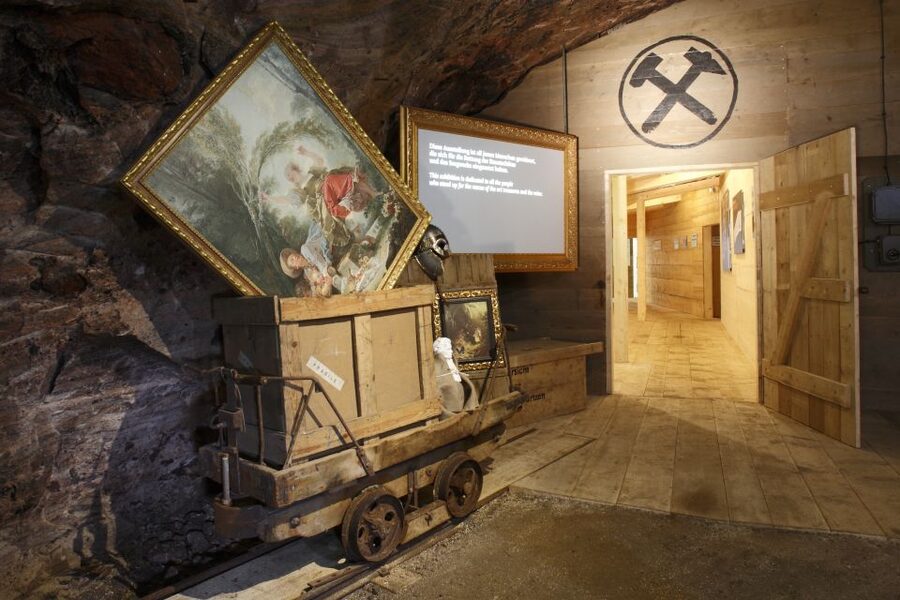
The most serious part of the visit concerns the artworks hidden in Altaussee during the Nazi period. The mine held art treasures looted across Europe, and the story turns on the efforts of local miners who helped save them from destruction.
This is a strong historical subject for a tour because the setting is not distant from the events. The same underground environment that protected the works also became part of a plan to destroy them. The guide’s account connects the physical mine with the political choices made above ground.
You should expect the tone to change here. The slides and family elements make Altaussee lively, but the art story carries real weight. I value that balance. A visit aimed only at entertainment could easily gloss over the wartime material, while a purely solemn tour might not suit families. Altaussee gives both sides room.
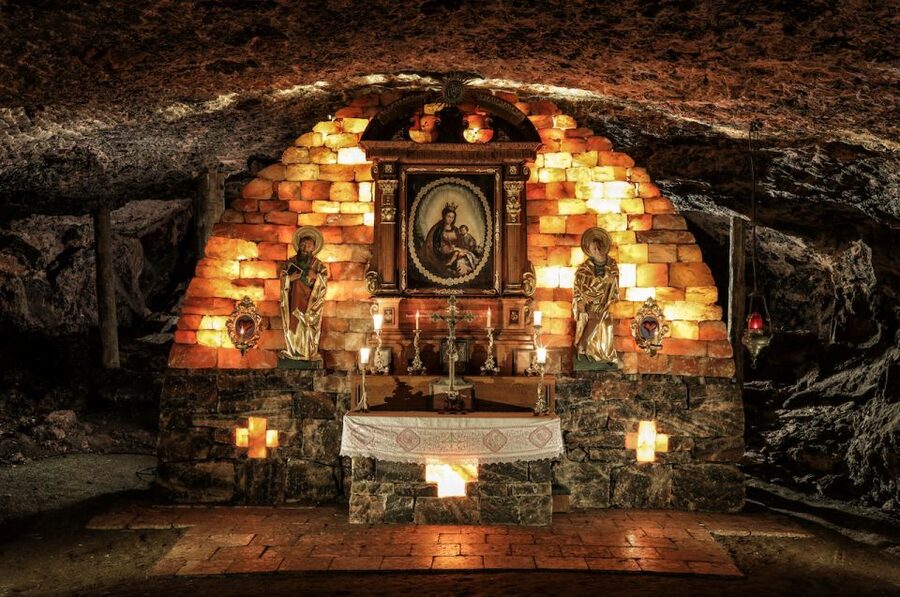
The description refers to a mystical chapel within the mine, another detail that adds a reflective quality to the route. In a place associated with stolen art, danger, and rescue, a small chapel can feel especially atmospheric. It is not simply another stop to photograph. Give yourself a moment to take in the quiet.
The Slides and Sally the Mine Duck
The miners slides are likely to be the most talked-about part for many families. They add a clear burst of fun after the historical and industrial sections, and one recent visitor described the descent as an adrenaline rush.
Sally, the mine duck, helps make the activity accessible to children who meet the age requirement. The mine’s own storytelling does not treat children as an afterthought. Laughter is part of the planned experience, and the slides give younger visitors a reason to stay engaged during the more serious explanations.
That said, the slides are not automatically a benefit for everyone. If you dislike speed, heights, or enclosed attractions, you may find this portion less appealing. The available information does not specify the slide length, height, or individual restrictions, so ask the guide if you have concerns.
Children under four cannot join the activity. The mine is also not suitable for wheelchair users, so families should check the practical needs of every member before booking. A child old enough to enjoy the slides may have a terrific time, but the visit still includes historical explanation and dark tunnels, not just amusement-park action.
The Underground Light and Music Finale
The final cave setting brings a different mood. A short light-and-music show reflects across water inside the mine, creating what one recent visitor described as a magical and peaceful finish. The show lasts about five minutes, so it is a concentrated closing scene rather than a full performance.
I like this kind of ending because it uses the mine itself. The water, rock, darkness, light, and music work together without needing a large collection of props. After hearing about mining and wartime art storage, you get a few quiet minutes to simply look and listen.
Do not book the tour expecting a long concert or elaborate theatrical production. It is a brief atmospheric display. Its appeal depends on your taste, but it gives the 90-minute visit a clear final moment and helps the experience feel more complete.
The contrast between the slides and the cave show is useful. The first sends you out with energy. The second slows everything down. For families, that gives the tour a nice rhythm. For adults interested in history, it provides a calm close after the heavier wartime story.
Is the $31 Price Good Value?
At about $31 per person, the ticket is not the cheapest short attraction in the region. The value depends on what you want from your Salzkammergut outing.
If you only want to see a few salt-covered walls, the price may feel high for a 90-minute visit. But the ticket includes entrance and a guided tour, and the experience combines several distinct elements:
- A currently active mine
- Medieval salt-mining context
- The wartime story of rescued artworks
- Colored rock salt tunnels and a chapel
- Miners slides
- An underground light-and-music show
That is a good range for a compact tour. You are paying for interpretation as well as access to the mine. The live guide also matters because the Nazi art story and modern mining process need explanation. Without that context, much of the meaning would be easy to miss.
Free parking improves the total cost if you are driving. The reserve-now-and-pay-later option can also help if your route through Austria is not fixed, while cancellation up to 24 hours before the start gives you some protection against a changed schedule.
I would call the price fair for adults who care about history, unusual places, and a guided experience. Families may find the slides and show help justify the ticket. Visitors on a tight budget, or those already planning several paid attractions, should compare the 90-minute duration with other local choices.
Who Will Enjoy Altaussee Most?
I would recommend this tour to you if you like attractions that mix real history with a little fun. It suits adults interested in Nazi-era art recovery, people curious about working industries, and families whose children are old enough to enjoy the slides.
It is also a good choice if you are visiting from a place without mines. One recent participant from Malta found the experience especially worthwhile because mining was completely new to them. That is a useful reminder: you do not need specialist interest in geology. The mine gives you a way to understand a trade that may be unfamiliar.
The tour may be less suitable if you want a long, relaxed museum visit. Ninety minutes goes quickly, and the route combines several subjects. You also need to reach the mine by car or on foot, and the cool setting may not suit anyone who does not bring warm clothes.
English and German are the stated live-tour languages. An audio guide may provide help in other languages, but availability can vary, so confirm this before booking if language support is important to you.
Practical Advice for a Smooth Visit
Wear warm, comfortable clothing. This is the single clearest packing tip, and it matters more than dressing for the weather in Altaussee.
Use the free parking area at the mine entrance if you are driving. Since the mine is above town, do not plan on casually switching between the village and the mine at the last minute.
Keep the 90-minute duration in mind when arranging meals, boat trips, or other timed activities in the Salzkammergut. Check the available starting times before you reserve, especially during a busy holiday period.
If you are traveling with children, prepare them for both sides of the tour. Tell them about the slides and Sally the mine duck, but also explain that they will spend time listening to a guide in dark underground passages.
If you have mobility limits, contact the operator before paying. Wheelchair users are specifically excluded, and the full details about walking conditions and slide access are not provided. Pets are not allowed.
Should You Book Salzwelten Altaussee?
Book it if you want more than a standard mine walk. The combination of active salt production, colored rock walls, and the Nazi-era art rescue story makes Altaussee unusually varied. The slides and underground light show add fun without wiping away the serious history.
I would skip it if getting there by car or on foot is a problem, if you need wheelchair access, or if you strongly dislike cool, enclosed spaces. For everyone else, the $31 ticket offers a thoughtful 90-minute experience with a good mix of education, atmosphere, and family-friendly thrills.
The best reason to go is the range. You can learn how salt is mined today, think about what happened to stolen art during the war, watch light move across underground water, and finish with a slide. That is a lot of character packed into one Austrian mountain.
FAQ
How long does the Salzwelten Altaussee tour last?
The guided salt mine experience lasts about 90 minutes.
How much does the entrance ticket cost?
The listed price is $31 per person.
How do I reach Salzwelten Altaussee?
The mine can only be reached by car or on foot. It is located about 3 kilometers above Altaussee.
Is parking available at the mine?
Yes. Free parking is available at the entrance to the mine.
What languages are available for the tour?
Live guided tours are available in English and German. Audio guide support may be available in other languages, but you should confirm the options when booking.
Is the tour suitable for young children or wheelchair users?
Children under four are not permitted, and the experience is not suitable for wheelchair users. Pets are also not allowed.
Just added in Austria
- Zurich: Private Liechtenstein, Austria, and Germany Day Trip★ 5.0 · 16 reviews
- Zurich: Liechtenstein, Austria, Germany and Swiss Day Trip★ 5.0 · 2 reviews
- Zell am See: Paragliding Tandem Flight★ 5.0 · 31 reviews
- Vienna: Austrian Wine Tasting Experience★ 4.2 · 2 reviews
- Zurich: Liechtenstein, Austria and Germany Private Day Tour★ 5.0 · 6 reviews
- Vienna: UNESCO Schönbrunn Palace Guided Tour with Entry★ 4.5 · 94 reviews
- World War II History Vienna Old Town Private Walking Tour★ 4.8 · 9 reviews
- Werfen: Hohenwerfen Castle Entrance Ticket★ 4.5 · 84 reviews
Tickets, compared.
Classic Ensemble Vienna in St. Peter’s Church Ticket
Read our review →
Vienna Kunsthistorisches Museum Day Admission Ticket
Read our review →
Tickets for Mozarthaus Vienna with Audio Guide
Read our review →
Skip-the-Line Entrance Ticket to the Danube Tower
Read our review →