
Reviewed · MOZART CONCERTS
Mozart Kugel Workshop
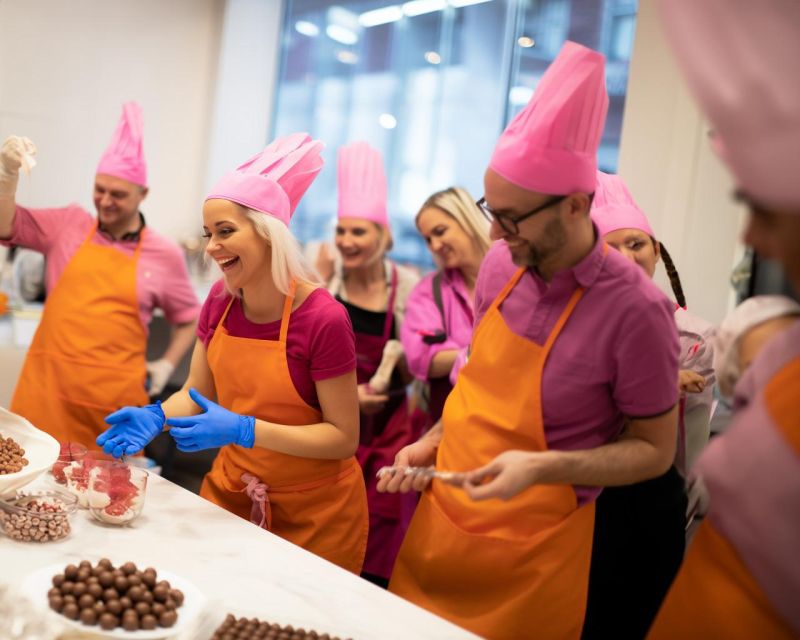
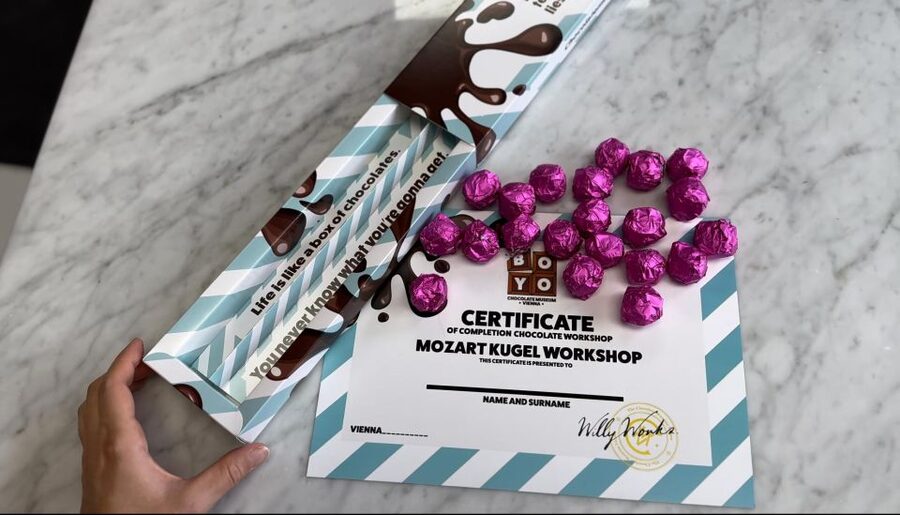
Chocolate tastes better when you have made it yourself. At Vienna’s Chocolate Museum, this 90-minute workshop turns the famous Mozart Kugel into a hands-on treat, with expert instruction, a choice of chocolate coatings, and a box of 24 sweets to take home. I especially like the generous take-home box and the chance to make each Kugel by hand. The Maria Antonietta orange hot chocolate adds a warm historical touch rather than simply giving you another piece of candy.
I also like that the workshop works for different ages and energy levels. Parents can share it with children, and one participant enjoyed it with her 75-year-old mother. The main consideration is clear: this is English only, and the recipe uses hazelnuts, pistachios, and marzipan, so it is not suitable for anyone with a nut allergy.
In This Review
- Key points before you book
- What makes the Mozart Kugel worth learning
- Arriving at the pink Chocolate Museum Vienna
- Building the hazelnut center
- Adding pistachio and marzipan layers
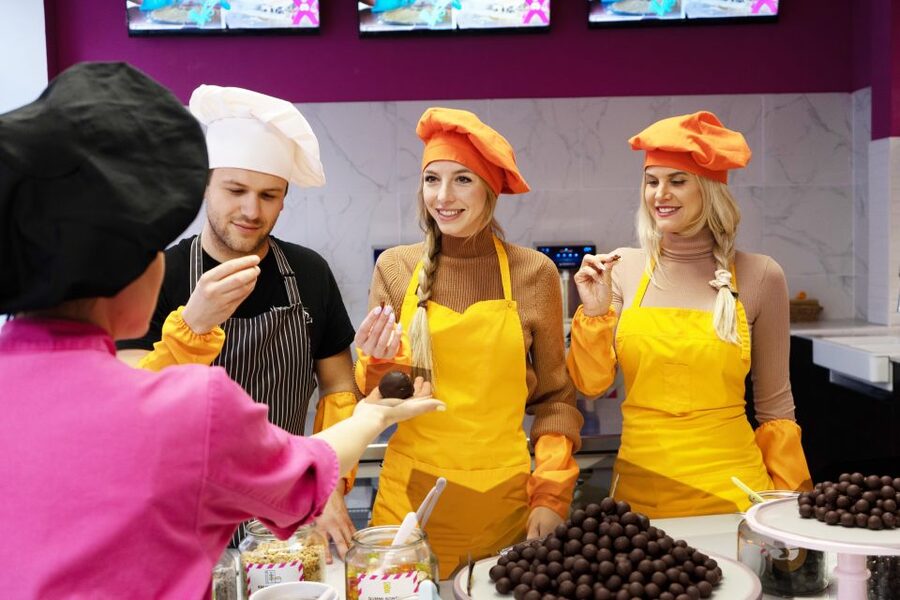
- Choosing the chocolate coating
- Maria Antonietta’s Orange Hot Chocolate
- How much value do you get for $82?
- Who will enjoy this workshop most?
- Practical details that affect your choice
- Should you book the Mozart Kugel Workshop?
- FAQ
- Where does the Mozart Kugel Workshop take place?
- How long does the workshop last?
- How much does the experience cost?
- Is the workshop conducted in English?
- How many Mozart Kugel treats do I take home?
- Can I choose the type of chocolate coating?
- Is a box provided for the chocolates?
- What ingredients are used to make the Mozart Kugels?
- Is the workshop suitable for people with nut allergies?
- Can minors attend the workshop?
- Is Maria Antonietta’s Orange Hot Chocolate included?
- Can I cancel my booking?
- Can I reserve now and pay later?
Key points before you book
- You make 24 Mozart Kugel treats: This is not just a tasting. You prepare a full box of sweets to enjoy later.
- Three chocolate coatings are available: Choose milk, white, or dark chocolate for the final layer.
- The recipe has several distinct layers: Hazelnut, pistachio, marzipan, and chocolate each bring a different texture and flavor.
- Orange hot chocolate is part of the session: You prepare Maria Antonietta’s Orange Hot Chocolate with chocolate, orange zest, and spices.
- The setting is easy to find: The workshop takes place at the Chocolate Museum Vienna, inside a pink building at Schönbrunner Strasse 99.
- The instructors make a real difference: Selma, Jana, Dimi, and Jelena have all been praised for friendly, patient, clear instruction.
What makes the Mozart Kugel worth learning
The Mozart Kugel is one of Austria’s best-known sweets, named for Wolfgang Amadeus Mozart. It is usually recognized by its round shape and combination of nut, marzipan, and chocolate flavors.
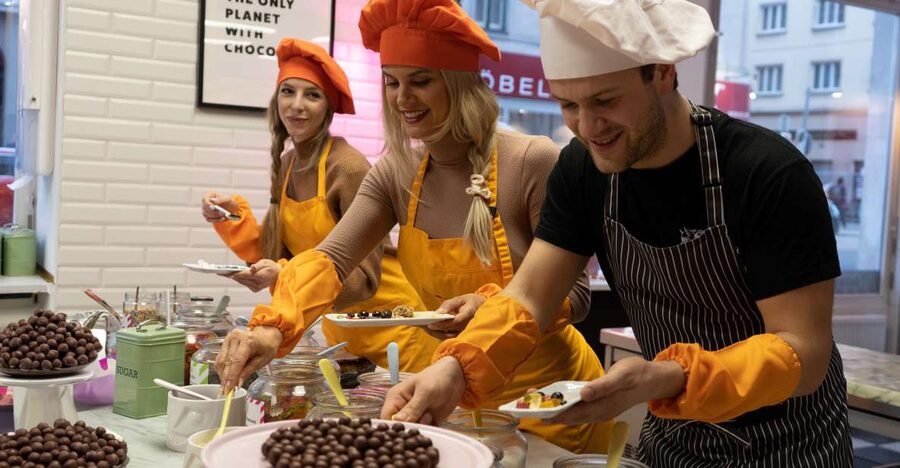
This class gives you a better sense of how that combination works. Instead of treating the candy as one smooth bite, you build it in stages. The hazelnut mixture forms the core. Pistachio mass wraps around it, adding color and a second nutty note. Marzipan comes next, followed by the chocolate shell.
That layered process is the heart of the activity. You are not simply dipping ready-made candy into chocolate. You shape the components, decide how neat or rustic your Kugels look, and add your own foil colors at the end.
I like this approach because it gives the sweet some context. Afterward, you can look at a Mozart Kugel in a Viennese shop and understand what is inside it. You also get a small edible souvenir that carries more meaning than a standard box bought at the airport.
More Mozart Concerts in Vienna
- Vienna: Mozart Concert at the Golden Hall
★ 4.6 · 3,986 reviews - Vienna: Classical Concert at Mozart’s First House
2,423 reviews - Vienna: Mozart and Strauss Concert at Schönbrunn
★ 4.5 · 2,364 reviews
Arriving at the pink Chocolate Museum Vienna
The meeting point is the Chocolate Museum Vienna at Schönbrunner Strasse 99. The building is described as a charming pink structure, which should make it easier to identify once you reach the address.
The location matters because this is an indoor activity with a clear 90-minute time frame. On a cold winter afternoon, it provides a useful break from sightseeing without asking you to give up half a day. The museum setting also makes the activity feel connected to Vienna’s confectionery culture rather than like a generic cooking class.
Your instructor provides the tools, ingredients, and equipment. The instruction is in English, so you should be comfortable following spoken guidance in that language. The class format is built around participation, not a long lecture, which helps keep the pace moving.
Several instructors have earned warm praise for making the process easy to follow. Selma has been described as patient and very helpful, while Dimi was praised for teaching the recipe from scratch and adding conversation to the session. Jana and Jelena were also singled out for friendly guidance. The individual instructor may vary, but the repeated pattern is encouraging: the human side of the workshop is one of its strongest features.
Building the hazelnut center
The first real task is preparing the hazelnut mixture. This forms the center of your Mozart Kugel and gives the finished sweet its firm, nutty base.
You will work with ingredients supplied by the workshop, so you do not need to bring anything for the recipe. The chocolatier guides you through the process and helps you understand how the components should come together.
This stage is simple enough for families, but it still gives adults something to do with care. Several people described the workshop as easy to follow, and one parent noted that the activity worked well for a child because it uses hands-on motor skills. That is a useful detail if you are planning an activity with younger family members.
The nut mixture is also where the allergy warning matters most. Hazelnuts and pistachios are part of the recipe, and marzipan is included later. This is not an activity where you can casually avoid the nut-based elements.
Adding pistachio and marzipan layers
Once the hazelnut center is ready, you cover it with pistachio mass. This adds another nut flavor and gives the candy its recognizable green accent.
Next comes the marzipan. You mold it around the earlier layers, shaping the Kugel into the form you want before the chocolate coating. The instructions describe each Mozart Kugel as a personal creation, but you should keep your expectations practical. The workshop teaches you the method, yet the result will still depend on how evenly you shape each layer.
That is part of the charm. The finished chocolates do not need to look factory-perfect. You get a sense of the work behind a polished confection, and small variations make the box feel like something you made rather than something you purchased.
This section of the activity may appeal most to people who enjoy making things with their hands. If you only want to sample Austrian chocolate, the workshop may feel like more work than necessary. If you enjoy crafts, cooking, or food traditions, the layering gives the session a clear purpose.
A completely different kind of day:
- Vienna: Vivaldi’s Four Seasons Concert in Karlskirche
★ 4.7 · 14,951 reviews - Vienna: Spanish Riding School Training
★ 3.9 · 9,281 reviews - Vienna: Schönbrunn Palace & Gardens Skip-the-Line Tour
★ 4.7 · 7,739 reviews - Vienna: Light of Creation Votive Church Immersive Light Show
★ 4.8 · 6,779 reviews
Choosing the chocolate coating
The final coating is where you get the most obvious personal choice. You can select milk, white, or dark chocolate.
Milk chocolate is the softer, sweeter option. White chocolate gives you a creamier finish and a different look. Dark chocolate brings a stronger cocoa note. The supplied information does not specify whether you can divide the 24 Kugels among several coatings, so ask the instructor if you want a mixed box rather than one selected coating.
The coating stage also brings the most visual fun. After dipping or covering your Kugels under instruction, you choose from colorful foils to wrap them. The foil turns each piece into a small present and helps you tell your creations apart.
You also receive a beautiful box for storage and transport. This is more useful than a loose bag of sweets, especially if the workshop is one stop in a longer day. The box gives you a proper way to carry the chocolates and makes the finished set suitable as a gift.
Maria Antonietta’s Orange Hot Chocolate
The second part of the workshop shifts from making chocolates to preparing a hot drink. You create Maria Antonietta’s Orange Hot Chocolate with premium chocolate, fresh orange zest, and a selection of spices.
The drink adds variety to the session. Without it, the activity would focus entirely on shaping and coating candy. The hot chocolate gives you something warm to enjoy while also connecting the recipe to the royal flavors associated with Maria Antonietta’s era and Austrian nobility.
The orange zest is especially important because it keeps the drink from being just another cup of sweet chocolate. The recipe combines citrus, spices, and chocolate, creating a more aromatic flavor than standard hot cocoa.
I would treat this part as a tasting and demonstration rather than a full separate cooking class. The key focus remains the Mozart Kugel. Still, it is a thoughtful addition, and it makes the workshop feel like a small food history lesson as well as a candy-making session.
How much value do you get for $82?
The price is $82 per person, which is not cheap for a 90-minute activity. You are paying more than the cost of a box of Mozart Kugels from a shop, so the value depends on what you want from the experience.
If you only want chocolate, buying a ready-made box is the simpler choice. If you want an activity, the calculation changes. The fee includes expert guidance, all ingredients, tools, your choice of coating, colorful foils, a storage box, and the orange hot chocolate experience. You also leave with 24 handmade treats.
That quantity makes the price easier to justify for families or pairs who will share the sweets at home. The box gives you something tangible to keep, and the workshop fills a specific 90-minute window in your Vienna schedule.
The strongest value comes from the combination of activity and result. You are not paying for a demonstration where the instructor does all the work. You take part, make your own chocolates, and receive a finished product.
Still, I would not call it a bargain. The cost is best suited to someone who enjoys interactive food activities and wants an indoor Vienna experience. If you are watching every euro or already plan to visit several paid attractions, consider how much you value the hands-on element.
Who will enjoy this workshop most?
This is a good match for families, couples, friends, and solo visitors who like food-based activities. The format is playful without requiring advanced cooking skills, and the finished box gives children a clear reward for taking part.
It also suits mixed-age groups. One participant enjoyed the workshop with her mother, who was 75, and described the instructor as patient and encouraging. That suggests the activity does not depend on speed or physical exertion.
The workshop can also work well in winter. Dimi’s session was praised as an intimate, informative way to spend a cold afternoon indoors, surrounded by chocolate and candy. You get a warm drink, a creative task, and a souvenir without needing to spend the whole day outside.
I would skip it if you dislike marzipan, pistachio, or hazelnuts, since these are central ingredients. I would also think twice if your English is not strong enough to follow spoken instructions comfortably, because English is the only stated workshop language.
Practical details that affect your choice
The session lasts 90 minutes, so it is easy to fit between other Vienna plans. Starting times vary, and availability should be checked before booking.
The activity is not suitable for unaccompanied minors. Children can take part when accompanied, but the supplied information does not give a specific minimum age.
Cancellation is flexible up to 24 hours before the scheduled start, with a full refund. You can also reserve now and pay later, which helps if your Vienna plans are still changing.
The address is Schönbrunner Strasse 99 in Vienna. Look for the pink Chocolate Museum Vienna building. The workshop is in English only, and people with nut allergies should not attend.
Should you book the Mozart Kugel Workshop?
Book it if you want more than a quick taste of Austrian candy. The best parts are the layered recipe, the choice of chocolate coating, the box of 24 finished Kugels, and the warm orange hot chocolate.
The $82 price is reasonable for a hands-on activity with ingredients, instruction, drinks, and a substantial take-home result, but it is not the right choice for a simple chocolate stop. Families and couples will likely get the most from it, especially on a cold day or during a busy sightseeing trip when you want an indoor change of pace.
My practical call: choose this workshop if you enjoy making food, want a distinctly Viennese souvenir, and can safely eat nuts. Skip it if you only want to buy Mozart Kugels or if an English-only class would be difficult.
FAQ
Where does the Mozart Kugel Workshop take place?
It takes place at the Chocolate Museum Vienna at Schönbrunner Strasse 99 in Vienna, Austria. The museum is housed in a pink building.
How long does the workshop last?
The workshop lasts 90 minutes.
How much does the experience cost?
The listed price is $82 per person.
Is the workshop conducted in English?
Yes. The instructor language is English, and English is the only stated workshop language.
How many Mozart Kugel treats do I take home?
Each participant receives 24 handmade Mozart Kugel treats to take home.
Can I choose the type of chocolate coating?
Yes. You can choose milk, white, or dark chocolate for the coating.
Is a box provided for the chocolates?
Yes. You receive a beautiful box for storing and transporting your handmade Mozart Kugels.
What ingredients are used to make the Mozart Kugels?
The workshop includes hazelnuts, pistachio mass, marzipan, and chocolate.
Is the workshop suitable for people with nut allergies?
No. The activity is not suitable for people with nut allergies because hazelnuts and pistachios are part of the recipe.
Can minors attend the workshop?
Minors cannot attend unaccompanied. The activity does not allow unaccompanied minors.
Is Maria Antonietta’s Orange Hot Chocolate included?
Yes. The experience includes making Maria Antonietta’s Orange Hot Chocolate with chocolate, orange zest, and spices.
Can I cancel my booking?
Yes. You can cancel up to 24 hours in advance for a full refund.
Can I reserve now and pay later?
Yes. The activity offers a reserve-now, pay-later option.
Just added in Vienna
- Vienna: Austrian Wine Tasting Experience★ 4.2 · 2 reviews
- World War II History Vienna Old Town Private Walking Tour★ 4.8 · 9 reviews
- Vienna_ Meet Beethoven Life Private Guided Walking Tour★ 5.0 · 1 review
- Vienna: Wine Tasting Tour★ 4.8 · 61 reviews
- Vienna: Wine Tasting E-Bike Tour★ 4.9 · 46 reviews
- Vienna: Wine Tasting at Schönbrunn Palace★ 4.3 · 71 reviews
- Vienna: Winery and Wine Tasting Tour with a Wine Expert★ 5.0 · 5 reviews
- Vienna: Concert by the Vienna Baroque Orchestra★ 4.6 · 56 reviews
Mozart Concerts, compared.
Salzburg 2.5-Hour Walking Tour: Mozart, Old Town & More
Read our review →
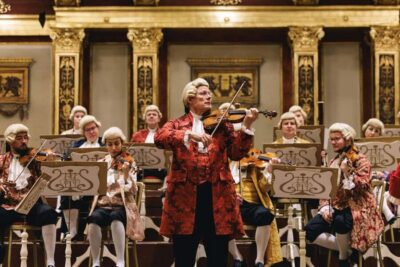
Vienna Mozart Concert in Historical Costumes at the Musikverein
Read our review →Browse the lists this tour appears in