Reviewed · VIENNA TOURS
Italian VIENNA
Vienna wears many Italian fingerprints. This 2.5-hour walk reveals the Italian artists, architects, composers, preachers, adventurers, and military leaders who helped shape the city. I like the fresh angle on familiar central Vienna sights, and I like the guide’s lively storytelling. Mario Casalone is praised for his warmth, humor, patience, and ability to connect art with everyday life. The main drawback is that the tour is outdoors and requires good weather, so rain or wind can affect the experience.
At $33.20 per person, this feels like a fair price for a focused cultural walk led by a specialist. You begin at Vienna’s Italian community church and finish at St. Stephen’s Cathedral, with the Hofburg along the way. The strongest reason to book is the perspective, especially if you have already seen central Vienna and want to understand it through its Italian connections.
In This Review
- Key points about Italian Vienna
- Why Italian Vienna is an unexpected subject
- Starting at Minoritenkirche and Minoritenplatz
- Reading the Hofburg through Italian connections
- The route toward Stephansplatz
- Mario Casalone’s guiding style
- A good balance of facts and anecdotes
- What $33.20 buys you
- Weather, walking, and practical planning
- Who will enjoy this walk most
- Should you book Italian Vienna?
- FAQ
- How much does Italian Vienna cost?
- How long does the tour last?
- Where does the tour start?
- Where does the tour end?
- Which places are included in the itinerary?
- Is admission included?
- What is the group size?
- Can I cancel for a refund?
- What happens if the weather is poor?
- Who guides the tour?
Key points about Italian Vienna
- Italian influence in Vienna: Learn how Italian art and culture helped shape the city’s Baroque appearance.
- A fresh look at familiar sights: Minoritenkirche, the Hofburg, and central Vienna take on a different meaning during the walk.
- Guide Mario Casalone: His style combines facts, anecdotes, humor, and personal experience.
- Two and a half hours on foot: The pace is long enough for context but short enough to fit into a busy Vienna visit.
- Small to medium-sized group: The maximum is 30 people, which keeps the tour manageable without promising a private experience.
- Central start and finish: The walk begins at Minoritenplatz and ends at Stephansplatz, close to major sights and public transport.
Why Italian Vienna is an unexpected subject
Vienna is usually presented through its Habsburg rulers, imperial palaces, classical music, coffeehouses, and grand Baroque streets. Those are all part of the city’s identity, but they do not tell the whole story.
Italian Vienna adds another layer. The tour focuses on the people and ideas that crossed the Alps and helped shape the imperial capital. You hear about Italian painters, architects, artists, and master builders, along with the wider cultural links between Austria and Italy.
That approach gives the walk a useful sense of discovery. You are not simply moving from one famous building to another. You are being asked to look again at places you may already know and notice who designed them, influenced them, worshipped in them, or helped give them their character.
I especially like this kind of city tour for a second day in Vienna. On a first visit, you may want to see the major sights quickly. After that, a themed walk can make the city feel less like a collection of grand façades and more like a conversation between countries.
The Italian connection also reaches beyond architecture. The tour description points to composers, preachers, adventurers, and military leaders. That broader mix matters. You are not signing up for a narrow architecture lecture, although buildings and design appear to be central to the walk. Instead, you get a story about how Italian culture influenced Vienna in several different ways.
A few more options to weigh up in Vienna
- Vienna: Vivaldi’s Four Seasons Concert in Karlskirche
★ 4.7 · 14,951 reviews - Vienna: Spanish Riding School Training
★ 3.9 · 9,281 reviews - Vienna: Schönbrunn Palace & Gardens Skip-the-Line Tour
★ 4.7 · 7,739 reviews
Starting at Minoritenkirche and Minoritenplatz
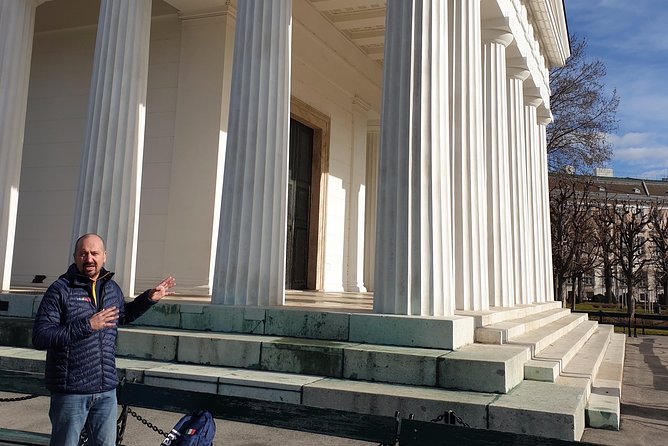
The meeting point is Wiener Minoritenkirche, at Minoritenplatz 2A in Vienna’s first district. The church is identified as the church of Vienna’s Italian community, making it a fitting place to begin.
Minoritenkirche gives the tour a clear starting idea: Italian Vienna is not only about imported artistic style. It is also about people, faith, community, and long-standing ties between Italy and Austria.
You should allow yourself time to arrive at Minoritenplatz before the start. The meeting point is near public transport, but the information provided does not specify which route or stop is most convenient for your schedule. A mobile ticket makes the booking easy to carry, though you should have your phone ready when you meet the guide.
The church visit is listed as a 15-minute stop with free admission. That makes it an introductory stop rather than a long interior visit. You can expect the guide to use the church and its setting to explain the place of Vienna’s Italian community and to establish the theme for the rest of the walk.
This is one of the tour’s best choices. Starting at an Italian community church gives the subject a human foundation before the walk moves toward imperial Vienna. It also keeps the tour from becoming just a parade of famous palaces.
Reading the Hofburg through Italian connections
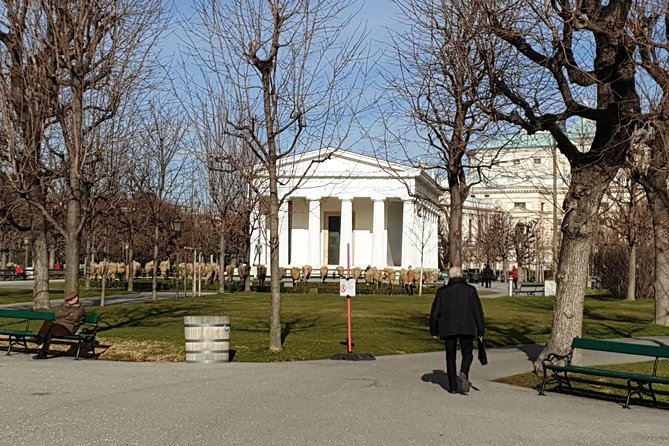
The next named stop is the Hofburg, the former imperial palace of the Habsburg family. This is where the apartments associated with Emperor Franz Joseph and Empress Elisabeth, known as Sissi, are located.
The Hofburg is one of Vienna’s essential sights, but its scale can make it hard to know what to focus on. A themed guide helps narrow your attention. Instead of trying to absorb every wing, courtyard, and imperial association, you look for the Italian contribution to the palace and the surrounding city.
The stop is also listed as 15 minutes with free admission. That point is important. This experience is a walking tour, not a ticketed palace-apartment visit. The supplied information does not promise entry into the imperial apartments, so you should not book it expecting a full indoor tour of Sissi’s rooms.
That limitation is also part of the value. You pay for the guide’s interpretation rather than a bundle of admission tickets. If you already plan to visit the Hofburg’s paid collections separately, this walk can give you a different frame for the complex without duplicating a standard palace tour.
The Hofburg stop connects well with the tour’s wider theme. Italian architects and builders helped shape the visual language associated with Vienna’s imperial center. You may recognize the palace, but the guide’s questions and anecdotes can change what you notice in its design and history.
The route toward Stephansplatz
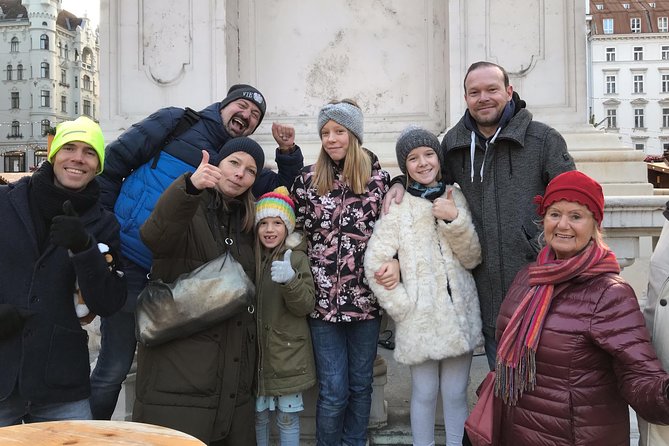
The tour ends at Stephansplatz, the square in front of St. Stephen’s Cathedral. This gives the walk a strong finish in the heart of Vienna.
The route between the two named stops is not fully detailed, so you should think of the itinerary as a guided central-city walk rather than a list of only two buildings. The exact sequence of streets and commentary may depend on the guide’s chosen route and the group’s pace.
Stephansplatz is a practical ending point. You finish beside one of Vienna’s best-known landmarks, in an area with plenty of onward options. You can continue sightseeing, stop for food, return to your accommodation, or visit the cathedral if it fits your plans.
The ending also makes sense as a story. Minoritenkirche represents Vienna’s Italian community, the Hofburg represents imperial power, and Stephansplatz places you in the city’s central religious and civic core. Along the way, the guide links those settings to Italian art, architecture, and culture.
Do not expect the tour to end at a quiet out-of-the-way location. Stephansplatz is central and busy, especially compared with Minoritenplatz. That is convenient, but it may take a moment to regroup if the tour finishes near other activity.
A completely different kind of day:
- Vienna: Light of Creation Votive Church Immersive Light Show
★ 4.8 · 6,779 reviews - Vienna Spanish Riding School Guided Tour
★ 4.7 · 6,765 reviews - Vienna: Classical Concert in the World-Famous Musikverein
★ 4.6 · 6,673 reviews - Vienna: Skip-the-Line Sisi Museum, Hofburg and Gardens Tour
★ 4.8 · 5,918 reviews
Mario Casalone’s guiding style
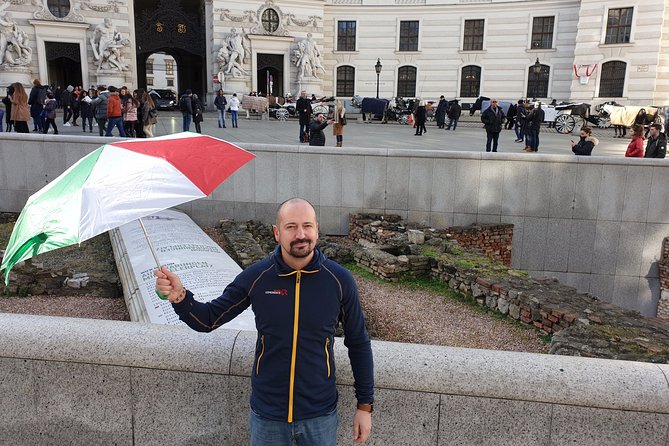
The guide is Mario Casalone, who operates as MarioViennaGuide. The strongest praise focuses on his presentation, not just his subject knowledge.
He is described as friendly, welcoming, eloquent, and easy to listen to. His approach appears to mix historical facts with anecdotes, small curiosities, and references that encourage you to keep exploring. That balance is valuable on a 2.5-hour walk. A guide can know a great deal and still lose a group if every stop becomes a lecture.
The comments also point to Mario’s patience with questions. That is a useful detail for anyone who likes to pause and ask how a person, building, or event connects to the larger story.
His style seems particularly effective for people who already know a little about Vienna. Several comments describe seeing familiar places again from a new point of view. That suggests the walk is not built only for first-time visitors. It can also reward you if you have already toured the central sights in the usual way.
The guide’s Italian background is part of the experience’s character, especially for Italian-speaking participants. The feedback is written in Italian and German, and the descriptions praise his Italian charm, expressive manner, and ability to connect Austrian life with Italian art and culture. The supplied information does not state a guaranteed tour language or language schedule, so confirm that point before booking if it matters to you.
A good balance of facts and anecdotes
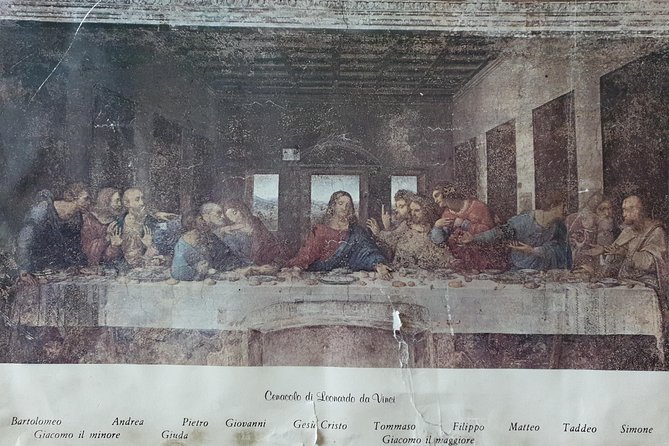
A common problem with themed history walks is that they become either too academic or too light. This experience appears to aim between the two.
You can expect substantial attention to Italian architects, painters, artists, and master builders. At the same time, the guide uses stories and trivia to keep the material moving. One description particularly praises the mix of facts and curiosities, while another points to the way history is paired with everyday life.
That balance makes the tour suitable for a broad range of interests. You do not need to be an art historian. You simply need to enjoy learning why a city looks and feels the way it does.
The subject also gives Mario room to make connections. Italian influence can be discussed through a building, a church, a person, a work of art, or a political relationship. This variety helps explain why the 2.5 hours can pass quickly.
Still, you should know what kind of experience you are choosing. This is not a museum tour with long time inside a single collection. It is not a general overview of every major attraction in Vienna. It is a focused walking experience built around a particular cultural link.
What $33.20 buys you
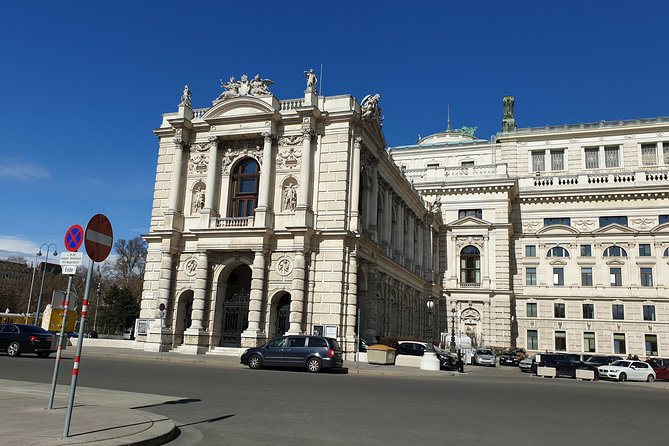
At $33.20 per person, the price is reasonable if you value a live guide and a fresh reading of central Vienna. The tour includes no listed admission fee for the two named stops, so most of what you are paying for is Mario’s time, research, route planning, and storytelling.
That is the right way to judge the cost. If you only want to walk from the Hofburg to St. Stephen’s Cathedral and take photos, you can do that without booking anything. If you want someone to explain the Italian fingerprints along the way, the fee pays for interpretation that you would not get from simply following a map.
The group maximum is 30 people. That is not a private tour, and you should not expect the close attention of a one-on-one guide. Still, a cap of 30 keeps the group from becoming unlimited in size and should make it easier to hear and follow the walk than on an unregulated public tour.
The tour has a 5 rating and is recommended by 100 percent of the listed participants, with 14 reviews shown in the summary. The most repeated strengths are Mario’s competence, humor, friendliness, and ability to make two and a half hours feel short. Those comments support the idea that the guiding is the main product here.
Weather, walking, and practical planning
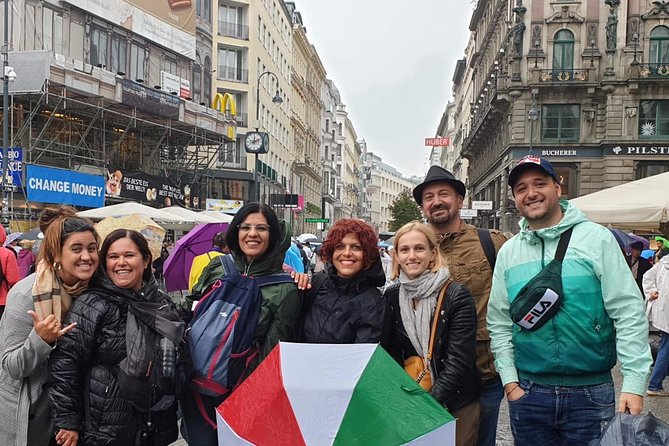
Good weather is required for the experience. If poor weather causes cancellation, you are offered another date or a full refund. That matters in Vienna, where a cold, wet walk through the center can quickly become tiring.
One person specifically found the tour interesting despite rain, wind, and storm conditions. I would treat that as encouragement about Mario’s delivery, not as a reason to ignore the weather policy. Dress for conditions, and remember that a successful guide cannot make standing outdoors comfortable for everyone.
The duration is approximately 2 hours and 30 minutes. That is long enough to settle into the subject, but you should avoid scheduling a museum reservation or meal immediately afterward. Central Vienna can be easy to reach, yet the tour may finish with questions or a slow group walk into Stephansplatz.
Most people can participate, and the meeting area is near public transportation. The supplied details do not give a specific accessibility assessment, route distance, number of stairs, or seating arrangements. If you have mobility concerns, ask the provider for the current route before booking.
The mobile ticket is convenient for a city day when you do not want to carry paper. You should also make sure your phone is charged, since the booking confirmation is digital.
Free cancellation is available up to 24 hours before the start time for a full refund. Cancellations or changes made within 24 hours are not accepted for a refund. The same 24-hour rule uses Vienna local time, so check the timing carefully if you are booking from abroad.
The activity also requires a minimum number of participants. If that minimum is not reached, the provider offers another date or experience, or a full refund.
Who will enjoy this walk most
I would recommend Italian Vienna to you if you enjoy art, architecture, cultural exchange, and the stories behind familiar places. It is especially useful if you have already seen the Hofburg or central Vienna and want more than the standard imperial narrative.
Italian visitors may find the subject especially appealing, but you do not need an Italian background. The point is to see how Vienna absorbed outside influences and made them part of its own identity.
This tour also suits you if you prefer a guide who tells stories rather than reading dates from a script. The feedback repeatedly highlights Mario’s charm, humor, expressive delivery, and patience with questions.
You may want to skip it if you dislike outdoor walking, want extensive indoor sightseeing, or need a highly detailed accessibility plan in advance. You may also prefer a broader general city tour if Italian connections are not a priority.
Should you book Italian Vienna?
Book it if you want to understand Vienna from a less familiar angle. The route begins at the Italian community’s church, touches the imperial Hofburg, and finishes at St. Stephen’s Cathedral, while Mario Casalone supplies the links between Italian culture and the Austrian capital.
The $33.20 price is fair for a focused 2.5-hour guided walk, especially when the guide’s storytelling is the reason you are booking. Just remember that this is an outdoor cultural tour, not a full palace admission experience, and confirm the language if you need a specific one.
If you enjoy leaving a famous city with a few new questions, this is a strong pick. You may walk through central Vienna again afterward and notice Italian names, designs, and connections that were invisible before.
FAQ
How much does Italian Vienna cost?
The tour costs $33.20 per person.
How long does the tour last?
The experience lasts approximately 2 hours and 30 minutes.
Where does the tour start?
It starts at Wiener Minoritenkirche, Minoritenplatz 2A, 1010 Vienna, Austria.
Where does the tour end?
The tour ends at Stephansplatz, the square in front of St. Stephen’s Cathedral.
Which places are included in the itinerary?
The named stops are Minoritenkirche and the Hofburg. Minoritenkirche is the church of Vienna’s Italian community, while the Hofburg is the former imperial palace of the Habsburg family.
Is admission included?
The listed admission for the Minoritenkirche and Hofburg stops is free. The information does not state that the tour includes entry to the Hofburg’s imperial apartments.
What is the group size?
The tour has a maximum of 30 participants.
Can I cancel for a refund?
You can cancel at least 24 hours before the experience starts for a full refund. Cancellations or changes made less than 24 hours before the start time are not refunded or accepted.
What happens if the weather is poor?
The experience requires good weather. If it is canceled because of poor weather, you are offered another date or a full refund.
Who guides the tour?
The guide is Mario Casalone, operating as MarioViennaGuide.
Just added in Vienna
- Vienna: Austrian Wine Tasting Experience★ 4.2 · 2 reviews
- World War II History Vienna Old Town Private Walking Tour★ 4.8 · 9 reviews
- Vienna_ Meet Beethoven Life Private Guided Walking Tour★ 5.0 · 1 review
- Vienna: Wine Tasting Tour★ 4.8 · 61 reviews
- Vienna: Wine Tasting E-Bike Tour★ 4.9 · 46 reviews
- Vienna: Wine Tasting at Schönbrunn Palace★ 4.3 · 71 reviews
- Vienna: Winery and Wine Tasting Tour with a Wine Expert★ 5.0 · 5 reviews
- Vienna: Concert by the Vienna Baroque Orchestra★ 4.6 · 56 reviews
Vienna Tours, compared.
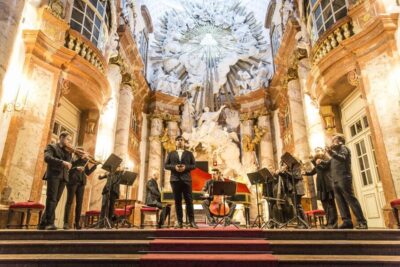
Vivaldi’s Four Seasons Concert in Karlskirche
Read our review →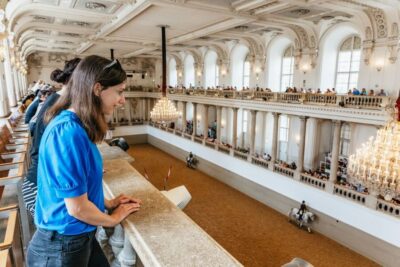
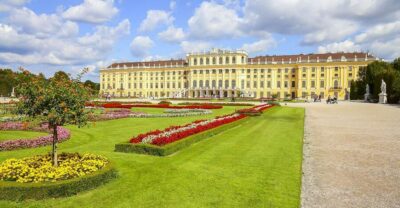
Schönbrunn Palace & Gardens Skip-the-Line Tour
Read our review →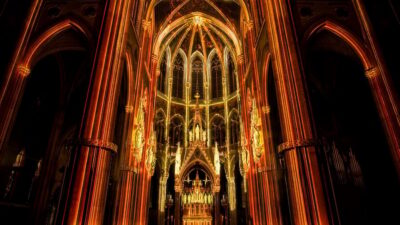
Light of Creation Votive Church Immersive Light Show
Read our review →
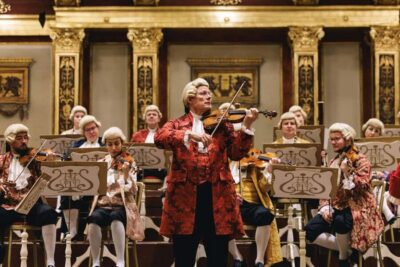
Classical Concert in the World-Famous Musikverein
Read our review →
Skip-the-Line Sisi Museum, Hofburg and Gardens Tour
Read our review →