Reviewed · VIENNA TOURS
Bruegel’s Masterworks at The Künsthistorischesmuseum in Vienna
Art rewards a patient guide. This private tour through Vienna’s Kunsthistorisches Museum focuses on Pieter Bruegel, whose paintings offer far more than attractive scenes of old Flemish life. I like the rare chance to see the world’s largest Bruegel collection in one place, and I like that Jan Kepinski combines art history with lively storytelling. The tour also suits both first-time museum visitors and serious Bruegel fans.
The main drawback is simple: museum admission is not included. The tour costs $325.68 per group of up to 10, then you add the museum ticket for each person. For a full group, that can be good value. For one or two people, the per-person price rises quickly.
In This Review
- Key points to know before booking
- Why Vienna is the right place for a Bruegel tour
- Entering the 19th-century imperial museum
- Pieter Bruegel’s paintings, seen as a group
- From Flemish painting to the wider museum collection
- Jan Kepinski’s storytelling style
- What two hours can and cannot cover
- Price, group size, and the extra museum ticket
- Who should book this experience
- Planning your Vienna museum day
- Is Bruegel’s Masterworks worth booking?
- FAQ
- Where does the Bruegel tour begin?
- Where does the tour end?
- How long does the tour last?
- Is museum admission included in the tour price?
- How much does the private tour cost?
- Who leads the tour?
- Is this a private tour?
- Is the experience suitable for most people?
- Can I cancel for a refund?
Key points to know before booking
- The world’s largest Bruegel collection: Vienna holds about one-third of all Pieter Bruegel paintings.
- A private experience for up to 10 people: Your group receives Jan Kepinski’s attention without strangers joining in.
- An art historian and licensed Austria Guide: Jan brings formal training, local guiding credentials, and a storyteller’s approach.
- A focused two-hour museum visit: The tour concentrates on the Flemish collection rather than trying to cover every gallery.
- Admission costs extra: The stated standard price was 18 EUR per person in 2022, so check the current rate before you go.
- Book early if your dates matter: This experience averages bookings about 159 days ahead.
Why Vienna is the right place for a Bruegel tour
Pieter Bruegel is closely tied to the visual world of 16th-century Flanders, but his paintings reward more than a quick look. His scenes invite you to think about ordinary people, social life, politics, and the way painters turned daily activity into serious art.
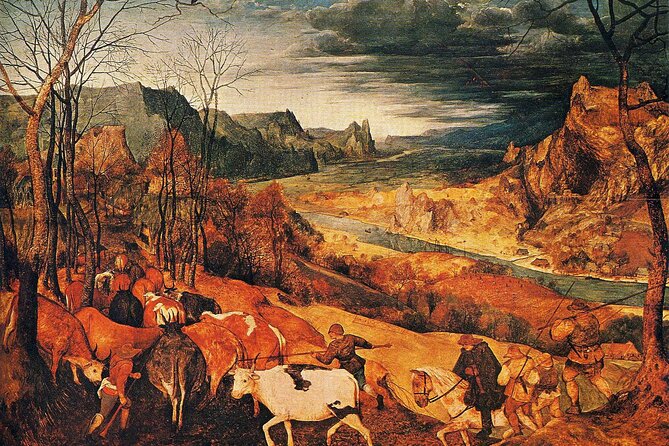
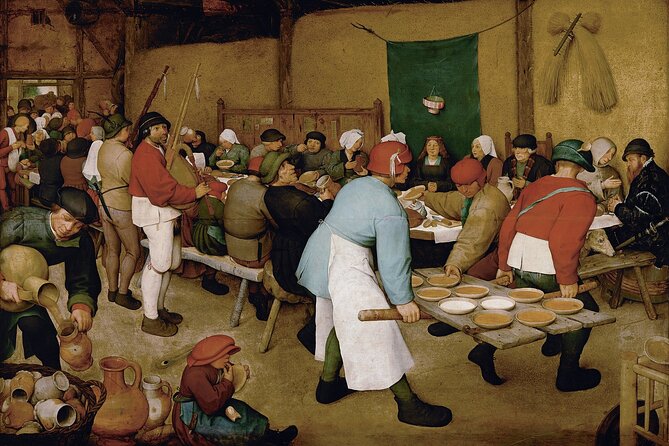
At the Kunsthistorisches Museum, you can see an unusually large group of his works together. The collection includes about one-third of all Bruegel paintings, giving you a rare chance to compare his ideas, methods, and subjects without moving between museums or countries.
That matters because a single Bruegel painting can be easy to admire and hard to fully understand. A guide can point out how the work fits into the Flemish Renaissance, explain the social and political setting, and show you how painting choices affect what you notice first.
I like this approach more than a quick march through famous names. The point is not simply to hear that Bruegel was important. You get a clearer sense of why his work changed the course of art history and why later artists such as Rembrandt, Rubens, and Vermeer matter within the same wider story.
A few more options to weigh up in Vienna
- Vienna: Vivaldi’s Four Seasons Concert in Karlskirche
★ 4.7 · 14,951 reviews - Vienna: Spanish Riding School Training
★ 3.9 · 9,281 reviews - Vienna: Schönbrunn Palace & Gardens Skip-the-Line Tour
★ 4.7 · 7,739 reviews
Entering the 19th-century imperial museum
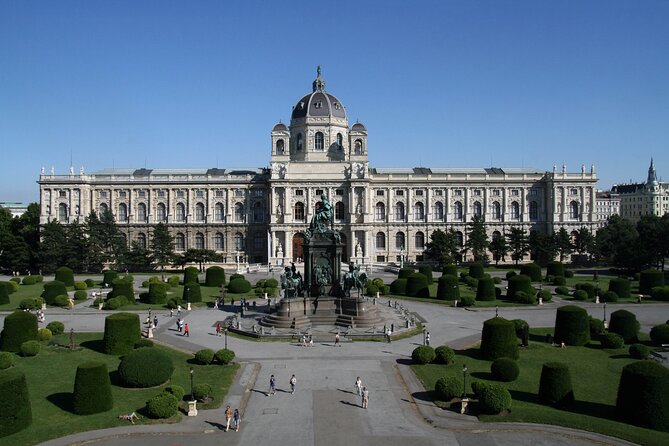
The meeting point is Maria-Theresien-Platz in Vienna’s 1010 district. The tour begins at the museum’s grand setting, a 19th-century neo-Renaissance Imperial building that was designed to house major works of art.
The building itself helps set the tone. You are not walking into a small specialist gallery. The Kunsthistorisches Museum has one of the world’s major collections of old masters, and the architecture reflects the imperial ambition behind it.
That grandeur can be thrilling, but it can also feel like a lot to take in. If you are new to European art, the museum’s scale and many collections may seem imposing. This is where a focused private tour earns its keep. Rather than deciding on your own which rooms matter, you begin with a clear subject and a guide who can place it in context.
The tour lasts about two hours. That is enough time to study Bruegel and the Flemish collection at a sensible pace, but not enough to see the entire museum in detail. You should think of this as a Bruegel-centered visit, not a complete Kunsthistorisches Museum tour.
Pieter Bruegel’s paintings, seen as a group
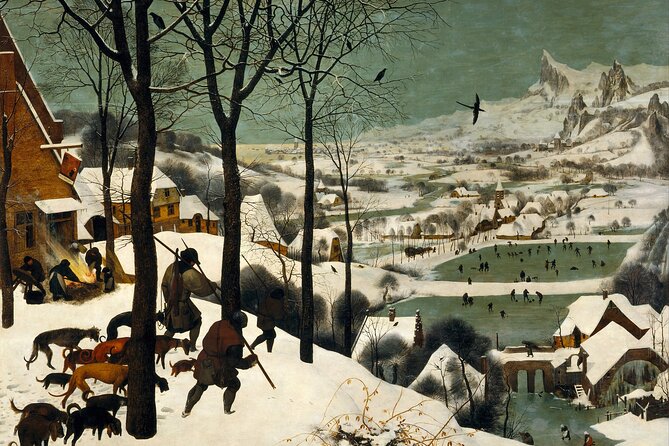
The museum’s Bruegel collection is the heart of the experience. Seeing so many works by the same painter allows you to notice recurring ideas and techniques that may be less clear when you see only one painting.
Jan Kepinski’s role is to connect the pictures. He is described as an art historian, a state-licensed Austria Guide, and a strong storyteller. Those qualifications are useful here because Bruegel’s work sits at the meeting point of visual detail, historical change, and human behavior.
You can expect discussion of the Flemish Renaissance and its social and political setting. You can also expect attention to painting techniques, not just subject matter. That balance is important. A guide who talks only about dates can make a museum visit feel like a lesson. A guide who talks only about stories may leave you unsure how the painting was made or why its structure matters.
The most useful experience should give you both. You learn what you are looking at, then why it was made in that way.
Bruegel’s work is especially well suited to storytelling because his scenes contain many points of attention. You may find yourself moving between broad composition and small human details. A guide can help you avoid spending the entire visit on whichever detail catches your eye first.
This makes the tour a good choice for newcomers. You do not need a background in art history to follow the discussion. At the same time, Bruegel enthusiasts can benefit from looking at a major group of works with someone who can place them in the history of Flemish painting.
From Flemish painting to the wider museum collection
Although Bruegel is the focus, the tour also introduces the Flemish collection more broadly. The museum’s holdings help explain the artistic world that produced later major names, including Rembrandt, Rubens, and Vermeer.
This wider context keeps the visit from becoming too narrow. You are not studying Bruegel in isolation. You are looking at how his work relates to a larger tradition of painting, patronage, technique, and changing ideas about what art could show.
The wording of the tour promises attention to the works that helped give rise to some of art history’s biggest names. That does not mean you will receive a full tour of every artist represented in the museum. The two-hour schedule makes that impossible. Instead, you should expect those names to support the central Bruegel story.
That focus is a strength. Large museums can tempt you into trying to see everything, which often means remembering little. A private tour gives you a reason to slow down and follow one subject through the collection.
A completely different kind of day:
- Vienna: Light of Creation Votive Church Immersive Light Show
★ 4.8 · 6,779 reviews - Vienna Spanish Riding School Guided Tour
★ 4.7 · 6,765 reviews - Vienna: Classical Concert in the World-Famous Musikverein
★ 4.6 · 6,673 reviews - Vienna: Skip-the-Line Sisi Museum, Hofburg and Gardens Tour
★ 4.8 · 5,918 reviews
Jan Kepinski’s storytelling style
The strongest praise for this experience centers on Jan Kepinski’s personal manner. He is described as personable, professional, and a fantastic storyteller. That combination matters because an art tour depends as much on communication as on formal qualifications.
A state license confirms that Jan is authorized to guide in Austria. His background as an art historian adds subject knowledge. The storytelling skill is what can turn that information into something you remember after leaving the museum.
I would choose this tour if you want conversation rather than a recorded audio guide. You can ask questions, adjust the discussion to your interests, and spend more time on a painting that catches your attention.
The private format also helps. Only your group participates, with a maximum of 10 people. A couple, family, or small group of friends can share the visit without being folded into a large crowd. A group of 10 gets especially good value from the flat group price, though the exact experience will still depend on your group’s interests and questions.
The available feedback is highly positive, with a top rating and particular praise for Jan’s professionalism and storytelling. Since the published response is limited to a single rating, I would treat that as encouraging rather than proof that every visitor will have the same experience. Still, it gives you a clear picture of what the tour aims to do well.
What two hours can and cannot cover
Two hours is a practical length for a museum tour. It is long enough to settle into the subject and short enough to fit into a busy day in Vienna.
You will have time to look closely at selected works, hear the Flemish Renaissance explained, and discuss Bruegel’s artistic contribution. You will not have time for an exhaustive survey of the entire Kunsthistorisches Museum.
That limit is worth keeping in mind when planning your day. If you also want to see the museum’s other major collections, allow extra time before or after the tour. The tour ends back at the Maria-Theresien-Platz meeting point, so you can continue your visit from there.
I would avoid booking this as your only museum time if you want a broad survey of the building. I would book it as a focused introduction or as the centerpiece of a longer museum visit.
The stated duration is approximately one to two hours, with the itinerary describing two hours. Plan for the full two hours so you are not rushed.
Price, group size, and the extra museum ticket
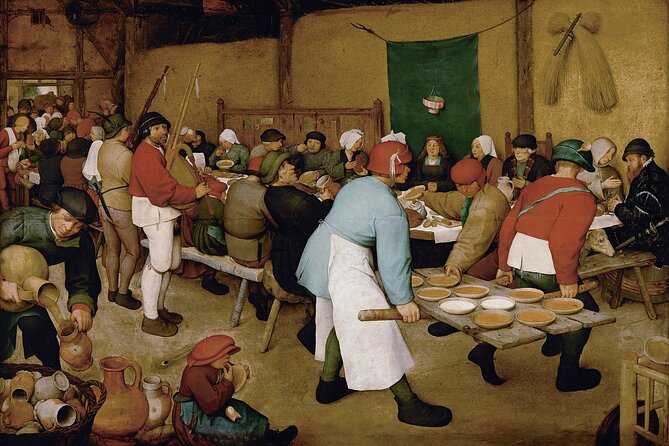
The price is $325.68 per group of up to 10 people. That pricing structure changes the value depending on your party size.
For 10 people, the guide fee works out to about $32.57 per person before museum admission. Add the stated standard museum entry of 18 EUR per person from 2022, and the total remains reasonable for a private, specialist tour.
For two people, the guide portion is about $162.84 each before admission. That is a much bigger commitment. You are paying for private access to a specialist guide, not simply for entry to the museum.
The museum ticket is not included, and the listed 18 EUR rate is specifically a 2022 standard price. Check the current admission cost when booking. This is an important practical point because the advertised tour price is not the complete cost of the outing.
The mobile ticket feature makes the booking side convenient, but it does not remove the need to arrange museum entry. Confirm how admission will work for your date so you do not arrive expecting the guide fee to cover the museum.
I see the best value for families, friends, or small groups who can divide the cost. Solo visitors and couples may still find the specialist guidance worthwhile, but they should compare the price with their interest in Bruegel and their overall Vienna budget.
Who should book this experience
I would recommend this tour most strongly to four types of visitors:
- You are new to art museums and want a clear starting point.
- You already enjoy Bruegel and want to see Vienna’s major collection.
- You prefer a private guide to a large group or audio tour.
- You want art explained through history, politics, technique, and storytelling.
Families and mixed-interest groups may also benefit. A good guide can give non-specialists a way into the paintings without expecting them to know art vocabulary beforehand.
The tour may be less suitable if you want a fast, independent museum visit or if your main aim is to see every collection in one sitting. It is also less attractive if you are not interested in Bruegel or Flemish art, since the whole experience is built around that subject.
The museum is near public transportation, and most people can participate. Service animals are allowed. The experience requires good weather, and if poor weather causes a cancellation, you are offered another date or a full refund.
Planning your Vienna museum day
The starting point at Maria-Theresien-Platz is central and easy to identify. Since the tour returns to the meeting point, you have a clear end to the scheduled activity rather than being sent across the city.
Because the tour is often booked about 159 days in advance, I would reserve early if you are visiting Vienna on fixed dates. That matters even more if you want a particular time or are traveling with a full group.
You receive confirmation within 48 hours of booking, subject to availability. This is another reason not to leave the reservation until the last minute.
The cancellation terms are friendly if your plans change early. You can cancel up to 24 hours before the start time for a full refund. Changes or cancellations made less than 24 hours before the start are not accepted, and the amount paid is not refunded.
Is Bruegel’s Masterworks worth booking?
I would book this tour if Bruegel interests you, if museum art feels hard to approach alone, or if you value a private guide who can tell a good story. The unusually large collection gives the visit a strong reason to happen in Vienna, and Jan Kepinski’s art history background and personal style add value beyond simply walking through the galleries.
Before booking, check the current museum admission fee and divide the group price by the number of people in your party. A full group receives the best value. A couple should book only if the specialist attention and Bruegel focus justify the higher per-person cost.
For a focused, thoughtful two-hour introduction to Flemish art, this is a promising choice. Just remember that it is a Bruegel tour inside a much larger museum, not a complete tour of every masterpiece in the building.
FAQ
Where does the Bruegel tour begin?
The tour begins at Maria-Theresien-Platz, 1010 Wien, Austria.
Where does the tour end?
The activity ends back at the meeting point at Maria-Theresien-Platz.
How long does the tour last?
The experience lasts approximately one to two hours. The planned itinerary describes a two-hour tour.
Is museum admission included in the tour price?
No. Admission to the Kunsthistorisches Museum is not included. The stated standard entry price was 18 EUR per person in 2022.
How much does the private tour cost?
The price is $325.68 per group of up to 10 people.
Who leads the tour?
The tour is led by Jan Kepinski, an art historian, state-licensed Austria Guide, and storyteller.
Is this a private tour?
Yes. Only your group participates, with a maximum group size of 10 people.
Is the experience suitable for most people?
Most travelers can participate, and service animals are allowed. The experience is near public transportation.
Can I cancel for a refund?
Yes. You can cancel at least 24 hours before the start time for a full refund. Cancellations or changes made less than 24 hours before the start are not accepted, and no refund is provided.
Just added in Vienna
- Vienna: Austrian Wine Tasting Experience★ 4.2 · 2 reviews
- World War II History Vienna Old Town Private Walking Tour★ 4.8 · 9 reviews
- Vienna_ Meet Beethoven Life Private Guided Walking Tour★ 5.0 · 1 review
- Vienna: Wine Tasting Tour★ 4.8 · 61 reviews
- Vienna: Wine Tasting E-Bike Tour★ 4.9 · 46 reviews
- Vienna: Wine Tasting at Schönbrunn Palace★ 4.3 · 71 reviews
- Vienna: Winery and Wine Tasting Tour with a Wine Expert★ 5.0 · 5 reviews
- Vienna: Concert by the Vienna Baroque Orchestra★ 4.6 · 56 reviews
Vienna Tours, compared.
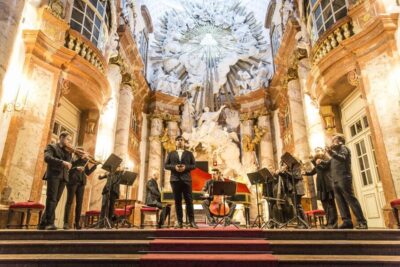
Vivaldi’s Four Seasons Concert in Karlskirche
Read our review →
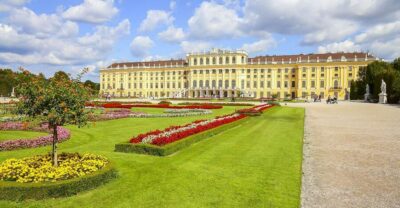
Schönbrunn Palace & Gardens Skip-the-Line Tour
Read our review →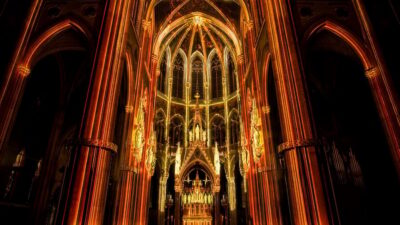
Light of Creation Votive Church Immersive Light Show
Read our review →
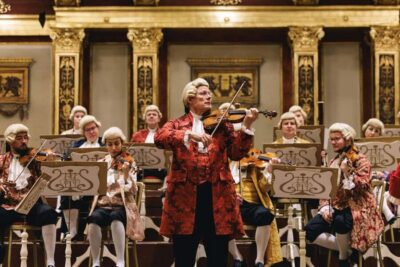
Classical Concert in the World-Famous Musikverein
Read our review →
Skip-the-Line Sisi Museum, Hofburg and Gardens Tour
Read our review →