
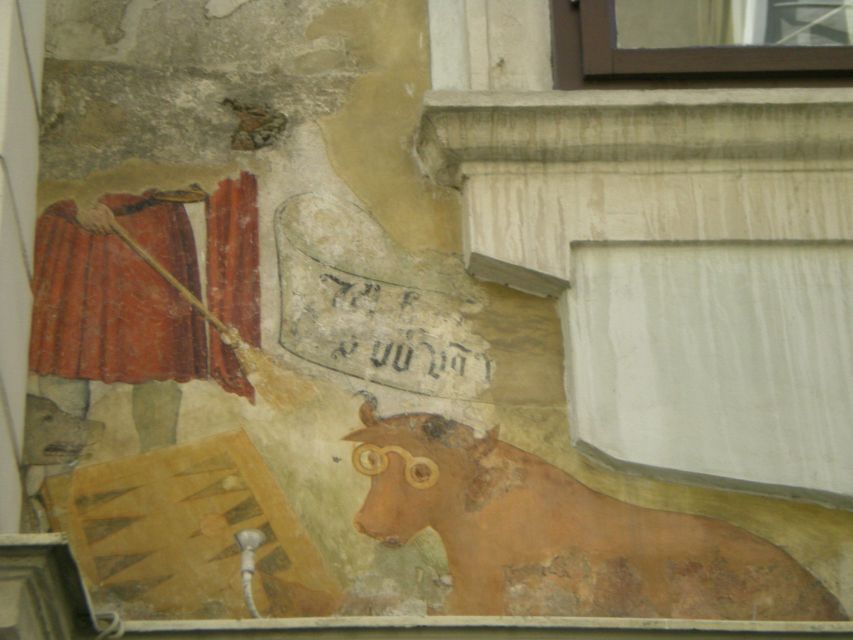
Reviewed · WINE TOURS
Vienna: Wine Tasting in a 600 year historical wine cellar
Old wine cellars make history taste better. This three-hour Vienna experience pairs five Austrian wines with stories about grapes, regions, and changing drinking habits, all inside a private medieval cellar in the city center. I like the small group limit of seven, and I like that bread, ham, cheese, and water accompany the tasting rather than leaving you to sip on an empty stomach.
The main consideration is language. The live tour is offered in German, so you should be comfortable following a detailed conversation in German. You should also note the mixed accessibility information: the activity is marked wheelchair accessible in one place, but it is also listed as unsuitable for wheelchair users and requires normal walking.
In This Review
- Key points at a glance
- Entering a private medieval cellar in central Vienna
- Five wines that introduce Austria by region
- Bread, ham, cheese, and water keep the tasting grounded
- The story behind Austria’s wine industry
- A small group makes the conversation personal
- What the three-hour itinerary feels like
- Is $116 a fair price?
- Who should book this experience?
- Practical details before you reserve
- Should you book the Vienna cellar wine tasting?
- FAQ
- How much does the wine tasting cost?
- How long does the experience last?
- How many wines are included?
- What food is provided?
- Where is the meeting point?
- What language is the tour offered in?
- How large is the group?
- Can children join the tour?
- Can I cancel for a refund?
Key points at a glance
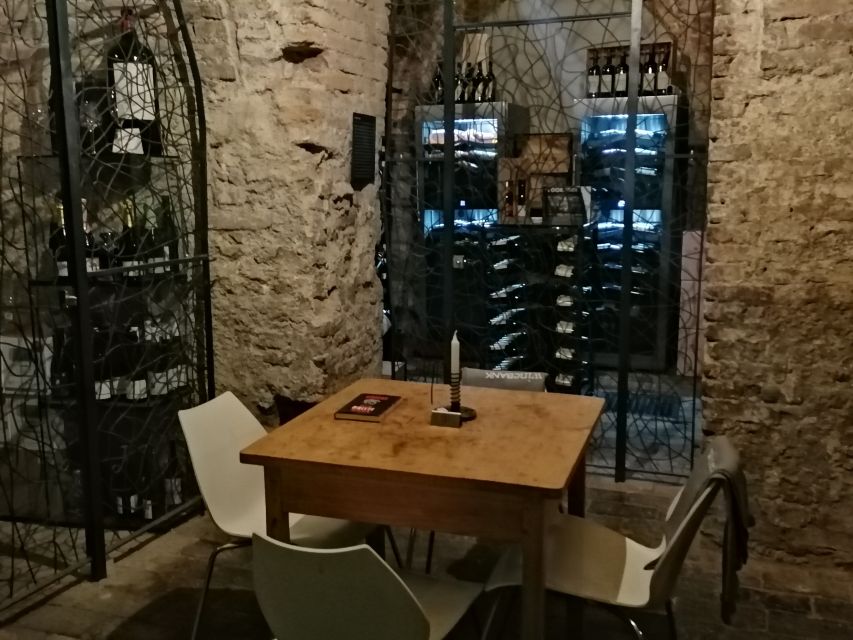
- A private 600-year-old cellar: You enter a renovated, non-public medieval wine cellar that few casual visitors to Vienna will see.
- Five Austrian wines: The tasting covers wines from Vienna and other Austrian regions, with attention to grapes, climates, and local styles.
- Small group setting: With no more than seven participants, the guide can keep the conversation personal and allow plenty of questions.
- More than a tasting: You learn how Austria’s wine industry developed and how wine-drinking habits have changed.
- Central location: The meeting area is in Vienna’s first district, close to St. Stephen’s Square and major old-town sights.
- A German-language experience: The tour is best for guests who can comfortably understand spoken German.
Entering a private medieval cellar in central Vienna
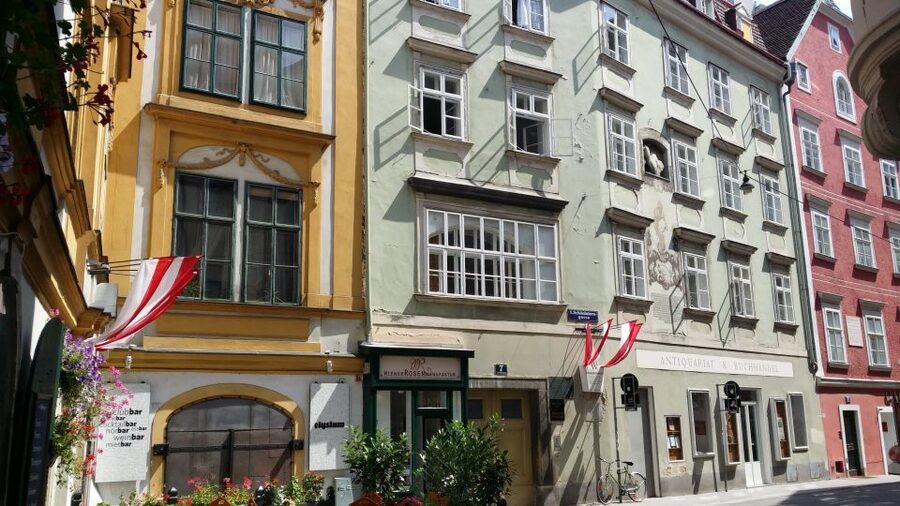
The cellar is the star of this experience. It is around 600 years old, renovated, privately owned, and not open as an ordinary public attraction. That gives the tasting a sense of place that a modern wine bar cannot copy.
You are not simply sitting down at a table with five glasses. The setting connects wine with Vienna’s older urban life, when storage cellars were practical parts of city buildings and wine was tied closely to daily habits. The age of the room gives the tasting some atmosphere without requiring you to spend half a day at a museum.
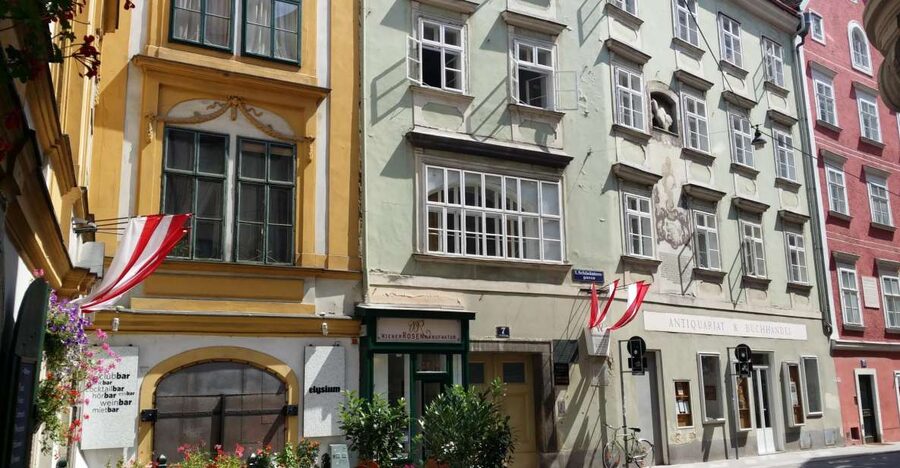
The cellar is in the city center, which makes it easy to add before or after sightseeing. The experience starts and ends near Franziskanerplatz, according to the tour details, while the meeting instructions direct you to the Anker Clock at Hoher Markt 10-11 in the Helvetia Building. Since both locations are listed, I would confirm the exact starting point when you book and check your message on the day.
The Anker Clock is an easy landmark in the old town. Franziskanerplatz is also close to the center, about a seven-minute walk from St. Stephen’s Square. Give yourself extra time to find the correct spot. Historic Vienna has plenty of beautiful streets, but they are not always kind to anyone rushing with a phone in hand.
More Food Tours in Vienna
- Vienna for Food Lovers: Cafés, Markets & Austrian Cuisine
★ 5.0 · 1,063 reviews - Wachau Valley Wine Tasting Bike Tour from Vienna
★ 5.0 · 829 reviews - Vienna: Gerstner KuK Hofzuckerbäcker Baking Show & Tasting
★ 4.8 · 823 reviews
Five wines that introduce Austria by region
The tasting includes five different wines representing Vienna and Austria. The purpose is not just to identify whether you like a particular bottle. You compare how climate, grape variety, and growing region shape what ends up in your glass.
Austria is a compact wine country, but its regions do not all produce the same style. Climate conditions vary, and the tour uses those differences to explain why one grape may taste or behave differently from another. You will also look at the variety of grapes grown across the country instead of treating Austrian wine as one single category.
That regional approach is useful if you are new to Austrian wine. A standard wine tasting can leave you with five pleasant impressions and no clear idea of what separates them. Here, the guide’s job is to give you a framework: note the grape, consider the region, and then connect the flavor to the conditions where the wine was produced.
Vienna itself has an important place in the discussion. The experience represents Vienna as well as Austria, so you get a sense of the city’s own wine identity alongside bottles from other regions. This matters because Vienna is not only an imperial capital filled with palaces and cafés. It also has a wine culture that deserves attention.
The five-wine format is a sensible length for a three-hour session. It gives you enough variety to compare wines, but it is not an exhausting parade of glasses. You should still pace yourself, use the water provided, and eat the accompaniments as you go.
Bread, ham, cheese, and water keep the tasting grounded
The tasting comes with water, bread, ham, and cheese. These are simple accompaniments, but they serve an important purpose. Food helps you taste more comfortably and gives you a chance to slow down between wines.
Do not confuse this with a full meal. The supplied information says food is not included, even though bread, ham, and cheese are provided during the tasting. The practical reading is that these tasting accompaniments are part of the session, while additional food or souvenirs are not covered.
I like this setup because it keeps the focus on wine without making the experience feel formal or fussy. You are given enough to make the tasting pleasant, but you are not paying for a large dinner disguised as a wine event.
If you need a substantial meal, eat beforehand or plan one afterward. The tour lasts three hours, and the listed snacks should be treated as light support for the tasting rather than a replacement for lunch or dinner.
The story behind Austria’s wine industry
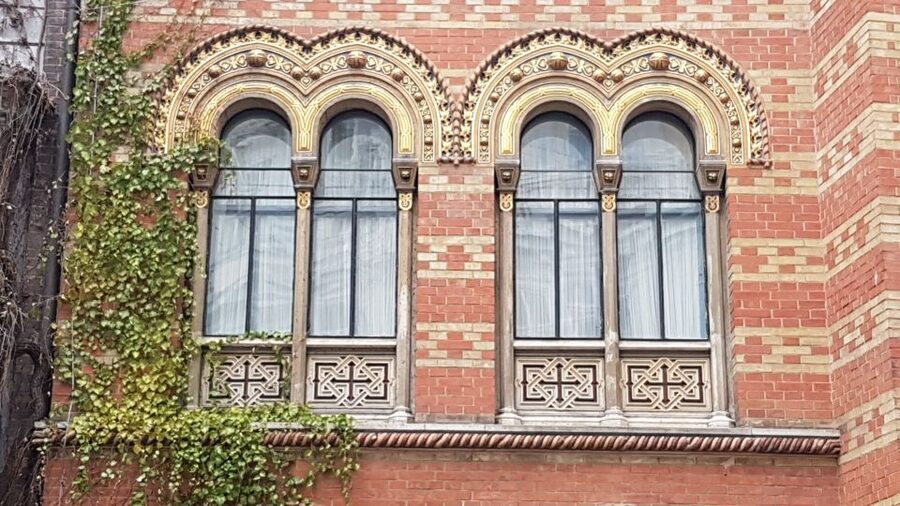
The guide covers more than grape names and tasting notes. You also learn about the development of Austria’s wine industry and changes in wine-drinking behavior.
That wider context gives the experience more value. Wine is not just an agricultural product. It reflects local economics, social habits, production methods, and the way people gather. Understanding how the industry developed helps you see why particular wines matter in Austria instead of viewing them as isolated bottles.
The discussion of drinking behavior is especially useful. It brings the subject into the present and shows that wine culture changes over time. You are not only hearing about old cellars and traditional production. You also get an update on how people drink wine now.
The quality of the conversation will depend partly on your German. The official language is German, and no English-language option is listed. If you speak German well, this may feel like a more natural local experience than a standard multilingual sightseeing tour. If you only know basic German, you may miss some of the industry and history details that make the tour worthwhile.
More Wine Tours in Vienna:
- Vienna: Swarovski House Tour with Champagne and Gift
★ 4.7 · 787 reviews - Countryside Half Day Wine Tour near Vienna
★ 5.0 · 545 reviews - Wachau Valley Small-Group Tour and Wine Tasting from Vienna
★ 5.0 · 540 reviews - From Vienna: Half-day Countryside Wine Tour with Meal
★ 4.7 · 526 reviews
A small group makes the conversation personal
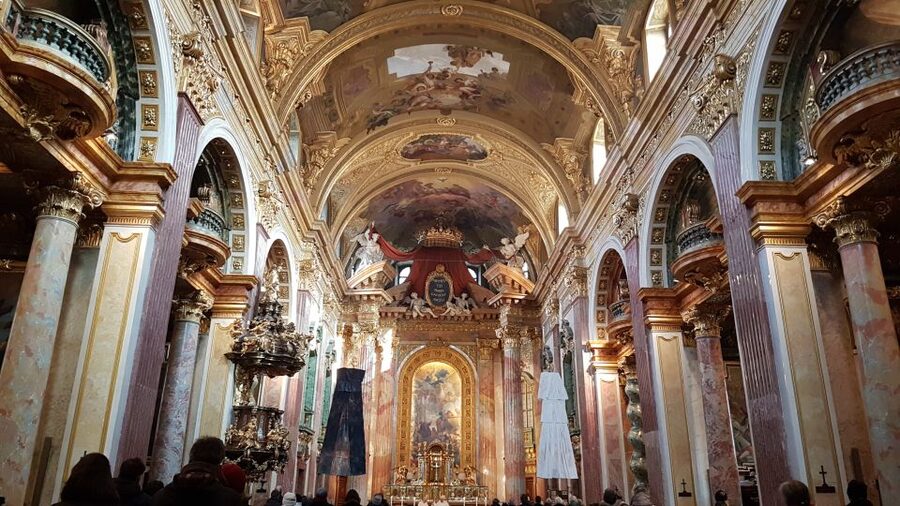
The group is limited to seven people. That is one of the strongest practical features of the experience.
A small group gives you room to ask about a particular grape, region, or wine style without shouting across a crowded tasting room. It also makes the private cellar feel more private. You are less likely to become one anonymous person in a large line of tasters.
The tour can be private or shared. If you are booking for a couple or a small party, ask how the group arrangement will work for your date. A shared group can be a pleasant way to meet other wine enthusiasts, while a private booking gives your own party more control over the conversation.
A guide named Wolfgang received especially warm praise for creating an enjoyable evening that combined Vienna’s history, current affairs, photo opportunities, and wine. That description suggests the experience can go beyond a technical tasting when the right guide is leading it. Wolfgang was also praised for making conversation memorable, so guests who enjoy discussion should appreciate that style.
Still, the German-only format remains important. A small group helps only if you can follow the guide’s explanations.
What the three-hour itinerary feels like
The experience begins at the designated central meeting point. From there, you proceed to the private cellar for the tasting and discussion. The exact route between the meeting point and cellar is not detailed, so you should rely on the guide for directions rather than assume the cellar entrance will be obvious.
Once inside, the session centers on the five wines. You move through the selection while discussing Austrian grapes, climates, and regions. Water, bread, ham, and cheese are available as part of the tasting.
The historical and industry discussion runs alongside the wine presentation. You learn about the cellar itself, the development of Austrian wine production, and modern drinking habits. The tour then finishes back at the stated city-center endpoint.
At three hours, this is not a quick stop between attractions. It is an evening-style activity, even if your start time is earlier in the day. Make room for it in your schedule instead of trying to squeeze it between a palace visit and a timed museum admission.
The tour includes a licensed Austrian guide. That matters because the best part of this experience is interpretation, not simply access to a room. You are paying for someone to connect the cellar, wines, regions, and social history in a way that a printed tasting card cannot.
Is $116 a fair price?
At $116 per person, this is not a bargain wine tasting. You should judge the price against what is included: three hours, five wines, a licensed Austrian guide, access to a private 600-year-old cellar, and a small group capped at seven people.
The price makes more sense if you value the setting and the guided discussion. A casual bar tasting may cost less, but it will not necessarily give you access to a medieval non-public cellar or a structured explanation of Austria’s wine regions and industry.
The price is less attractive if you mainly want a large number of pours or a full meal. Only five wines are included, and the food is limited to bread, ham, and cheese. This is a history-and-wine experience, not a lavish dinner or a vineyard excursion.
I would see it as a special-interest activity for people who enjoy place-based experiences. You pay for access, context, and a personal group size. If that combination interests you, the cost is defensible. If your main goal is simply to drink Austrian wine cheaply, spend your money at a local wine tavern instead.
Who should book this experience?
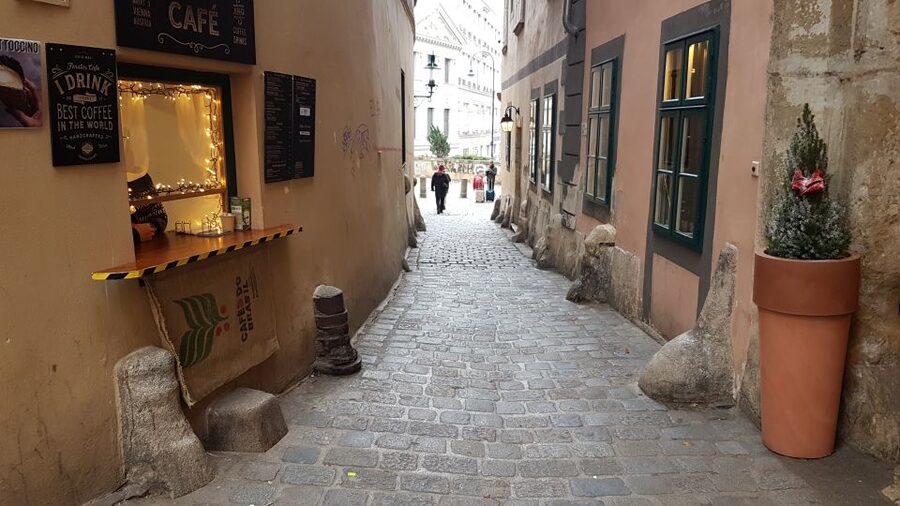
I would recommend this tour to adults who enjoy wine but do not need an advanced tasting course. You can arrive with little Austrian wine knowledge and still gain a useful guide to grapes, regions, and climate.
It also suits history-minded visitors who have already seen Vienna’s grand public sights and want something less polished and more tucked into the city’s older fabric. The cellar gives you a different angle on Vienna, one tied to storage, production, and everyday drinking rather than imperial ceremony.
Couples and small groups are a natural fit, especially if you enjoy long conversation. The experience also works for solo visitors who like a small group and do not mind sharing a table with other participants.
I would not choose it for children, since participants must be at least 18. I would also avoid booking it if you cannot comfortably walk normally or if you need confirmed wheelchair access. The accessibility details conflict, so contact the provider before paying if this is important for you.
German speakers will get the most from the tour. If you need English, this is not the safe choice unless the provider confirms another language for your date.
Practical details before you reserve
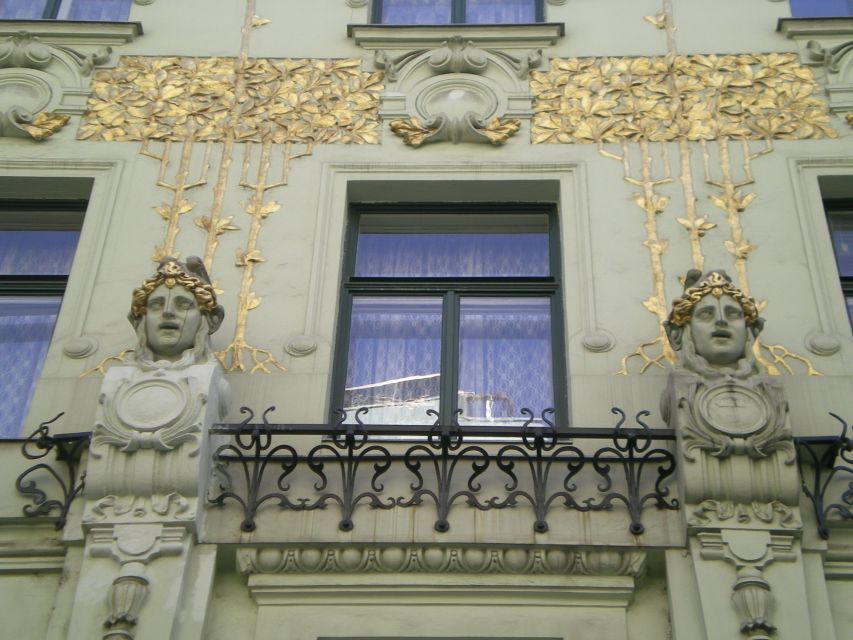
The tour lasts three hours, and starting times vary. Check availability carefully and leave space around it in your day.
The listed meeting point is the Anker Clock at Hoher Markt 10-11, in the Helvetia Building. Another part of the information says the tour starts and ends at the Moses Fountain on Franziskanerplatz. Confirm which location applies to your booking, since arriving at the wrong landmark could cause unnecessary stress.
You can cancel up to 24 hours before the activity for a full refund. A reserve-now, pay-later option is also available, which helps if your Vienna schedule is still changing.
Pets are not allowed. Participants should be able to walk normally, and the experience is for adults aged 18 and older.
Should you book the Vienna cellar wine tasting?
Book it if you want a small, thoughtful Austrian wine experience in an unusual historic setting, and especially if you understand German. The private cellar, five-region tasting, licensed guide, and seven-person limit give it more character than a basic wine bar stop.
Skip it if you want an English-language tour, a full meal, a vineyard visit outside the city, or a large selection of wines. For the right guest, the strongest appeal is the combination of Wolfgang-style conversation, Vienna history, current wine culture, and a cellar you cannot simply wander into on your own.
FAQ
How much does the wine tasting cost?
The listed price is $116 per person.
How long does the experience last?
The tasting and guided experience lasts three hours.
How many wines are included?
You taste five different wines representing Vienna and Austria.
What food is provided?
Water, bread, ham, and cheese accompany the wine tasting. Additional food and souvenirs are not included.
Where is the meeting point?
The meeting instructions list the Anker Clock at Hoher Markt 10-11, in the Helvetia Building, 1010 Vienna. Another description names the Moses Fountain at Franziskanerplatz as the start and end point, so confirm the exact location for your booking.
What language is the tour offered in?
The live tour guide language is German.
How large is the group?
The experience is limited to seven participants. It may be arranged as a private or shared wine tasting.
Can children join the tour?
No. The experience is not suitable for children under 18.
Can I cancel for a refund?
Yes. You can cancel up to 24 hours in advance for a full refund. A reserve-now, pay-later option is also available.
More History Tours in Vienna
- Vienna: Time Travel and Magic Vienna History Tour
★ 4.6 · 3,879 reviews - Vienna: World War II Historical Walking Tour
★ 4.8 · 1,772 reviews - Vienna Historic Center Small Group Walking Tour
★ 5.0 · 1,746 reviews - Time Travel-Magic Vienna History Tour Ticket
★ 4.5 · 1,099 reviews
Just added in Vienna
- Vienna: Austrian Wine Tasting Experience★ 4.2 · 2 reviews
- World War II History Vienna Old Town Private Walking Tour★ 4.8 · 9 reviews
- Vienna_ Meet Beethoven Life Private Guided Walking Tour★ 5.0 · 1 review
- Vienna: Wine Tasting Tour★ 4.8 · 61 reviews
- Vienna: Wine Tasting E-Bike Tour★ 4.9 · 46 reviews
- Vienna: Wine Tasting at Schönbrunn Palace★ 4.3 · 71 reviews
- Vienna: Winery and Wine Tasting Tour with a Wine Expert★ 5.0 · 5 reviews
- Vienna: Concert by the Vienna Baroque Orchestra★ 4.6 · 56 reviews
Wine Tours, compared.
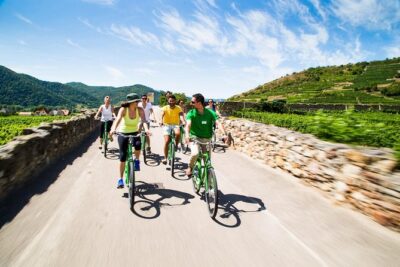
Wachau Valley Wine Tasting Bike Tour from Vienna
Read our review →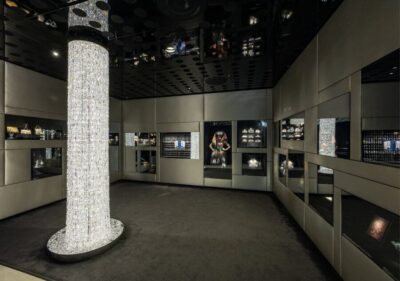
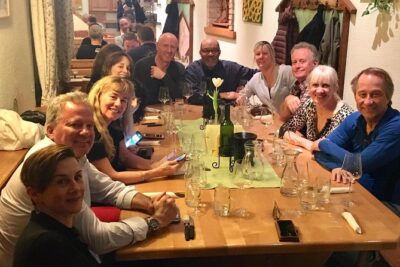
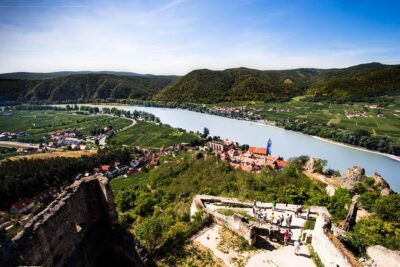
Wachau Valley Small-Group Tour and Wine Tasting from Vienna
Read our review →
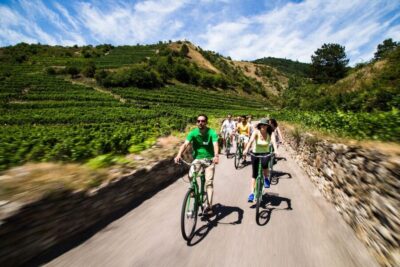
Grape Grazing: Wachau Valley Winery Biking Tour
Read our review →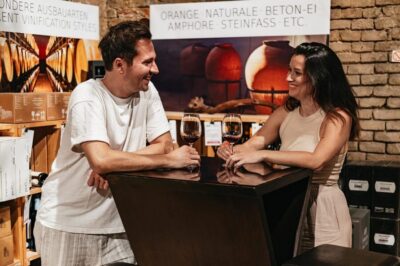
Wine Tasting Experience in a Private Wine Cellar
Read our review →
Browse the lists this tour appears in