
Reviewed · HOFBURG PALACE TOURS
Vienna: Imperial Treasury in the Hofburg Palace
Royal treasure has a strange power. In Vienna’s Hofburg Palace, you can see the actual crowns, jewels, robes, and sacred objects once used by emperors and empresses. I especially like the collection’s extraordinary crown jewels, including the Austrian Imperial Crown and the crown of the Holy Roman Empire. I also like that the treasury is compact enough to visit in about an hour, though the displays contain enough detail to keep you there for much longer.
The Imperial Treasury occupies the Swiss Wing, the oldest part of the Hofburg. It is a self-guided museum visit rather than a full tour, so you should not expect a guide to lead you from room to room. The standard ticket costs $18, which feels reasonable if you care about royal history, religious art, or unusual objects, but less appealing if you want a broad introduction to Vienna.
- The Austrian Imperial Crown is the collection’s great showpiece, with its distinctive high arch and imperial symbolism.
- The Holy Roman Empire regalia connects Vienna to centuries of European political power.
- Rare stones include one of the world’s largest emeralds and a remarkably large agate bowl.
- Habsburg women’s jewelry includes pieces linked to Empress Elisabeth, better known as Sisi.
- Legendary relics include the Holy Lance, a supposed unicorn horn, and the bowl traditionally associated with the Holy Grail.
- Plan for one to two hours, depending on how closely you read the labels or use an audio guide.
In This Review
- Entering the Swiss Wing of the Hofburg
- The Austrian Imperial Crown and the Holy Roman Empire
- Emeralds, Agate, and Objects That Sound Like Legends
- Burgundy, the Golden Fleece, and the Habsburg Family
- Jewelry Connected With Empress Elisabeth
- How Long Should You Spend Inside?
- Self-Guided Visit or Personal Guide?
- Is the $18 Ticket Good Value?
- Who Will Enjoy This Treasury Most?
- Practical Tips Before You Go
- Should You Book the Imperial Treasury?
- FAQ
- Where is the Imperial Treasury located?
- What does the $18 ticket include?
- How long is the visit?
- Are children admitted for free?
- Is the Imperial Treasury wheelchair accessible?
- Do I need a printed voucher?
Entering the Swiss Wing of the Hofburg
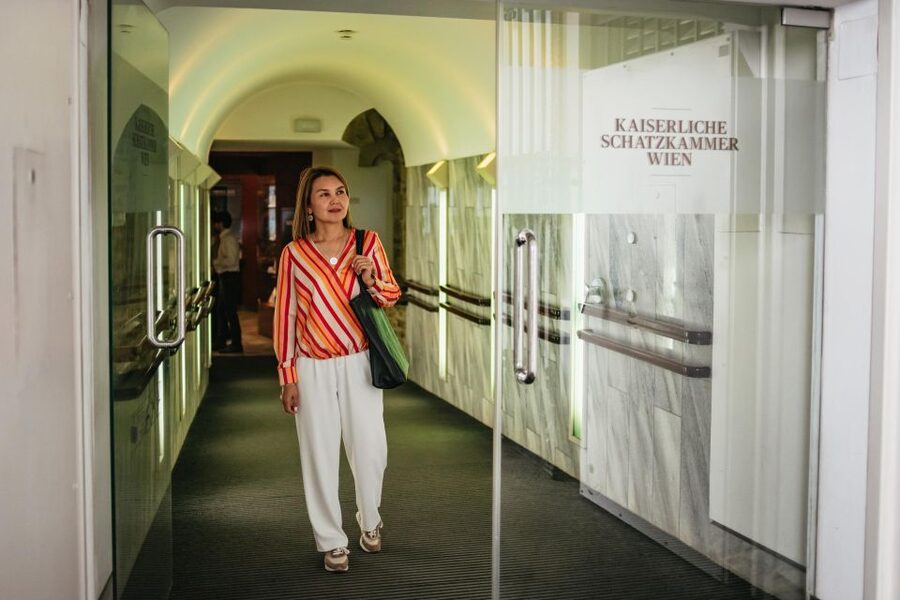
The meeting point is the Swiss Wing of Vienna’s Hofburg Palace. This is not a modern museum building tucked away on a side street. You enter one of the oldest sections of the palace complex, which gives the visit a fitting setting before you even reach the first display case.
The Hofburg can feel confusing at first. There are many courtyards, wings, entrances, and separate attractions within the palace complex. Signs are not always as clear as you might hope, so allow extra time to find the Swiss Wing rather than arriving at the last minute.
Your admission is for the Imperial Treasury itself. It does not automatically include a guided tour or audio guide. That distinction matters because the objects can be difficult to understand from appearance alone. A crown may look beautiful, but its real interest lies in who wore it, which ceremony it served, and how it survived centuries of political change.
The museum is wheelchair accessible. Children and young people under 19 generally receive free admission, which makes this a more attractive stop for families. School groups under 19 must be registered through the museum’s booking department.
The Austrian Imperial Crown and the Holy Roman Empire
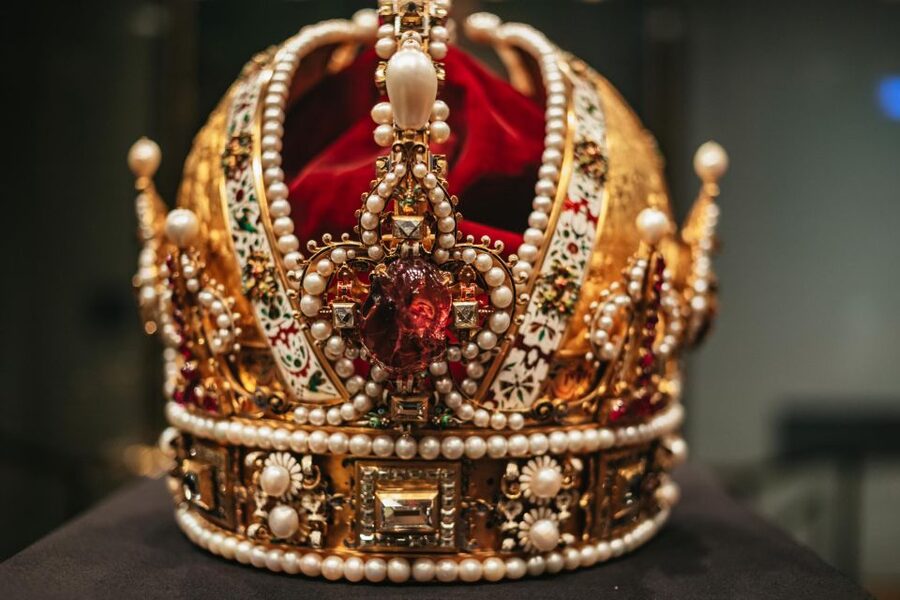
The Austrian Imperial Crown is the object most people expect to see, and it earns that attention. Its shape is unlike the simple circlets you may picture from storybooks. The crown has a tall central arch, a cross, colored stones, and a formal structure designed to project authority rather than merely decoration.
You can take time to look at the materials and workmanship, but try to read the crown as political theater too. Every jewel, symbol, and raised surface helped communicate the ruler’s position. The Habsburgs did not keep these objects as private ornaments. They were tools of ceremony, legitimacy, and public power.
The Holy Roman Empire regalia adds another layer. These objects belonged to an older imperial tradition that reached far beyond Austria. Seeing the crown and related regalia together helps explain why the Habsburg rulers placed such importance on inherited symbols. Their authority depended partly on controlling a visual language that people across Europe understood.
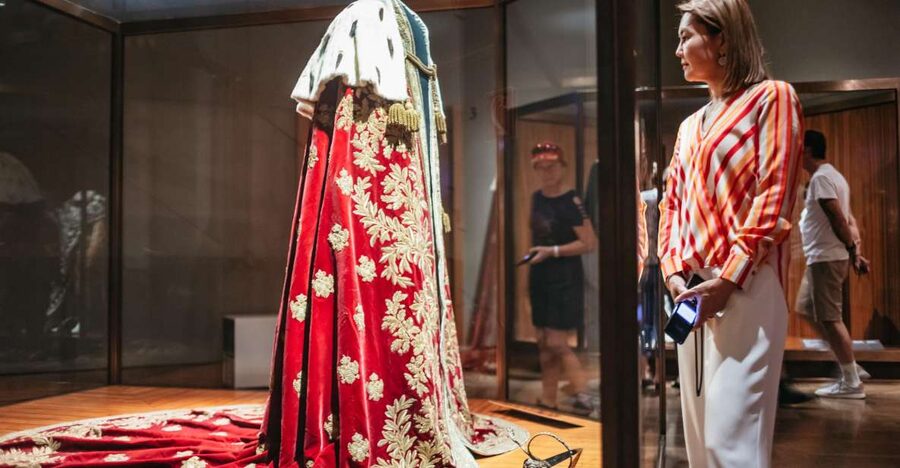
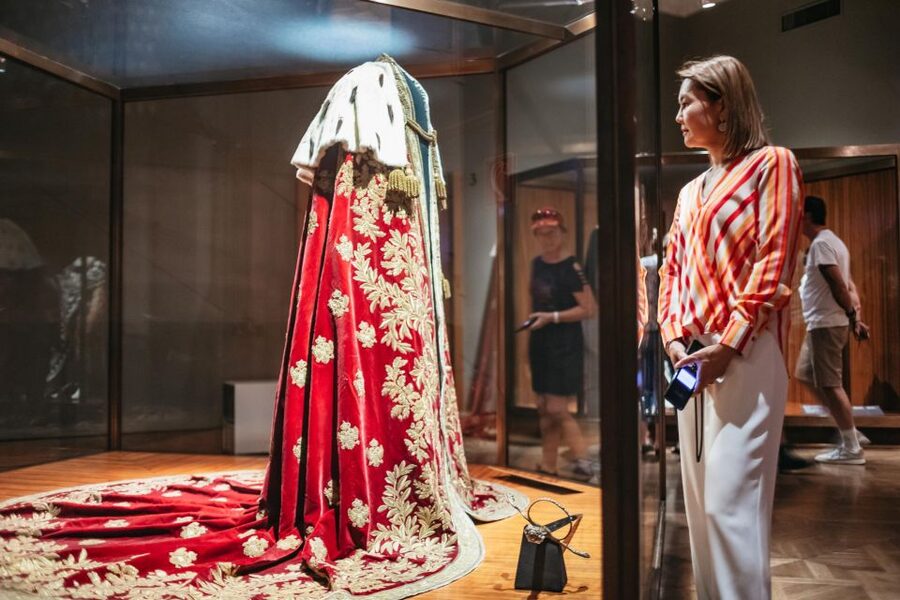
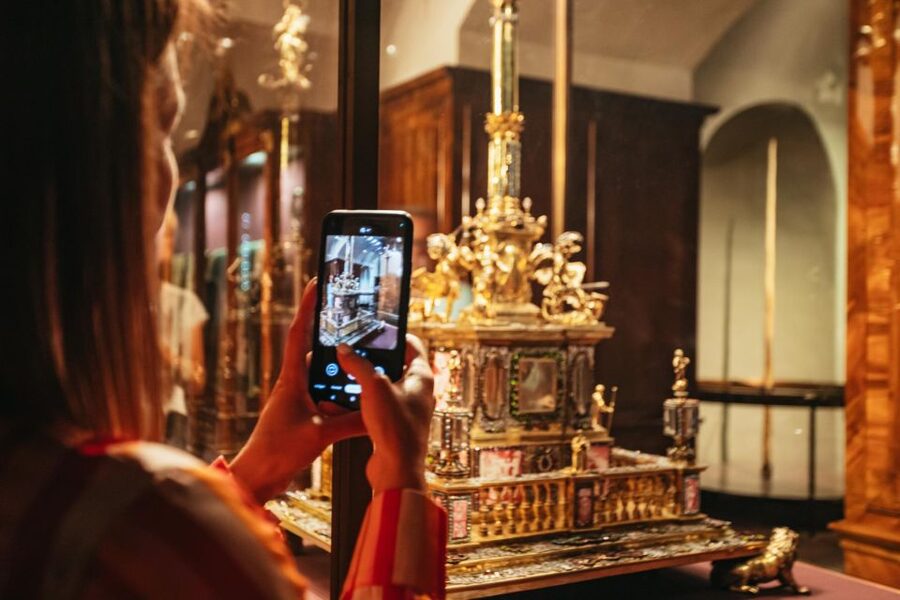
The display also includes royal robes, ceremonial objects, and pieces linked to the Order of the Golden Fleece. The robes are easy to overlook beside glittering crowns, but I would not rush past them. One visitor found the tabards and chamberlains’ keys especially interesting, and they offer a more practical glimpse of palace life. Power was not only worn on the head. It was managed through offices, ranks, uniforms, and ritual.
More Hofburg Palace tours:
- Vienna: Skip-the-Line Sisi Museum, Hofburg and Gardens Tour
★ 4.8 · 5,918 reviews - Vienna: Hofburg and Empress Sisi Museum Guided Tour
★ 4.7 · 1,460 reviews - Vienna: Skip-the-Line Hofburg and Empress Sisi Museum Tour
★ 4.8 · 801 reviews
Emeralds, Agate, and Objects That Sound Like Legends
The treasury is not limited to crowns and necklaces. Some of its most memorable objects are large stones and strange relics with stories that sit somewhere between faith, folklore, and royal collecting.
One important highlight is a very large emerald, described as one of the largest in the world. Its scale is difficult to imagine from a photograph. The point is not simply that it is valuable. A stone of this size turns geology into spectacle, and it shows how rulers collected natural wonders as proof of the world’s abundance and their ability to possess it.
Another unusual object is the huge agate bowl traditionally known as the Holy Grail. The name invites a dramatic reaction, but the museum gives you a chance to consider how legends form around objects. The bowl’s importance comes from both its material qualities and the stories attached to it.
You can also see the Holy Lance, associated with the 8th century, and a horn identified in the collection as a unicorn horn. The latter is a useful reminder that royal collections once brought together religious relics, natural specimens, mythical objects, and political treasures without the strict categories used by modern museums.
These pieces are valuable for people who enjoy questions as much as answers. You are not simply looking at a famous object. You are looking at what earlier generations believed, collected, protected, and displayed.
Burgundy, the Golden Fleece, and the Habsburg Family
The treasury reaches beyond Austria. The collections connected with 15th-century Burgundy show how dynastic wealth moved through marriage, inheritance, and political alliance. The Habsburg story was built not only through battles but also through family connections and the careful preservation of ceremonial possessions.
The Order of the Golden Fleece is one of the strongest examples. Its treasures combine religious imagery, aristocratic identity, and political status. If you enjoy heraldry, textiles, or the symbolism of court life, give this section more time than a quick glance.
The museum also displays the cradle of Napoleon II, sometimes called the King of Rome. This object shifts the mood. After the heavy grandeur of imperial crowns and church treasures, a child’s cradle brings dynastic ambition down to a human scale. Royal families planned the future through marriages and heirs, yet the objects also reveal how much ceremony surrounded ordinary stages of life.
The collection is large enough to reward patience but not so large that you must spend half a day inside. Some people move through in about an hour. If you read every label and use the available audio material, you could easily spend an hour and a half or several hours.
Jewelry Connected With Empress Elisabeth
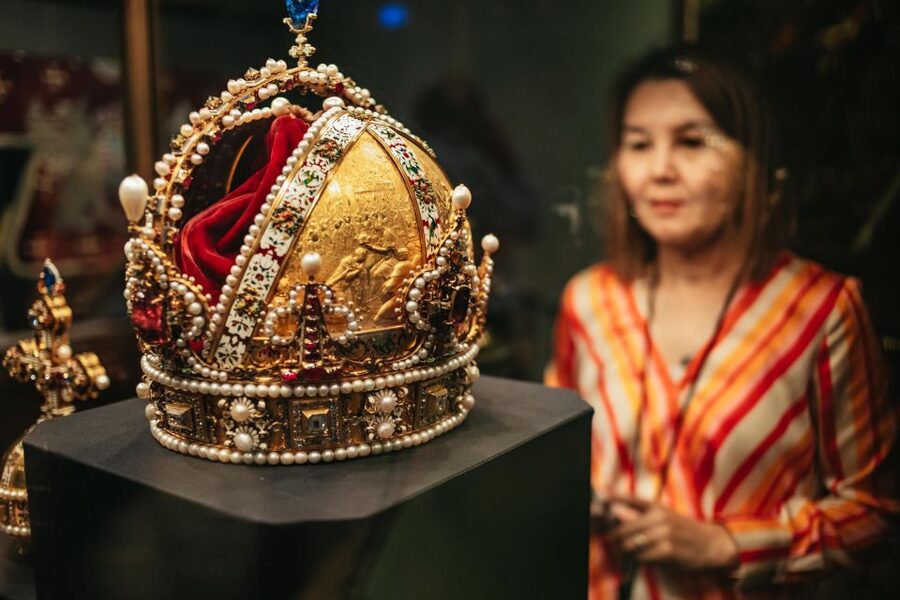
The Habsburg women’s jewelry gives the treasury a more personal angle. Empress Elisabeth, known as Sisi, remains one of Vienna’s most famous royal figures, and parts of her original jewelry appear in the collection.
These pieces help balance the formal imperial regalia. Crowns tell you how rulers wanted to be seen in public. Personal jewelry offers a closer look at taste, fashion, and the private image of a royal woman. The displays also include jewelry associated with Habsburg empresses and princesses, so you can compare pieces across generations.
If you have already visited other Hofburg sights connected with Sisi, this section adds useful context. If you know little about her, the jewelry still works on a simple level: it is finely made, visually attractive, and tied to a recognizable historical figure.
The lighting has drawn criticism from some people, who found certain objects hard to see clearly. This is worth keeping in mind if you have difficulty with dim displays. The objects are protected and arranged for museum viewing, not bright retail-style sparkle.
A few more options to weigh up in Vienna
- Vienna: Vivaldi’s Four Seasons Concert in Karlskirche
★ 4.7 · 14,951 reviews - Vienna: Spanish Riding School Training
★ 3.9 · 9,281 reviews - Vienna: Schönbrunn Palace & Gardens Skip-the-Line Tour
★ 4.7 · 7,739 reviews - Vienna: Light of Creation Votive Church Immersive Light Show
★ 4.8 · 6,779 reviews
How Long Should You Spend Inside?
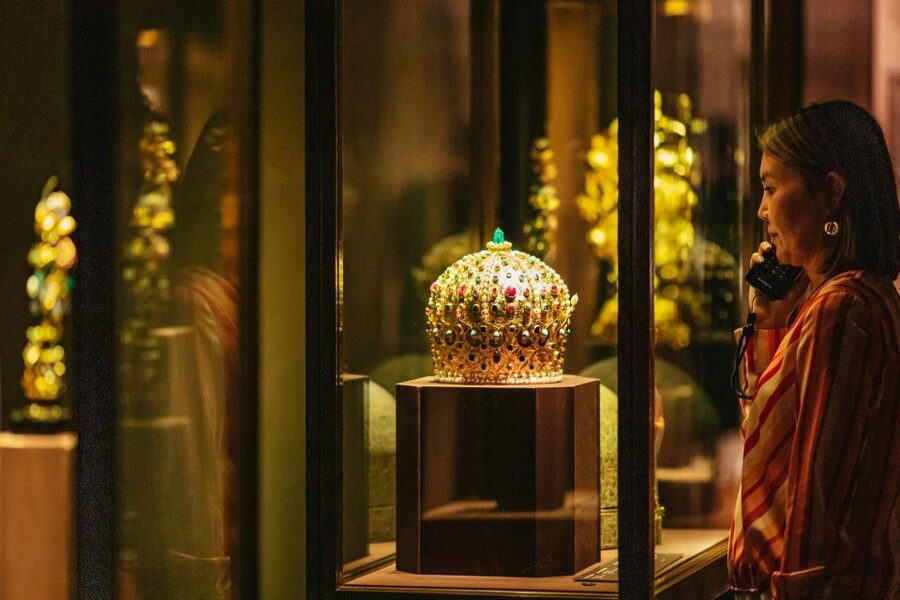
The Imperial Treasury is often described as a one-hour stop, and that is a realistic minimum. You can see the principal crowns, scan the religious objects, and walk through the rooms in roughly that time.
I would allow 90 minutes for a more satisfying visit. That gives you time to examine the imperial regalia, read the descriptions, pause at the unusual relics, and spend a few minutes with the jewelry.
If you are using an audio guide, your visit may become much longer. Audio information can explain the political and religious background that is not obvious from the cases, but it also slows your pace. One practical approach is to listen fully to the most important objects and move more quickly through familiar material.
The layout is generally manageable, though it may not feel perfectly obvious at first. Take a moment to get your bearings instead of assuming every room follows a simple straight line. If you need a break, staff have allowed people to leave and return later with ease, although you should confirm the current procedure when you enter.
Self-Guided Visit or Personal Guide?
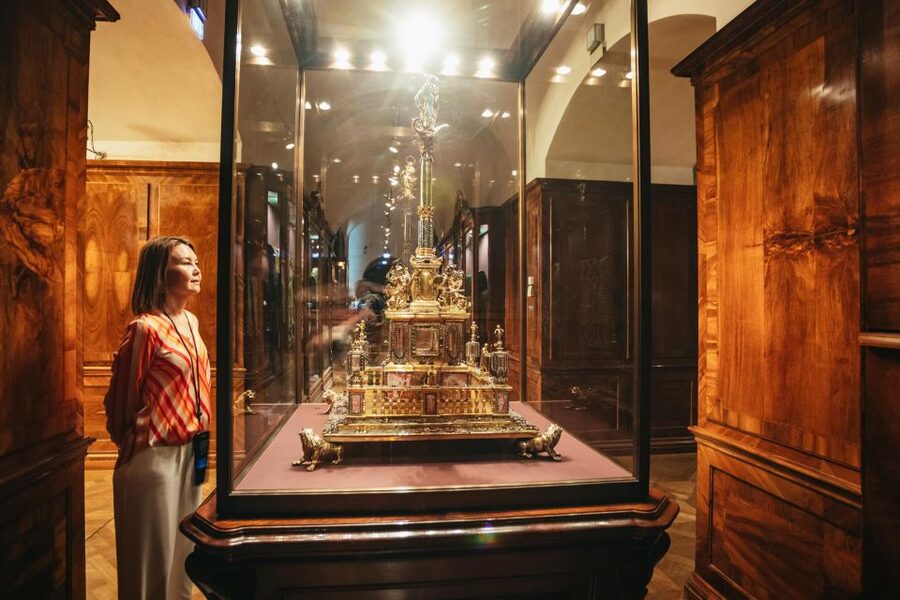
The admission ticket covers entry only. A guided tour is not included, and you may come with your own guide. That makes this experience best suited to people who like setting their own pace.
A guide can make a major difference because the objects carry layers of meaning that are not always clear from the display labels. Past guided visits with Petee and Alex were praised for clear explanations of the Habsburgs, Franz Joseph, and Sisi. If you are arranging a private guide or visiting as part of a larger cultural program, a strong guide can turn the treasury from a collection of beautiful things into a coherent story.
The audio guide is another useful option, but the information supplied for this admission lists it as not included. Some recent visits have included access to audio equipment or described an audio guide as available at no extra charge, so confirm the current arrangement at the entrance. Do not assume it is part of the $18 ticket.
Without additional explanation, you may enjoy the sparkle but miss the reason certain objects matter. The collection is well documented overall, yet some people have found that the narrative could be stronger. I would choose the guide or audio option if you have limited knowledge of European imperial history.
Is the $18 Ticket Good Value?
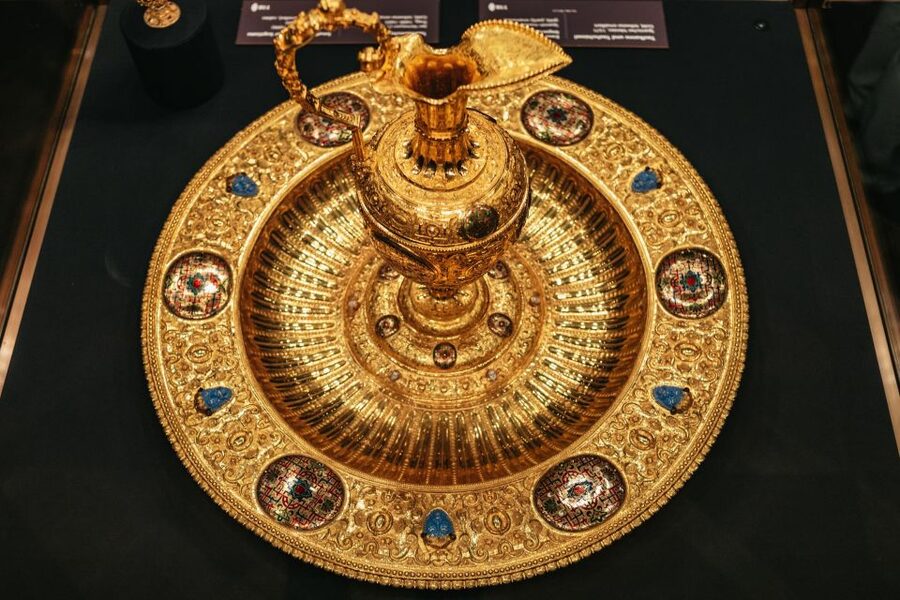
At $18 per person, the treasury is not the cheapest palace add-on in Vienna, but it offers a concentrated collection of objects you cannot see in an ordinary palace room. You are paying for access to original crowns, regalia, religious treasures, jewelry, textiles, and unusual historical objects, not reconstructed displays.
The value depends on your interests. I think the price is fair if you enjoy:
- Royal and imperial history
- Religious art and relics
- Jewelry, precious stones, and ceremonial clothing
- Museums that can be visited in about one to two hours
- The Hofburg and the Habsburg story
You may find it less worthwhile if you want an interactive museum, a guided narrative included in the ticket, or a long palace tour. The treasury is focused. That is its strength, but it also means the visit does not try to explain every part of Vienna’s past.
The flexible booking terms add practical value. You can reserve now and pay later, and cancellation is available up to 24 hours in advance for a full refund. You need a printed voucher, however, so do not rely only on a phone QR code. Several people have had to exchange a voucher for a physical ticket at the counter, which can mean waiting in line and weakens the promised convenience of booking ahead.
Who Will Enjoy This Treasury Most?
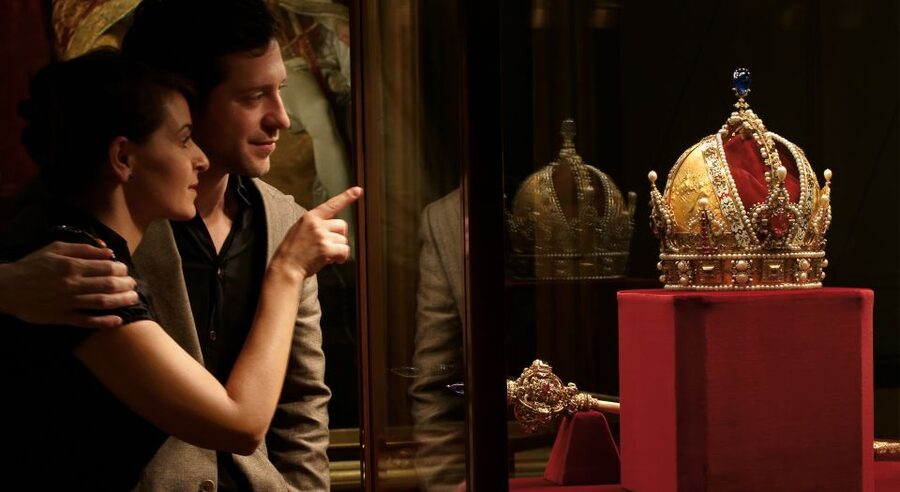
I would recommend the Imperial Treasury to anyone who already plans to visit the Hofburg and wants to see the objects behind the palace’s imperial image. It is also a strong choice for museum lovers who prefer a compact collection with a high concentration of important pieces.
Families can benefit from the generally free admission for children and young people under 19. Younger children may respond best to the crowns, giant stones, Holy Grail story, and unicorn horn. Older children and teenagers can connect the objects to questions about power, religion, and royal family life.
The treasury also suits a rainy afternoon or a gap between larger Vienna sights. You do not need an entire day, despite the activity being valid for one day. The short visit makes it easy to fit around other Hofburg attractions.
I would be more cautious if you dislike religious objects, ceremonial displays, or museums where reading helps bring the collection to life. The famous crowns are impressive, but the full experience depends on giving attention to the less obvious pieces too.
Practical Tips Before You Go
- Bring a printed voucher, since a digital code may need to be exchanged for a physical ticket.
- Allow extra time to locate the Swiss Wing inside the Hofburg.
- Plan on one hour at a brisk pace, or 90 minutes if you want to read and listen carefully.
- Confirm the current audio guide arrangement because it is not listed as included with the entrance ticket.
- If you want a personal guide, arrange one separately. The standard admission is not a guided tour.
- School groups under 19 must register through [email protected].
- Adult groups of more than 10 can receive one free guide place when the guide accompanies the group. Groups of fewer than 10 do not receive a free guide place, and the guide pays as a participant. State-certified tourist guides generally enter free.
Should You Book the Imperial Treasury?
Yes, if you want Vienna’s imperial story told through original objects rather than palace rooms alone. The Austrian Imperial Crown, Holy Roman Empire regalia, Habsburg jewelry, large emerald, agate bowl, and unusual relics give you plenty to remember after a relatively short visit.
I would book it as a self-guided museum stop if you are comfortable reading labels and moving at your own pace. If you want the history explained clearly, budget time and money for an audio guide or your own guide, and confirm availability before entering.
The main caution is ticket handling. A printed voucher may still need to be exchanged at the counter, so booking ahead does not always mean walking straight inside. Once you are through that step, the $18 admission offers a focused look at some of Europe’s most famous royal and religious treasures.
FAQ
Where is the Imperial Treasury located?
It is located in the Swiss Wing of the Vienna Hofburg Palace, the oldest part of the Hofburg complex.
What does the $18 ticket include?
The ticket includes entrance to the Imperial Treasury. A guided tour and audio guide are not listed as included.
How long is the visit?
The ticket is valid for one day. Most people can see the collection in about one hour, while a slower visit with detailed reading or audio material may take 90 minutes or several hours.
Are children admitted for free?
Children and young people under 19 generally receive free admission. School groups under 19 must be registered through the museum’s booking department.
Is the Imperial Treasury wheelchair accessible?
Yes, the activity is listed as wheelchair accessible.
Do I need a printed voucher?
Yes. A printed voucher is required, and you may need to exchange it for a physical ticket at the entrance counter.
Just added in Vienna
- Vienna: Austrian Wine Tasting Experience★ 4.2 · 2 reviews
- World War II History Vienna Old Town Private Walking Tour★ 4.8 · 9 reviews
- Vienna_ Meet Beethoven Life Private Guided Walking Tour★ 5.0 · 1 review
- Vienna: Wine Tasting Tour★ 4.8 · 61 reviews
- Vienna: Wine Tasting E-Bike Tour★ 4.9 · 46 reviews
- Vienna: Wine Tasting at Schönbrunn Palace★ 4.3 · 71 reviews
- Vienna: Winery and Wine Tasting Tour with a Wine Expert★ 5.0 · 5 reviews
- Vienna: Concert by the Vienna Baroque Orchestra★ 4.6 · 56 reviews
Hofburg Palace Tours, compared.

Skip-the-Line Sisi Museum, Hofburg and Gardens Tour
Read our review →
Skip-the-Line Hofburg and Empress Sisi Museum Tour
Read our review →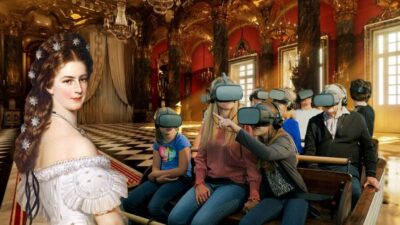
“Sisi’s Amazing Journey” Virtual Reality Experience
Read our review →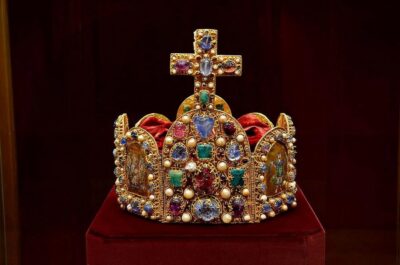
Imperial Treasury & New Hofburg Palace Combo Ticket
Read our review →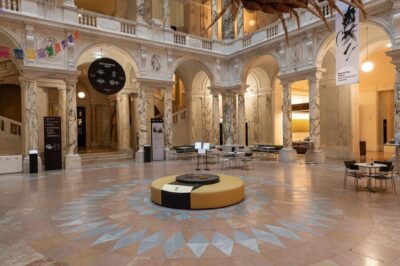
New Hofburg Palace Audio-Guided Tour & Entry Ticket
Read our review →
Skip-the-Line Sisi Museum, Hofburg and Gardens Tour Vienna
Read our review →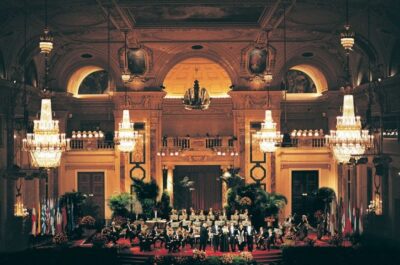
Browse the lists this tour appears in