
Reviewed · SCHONBRUNN PALACE TOURS
Vienna: Imperial Carriage Museum in Schönbrunn Palace Ticket
Old coaches can tell big stories. At Schönbrunn Palace, the Imperial Carriage Museum brings rulers to life through their grand vehicles, including the Baroque imperial coach and carriages linked to Maria Theresia, Napoleon, Franz Joseph, and Empress Elisabeth. I like the way the collection connects objects to people, and I especially like the Sisi Trail, which adds clothing and personal items to the carriages. The main drawback is practical: you need a printed voucher, and the ticket may need to be exchanged at the museum.
At about $14 per person, this is a fair-value stop for anyone interested in the Habsburg court, royal ceremony, or historic transport. The museum is valid for one day, and cancellation is allowed up to 24 hours before the visit, which helps if your Vienna plans are still shifting.
In This Review
- Key things to know before you go
- Why Vienna’s carriage museum is worth your time
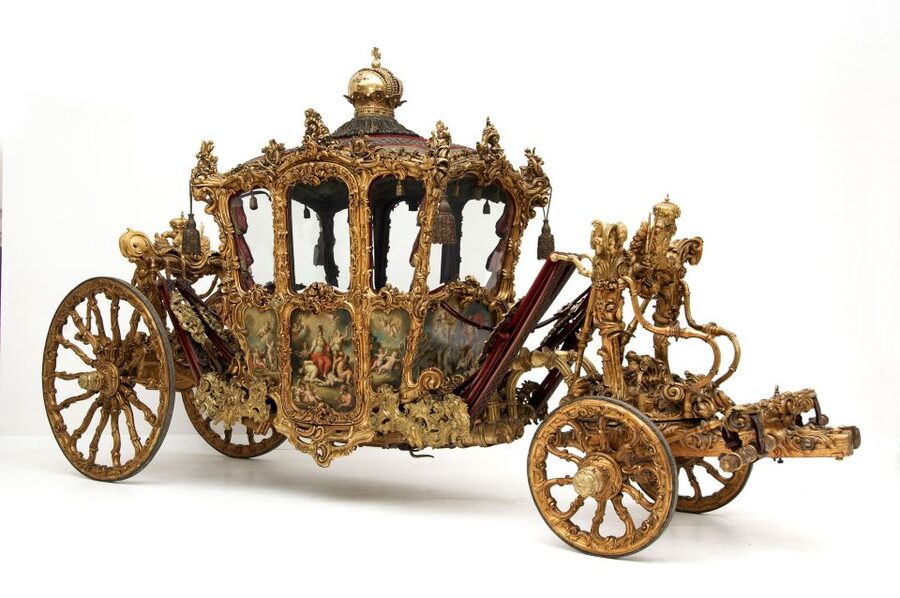
- The Baroque imperial coach takes center stage
- Maria Theresia and Napoleon in the same collection
- The Sisi Trail gives the collection a personal side
- Habsburg children’s carriages show another side of court life
- A useful one-day ticket, but the voucher needs care
- What your visit can look like inside
- Who will enjoy this museum most
- A practical plan for combining it with Schönbrunn
- Should you book the Imperial Carriage Museum?
- FAQ
- Where is the Imperial Carriage Museum located?
- How long is the ticket valid?
- What does the ticket include?
- Is a guided tour included?
- Do I need a printed voucher?
- What is the Sisi Trail?
- Who receives free admission as a tour guide?
- Can I cancel the booking?
Key things to know before you go
- The Baroque imperial coach is the star object, with the scale and decoration you would expect from a ruling dynasty.
- The Sisi Trail adds human detail, including Empress Elisabeth’s only surviving saddle, her riding chapel, and original dresses.
- The collection covers several generations, from Maria Theresia and Napoleon to Franz Joseph and the Habsburg children.
- An audio guide is optional, and it is included only when you book the audio guide option.
- Bring a printed voucher, and allow time to exchange it for the museum entry if required.
- Guide rules depend on group size, with special free-entry rules for state-certified guides and groups of at least 10 people.
Why Vienna’s carriage museum is worth your time
Vienna has no shortage of imperial rooms, formal portraits, and gold-trimmed halls. Carriages give you a different view of that world. They show how rulers traveled, appeared in public, marked important events, and presented power before cars and aircraft changed royal life.
The museum is located at Schönbrunn Palace, so it fits naturally into a palace visit. You do not need to treat it as a full-day attraction by itself. Instead, think of it as a focused museum stop that adds movement and ceremony to the palace story.
I like this kind of museum because the objects are easy to understand. You do not need a specialist’s background to see the difference between a formal state coach, a practical traveling coach, and a child’s carriage. The size, decoration, and purpose tell you a great deal before you even reach the written explanations.
The collection also avoids presenting the Habsburg family as one single block of royalty. Each ruler appears through particular vehicles and objects. Maria Theresia, Napoleon, Franz Joseph, and Elisabeth are tied to different moments and different styles of public life.
More Schonbrunn Palace tours:
- Vienna: Schönbrunn Palace & Gardens Skip-the-Line Tour
★ 4.7 · 7,739 reviews - Vienna: Skip-the-Line Schönbrunn Palace & Gardens Tour
★ 4.8 · 5,411 reviews - Vienna: Mozart and Strauss Concert at Schönbrunn
★ 4.5 · 2,364 reviews
The Baroque imperial coach takes center stage
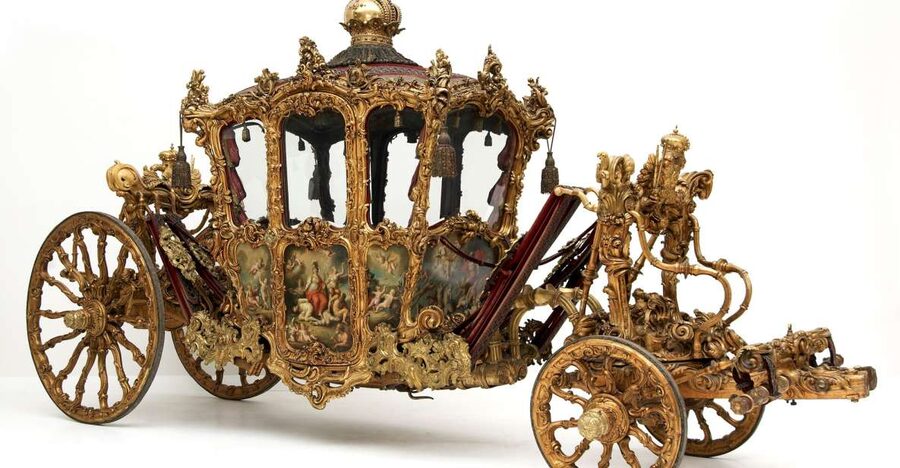
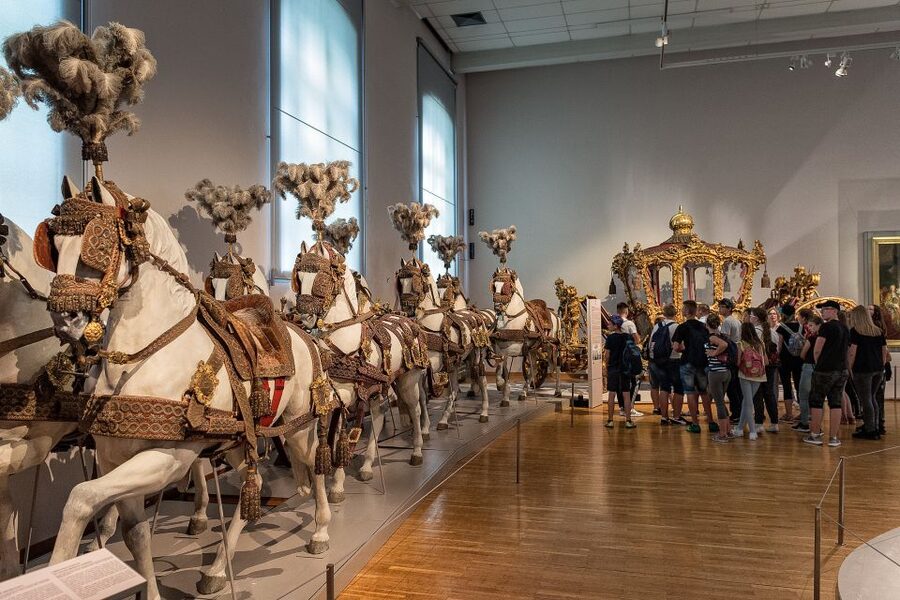
The main attraction is the Baroque imperial coach. This is the vehicle to look for first if you have limited time.
A Baroque coach was not simply a way to get from one place to another. It was a public display of rank. The decoration, scale, and formal design helped turn a journey into a ceremony. A ruler arriving in such a coach was making a statement before saying a word.
You can expect the coach to dominate the room visually. It gives you a useful starting point for understanding the rest of the collection. Once you have seen the most elaborate example, the more comfortable traveling coaches and smaller vehicles become easier to place.
I recommend taking a slow look at the details rather than moving on after a quick photograph. The coach is valuable not only because it is beautiful, but because it shows how transport once worked as part of royal theater.
The drawback is that visitors mainly interested in modern transport or engineering may find the emphasis on ceremony more interesting than the mechanics. This is a museum about court life as much as it is about vehicles.
Maria Theresia and Napoleon in the same collection
Maria Theresia and Napoleon represent very different political worlds, yet both appear through their carriages. Their inclusion gives the museum a wider reach than a collection focused only on the Austrian imperial family.
Maria Theresia’s carriages connect the display to the long Habsburg period. Napoleon adds a striking outside figure whose career reshaped Europe. Seeing both names in one museum helps you understand how carriages crossed borders and belonged to a wider European culture of monarchy, empire, and military power.
I find this especially useful if you are visiting Vienna with only a general interest in history. You do not need to know every date or family connection. The vehicles offer a physical link to people who can otherwise feel distant in a palace portrait.
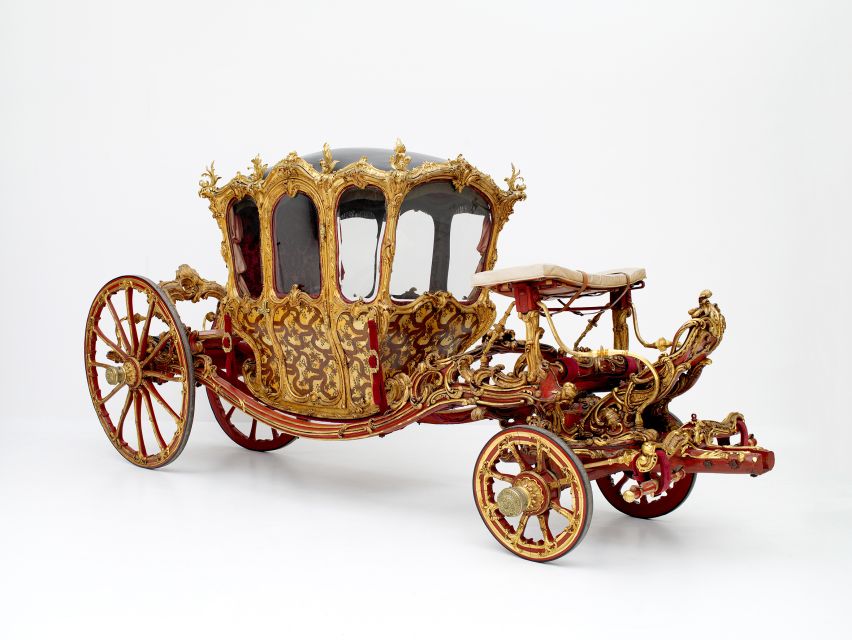
The museum also includes state carriages and traveling coaches. These categories matter. A state carriage was designed for visibility and ceremony, while a traveling coach suggests the less theatrical side of court life. The contrast gives the display a practical edge.
Do not expect every carriage to carry the same visual drama. Some are more comfortable and functional, and some may appeal mainly to visitors who enjoy construction, design, or the details of aristocratic travel.
The Sisi Trail gives the collection a personal side
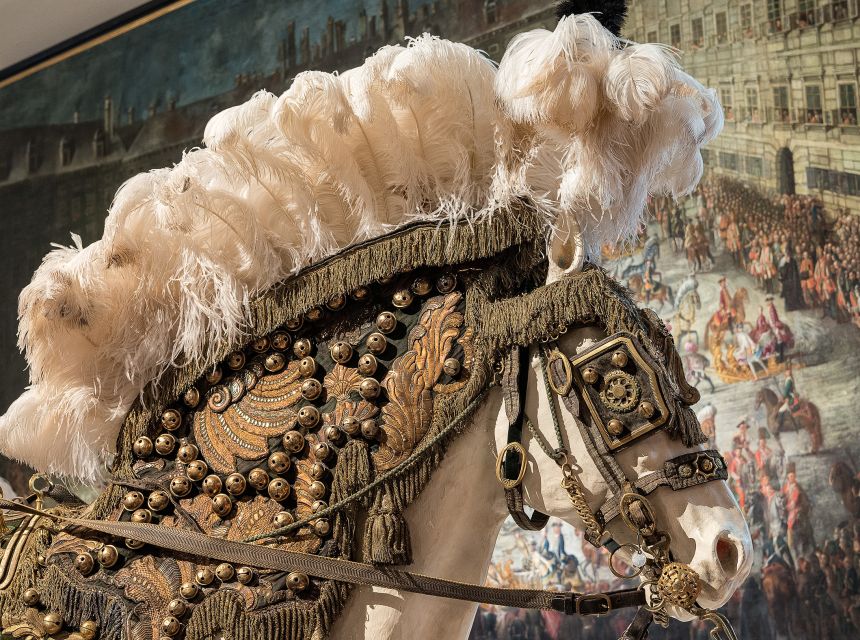
The Sisi Trail is likely to be the most memorable part for many visitors. Empress Elisabeth, often known as Sisi, is presented through her carriages and through personal objects connected to her life.
The trail includes her only extant saddle. That is a small object compared with a grand coach, but it adds an important sense of the person behind the public image. You also see her riding chapel, along with sumptuous original dresses.
These items change the tone of the visit. A large carriage tells you how the court wanted to be seen. A saddle or dress feels closer to the individual. The combination helps you move beyond the usual image of Elisabeth as simply a glamorous empress.
I like the Sisi Trail because it gives you several ways into the story. You can focus on fashion, riding, court ceremony, or the contrast between public display and private life. You do not have to be a dedicated Sisi enthusiast to find something here.
The clothing is also important for scale. A dress helps you picture the person who used or wore the object, while a coach can otherwise seem like an impressive but impersonal machine. Look at the dresses alongside the carriages, not as separate attractions.
More Museum Tours in Vienna:
- Vienna: Skip-the-Line Sisi Museum, Hofburg and Gardens Tour
★ 4.8 · 5,918 reviews - Vienna Kunsthistorisches Museum Day Admission Ticket
★ 4.6 · 3,690 reviews - Tickets for the Albertina Exhibitions
★ 4.7 · 2,126 reviews - Sigmund Freud Museum Ticket
★ 4.6 · 1,668 reviews
Habsburg children’s carriages show another side of court life
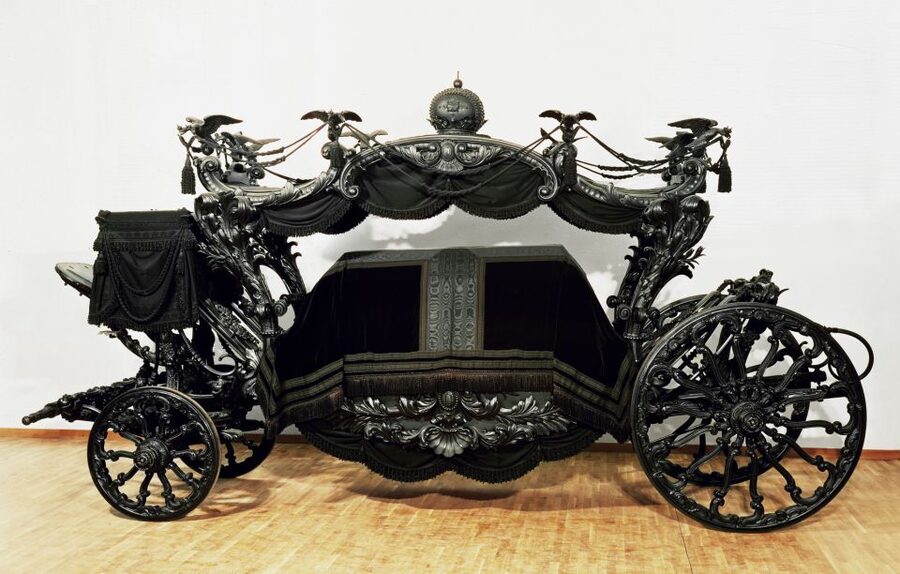
The collection includes charming children’s carriages used by Habsburg princes and princesses. These are smaller and less imposing than the state coaches, but they help widen the story.
Imperial life was not made up only of coronations and grand arrivals. Children also needed to be transported, watched, and presented. The children’s vehicles show how court life reached into everyday routines, even within a highly formal household.
I think these objects are useful for families visiting Schönbrunn. Younger children may connect more quickly with a small carriage than with a large ceremonial vehicle. Adults can use the display to explain how royal children lived within a strict system of care and ceremony.
The word charming is appropriate here, but do not expect a separate children’s activity area. The value comes from looking at the objects together and noticing the difference between a child’s vehicle and the grand coaches used by adults.
A useful one-day ticket, but the voucher needs care
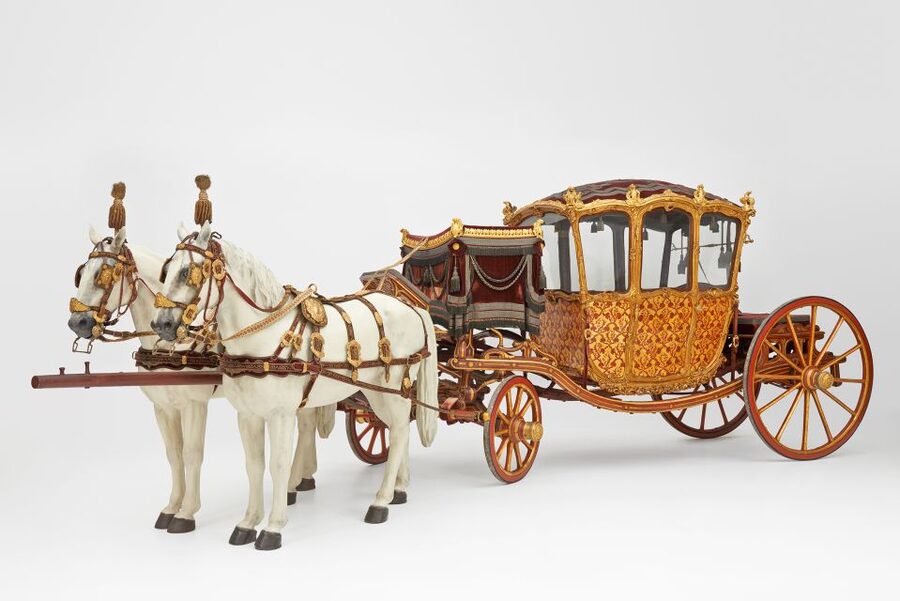
The ticket is valid for one day, so you have flexibility over how you fit the museum into your day at Schönbrunn. The stated price is about $14 per person, which I consider reasonable for a specialized collection of imperial vehicles, clothing, and personal objects.
The value is strongest when you already plan to visit Schönbrunn Palace. The museum adds another layer without requiring a separate journey across Vienna. If you are only interested in the palace rooms and have a tight schedule, you may need to decide how much time you want to give to transport and court objects.
An audio guide is available only if you book the option that includes it. The Italian audio guide has been described as concise and functional, which suggests it is useful for orientation without turning the visit into a long lecture. If you prefer spoken explanations, check that the audio guide is included before paying.
A guided tour is not included. You may bring your own guide, but the free-entry rules are specific. A group must have at least 10 people for the relevant guide arrangement, and only one tour guide per group booking receives free admission when accompanying the group.
For groups of fewer than 10 people, that free-ticket rule does not apply. An additional guide or accompanying person counts as a paying member of the group. A state-certified guide has free entrance, according to the stated conditions.
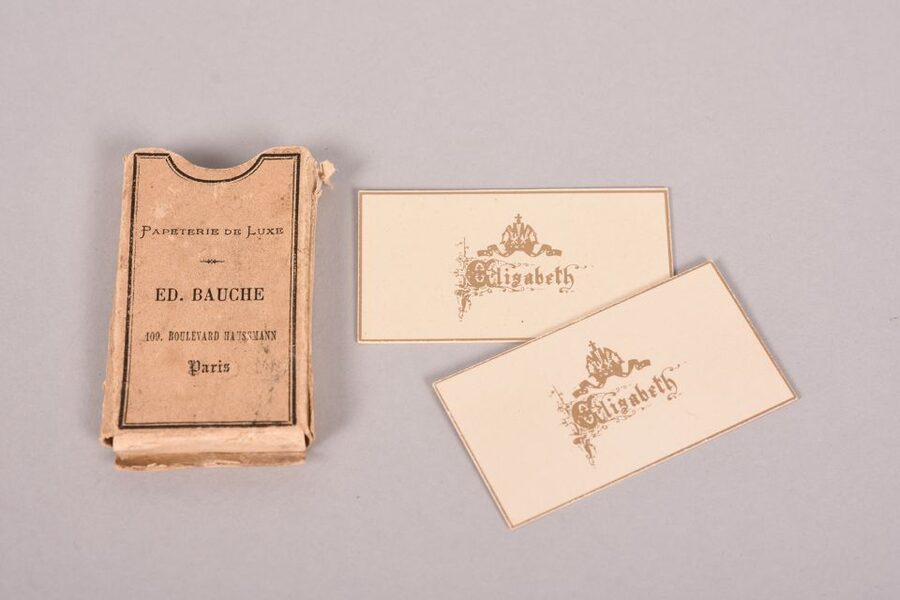
The biggest practical warning concerns the voucher. A printed voucher is required. You should not assume that a phone screen alone will be enough. One poor experience involved spending hours in Vienna trying to find somewhere to print the ticket before exchanging it at the museum.
That is an avoidable headache. Print the voucher before you leave home, and keep it with the rest of your day’s documents. Also allow a little time for the entry process rather than arriving at Schönbrunn with a tightly timed appointment elsewhere.
What your visit can look like inside
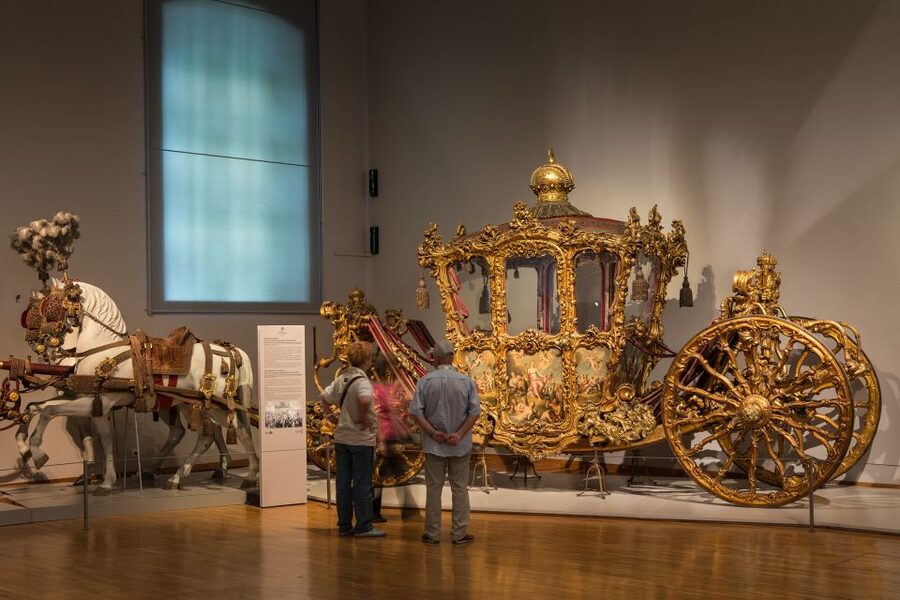
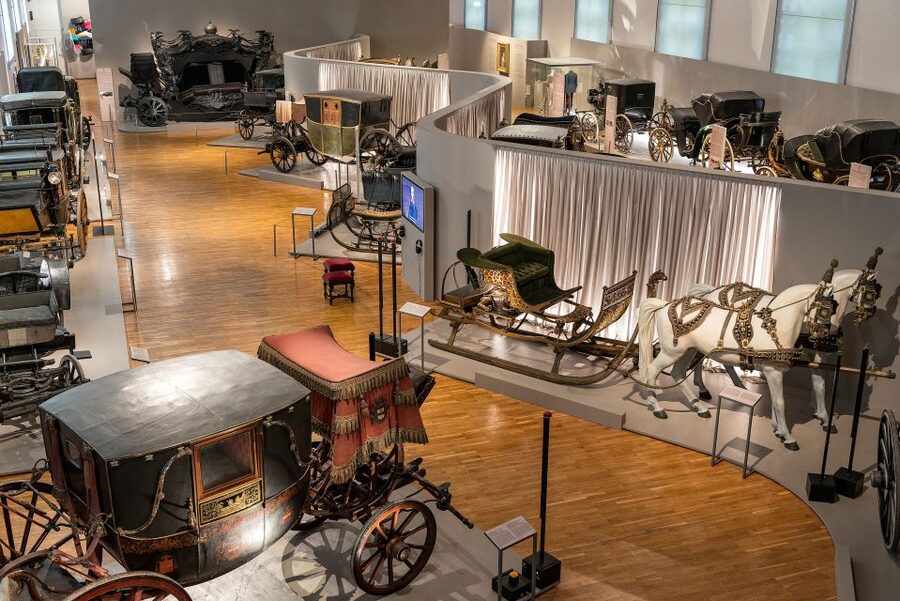
Start with the largest imperial coaches. This gives you an immediate sense of the collection’s scale and helps you understand the difference between ceremonial transport and ordinary travel.
Next, compare the state carriages with the comfortable traveling coaches. The contrast is one of the museum’s most useful features. It shows that royal transport had different jobs: public display, long-distance movement, formal events, and private family use.
Then follow the Sisi Trail. Set aside enough attention for the saddle, riding chapel, and dresses. These objects are easy to rush past if you focus only on the largest coaches, but they provide much of the collection’s personal feeling.
Finish with the children’s carriages and any remaining vehicles connected to the Habsburg princes and princesses. This creates a natural progression from the public grandeur of the court to the smaller details of family life.
The visit is not a guided tour, so you control the pace. That suits you if you like reading selected information and lingering over the objects that catch your eye. If you want a clear narrative from beginning to end, book the audio guide option or bring a guide who can explain the collection.
Who will enjoy this museum most
I would recommend the museum to several kinds of visitors:
- You enjoy imperial history, royal families, or European political figures.
- You are already visiting Schönbrunn Palace and want a focused second stop.
- You like decorative arts, historic clothing, or transport design.
- You are interested in Sisi beyond the familiar romantic image.
- You are visiting with children who may respond to the smaller carriages.
- You prefer a self-guided museum where you can set your own pace.
I would be less enthusiastic if your Vienna schedule is extremely short and the palace itself already fills your day. I would also think twice if you have little interest in royal ceremony, historic clothing, or decorative objects. The museum’s appeal depends on those themes.
The collection is not presented as a broad survey of transport. It is a look at imperial transport and the people who used it. That focus is its strength, but it also tells you exactly what kind of museum to expect.
A practical plan for combining it with Schönbrunn
Because the museum is at Schönbrunn Palace, it makes sense to pair it with other palace sights rather than crossing Vienna just for this one stop. The ticket is valid for one day, giving you room to arrange the visit around your wider palace plans.
Keep the printed voucher accessible. If you have booked the audio guide option, check that it is clearly part of your reservation before you arrive. If you are traveling as a group, count guides and accompanying adults carefully because the free-entry rules change for groups under 10.
You can cancel up to 24 hours in advance for a full refund, and the reserve-now-pay-later option lets you hold a place without paying immediately. Those terms are useful when your Vienna schedule depends on weather, palace availability, or other timed plans.
The experience provider is the Kunsthistorisches Museum, a name worth noting when checking your ticket details. At the entrance, make sure you are going to the Imperial Carriage Museum at Schönbrunn Palace, not looking for a separate museum elsewhere in Vienna.
Should you book the Imperial Carriage Museum?
Book it if you want more than palace rooms and portraits. The museum gives you concrete objects tied to Maria Theresia, Napoleon, Franz Joseph, and Elisabeth, with the Baroque imperial coach providing the grand spectacle and the Sisi Trail adding personal detail.
At around $14, the price is sensible when you have time for a focused museum stop. I would especially recommend it to Sisi fans, families, history-minded visitors, and anyone curious about how monarchy used transport as public theater.
Book with caution if you cannot print a voucher or if your schedule is so tight that a ticket exchange could cause stress. Print everything in advance, choose the audio guide only if you want it, and plan the museum as part of your Schönbrunn day. Done that way, it is a compact, distinctive look at the people and rituals behind Vienna’s imperial image.
FAQ
Where is the Imperial Carriage Museum located?
The museum is located at Schönbrunn Palace in Vienna, Austria.
How long is the ticket valid?
The ticket is valid for one day. You should check availability for the available starting times.
What does the ticket include?
It includes entrance to the Imperial Carriage Museum. An audio guide is included only when you book the option that includes it.
Is a guided tour included?
No. A guided tour is not included, but you may bring your own guide.
Do I need a printed voucher?
Yes. A printed voucher is required. Print it before arriving so you do not have to search for printing services in Vienna.
What is the Sisi Trail?
The Sisi Trail presents Empress Elisabeth’s carriages along with personal objects, including her only surviving saddle, her riding chapel, and original dresses.
Who receives free admission as a tour guide?
A state-certified guide has free entrance. For a group of at least 10 people, only one tour guide per group booking receives a free ticket when accompanying the group to the museum.
Can I cancel the booking?
Yes. You can cancel up to 24 hours in advance for a full refund. The reserve-now-pay-later option lets you book without paying immediately.
Just added in Vienna
- Vienna: Austrian Wine Tasting Experience★ 4.2 · 2 reviews
- World War II History Vienna Old Town Private Walking Tour★ 4.8 · 9 reviews
- Vienna_ Meet Beethoven Life Private Guided Walking Tour★ 5.0 · 1 review
- Vienna: Wine Tasting Tour★ 4.8 · 61 reviews
- Vienna: Wine Tasting E-Bike Tour★ 4.9 · 46 reviews
- Vienna: Wine Tasting at Schönbrunn Palace★ 4.3 · 71 reviews
- Vienna: Winery and Wine Tasting Tour with a Wine Expert★ 5.0 · 5 reviews
- Vienna: Concert by the Vienna Baroque Orchestra★ 4.6 · 56 reviews
Schonbrunn Palace Tours, compared.
Schönbrunn Palace & Gardens Skip-the-Line Tour
Read our review →
Skip-the-Line Schönbrunn Palace & Gardens Tour
Read our review →
Bus & Schönbrunn Palace Skip-the-Line Guided Tour
Read our review →
Skip the Line Schönbrunn Palace and Gardens Guided Tour
Read our review →
Schönbrunn Palace & Garden Skip-the-Line Guided Tour
Read our review →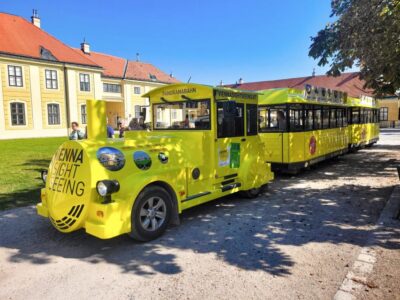
Panorama Train Tickets to explore Schönbrunn Palace
Read our review →
Skip-the-Line Schönbrunn Palace and Gardens Tour
Read our review →Browse the lists this tour appears in