
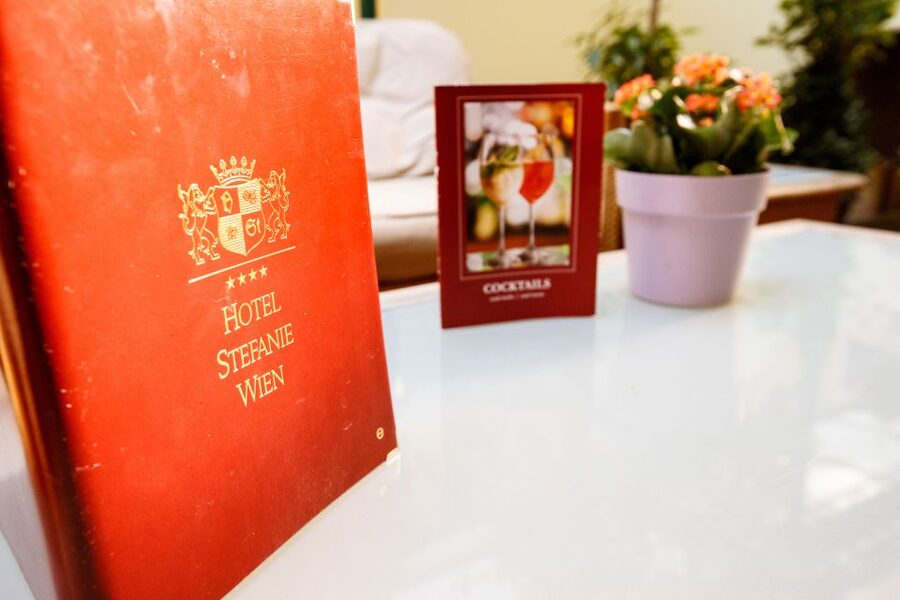
Reviewed · DINING EXPERIENCES
Vienna: Culinary Experience at Restaurant Stefanie
Come hungry for a taste of imperial Vienna. At Restaurant Stefanie, inside Vienna’s oldest hotel, you sit down to a generous Austrian tasting meal built around classic dishes from the former Habsburg lands. I like the chance to sample seven specialties in one sitting, and I like the elegant hotel setting, which gives dinner a sense of occasion without requiring a formal tour of the city. The main thing to consider is that the historical explanation may be brief, and this is a restaurant meal rather than a guided culinary walk.
The $88 price is fair if you want a full dinner and several drinks, not just a few nibbles. You receive food, beer, wine, and coffee over about two hours, though bottled water and any additional drinks cost extra. Portions are generous, so do not plan a large meal beforehand.
In This Review
- Five things to know before booking
- Entering Vienna’s oldest hotel
- How the two-hour meal unfolds
- Starting with veal goulash and soup
- The Viennese schnitzel course
- Boiled beef with two classic sauces
- The dessert plate saves room for three
- What the three included drinks are worth
- History included, but not always delivered the same way
- Service, language, and the pace of dinner
- Is $88 a good value?
- Who should book Restaurant Stefanie?
- Final verdict: a filling, polished taste of Austria
- FAQ
- Where does the culinary experience take place?
- How long does the experience last?
- How many Austrian specialties are included?
- Which foods are served?
- Which drinks are included?
- Is bottled water included?
- Is this a guided tour?
- Is the experience wheelchair accessible?
Five things to know before booking
- Seven Austrian specialties arrive as a substantial tasting meal: Expect far more than a snack, with savory dishes followed by several desserts.
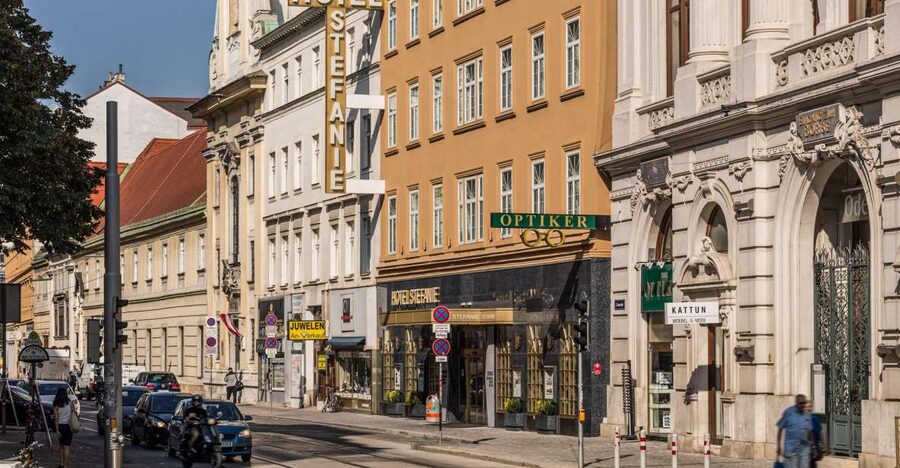
- The setting is Hotel Stefanie on Taborstrasse: You dine in a traditional hotel restaurant at 12 Taborstrasse in Vienna’s second district.
- The menu covers major Viennese classics: Dishes include schnitzel, boiled beef, goulash, pancake soup, apple strudel, and Kaiserschmarren.
- Three drinks are included: The package includes beer, wine, and coffee. Non-drinkers have sometimes been offered juice or soft drinks instead.
- The history is not always presented as a live talk: Some diners receive clear explanations from the staff, while others receive only brief dish descriptions and a booklet to take home.
Entering Vienna’s oldest hotel
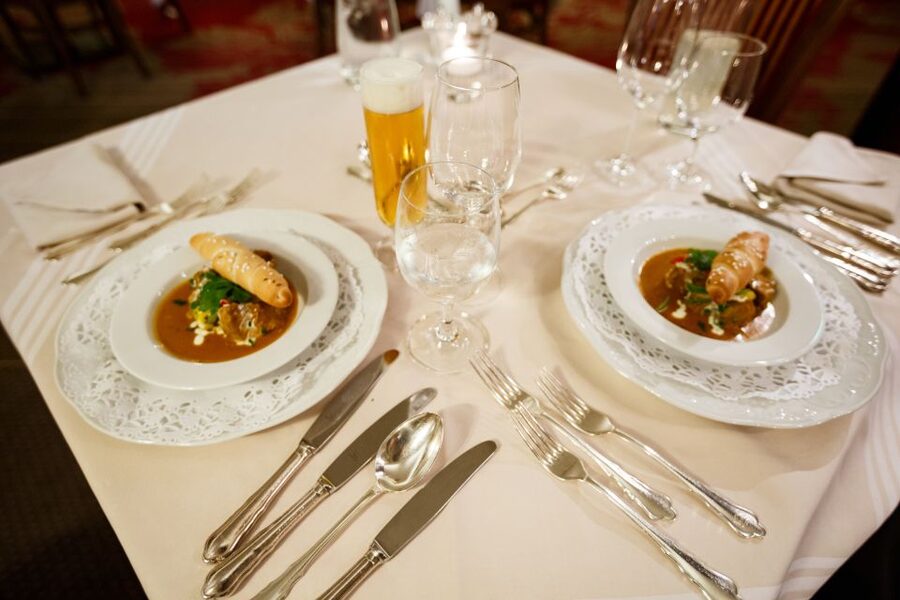
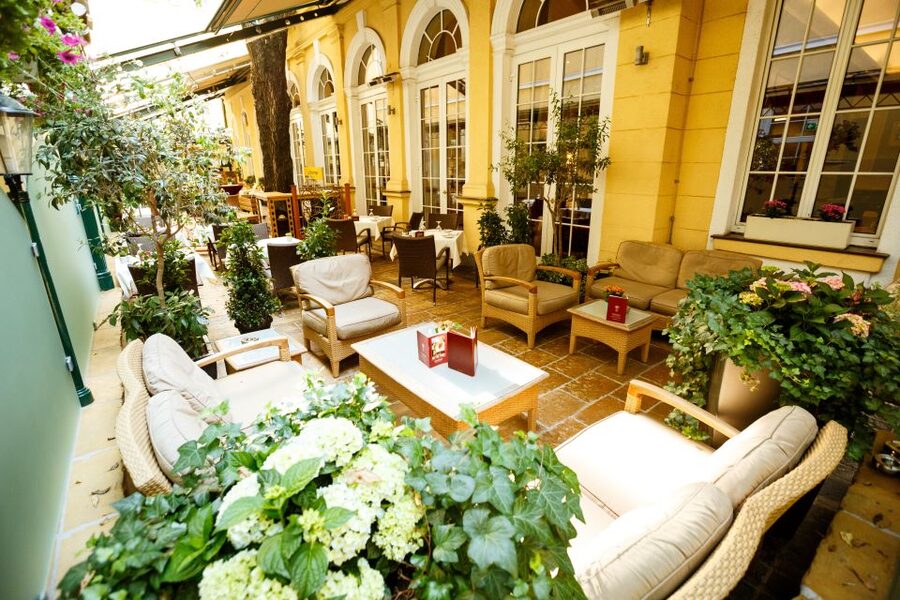
Restaurant Stefanie is located inside Hotel Stefanie, at Taborstrasse 12 in Vienna. The hotel is presented as the oldest in the city, which gives the meal a useful sense of place. You are not simply eating Austrian food in an anonymous dining room. You are sitting in a traditional hotel connected to Vienna’s long tradition of welcoming visitors.
The restaurant setting is one of the strongest parts of the experience. The room is described as elegant, beautiful, quiet, and traditional. That makes this a good choice for a birthday, Christmas meal, anniversary, or a relaxed evening when you want more polish than a quick lunch at a casual tavern.
The atmosphere is calm rather than theatrical. There is no promise of music, a cooking demonstration, or a costumed presentation. One diner specifically wished for music, so you should book this for the food and surroundings, not for entertainment.
The meeting point is simple: go to Hotel Stefanie and ask for Restaurant Stefanie. A few diners found that staff members were not immediately aware of the special meal until they asked more than once, so keep your confirmation handy and allow a few extra minutes to find the right person.
More places to eat in Vienna:
- Vienna: 3-Course Evening Dinner Cruise
★ 3.9 · 1,655 reviews - Exclusive Evening at Schönbrunn Palace: After-Hours Audiotour, Dinner, Concert
★ 4.0 · 930 reviews - Vienna: Schönbrunn Palace Evening Tour, Dinner and Concert
★ 4.3 · 755 reviews
How the two-hour meal unfolds
The meal is described as a two-hour culinary experience, but the serving format can feel like a long tasting dinner. Some descriptions call it five courses, while the menu itself features seven specialties. The clearest way to understand it is as a multi-part Austrian tasting menu, with several items grouped into courses.
You receive a set menu rather than choosing individual dishes. That is useful if you want a broad introduction to Austrian cooking, but less useful if you have strong dislikes or dietary restrictions. The menu is heavy on meat, beef, veal, potatoes, pastry, and dairy-based sauces.
The portions are small enough to let you try several dishes, yet large enough to leave many people completely full. Several diners could not finish everything, especially when the desserts arrived. You will enjoy this more if you arrive hungry and pace yourself.
The service is generally attentive and unhurried. English-speaking staff have been praised repeatedly, and solo diners have found the room welcoming. The staff may explain each dish as it arrives, but the amount of historical detail can vary.
Starting with veal goulash and soup
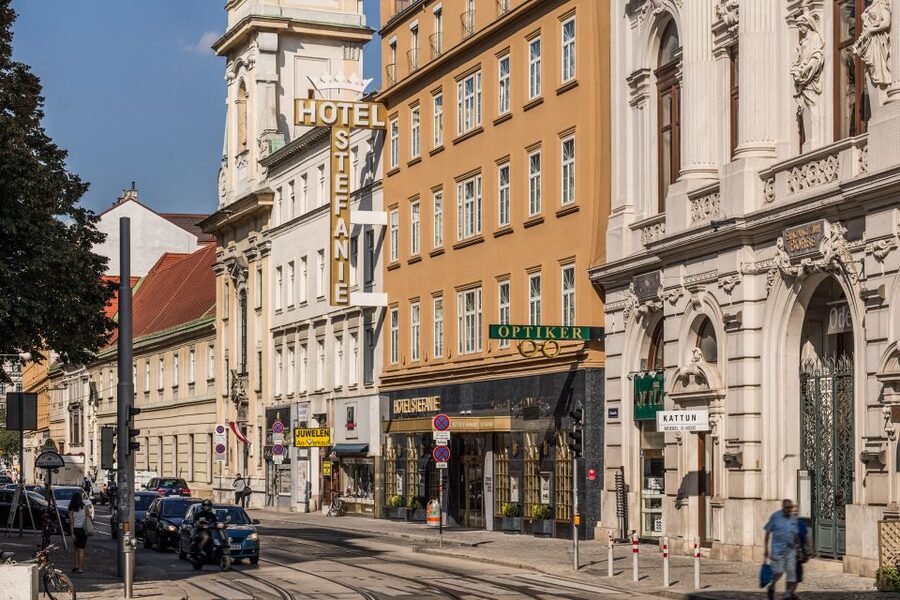
The first savory tastes introduce two familiar Austrian and Central European ideas: veal goulash with pretzel sticks, followed by beef soup with sliced pancakes and Kaiserschöberl.
The veal goulash is a useful reminder that Austrian cooking is not limited to schnitzel. It is a warm, paprika-seasoned dish with Central European connections, served here with pretzel sticks for dipping and scooping. The portion is intended as part of the meal, not as a full bowl of stew.
The soup is more unusual for many first-time visitors. Sliced pancakes are used as a noodle-like filling in clear beef broth. Kaiserschöberl, an unsweetened sponge cake, adds another texture. This course shows how Austrian cooks turn simple ingredients into something distinctly local.
The meal also raises questions about origin and influence. Was Hungarian goulash really born in Vienna? The answer is tied to the close culinary links among the lands once ruled by the Austrian monarchy. The menu presents those connections as part of the story, though you should not expect a detailed lecture with every course.
The Viennese schnitzel course
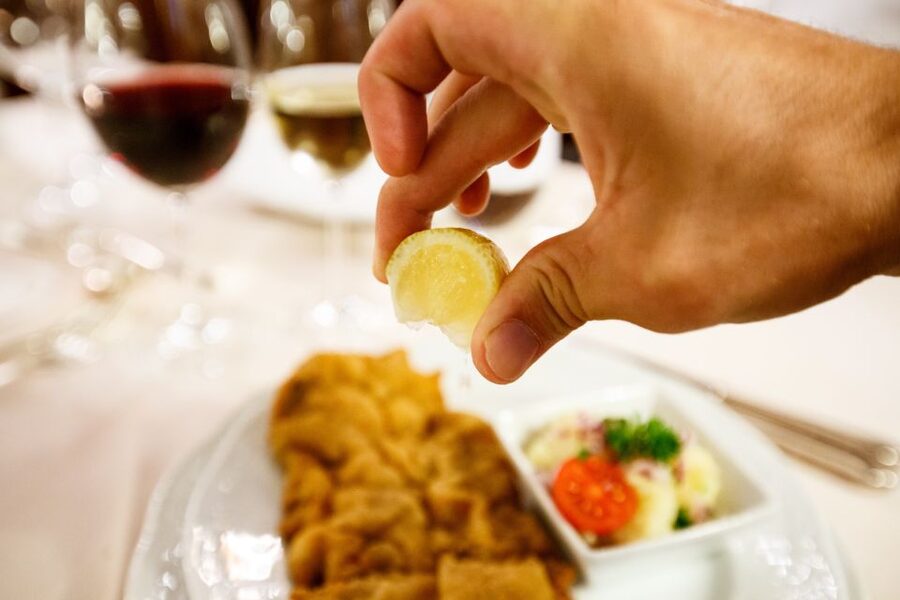
The schnitzel is the dish most people will be waiting for. Here it is prepared with veal and served with potato salad, the classic Viennese pairing.
This is not a giant restaurant schnitzel designed mainly for photographs. It is served as one part of a longer meal, so the portion is meant to be manageable alongside the other courses. The potato salad brings softness and acidity to the crisp cutlet, keeping the plate from feeling too heavy.
The menu connects Viennese schnitzel with Field Marshal Radetzky, a name familiar from Austrian military and musical history. Stories about the dish’s exact origin are often debated, but that is part of the fun. The meal presents food as a way to understand how Vienna absorbed ideas from across the old monarchy.
If schnitzel is your main reason for booking, this course should satisfy you. If you are hoping for a choice of pork, chicken, or vegetarian versions, that choice is not listed. The set menu is focused on traditional preparation rather than flexibility.
A few more options to weigh up in Vienna
- Vienna: Vivaldi’s Four Seasons Concert in Karlskirche
★ 4.7 · 14,951 reviews - Vienna: Spanish Riding School Training
★ 3.9 · 9,281 reviews - Vienna: Schönbrunn Palace & Gardens Skip-the-Line Tour
★ 4.7 · 7,739 reviews - Vienna: Light of Creation Votive Church Immersive Light Show
★ 4.8 · 6,779 reviews
Boiled beef with two classic sauces
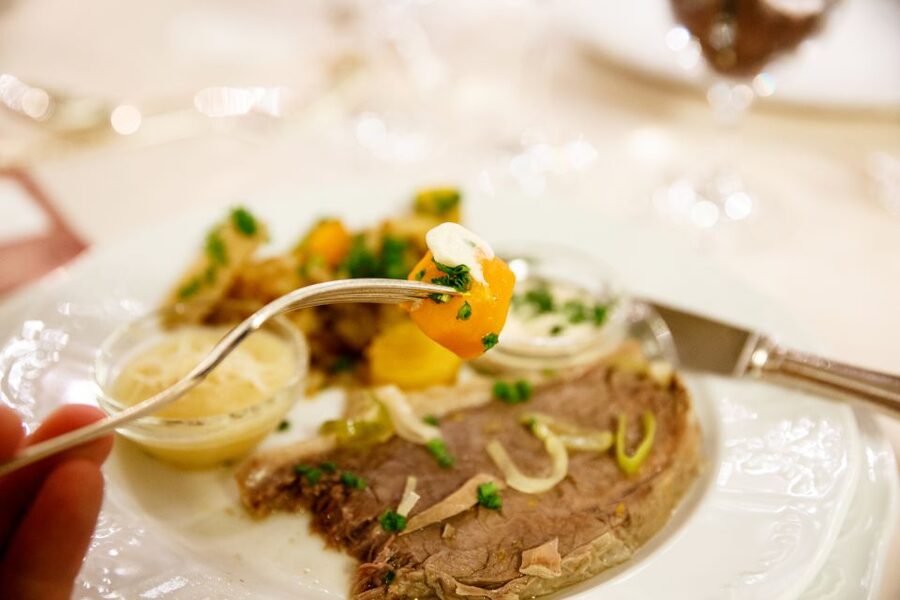
The next main savory dish is boiled filet of beef with chive sauce and apple horseradish sauce. This is a particularly good course for anyone who wants to understand Austrian food beyond fried cutlets.
Boiled beef can sound plain, but the sauces do the important work. The chive sauce is creamy and fresh, while apple horseradish brings sweetness, sharpness, and heat. One diner singled out the chive sauce as a favorite, and it is easy to see why this combination gives the beef a more interesting finish.
The dish also invites a small culinary debate: is the top round really the best piece of beef? The meal uses questions like this to introduce the customs and arguments behind Viennese cooking. You get a taste of the food, along with a glimpse of how Austrians think about cuts, sauces, and tradition.
This course adds to the meal’s protein-heavy character. If you prefer light vegetable dishes, the menu may feel repetitive by this point. If you enjoy hearty home cooking, the boiled beef and sauces may be one of the most satisfying parts.
The dessert plate saves room for three
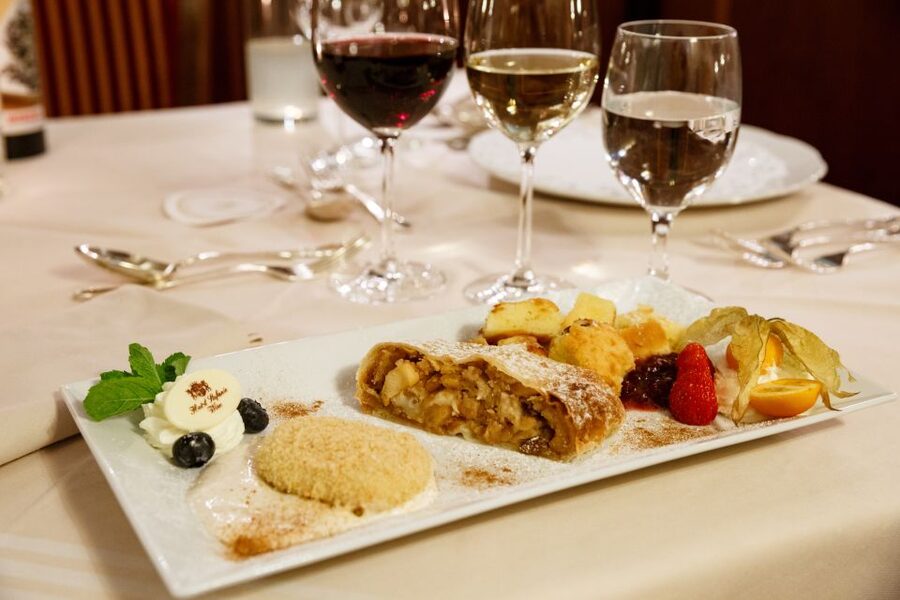
The final stretch is generous. Dessert includes plum jam turnovers, apple strudel, and shredded pancakes, commonly known as Kaiserschmarren.
The plum jam turnovers offer a sweet pastry finish with a fruit filling. Apple strudel is the famous Viennese classic, with cooked apple and pastry in a portion designed for tasting rather than a single large slice.
Kaiserschmarren is a shredded pancake, usually served as soft pieces rather than a neat, folded crepe. The name is tied to the Austrian imperial court, and the dish is one of the clearest links between everyday comfort food and imperial legend.
The dessert selection receives especially strong praise. It is also where the generous portion sizes can catch up with you. Even if you have eaten lightly through the savory courses, the combination of pastry, pancake, and coffee makes for a substantial ending.
Coffee is included, which is a welcome Austrian touch. It gives you time to slow down after the meal instead of being pushed out as soon as the final plate is cleared.
What the three included drinks are worth
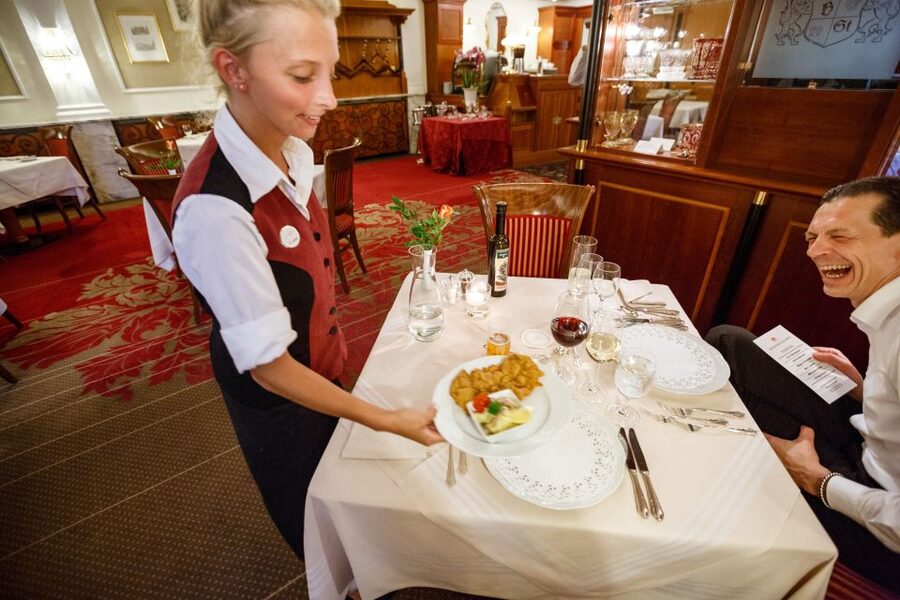
The package includes three drinks: beer, wine, and coffee. These pair naturally with the menu and help justify the price compared with ordering a similar meal without beverages.
The beer works well with the pretzel sticks and schnitzel. Wine gives the meal a more formal feel, while coffee belongs with the dessert course. The exact serving arrangements can differ, but the included drinks are part of the value rather than an afterthought.
If you do not drink alcohol, do not assume you must skip the experience. A family visiting on Christmas reported that beer and wine were replaced with juices and soft drinks when requested. Still, substitutions should be confirmed at the restaurant, since the formal inclusions list names beer and wine.
Water is the one cost to watch. Bottled water is not included, and one diner was surprised to be charged for it. Ask for the water price or request tap water if that is your preference.
Additional drinks and extras are also outside the $88 package. The included coffee is enough for most people, but lingering over another glass of wine will increase the bill.
History included, but not always delivered the same way
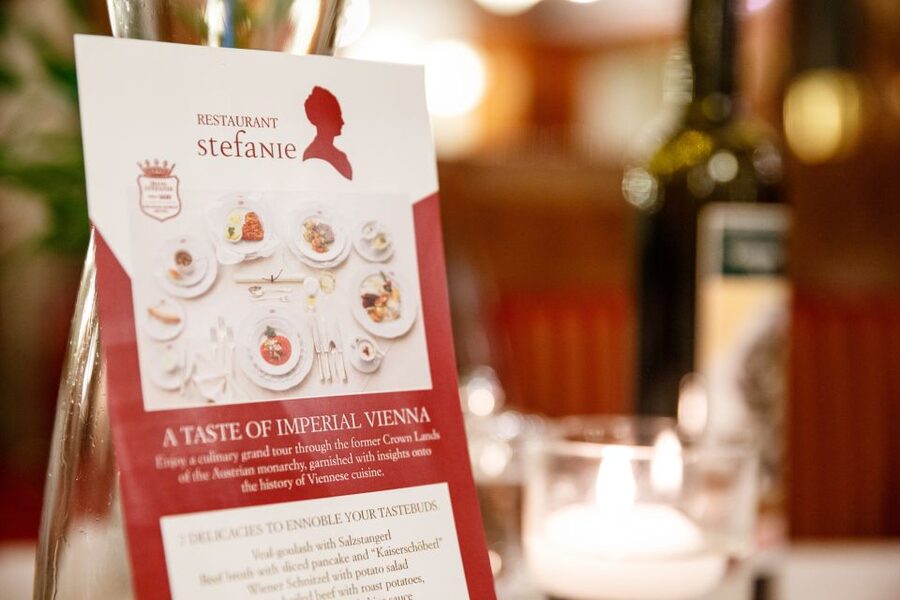
The meal promises insight into Austrian culinary history. It touches on the story of schnitzel and Radetzky, the connection between Vienna and Hungarian goulash, the name of Kaiserschmarren, and the debate over the best cut of beef.
The strength of this part depends on the service on your evening. Some staff members explain every course and its background. Others give only a basic description of what is on the plate. One diner specifically noted that there was no real discussion of regions or origins during the meal.
A useful extra is the booklet given to some diners at the end. It contains more information about the origin and importance of the foods served, and it can make up for a short spoken explanation. A small gift or keepsake has also been part of the experience, although it was not received consistently by everyone.
So, if you want a serious food-history class, this is not the right format. If you want an enjoyable meal with a few historical ideas and a take-home reference, it works much better.
Service, language, and the pace of dinner
Service is the most consistently praised part of the experience. Staff are described as friendly, professional, attentive, warm, and patient. English is spoken, which removes much of the worry for visitors who do not speak German.
The staff generally allow the meal to unfold at a comfortable pace. That matters because this is a large amount of food. You do not want the goulash, schnitzel, beef, and desserts landing all at once.
The meal can also suit a solo diner. The traditional setting and attentive service help avoid the awkward feeling that can sometimes come with eating alone. Couples and families fit naturally too, especially for a celebratory evening.
There are a few practical inconsistencies. Gift items may not always be available, and the special package may not be immediately recognized by every staff member. These are small issues, but keeping your booking details accessible will make arrival easier.
Is $88 a good value?
At $88 per person, this is not a bargain meal in the everyday Vienna sense. You can find individual Austrian dishes for less. The price becomes more reasonable when you count the seven specialties, the hotel setting, the included beer, wine, and coffee, and the convenience of sampling many classics without ordering several full portions.
The value is strongest for first-time visitors who want one organized introduction to Austrian cooking. You can try dishes that might otherwise require several restaurant visits, including pancake soup, schnitzel, boiled beef, apple strudel, and Kaiserschmarren.
It is also good value for someone who enjoys a long, filling dinner. The portions are not token samples, and many people leave very full. If you have a small appetite, the cost may feel less attractive because you may not finish the meal.
For a special occasion, the elegant surroundings and attentive service add real value. For a quick meal between sights, the two-hour format and large menu may feel like too much.
Who should book Restaurant Stefanie?
I would choose this experience if you want an easy introduction to classic Austrian dishes in one sitting. It suits couples, families, solo diners, older visitors, and anyone who prefers a quiet restaurant to a noisy food market.
It is also a practical choice during a short Vienna visit. You do not need to research several restaurants or decide which unfamiliar dishes to order. The set meal gives you a broad first taste.
You may want another option if you need vegetarian, vegan, gluten-free, or highly customized food. No alternative menu is provided in the information available, and the listed dishes rely heavily on meat, bread, pastry, and dairy.
I would also hesitate if your main goal is detailed culinary education. The history can be interesting, but the spoken commentary is not guaranteed to be extensive. Think of the historical material as an added layer to dinner, not the main event.
The activity is wheelchair accessible. Pets are not allowed, although assistance dogs are permitted. You can cancel up to 24 hours in advance for a full refund, and the reserve-now, pay-later option keeps payment flexible.
Final verdict: a filling, polished taste of Austria
Restaurant Stefanie gives you a comfortable way to sample the food most closely associated with Vienna and the former Austrian monarchy. The best features are the broad menu, generous servings, polished setting, and kind service.
The drawbacks are clear too. It is not always a guided experience, the meal is heavy, bottled water costs extra, and the promised keepsake may not appear every time. Still, those issues do not erase the central value: for about two hours, you can taste a wide range of traditional dishes without guessing what to order.
Book it if you want an elegant, substantial introduction to Austrian cuisine and you have room for dessert. Skip it if you want a casual market crawl, a vegetarian-focused menu, or a detailed food-history lecture.
FAQ
Where does the culinary experience take place?
It takes place at Restaurant Stefanie inside Hotel Stefanie, located at Taborstrasse 12, 1020 Vienna.
How long does the experience last?
The stated duration is two hours. The meal is served as a multi-course tasting dinner.
How many Austrian specialties are included?
The experience includes seven specialties, covering savory dishes and desserts.
Which foods are served?
The menu includes veal goulash with pretzel sticks, beef soup with sliced pancakes and Kaiserschöberl, Viennese schnitzel with potato salad, boiled filet of beef with chive sauce and apple horseradish sauce, plum jam turnovers, apple strudel, and shredded pancakes.
Which drinks are included?
Beer, wine, and coffee are included. Additional drinks are not included.
Is bottled water included?
No. Bottled water is an additional cost.
Is this a guided tour?
No guide is specified. Staff may explain the dishes and their history, but the amount of explanation can vary. Some diners also receive a booklet with further information.
Is the experience wheelchair accessible?
Yes, the activity is wheelchair accessible. Pets are not allowed, but assistance dogs are permitted.
Just added in Vienna
- Vienna: Austrian Wine Tasting Experience★ 4.2 · 2 reviews
- World War II History Vienna Old Town Private Walking Tour★ 4.8 · 9 reviews
- Vienna_ Meet Beethoven Life Private Guided Walking Tour★ 5.0 · 1 review
- Vienna: Wine Tasting Tour★ 4.8 · 61 reviews
- Vienna: Wine Tasting E-Bike Tour★ 4.9 · 46 reviews
- Vienna: Wine Tasting at Schönbrunn Palace★ 4.3 · 71 reviews
- Vienna: Winery and Wine Tasting Tour with a Wine Expert★ 5.0 · 5 reviews
- Vienna: Concert by the Vienna Baroque Orchestra★ 4.6 · 56 reviews
Dining Experiences, compared.
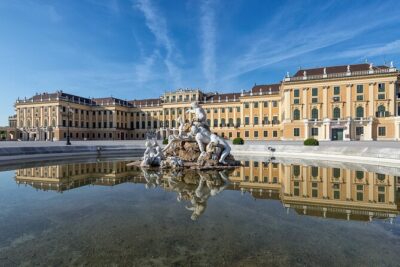
Exclusive Evening at Schönbrunn Palace: After-Hours Audiotour, Dinner, Concert
Read our review →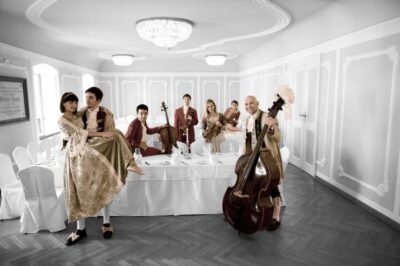
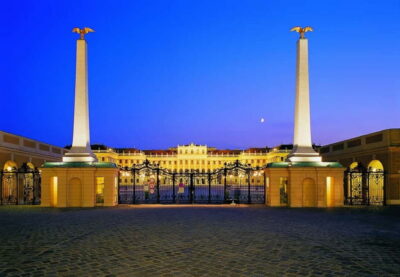
Schönbrunn Palace Evening Tour, Dinner and Concert
Read our review →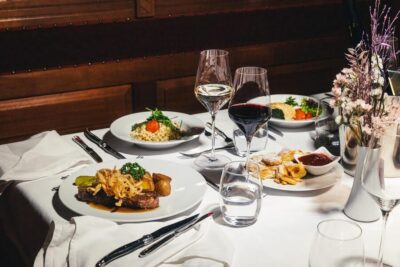

Hard Rock Cafe with Set Menu for Lunch or Dinner
Read our review →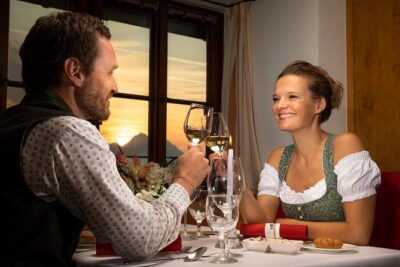
Best of Mozart Concert and Dinner or VIP Dinner at Fortress Hohensalzburg
Read our review →Browse the lists this tour appears in