
Reviewed · WALKING TOURS
Salzburg Introduction Walking Tour
Salzburg reveals its best stories on foot. This 2.5-hour walk links Mozart, medieval salt wealth, and Baroque church squares with an expert English-speaking guide, giving you a useful first look at the city’s compact historic center. I especially like the focus on both music and architecture, plus the chance to ask questions as you go. The main drawback is the $176 per person price, which is high for a walking tour and makes the experience most suitable for visitors who want a private or small-group history lesson rather than a basic orientation walk.
The route begins outside Coffeehouse Salzburg on Linzergasse and crosses the old center, ending at St. Peter’s Abbey. You see the Mirabell Gardens, Mozart’s birthplace, Alter Markt, Residenzplatz, Domplatz, and the abbey. Admission to the Mozart residence is not included, so you should treat this as a guided city walk with optional museum time, not a full Mozart museum visit.
In This Review
- Key Points At A Glance
- Why Salzburg Works So Well On Foot
- Starting At Linzergasse 39
- Mirabell Gardens: A Graceful Opening
- Mozart’s Birthplace And The Limits Of The Ticket
- Alter Markt: Salzburg’s Commercial Past
- Residenzplatz: Power In A Baroque Square
- Domplatz: Gothic And Baroque Salzburg Together
- St. Peter’s Abbey: A Fitting Final Stop
- How The Guides Shape The Experience
- Is $176 Per Person A Fair Price?
- Who Will Get The Most From This Walk?
- Booking Flexibility And Planning Tips
- Should You Book The Salzburg Introduction Walking Tour?
- FAQ
- Where does the Salzburg walking tour begin?
- How long does the tour last?
- What language is the tour offered in?
- Which places are included in the walking route?
- Is admission to Mozart’s residence included?
- What subjects does the guide discuss?
- Are private tours available?
- How much does the tour cost?
- Can I cancel the booking?
Key Points At A Glance
- A 150-minute route through central Salzburg: You cover the city’s main historic squares and several of its most important buildings without needing public transport.
- History beyond Mozart: The discussion includes Salzburg’s salt trade, medical developments, religious power, local customs, and musical past.
- Strong architecture focus: Gothic and Baroque churches, palaces, courtyards, and public squares provide the visual backbone of the walk.
- Historian-led format: Guides may be professors, doctoral students, historians, journalists, art critics, or published authors.
- A useful first-day activity: The route helps you understand how the old center fits together before you explore it on your own.
- High price, flexible booking: The tour costs $176 per person, but you can cancel up to 24 hours ahead or reserve without paying immediately.
Why Salzburg Works So Well On Foot
Salzburg’s historic center is compact, and that makes a walking tour a sensible way to begin. Within 150 minutes, you move from the gardens near Mirabell to the grand squares and churches on the other side of the Salzach River. The route gives you a clear sense of how the city’s religious, royal, commercial, and musical stories overlap.
I like tours that explain why a place looks the way it does. Salzburg is not simply a pretty collection of pastel facades and church domes. Its wealth grew in part from salt, its rulers shaped the city through religion and architecture, and its cultural reputation rests on far more than Mozart alone.
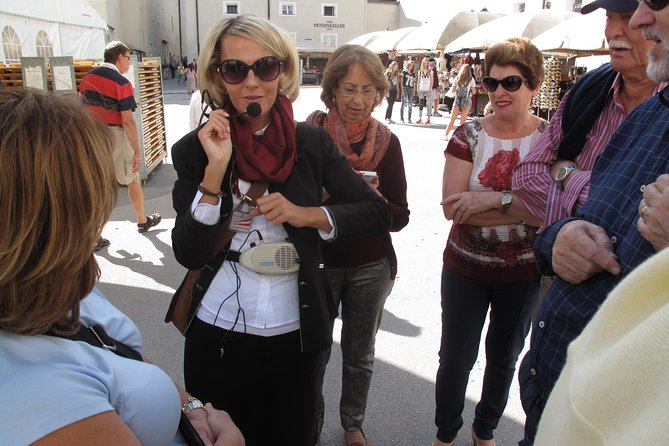
The guide-led format matters here. A square can look lovely, but without context you may miss the reason it was built, who used it, or how its buildings reflect Salzburg’s past. The guide is expected to discuss local customs and answer questions, so you can steer part of the conversation toward music, architecture, medicine, or daily life.
The advertised guides come from academic and cultural backgrounds, including professors, doctoral students, historians, journalists, art critics, and published authors. That range suggests a serious approach to interpretation, although the actual guide assigned to you can vary. One past participant specifically praised Liza, a Salzburg native who knew the city well and handled questions from both younger and older members of the group.
More Walking Tours in Salzburg
- Salzburg 2.5-Hour Walking Tour: Mozart, Old Town & More
★ 4.2 · 987 reviews - Salzburg: Old Town, Mozart, & Mirabell Gardens Walking Tour
★ 4.8 · 461 reviews - Salzburg Oldtown: Sightseeing Walking Tour with Licensed Local Guide
★ 5.0 · 392 reviews
Starting At Linzergasse 39
The meeting point is outside Coffeehouse Salzburg at Linzergasse 39. This is a practical starting place because it puts you near the eastern side of Salzburg’s central area before the route moves toward the major old-town sights.
Arrive ready to walk for two and a half hours. The tour is not a quick photo stop at each attraction. You pause for explanations at gardens, squares, churches, and historic buildings, so comfortable shoes will make the experience easier.
The meeting point also gives you a chance to settle in before the history begins. If you are staying in central Salzburg, this should be a manageable starting location. If you are coming from farther away, check the starting time carefully, since the activity offers different departure times depending on availability.
Mirabell Gardens: A Graceful Opening
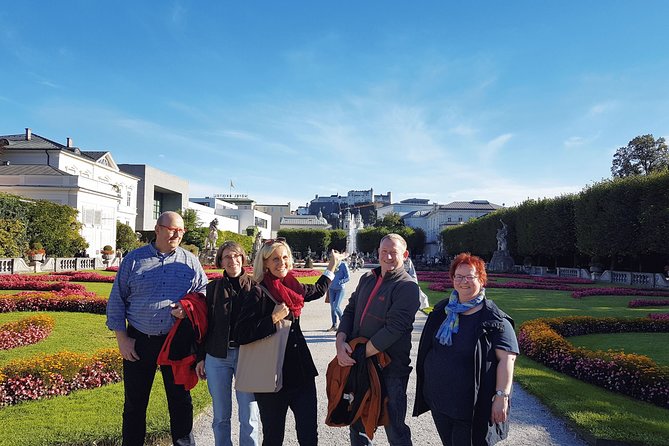
The first listed stop is Mirabell Gardens, where the guide gives a tour of the grounds. The gardens provide a gentler opening than beginning inside a crowded church or narrow old-town lane. You get space to look at Salzburg’s design, align your map with the city, and begin seeing how formal Baroque planning shaped the area.
Mirabell is also important for visitors interested in musical culture and cinema. Salzburg’s public image is strongly tied to music, and the city is also linked with The Sound of Music. The tour places those cultural connections beside older stories about rulers, churches, and urban planning.
The gardens are likely to appeal to photographers and first-time visitors who want a calm introduction. The limitation is that a garden stop depends heavily on the guide’s storytelling. If you want extended free time for pictures, you may need to return later, since the tour must keep moving through the larger route.
Mozart’s Birthplace And The Limits Of The Ticket
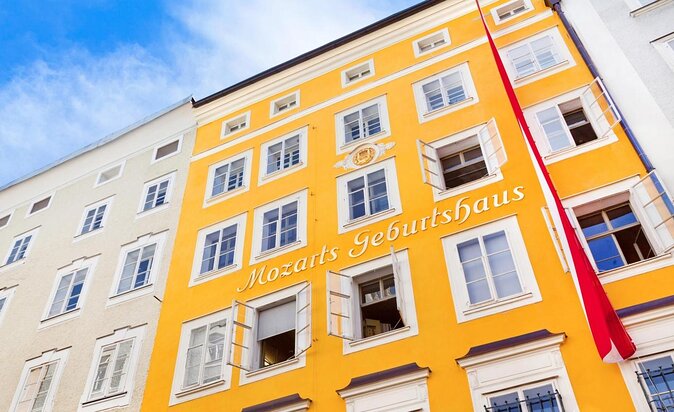
Mozart’s birthplace is one of Salzburg’s best-known addresses, and it naturally earns a place on this walk. The guide explains Mozart’s connection to the city and places his musical legacy within Salzburg’s broader cultural story.
This stop is especially useful if Mozart is one of your main reasons for coming to Salzburg. You get orientation before deciding how much time you want to spend inside the museum. The important practical point is that admission to the Mozart residence is not included in the tour price.
That separation can be good or bad. It keeps the walking tour from forcing every participant into a museum visit, but it also means you need a separate ticket if you want to see the interior exhibits. If your group has mixed interests, some people can focus on the building and surrounding streets while others plan a later museum visit.
Do not expect this tour to replace a dedicated Mozart-focused experience. It gives you historical setting and local perspective, but the main product is the walk through Salzburg’s center.
More Salzburg trips:
- The Original Sound of Music Tour in Salzburg
★ 4.5 · 6,129 reviews - Salzburg: Original Sound of Music Tour
★ 4.8 · 5,059 reviews - From Salzburg: Half-Day Tour to Hallstatt
★ 4.6 · 3,596 reviews - Salzburg: Mozart Concert at Mirabell Palace
★ 4.8 · 3,498 reviews
Alter Markt: Salzburg’s Commercial Past
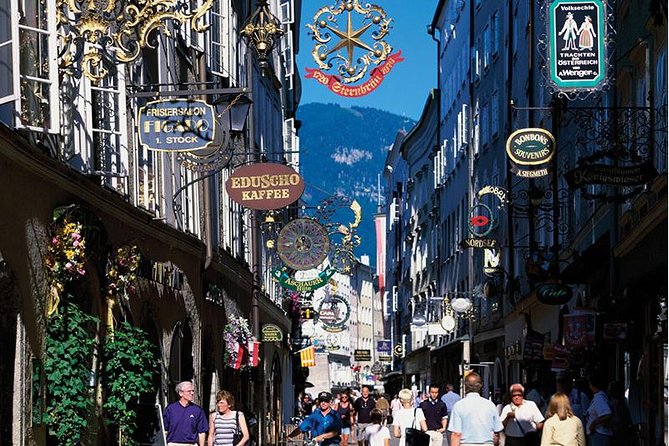
Alter Markt brings the story down from palace and church to the everyday city. The guide discusses the square and its surrounding buildings, helping you understand how commerce fit into Salzburg’s urban life.
This is where the medieval salt trade becomes especially relevant. Salt helped shape Salzburg’s wealth and importance, and the tour uses that economic background to explain why a relatively compact city developed such impressive religious and civic architecture.
I find this kind of context more useful than a list of dates. When you understand how money moved through the city, the scale of its churches and formal squares makes more sense. You begin to see architecture as a record of power and prosperity, not just decoration.
Alter Markt is also a good place to ask about local customs and changing city life. The advertised experience includes discussion of customs, so you can use this stop to connect historic Salzburg with the city you see today.
Residenzplatz: Power In A Baroque Square
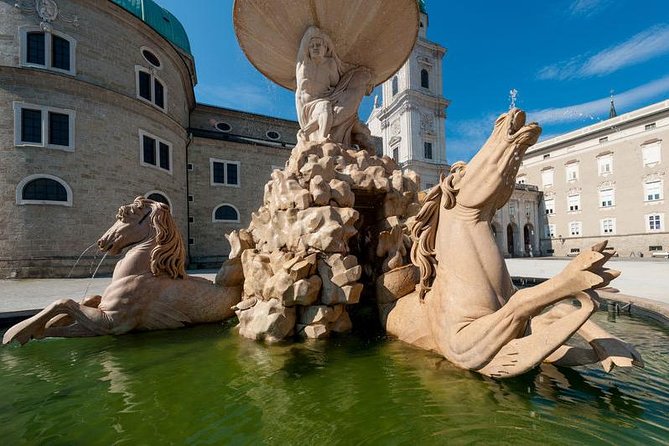
Residenzplatz gives the tour one of its clearest examples of Salzburg’s Baroque character. The square is associated with the city’s rulers and formal public life, and its broad design contrasts with the smaller streets and commercial spaces nearby.
Your guide can help you read the square as a political statement. Large open spaces, imposing facades, and carefully arranged buildings do more than create a pleasant view. They show how religious and civic authority wanted to present itself.
This is also one of the places where a strong guide can make a major difference. Without explanation, you may simply see another handsome European square. With good commentary, you can connect its design to Salzburg’s rulers, wealth, church influence, and public ceremonies.
The route does not promise admission to every building along the way. The value here is the guided interpretation of the setting, not a full interior tour of each site.
Domplatz: Gothic And Baroque Salzburg Together
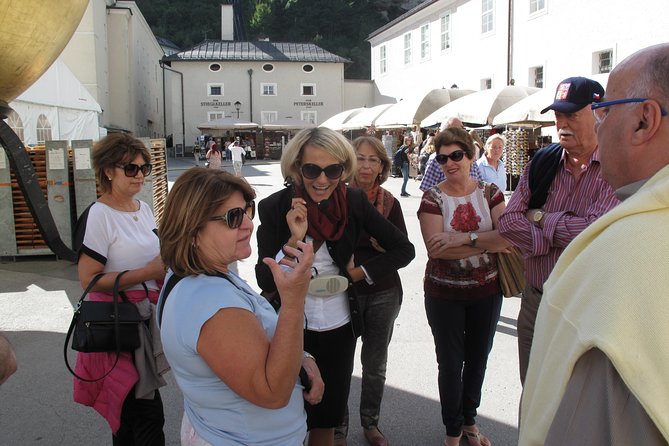
Domplatz brings you to one of the city’s most important religious spaces. The tour highlights Salzburg’s Gothic and Baroque architecture, and this square is a natural place to compare those styles and understand how the city changed over time.
The guide’s role is particularly useful here because architectural details can be easy to overlook. You might find yourself looking at a facade, dome, or church entrance without knowing which period it represents or why it matters. A historian or art critic can give those features a clear place in the city’s story.
Domplatz also helps tie together several themes from the tour. Music, religion, political authority, artistic ambition, and public ceremony meet in this part of Salzburg. The square is not merely a stop for a photograph. It is one of the places where the city’s identity becomes easiest to read.
For visitors who enjoy architecture, this may be the strongest part of the walk. For visitors mainly interested in Mozart, it is still useful because it places the musical story inside a much older city.
St. Peter’s Abbey: A Fitting Final Stop
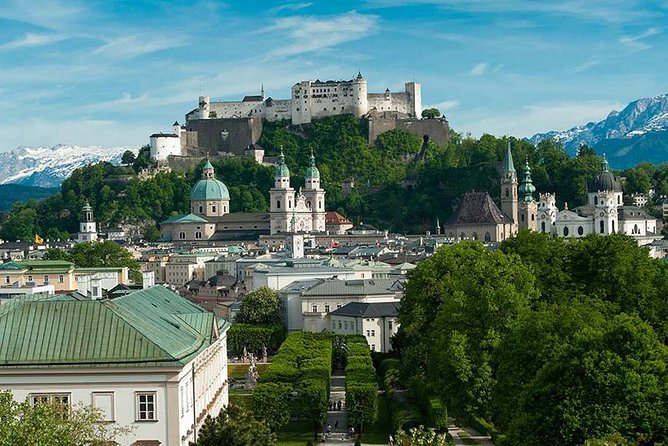
The walk ends at St. Peter’s Abbey, one of Salzburg’s major religious and historic sites. Finishing here gives the route a strong sense of arrival, moving from gardens and commercial squares toward one of the city’s oldest spiritual centers.
The abbey adds another layer to Salzburg’s story of religious power and cultural life. It also rounds out the architecture focus, giving you another chance to compare styles and notice how churches shaped the old center.
Ending at the abbey is practical. You can continue exploring the surrounding old town afterward, return to a site that caught your attention, or plan another visit if you want more time inside. The tour does not include a separate promise of extended admission time, so think of this as the end of the guided walk rather than the end of your sightseeing.
How The Guides Shape The Experience
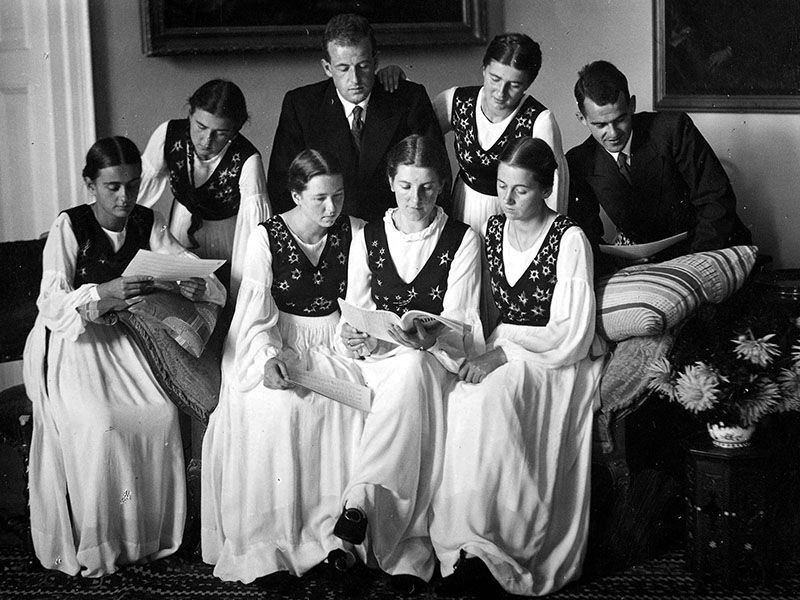
The guide is the most important variable here. A strong guide can turn a familiar route into an enjoyable lesson, while a weaker match may make the price feel difficult to justify.
Liza received especially warm praise for being punctual, friendly, and able to answer questions about her hometown. Her approach included regular stops to explain the background of squares, churches, shops, and buildings. That style suits groups with different ages and interests because you are not forced to listen to one long lecture while walking.
The available guide pool includes people with serious backgrounds in history, journalism, art, and academia. Still, the description does not guarantee that every assigned guide will be a professor or historian. One earlier assessment specifically felt that the guide was not a historian and that the price was too high as a result.
That is a fair warning. Ask yourself what you want from the experience. If you want a polished academic discussion and plenty of time for questions, the format may be a good match. If you only need directions and a few facts, you can likely find a less costly city orientation.
Is $176 Per Person A Fair Price?
At $176 per person, this is an expensive walking tour. The 150-minute duration works out to a substantial hourly cost, especially since the Mozart residence ticket is extra.
The price makes more sense if you book a private tour or a very small group and place a high value on direct conversation. A private guide can adjust the discussion toward your interests, such as Mozart, church architecture, salt commerce, medical developments, or The Sound of Music.
The value is harder to defend if you are joining a larger group and mainly want a quick introduction. The route covers public spaces and exterior views, while the major separate admission listed is not included. You are paying chiefly for the guide’s time, interpretation, and ability to connect the sights.
I would compare the price with your schedule and priorities. If Salzburg is a major stop on a short Austria trip, a strong first walk can save you from wandering without context. If you have several days and enjoy reading up before exploring, you may prefer to see the center independently and spend your money on interior admissions.
Who Will Get The Most From This Walk?
I would recommend this experience most strongly to:
- First-time visitors who want a clear introduction to central Salzburg
- People interested in architecture, church history, and urban design
- Mozart fans who want context before visiting the birthplace museum
- Families or mixed-age groups that benefit from frequent stops and questions
- Visitors who prefer private or small-group discussion
- Travelers with limited time who want several major sights covered in one outing
It may be less suitable if you dislike guided commentary, want long independent stops, or are watching your budget closely. It is also not the right choice if your main goal is a full interior tour of Mozart’s birthplace, since that admission is separate.
The walking pace should suit most people who are comfortable spending 150 minutes on their feet, but the supplied details do not specify accessibility conditions. If that matters to you, ask before booking.
Booking Flexibility And Planning Tips
You can cancel up to 24 hours in advance for a full refund, and the reserve-now, pay-later option keeps your plans open. Confirmation is sent within 48 hours of booking, subject to availability, so do not leave it until the last minute if your schedule is tight.
The tour is offered in English with a live guide. Private and small-group formats are available, which is important at this price. Before paying, check which format you are selecting and confirm the starting time.
I would schedule the walk early in your Salzburg stay. You can then return to the places that interest you most, decide if you want the Mozart residence admission, and use the guide’s orientation for the rest of your visit.
Should You Book The Salzburg Introduction Walking Tour?
Book it if you want serious historical explanation in a small or private setting and can accept the premium price. The route is well chosen, the subjects reach beyond Mozart, and the best guides can make Salzburg’s squares and churches much easier to understand.
Think twice if you want a low-cost overview or expect admission to the main museums. At $176 per person, the experience depends heavily on the quality and expertise of your assigned guide. For the right group, especially one that enjoys questions and architecture, it can be an excellent first look at Salzburg. For budget-minded visitors, a self-guided walk may offer better value.
FAQ
Where does the Salzburg walking tour begin?
It begins outside Coffeehouse Salzburg at Linzergasse 39.
How long does the tour last?
The tour lasts 150 minutes, or 2.5 hours.
What language is the tour offered in?
The live guided tour is offered in English.
Which places are included in the walking route?
The route includes Mirabell Gardens, Mozart’s birthplace, Alter Markt, Residenzplatz, Domplatz, and St. Peter’s Abbey.
Is admission to Mozart’s residence included?
No. Admission to the Mozart residence is not included in the tour price.
What subjects does the guide discuss?
The tour covers Salzburg’s history, musical heritage, local customs, Gothic and Baroque architecture, medieval salt commerce, medical innovations, and the city’s connection with The Sound of Music.
Are private tours available?
Yes. Private and small-group options are available.
How much does the tour cost?
The listed price is $176 per person.
Can I cancel the booking?
Yes. You can cancel up to 24 hours in advance for a full refund. You can also reserve now and pay later, subject to availability.
Just added in Salzburg
- Werfen: Hohenwerfen Castle Entrance Ticket★ 4.5 · 84 reviews
- Vienna: Private tour from Vienna to Hallstatt and Salzburg★ 5.0 · 1 review
- Private Melk Hallstatt, Salzburg tour from Vienna★ 4.9 · 22 reviews
- Vienna: Hallstatt & Salzkammergut Trip with Ossuarry Option★ 5.0 · 1 review
- Private Full Day Trip to Hallstatt ,Salzburg and Melk from Vienna★ 4.5 · 58 reviews
- Day Tour from Vienna to Hallstatt and Salzburg with Photographer★ 3.0 · 10 reviews
- From Vienna ,Lakes to Mountains,Melk,Hallstatt and Salzburg Tour★ 3.5 · 7 reviews
- Transfer from Vienna to Salzburg with 2 hours for sightseeing★ 5.0 · 24 reviews
Walking Tours, compared.
Guided Walking Tour of City Center Highlights
Read our review →
Guided Walking Tour of City Highlights & Hidden Gems
Read our review →
Vienna Historic Center Small Group Walking Tour
Read our review →
Browse the lists this tour appears in