
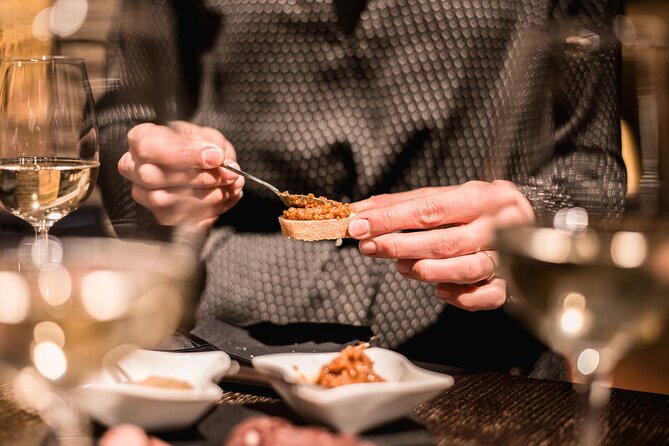
Reviewed · WINE TOURS
Viennese Wine Tasting in a Private Hidden Wine Cellar
Ancient stone and Austrian wine make a fine pairing. Beneath Haas & Haas wine and delicatessen, this short tasting leads you several floors underground into one of central Vienna’s old cellars, then settles you at a long table with three Austrian wines and small local snacks. I especially like the strong sense of place and the chance to taste Vienna-made wine in the city where it is grown. The guide-led format also works well for beginners, thanks to clear explanations of grapes, regions, and winemaking.
The main drawback is the amount of wine. Three small pours are enough for a tasting, but some people may find the portions modest for the price. At about $22.93 per person, this is a good-value introduction to Austrian wine and cellar history, not a long vineyard visit or a full afternoon of drinking.
In This Review
- Key points at a glance
- Why Vienna is a wine city
- Meeting at Haas & Haas on Ertlgasse
- Going down into the old cellar
- The tasting table and three Austrian wines
- Bread, spreads, cheese, and delicatessen bites
- What makes the guided option worthwhile
- The self-guided 30-minute alternative
- Price, timing, and practical value
- Who should book this cellar tasting?
- Should you book it?
- FAQ
- Where does the Viennese wine tasting begin?
- Where does the experience end?
- How long does the guided tasting last?
- Is there a shorter option?
- How many wines are included?
- Are snacks included?
- Is the tour offered in English?
- Do I need to bring anything for the audio guide?
- Is the activity suitable for people with mobility issues?
- What is the cancellation policy?
Key points at a glance
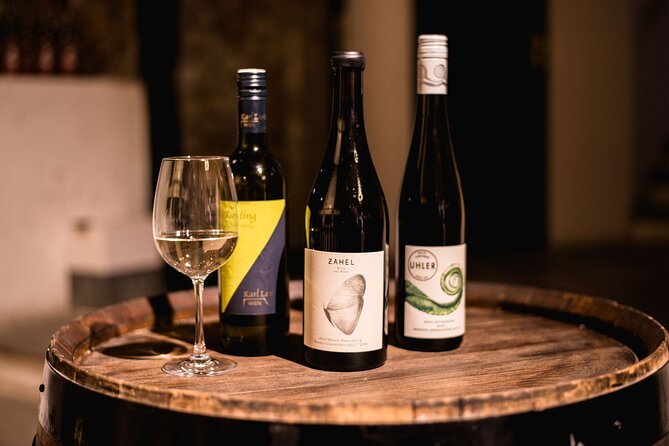
- Three Austrian wines: Expect a short comparison of regional styles, often including two white wines and one red.
- A cellar several floors below street level: The underground rooms are the setting, not just a backdrop.
- Local food pairings: Bread, spreads, cheese, meat, and delicatessen items may accompany the tasting, depending on the option booked.
- Guides such as Cornelius and Bernie: The strongest part of the experience is the friendly, clear explanation of Austrian wine and Vienna’s wine culture.
- Small-group setting: The group can reach up to 12 people, allowing questions and conversation without the feel of a large tour.
- Short timing: The guided tasting lasts about 45 minutes. A self-guided option lasts about 30 minutes and includes a glass of local wine.
Why Vienna is a wine city
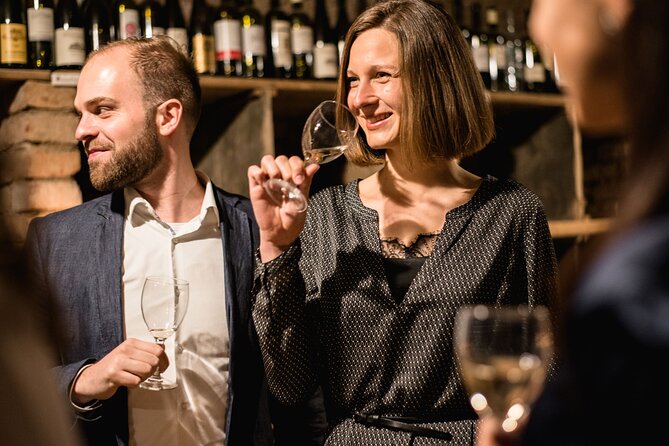
Vienna surprises many people with its wine story. Around 700 hectares of vines are cultivated within the city’s urban area, so wine is not merely something brought in from the countryside. It is part of Vienna itself.
Viticulture here reaches back to the Roman period, roughly two thousand years ago. That history gives the tasting a useful frame. You are not simply sampling three bottles. You are learning how vineyards survived and remained part of a major European capital.
The city’s wine tradition also helps explain why this experience feels different from a standard shop tasting. The setting connects the bottle on the table with the cellar below your feet and the vineyards beyond the city center.
The tour does not take you out to the vineyards, and it is not designed as a full study of Austrian wine. Instead, it gives you a compact introduction before or after a day of sightseeing. I like that balance. You get enough background to understand what you are drinking without sitting through a long lecture.
More Food Tours in Vienna
- Vienna for Food Lovers: Cafés, Markets & Austrian Cuisine
★ 5.0 · 1,063 reviews - Wachau Valley Wine Tasting Bike Tour from Vienna
★ 5.0 · 829 reviews - Vienna: Gerstner KuK Hofzuckerbäcker Baking Show & Tasting
★ 4.8 · 823 reviews
Meeting at Haas & Haas on Ertlgasse
The experience begins at Haas & Haas wine and delicatessen, at Ertlgasse 4 in Vienna’s 1010 district. The shop sells wines and food products, so you begin in a working delicatessen rather than a purpose-built tasting room.
That matters because the shop gives the tasting a local, practical character. You can see the sort of food that may accompany the wines, and you may find products worth taking home after the tasting. The activity ends back at the same meeting point, making it easy to fit into a central Vienna sightseeing day.
The location is near public transportation, and confirmation is provided when you book. Since the experience is often reserved well ahead of time, roughly 33 days in advance on average, I would not leave it until the last day of a short Vienna visit.
Arrive ready to go underground. The cellar has several floors to climb, and the activity is not suitable for people with mobility issues. Service animals are allowed, and most people can take part, but the stairs are an important practical detail.
Going down into the old cellar
The cellar is the heart of the experience. The guide takes you below the shop, with some accounts describing three levels underground and rooms dating back roughly 300 to 400 years. The precise areas open to the group can vary, but the route gives you a sense of an older underground world beneath the city.
The cellar once served as a practical extension of the businesses above it. Parts of the underground complex have been described as almost a small city beneath the shops, with storage areas and passageways connected to commercial life.
You should not expect a polished museum display at every turn. The rooms used for the tasting may be largely empty apart from the table and chairs. That is part of the appeal. You are sitting in an authentic cellar rather than a staged attraction filled with props.
One limitation is that not every passage or the lowest section is necessarily open to the group. If you picture an extensive underground expedition, adjust your expectations. The cellar visit is relatively brief, but it adds atmosphere and gives the wine a proper home.
The tasting table and three Austrian wines
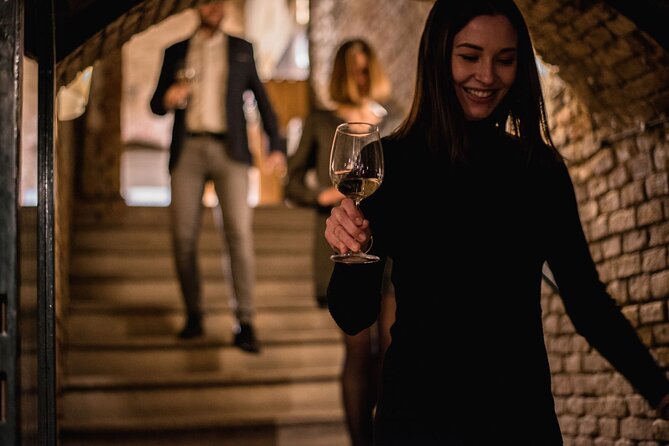
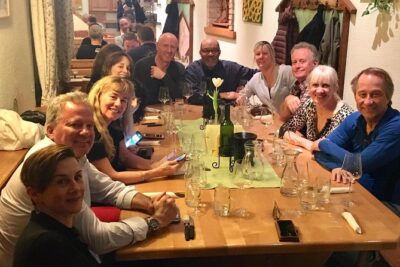
After the cellar introduction, the group gathers around a long table for the tasting. The maximum group size is 12, though the exact number can be smaller. That scale is useful because the guide can explain each wine and still include questions from people with different levels of experience.
The tasting includes three wines from Vienna or other Austrian regions. A typical selection described for the experience included two whites and one red, with each wine chosen to show a different style. The exact bottles may change, so you should treat that combination as an example rather than a guarantee.
The guide explains the grapes, the region, and the character of each wine. You may hear what to notice in the glass, how Austrian winemaking differs by area, and how Viennese wine fits into the country’s wider traditions.
This is not a formal exam in wine vocabulary. If you are new to tastings, you can simply compare the wines and say which one you prefer. People with more experience still get useful regional context, especially when the guide adjusts the discussion to the group.
Cornelius is praised for keeping the pace lively and including both first-timers and experienced tasters. Bernie is also described as warm and clear, with strong knowledge of Austrian wines. The best guides here do not bury the group in technical terms. They explain enough to make the tasting interesting, then let the wine do its work.
One fair criticism concerns the pour size. The samples are appropriate for a tasting, but they are not full glasses. If you want a substantial amount of wine, this will feel limited. It would also be useful to have the option to buy a full glass of one of the sampled wines afterward, but that is not promised as part of the experience.
More Wine Tours in Vienna:
- Vienna: Swarovski House Tour with Champagne and Gift
★ 4.7 · 787 reviews - Countryside Half Day Wine Tour near Vienna
★ 5.0 · 545 reviews - Wachau Valley Small-Group Tour and Wine Tasting from Vienna
★ 5.0 · 540 reviews - From Vienna: Half-day Countryside Wine Tour with Meal
★ 4.7 · 526 reviews
Bread, spreads, cheese, and delicatessen bites
The food pairing gives the wine tasting more substance. Depending on the option selected, you may receive Viennese spreads and local delicacies, along with bread, cheese, meat, or salami.
The snacks are not a full meal. Think of them as small bites that clear the palate and show how the wines work with savory food. A simple plate of bread, dip, cheese, and cured meat can make the tasting feel more generous, especially when paired with the white and red wines.
The exact serving can differ by booking option, so check what is included before you pay. The basic inclusions list separates snacks and wine tasting from options such as the audio guide. If you select an option without food or drinks, those items are not included.
Some people may wish the snack portions were larger. I would plan to eat beforehand or afterward if you need lunch. The food is a companion to the tasting, not its main event.
What makes the guided option worthwhile
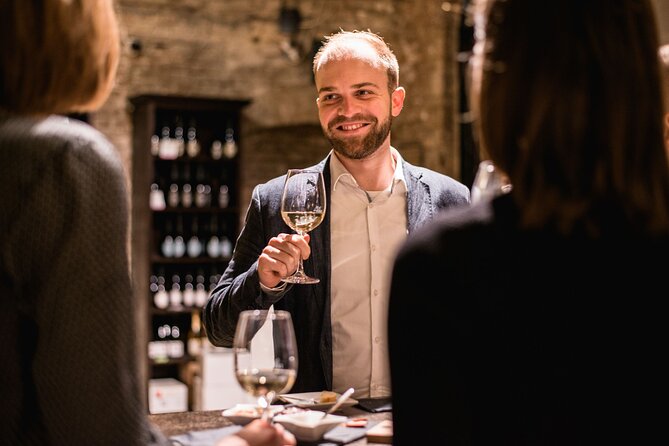
At this price, the guide is the main value. Three pours alone would not make this a major wine event, but the cellar access and explanation turn it into a compact cultural activity.
I like the way the experience connects three subjects: Vienna’s Roman-era wine roots, the city’s old underground cellars, and the wines being poured today. Without that link, the tasting could feel like a shop counter with three samples. With it, the 45 minutes have a clear shape.
The experience also suits mixed groups. You do not need prior wine knowledge, and the guide can explain the basics without making experienced tasters feel ignored. A friendly guide can make the difference between a rushed sample and a useful introduction to Austria’s wine regions.
The atmosphere is another plus. The cellar creates a quieter setting than a busy wine bar, and the group sits together rather than moving quickly from bottle to bottle. The result is relaxed and social, but still focused.
Keep in mind that this is not a private tasting in the sense of having the whole cellar to yourself. The group can include up to 12 people. The word private describes the guided tasting format, while the actual experience may be shared with other people who booked the same time.
The self-guided 30-minute alternative
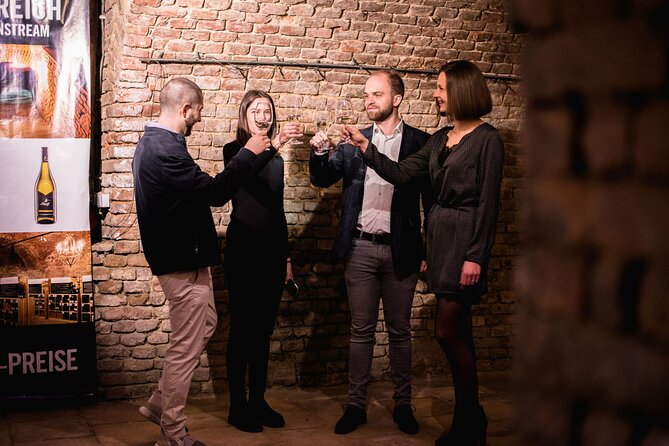
For a shorter visit, you can choose the self-guided cellar tour with a glass of local wine. This version lasts about 30 minutes and uses an audio guide if that option is selected.
Bring your smartphone for the audio guide. Your own headphones are recommended for better sound, and headphones are not supplied. This option gives you more independence, but it removes the live conversation and personal explanations that make the guided tasting especially appealing.
Choose the self-guided format if you have a tight schedule or prefer to move at your own pace. Choose the guided tasting if you want to ask questions, compare three wines, and hear a host explain the cellar and Austrian wine traditions directly.
Check the inclusions carefully when booking. Wine, snacks, and the audio guide depend on the option you choose, so the headline price should not be treated as a guarantee that every feature is included.
Price, timing, and practical value
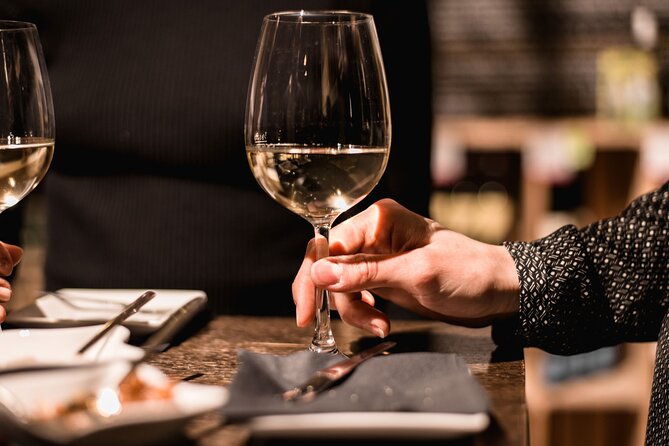
At $22.93 per person, the guided experience is reasonably priced for central Vienna, particularly because it includes cellar admission, a professional host, three wine samples, and snack pairings when selected. You are paying for context and access as much as for the liquid in the glass.
The 45-minute duration is both a strength and a limitation. It is easy to fit between the Hofburg, St. Stephen’s Cathedral, shopping streets, or an evening meal. It also means you will not lose half a day if wine is only one interest among several.
On the other hand, people expecting the length of a California or Italian vineyard tour may be disappointed. There is no countryside transfer, vineyard walk, or extended producer visit in the information provided. This is a central-city cellar tasting.
The rating is 4.7 out of 5, with 93 percent recommending it. That high approval fits the experience’s strongest features: the unusual cellar, the guides, the clear wine explanations, and the easy location. The lower opinions focus mainly on small pours, limited snack portions, or a guide speaking too quickly.
If English is not your first language, listen closely at the start and ask the guide to repeat anything unclear. The activity is offered in English, and the pace may vary by host and group.
Who should book this cellar tasting?
I would recommend it to you if you want a short introduction to Austrian wine without leaving central Vienna. It is particularly good for first-time tasters, couples, small groups of friends, and anyone who enjoys local history with a drink in hand.
It also works well as a break from museums and churches. The cellar changes the pace of the day, while the tasting gives you a better sense of Vienna beyond its imperial buildings.
You may want something else if your priority is a large meal, generous pours, a countryside vineyard visit, or a long technical tasting. The price is fair for the setting and guide, but less attractive if you judge it only by the volume of wine.
The experience can also suit curious shoppers. Haas & Haas is a delicatessen, and the shop provides a chance to browse Austrian wines and food products after the tasting. Any purchases are separate from the activity.
Should you book it?
Yes, if you value atmosphere, local context, and a well-paced introduction. The old cellar is the memorable feature, while the three wines and snacks give you a pleasant way to learn what Austria produces.
Book the guided version if you want personal explanations from hosts such as Cornelius or Bernie. Pick the 30-minute audio option only if saving time matters more than conversation.
I would book this for a first Vienna visit, especially when you want something beyond the usual palace route. Just remember that it is a compact tasting, not an all-day wine tour, and confirm that your chosen option includes the snacks and wine.
FAQ
Where does the Viennese wine tasting begin?
It begins at Haas & Haas wine and delicatessen, Ertlgasse 4, 1010 Wien, Austria.
Where does the experience end?
The activity ends back at the meeting point at Haas & Haas.
How long does the guided tasting last?
The guided tasting lasts approximately 45 minutes.
Is there a shorter option?
Yes. A self-guided cellar tour with a glass of local wine lasts about 30 minutes.
How many wines are included?
The guided tasting includes three different Viennese or Austrian wines when that option is selected.
Are snacks included?
Snacks are included only when the selected booking option specifies them. The food may include Viennese spreads, bread, cheese, meat, or other delicatessen items.
Is the tour offered in English?
Yes. The experience is offered in English.
Do I need to bring anything for the audio guide?
For the audio guide option, bring your smartphone. Your own headphones are recommended, and headphones are not provided.
Is the activity suitable for people with mobility issues?
No. The cellar requires climbing a few floors, so the activity is not suitable for people with mobility issues.
What is the cancellation policy?
You can cancel at least 24 hours before the local start time for a full refund. Cancellations or changes made less than 24 hours before the start time are not accepted for a refund.
Just added in Vienna
- Vienna: Austrian Wine Tasting Experience★ 4.2 · 2 reviews
- World War II History Vienna Old Town Private Walking Tour★ 4.8 · 9 reviews
- Vienna_ Meet Beethoven Life Private Guided Walking Tour★ 5.0 · 1 review
- Vienna: Wine Tasting Tour★ 4.8 · 61 reviews
- Vienna: Wine Tasting at Schönbrunn Palace★ 4.3 · 71 reviews
- Vienna: Winery and Wine Tasting Tour with a Wine Expert★ 5.0 · 5 reviews
- Vienna: Wine Tasting E-Bike Tour★ 4.9 · 46 reviews
- Vienna: Concert by the Vienna Baroque Orchestra★ 4.6 · 56 reviews
Wine Tours, compared.

Wachau Valley Wine Tasting Bike Tour from Vienna
Read our review →
Wachau Valley Small-Group Tour and Wine Tasting from Vienna
Read our review →
Grape Grazing: Wachau Valley Winery Biking Tour
Read our review →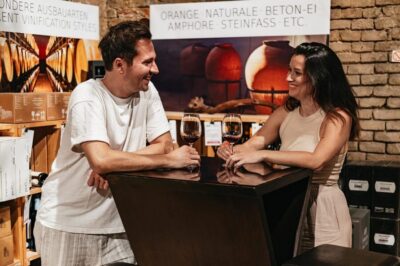
Wine Tasting Experience in a Private Wine Cellar
Read our review →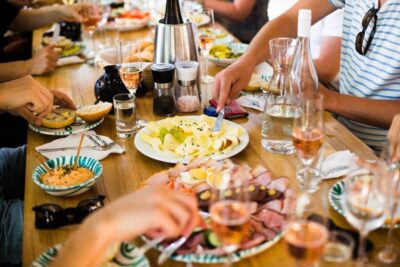
Browse the lists this tour appears in