
Reviewed · WINE TOURS
Vienna: Austrian Wine Tasting
Austrian wine deserves a closer look. This small-group tasting brings six well-chosen wines to a shop near Vienna’s Prater, with a graduate of the Wine Academy explaining the grapes, regions, and tasting methods in plain English or German. I like the limited group of eight, which gives the session a personal feel, and I like the useful regional lineup, from Vienna’s Wiener Gemischter Satz DAC to Wachau Grüner Veltliner and Kremstal Riesling.
The main consideration is that the advertised tasting is six wines, but the actual session can vary with the host and timing. One particularly generous afternoon stretched to 12 wines, while another booking was affected by an unexpected closure that was not communicated in time. The value is strong when the shop is operating normally, but confirm your booking messages before setting off.
In This Review
- Key points at a glance
- Why Austrian wine is worth your afternoon
- Arriving at Weinrudi in Vienna’s second district
- Starting with Frizzante and the basics
- Tasting Vienna’s Wiener Gemischter Satz DAC
- Moving to Wachau Grüner Veltliner
- Comparing Kremstal Riesling Handwerk
- Food, pacing, and the possibility of extra pours
- What the host adds to the experience
- Is $81 a fair price?
- Who should book this tasting?
- Booking, timing, and a sensible precaution
- FAQ
- Where does the Austrian wine tasting take place?
- How long does the tasting last?
- How many wines are included?
- Which Austrian wines may be featured?
- What food and drinks are included?
- What languages are available?
- How large is the group?
- Can I cancel or pay later?
- Should you book it?
Key points at a glance
- Six Austrian wines plus Frizzante: The core tasting includes a welcome glass and six generous pours from leading Austrian producers.
- Vienna, Wachau, and Kremstal in one sitting: You get a practical introduction to several of the country’s best-known wine areas.
- Wine Academy graduate as host: The presentation covers tasting technique, grape varieties, wine styles, and regional character.
- A proper food pairing: Bread, snacks, water, and, according to one especially generous session, a platter of meats and cheese help keep the tasting comfortable.
- Small group near the Prater: The shop at Bruno-Marek-Allee 11 is in Vienna’s second district, close to the Giant Ferris Wheel.
- Best for adults who want context: This is an educational tasting, not a quick sip-and-go stop, and it is limited to people aged 18 and over.
Why Austrian wine is worth your afternoon
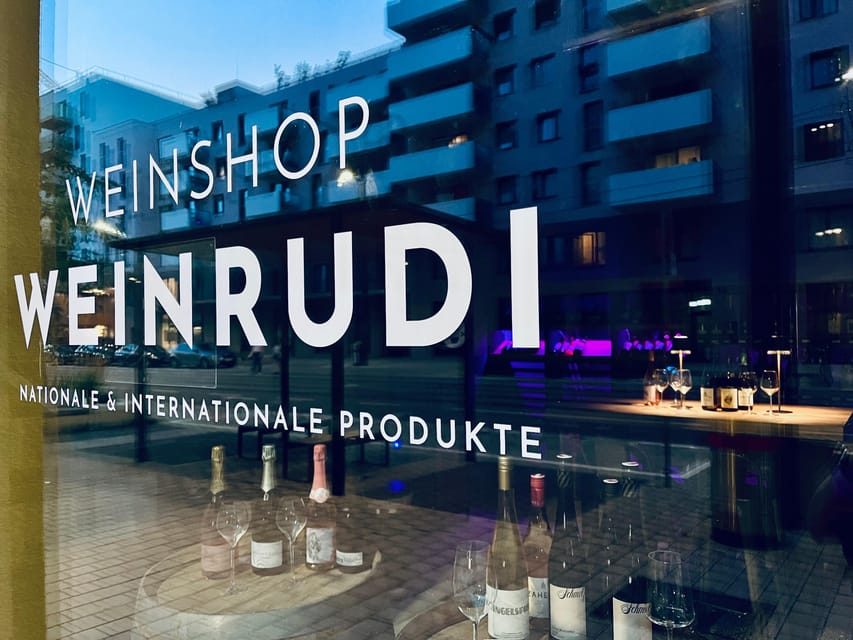
Vienna is one of the few European capitals with an important wine culture tied directly to the city. This tasting gives you a way to understand that culture without spending a day arranging transport to several wineries.
The focus is Austria, but the session is not limited to naming bottles and pouring wine. You learn how to taste, how to notice differences in aroma and structure, and how growing regions influence the final drink. That matters because Austrian wines can be unfamiliar even to people who already know French, Italian, or Spanish wine.
The host introduces Austria’s main wine-growing areas in a short, manageable way. You are not expected to memorize every village or vineyard name. Instead, you get a working map: Vienna for Wiener Gemischter Satz, Wachau for expressive Grüner Veltliner, and Kremstal for Riesling and other quality wines.
I like this approach because it gives you something useful to carry into the rest of your trip. After the tasting, a wine list or shop shelf in Vienna becomes easier to read. You can recognize grapes, regions, and styles rather than choosing a bottle only because the label looks attractive.
More Food Tours in Vienna
- Vienna for Food Lovers: Cafés, Markets & Austrian Cuisine
★ 5.0 · 1,063 reviews - Wachau Valley Wine Tasting Bike Tour from Vienna
★ 5.0 · 829 reviews - Vienna: Gerstner KuK Hofzuckerbäcker Baking Show & Tasting
★ 4.8 · 823 reviews
Arriving at Weinrudi in Vienna’s second district
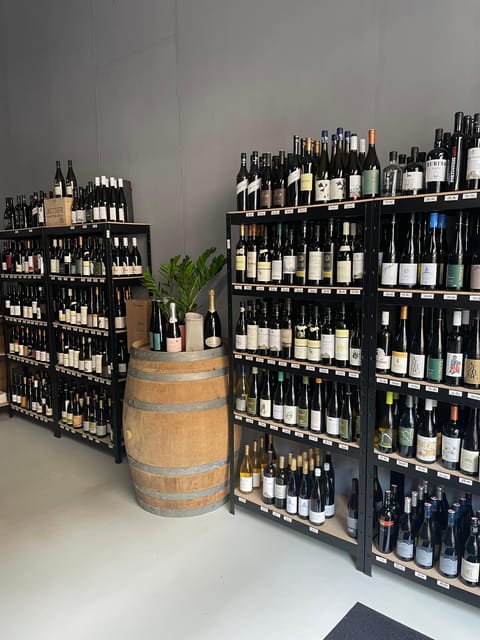
The meeting point is the Weinrudi wine shop at Bruno-Marek-Allee 11. There is no hotel pickup, so you need to make your own way there and arrive directly at the shop.
The location is in Vienna’s second district, near the Prater and its Giant Ferris Wheel. That makes the tasting easy to combine with a visit to one of Vienna’s familiar attractions, though you should allow time to find the shop rather than treating the tasting as a last-minute add-on.
The shop setting is part of the appeal. You are not sitting in a large restaurant or a formal lecture hall. You are surrounded by wine, which makes the conversation feel closer to a visit with a local specialist than a standard sightseeing stop.
The practical point is simple: confirm that the shop is open for your reserved time. One booking was badly affected by a medical emergency that led to a closure, while the booking company apparently failed to pass along the message. A refund was eventually offered, but the lost time and unnecessary trip were frustrating. This appears to be an exception rather than the normal pattern, but it is sensible to check your messages before leaving your hotel.
Starting with Frizzante and the basics
The session begins with a welcome glass of Frizzante. This gives you a relaxed start and introduces a lighter, sparkling Austrian style before the still wines arrive.
The opening explanation covers the mechanics of tasting. You learn what to look for in the glass and how to pay attention to aroma, acidity, fruit, texture, and finish. The goal is not to turn you into a professional taster in two hours. It is to give you enough confidence to describe what you are drinking and understand why two wines made from different grapes can feel so different.
That is a useful feature for beginners. Wine tastings can sometimes become a parade of technical terms, leaving you nodding politely while wondering what you are supposed to notice. Here, the stated emphasis is on practical tasting technique and a brief explanation of Austria’s regions and styles.
The group size helps. With no more than eight participants, questions are easier to ask, and the host can respond to the interests of the people in the room. The experience is offered in English and German, so check that your preferred language is available when you reserve.
Tasting Vienna’s Wiener Gemischter Satz DAC
One of the featured wines is Wiener Gemischter Satz DAC, a wine closely tied to Vienna. The name refers to a traditional field blend, where several grape varieties grow together and are harvested and made into one wine.
For you, this is an excellent first Austrian wine to taste because it links the glass to the city outside the shop. It is not just a generic white wine from Austria. It represents a local Viennese tradition and shows why the capital’s wine identity is different from that of the Wachau or Kremstal.
The tasting gives you a chance to compare the wine’s style with the other pours that follow. Pay attention to how the blend differs from a single-variety Grüner Veltliner or Riesling. You do not need advanced vocabulary. Simply notice which wine feels rounder, sharper, more aromatic, or easier to pair with food.
The inclusion of Wiener Gemischter Satz also adds local character. If you later see it on a menu or in a Viennese wine shop, you will know that it is one of the city’s signature choices rather than an obscure label.
More Wine Tours in Vienna:
- Vienna: Swarovski House Tour with Champagne and Gift
★ 4.7 · 787 reviews - Countryside Half Day Wine Tour near Vienna
★ 5.0 · 545 reviews - Wachau Valley Small-Group Tour and Wine Tasting from Vienna
★ 5.0 · 540 reviews - From Vienna: Half-day Countryside Wine Tour with Meal
★ 4.7 · 526 reviews
Moving to Wachau Grüner Veltliner
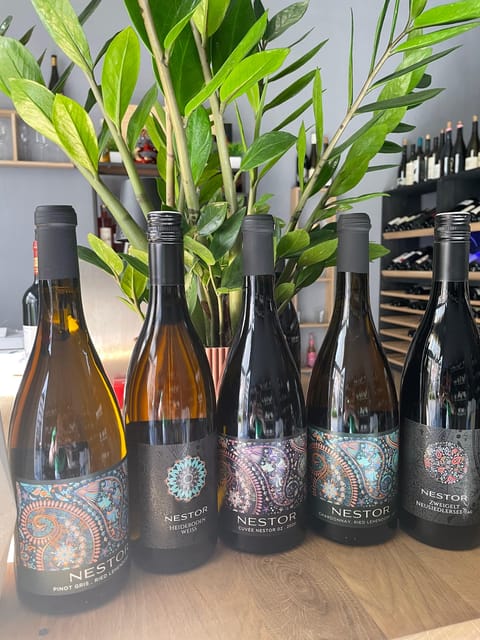
The next major reference point is Grüner Veltliner Ried Pichl Point from the Wachau. Grüner Veltliner is Austria’s best-known white grape, and the Wachau is one of the country’s most respected wine areas.
A named vineyard such as Ried Pichl Point allows the host to explain how place and vineyard designation matter. You get more than a general lesson about the grape. You can consider how a wine from a specific Wachau site presents itself and how it compares with the Viennese blend.
This is where the regional explanation becomes practical. The session is not simply telling you that Wachau wines are good. It places a particular bottle in a particular region and asks you to taste the result.
The generous pours are worth noting. One couple described the amount as so ample that the afternoon became considerably more potent than expected. Bread, snacks, and water are included, but you should still pace yourself. Six proper servings can add up quickly, especially when you are concentrating on the wine and enjoying the conversation.
Comparing Kremstal Riesling Handwerk
Riesling Handwerk from Kremstal brings another important Austrian style to the table. Riesling gives you a useful comparison with Grüner Veltliner because both are major white wines, yet they can show different aromas, acidity, and texture.
This comparison is one of the strongest reasons to choose a guided tasting instead of ordering random glasses at a bar. You can taste the wines close together and ask the host to explain the differences while they are still fresh in your mind.
Kremstal also broadens your understanding of Austria beyond Vienna and the Wachau. The host’s regional overview is brief, but the sequence of wines gives that overview shape. You hear the name of a region, taste a wine from it, and then compare it with the previous pour.
The session includes six quality wines in total. The named examples are the clearest landmarks, while the remaining wines provide room to show other Austrian varieties, producers, or styles. The exact selection can change, so do not book expecting a fixed bottle-by-bottle menu beyond the featured examples.
Food, pacing, and the possibility of extra pours
Bread, snacks, and water are part of the price. That may sound basic, but it matters during a tasting with six generous wines. Small bites help you focus on the wine and give you something to eat between pours.
One afternoon included a platter of breads, meats, and cheese. That is a useful detail, but I would not assume that every session will include the same full platter. The confirmed inclusions are bread, snacks, and water.
The advertised format is about one and a half to two hours. The itinerary describes roughly 1.5 hours at the shop, while the presentation is also described as approximately two hours. Plan your schedule around a two-hour window, especially if you have dinner reservations afterward.
The host may also offer additional tastes depending on the situation. One unusually long session expanded from the expected six wines to 12, including an extra Spanish wine already open at the shop. That sounds enjoyable, but it also shows why you should not assume every group will receive the same extras. A later party needed the host’s attention, so the session eventually had to wind down.
Treat any additional wine as a pleasant possibility, not part of the promise. The dependable package is the welcome Frizzante and six wine tastings.
What the host adds to the experience
The host, Rudi, is the central reason this activity earns strong praise. He is described as warm, funny, and able to explain both Austrian wine and wines from other countries.
That wider knowledge is helpful when you already have some wine experience. If you mention French wine, Spanish wine, or a visit to Saint-Émilion, the conversation can move beyond a rehearsed Austrian script. One session included discussion of French wine and an extra Spanish pour because the topic came up naturally.
For beginners, the relaxed manner may be even more valuable. You can ask a basic question without feeling out of place. The Austrian and German-language sessions are described as friendly and informative, with the host explaining both the wines and their history.
I would not choose this experience if you want a silent, highly formal tasting with a printed technical sheet for every bottle. Its strength is personal explanation and conversation. The mood can be social, and the amount of wine can be generous.
Is $81 a fair price?
At $81 per person, this is not a budget drink stop. It is also more than the cost of ordering a single glass or two in a Vienna wine bar.
The value improves when you count what is included: a welcome Frizzante, six substantial tastings, guidance from a Wine Academy graduate, regional teaching, bread, snacks, and water. You are paying for access to a focused presentation and a set of quality wines, not simply for the liquid in the glass.
The small group also matters. A maximum of eight people makes the experience more personal than a large commercial tasting. If you ask questions or want help comparing two wines, the format should give you a better chance of getting a useful answer.
The value is strongest for people who would otherwise spend money on several unconnected glasses without understanding them. It is weaker if you only want one quick sample or already know Austrian wine very well.
The extra pours described in one session should not enter your price calculation. Six wines are the reliable basis for judging the cost, and six generous pours can be more than enough for an afternoon.
Who should book this tasting?
I would recommend it to adults who enjoy wine, want a local introduction to Austria, or prefer a small discussion to a large tour group. It suits both beginners and experienced drinkers because the host can explain basic tasting methods while also discussing French, Spanish, and other wines.
It is especially useful early in your Vienna stay. You can use what you learn when choosing Austrian wine with lunch or dinner later. It also pairs well with a visit to the Prater, since the shop is in the same broad area.
The format is not suitable for children under 18, pregnant women, or people with a cold. That last restriction is practical: wine tasting depends on your sense of smell and taste, so you will get much less from it if you are unwell.
The activity is wheelchair accessible, which is useful for visitors who need step-free access, though the supplied details do not specify the exact route or restroom arrangements. Ask the provider if you need those details before booking.
Booking, timing, and a sensible precaution
You can cancel up to 24 hours before the activity for a full refund, and a reserve-now, pay-later option is available. The booking is valid for one day, with starting times based on availability.
The key practical issue is communication. Because one session was cancelled after the host had a medical emergency and the closure was not passed on clearly, check for a confirmation close to the date. If the shop is closed when you arrive, contact the booking company at once and keep records of the messages.
That incident should not erase the positive pattern of the experience, but it is worth acknowledging. A wine tasting is often fitted into a carefully timed city day, and an unnecessary trip across Vienna is inconvenient.
FAQ
Where does the Austrian wine tasting take place?
It takes place at the Weinrudi wine shop at Bruno-Marek-Allee 11 in Vienna’s second district, near the Prater and Giant Ferris Wheel.
How long does the tasting last?
The tasting lasts approximately 1.5 to 2 hours. Allow a full two hours when planning the rest of your day.
How many wines are included?
The standard experience includes a welcome glass of Frizzante and six wine tastings. Extra pours may sometimes be offered, but they are not part of the stated package.
Which Austrian wines may be featured?
Examples include Wiener Gemischter Satz DAC from Vienna, Grüner Veltliner Ried Pichl Point from the Wachau, and Riesling Handwerk from Kremstal.
What food and drinks are included?
The price includes bread, snacks, and water, along with the welcome Frizzante and six wines.
What languages are available?
The live guide offers the experience in English and German.
How large is the group?
The activity is limited to eight participants, making it a small-group tasting.
Can I cancel or pay later?
You can cancel up to 24 hours in advance for a full refund. A reserve-now, pay-later option is also available.
Should you book it?
Book this tasting if you want to understand Austrian wine rather than simply drink it. The combination of Vienna’s local blend, Wachau Grüner Veltliner, Kremstal Riesling, a small group, and an engaging host gives you a useful introduction in a compact afternoon.
I would be cautious only if your schedule cannot absorb a two-hour session, if you dislike generous pours, or if you expect a fixed six-bottle lineup with no variation. Confirm the appointment before leaving for Bruno-Marek-Allee 11, then arrive ready to ask questions and pace yourself. At $81, it is a worthwhile choice for curious wine drinkers who value explanation, local character, and a friendly room over a quick tasting at a crowded bar.
Just added in Vienna
- Vienna: Austrian Wine Tasting Experience★ 4.2 · 2 reviews
- World War II History Vienna Old Town Private Walking Tour★ 4.8 · 9 reviews
- Vienna_ Meet Beethoven Life Private Guided Walking Tour★ 5.0 · 1 review
- Vienna: Wine Tasting Tour★ 4.8 · 61 reviews
- Vienna: Wine Tasting E-Bike Tour★ 4.9 · 46 reviews
- Vienna: Wine Tasting at Schönbrunn Palace★ 4.3 · 71 reviews
- Vienna: Winery and Wine Tasting Tour with a Wine Expert★ 5.0 · 5 reviews
- Vienna: Concert by the Vienna Baroque Orchestra★ 4.6 · 56 reviews
Wine Tours, compared.
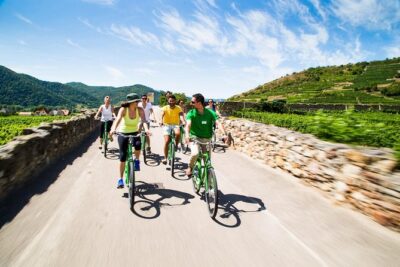
Wachau Valley Wine Tasting Bike Tour from Vienna
Read our review →
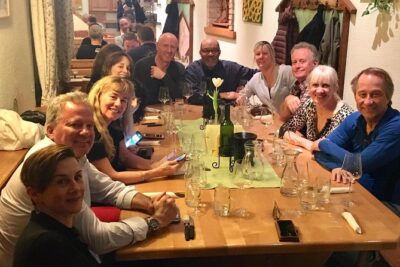
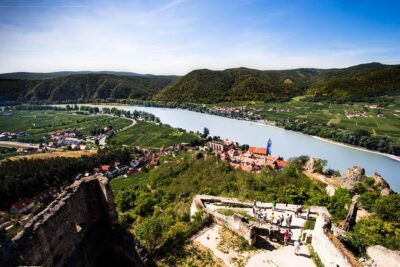
Wachau Valley Small-Group Tour and Wine Tasting from Vienna
Read our review →
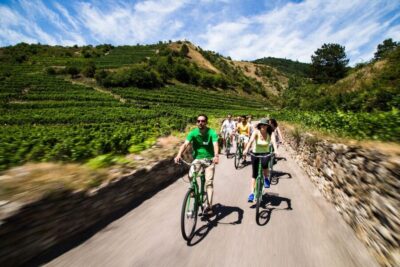
Grape Grazing: Wachau Valley Winery Biking Tour
Read our review →
Wine Tasting Experience in a Private Wine Cellar
Read our review →
Browse the lists this tour appears in