
Reviewed · WINE TOURS
Austrian Wine Tasting
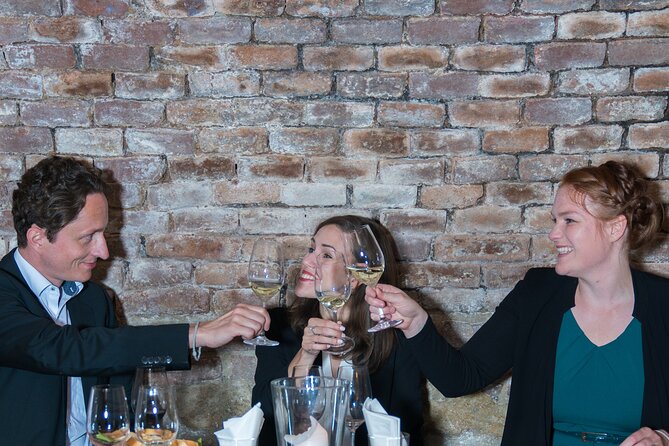
Wine makes Austria easier to understand. In a relaxed two-hour session, a certified sommelier leads you through six Austrian wines, explains the country’s main grapes and regions, and shows you how to taste with more confidence. I especially like the small maximum of eight people and the chance to ask real questions rather than stand in a crowded tasting room. The local cheese, cured meat, and bread also give the wines a useful point of comparison.
The main consideration is the price: $145.18 per person is a serious sum for two hours. The food is a tasting plate, not dinner, and the room may look more modern than the atmospheric brick cellar suggested by some photographs. Still, for anyone keen to understand Austrian wine rather than simply sip it, the personal instruction gives this experience a strong case.
In This Review
- Key points to know before booking
- What this Vienna wine class is really like
- Six glasses, with Austrian grapes at the center
- Austrian wine regions and production explained clearly
- Cheese, cured meat, and bread are part of the teaching
- The setting in Vienna’s 2nd district
- Why the small group changes the experience
- Is $145.18 good value for two hours?
- Who will enjoy this most?
- Useful planning details for your Vienna visit
- Should you book the Austrian Wine Tasting?
- FAQ
- Where does the Austrian Wine Tasting take place?
- How long does the wine tasting last?
- How many wines are included?
- What food is served?
- Is the experience conducted in English?
- How many people can join?
- Is the tasting near public transportation?
- Can I cancel for a full refund?
Key points to know before booking
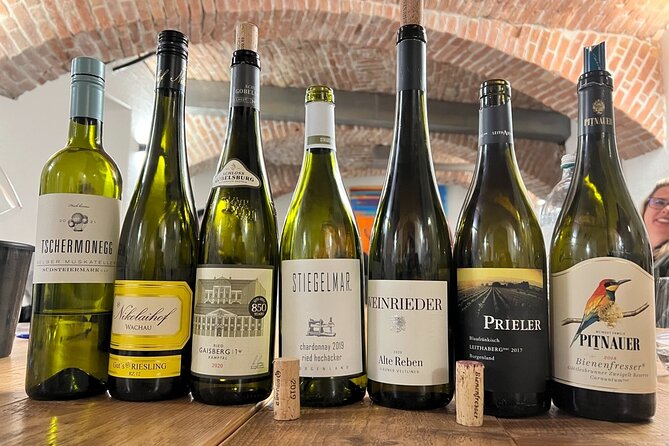
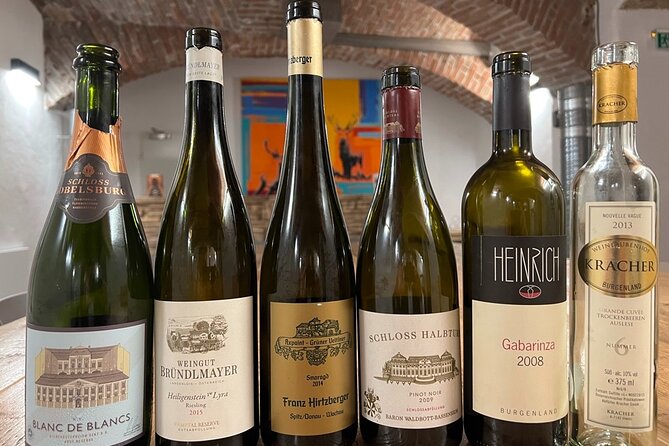
- Six Austrian wines in two hours: Expect several white and red styles, with examples such as Grüner Veltliner, Sauvignon Blanc, Riesling, Sankt Laurent, and Blaufränkisch appearing in past tastings.
- A personal class, not a quick sample: The group size is capped at eight, and the sommelier discusses each glass in detail.
- Stylianos leads the session: His teaching covers Austrian grapes, regions, production methods, wine classification, and practical tasting skills.
- Cheese and charcuterie are part of the lesson: Bread, local cheese, and cured meats help show how pairing changes a wine.
- Convenient Vienna location: The meeting point is at Hollandstraße 10/1-3 in Vienna’s 2nd district, near public transportation.
- Best for curious drinkers: Beginners get clear guidance, while experienced wine drinkers can ask more technical questions.
What this Vienna wine class is really like
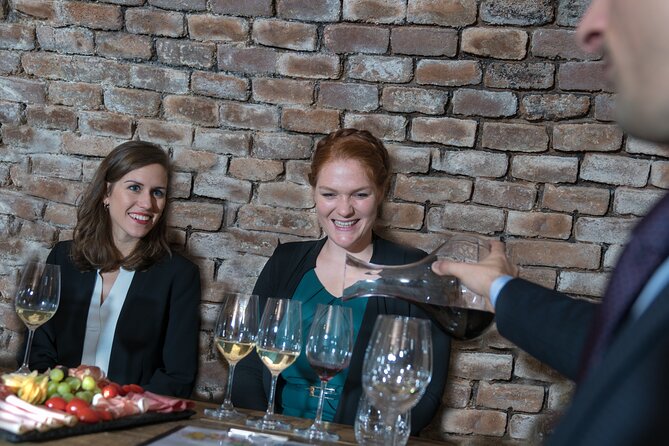
This is less a stop-by tasting and more a compact wine lesson with food. You meet at Wine Tasting Vienna, at Hollandstraße 10/1-3 in the 2nd district. The activity begins and ends there, so you do not need to manage several locations or build complicated transport plans around it.
The session lasts about two hours. That is long enough to compare different wines without turning the afternoon into a lecture. You taste, talk, eat, and return to the glass with a better idea of what you are looking for.
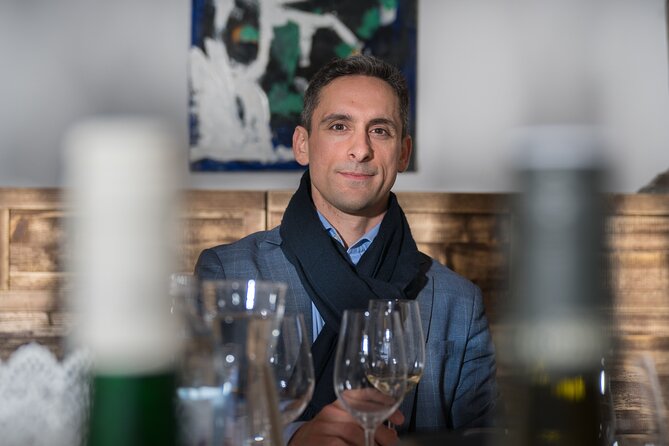
Stylianos, the owner and host, is a certified sommelier. His style appears to be warm and conversational rather than stiff. That matters because wine language can become a wall very quickly. Terms such as acidity, aroma, body, and boldness are useful only when someone explains how to notice them.
I like the way this format gives you time to ask questions. You can ask about a grape, a wine region, Austrian classification, or the reason one cheese works better with a certain glass. The goal is not to make you sound like a sommelier at dinner. It is to help you taste with more purpose.
More Food Tours in Vienna
- Vienna for Food Lovers: Cafés, Markets & Austrian Cuisine
★ 5.0 · 1,063 reviews - Wachau Valley Wine Tasting Bike Tour from Vienna
★ 5.0 · 829 reviews - Vienna: Gerstner KuK Hofzuckerbäcker Baking Show & Tasting
★ 4.8 · 823 reviews
Six glasses, with Austrian grapes at the center
The exact wines can change. Stylianos changes the selections to keep the experience fresh, so you should not expect the same bottles every time. That is a strength for repeat visitors, but it also means the published examples are best treated as possibilities rather than a fixed promise.
Past pours have included Grüner Veltliner, Sauvignon Blanc, and Riesling among the white wines. Austria is strongly associated with Grüner Veltliner, and this tasting gives you a chance to consider it alongside other familiar grapes. Comparing the wines side by side is more useful than drinking one bottle without context.
The red wines may be the surprise. Sankt Laurent and Blaufränkisch have received particular attention in past sessions. Many people arrive expecting Austrian whites to carry the show, then discover that the reds deserve serious consideration too.
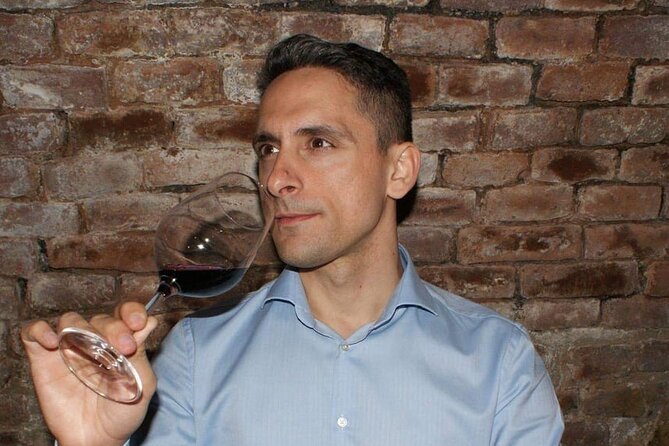
Each glass is presented and discussed before you move on. You may be guided through aroma, taste, acidity, structure, and body. The value here is not just the six pours. It is the method of comparison. Once you notice how acidity changes the feel of a wine, or how food softens certain flavors, the lesson follows you into restaurants and wine shops.
The pours have been described as generous, though the experience remains a tasting rather than an evening built around six full glasses. Bottled still water is included, which is useful during a session with several wines.
Austrian wine regions and production explained clearly
A good tasting should answer a basic question: why does this wine taste like this? The discussion here covers Austria’s main wine regions, local grape varieties, production methods, and the country’s system for classifying wine.
That background gives the tasting a sense of place. You are not simply sampling international grapes in Vienna. You are learning how Austrian wine culture treats its own varieties and how producers work across different growing areas.
I also like that the lesson reaches beyond Austria when useful. Questions about wine traditions and production around the world can be part of the conversation. That makes the session suitable for someone who already knows wine and wants to compare Austria with other wine countries.
The educational material provided during the tasting is another helpful touch. You can take notes and pictures, and a small booklet offers a guide while you taste. If you are the sort of person who forgets the name of a grape five minutes after hearing it, written material makes the lesson more useful after you leave.
The information is said to be detailed, but the host keeps it approachable. That balance is important. Wine education should give you more to notice without making you feel that every sip requires an exam.
Cheese, cured meat, and bread are part of the teaching
The food is a cold plate with locally sourced cheese, cured meats, and bread. It is designed to accompany the wine, not replace a meal.
You may receive cheese and meat portions that feel modest if you arrive hungry. One past account described the food as very good but not substantial, with only a few strips of cheese and slices of meat. I would plan to eat before or after if you want a proper lunch or dinner.
As a pairing exercise, though, the plate is useful. Stylianos suggests which foods work with each wine, helping you notice how salt, fat, and texture affect the glass. A wine that seems sharp on its own may feel softer with cheese. A red can change when paired with cured meat.
This is one reason I prefer a guided tasting to drinking alone. You might notice that a pairing works, but the explanation helps you understand why. That is a small lesson you can use later when ordering wine with food in Vienna.
More Wine Tours in Vienna:
- Vienna: Swarovski House Tour with Champagne and Gift
★ 4.7 · 787 reviews - Countryside Half Day Wine Tour near Vienna
★ 5.0 · 545 reviews - Wachau Valley Small-Group Tour and Wine Tasting from Vienna
★ 5.0 · 540 reviews - From Vienna: Half-day Countryside Wine Tour with Meal
★ 4.7 · 526 reviews
The setting in Vienna’s 2nd district
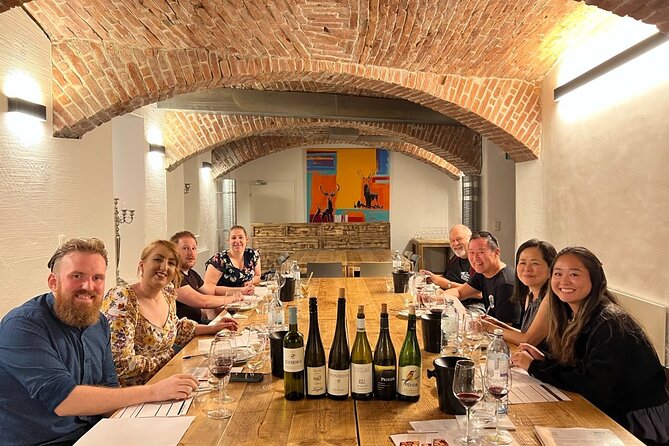
The tasting takes place in a restored traditional Viennese building from the Wilhelminian era. The setting is intended to feel like a dedicated wine space, with an intimate atmosphere and proper stemware.
You should keep your expectations flexible about the exact appearance. At least one account described the room as more modern than the brick-and-cellar look shown in some images. If an old vaulted cellar is essential to your plans, confirm the current setup before booking.
The practical advantage is the location. Hollandstraße is in Vienna’s 2nd district and near public transportation. It is also easy to reach on foot for some visitors, depending on where they are staying. Since the activity returns to the same meeting point, you can continue your evening without arranging a ride between venues.
This is not a vineyard outing. You will not be driven into the countryside or walk through rows of vines. The benefit is convenience: you get a focused introduction to Austrian wine while staying in Vienna.
Why the small group changes the experience
The maximum group size is eight. That cap gives the session a more club-like feel than a large commercial tasting.
With a small group, you can ask questions without having to interrupt a guide speaking to dozens of people. You can also hear other people’s questions, which often reveals something you had not considered.
Solo visitors may find the format especially comfortable. A solo participant has sometimes received an individual session when no one else was booked. That is unusual and gives you a chance to shape the discussion around your own interests.
The group can also affect the mood. Some people prefer a quiet lesson, while others enjoy talking through the wines with new companions. The intimate setup allows conversation, and a past group even continued the evening at a nearby wine bar. That is not part of the official activity, but it shows how the social side can develop naturally.
Is $145.18 good value for two hours?
At $145.18 per person, this is not a budget tasting. You are paying for six wines, water, a food plate, a central Vienna location, and two hours of instruction from a certified sommelier.
If you only want a few samples, the cost may feel high. You could spend less at a wine bar and make your own choices. That option, however, will not give you the same structured comparison or direct coaching.
I think the price makes more sense for three types of visitors:
- You want a serious introduction to Austrian wine.
- You already enjoy wine and value expert discussion.
- You want a small, social activity that does not require a full-day trip outside Vienna.
The food should not be the main reason you book. It is a helpful accompaniment, but not a meal. The wine education and personal attention carry most of the value.
For couples who regularly book tastings in new countries, this can be a worthwhile splurge. For a group on a tight budget, it may be better to choose one person who is especially interested in wine, or seek out a less formal tasting.
Who will enjoy this most?
Beginners should feel comfortable here. The teaching is intended to explain the art of tasting, not assume that you already know how to discuss wine. You can learn how to identify aromas, assess acidity, and compare the structure of different wines without needing prior training.
Experienced wine drinkers also have reason to come. The focus on Austrian classification, regional differences, local grapes, and production methods offers more substance than a basic tourist tasting. People from California wine country have found the wines and information worthwhile, which suggests that the session is not aimed only at complete newcomers.
Food-focused visitors will appreciate the cheese and charcuterie pairings. If your idea of a good afternoon includes learning about a place through what it produces and eats, this is a natural fit.
It is less suitable if you want a large meal, a vineyard tour, or a highly theatrical historic setting. It is also not the best choice for someone who dislikes guided instruction and would rather order a bottle with no discussion.
Useful planning details for your Vienna visit
The experience is offered in English, so you can follow the explanations without needing wine vocabulary in German. Confirmation is received at booking, and mobile tickets are supported.
The activity is near public transportation, and most people can participate. The maximum is eight people. Since the experience lasts about two hours, it fits neatly into an afternoon or early evening plan.
This is an alcohol tasting, so schedule it with some thought. The supplied food is a cold plate, not a full meal. Eating beforehand can help you focus on the wines rather than the size of the cheese portion.
The experience is often booked well ahead, with an average booking time of about 37 days in advance. If your Vienna dates are fixed, I would reserve early, particularly if you want a certain time.
Free cancellation is available up to 24 hours before the start time for a full refund. Changes or cancellations inside that 24-hour window are not accepted, and cut-off times use Vienna local time.
Should you book the Austrian Wine Tasting?
I would book this if you want to understand Austrian wine, not merely drink it. The strongest reasons are the small group, six varied wines, practical tasting guidance, and Stylianos’s clear interest in helping people learn.
I would skip it if your priority is a filling meal, a countryside vineyard visit, or a dramatic old cellar. The room may be more modern than expected, and the food is light.
For wine lovers, curious beginners, and visitors who enjoy an informed conversation around the table, this is a well-focused Vienna activity. The price is high, but the personal instruction makes it more than a standard tasting flight. If you reserve, arrive ready to ask questions, take notes, and give Austrian reds a fair chance.
FAQ
Where does the Austrian Wine Tasting take place?
It begins and ends at Wine Tasting Vienna, Hollandstraße 10/1-3, 1020 Vienna, Austria, in Vienna’s 2nd district.
How long does the wine tasting last?
The experience lasts approximately two hours.
How many wines are included?
Six Austrian wines are included in the tasting.
What food is served?
You receive a cold plate with locally sourced cheese, cured meats, and bread. Still bottled water is also included.
Is the experience conducted in English?
Yes. The tasting is offered in English and led by a certified sommelier.
How many people can join?
The activity has a maximum of eight participants.
Is the tasting near public transportation?
Yes. The meeting point is near public transportation, and the location can also be reached on foot depending on where you are staying.
Can I cancel for a full refund?
Yes. You can cancel at least 24 hours before the experience starts for a full refund. Cancellations or changes made less than 24 hours before the start time are not accepted.
Just added in Vienna
- Vienna: Austrian Wine Tasting Experience★ 4.2 · 2 reviews
- World War II History Vienna Old Town Private Walking Tour★ 4.8 · 9 reviews
- Vienna_ Meet Beethoven Life Private Guided Walking Tour★ 5.0 · 1 review
- Vienna: Wine Tasting Tour★ 4.8 · 61 reviews
- Vienna: Wine Tasting E-Bike Tour★ 4.9 · 46 reviews
- Vienna: Wine Tasting at Schönbrunn Palace★ 4.3 · 71 reviews
- Vienna: Winery and Wine Tasting Tour with a Wine Expert★ 5.0 · 5 reviews
- Vienna: Concert by the Vienna Baroque Orchestra★ 4.6 · 56 reviews
Wine Tours, compared.
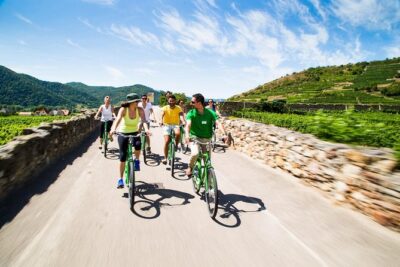
Wachau Valley Wine Tasting Bike Tour from Vienna
Read our review →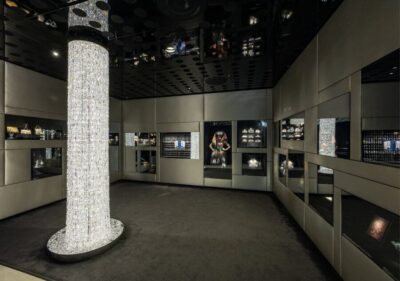
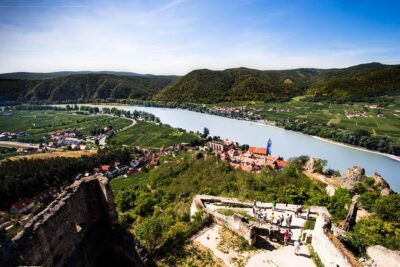
Wachau Valley Small-Group Tour and Wine Tasting from Vienna
Read our review →
Grape Grazing: Wachau Valley Winery Biking Tour
Read our review →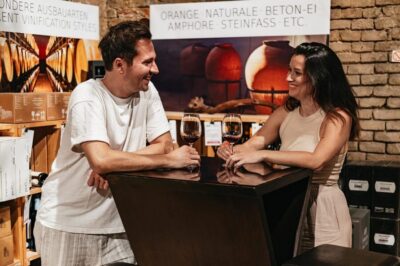
Wine Tasting Experience in a Private Wine Cellar
Read our review →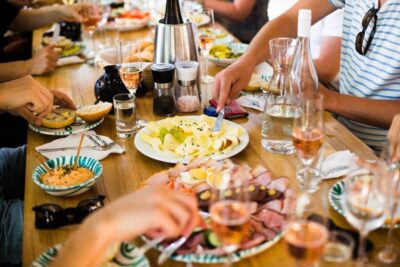
Browse the lists this tour appears in