
Reviewed · CLASSICAL CONCERTS AND OPERA
Salzburg Cathedral: Organ Concert at Midday
Let the cathedral play its own soundtrack. This brief concert turns a sightseeing stop into a musical experience, with two organists performing across Salzburg Cathedral’s remarkable collection of organs. I especially like the chance to hear several instruments in one sitting, and the way the music makes the cathedral’s dome, marble details, and pale interior feel more alive.
The other big plus is value. At $10 per person, this is one of the least expensive ways to enjoy serious music in Salzburg. The main drawback is time: 30 minutes goes quickly, and anyone hoping for a full recital may wish it lasted an hour. You also do not get a reserved seat, so arriving early can make a real difference.
In This Review
- Key details to know before you go
- Why this short concert works so well
- Entering Salzburg Cathedral at noon
- Hearing four, five, six, or seven organs
- Two organists, and sometimes other performers
- The cathedral’s acoustics are part of the show
- What the 30-minute itinerary feels like
- Finding a good seat without a reservation
- Is $10 good value in Salzburg?
- What to see before and after the music
- Who will enjoy this most
- Practical planning for your Salzburg day
- Should you book the Salzburg Cathedral organ concert?
- FAQ
- How long is the Salzburg Cathedral organ concert?
- How much does the concert cost?
- How many organs are in Salzburg Cathedral?
- Will all seven organs be played?
- Are two organists included?
- Is seating reserved?
- Are introductions available in English?
- Is the concert wheelchair accessible?
- Can I cancel for a full refund?
Key details to know before you go
- Seven organs in one cathedral: The performance introduces the range of Salzburg Cathedral’s instruments, though the exact number played can vary.
- Two organists and changing sounds: Recent programs have used four, five, six, or even all seven organs, so you hear more than one style and tone.
- Noon bells set the scene: The concert begins around midday, with the cathedral bells helping mark the start of the experience.
- A 30-minute musical stop: The short format works well between other Salzburg sights and suits listeners who do not want a long classical concert.
- Seat choice is first come, first served: Seat reservations are not included, so arrive early if you want a particular view.
- Strong value at $10: You get entry to the musical performance inside one of Salzburg’s major sights, with free cancellation up to 24 hours before the start and a reserve-now, pay-later option.
Why this short concert works so well
Salzburg is packed with musical associations, but it can be easy to spend the day looking at plaques, statues, and former homes without hearing much music at all. This concert fixes that problem in half an hour. You sit inside the cathedral, hear the instruments fill the space, and connect the city’s musical identity with the building in front of you.
The program is not simply one organist playing one long piece. The musicians move between instruments, allowing you to hear clear changes in power, color, and tone. That variety gives the concert a sense of movement even though you remain seated.
The format also keeps the experience approachable. If organ music is not normally your thing, 30 minutes is a manageable sample. If you already love the instrument, you may find yourself wishing for more.
More Classical Concerts in Salzburg
- Salzburg: Mozart Concert at Mirabell Palace
★ 4.8 · 3,498 reviews - Salzburg: Best of Mozart Fortress Concert and Dinner
★ 4.5 · 1,424 reviews - Salzburg: Mozart Concert with Dinner
★ 4.8 · 835 reviews
Entering Salzburg Cathedral at noon
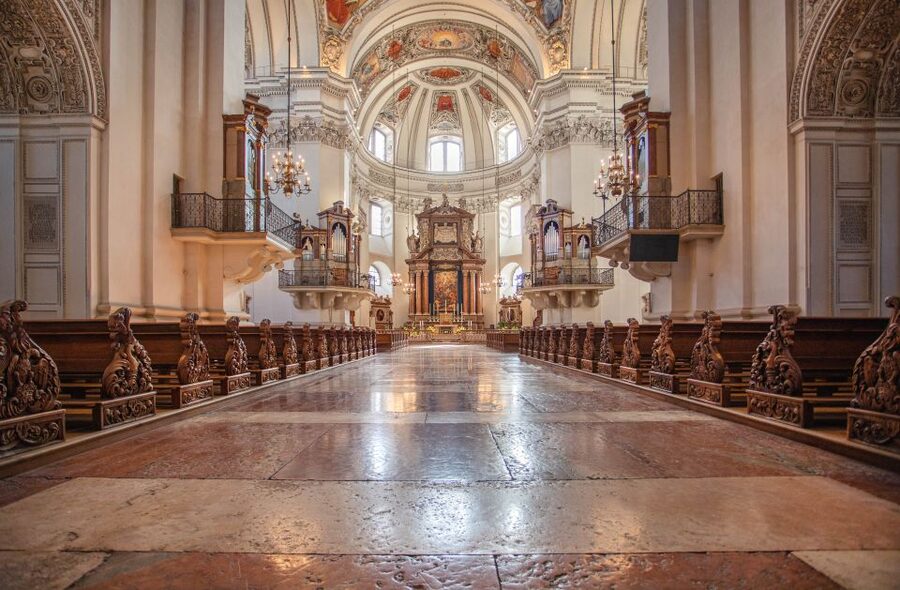
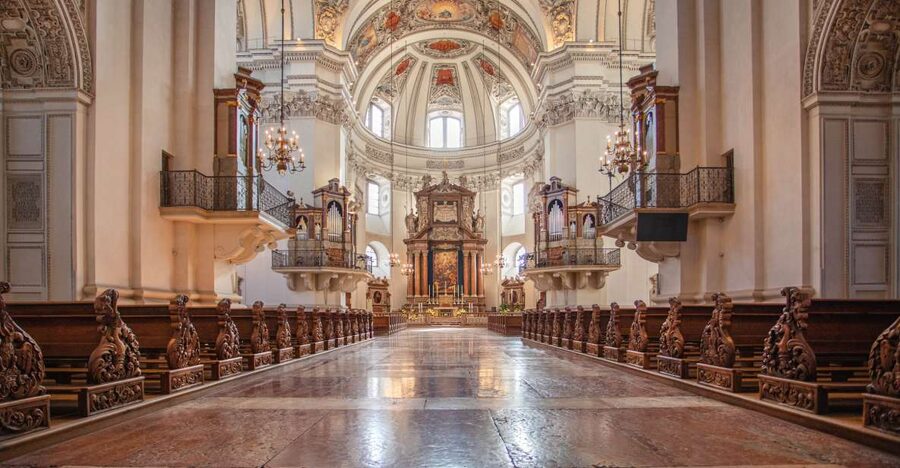
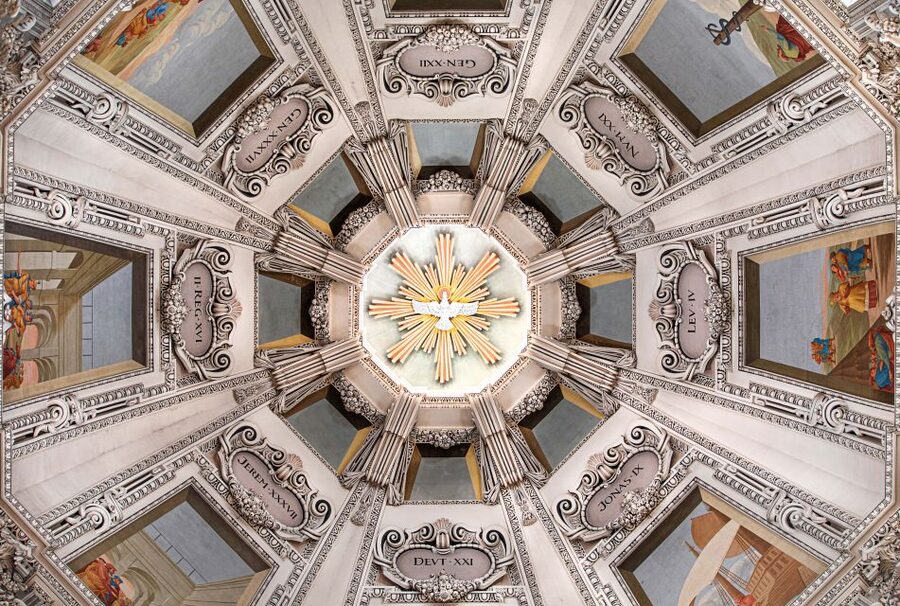
The cathedral itself is the first major part of the experience. Its Baroque design is bold without feeling cluttered. Look up at the imposing dome, then take in the marble facade and the restrained light inside the nave.
The interior has a particular visual quality. The sanctuary is light-filled, while other parts of the church feel more muted. During a quiet moment before the music begins, you can take in the proportions of the building and notice how the sound is likely to behave in such a large space.
The noon bells help create a clear beginning. Their toll brings the outside city into the cathedral for a moment, then the organ takes over. It is a simple transition, but an effective one.
You may also be able to look around before or after the concert, depending on the day’s access arrangements. One useful tip is to ask cathedral staff about combination admission if you plan to visit the building in detail. Some visitors have found that a cathedral combination ticket can cost less than purchasing separate admission and concert access.
Hearing four, five, six, or seven organs
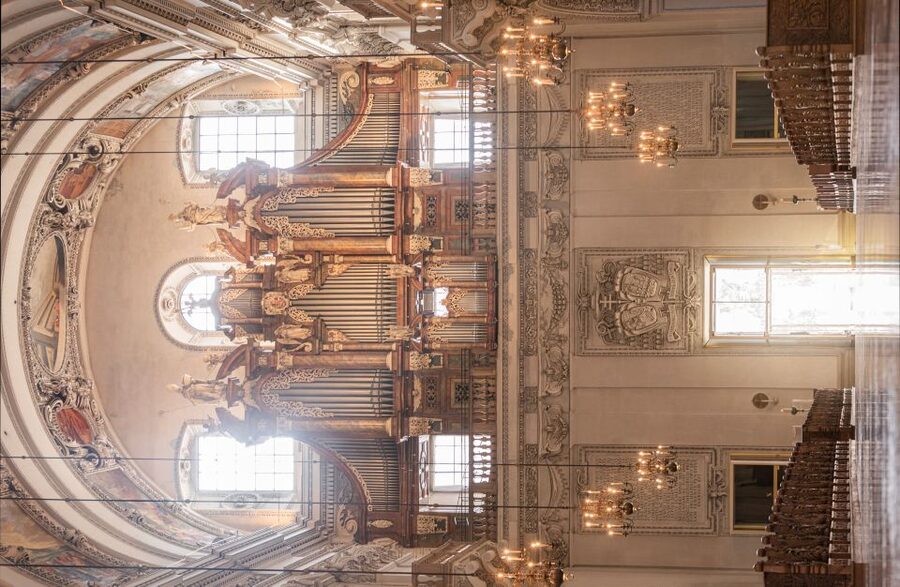
The most distinctive feature is the cathedral’s collection of seven organs. The number you hear is not always identical from one program to another. Performances have included four, five, six, and seven instruments, so you should think of the event as a guided musical sampling rather than a promise that every organ will be played each time.
That variation is part of the fun. You hear how different instruments can alter the same kind of music. Some passages may sound bright and nimble, while others have the weight and force you expect from a large pipe organ in a vast church.
The famous Great Organ is often included. Hearing it in the cathedral’s huge acoustic gives the concert its biggest moment, but it is not the only reason to attend. The contrast between the instruments is the real point.
An announcer or narrator introduces the organs and pieces, with information given in German and English. This helps you follow what is happening, especially when the organists move away from the main instrument. Without that explanation, you might simply hear music coming from different places and miss the clever structure of the program.
Two organists, and sometimes other performers
The performance centers on two organists. Their movement between the instruments is part of the presentation, and the change of position helps mark each section.
The music is often described as atmospheric and connected to the cathedral’s Baroque character. The setting does much of the work, but the musicianship matters just as much. Strong playing gives the building a voice rather than leaving it as a silent monument.
Some programs have also included violinists or a singer. These additions are not something I would treat as guaranteed, but when they appear, they can add another color to the organ sound. The performance can feel less like a single-instrument demonstration and more like a compact concert.
The music is not presented as a full biography of Mozart, and you should not expect a Mozart house concert in the cathedral. Instead, the performance evokes the musical world associated with Salzburg and its great composer. That is enough to add historical flavor without turning the 30 minutes into a lecture.
A completely different kind of day:
- The Original Sound of Music Tour in Salzburg
★ 4.5 · 6,129 reviews - Salzburg: Original Sound of Music Tour
★ 4.8 · 5,059 reviews - From Salzburg: Half-Day Tour to Hallstatt
★ 4.6 · 3,596 reviews - Salzburg: Hohensalzburg Fortress Admission Ticket
★ 4.6 · 2,236 reviews
The cathedral’s acoustics are part of the show
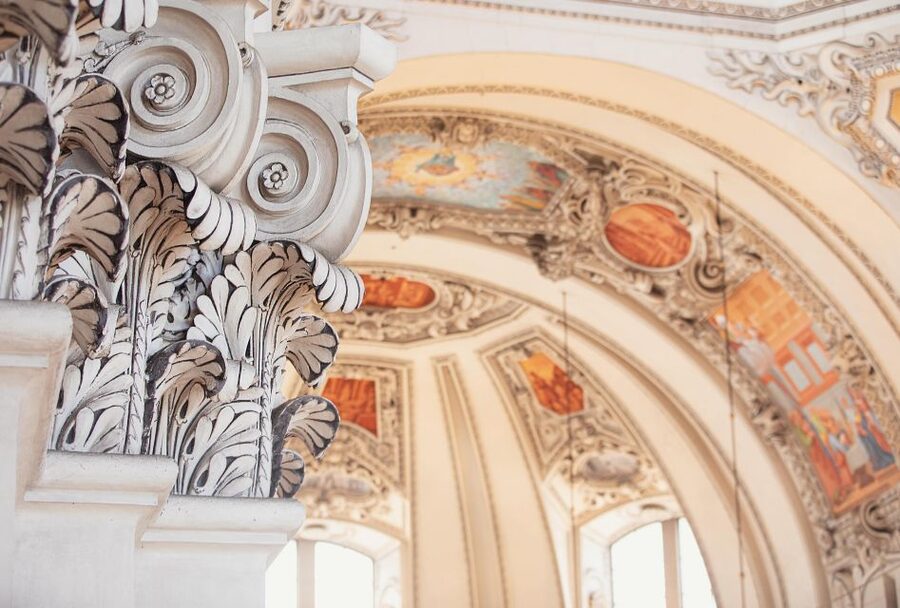
Several elements of this concert depend on the building’s acoustics. The organ sound carries through the cathedral with a long resonance, so the final notes do not disappear at once. They linger and blend with the stone interior.
That sound can be thrilling, particularly during the larger passages. It can also soften the detail of quick or delicate music. If you prefer a close, precise concert-hall sound, this may feel less exact. If you want to hear an organ filling a monumental church, the acoustics are a major reward.
The volume can also feel powerful. People looking for a calm pause in the middle of a busy sightseeing day may appreciate the atmosphere, but this is not background music in the usual sense. The cathedral becomes part of the instrument.
What the 30-minute itinerary feels like
The concert has a simple rhythm:
- You enter the cathedral and find an available seat.
- The noon bells help establish the setting.
- An introduction explains the program and the organs, with German and English information.
- Two organists perform on several instruments.
- The program ends with a fuller, more impressive passage.
The short length is carefully suited to the city’s sightseeing pace. You can fit it between major stops without giving up half a day. It also works well for a day trip, especially if you have limited time in Salzburg and want one experience that combines architecture, music, and local identity.
Still, the clock is the one persistent limitation. Movement between instruments, introductions, and several musical excerpts all take a little of the half hour. You receive a focused sample, not a long recital with room for extended pieces.
Finding a good seat without a reservation
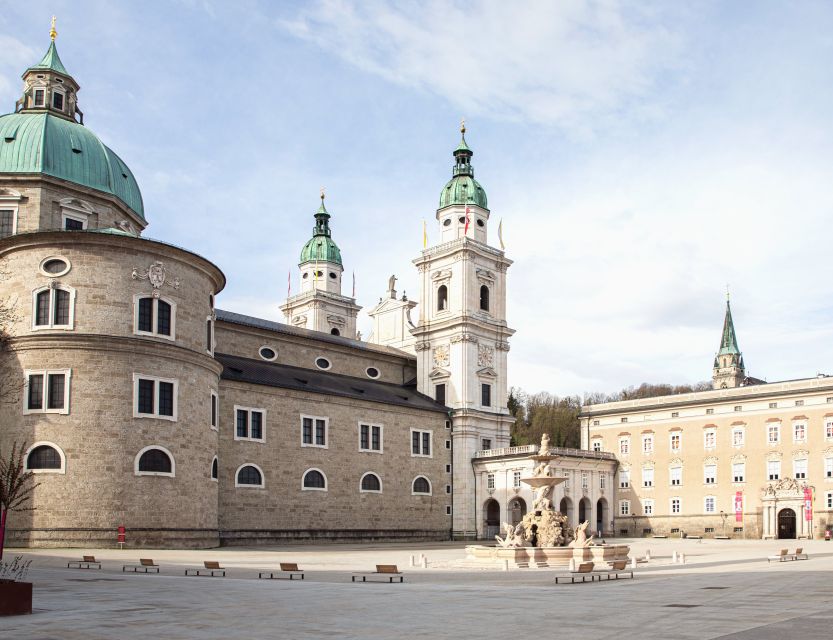
Seat reservations are not included, so you cannot choose a specific place in advance. If sitting near the front matters to you, arrive early.
Early arrival has another benefit. You get time to look at the interior before the concert starts instead of trying to admire the dome while people are finding seats. The cathedral is part of the experience, not just a concert hall, so a few quiet minutes can improve the visit.
The event can be well attended, but there have also been reports of plenty of seats. Availability may vary by season and date. I would not count on walking in at the last second and getting your preferred spot, particularly during popular periods.
If you book with a digital QR code, pay attention at the entrance. The QR code may need to be shown to the staff member, who then provides the ticket for scanning. It may not scan directly at the door scanner. This is a small point, but knowing it can save an awkward pause at the entrance.
Is $10 good value in Salzburg?
Yes, especially if you already plan to visit the cathedral. Salzburg can be an expensive city for concerts and cultural attractions, and $10 buys a genuine performance in one of the city’s grandest interiors.
The value comes from the combination of three things. You hear skilled musicians, you experience multiple organs, and you sit inside a major Baroque cathedral with outstanding acoustics. Even if you are not an organ specialist, the setting makes the price easy to justify.
The comparison with other cathedral admission options matters, though. If you want to explore the building, crypt, and other areas, check whether a combination ticket from the cathedral offers better value. One practical account found that buying a combination option directly through the cathedral could have worked out cheaper.
That does not make the concert a poor purchase. It simply means you should decide if you want a concert only or a broader cathedral visit. The concert price is low, but the best deal may depend on what else you plan to see.
What to see before and after the music
Give yourself time to study the facade before entering. The exterior prepares you for the scale of the interior, particularly the imposing dome that dominates Salzburg’s city view.
Inside, look toward the sanctuary and notice how the light changes across the nave. During the music, you may be tempted to focus only on the organ, but the visual setting shifts as the sound moves through the space.
After the concert, go down to the crypt if access is available as part of your cathedral visit. This was singled out as a worthwhile addition, and it gives you a quieter, more grounded counterpoint to the bright Baroque interior above.
Photography and video recording may be permitted, but I would keep your phone away during the performance. The screen glow and constant filming can pull attention away from the music. A short concert passes quickly, so it is worth giving it your full attention.
Who will enjoy this most
I would recommend the concert to several kinds of visitors:
- First-time visitors to Salzburg: It joins the city’s music, architecture, and religious heritage in one compact experience.
- Classical music fans: Hearing multiple organs in one building offers more variety than a standard single-instrument recital.
- Day trippers: The 30-minute length fits neatly into a tight schedule.
- Families and mixed-interest groups: The program is short enough for people who are unsure about organ music.
- Visitors seeking a quiet break: You can sit, listen, and let the city pause for half an hour.
- Wheelchair users: The activity is listed as wheelchair accessible.
You may want to skip it if you strongly prefer long concerts, reserved seating, or detailed commentary throughout. You should also bring an extra layer if you tend to feel cold in large churches. One account specifically found the venue chilly.
Practical planning for your Salzburg day
The midday timing makes this easy to pair with sightseeing. Plan your cathedral visit around the concert rather than treating the music as an afterthought. Arrive early enough to pass through the entrance, sort out your QR code, find a seat, and look around before the bells.
The reserve-now, pay-later option can help if your Salzburg plans are still moving. Free cancellation is available up to 24 hours in advance for a full refund. Check the current starting time when selecting your date, since availability and times can change.
The experience provider is Domkirchenfonds, Dom zu Salzburg. Since the performance takes place in an active cathedral, the atmosphere is more formal than at a casual street concert. Dress respectfully and be ready for a setting where sightseeing and worship may share the same space.
Should you book the Salzburg Cathedral organ concert?
I would book it if you want a short, affordable experience with a strong sense of place. The multiple organs and superb acoustics are the main reasons to go, while the cathedral itself gives the music visual weight.
Do not book it expecting a full-length concert. Think of it as a carefully chosen half-hour sampler, with two organists, several instruments, spoken introductions, and the occasional added performer. That is exactly why it works so well for most sightseeing schedules.
Arrive early, check the QR code procedure, ask about combination admission if you want to explore the cathedral, and bring something warm. For $10, this is an unusually good way to hear Salzburg’s music inside one of its most important buildings.
FAQ
How long is the Salzburg Cathedral organ concert?
The concert lasts 30 minutes.
How much does the concert cost?
The listed price is $10 per person.
How many organs are in Salzburg Cathedral?
The cathedral has seven organs.
Will all seven organs be played?
Not necessarily. Programs have included different numbers of instruments, including four, five, six, and seven organs.
Are two organists included?
Yes. The experience includes performances by two organists.
Is seating reserved?
No. Seat reservation is not included, so available seating is not assigned in advance.
Are introductions available in English?
Yes. Introductions are provided in both German and English.
Is the concert wheelchair accessible?
Yes. The activity is listed as wheelchair accessible.
Can I cancel for a full refund?
Yes. You can cancel up to 24 hours in advance for a full refund.
Just added in Salzburg
- Werfen: Hohenwerfen Castle Entrance Ticket★ 4.5 · 84 reviews
- Vienna: Private tour from Vienna to Hallstatt and Salzburg★ 5.0 · 1 review
- Private Melk Hallstatt, Salzburg tour from Vienna★ 4.9 · 22 reviews
- Vienna: Hallstatt & Salzkammergut Trip with Ossuarry Option★ 5.0 · 1 review
- Private Full Day Trip to Hallstatt ,Salzburg and Melk from Vienna★ 4.5 · 58 reviews
- Day Tour from Vienna to Hallstatt and Salzburg with Photographer★ 3.0 · 10 reviews
- From Vienna ,Lakes to Mountains,Melk,Hallstatt and Salzburg Tour★ 3.5 · 7 reviews
- Transfer from Vienna to Salzburg with 2 hours for sightseeing★ 5.0 · 24 reviews
Classical Concerts and Opera, compared.
Vivaldi’s Four Seasons Concert in Karlskirche
Read our review →
Classical Concert in the World-Famous Musikverein
Read our review →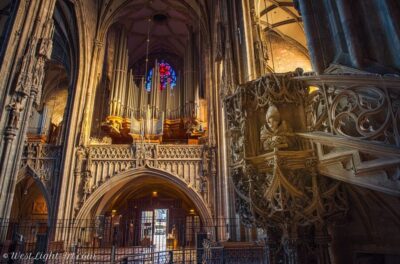
Classical Concert in St. Anne’s Church (Annakirche)
Read our review →
Browse the lists this tour appears in