
Reviewed · WINE TOURS
Guided Wine Tasting in a Hidden Wine Bar
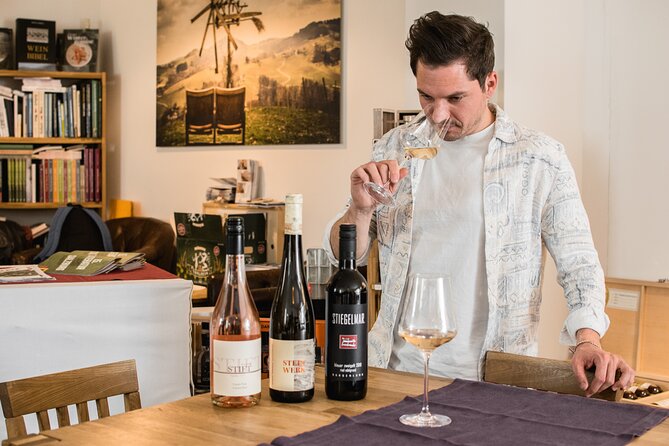
Salzburg has a wine side worth seeking out. This 45-minute tasting brings you to De Gustibus on Bergstraße, where you sample Austrian wines with small regional snacks and hear about the bottles from a local host. I like the small group size, capped at 10 people, and the chance to meet locals in an informal wine-shop setting. I also like the option to upgrade for three more wines and extra food.
The main caution is consistency. Some sessions include clear explanations and well-prepared snacks, while others feel like three glasses poured with little guidance. The setting may also feel more like a shop on a main street than a secret cellar, so I would book this for a relaxed taste of Austrian wine, not a formal wine course.
In This Review
- Key points to know before booking
- Starting at De Gustibus on Bergstraße
- Three wines and small Austrian bites
- What the wine explanation should include
- Salzburg is not Austria’s main wine region
- The premium option and its real value
- A friendly bar, or an awkward stop?
- Who will enjoy this Salzburg tasting most?
- Timing, age rules, and cancellation
- Should you book it?
- FAQ
- Where does the wine tasting begin?
- Where does the activity end?
- How long does the tasting last?
- How much does the experience cost?
- How many wines are included in the standard option?
- What does the premium option include?
- Are snacks included?
- What language is offered?
- How old do you need to be to participate?
- How many people can join the activity?
- Is cancellation free?
Key points to know before booking
- Three Austrian wines in the basic tasting: Expect a sparkling, white, and red selection in some sessions, though the exact mix can vary.
- Local food comes with the wine: Regional spreads, small delicacies, and charcuterie-style snacks help make the tasting feel like a light aperitif.
- A compact group of up to 10: The size can encourage conversation, but very small groups may feel less lively.
- The premium option doubles the tasting: You can choose three additional wines and more snacks for a total of six pours.
- The atmosphere is casual rather than theatrical: De Gustibus is a wine shop and bar at Bergstraße 14, not necessarily a candlelit hideaway.
- A good choice for wine-curious visitors: It works best if you want an easy introduction to Austrian bottles in central Salzburg.
Starting at De Gustibus on Bergstraße
The experience begins at Wine Shop De Gustibus, Bergstraße 14, 5020 Salzburg. The meeting point is near public transportation, and the activity returns to this same address, which keeps the logistics simple.
You should allow a few minutes to find the shop and arrive ready to begin. The tasting lasts about 45 minutes, so this is easy to fit between sightseeing stops, dinner, or an evening concert. It is also short enough that you will not lose half a day if the wines turn out not to be your main interest.
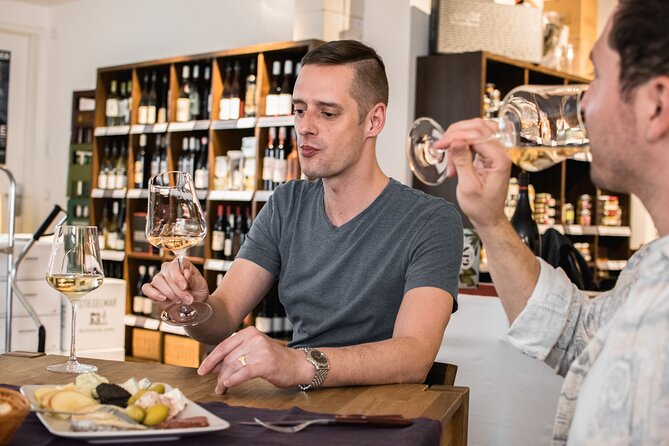
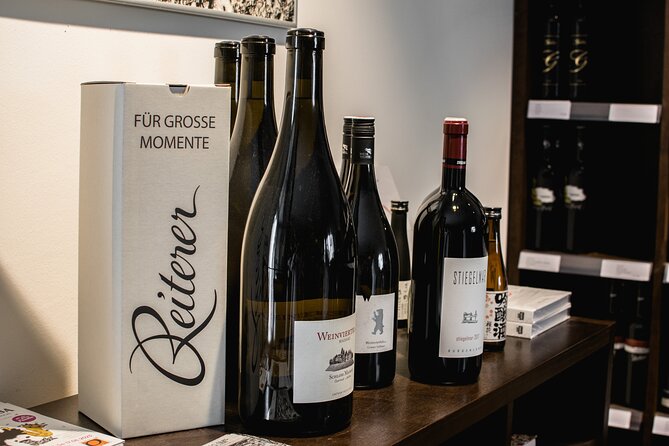
The phrase hidden wine bar sets a certain expectation. In practice, the room may feel more like a working wine shop on a central street than a secret underground retreat. That is not automatically a problem. A shop can offer a more direct connection to the bottles and the person pouring them. Still, if you want dramatic decor or a strong sense of discovery, keep your expectations modest.
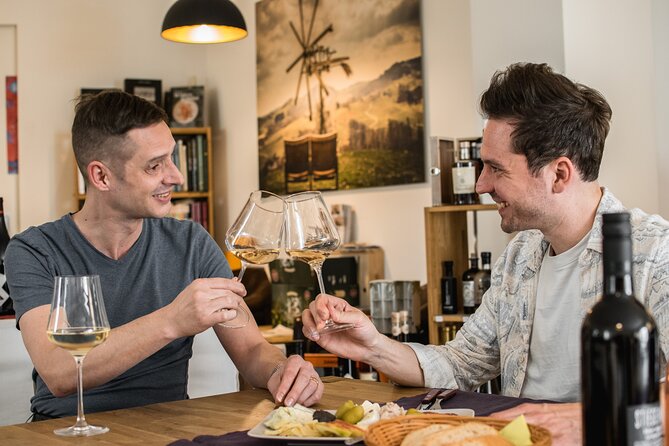
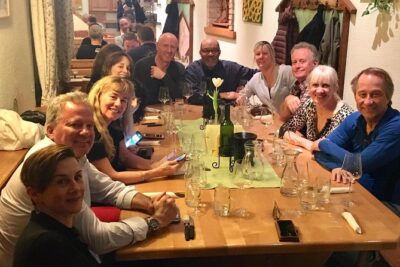
The setting has a casual social side. Several tasting sessions have turned into conversations with locals and other people stopping in for a drink. That can be one of the nicest parts of the experience, especially if you enjoy hearing about Salzburg beyond the usual sights.
It can also work against the tasting. If the shop is busy or the host is distracted, the educational part may receive less attention. I would see the location as a local wine stop first and a polished performance space second.
More Food Tours in Salzburg
- Salzburg: Stiegl Brewery Tour with Beer Tasting
★ 4.7 · 278 reviews - Salzburg: Guided Wine Tasting in a Hidden Wine Bar
★ 4.4 · 58 reviews - Salzburg: Stiegl Brewery Museum Entry Ticket & Beer Tasting
★ 4.0 · 35 reviews
Three wines and small Austrian bites
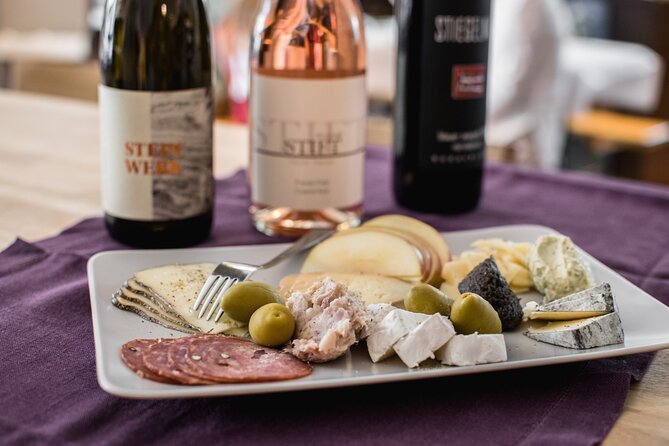
The standard experience centers on three wines. The intended range includes classic regional wines along with other Austrian selections. In one successful format, the flight included a sparkling wine, a white, and a red, giving you a useful look at different styles in a short sitting.
That range is important. Three wines are enough to notice contrasts in color, aroma, sweetness, acidity, and body, but not enough to make the tasting feel like a full study of Austrian wine. You are getting a sampler, not a complete survey of the country’s vineyards.
The exact wines are not fixed in the information provided, so you should not expect a guaranteed grape variety or producer. One session featured only white wines. If you have a strong preference for red, sparkling, or sweet wine, ask at the start what is being poured and if a change is possible.
Each wine is meant to come with a small snack. The food has received some of the warmest praise, including nicely prepared appetizers, unusual local bites, regional spreads, and a generous charcuterie-style tray. These are not described as a full meal, but they can make the tasting feel more complete.
The snacks matter for more than comfort. Food changes how wine tastes, especially when you move from a crisp white to a fuller red. It also gives the session a distinctly Austrian social rhythm: a few glasses, something savory, and time to talk.
I would not book this expecting a large lunch. Think of the food as a well-chosen accompaniment. If you arrive hungry, plan a proper meal before or after the tasting.
What the wine explanation should include
Austria has a long wine tradition. Grapes have been grown in the region since Roman times, and around 45,000 hectares of vineyards are cultivated across the country. That background gives the host plenty to work with, even in a short session.
At its best, the guide explains the flavor of each wine, its producer, and the place where it was made. You may hear why one wine tastes crisp, how a red differs from a lighter white, or how Austrian terms on the label help you understand the bottle. The best sessions also connect the wine to Austrian regions rather than treating each glass as an isolated product.
The quality of that explanation has varied. Some tastings have included clear introductions and useful descriptions. Others have offered little beyond the bottle label, leaving the participants to research the wines themselves. One particularly weak session involved the host pouring three glasses, stepping away partway through, and giving almost no explanation of the producers or tasting notes.
That difference is the key issue with this activity. The tour description promises a professional wine expert, but the actual level of instruction may depend heavily on the person leading your session and the pace of the shop that day. I would ask direct questions. What grape is this? Which Austrian region produced it? Is it typical of the area? What should I notice in the glass?
A host who welcomes those questions can turn a simple pour into a useful introduction. If you prefer to sit quietly and let the glasses arrive, the casual approach may suit you. If you want structured teaching, the experience carries some risk.
Salzburg is not Austria’s main wine region
You are in Salzburg, but Austria’s best-known wine areas are elsewhere in the country. That makes this tasting useful for visitors who are heading to Vienna, the Wachau, the Weinviertel, or other wine-producing areas later in their trip.
The session can give you a starting vocabulary. You may leave knowing which styles you enjoy and what to look for when you order wine at a restaurant. That is practical travel value. Instead of seeing Austrian wine as one large category, you can begin to notice differences among sparkling, white, and red bottles.
One especially well-received tasting included a selection of five wines, with a Weinviertel DAC Reserve earning special praise. The Weinviertel is one of Austria’s major wine areas, and DAC on the label refers to an officially controlled regional designation. This kind of bottle is a reminder that Austrian wine has its own terms and quality markers, not just familiar international grape names.
The basic experience does not promise a fixed number of specific wines, so you should not count on that exact selection. The premium option is designed to broaden the sample, adding three more wines and extra snacks. If you are serious about comparing Austrian styles, the upgrade makes more sense than it does for someone who simply wants one pleasant drink.
More Salzburg trips:
- The Original Sound of Music Tour in Salzburg
★ 4.5 · 6,129 reviews - Salzburg: Original Sound of Music Tour
★ 4.8 · 5,059 reviews - From Salzburg: Half-Day Tour to Hallstatt
★ 4.6 · 3,596 reviews - Salzburg: Mozart Concert at Mirabell Palace
★ 4.8 · 3,498 reviews
The premium option and its real value
At $45.27 per person, the basic tasting is not cheap for three pours lasting about 45 minutes. The price can feel fair when the session includes good wine, generous snacks, clear teaching, and warm hospitality. It feels poor value when the host simply pours the wine and gives little context.
The premium option adds three wines and more snacks. That changes the calculation. Six samples give you more room to compare styles, and extra food helps prevent the tasting from becoming a quick stop with a high per-glass cost. If the host is engaged, the longer format can offer a stronger sense of Austrian wine.
You should still consider what you want from the price. A formal tasting led by a specialist might justify a higher fee through detailed regional instruction. This experience is more informal. Part of what you are paying for is the setting, the local interaction, the snacks, and the chance to taste several Austrian bottles without ordering full glasses.
The social side also affects the value. Some people have enjoyed meeting local drinkers and fellow visitors, while others found the small crowd awkward, especially when only two people attended. A tiny group can lead to personal attention, but it can also make an unengaged host much more noticeable.
My advice is simple: choose the basic option if you are curious and have a free hour. Choose premium only if you genuinely want six wines or expect to spend more time comparing Austrian bottles.
A friendly bar, or an awkward stop?
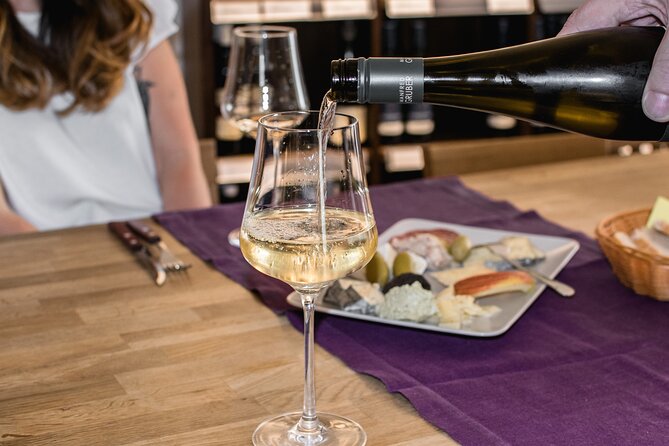
The strongest experiences share a few traits: a warm welcome, tasty snacks, good wine, and a host who explains the choices with energy. In that setting, the wine bar becomes a pleasant place to linger. Some people have stayed for an extra glass after the official tasting, which suggests that the room can feel welcoming when the mood is right.
The less successful sessions had a different feel. The host seemed uninterested, drank during the activity, or left participants without much instruction. One small session felt uncomfortable because there were only two people attending and the setting did not feel like a normal group tasting.
That does not mean a small group will always be a bad sign. You may enjoy a quieter table and more direct conversation. The point is that the format relies on the host’s attention more than a large, carefully staged tour would.
You may also find the atmosphere plain. The bar is not guaranteed to have a distinctive design, and the main-street location may not match the word hidden. If you are choosing this for atmosphere alone, the description may oversell it.
I would book it for company, wine, and a taste of local hospitality. I would not book it as a major Salzburg attraction in its own right.
Who will enjoy this Salzburg tasting most?
This experience fits you well if you:
- Want a short introduction to Austrian wine
- Enjoy small groups and casual conversation
- Like pairing wine with local snacks
- Are interested in meeting locals in an informal setting
- Have limited time in Salzburg
- Want the choice of three or six wines
- Are at least 18 and legally old enough to drink
It is less suitable if you want a certified wine educator, a fixed list of producers, detailed regional maps, or a guaranteed mix of red, white, and sparkling wines. The tasting may provide those elements, but they are not certain.
It also may not suit anyone looking for a substantial meal. The food is described as spreads, small delicacies, appetizers, and a charcuterie-style tray. Enjoy it as an accompaniment rather than dinner.
The mobile ticket is convenient, and service animals are allowed. Most people can take part, and the meeting point is near public transportation. The group maximum of 10 keeps the format manageable, though the actual group may be much smaller.
Timing, age rules, and cancellation
The activity lasts approximately 45 minutes and ends back at De Gustibus. That makes it easy to schedule before an evening plan, though I would avoid booking it so tightly that a late start creates problems.
The minimum drinking age is 18. Since the activity centers on alcohol, everyone in your party should be prepared to show that they meet the age requirement if asked.
Confirmation is provided at booking. Free cancellation is available when you cancel at least 24 hours before the start time. If you cancel later, the amount paid is not refunded, and changes made within that same 24-hour period are not accepted. The cut-off follows Salzburg local time.
Should you book it?
I would book this if you want an easy, social taste of Austrian wine and you accept that the experience may be informal. The best features are the local snacks, small group size, and chance to meet people at a real wine shop, not a guaranteed master class.
For the strongest chance of value, choose a time when you can relax rather than rush. Ask what wines are being poured, request some explanation, and consider the premium option only if six wines appeal to you. If you need a precise educational program, research the bottles yourself, or want a formal tasting room, this may disappoint.
At $45.27, the experience earns its price when the host is warm, the snacks are thoughtful, and the wine discussion has substance. If those pieces come together, you get a pleasant Salzburg evening with a local flavor. If not, you may feel that you paid too much for three pours.
FAQ
Where does the wine tasting begin?
It begins at Wine Shop De Gustibus, Bergstraße 14, 5020 Salzburg, Austria.
Where does the activity end?
The activity ends back at the meeting point at De Gustibus.
How long does the tasting last?
The tasting lasts approximately 45 minutes.
How much does the experience cost?
The listed price is $45.27 per person.
How many wines are included in the standard option?
The standard option includes three different wines.
What does the premium option include?
The premium option includes three additional wines and more snacks, for a larger tasting experience.
Are snacks included?
Yes. The wines are paired with regional spreads, small local delicacies, appetizers, or similar tasting snacks.
What language is offered?
The experience is offered in English.
How old do you need to be to participate?
The minimum drinking age is 18 years old.
How many people can join the activity?
The maximum group size is 10 people.
Is cancellation free?
Yes, you can cancel for a full refund if you cancel at least 24 hours before the experience starts. Cancellations or changes made less than 24 hours before the start time are not accepted for a refund.
More Beer and Bar Tours in Salzburg
- Salzburg: Pubcrawl Tour through best Bars and Clubs in Town
★ 3.8 · 64 reviews - Salzburg: Old Town Private Beer Tasting Tour
★ 5.0 · 2 reviews - Vienna: Guided Pub Crawl with Club Entry
★ 4.1 · 720 reviews - Vienna Nights Pub Crawl
★ 4.5 · 642 reviews
More Wine Tours in Salzburg
- Private Austrian Wine & Charcuterie Tasting Class with a Pro-Sommelière
★ 5.0 · 4 reviews - Wachau Valley Wine Tasting Bike Tour from Vienna
★ 5.0 · 829 reviews - Vienna: Swarovski House Tour with Champagne and Gift
★ 4.7 · 787 reviews - Countryside Half Day Wine Tour near Vienna
★ 5.0 · 545 reviews
Just added in Salzburg
- Werfen: Hohenwerfen Castle Entrance Ticket★ 4.5 · 84 reviews
- Vienna: Private tour from Vienna to Hallstatt and Salzburg★ 5.0 · 1 review
- Private Melk Hallstatt, Salzburg tour from Vienna★ 4.9 · 22 reviews
- Vienna: Hallstatt & Salzkammergut Trip with Ossuarry Option★ 5.0 · 1 review
- Private Full Day Trip to Hallstatt ,Salzburg and Melk from Vienna★ 4.5 · 58 reviews
- Day Tour from Vienna to Hallstatt and Salzburg with Photographer★ 3.0 · 10 reviews
- From Vienna ,Lakes to Mountains,Melk,Hallstatt and Salzburg Tour★ 3.5 · 7 reviews
- Transfer from Vienna to Salzburg with 2 hours for sightseeing★ 5.0 · 24 reviews
Wine Tours, compared.
Wachau Valley Wine Tasting Bike Tour from Vienna
Read our review →
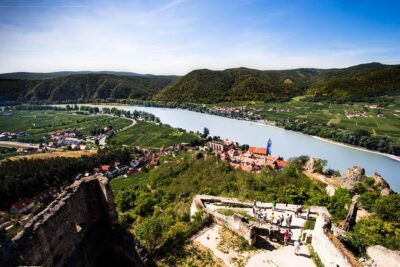
Wachau Valley Small-Group Tour and Wine Tasting from Vienna
Read our review →
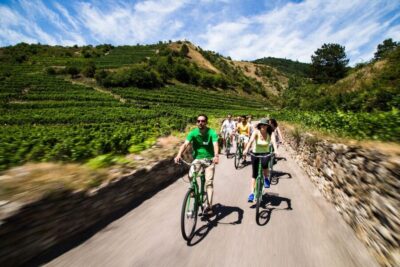
Grape Grazing: Wachau Valley Winery Biking Tour
Read our review →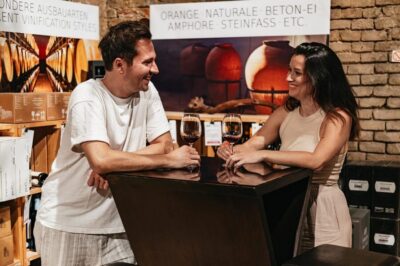
Wine Tasting Experience in a Private Wine Cellar
Read our review →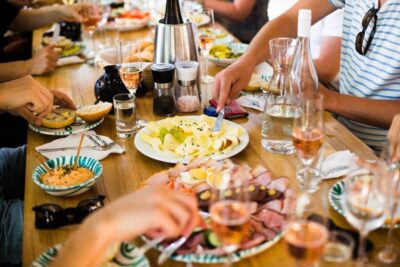
Browse the lists this tour appears in